
25 Celebrities Who’ve Opened Up About Facing Racism
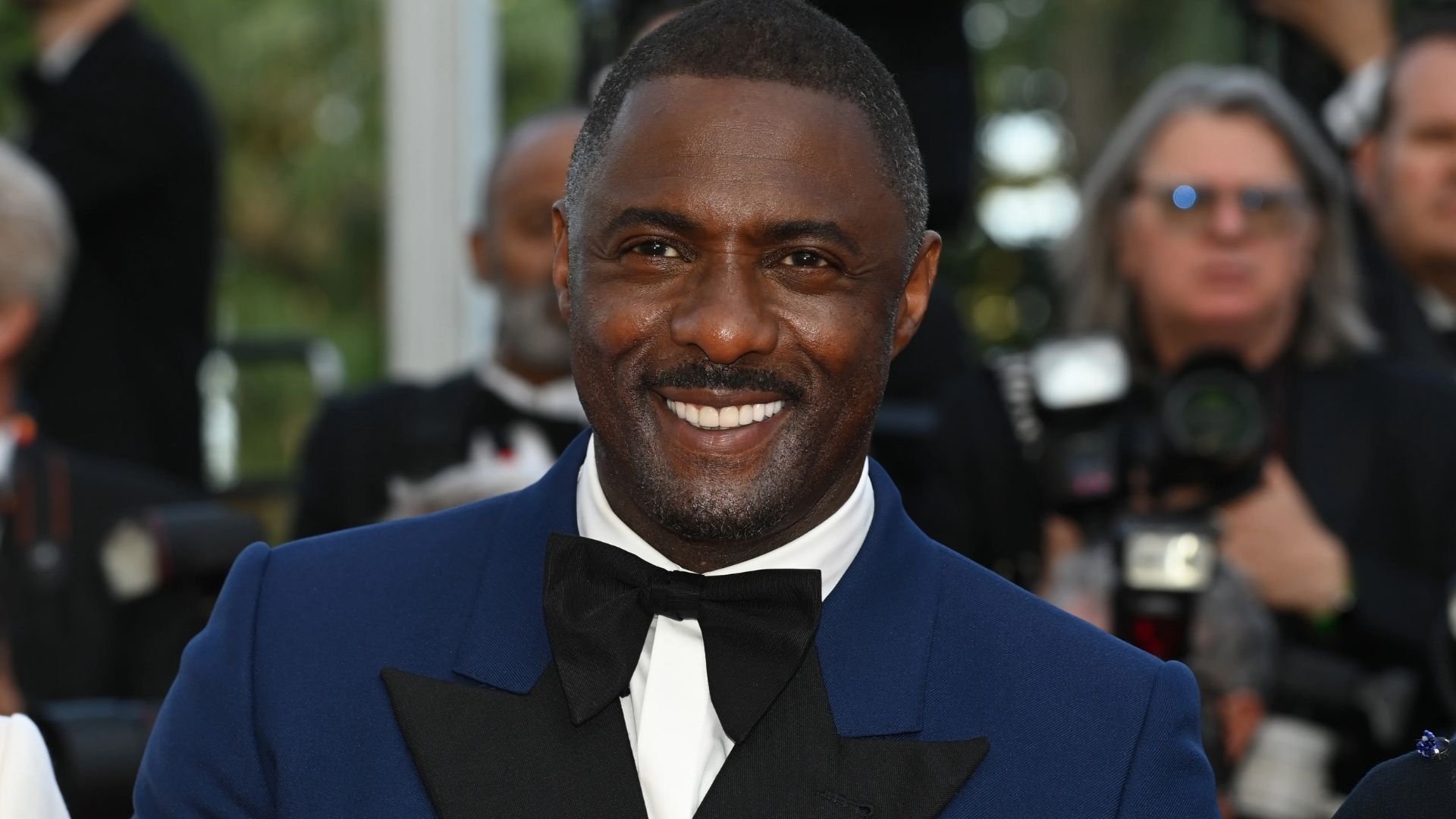
Idris Elba
Idris Elba encountered racist backlash when rumours circulated that he might portray James Bond. Some insisted it was impossible; not for lack of skill, but because Bond “couldn’t be Black.” Elba found it disheartening, as these objections exposed generational prejudice. Despite global fame, he was reminded that some still see race as a barrier.
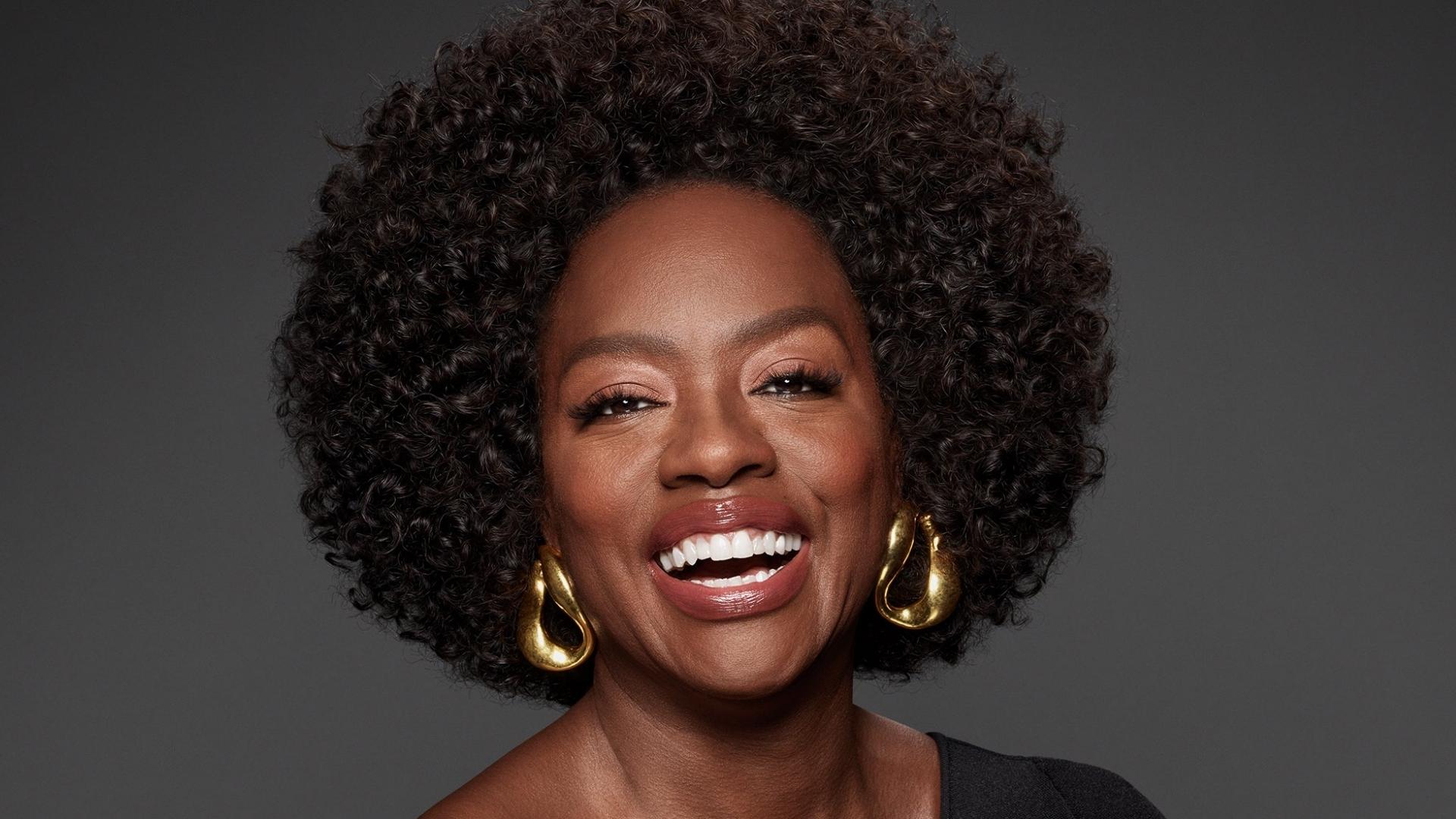
Viola Davis
Viola Davis has been outspoken about the racism she faced from childhood to her Hollywood career. Growing up in poverty in Rhode Island, she endured daily harassment, including being chased and called slurs on her way to school. Even after becoming acclaimed, she confronted industry bias, being offered limited roles and constantly compared to lighter-skinned actresses.
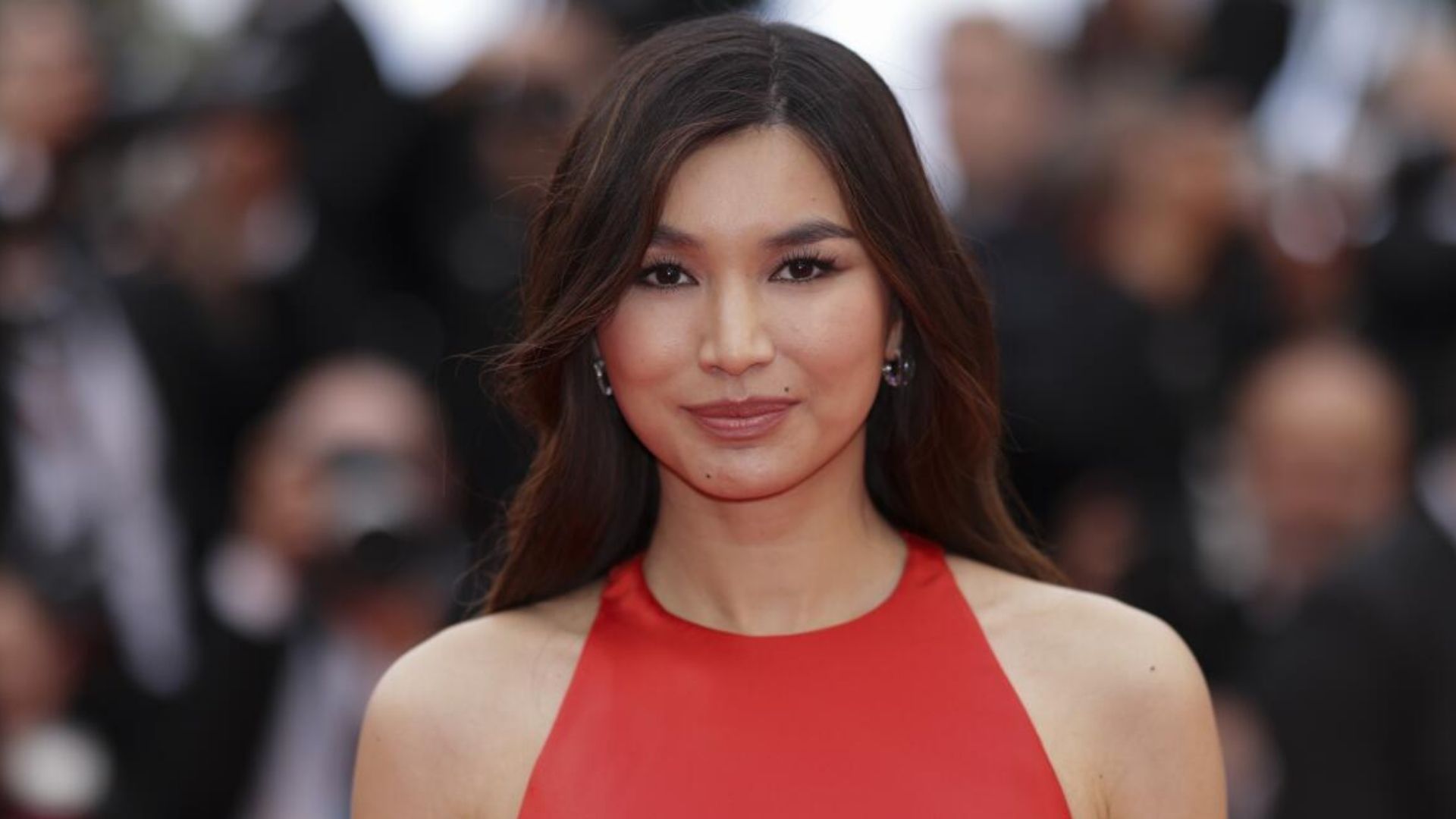
Gemma Chan
Gemma Chan has spoken about being deemed “too Asian” for some roles and “not Asian enough” for others, exposing the impossible standards imposed on actors of colour. She faced casting decisions rooted in narrow stereotypes rather than talent. Chan highlighted how Asian actors are often judged against a monolithic image instead of seen as individuals.
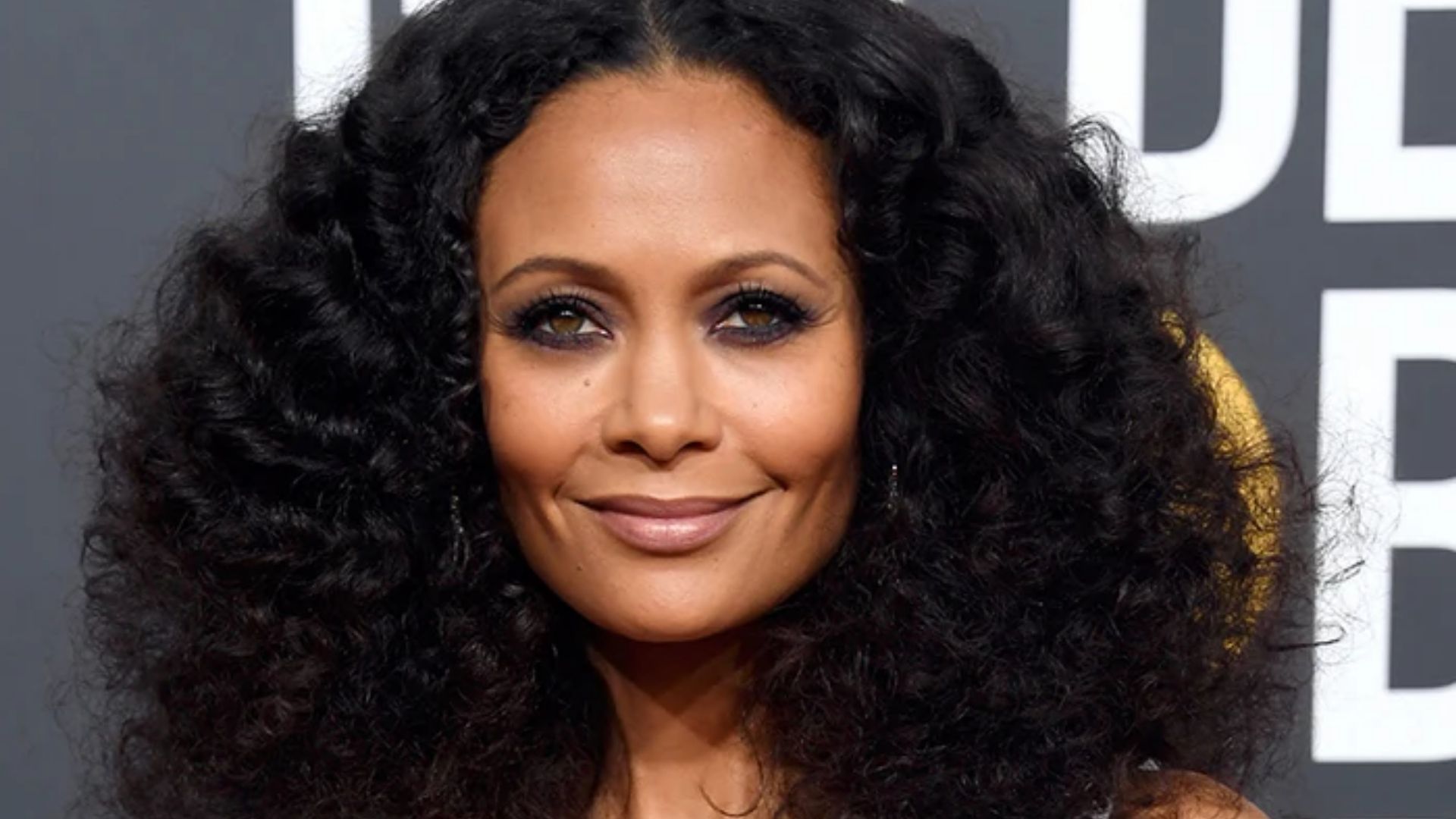
Thandie Newton
Thandie Newton recalled a disturbing meeting with a Hollywood executive who suggested she act “more Black,” offering offensive stereotypes as guidance. She felt reduced to caricature rather than treated as an artist. Newton said such encounters damaged her confidence, revealing how racism in entertainment is often disguised as creative direction.
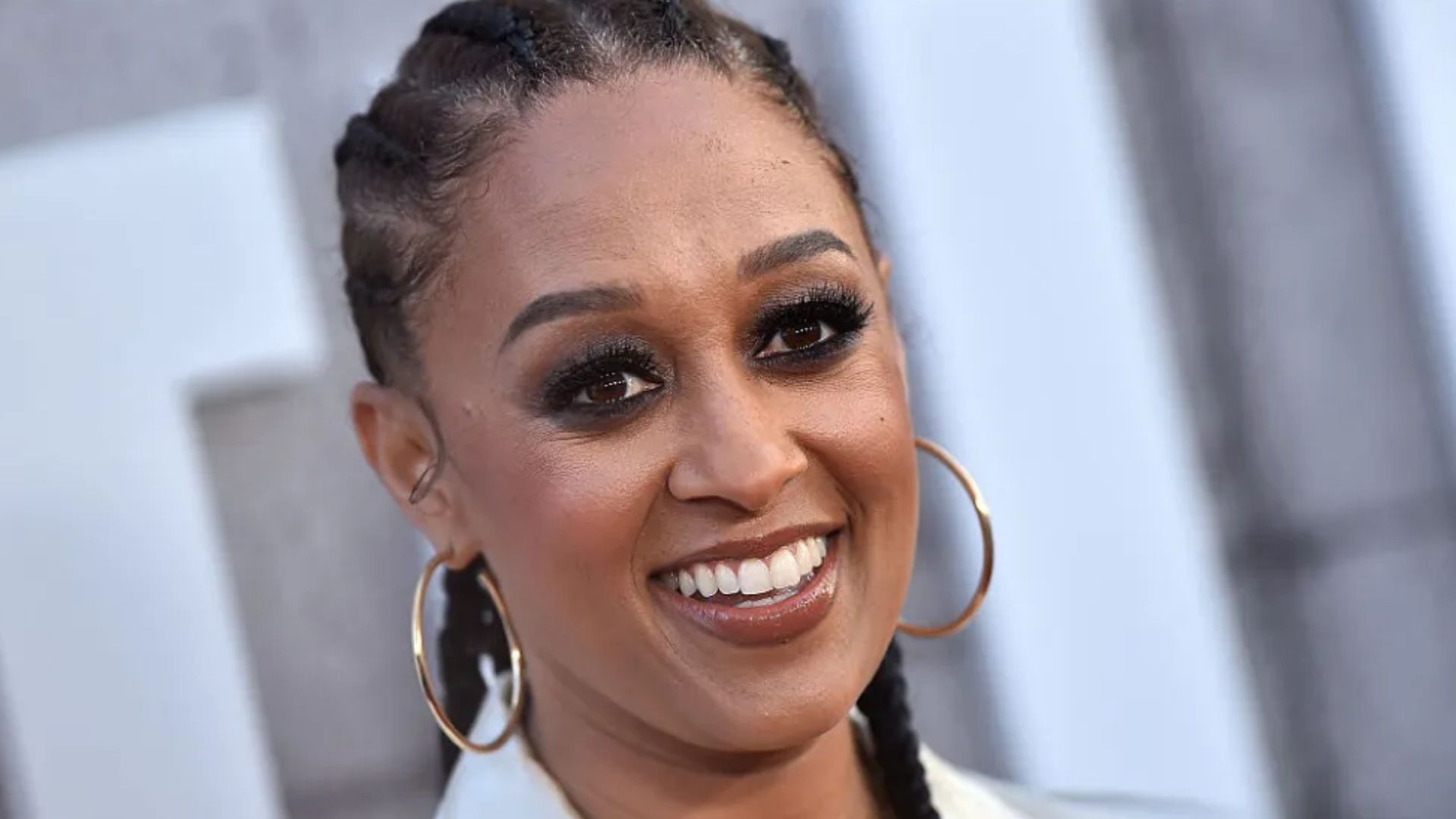
Tia Mowry
Tia Mowry shared painful memories of her mother facing racial profiling. During their Sister, Sister years, while flying first class, her Black mother was repeatedly questioned about whether she belonged there. In another instance, a housing agent lied about properties being unavailable, until her white father entered, and the story changed.
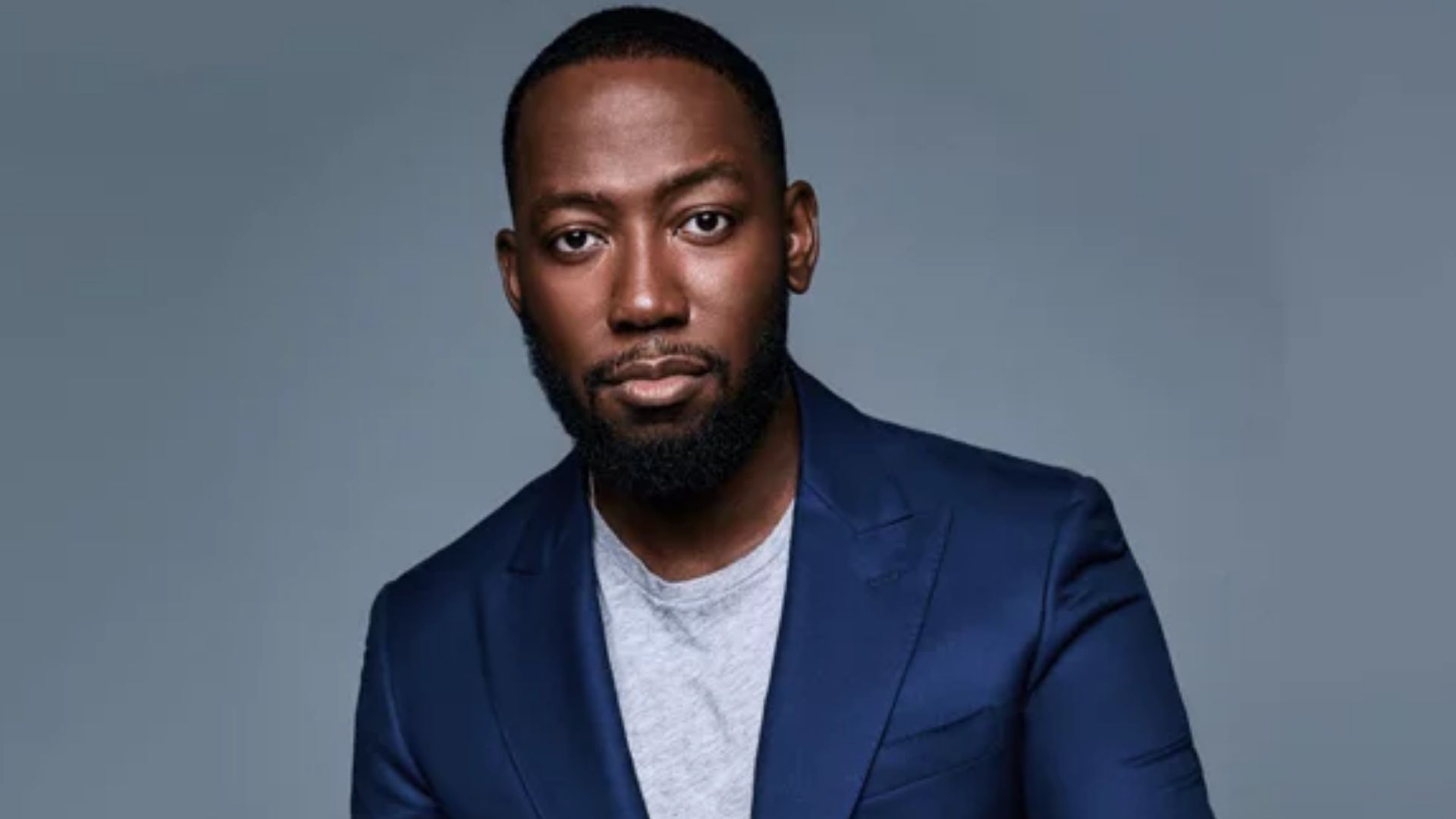
Lamorne Morris
Lamorne Morris has highlighted racism within the entertainment industry. On one production set, he was told there wasn’t a budget for a barber, even though white actors received full styling support. He began noticing how such “budget issues” conveniently applied only to Black performers. Morris spoke about how these experiences show a deeper systemic problem, where inclusion is publicly celebrated but privately undermined.
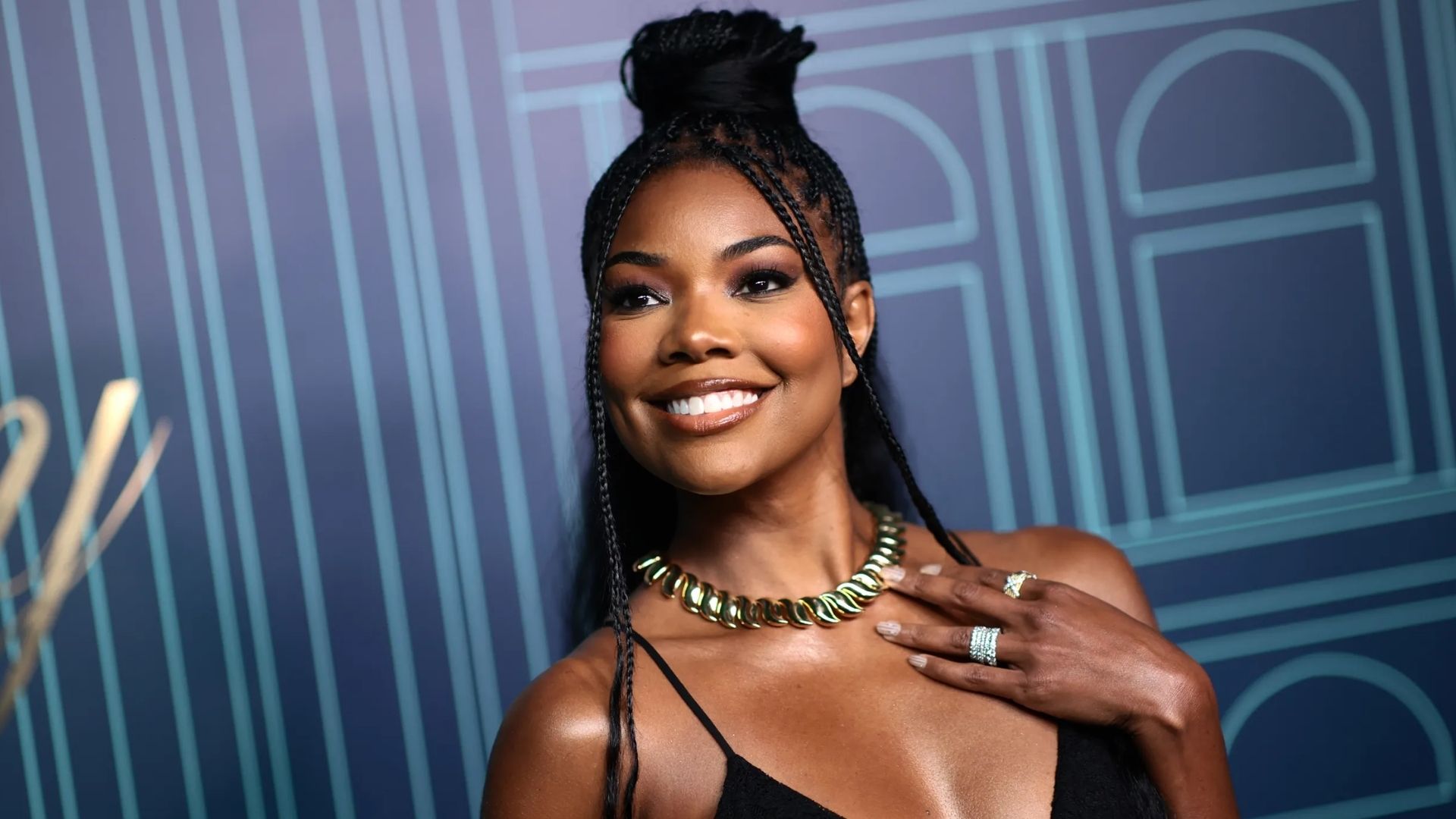
Gabrielle Union
While visiting Croatia, Gabrielle Union entered a bar unaware it was filled with racist symbolism. Inside, she and her friends heard slurs, and men revealed swastika tattoos. When they left, the men followed them through the streets, creating a terrifying chase. Union described the fear of being hunted simply for being Black.
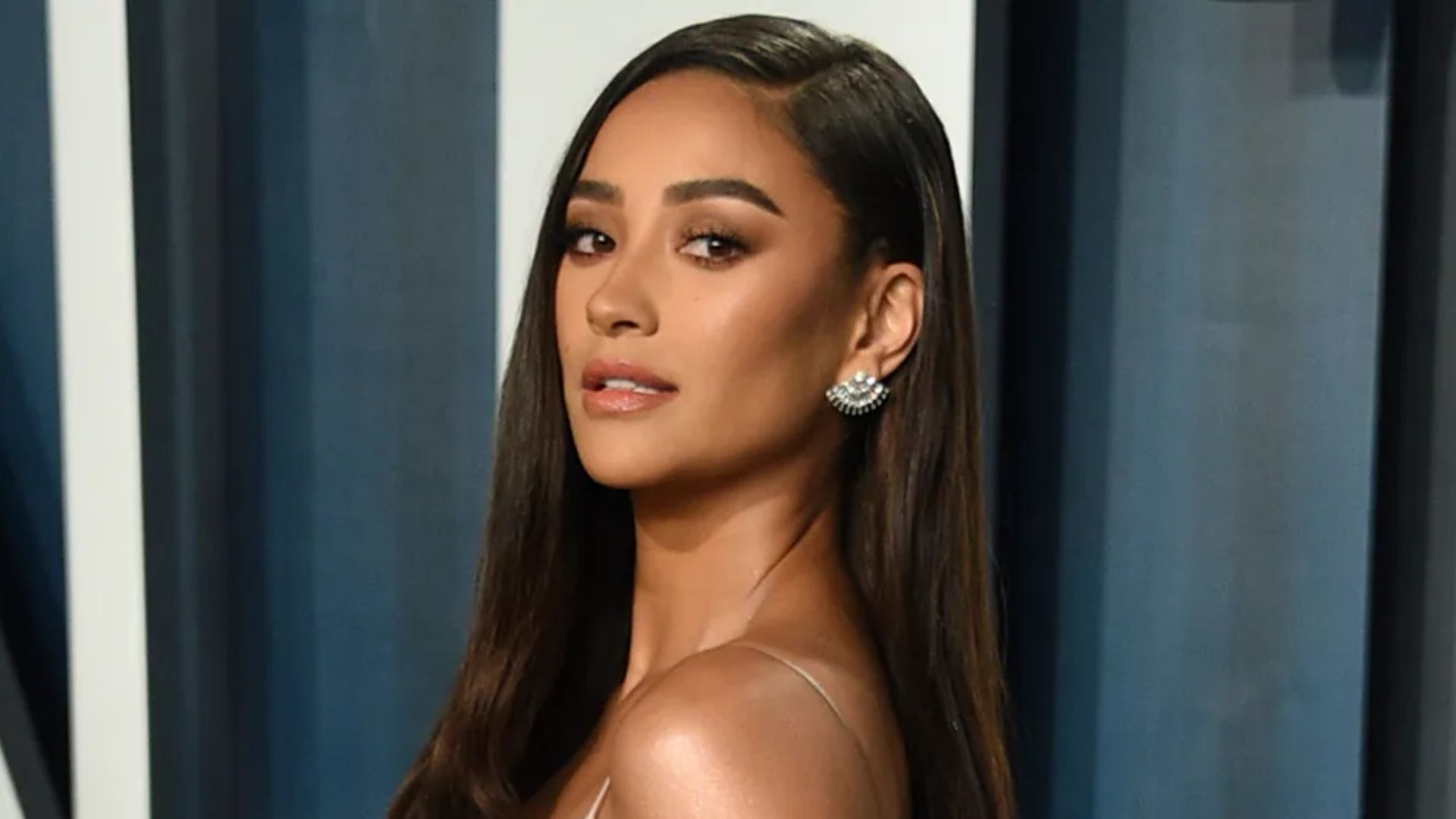
Shay Mitchell
Shay Mitchell grew up watching her Filipina mother endure demeaning comments, often mistaken for domestic staff because of her appearance. During flights, people questioned whether she belonged in first class. Mitchell herself was bullied at school, asked if she would “clean bathrooms” when she grew up. These experiences showed her how normalized racism can be, hiding behind casual remarks and assumptions.
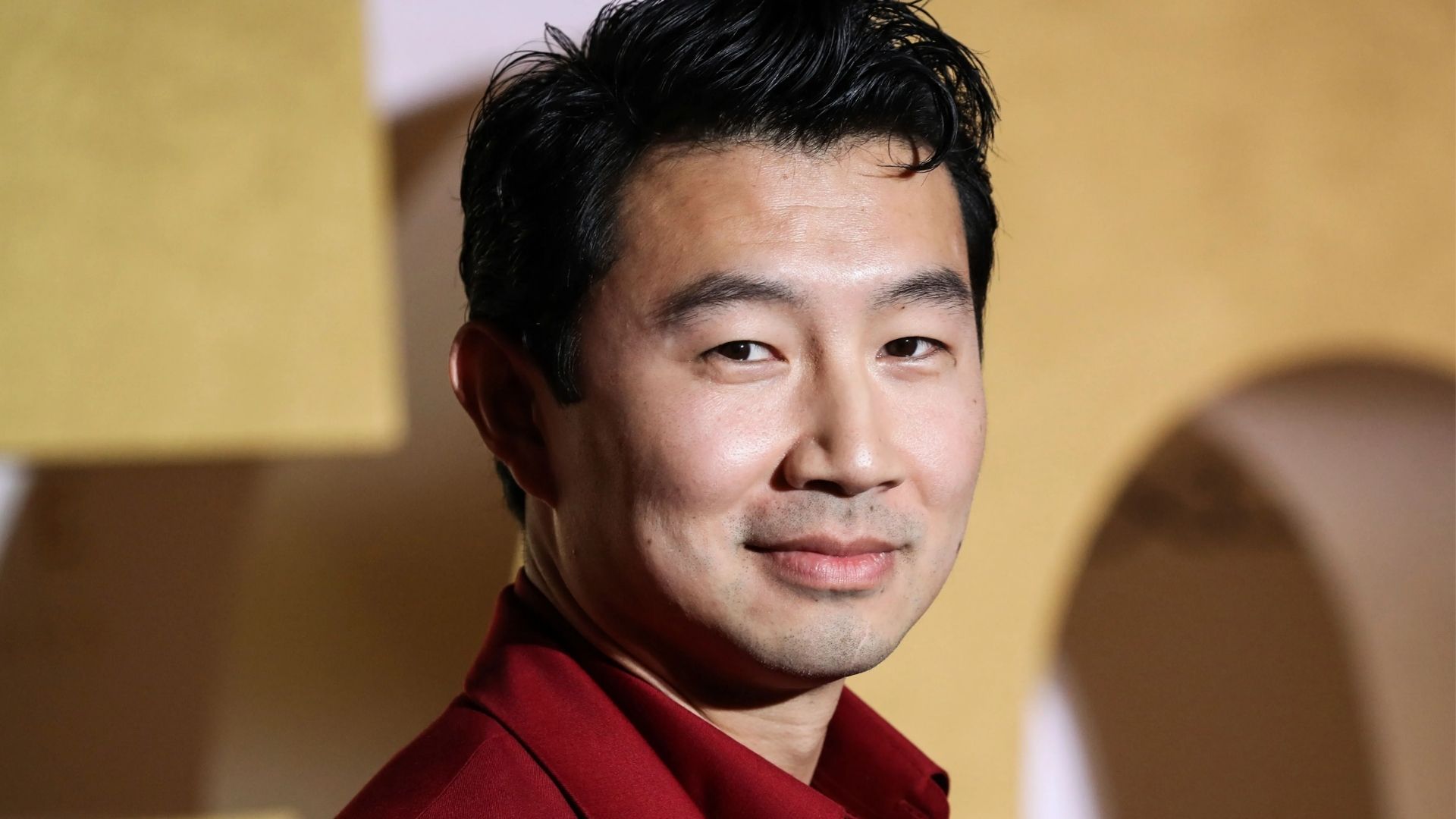
Simu Liu
Simu Liu has spoken about the subtle and overt racism directed at his immigrant parents. He witnessed service workers deliberately speaking too fast to mock their accents, acting as though they were burdens. He constantly heard stereotypes about Asian appearance and culture, including the familiar slur, “Go back to China.” Liu expressed disappointment in bystanders who remained silent.
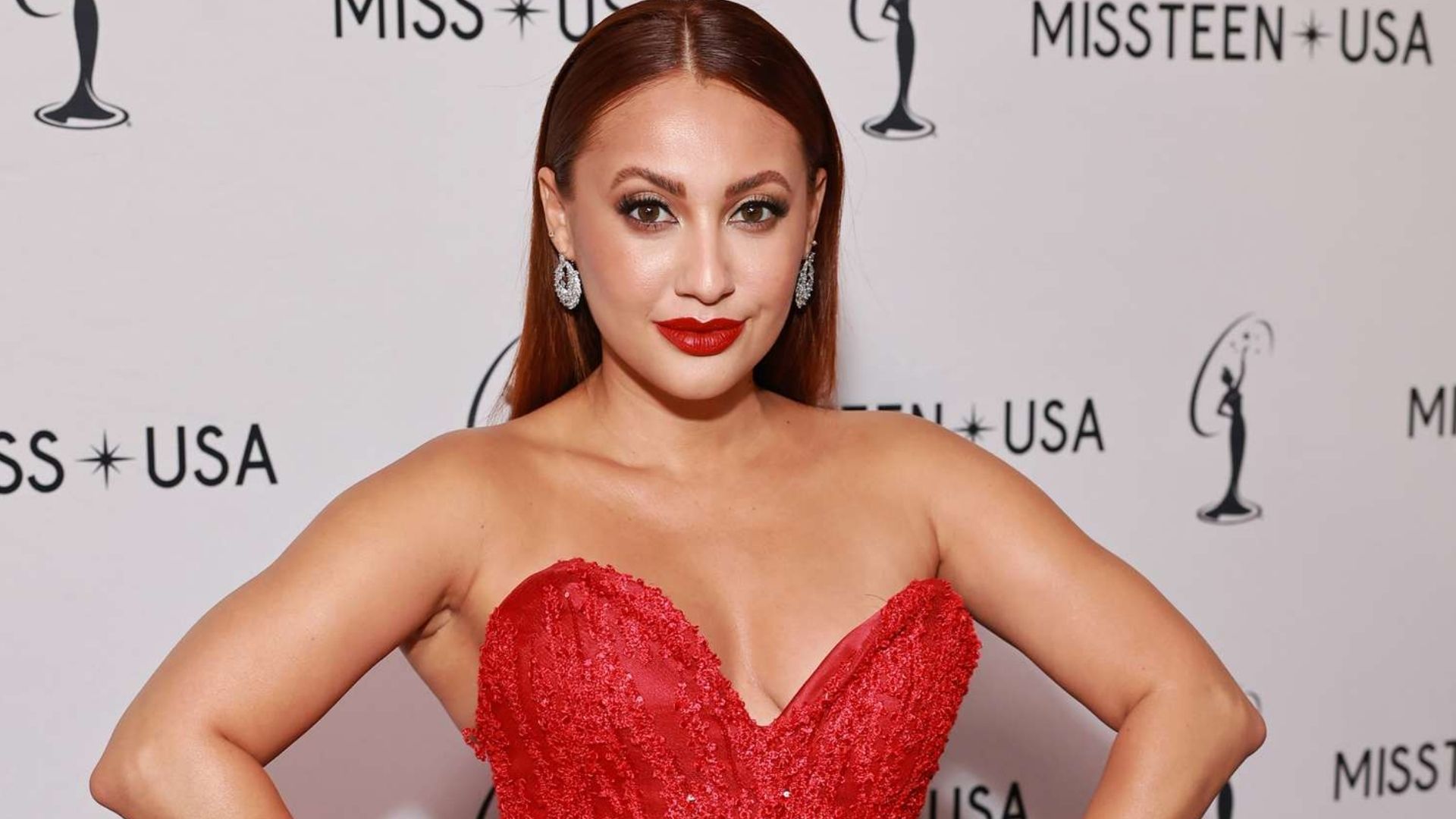
Francia Raisa
Francia Raisa recounted a terrifying encounter on a Los Angeles freeway during a political rally. Drivers boxed her in, mocking her as “Mexican” and laughing while she struggled to escape. She feared for her life, nearly crashing as they refused to let her out.
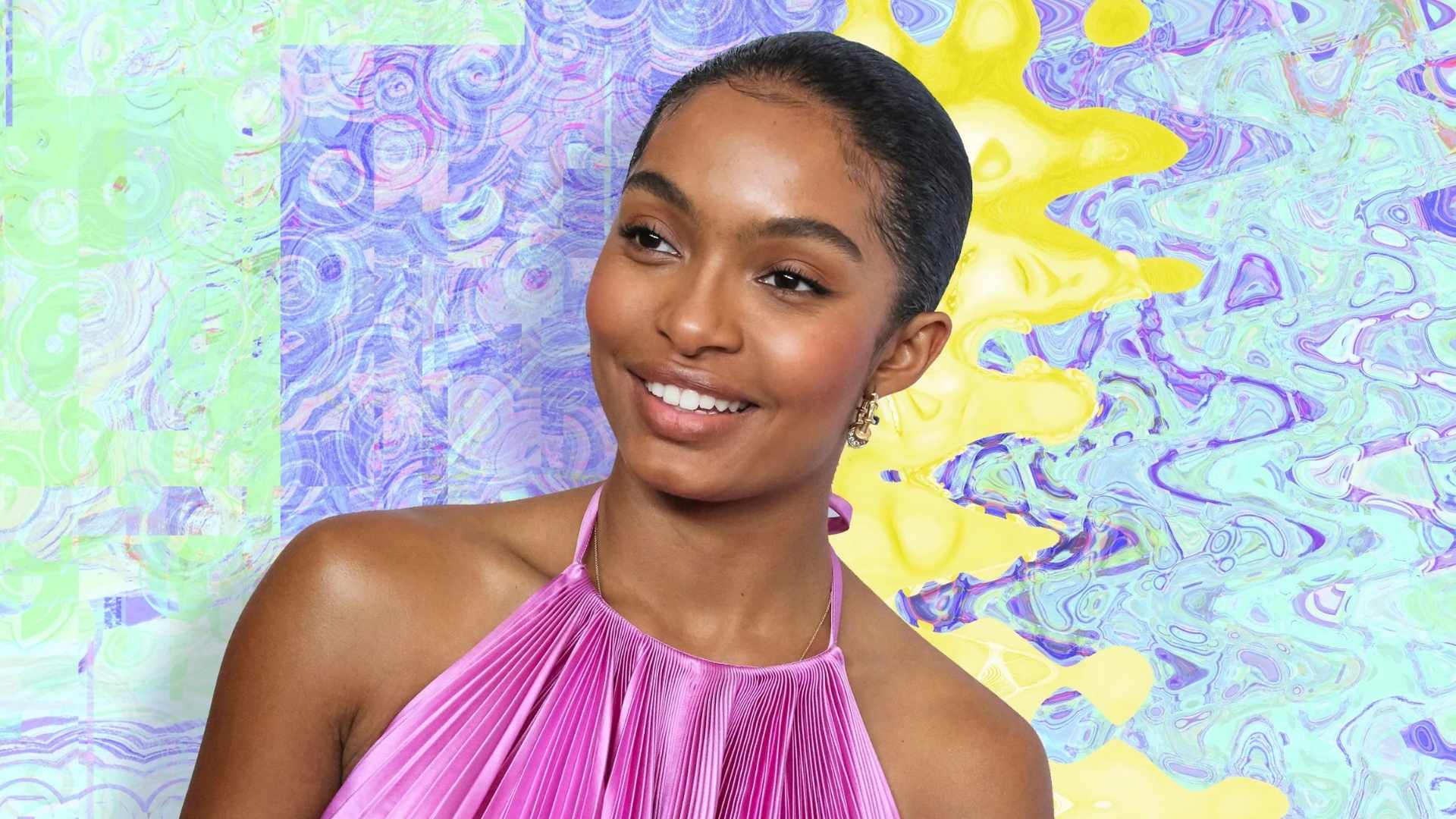
Yara Shahidi
Yara Shahidi has faced persistent microaggressions tied to her identity as a Black and Iranian woman. People made remarks about her hair, suggesting it looked better straight, or commented on her background with ignorance. These subtle jabs reinforced the message that she didn’t fit the ideal.
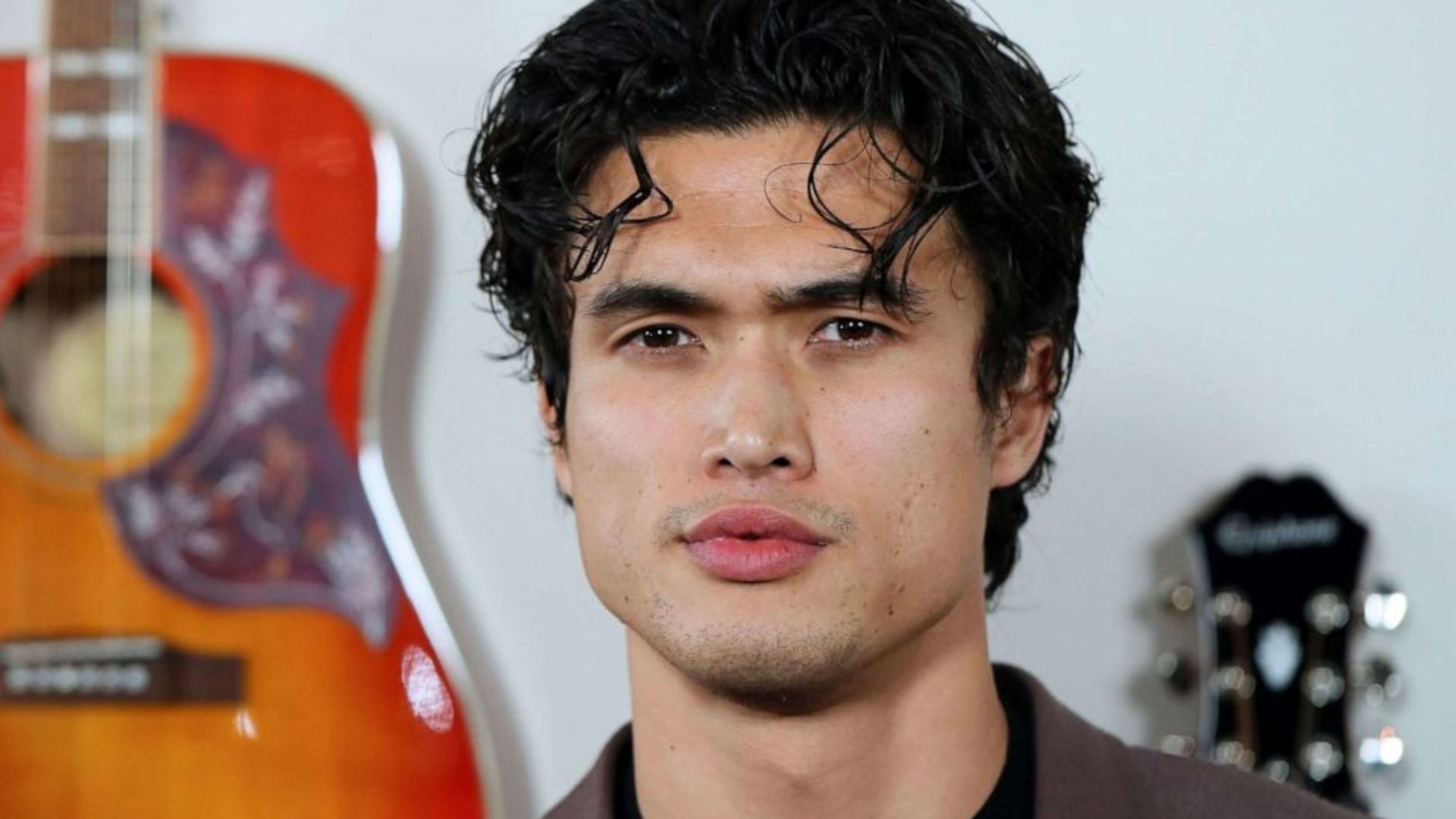
Charles Melton
Charles Melton reflected on being raised by a Korean mother who endured constant disrespect. He watched strangers talk down to her as if she didn’t belong, leaving him feeling powerless. As a child, he absorbed shame when classmates mocked the scent of Korean food in his home. Melton says that when you never see your heritage represented, you begin to question your place in the world.
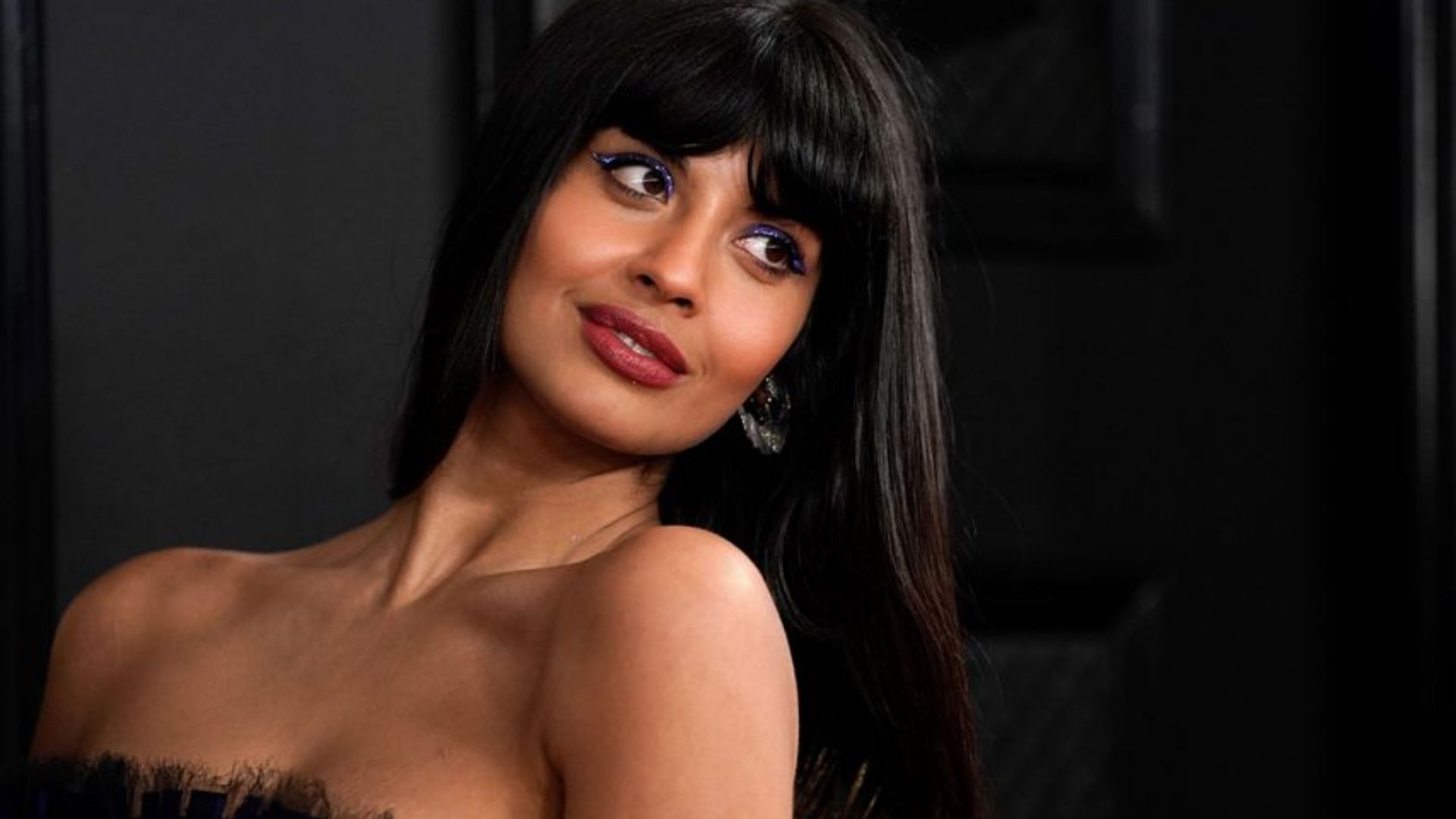
Jameela Jamil
Jameela Jamil has spoken about enduring racism and classism as a British-Pakistani child. She faced physical and verbal bullying at school, targeted for her ethnicity, poverty, and appearance. From an early age, she witnessed how society judged her family for their background. She says she became angry at injustice because silence offered no protection. These experiences shaped her activism, as she pushes back against stereotypes imposed on people of colour.
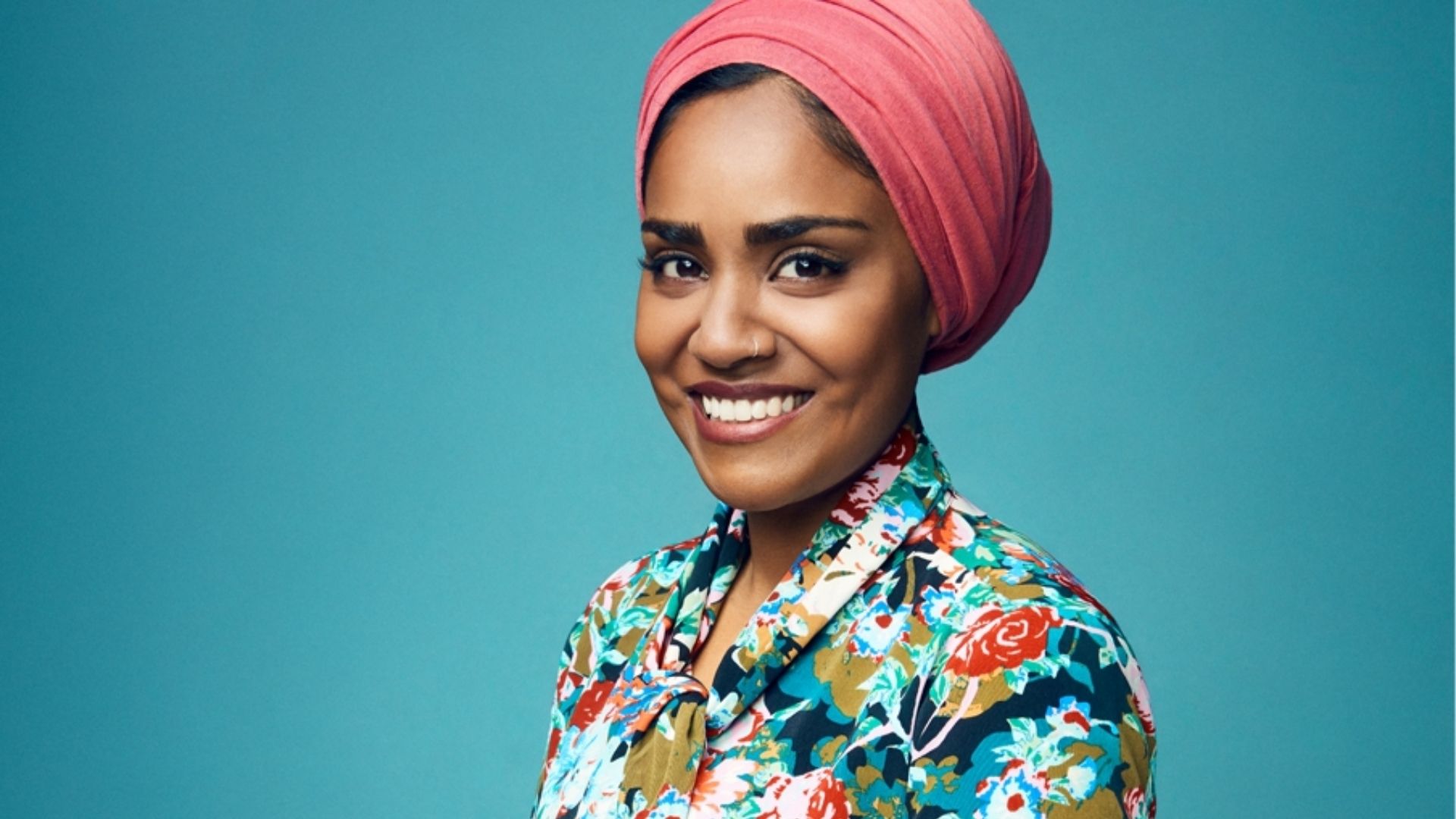
Nadiya Hussain
Before becoming a beloved figure on The Great British Baking Show, Nadiya Hussain attended a casting for hand models. Upon meeting her, the recruiter said, “I’m sorry, I didn’t know you were Black.” When Nadiya replied that the job was about hands, she was told, “Black hands don’t sell jewelry.” That moment revealed the deep prejudice baked into beauty and marketing standards.
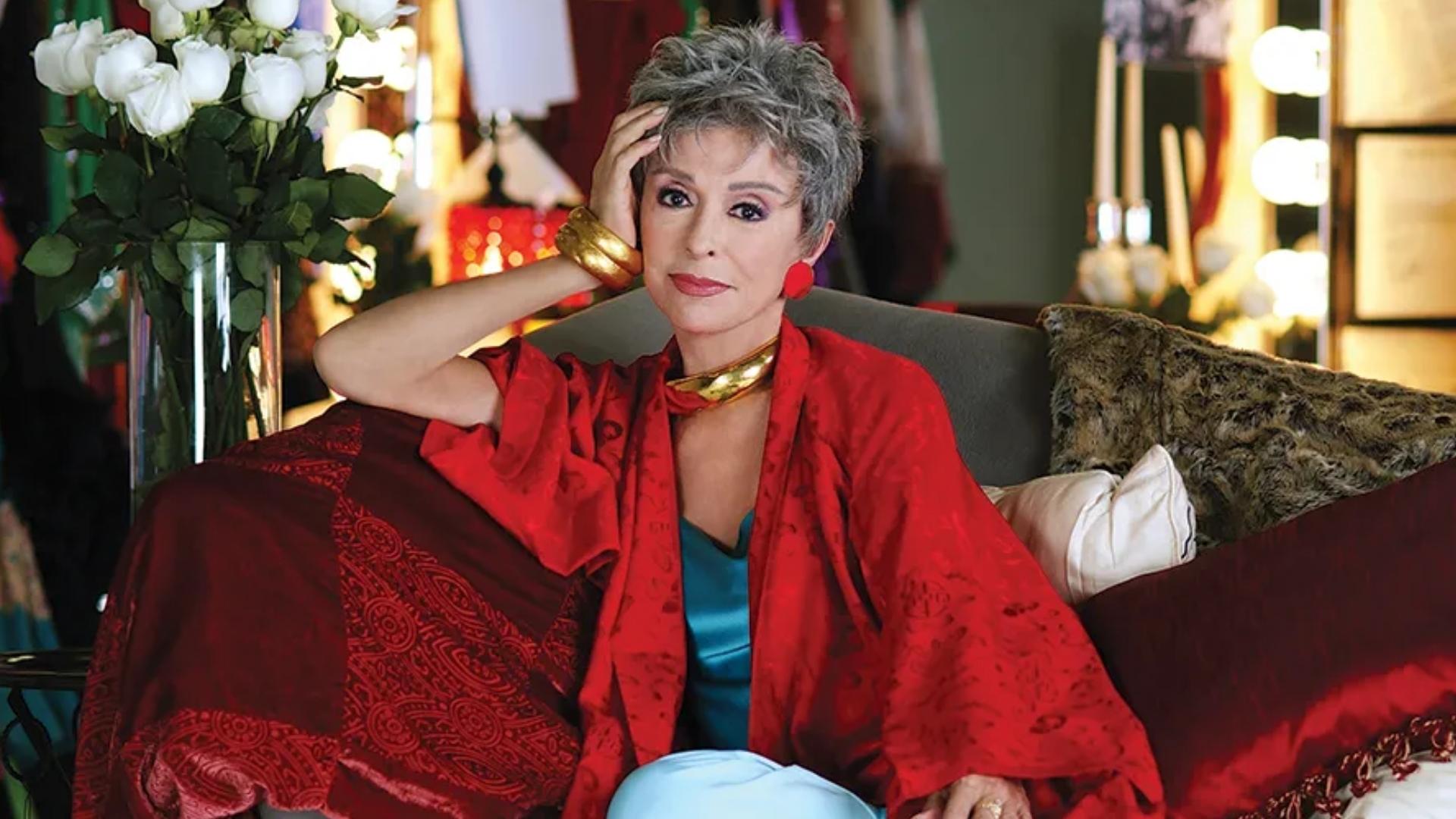
Rita Moreno
After moving from Puerto Rico to New York, Rita Moreno was met with racial slurs and degradation. As a child, she internalized the hateful words, growing up believing she had little worth. She later admitted it led to self-loathing rooted in shame about her heritage. Moreno’s journey involved unlearning that imposed inferiority and reclaiming pride.
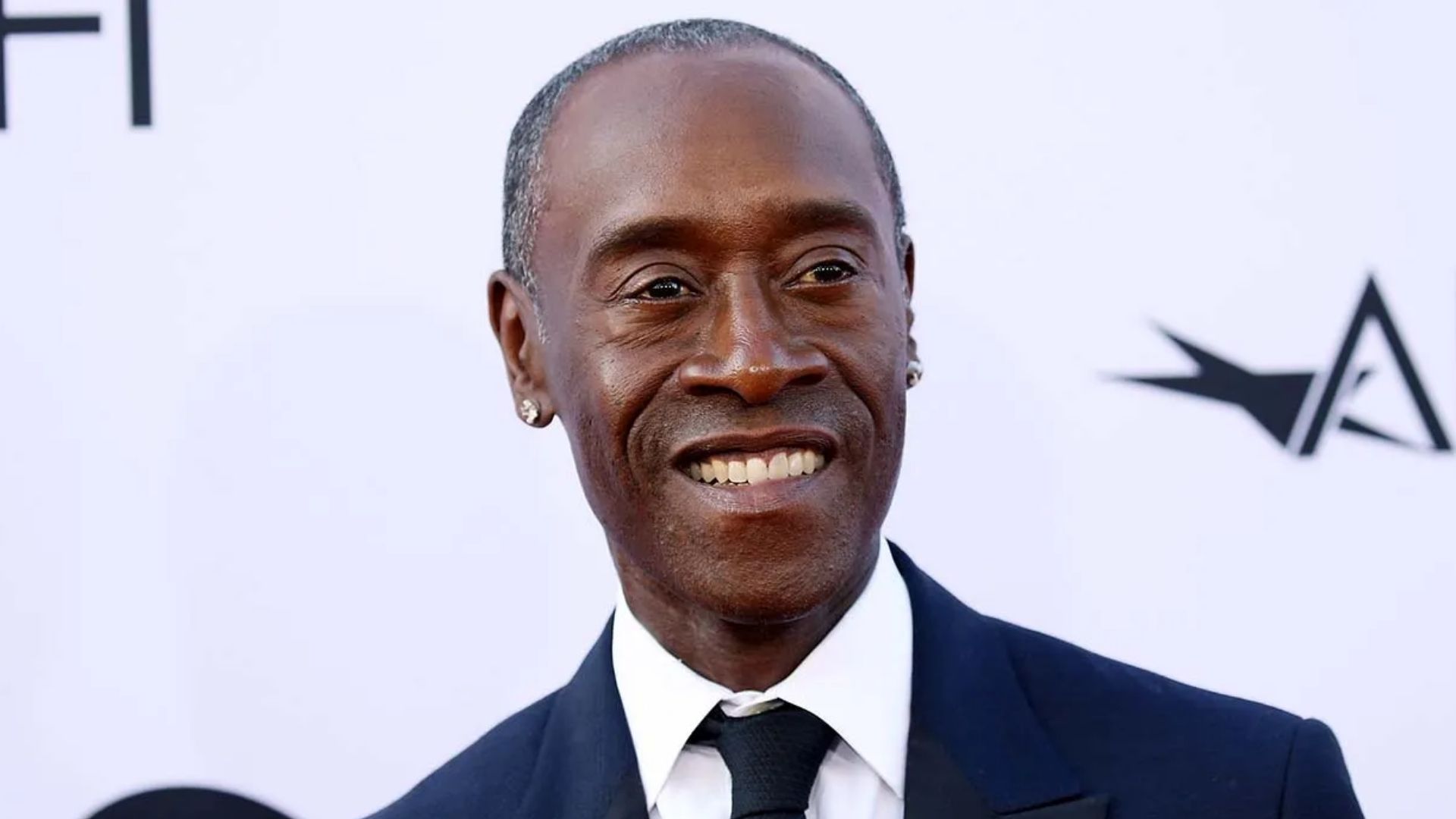
Don Cheadle
Don Cheadle says racism became undeniable when his family moved from a predominantly Black neighborhood to a white suburb. Suddenly, he faced racial bullying at school and hostility from police. In Los Angeles, it worsened; he was pulled over repeatedly, guns pointed at him, constantly told he “fit the description.” These encounters were not rare, they became routine. Cheadle spoke about the exhaustion of being treated as a threat simply for being Black.
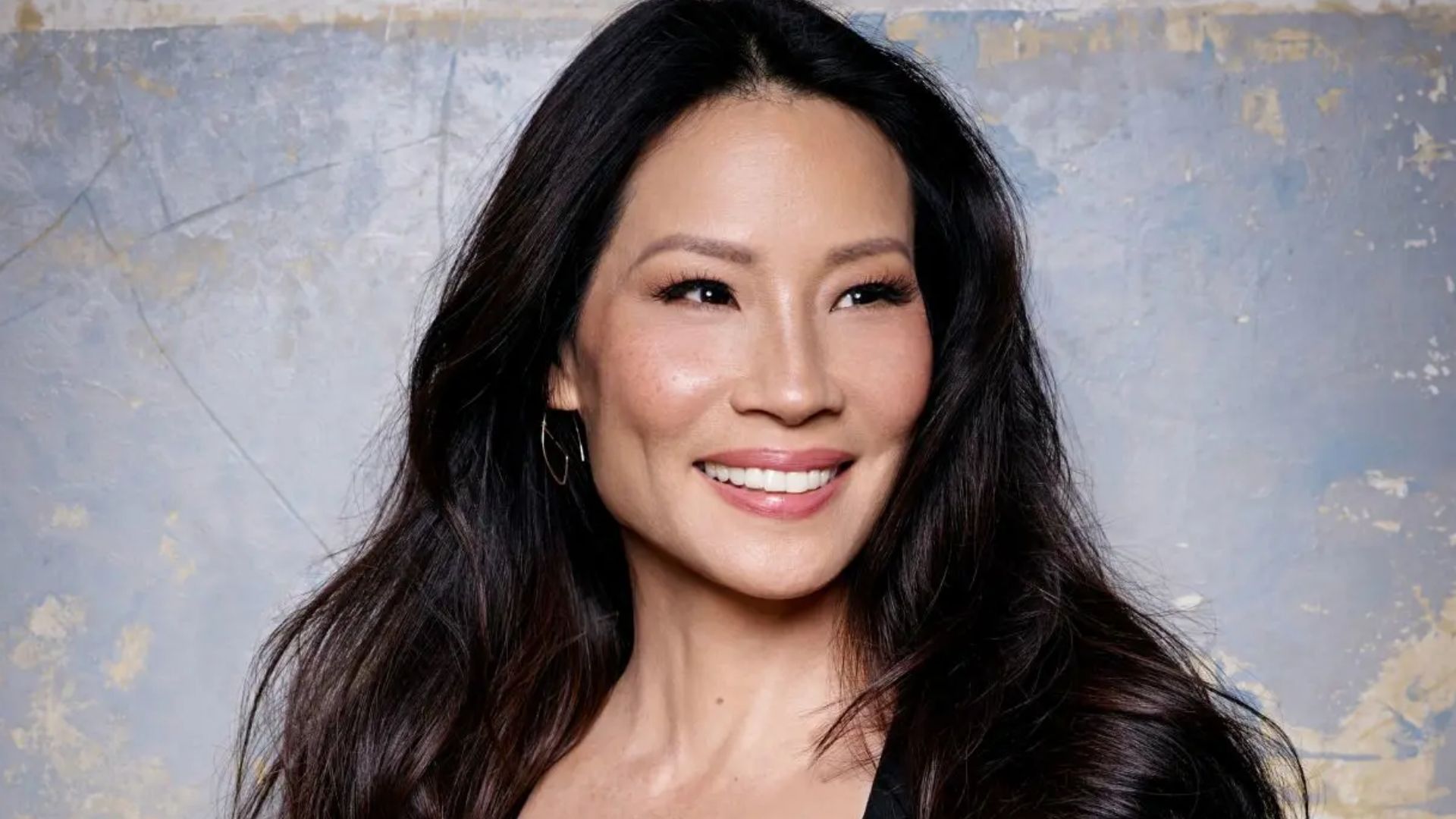
Lucy Liu
Lucy Liu was only nine when she first felt the sting of racism. She watched a store employee rudely dismiss her mother because of her accent. Although a child, she burned with anger, wanting to defend her mother’s intelligence and dignity. Liu remembered thinking, “She speaks two languages, you only speak one.”
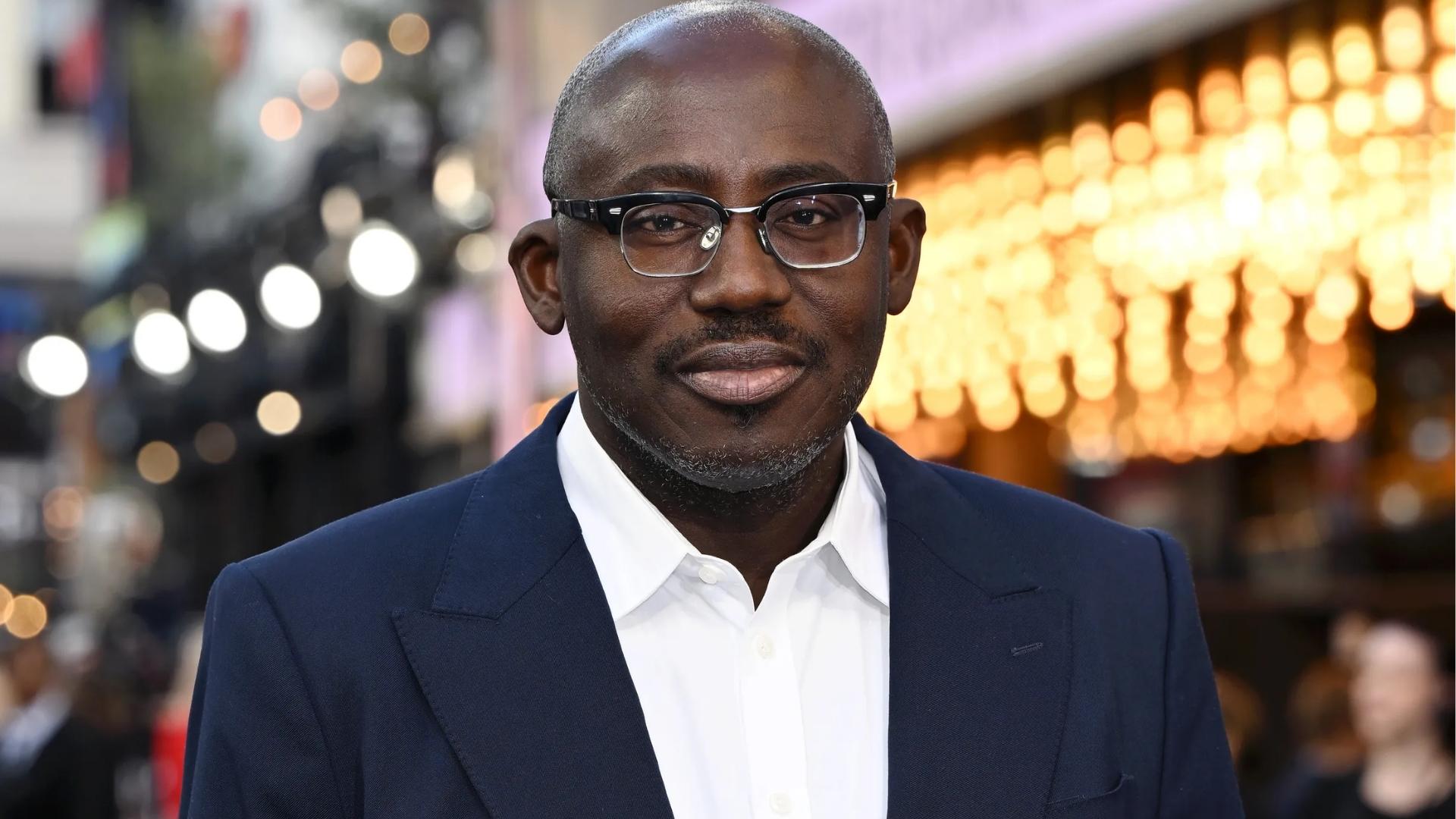
Edward Enninful
Edward Enninful, the Editor-in-Chief of British Vogue, shared that a security guard stopped him at his own workplace, instructing him to use the loading bay. Despite his high position, he was profiled as a delivery worker purely based on appearance. Enninful used the incident to highlight that racism does not disappear with status.
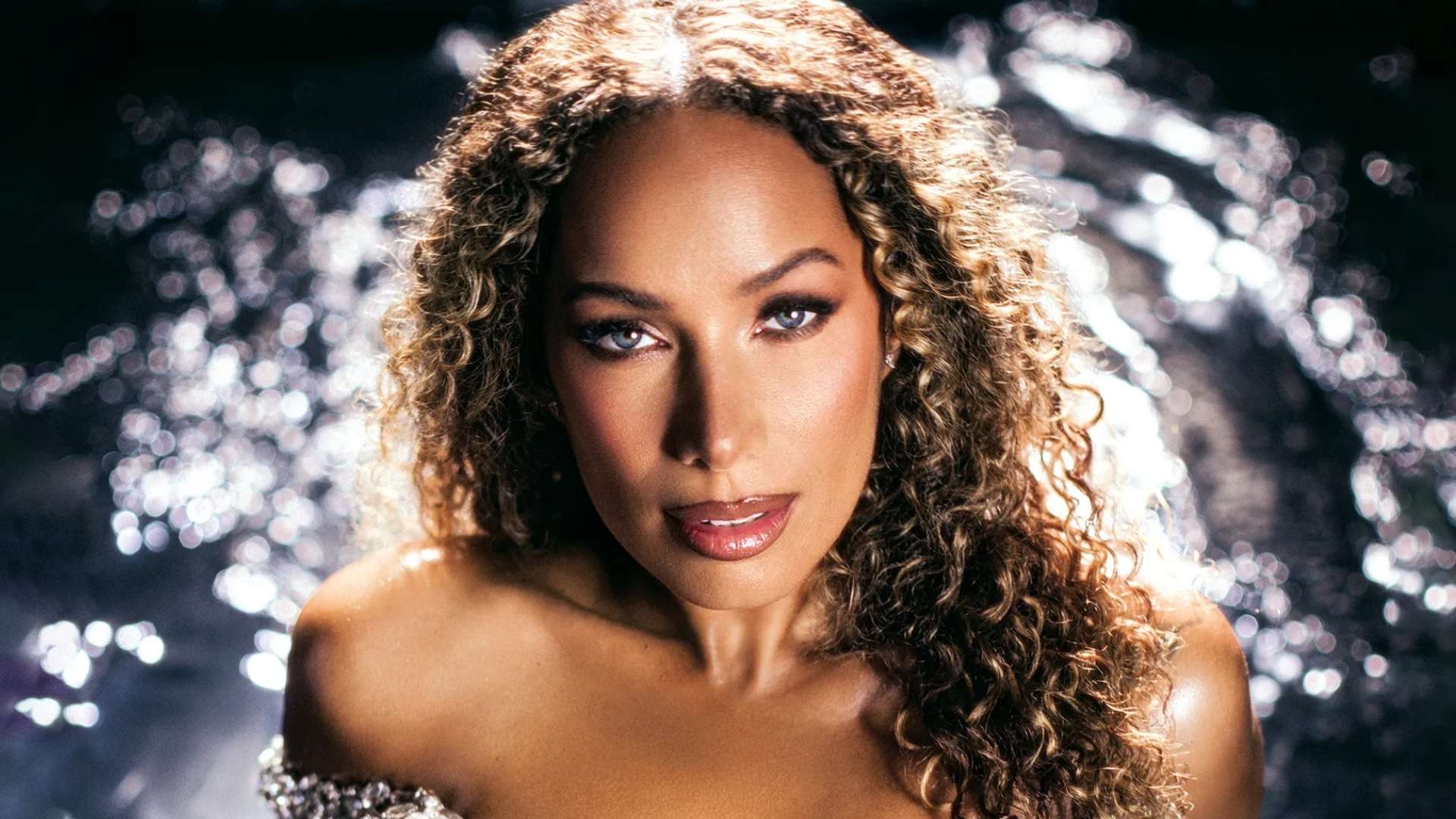
Leona Lewis
Leona Lewis shared an emotional account of being racially profiled in a London shop. While browsing with her father, they were the only Black customers. A shop owner abruptly ordered them to “put that stuff down,” insisting they couldn’t touch the items. Lewis felt fury and humiliation, knowing exactly why they were being singled out. Her father, accustomed to such treatment, advised her to walk away peacefully.
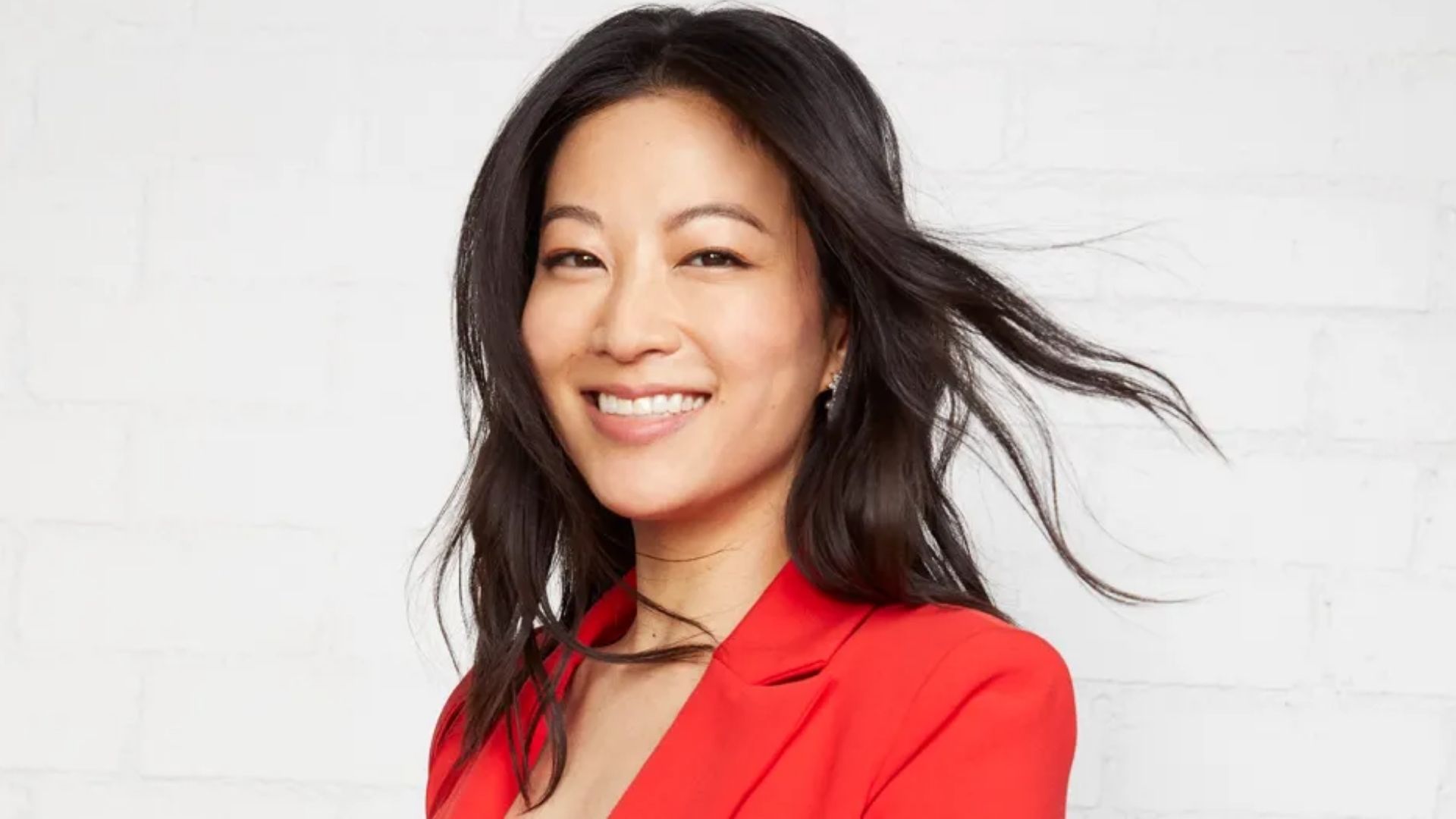
Arden Cho
Arden Cho was subjected to Anti-Asian harassment during a horrifying encounter while walking her dog. A man shouted racist slurs at her and advanced toward her, threatening both her and her pet. She ran in fear, later admitting she hadn’t felt that terrified in years. The attack resurfaced childhood trauma when she had been physically assaulted and hospitalized due to racism.
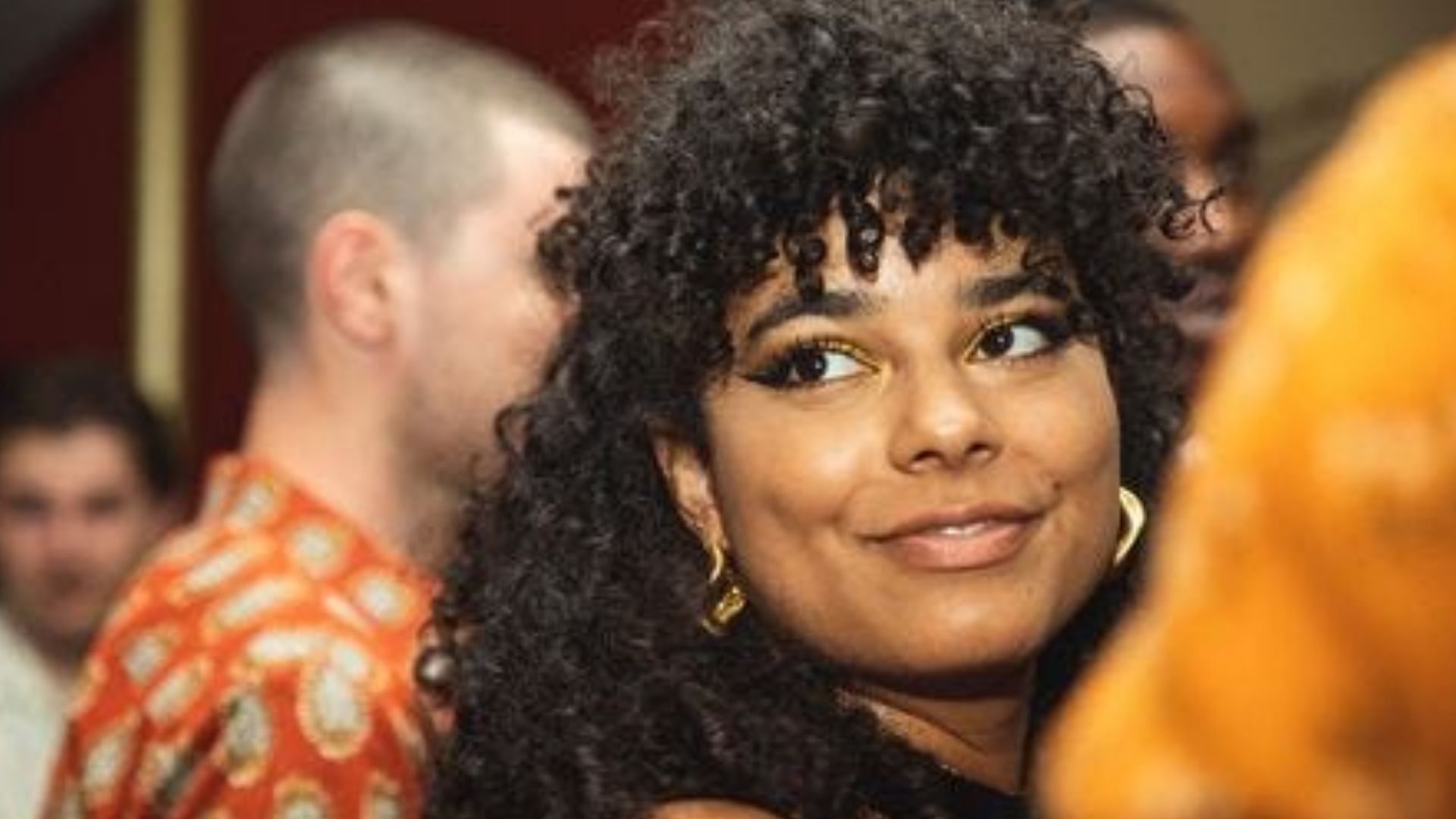
Sèverine Howell-Meri
Sèverine Howell-Meri recalls navigating relentless microaggressions during school. Classmates commented on her appearance, saying her lips were “too big,” pushing her to smile differently just to take up less space. Others forced her into choosing “which side” she preferred, her Black or white heritage. Although she recognized the racism, she didn’t yet have the language or confidence to respond.
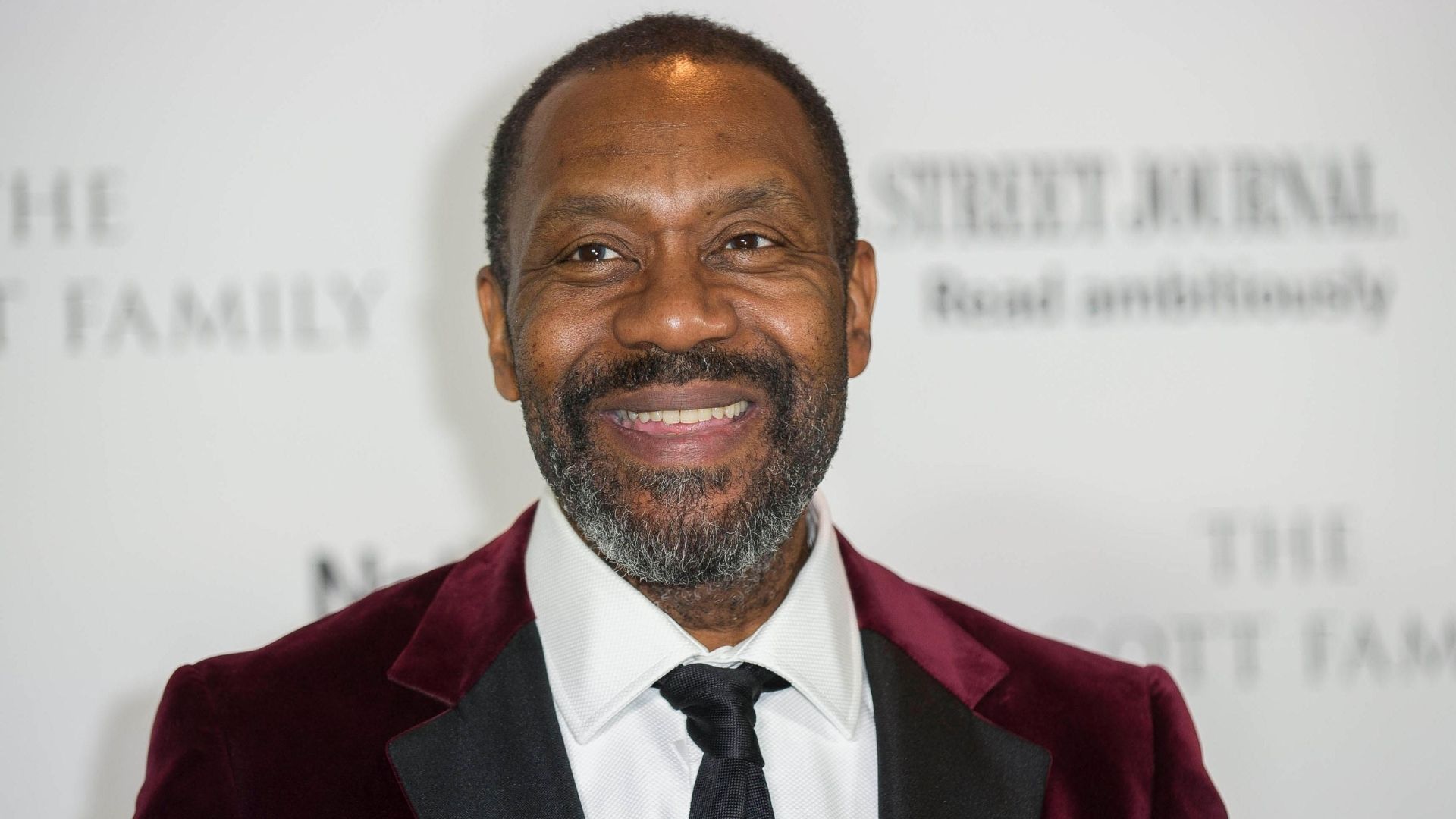
Sir Lenny Henry
Sir Lenny Henry has spoken openly about enduring racism during his youth. He remembers being physically beaten in a park and called degrading names daily at school. These constant attacks left lasting emotional scars. Henry’s journey shows how deeply racism can impact a child’s self-worth. Despite later becoming a celebrated figure, he never forgot the isolation of being targeted simply for existing.
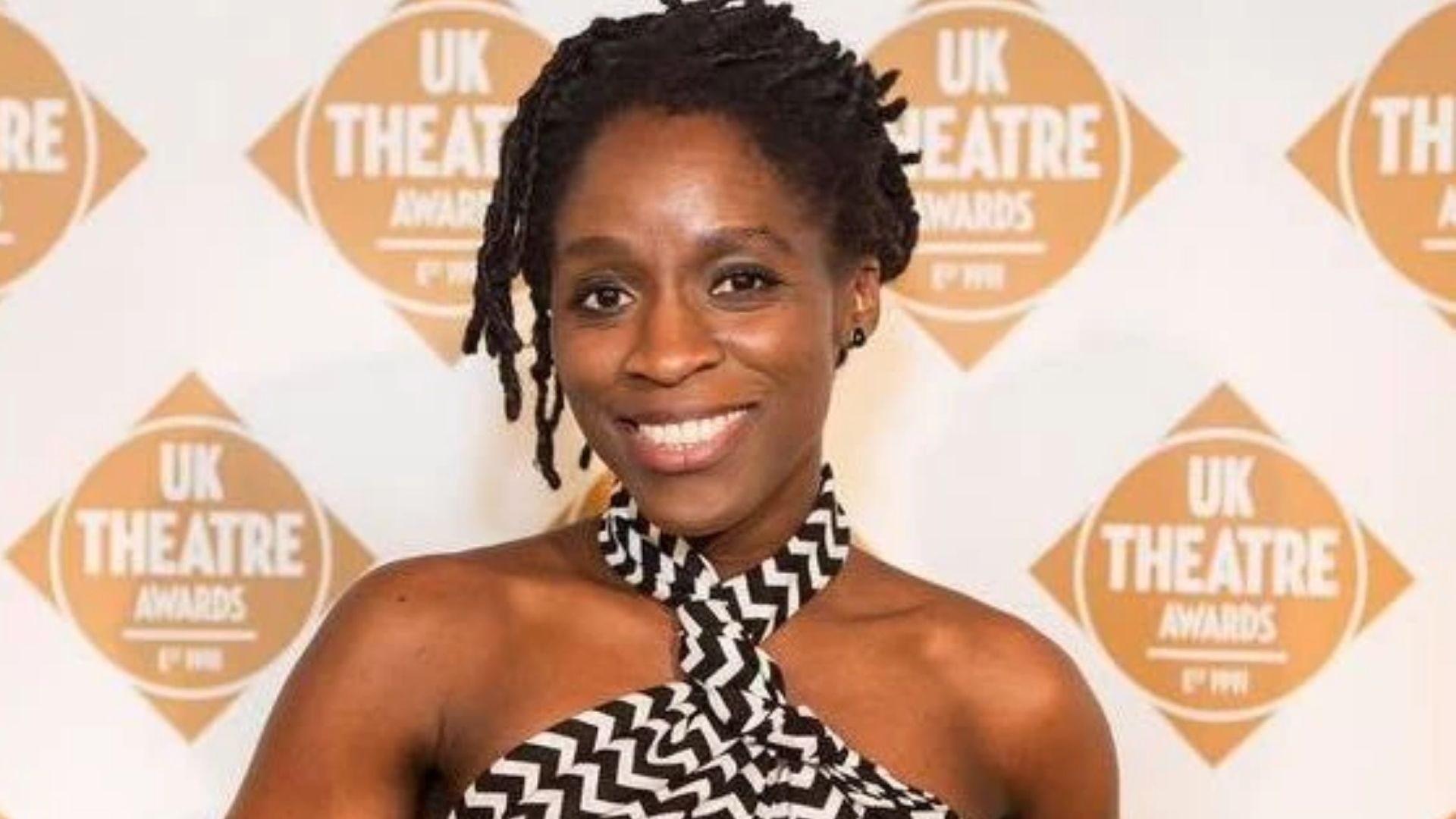
Sharon Duncan-Brewster
Sharon Duncan-Brewster experienced racial name-calling growing up, something she wishes she had confronted sooner. Looking back, she would tell her teenage self to never shrink or apologize for existing. She says, “Your right is to be here, be proud of who you are.” The actress recalls how internalizing those comments created silent wounds. Over time, she found her voice and now speaks out against racism to empower younger generations.
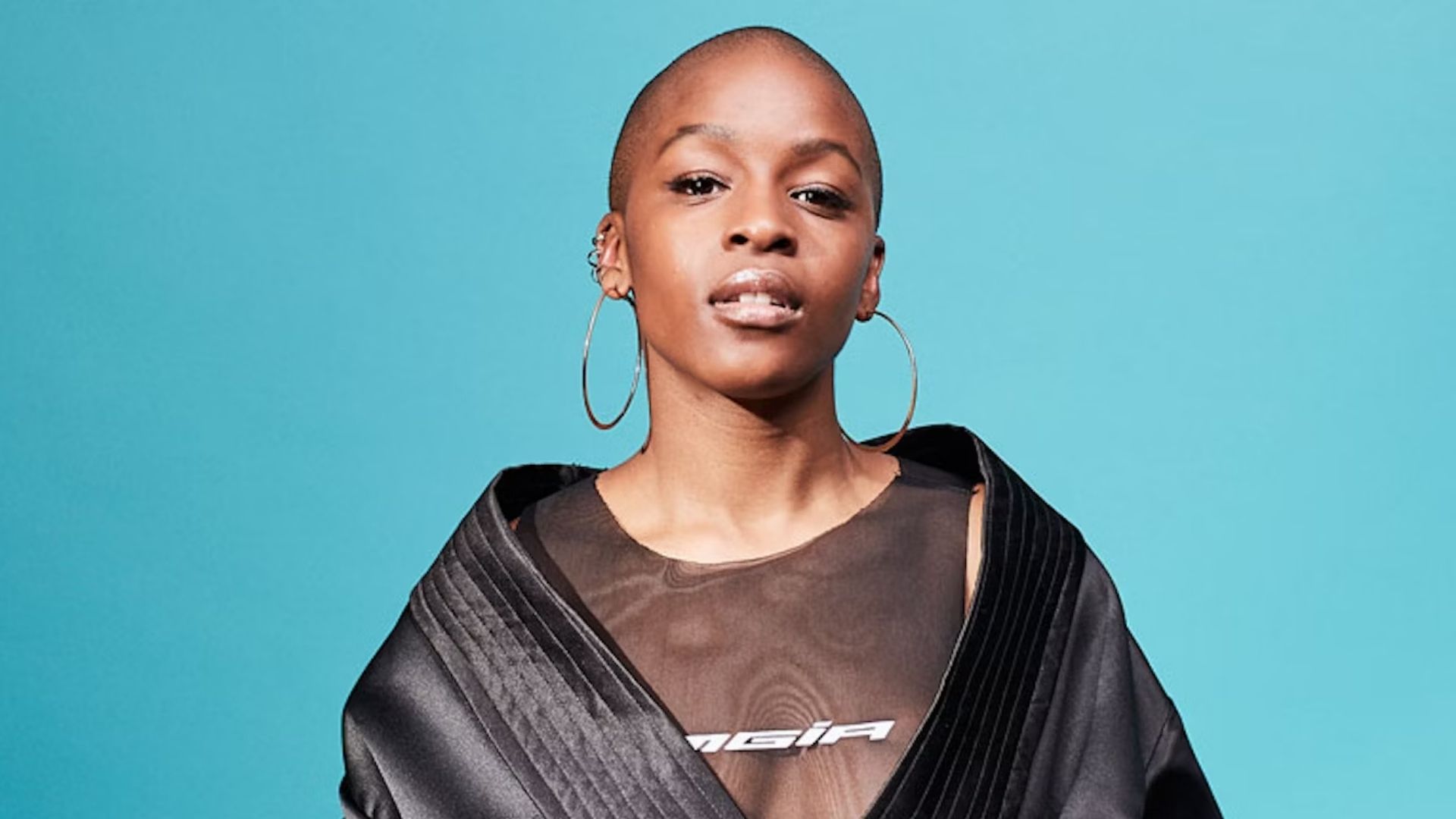
Julie Adenuga
Julie Adenuga has said she didn't face direct, targeted racism herself but witnessed how deeply it affected others around her. She saw Black people being stopped by police for driving certain cars or unfairly arrested with no real cause. These patterns made her recognize systemic racism in everyday life.
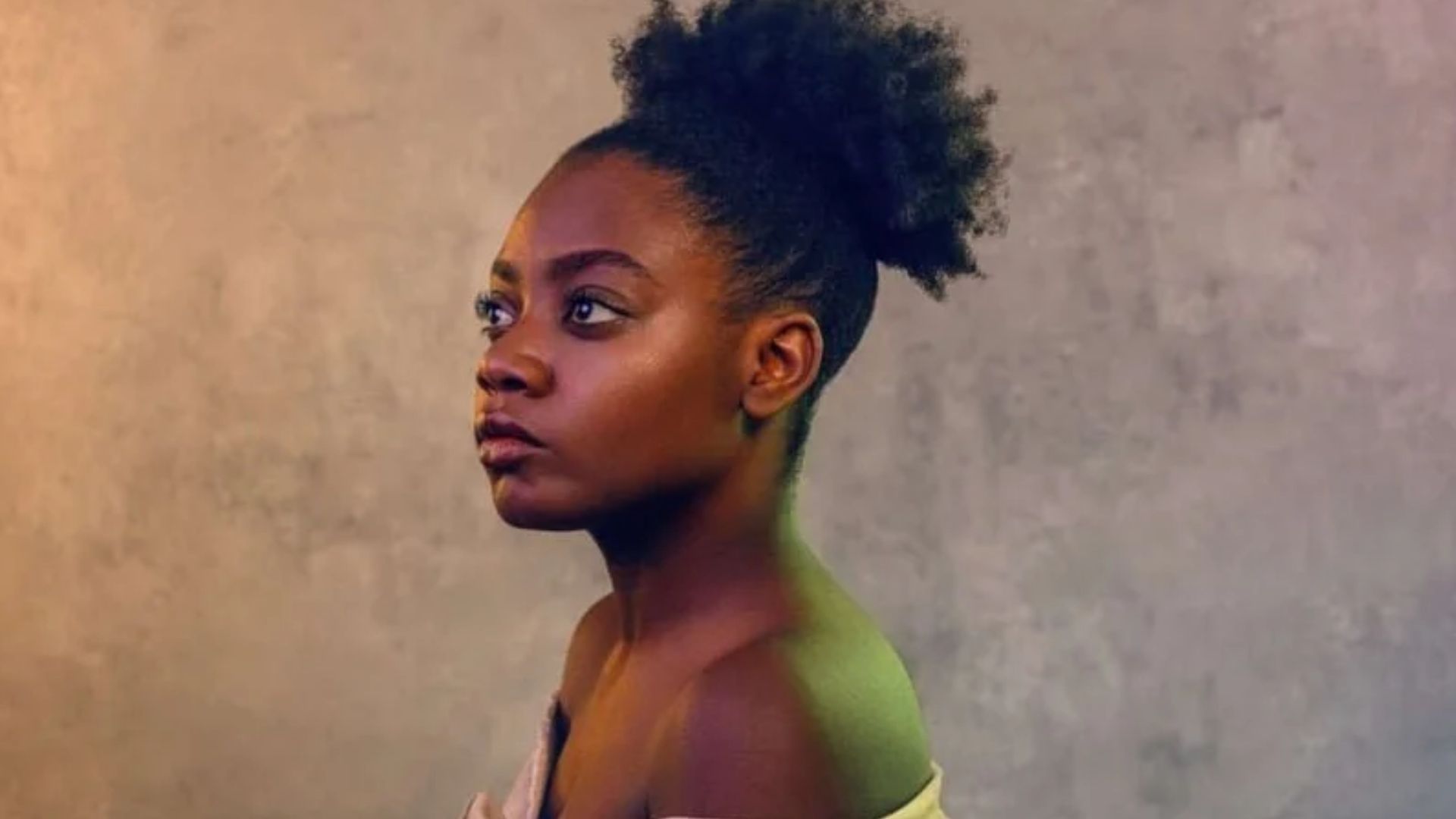
Danielle Vitalis
Danielle Vitalis moved from St. Lucia to England at age nine, and quickly felt singled out. She was referred to simply as “the Black girl” at school, reducing her identity to a stereotype. A painful turning point came when a close friend passed away, and the media unfairly implied gang violence, despite knowing nothing about her.