
25 NBA Stars Who Were Amazing… Until the Playoffs Started
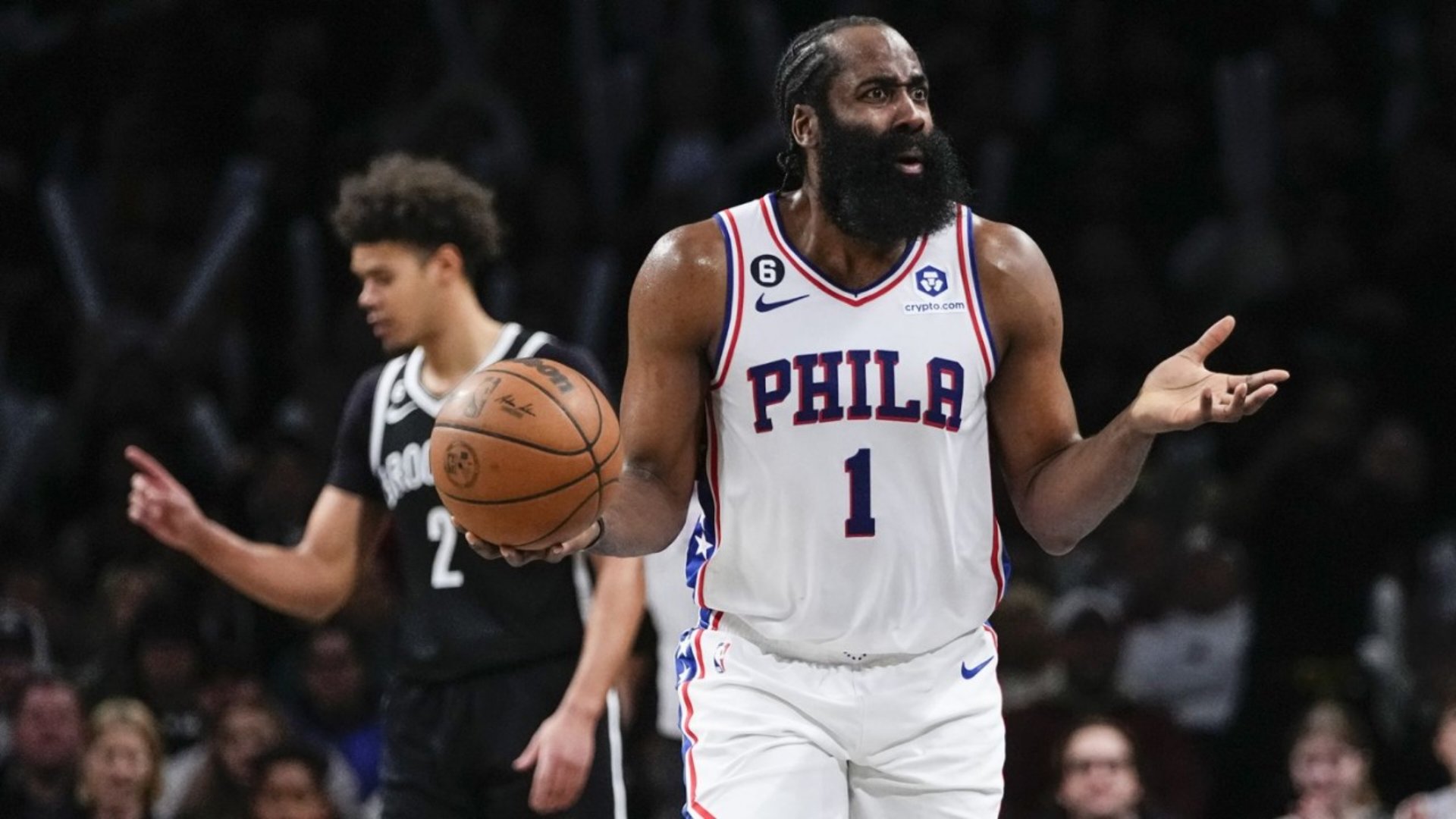
James Harden
Harden's regular season dominance, including three scoring titles and an MVP, often dissolved in high-stakes playoff moments. His trademark isolation scoring and reliance on foul calls become less effective as defenses intensify and officiating loosens. He often saw significant drops in shooting efficiency, particularly late in games, leading to a narrative that he shrinks when facing elite, schemed-up defenses.
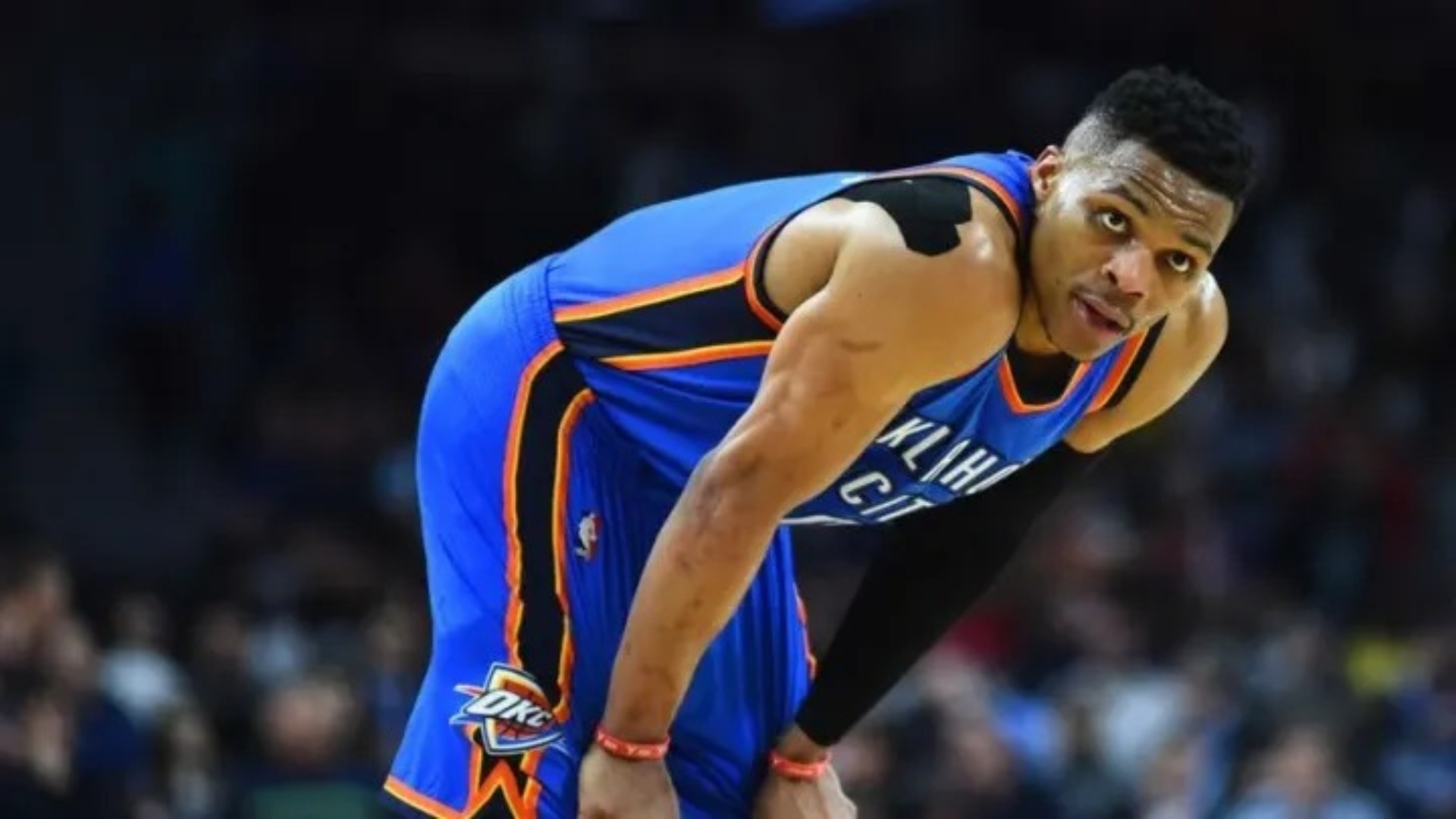
Russell Westbrook
Westbrook's relentless, triple-double approach is optimized for the regular season, but his high-volume, inefficient shooting and turnover issues are magnified in the playoffs. His inability to adjust to half-court offense and poor shot selection allow defenses to sag off him, severely limiting the spacing for his team and leading to multiple early exits despite gaudy personal stats.
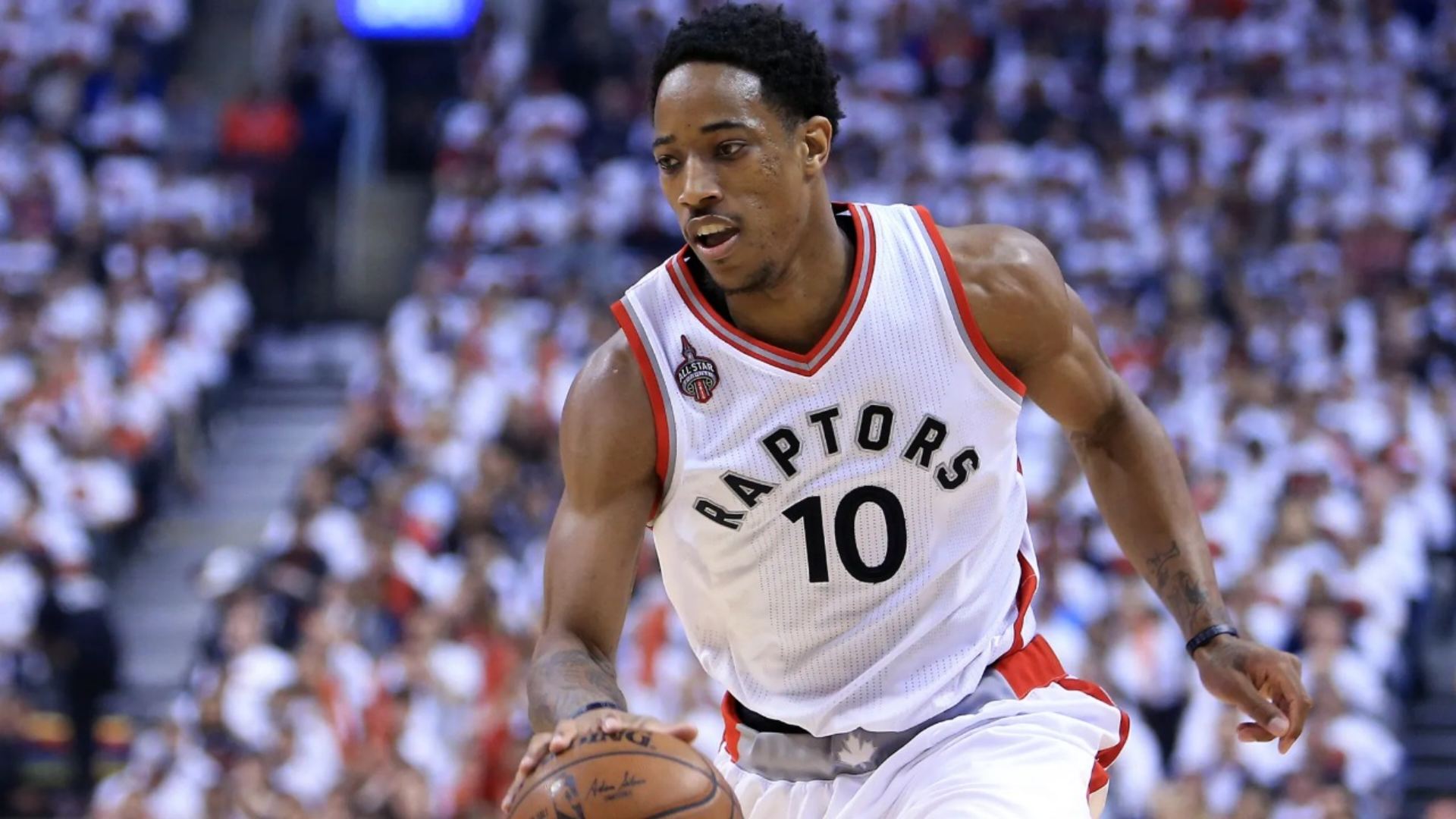
DeMar DeRozan
DeRozan's mid-range, ISO-heavy attack is a throwback style that thrives in the regular season but struggles against modern, disciplined playoff defenses geared to eliminate the mid-range. His lack of a consistent three-point shot and passive defense allow opponents to scheme for him more easily, making him an inefficient primary option in crunch-time playoff situations.
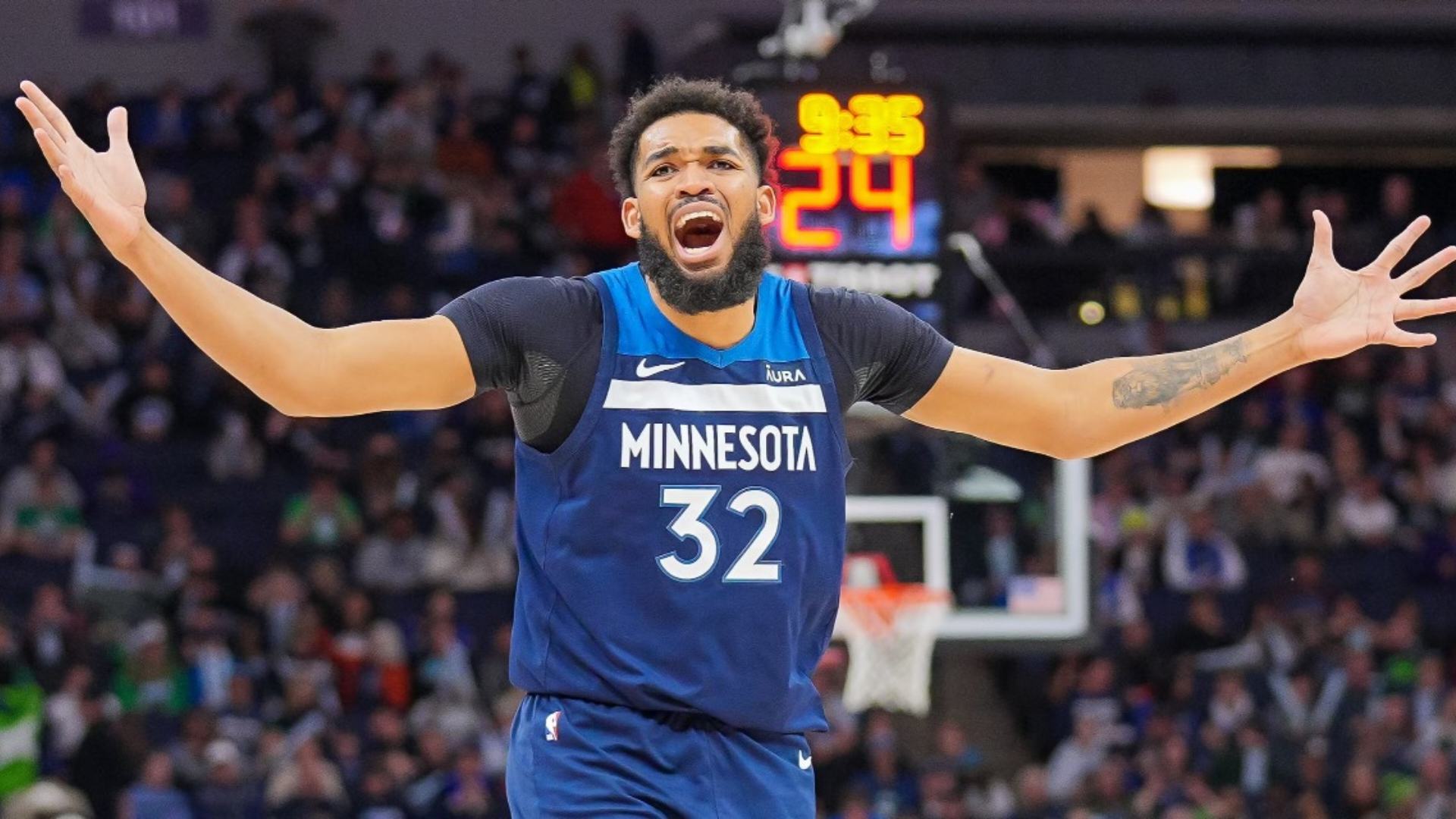
Karl-Anthony Towns
Towns is a phenomenal offensive talent who has struggled with consistency and physicality in the playoffs. Defensive schemes target his propensity for foul trouble and his often-soft interior defense. While his shooting is a huge regular-season asset, his overall impact diminishes when his effort on the boards and on defense isn't at an elite level, highlighting a mental hurdle in the postseason grind.
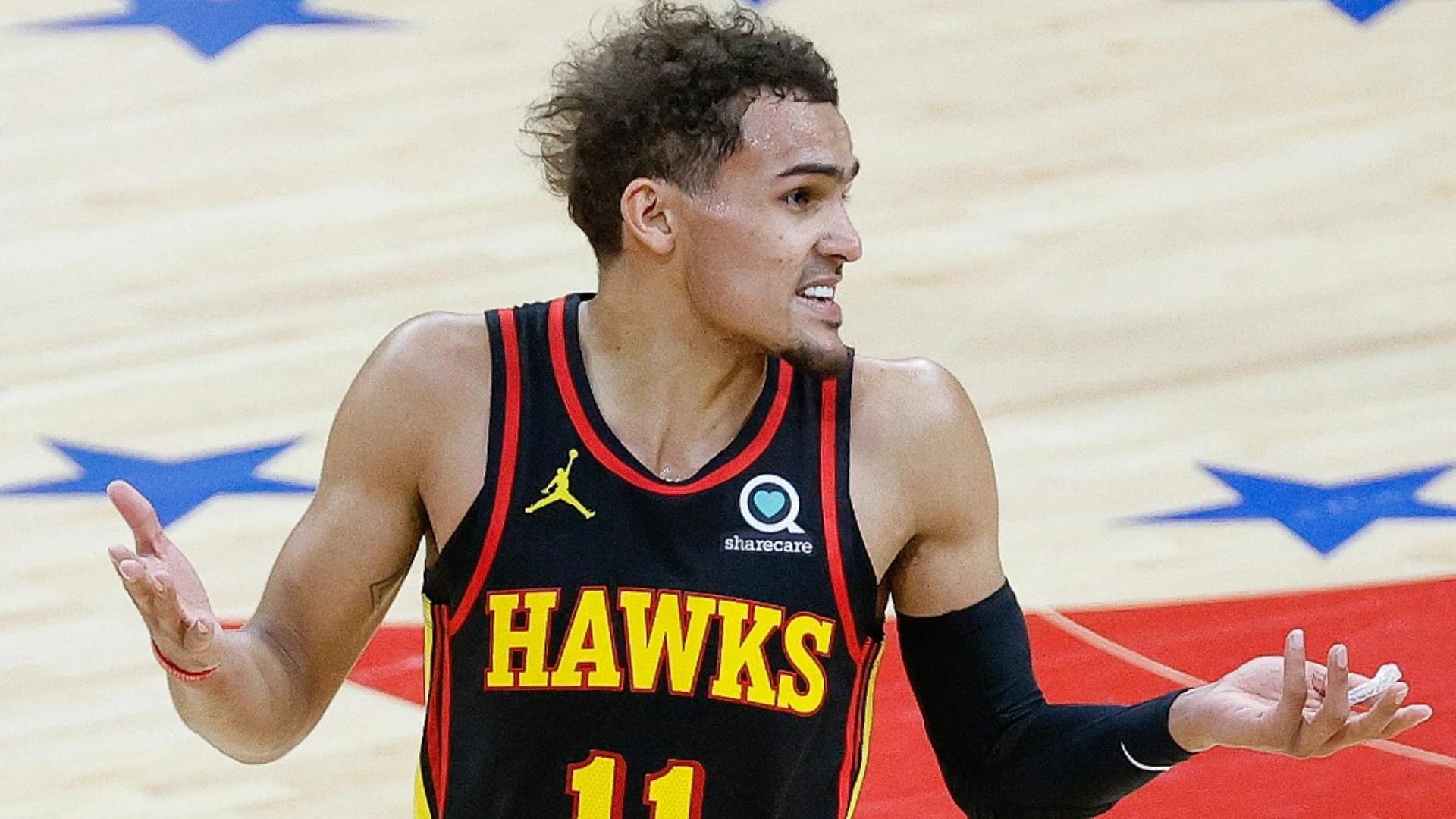
Trae Young
Trae Young's incredible range and playmaking dominate the regular season, but the playoffs expose his slight frame and defensive liabilities. Elite teams aggressively target him on defense, forcing him into isolations and exhausting him on that end. Offensively, when his deep threes aren't falling, his high-usage style turns into high-turnover frustration against longer, more athletic defenders.
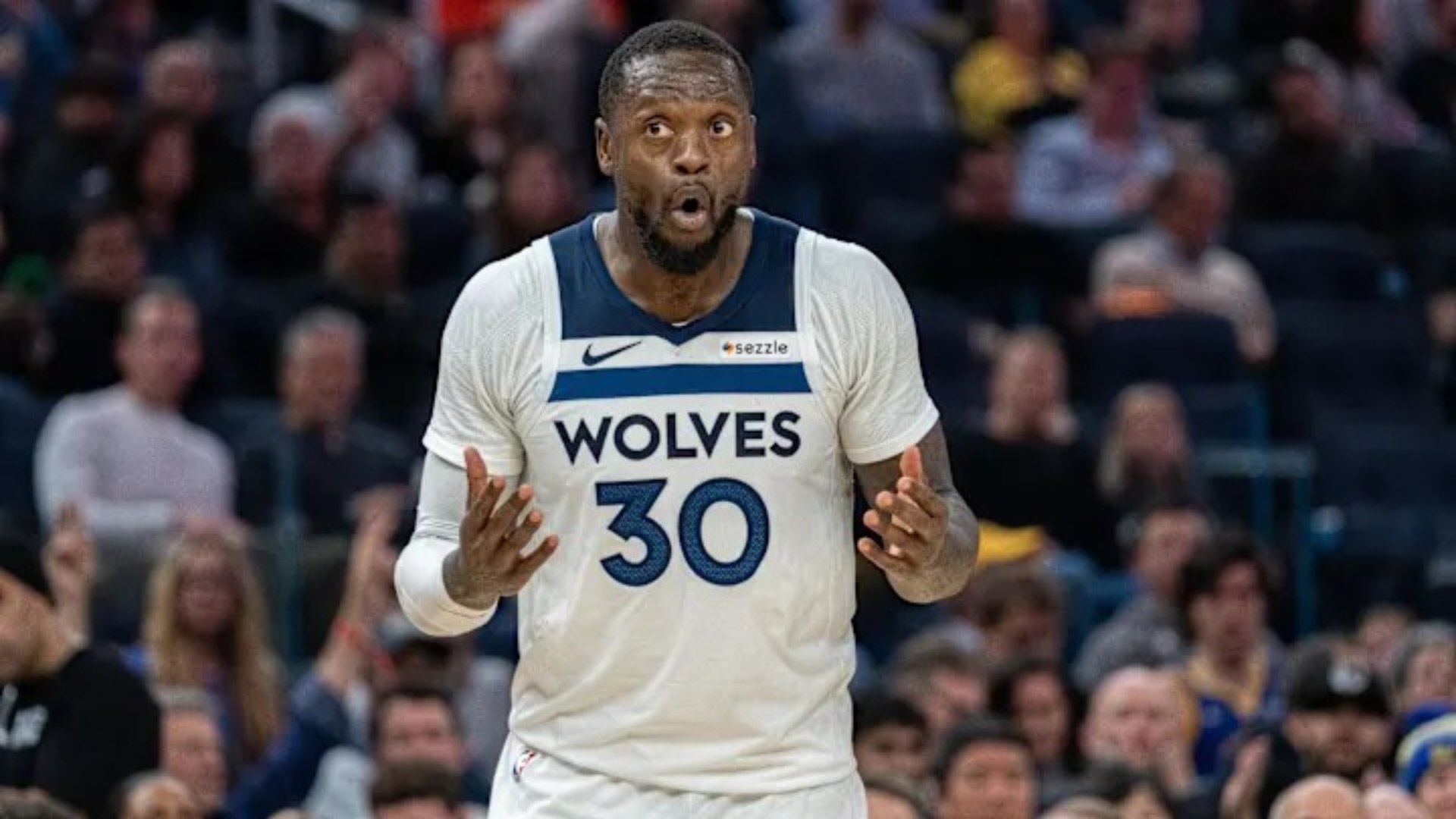
Julius Randle
Randle's physical, high-usage style earned him an All-NBA spot, but his playoff struggles are notable for dramatic drops in efficiency and poor decision-making. Playoff defenses successfully force him into predictable, contested shots and minimize his playmaking reads. His tendency to force the issue under pressure and his visible frustration often derail his team's half-court offense entirely.
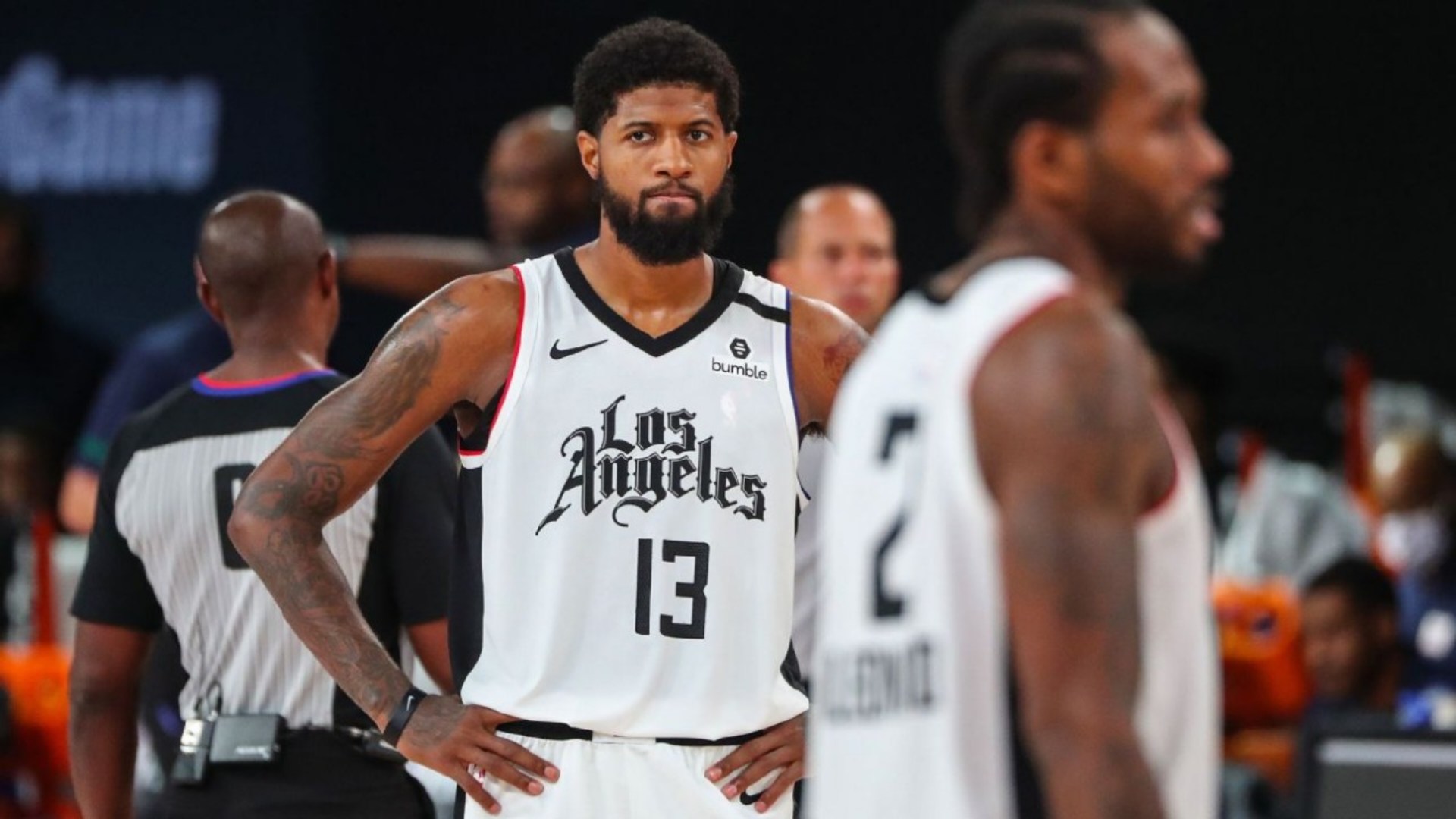
Paul George
"Playoff P" is a moniker born of frustration over George's well-documented playoff slumps, particularly with the Clippers. He remains an elite two-way player, but his offensive consistency dips sharply in elimination games. His shooting percentages and decision-making become erratic when defenses key in on him, leading to stretches of high-leverage possessions ending in turnovers or missed jumpers.
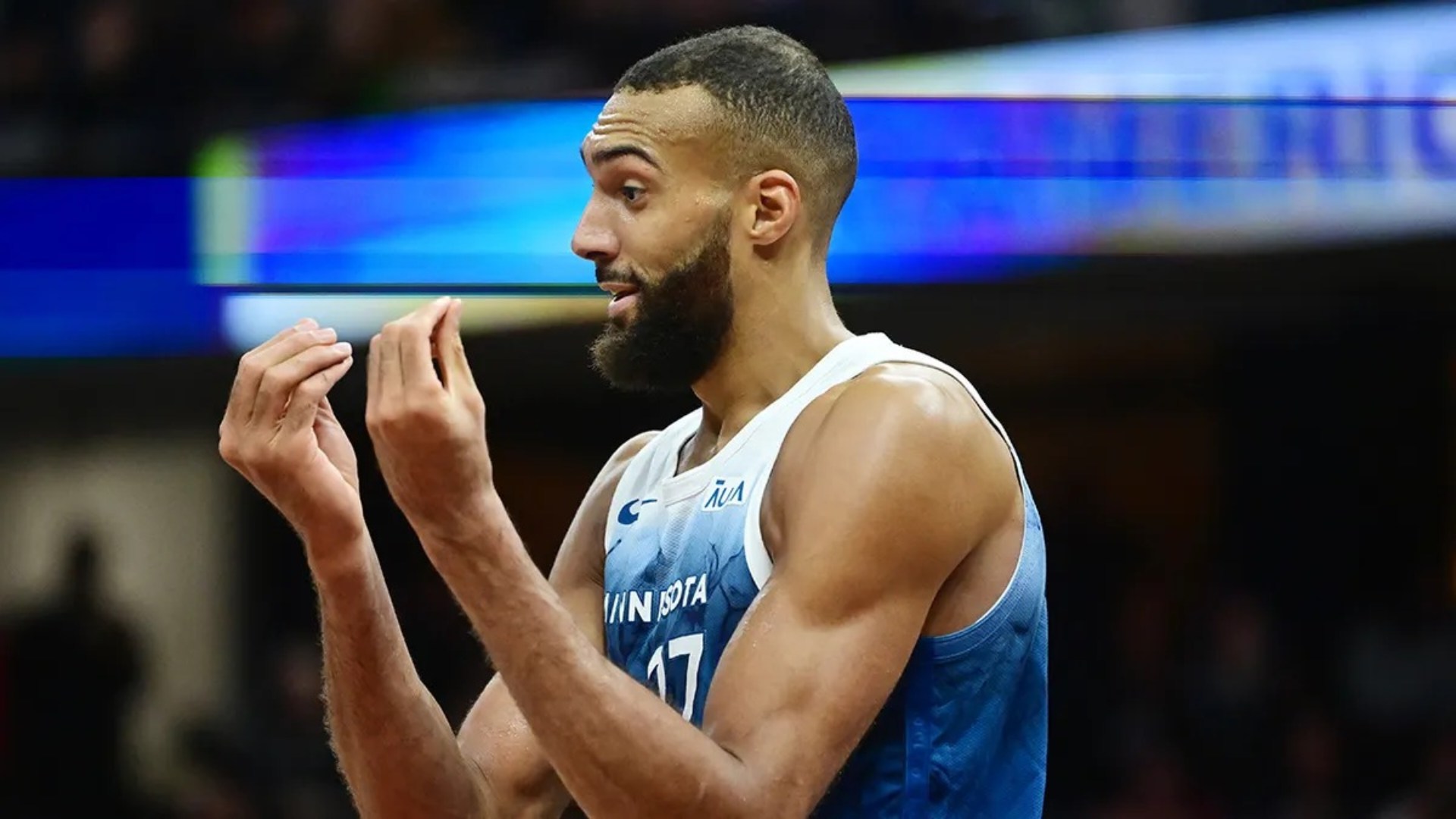
Rudy Gobert
Gobert's regular season value as a three-time Defensive Player of the Year is immense, but in the playoffs, his defensive and offensive limitations are exploited. Teams pull him out of the paint with constant high pick-and-rolls, neutralizing his rim protection. Offensively, his lack of perimeter game or reliable hands makes him a liability in crunch time, forcing the offense to play four-on-five in certain matchups.
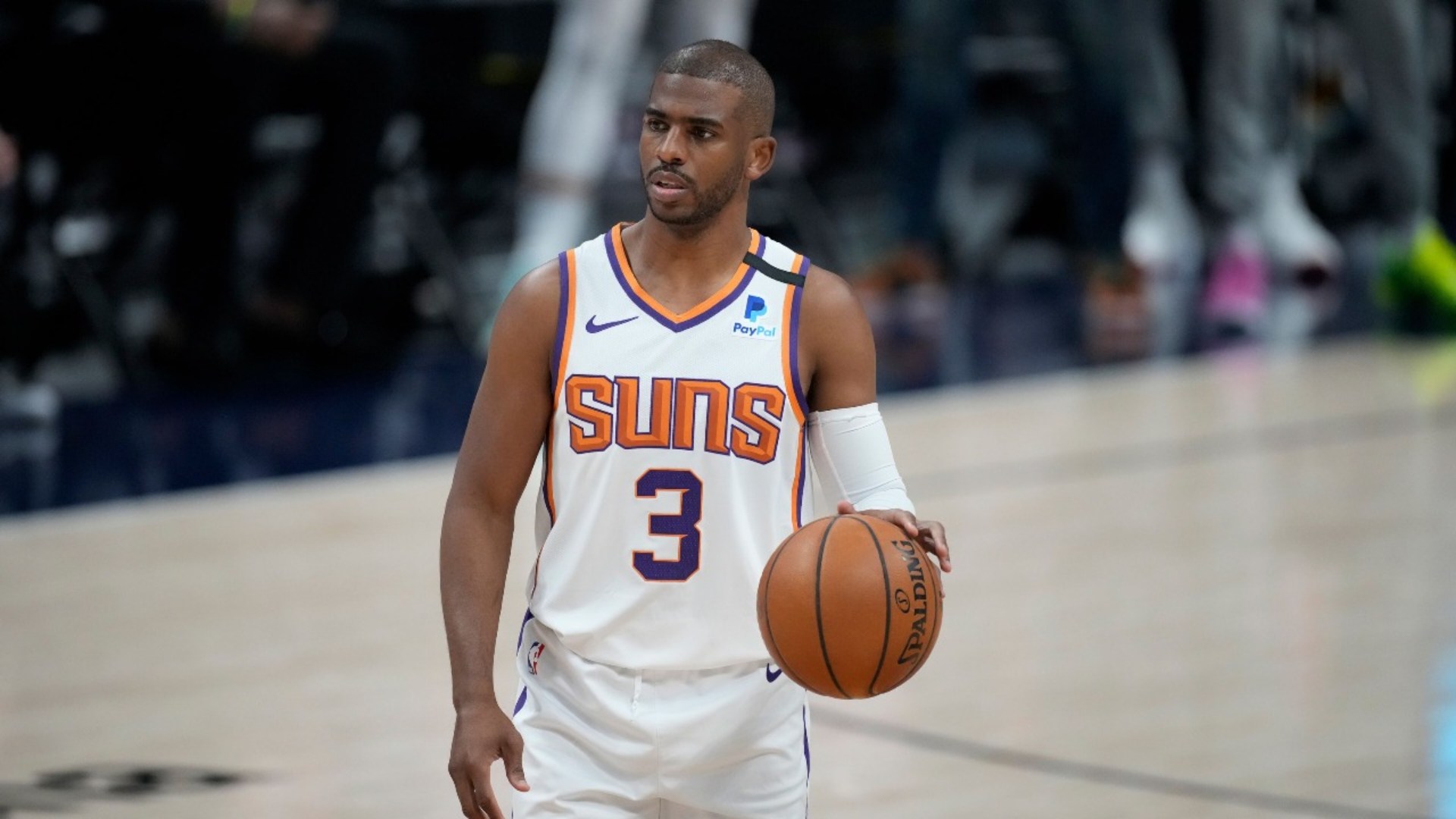
Chris Paul
Despite his "Point God" status, Paul is often on this list due to a history of catastrophic late-career playoff collapses, often paired with injuries. His meticulous, methodical style struggles to generate separation against longer defenders in the half-court when the game slows down. While an all-time floor general, his regular-season brilliance hasn't consistently translated to a Finals victory.
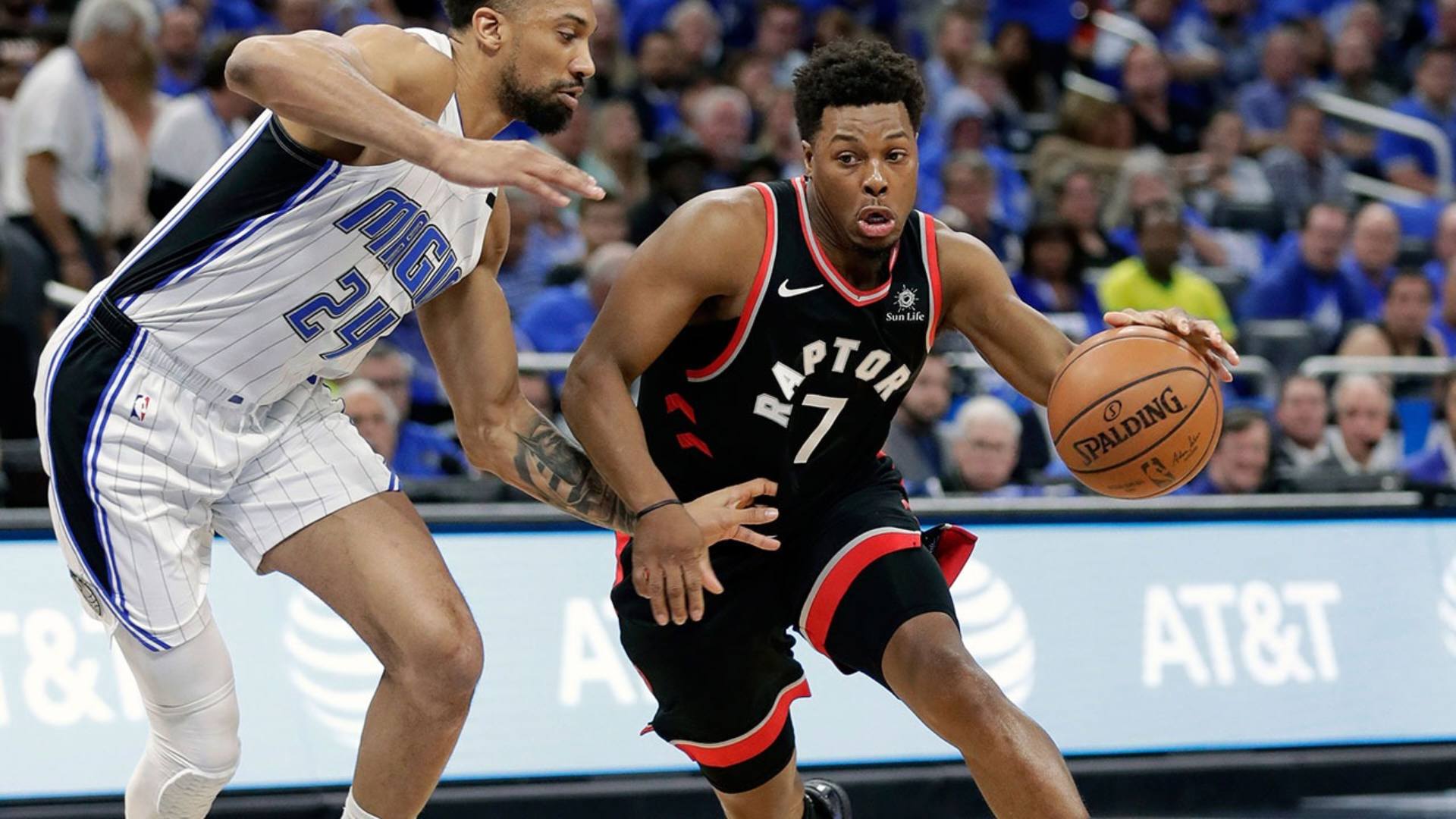
Kyle Lowry
Lowry is a rugged, two-way guard who is a regular-season engine, but his playoff reputation suffers due to inconsistent scoring punch when facing physical, elite backcourts. While he provides tremendous value through charging calls and leadership, his shot selection and efficiency can waver, shifting the burden to his co-stars in the moments when his team needs his scoring most.
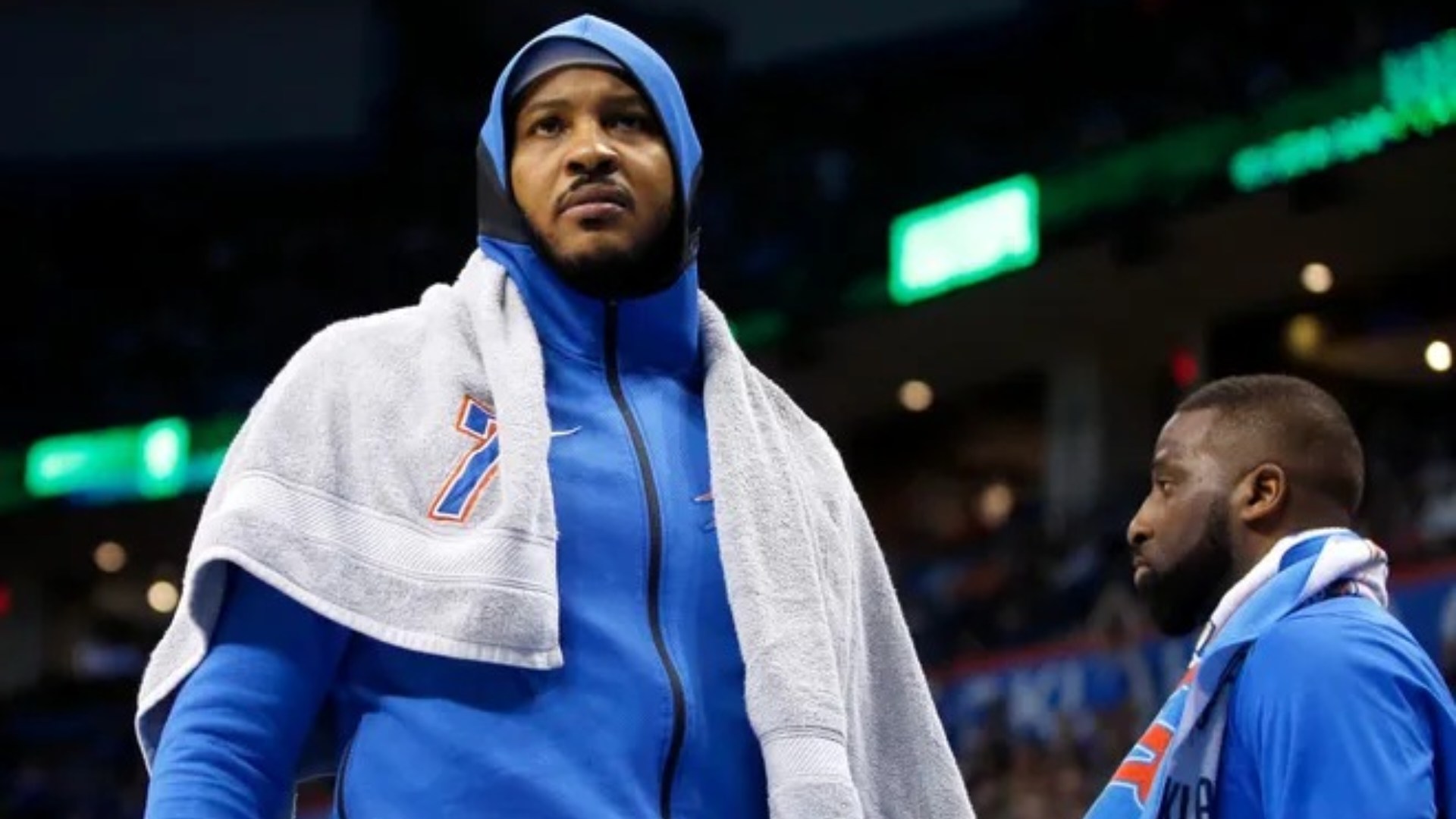
Carmelo Anthony
Anthony was one of the most gifted pure scorers of his generation, but his isolation-heavy approach was less effective in the team-oriented playoff environment. His lack of elite playmaking or defensive commitment allowed defenses to load up against him. His regular-season volume and scoring prowess often failed to translate to efficient, winning basketball against prepared playoff competition.
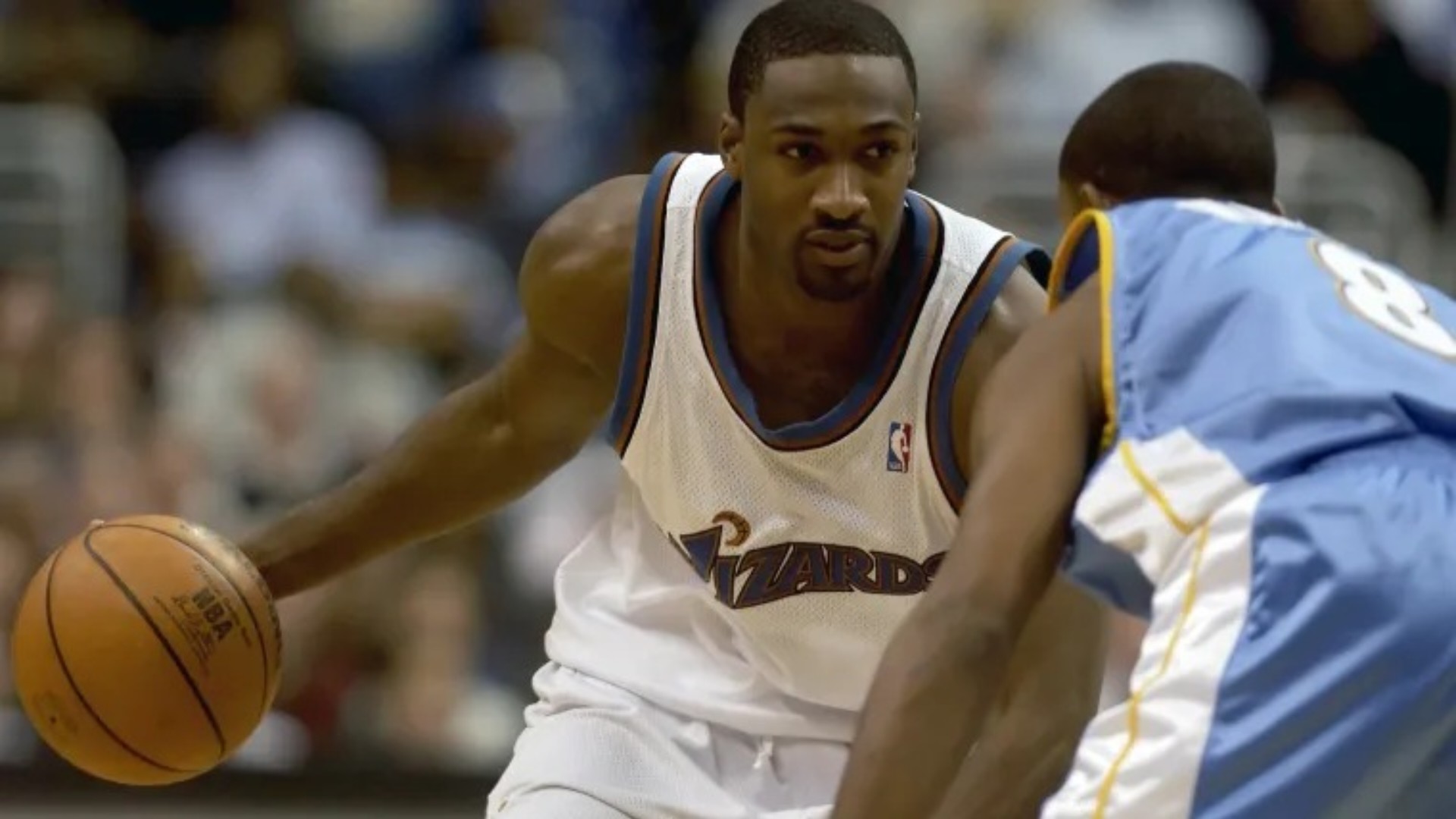
Gilbert Arenas
Gilbert Arenas was an electrifying regular-season scorer with unlimited range and swagger, but his playoff resume is thin and inefficient. His high-volume, contested shot diet, which could succeed over 82 games, became a liability when defenses tightened and schemes focused on eliminating his rhythm. His best offensive seasons were wasted on underperforming teams in the East.
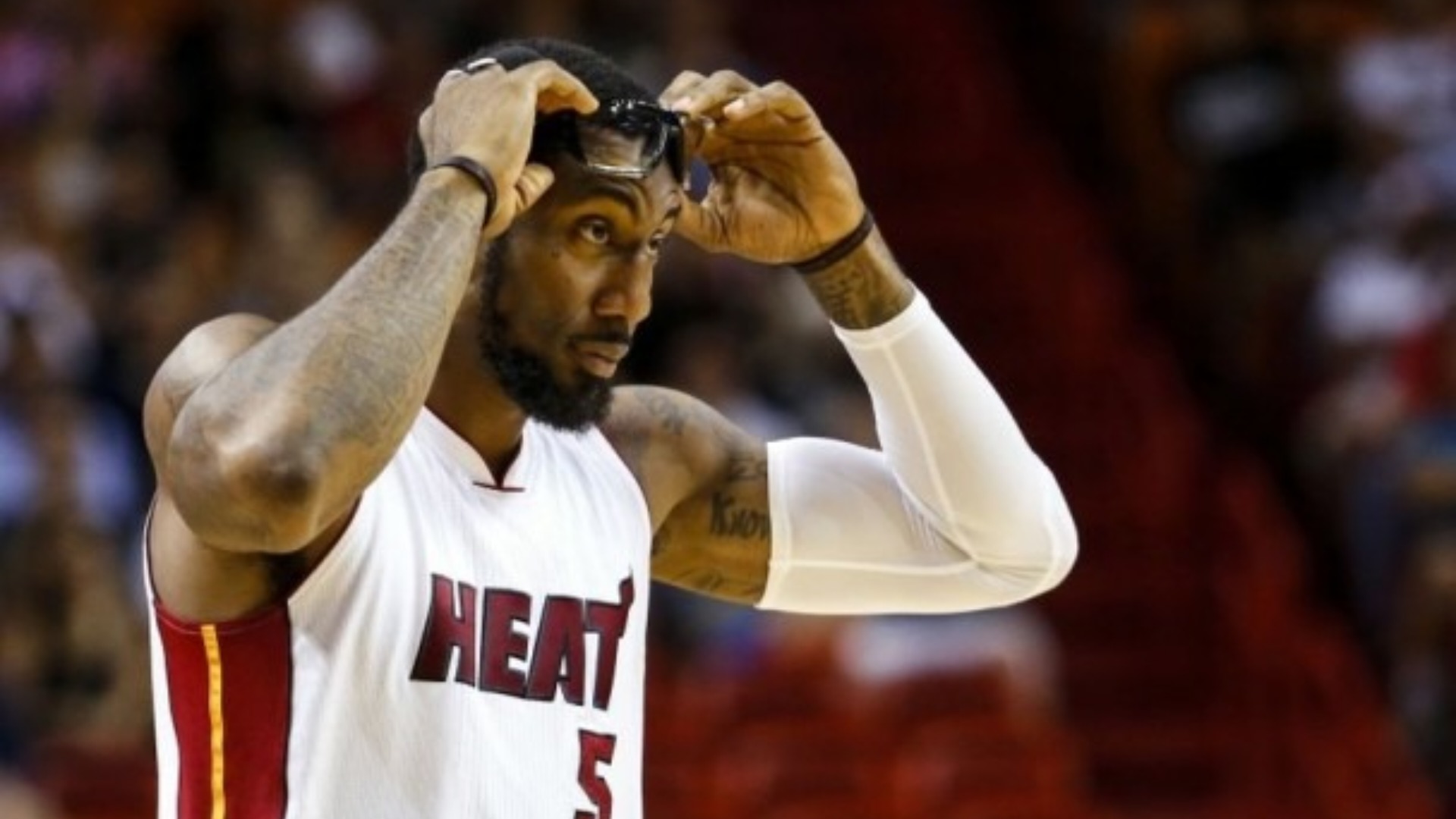
Amar’e Stoudemire
Stoudemire's prime was defined by his athletic dominance in the regular season, particularly in the run-and-gun Suns offense. In the slower, half-court playoffs, his offensive impact often diminished against elite big men like Tim Duncan, who forced him to settle for mid-range jumpers. His defensive weaknesses and lack of a full post game were consistently exposed in elimination scenarios.
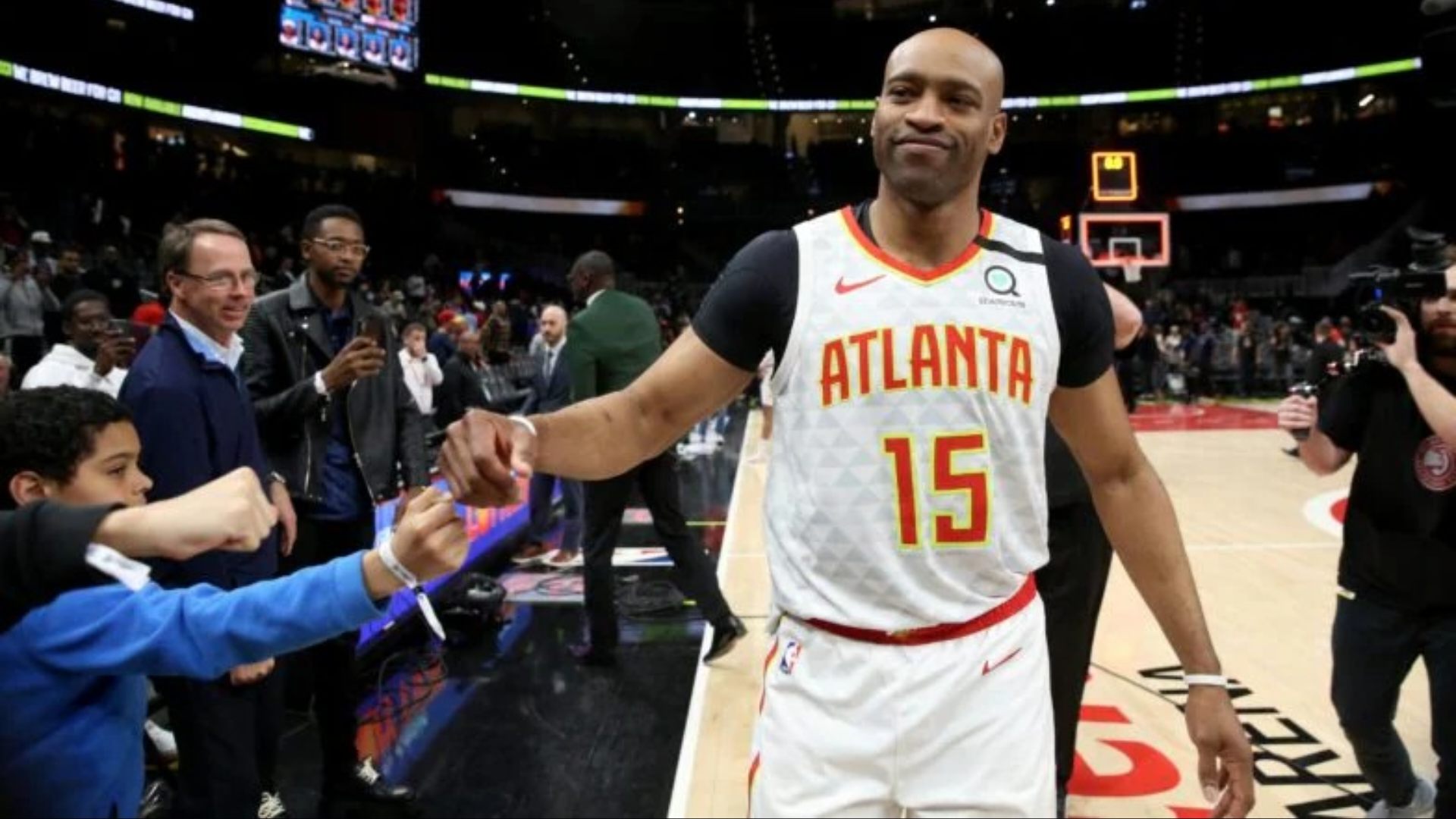
Vince Carter
Vinsanity was a perennial All-Star known for breathtaking highlights and volume scoring. However, his playoff career is plagued by inefficiency and a perceived lack of aggression in key moments, especially early in his career. His isolation play often failed to elevate his team's offense, and his two-way impact wasn't enough to carry a contender through multiple rounds.
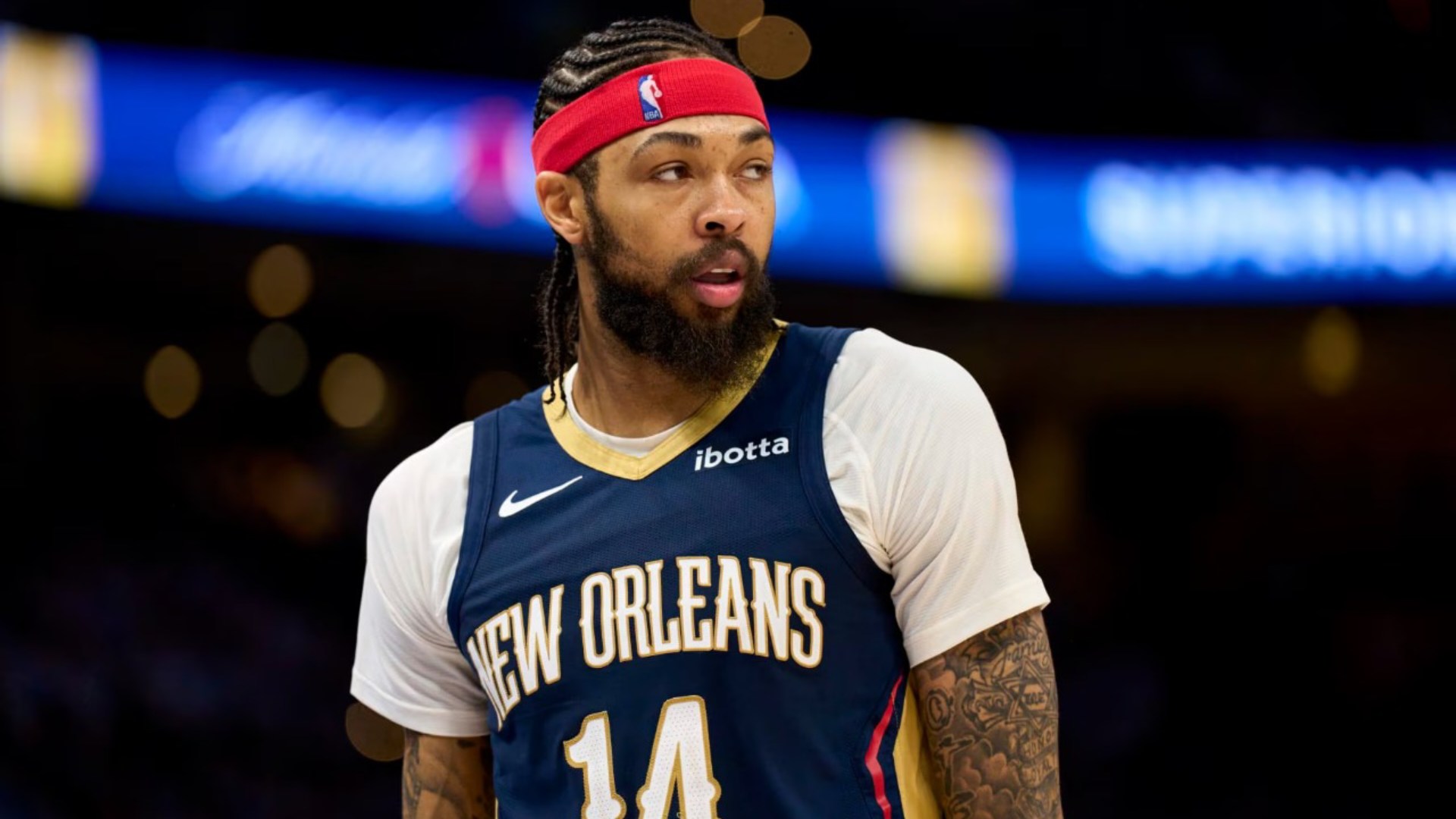
Brandon Ingram
Ingram is an elite mid-range scorer and shot creator in the regular season, but his limited playoff experience has been inefficient due to his skinny frame and tendency to settle for contested jumpers. Elite playoff defenses focus on disrupting his rhythm and forcing him to play physically, which can derail his offensive game and lead to passivity when his shot isn't falling.
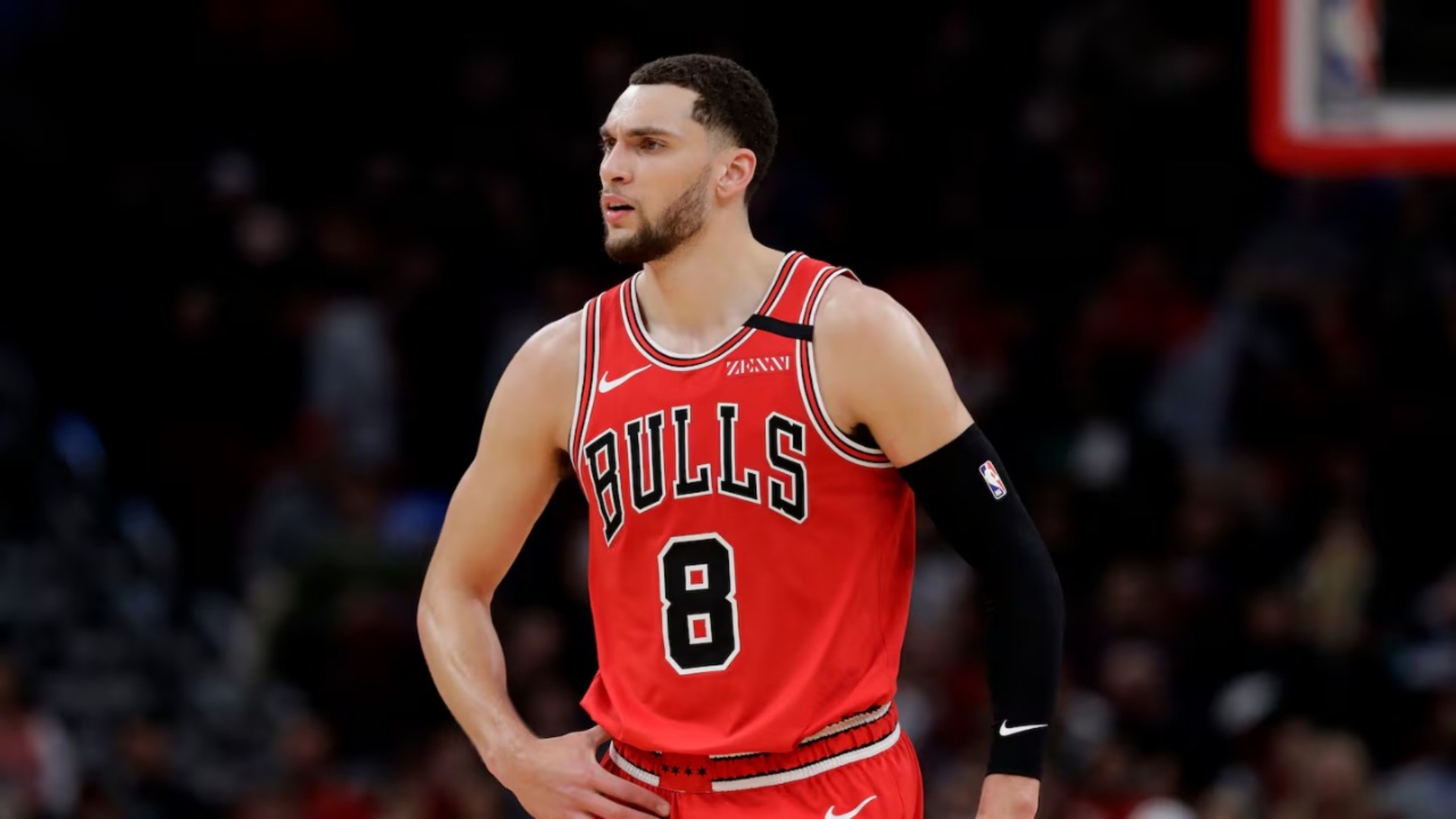
Zach LaVine
LaVine is a spectacular regular-season athlete and high-volume scorer. His issues lie in the lack of defensive commitment and the one-dimensional nature of his offensive game in the playoffs. His tendency to hunt shots without elite playmaking makes him a less effective primary option when defenses are focused on him, struggling to maintain his efficiency against better defensive teams.
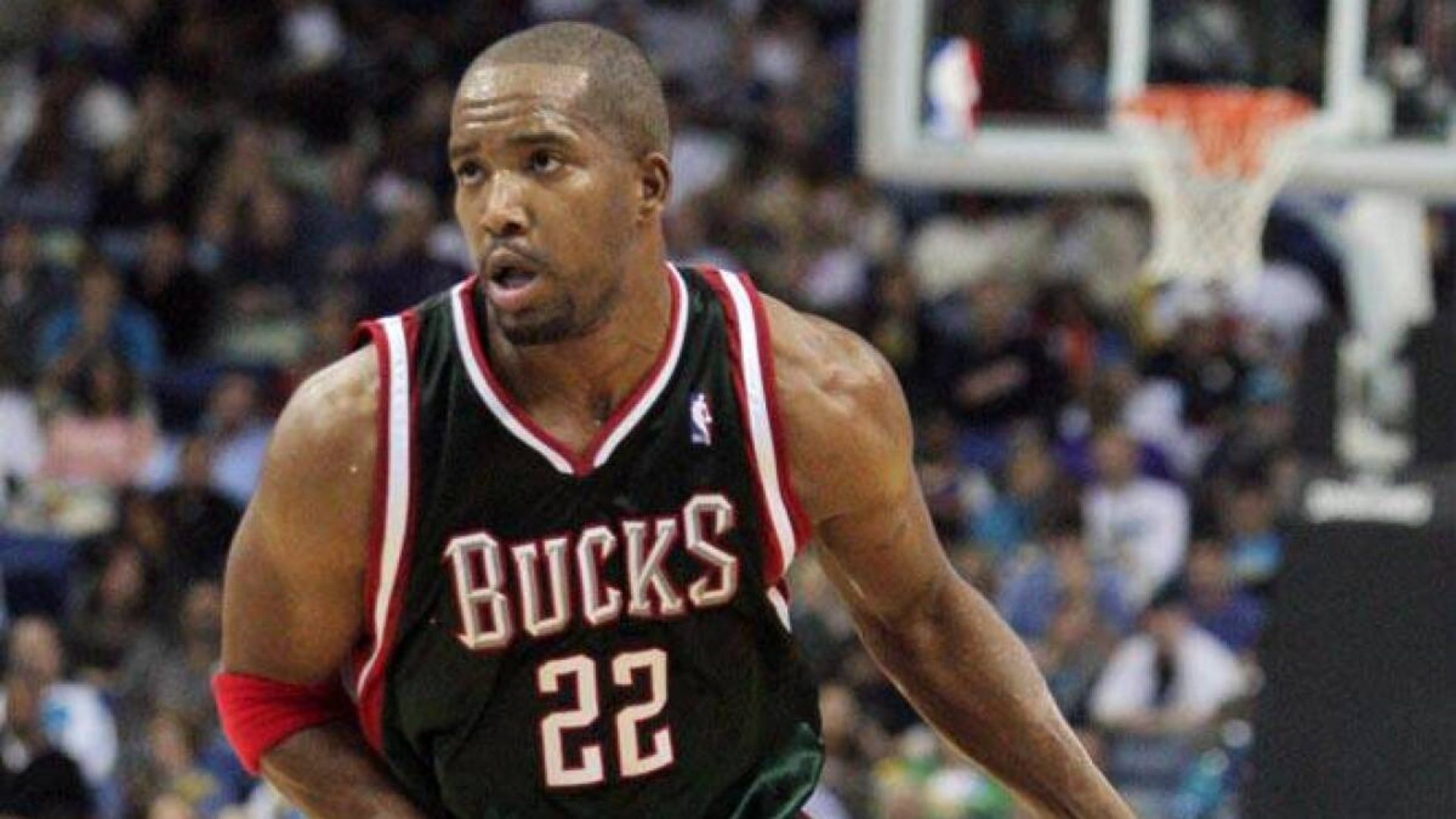
Michael Redd
Redd was a gifted lefty shooter and isolation scorer, a regular-season All-Star whose game was primarily one-dimensional. In the playoffs, his inability to consistently create for others and his defensive liabilities were easily targeted. Opponents could successfully game-plan to eliminate his primary scoring opportunities, forcing the Bucks' offense to sputter without a secondary star.
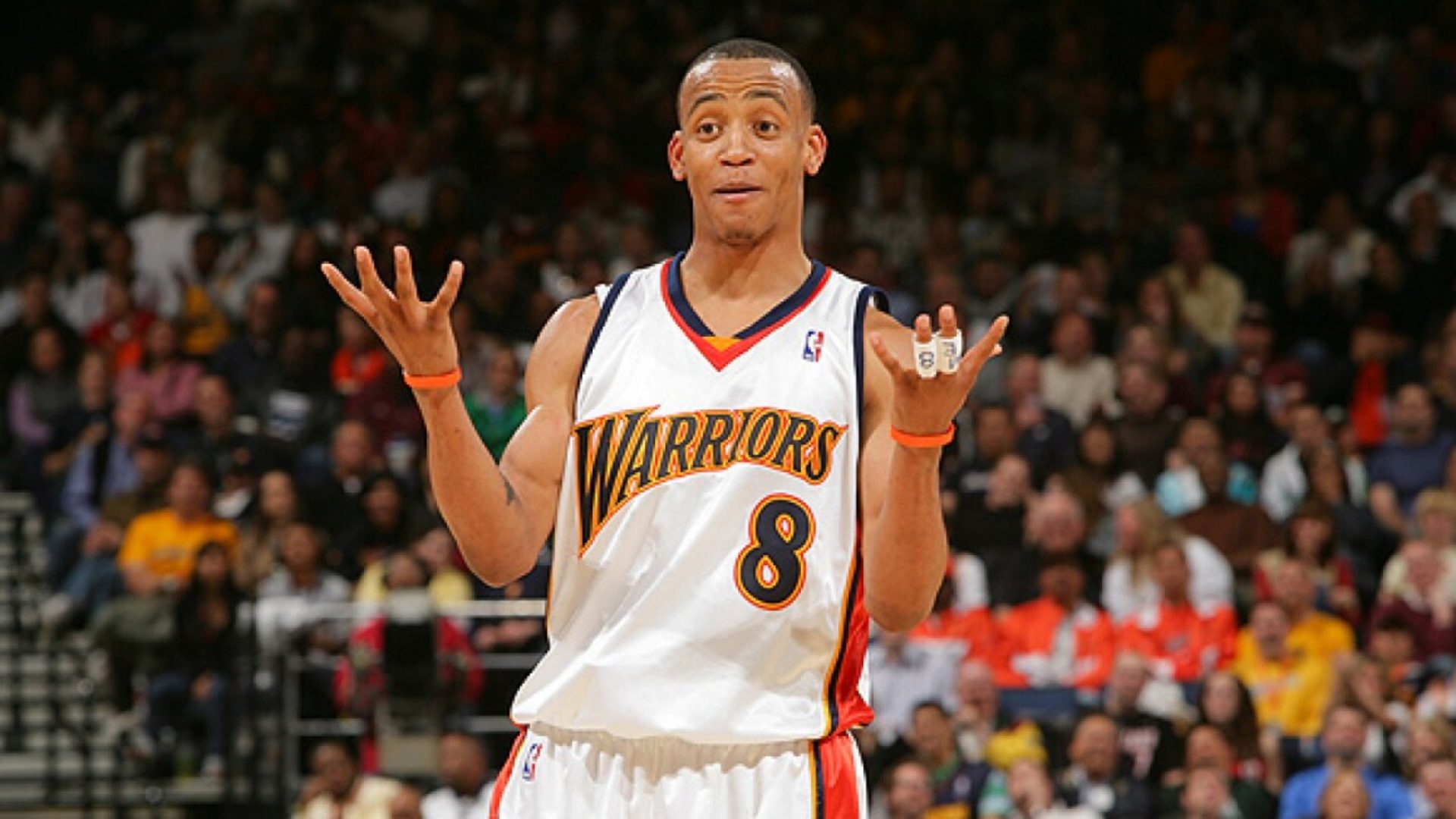
Monta Ellis
Ellis was a dynamic, fast-paced guard and volume scorer, excelling with his speed and athleticism in the regular season. However, his lack of a consistent three-point shot and reliance on low-efficiency mid-range jumpers and difficult finishes made him a high-turnover player in the methodical playoffs. His size and effort also often resulted in him being a defensive target.
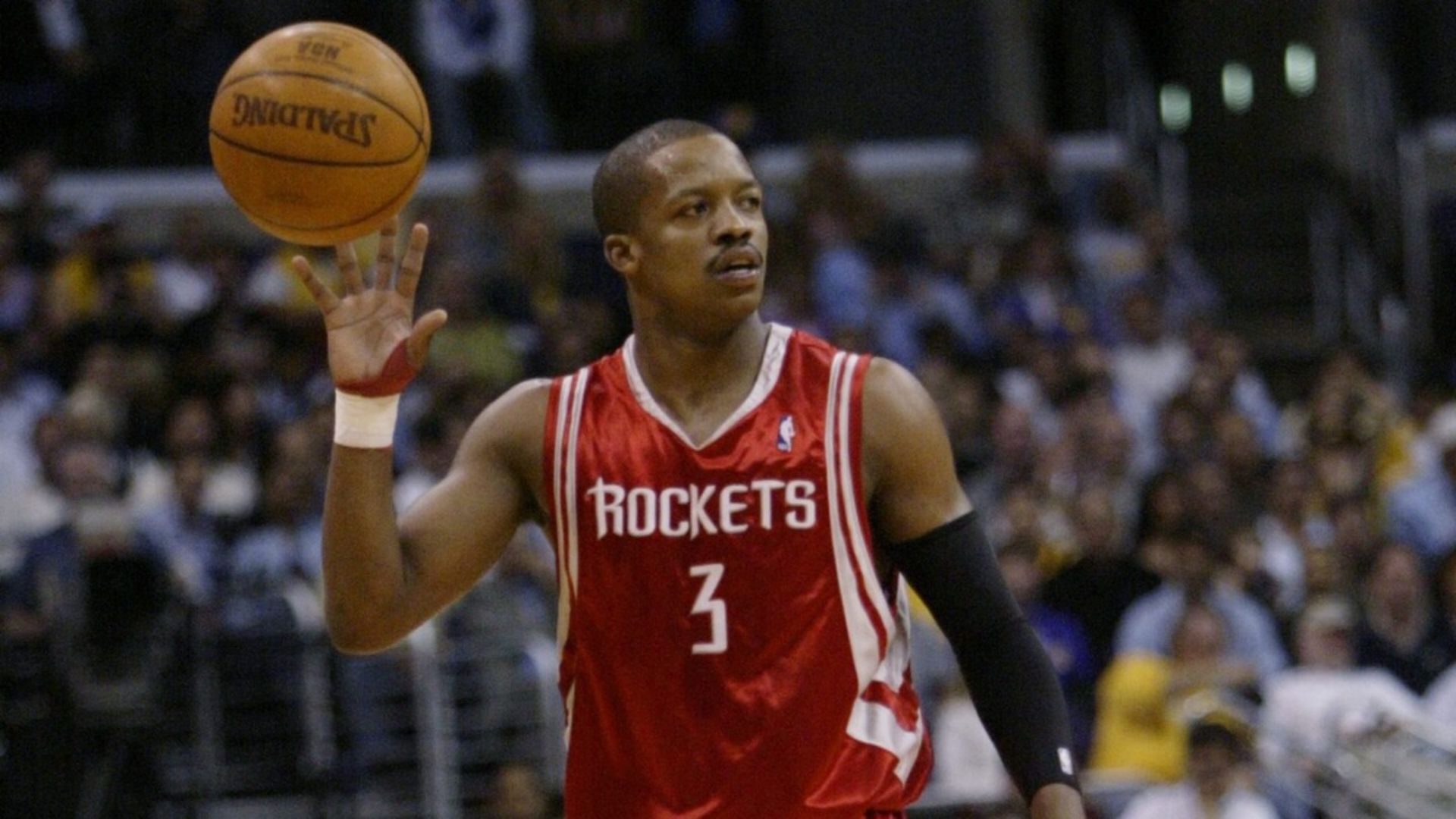
Steve Francis
Francis was an explosive, high-usage guard with incredible athleticism that allowed him to dominate regular-season matchups. In the playoffs, his poor shooting efficiency, high turnover rate, and tendency toward hero-ball were fatal flaws. Unlike modern guards, he couldn't space the floor, and his reliance on difficult drives and contested shots limited his team's offensive ceiling against top competition.
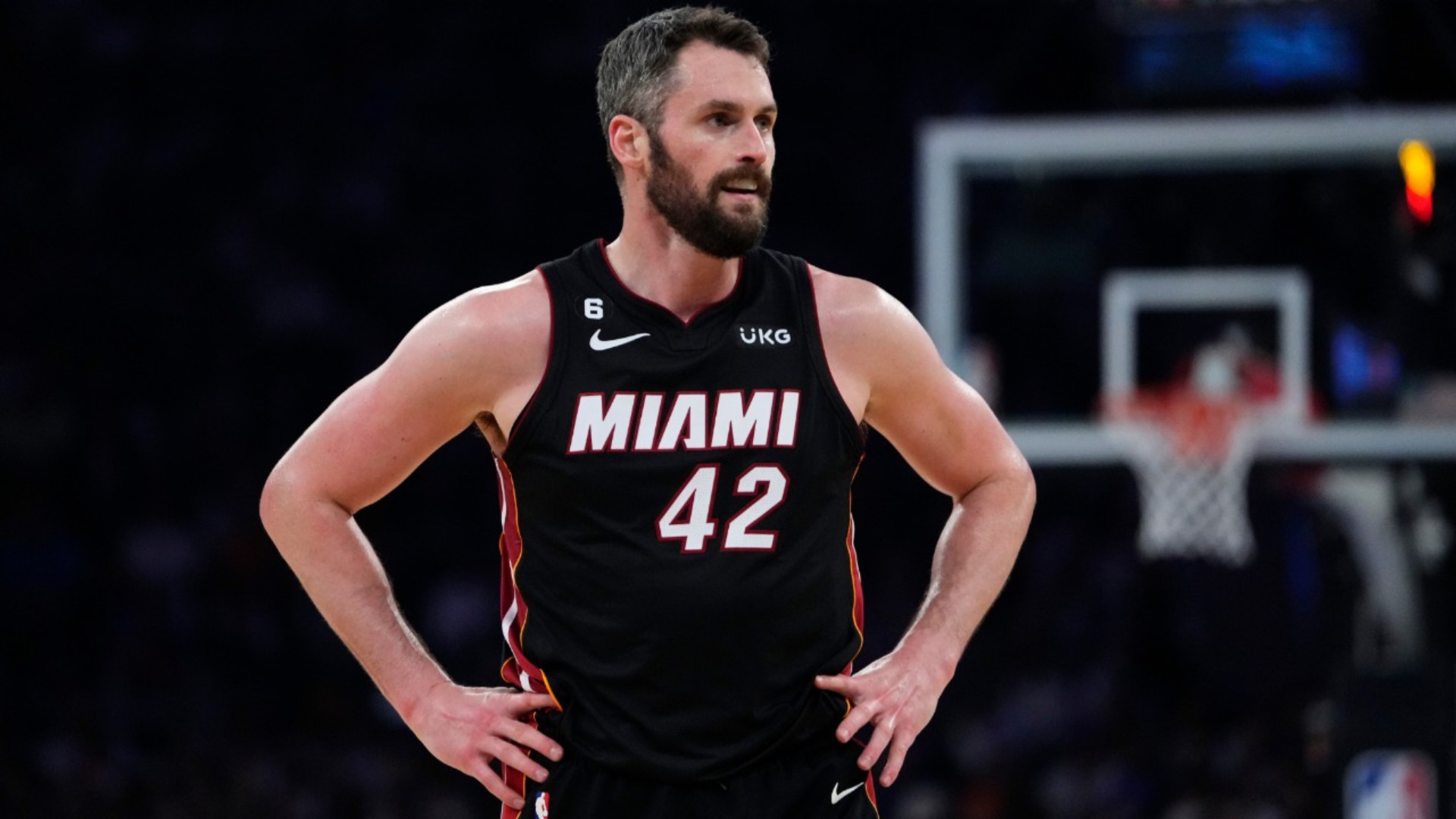
Kevin Love
Love's value as a dominant regular-season rebounder and volume scorer on bad teams was undeniable. However, once on a contender, his one-on-one defense and ability to guard in space were weaknesses that became critical liabilities in the playoffs. His role diminished, and his lack of quickness made him a constant target for opposing offenses in crucial rounds.
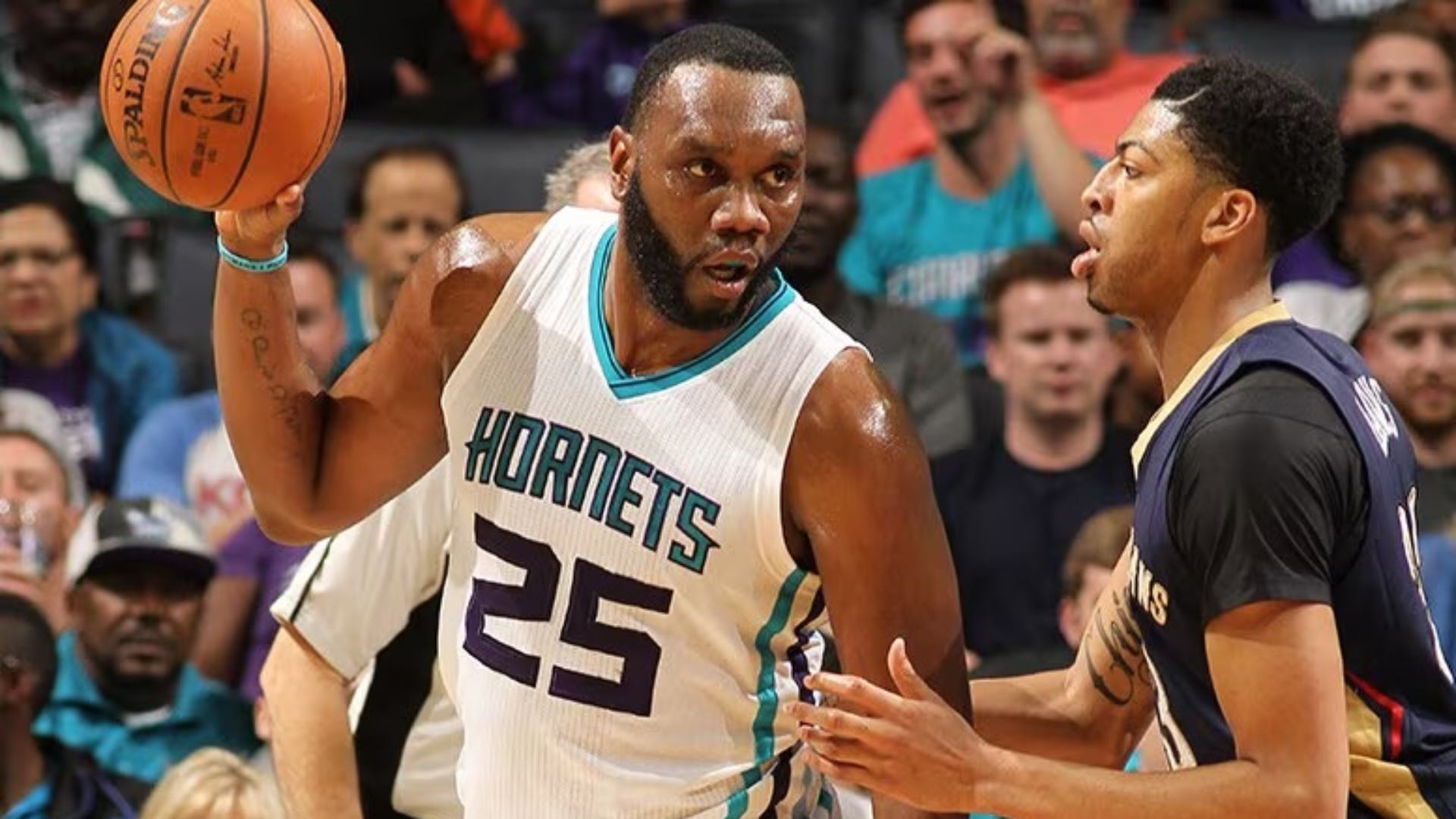
Al Jefferson
Jefferson was an elite low-post scorer, a regular-season staple for his sheer talent and volume of post moves. In the playoffs, his old-school style was ineffective against the league's faster, more analytical defenses. His lack of perimeter defense and inability to protect the rim made him a net negative on the floor against modern, spacing-heavy playoff offenses.
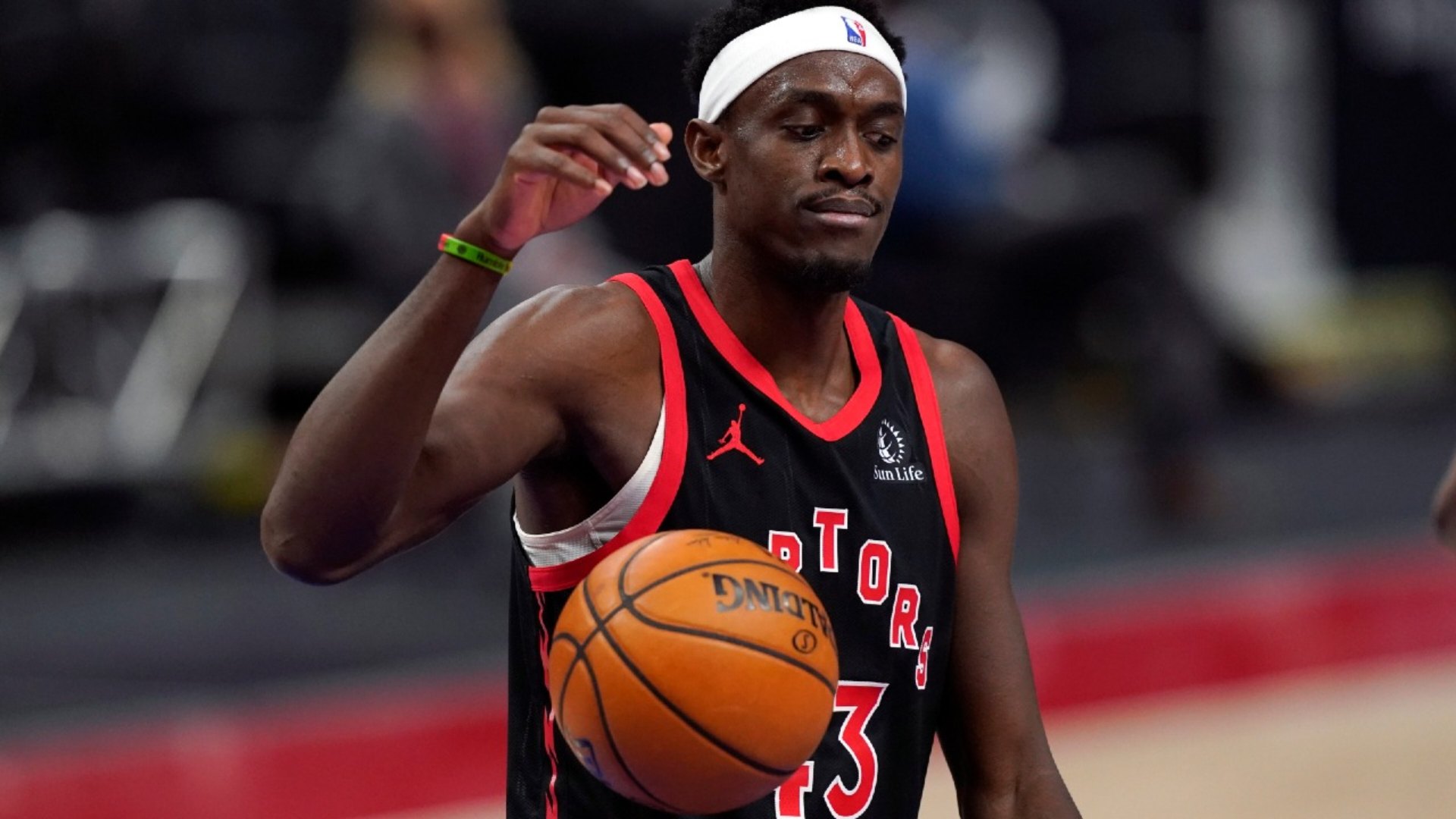
Pascal Siakam
Siakam is a versatile forward whose regular-season All-NBA trajectory was stalled by notable playoff dips. His unorthodox spinning style becomes predictable when defenses game-plan for it, leading to turnovers and poor shooting efficiency. His struggles to be a consistent playmaker and finisher in the half-court expose a need for more calculated aggression and a more reliable three-point shot.
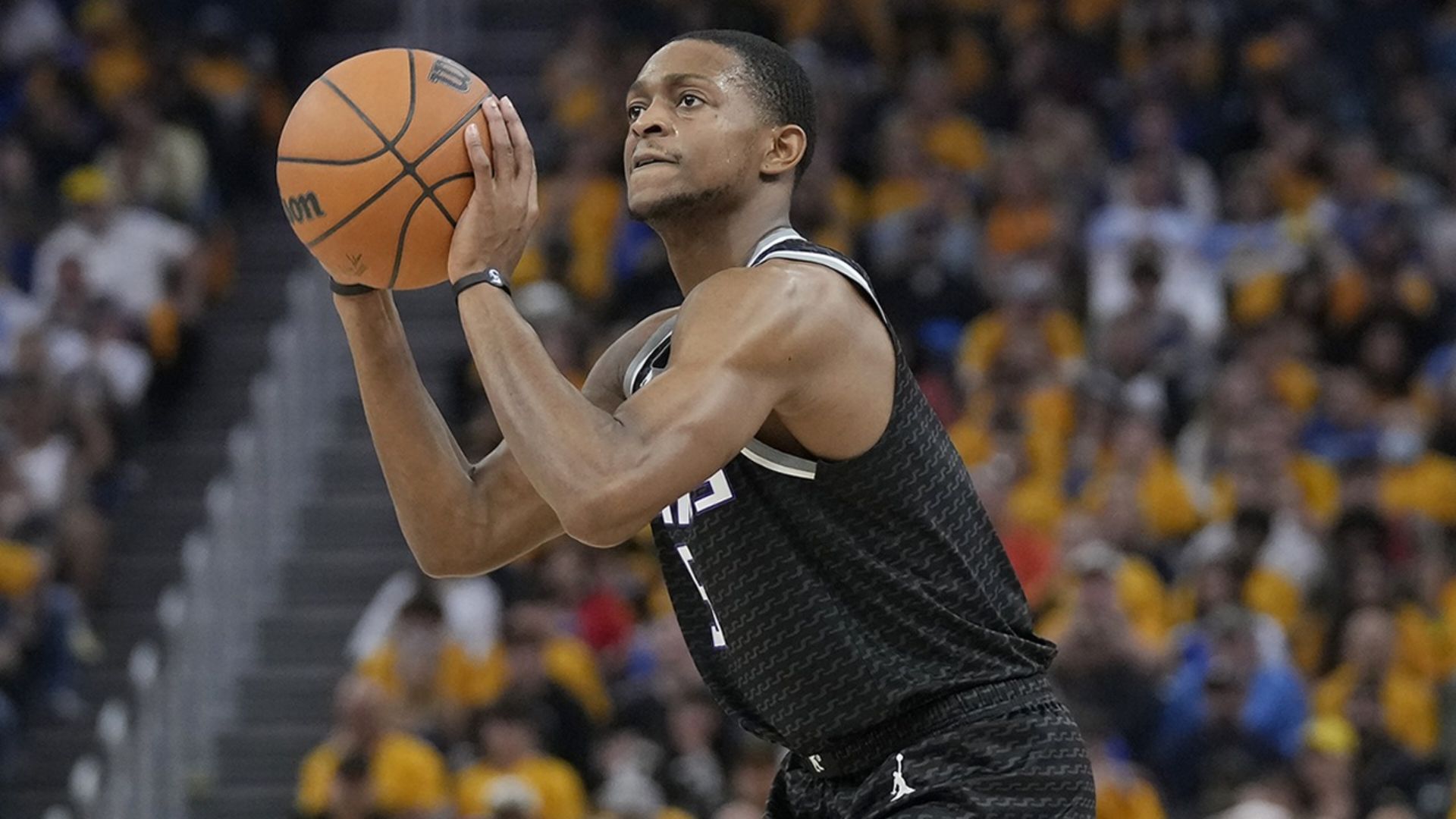
De’Aaron Fox
Fox's elite speed makes him a regular-season marvel, but his playoff reputation took a hit due to inconsistency in his debut. His speed, though still effective, is not as singularly dominant when defenses are tighter. His lack of a consistent off-ball threat and a tendency to settle for long twos hampered his efficiency when his aggressive driving was stifled in the half-court.
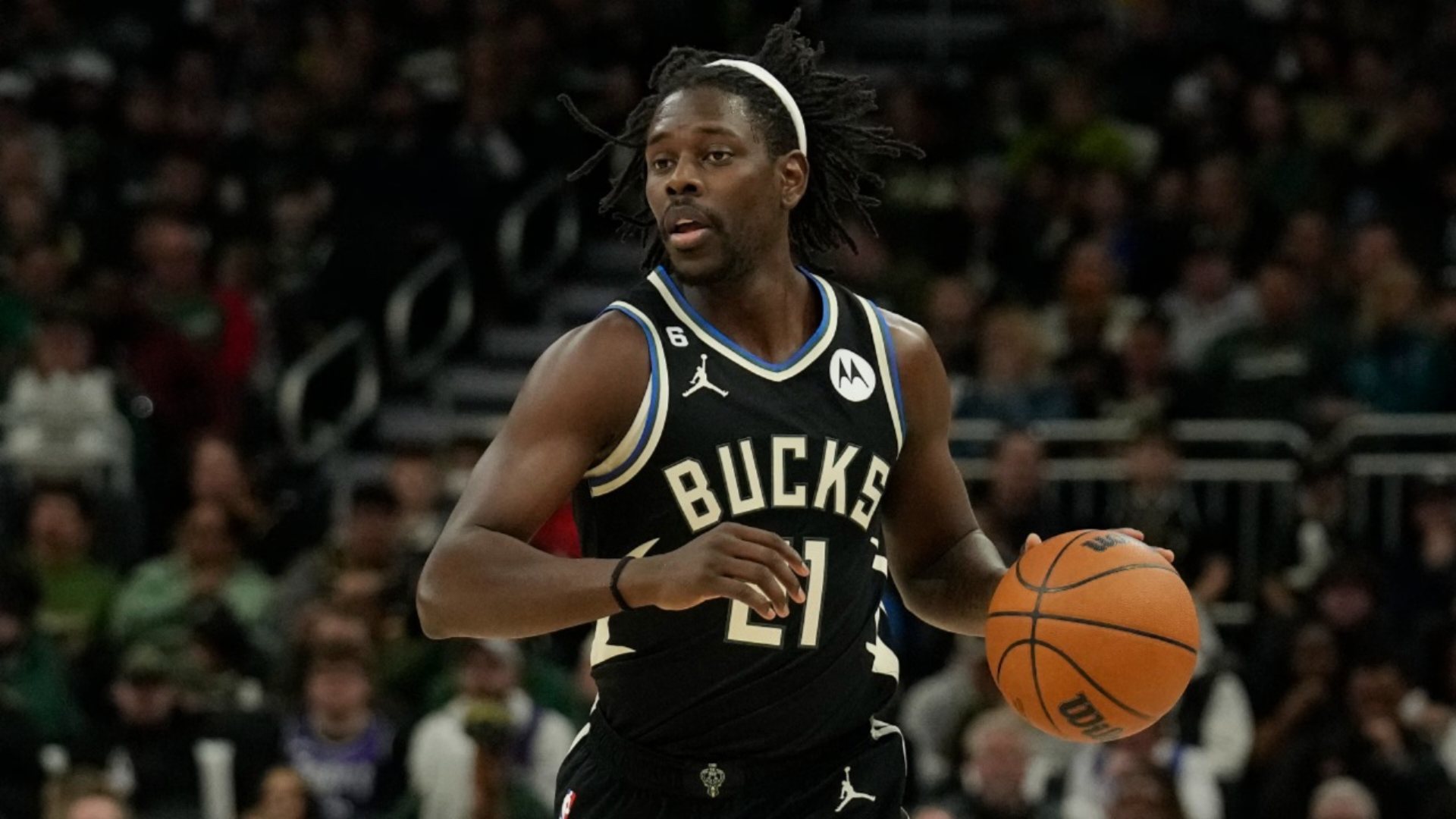
Jrue Holiday
Holiday is an elite two-way guard, but his regular-season brilliance often masked his offensive struggles in the playoffs, particularly as a second or third option. His three-point shooting efficiency can fluctuate wildly in the postseason, and his hesitation to take open looks clogs the team's offense. While an elite playoff defender, his offensive inconsistency lands him on this list.
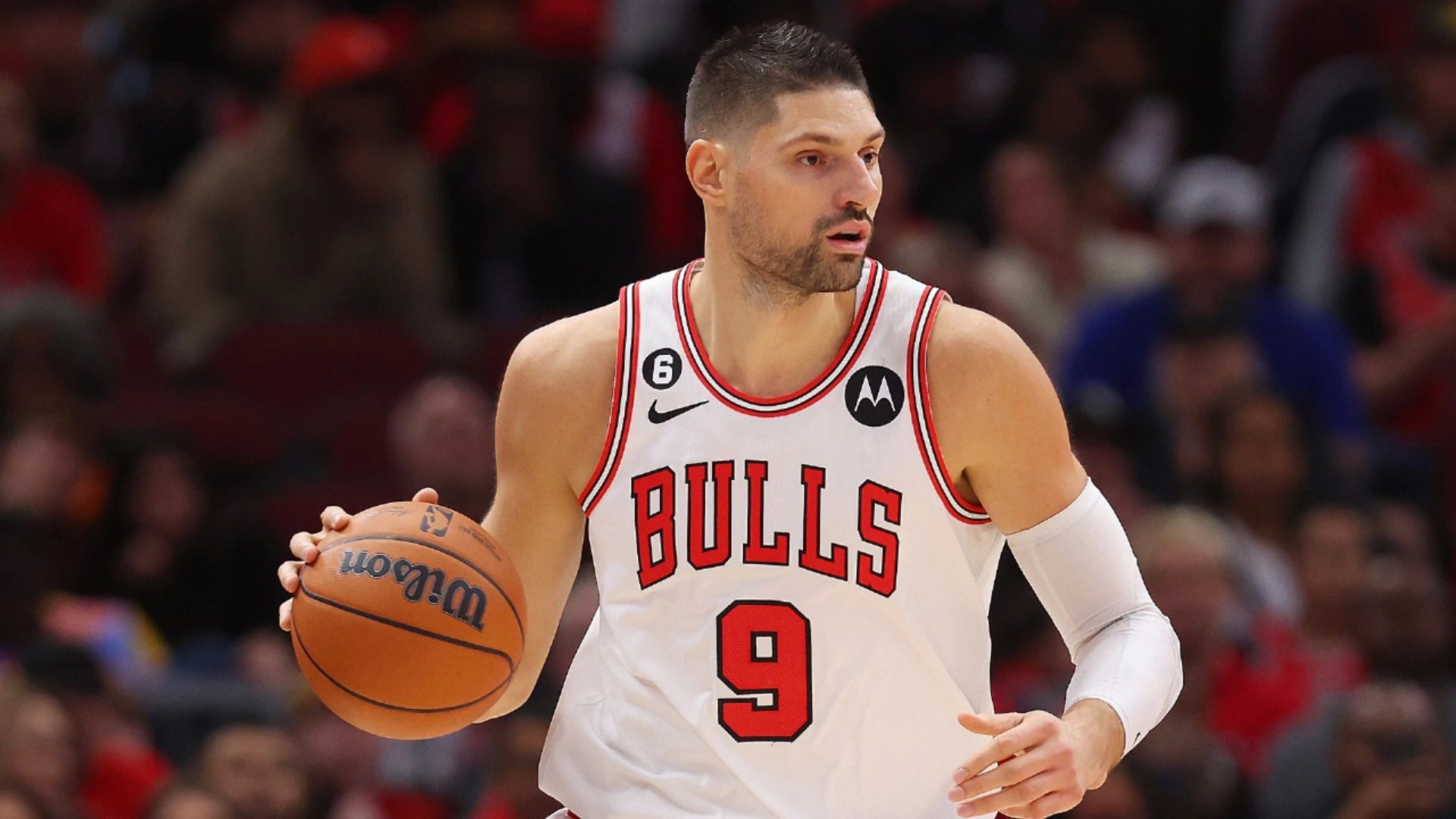
Nikola Vucevic
Vucevic is a highly skilled, high-volume regular-season scorer and rebounder, but his soft defense and lack of elite athleticism are liabilities in the playoffs. Teams successfully attack him in the pick-and-roll, forcing him to guard in space. His inability to consistently score against elite playoff big men or deter shots at the rim significantly limits his team's ceiling.