
Ranking the 15 Best Rookie Seasons in NBA History
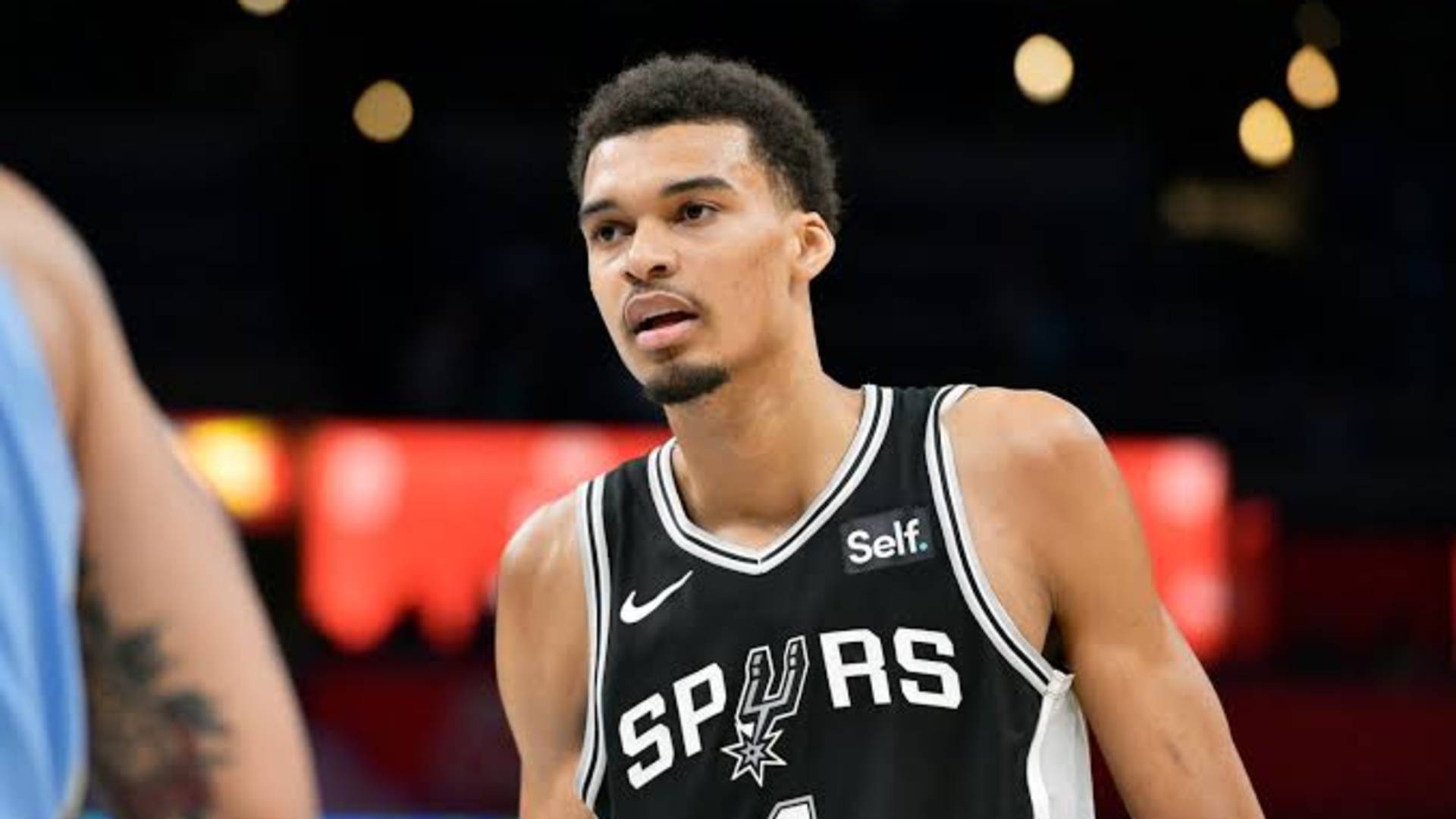
Victor Wembanyama (2023–24, San Antonio Spurs)
Averaged 21 points, 10 rebounds, and 3 assists with elite rim protection and guard-like skills. Wembanyama's debut season was a physical marvel, showcasing unprecedented two-way dominance and fundamentally changing how the Spurs defense operated .
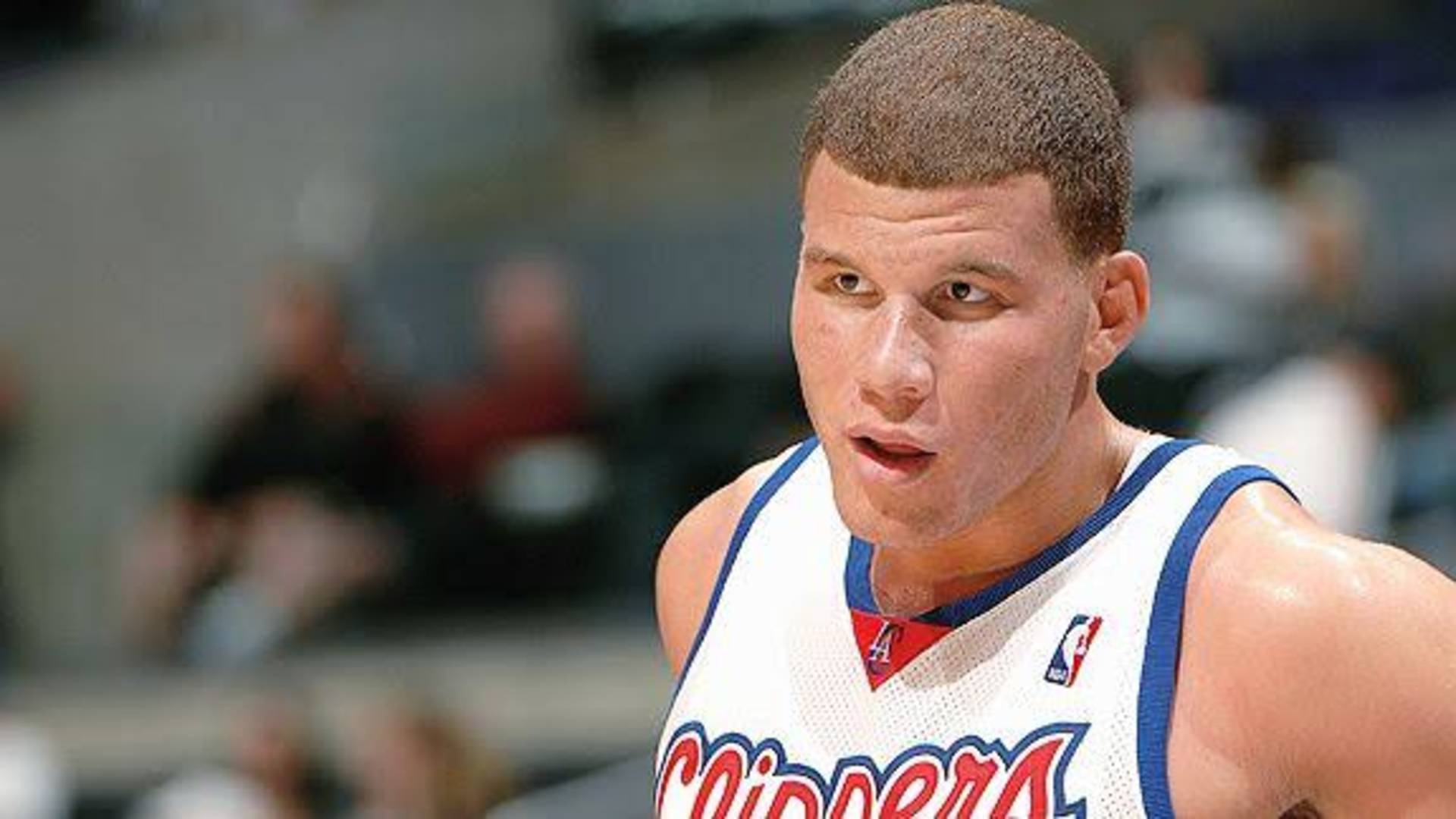
Blake Griffin (2010–11, Los Angeles Clippers)
Explosive dunks fueled averages of 22.5 PPG and 12.1 RPG, instantly making the Clippers "Lob City" and must-watch TV. After missing his true rookie year due to injury, Griffin returned to win the Rookie of the Year award unanimously with breathtaking athleticism.
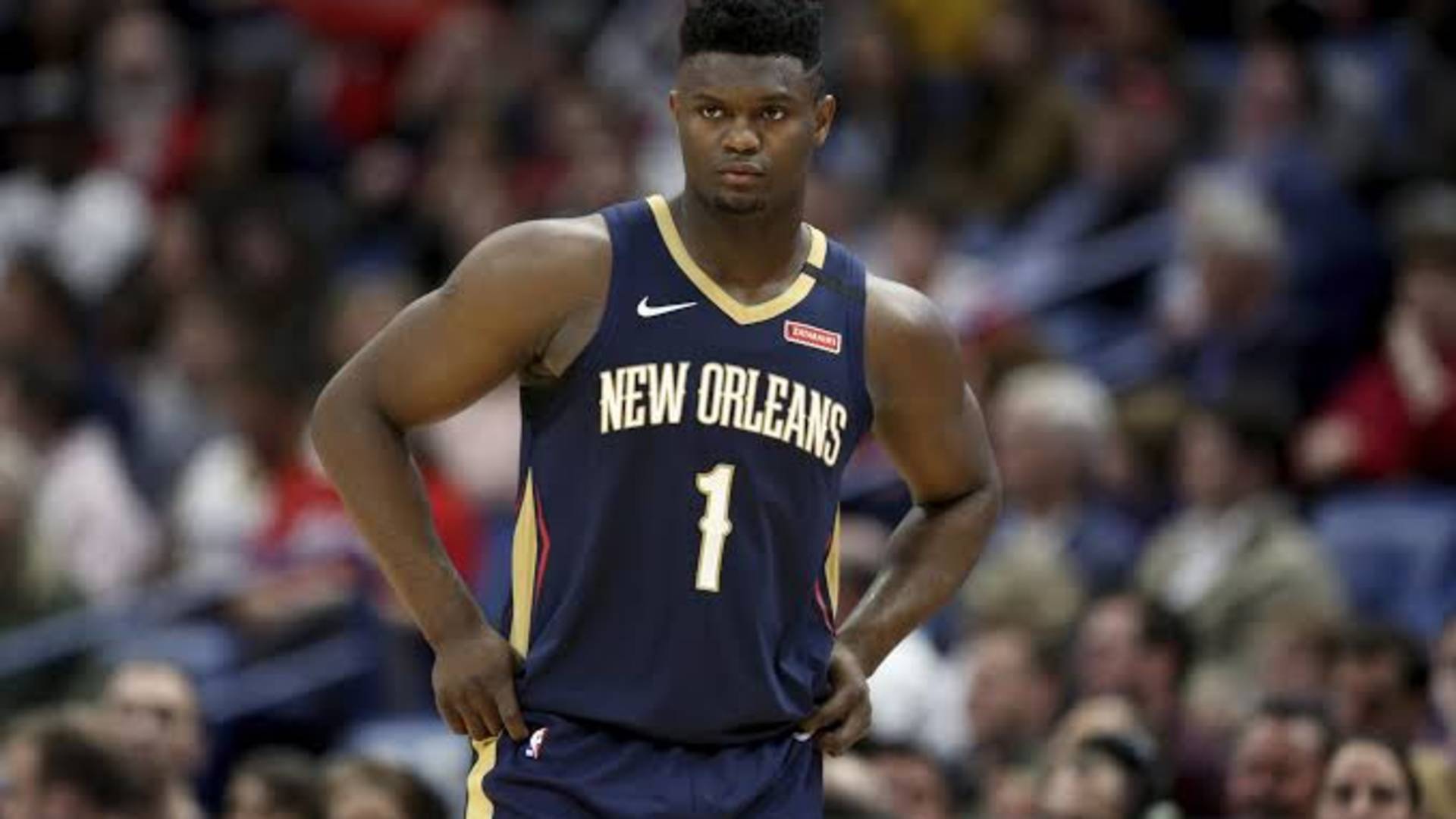
Zion Williamson (2019–20, New Orleans Pelicans)
Played only 24 games but averaged 22.5 PPG on 58% shooting, emerging as an instant, unstoppable force. His combination of mass and explosive verticality created interior scoring efficiency rarely seen from a first-year player.
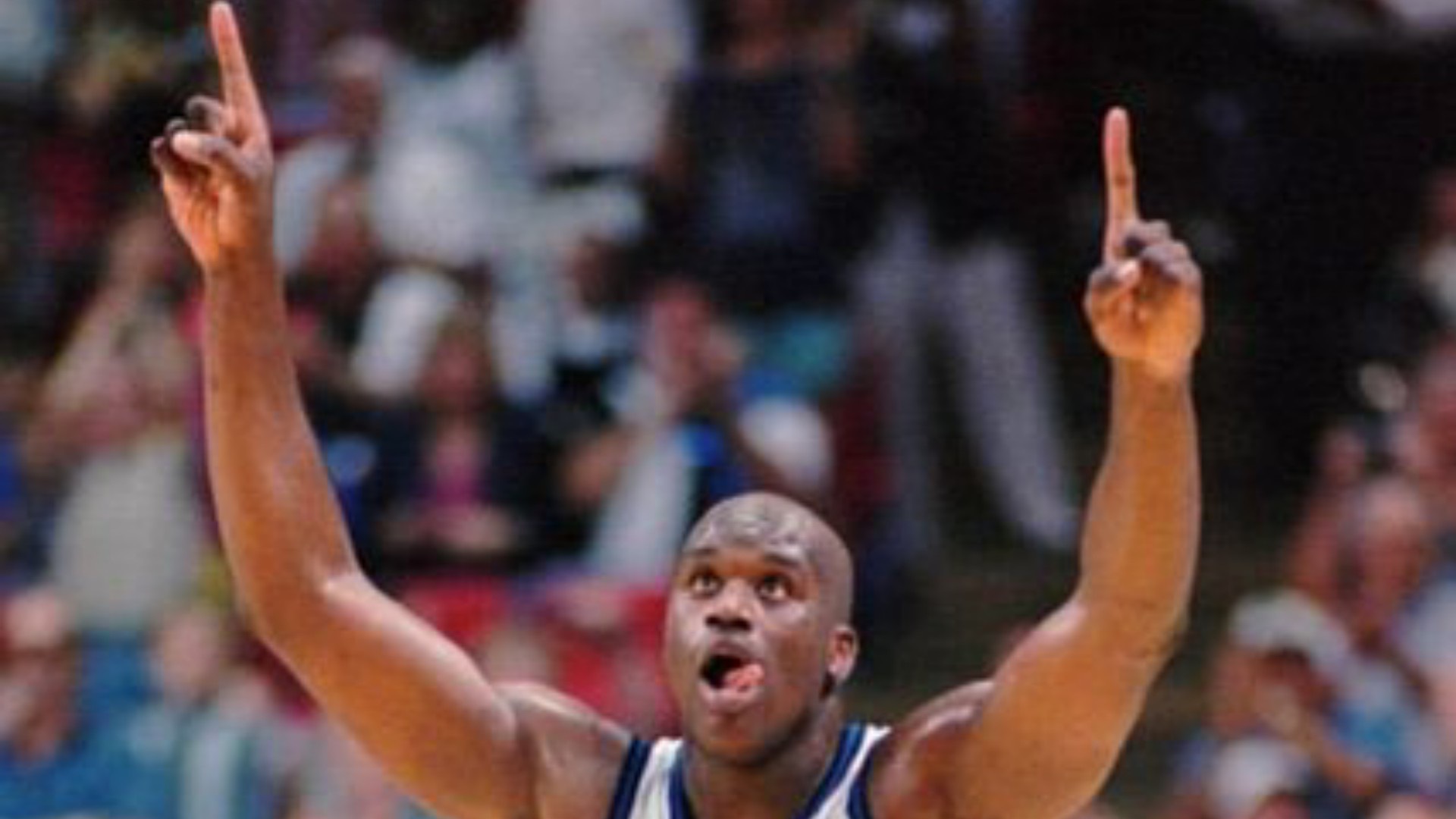
Shaquille O’Neal (1992–93, Orlando Magic)
Posted overwhelming numbers: 23.4 points, 13.9 rebounds, and 3.5 blocks per game. Shaq's physical dominance was immediate and undeniable, elevating the expansion Magic overnight and setting a tone for his entire career as a powerful center.
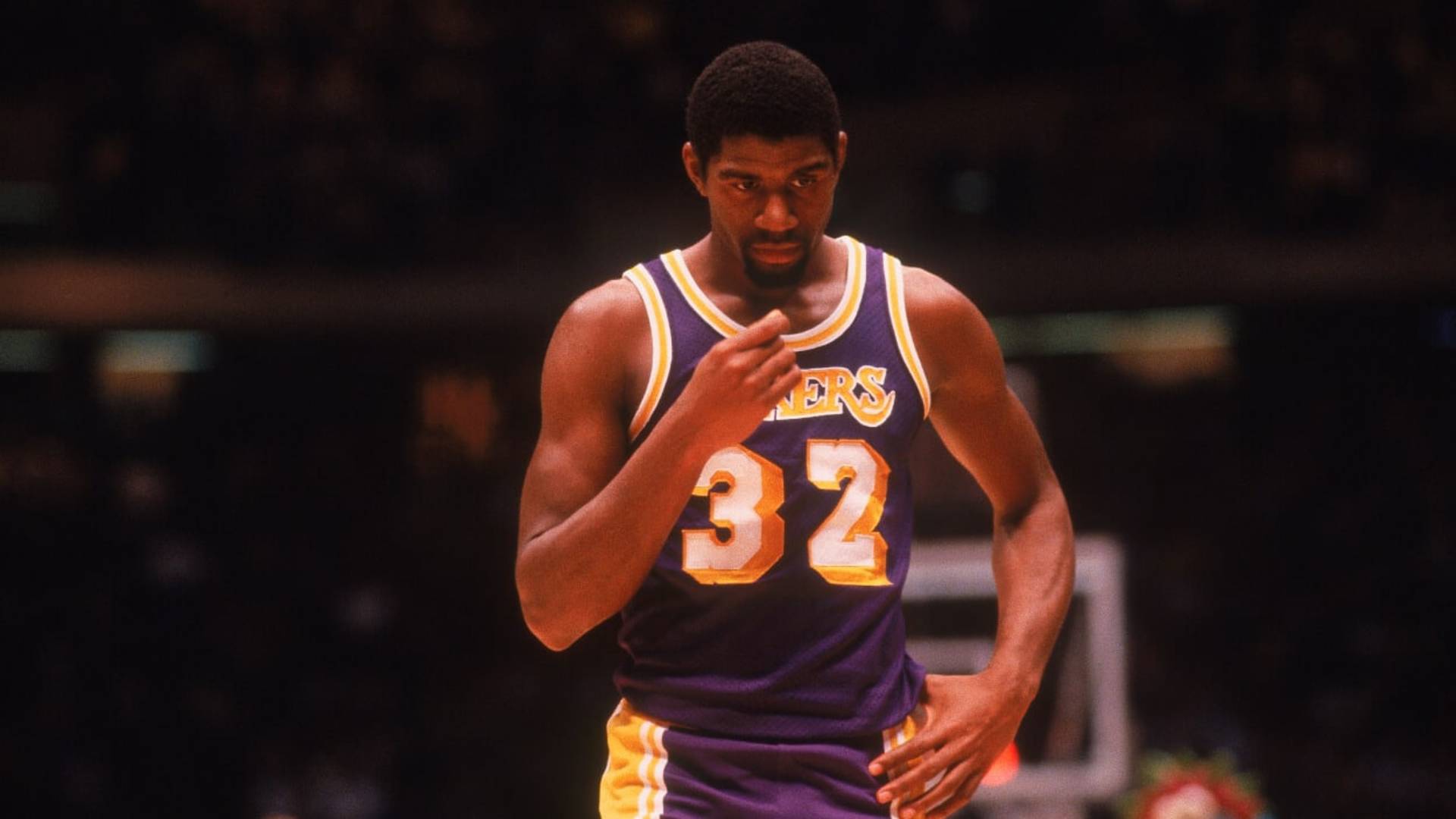
Magic Johnson (1979–80, Los Angeles Lakers)
Averaged 18 points, 7 rebounds, and 7 assists, culminating in an iconic Finals MVP performance playing center for an injured Kareem. Magic's charisma and versatility led the Lakers to a title, a legendary start to an iconic career.
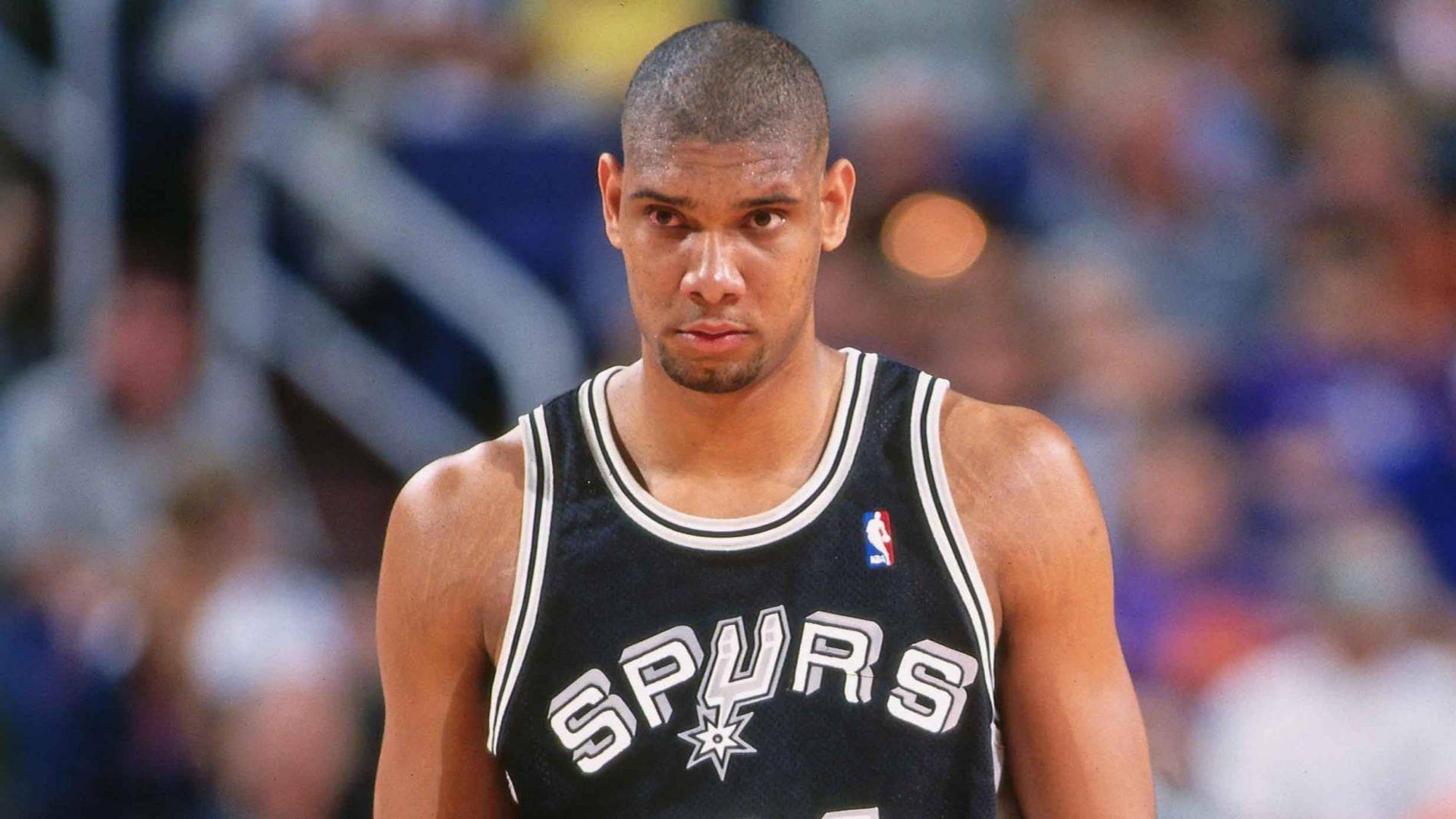
Tim Duncan (1997–98, San Antonio Spurs)
Posted an instant double-double threat with 21.1 points and 11.9 rebounds, plus 2.5 blocks. Duncan immediately became one of the best power forwards in the league, earning All-NBA and All-Defensive honors and transforming the Spurs into contenders.
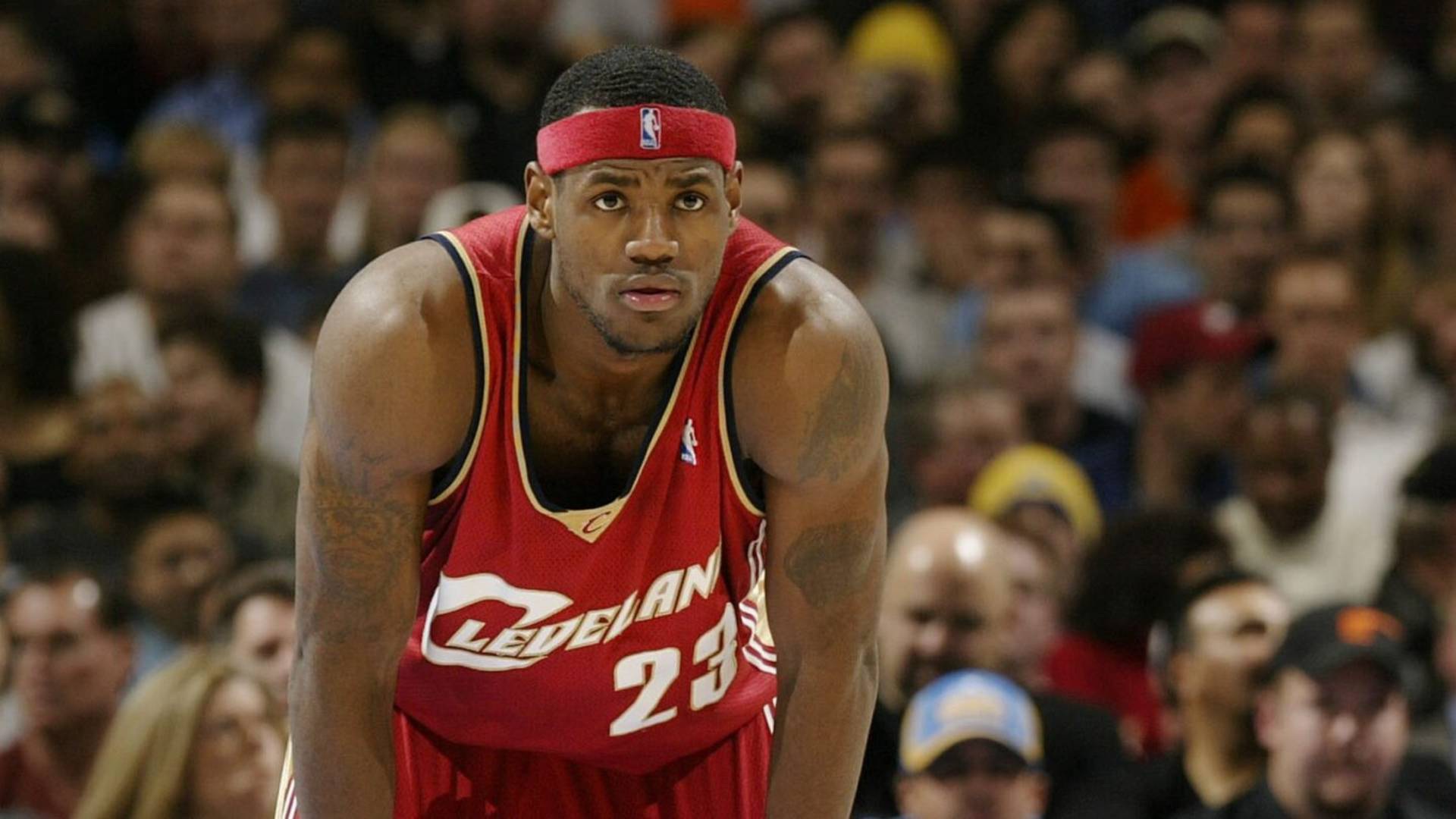
LeBron James (2003–04, Cleveland Cavaliers)
Averaged 20.9 points, 5.5 rebounds, and 5.9 assists—a 19-year-old playing with the physical and statistical profile of a seasoned superstar. His seamless transition to the NBA showed a generational talent capable of carrying a franchise from day one.
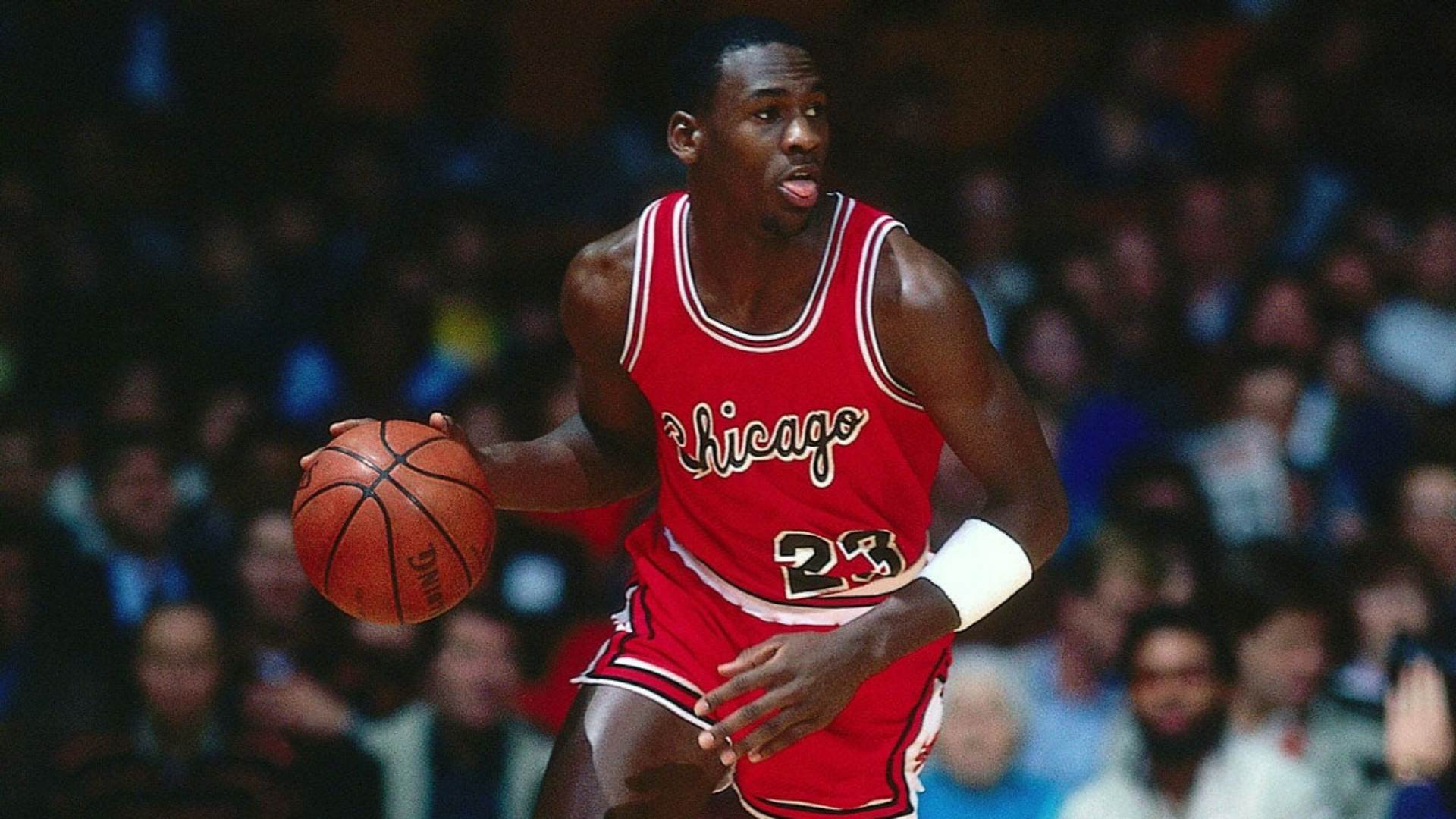
Michael Jordan (1984–85, Chicago Bulls)
Averaged an elite 28.2 PPG, 6.5 RPG, and 2.4 SPG. Jordan’s pure offensive dominance was evident immediately, earning him an All-Star nod and the Rookie of the Year award while quickly becoming the league's most exciting player.
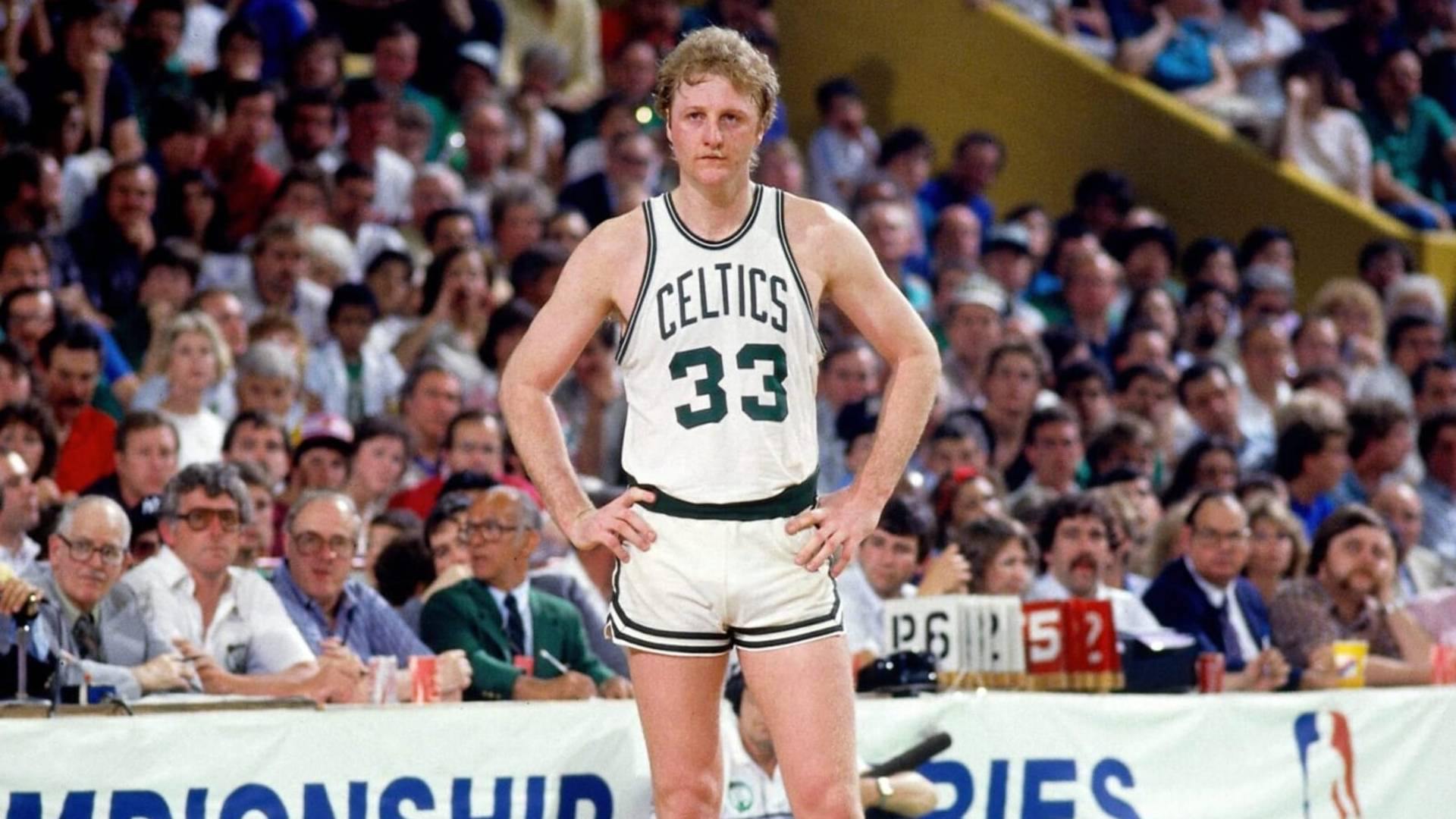
Larry Bird (1979–80, Boston Celtics)
Averaged 21.3 points, 10.4 rebounds, and 4.5 assists, transforming the Celtics from a 29-win team to a 61-win powerhouse. Bird's unparalleled passing and court vision immediately established him as a premier player and franchise savior.
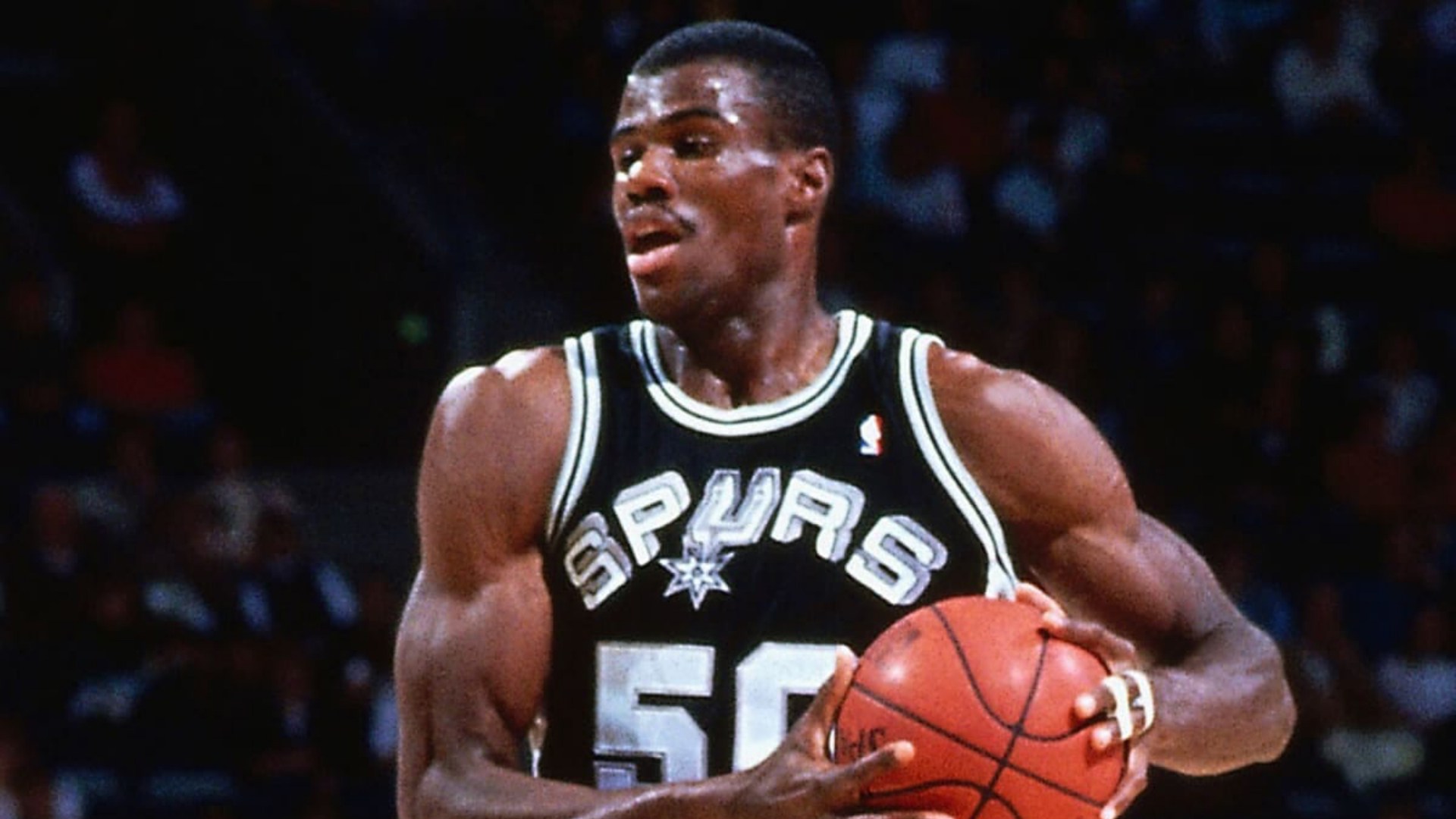
David Robinson (1989–90, San Antonio Spurs)
Posted an incredible 24.3 PPG, 12 RPG, and 3.9 BPG after military service, leading the Spurs to 35 more wins than the previous year. "The Admiral" was a two-way force who instantly became a league cornerstone.
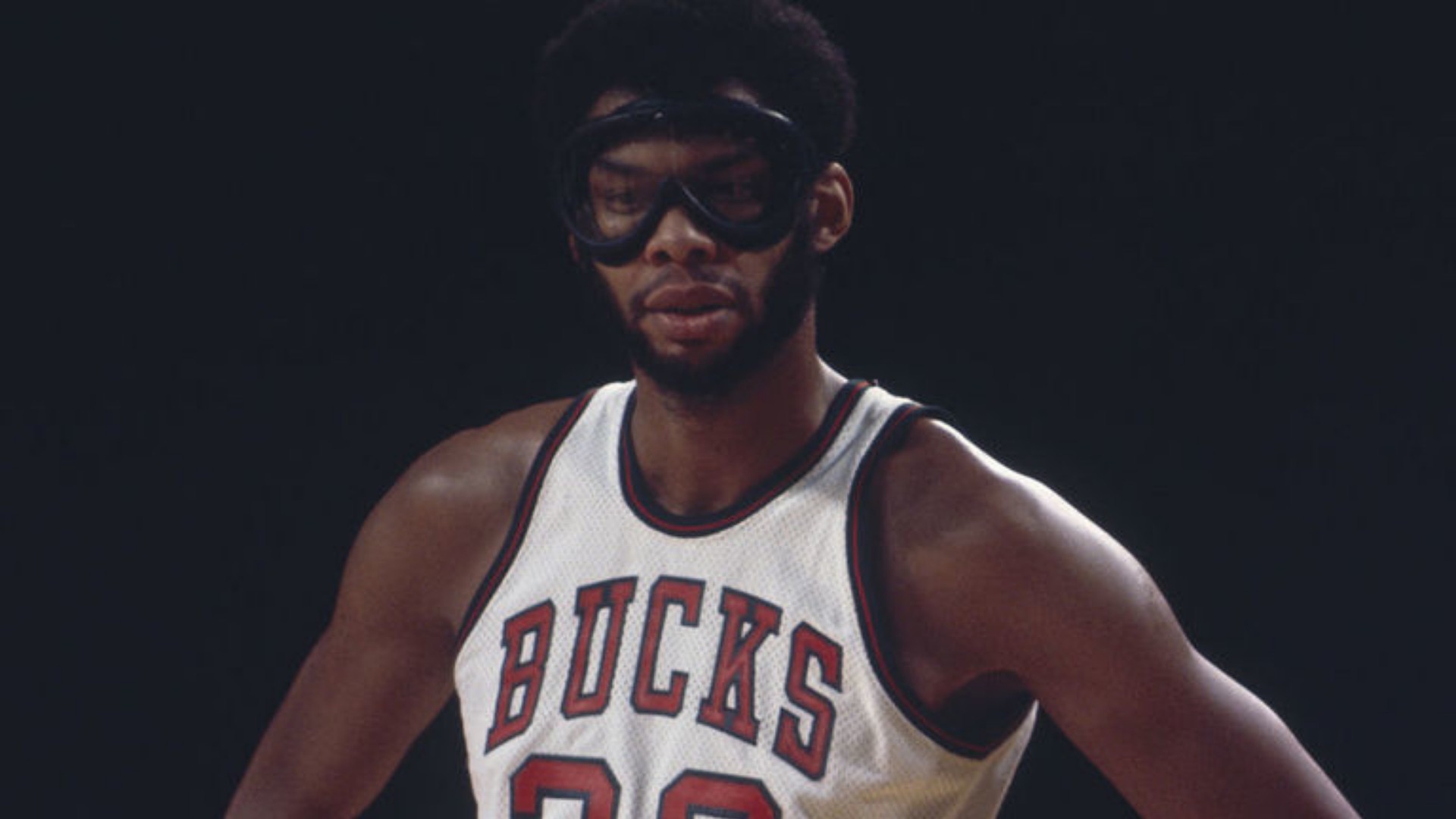
Kareem Abdul-Jabbar (1969–70, Milwaukee Bucks)
Dominated immediately with 28.8 points and 14.5 rebounds, a performance at the Finals level of production. Kareem’s unstoppable skyhook and defensive presence set the tone for his Hall of Fame career and quickly established the Bucks as an elite team.
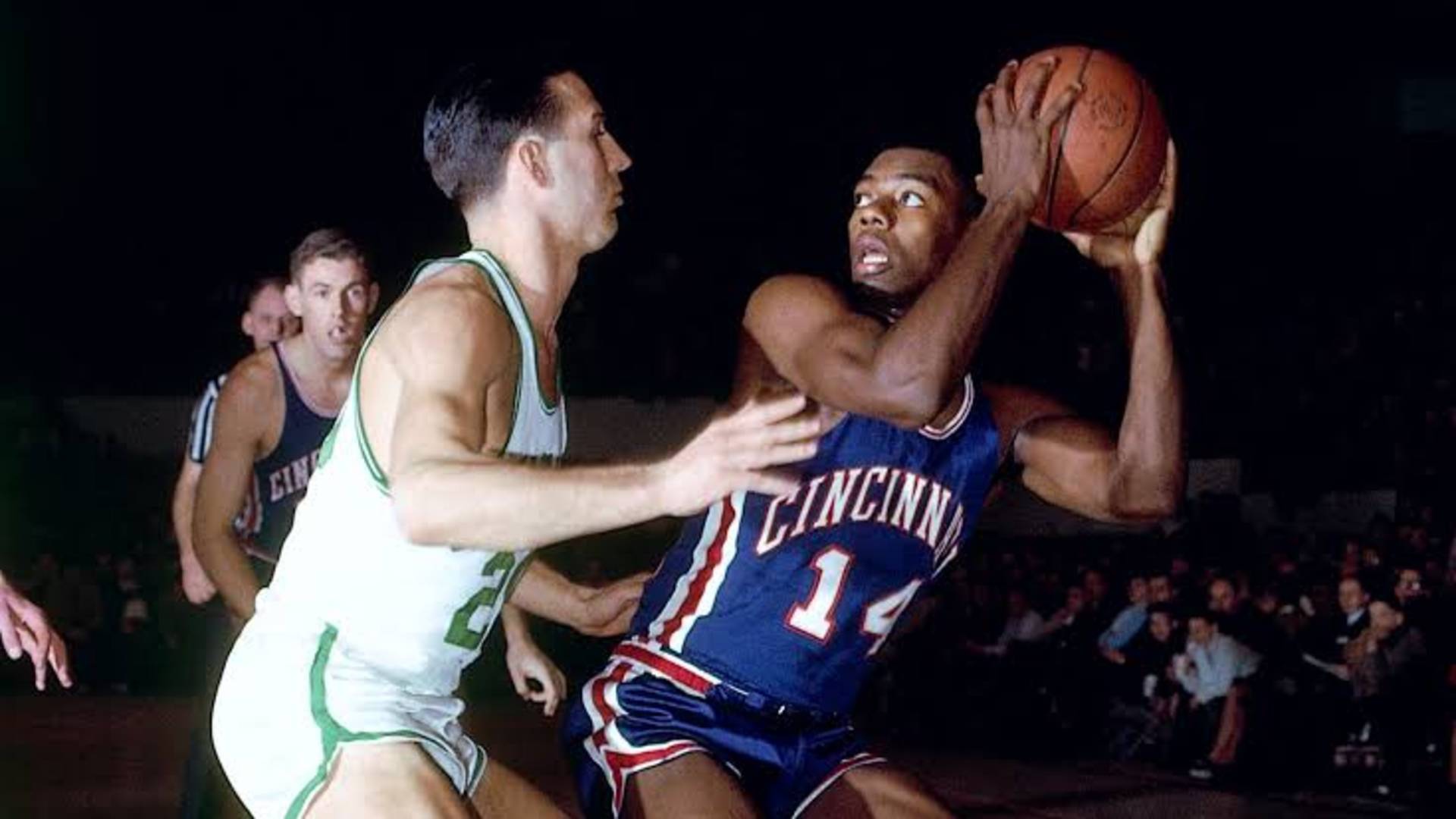
Oscar Robertson (1960–61, Cincinnati Royals)
Averaged a near triple-double as a rookie: 30.5 points, 10.1 rebounds, and 9.7 assists. "The Big O" showcased an all-encompassing versatility that redefined the guard position, making him a statistical anomaly right out of the gate.
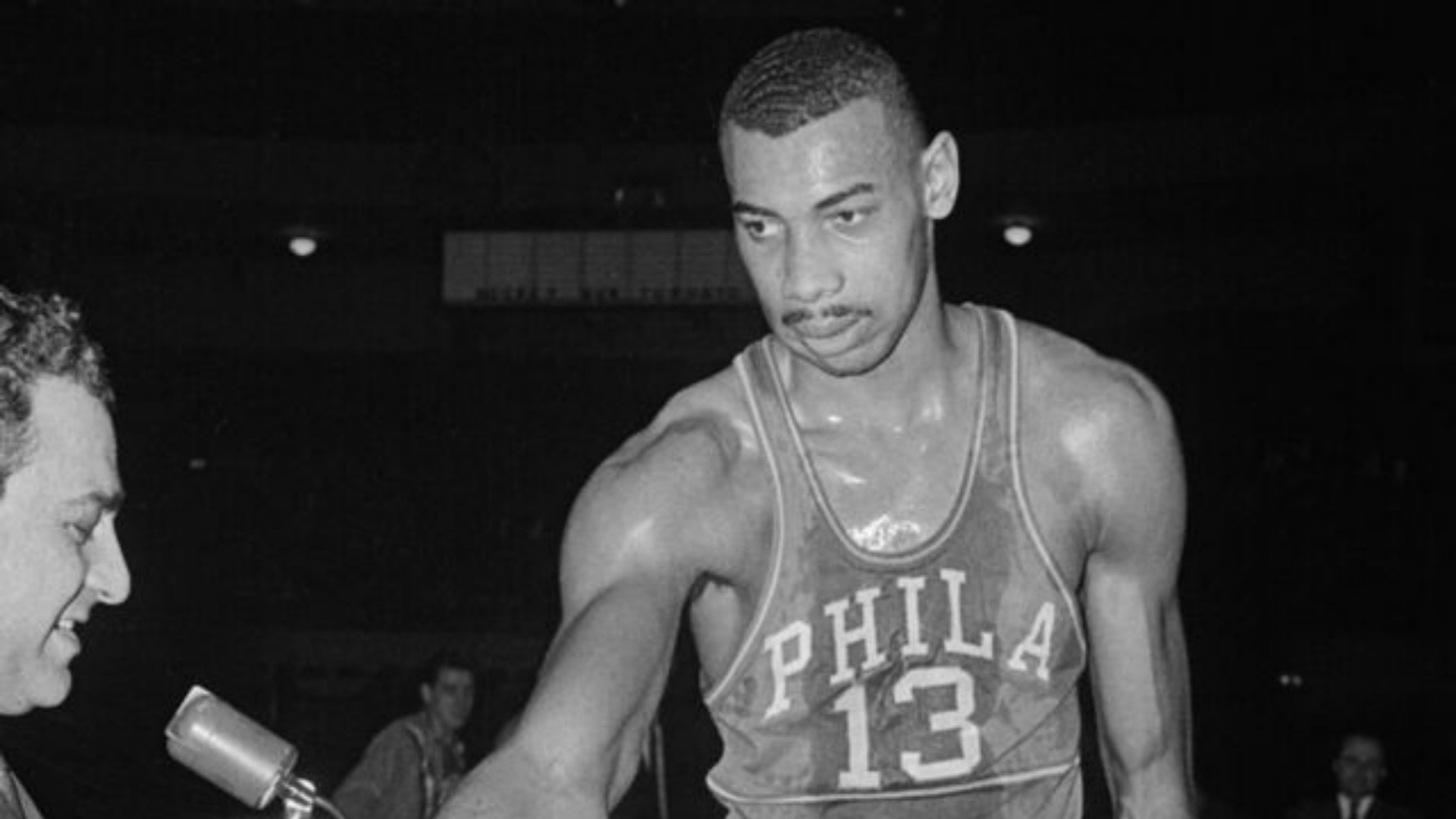
Wilt Chamberlain (1959–60, Philadelphia Warriors)
Put up historically unreal numbers: 37.6 points and 27 rebounds per game, both rookie records that stand today. Wilt's physical supremacy was so overwhelming it fundamentally altered the game from his very first season.
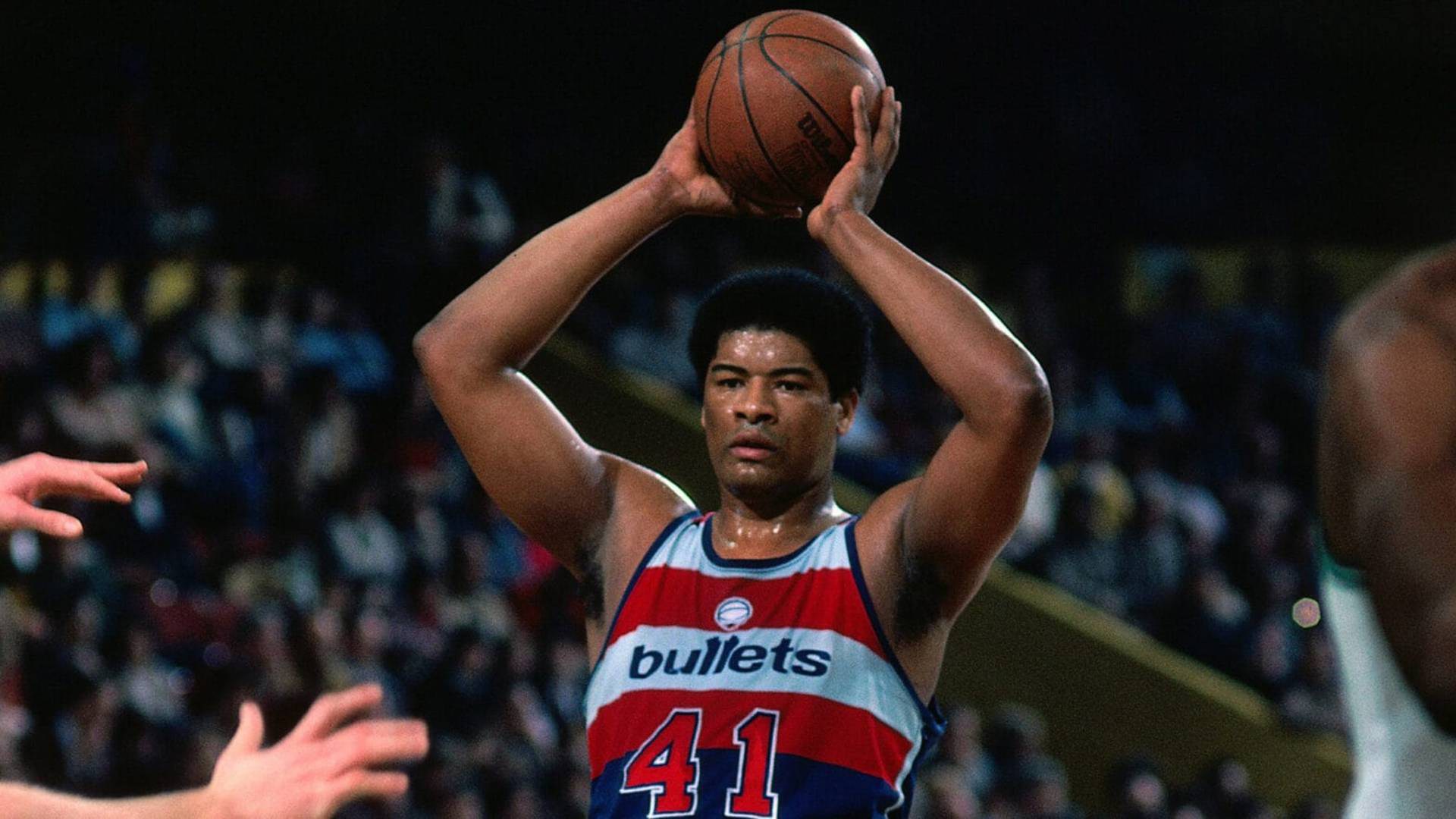
Wes Unseld (1968–69, Baltimore Bullets)
Became only the second player ever to win both Rookie of the Year and MVP in the same season. Unseld led a massive turnaround with his bruising rebounding and intelligent leadership, embodying toughness and team success immediately.
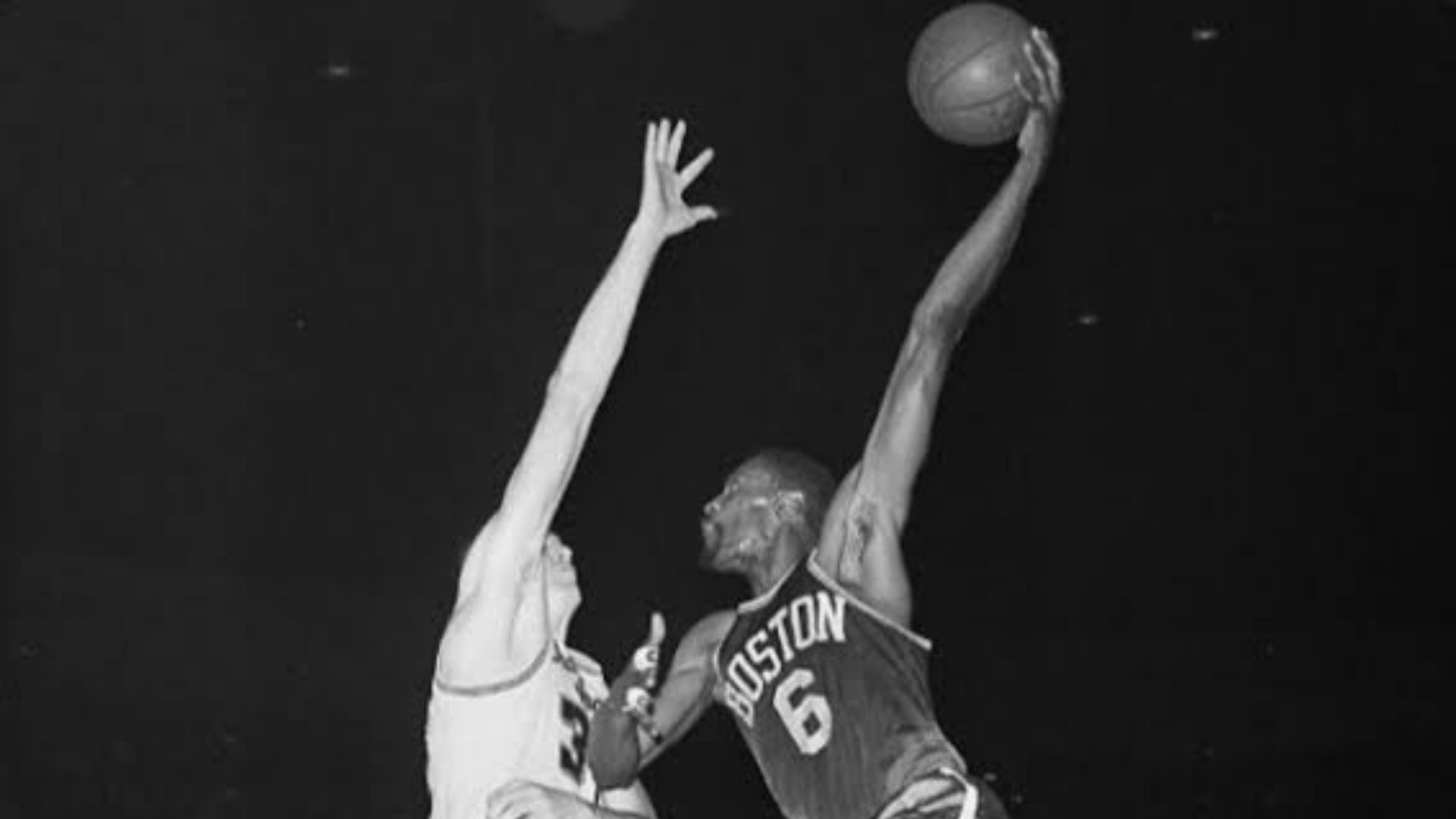
Bill Russell (1956–57, Boston Celtics)
Instantly transformed the Celtics into a winner with elite defense and rebounding. Russell's commitment to team defense and leadership was so transformative that he won a championship as a rookie, setting the standard for winning excellence.