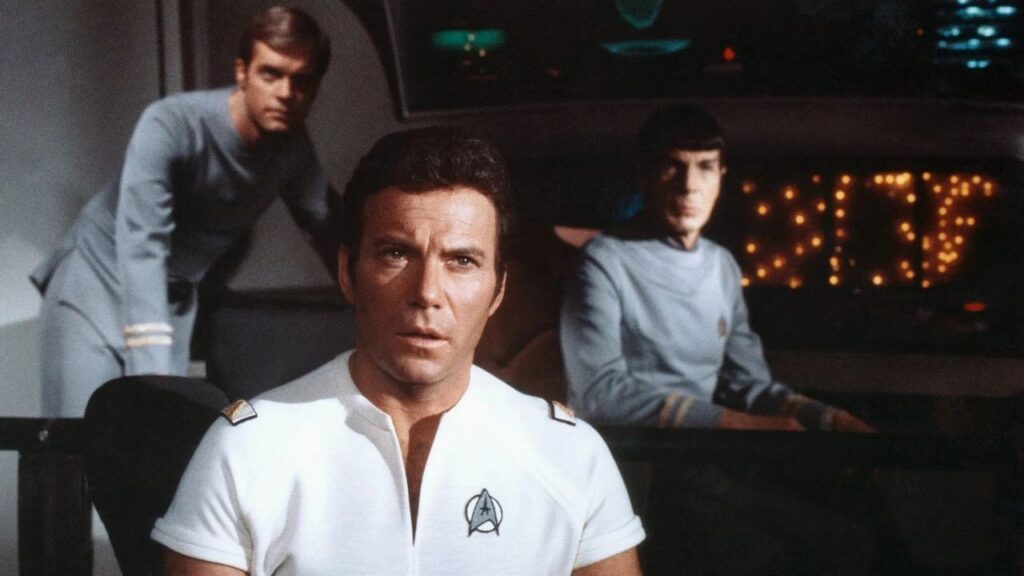
Whether in cinema or literature, the debate over defining sci-fi and fantasy is decades old. When ‘Star Trek‘ first aired in September 1966, it revolutionized television. Almost a decade later, George Lucas introduced viewers to a galaxy far, far away with ‘Star Wars: Episode IV – A New Hope.’
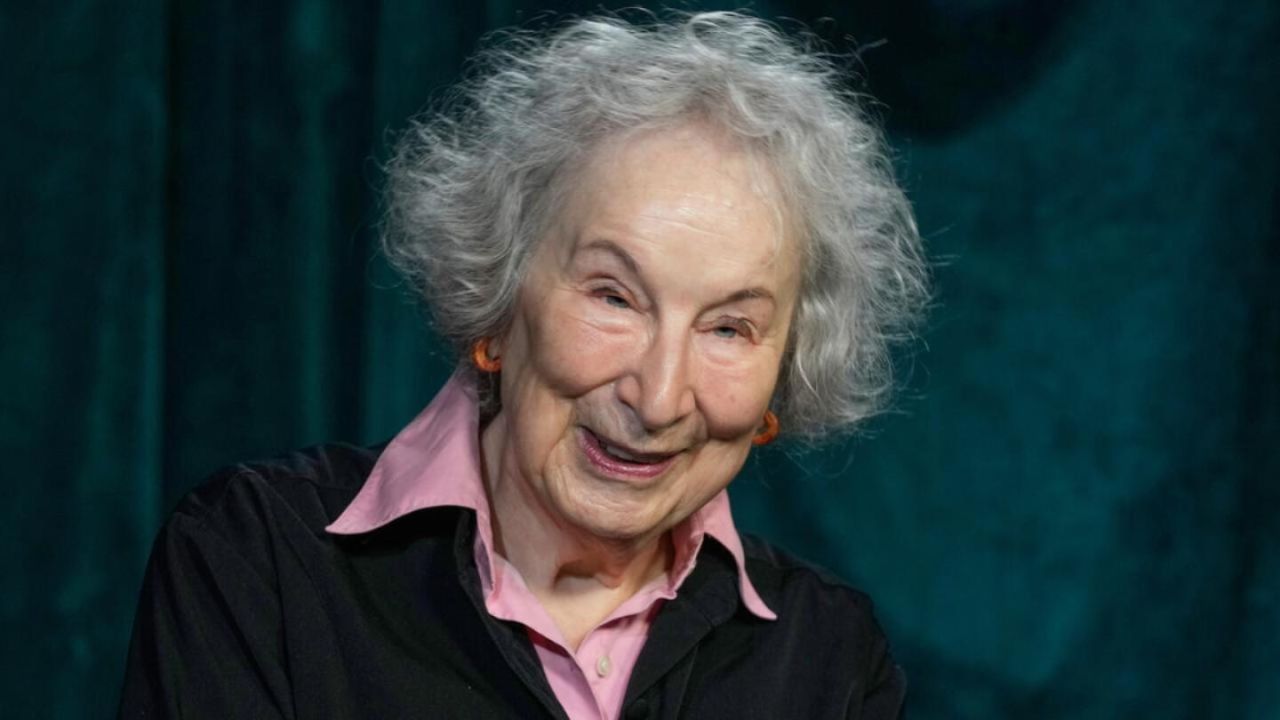
Over time, both franchises became the ultimate poster children for science fiction. While many see them as the gold standard of the genre, ‘The Handmaid’s Tale‘ author Margaret Atwood begs to differ.
Why Margaret Atwood Thinks Both Franchises Are Fantasies
In her 2011 essay collection ‘In Other Worlds: SF and the Human Imagination,’ she reflected on a conversation with celebrated author Ursula K. Le Guin about the difference between science fiction and fantasy.
Le Guin defined science fiction as stories about things that could realistically happen, while fantasy concerned events and concepts that could never occur. Using that framework, Atwood concludes that both ‘Star Wars’ and ‘Star Trek’ have to be in fantasy territory.
The author’s perspective is certainly influenced by her discussion with Ursula Le Guin, both of whom have made their mark in literature. But while Le Guin’s definition allows room for works that can be categorized as sci-fi, Atwood takes that up a notch.
She points out a much stricter approach, believing that many science-fiction classics were actually regarded as plausible when they were written. She takes the example of Mary Shelley’s ‘Frankenstein.’ It might qualify as sci-fi because people at the time actually believed electricity could reanimate the dead.
So, for Atwood, any work that depends heavily on an impossible concept must belong closer to the genre of fantasy, even if it seems scientific on the surface. This is true for both ‘Star Trek’ and ‘Star Wars.’
The Imaginative Realities Of The Two Worlds
At first glance, ‘Star Trek’ seems to be rooted in science fiction. It imagines a future where humanity has mastered technology that we can only imagine, such as faster-than-light travel, teleportation, and food replicators.
In Case You Missed It: What ‘The Handmaid’s Tale’ Author Margaret Atwood Said About Roe v. Wade
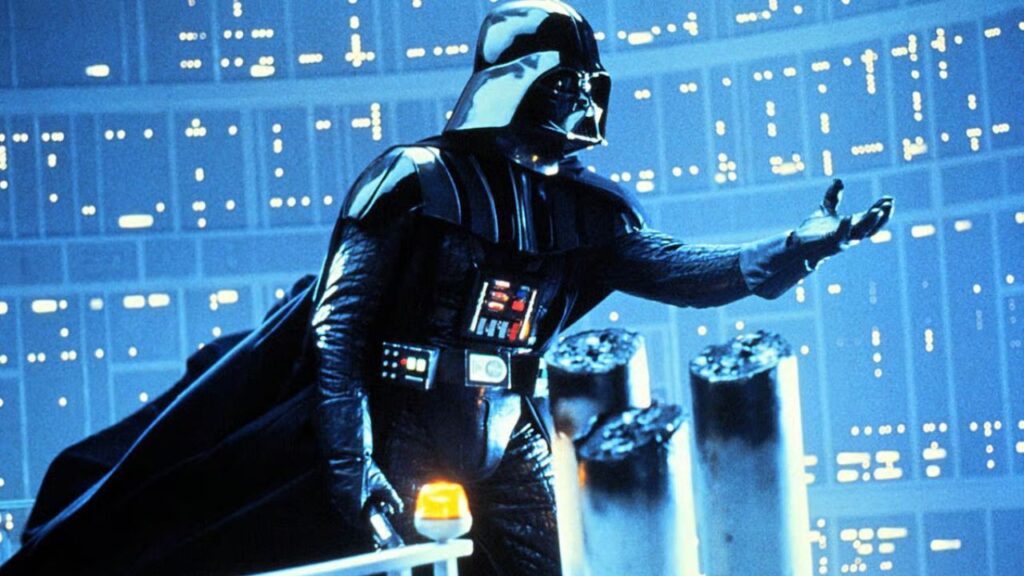
Unlike many other space adventures, ‘Star Trek’ often goes in great detail to explain these concepts using scientific terminology. It aims to express that this technology might become real one day. By contrast, ‘Star Wars‘ has long been viewed as a fantasy story dressed in science-fiction clothing.
The focus is less on scientific function and more on the mythic journeys of its heroes. Its narrative is closer to a classic fantasy quest than scientific speculation. It’s a classic example of what Atwood argues about the distinction.
Ironically, even the most devoted fans of ‘Star Trek’ and ‘Star Wars’ might agree with part of Atwood’s reasoning. Beyond its technological innovation, both have always been deeply rooted in imagining realities way beyond our reach.
But whether fans agree or disagree, Atwood’s interpretation is a cornerstone in the debate between fantasy vs. sci-fi. The line between both has always been thinner than many people realize. And some of our most beloved stories simply refuse to stay on one side entirely.
You Might Also Like To Read: Top 10 Authors Who Hated The Movie Adaptations Of Their Books