
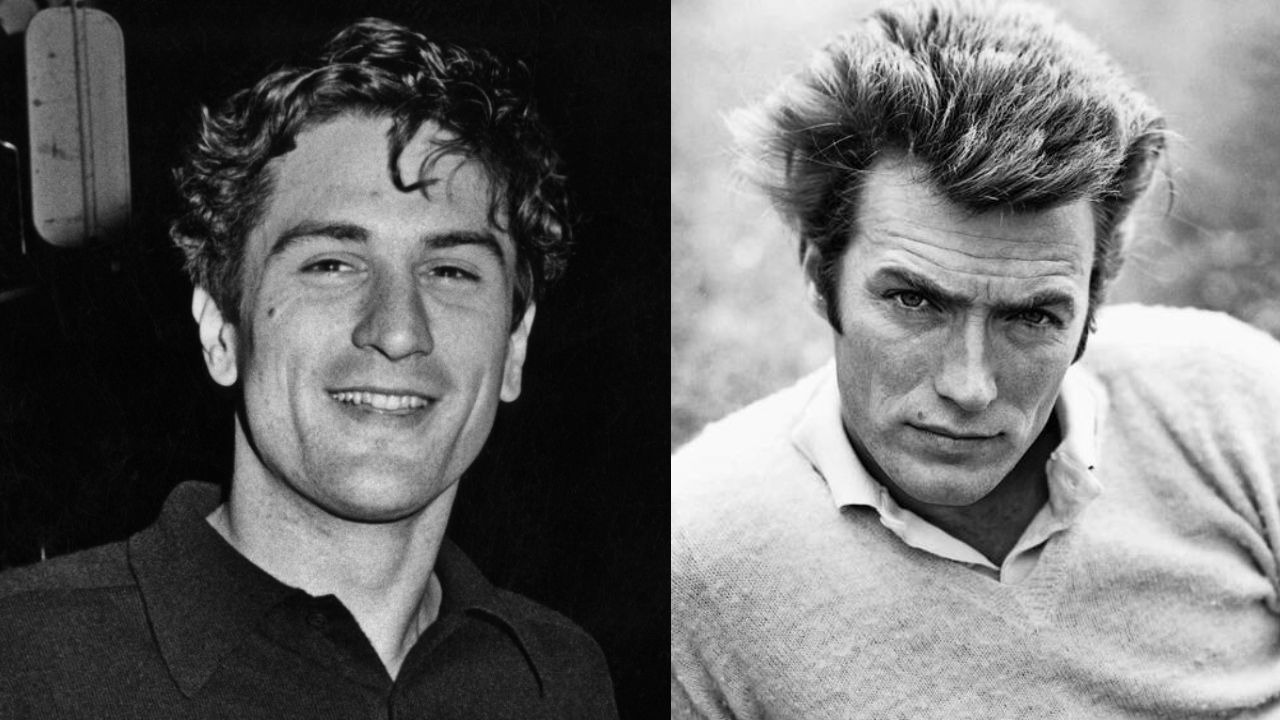
How is a true cinematic icon different from a star capable of dazzling transformations? Italian filmmaker Sergio Leone, who worked with two of Hollywood’s biggest screen legends, gave the ultimate answer. By launching Clint Eastwood to stardom in the ‘Dollars‘ trilogy with Clint Eastwood and directing Robert De Niro in the crime masterpiece ‘Once Upon a Time in America,’ Leone had a ringside view of their vastly different talents and methods.
In an insightful 1984 interview, Leone shared his fascinating theory on the two stars’ distinct approaches, identifying the exact moment a performer transcends character acting to become something mythic. This is how Sergio Leone defined the subtle, beautiful line between a perfect actor and a true movie star.
Sergio Leone On What Made Clint Eastwood A True Star
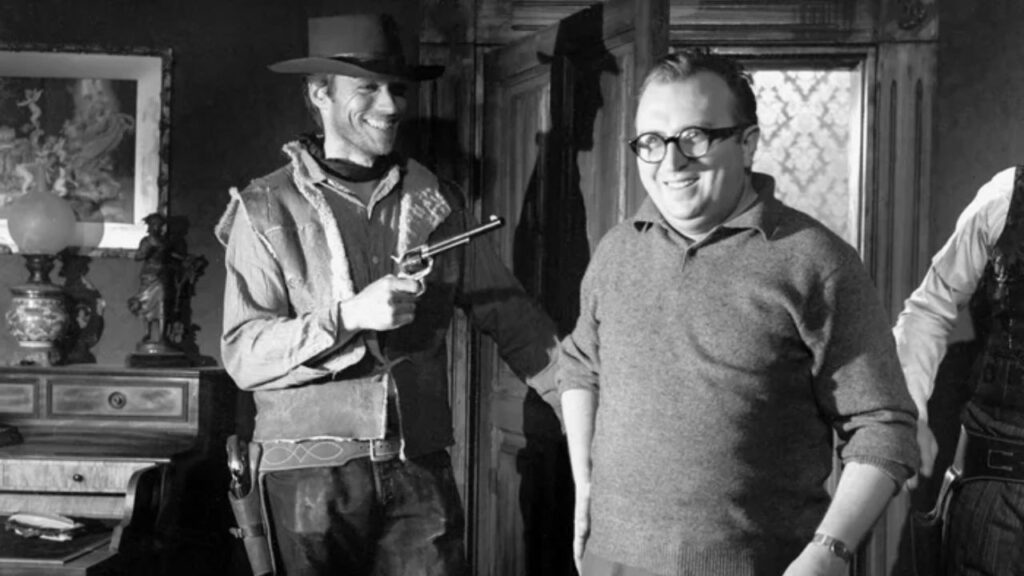
Sergio Leone was in a rare position to compare Clint Eastwood and Robert De Niro since he directed both actors in defining movies of their careers. Leone made the ‘Dollars’ trilogy (1964-1966) with Eastwood, which helped transform him into an internationally recognized movie star.
Related: How Clint Eastwood’s One-Take Philosophy Surprised Matt Damon
Years later, he cast De Niro in the lead role of David “Noodles” Aaronson in ‘Once Upon a Time in America’ (1984). While weighing in on the two performers during an interview with American Film magazine, Leone argued that they represented two different acting approaches.
According to Leone, Eastwood was “a mask of wax” since he relied more on his screen presence than dramatic transformations. The director compared Eastwood to a knight who lowered his visor before going into battle.
He highlighted the actor’s stoic demeanor and unwavering screen presence, which ultimately became the defining traits of his characters. Despite explosions, gunfire, and intense action sequences, Eastwood stayed cool, projecting an imposing presence that made him one of Hollywood’s biggest stars.
Leone Praised Robert De Niro’s Ability To Disappear Into Characters

While Eastwood’s enduring screen persona impressed Leone, he thought highly of De Niro’s entirely different approach to acting. Unlike Eastwood, De Niro was an actor who disappeared into his roles rather than letting his star image define them.
In Case You Missed It: Clint Eastwood Named The Only Actor Who Will Matter In A Hundred Years
“Robert De Niro throws himself into this or that role, putting on a personality the way someone else might put on his coat, naturally and with elegance,” Leone explained. The differences were highlighted by the filmmaker’s simple yet iconic one-line quote.
“Bobby, first of all, is an actor. Clint, first of all, is a star. Bobby suffers, Clint yawns.” The comment was far from criticism. Leone wanted to emphasize two different but equally successful theories of acting in Hollywood. Eastwood was charming and consistent, while De Niro showed a deep passion for emotional commitment.
Decades later, Leone’s remarks remain among the most interesting comparisons ever made between these two Hollywood legends. They continue to prove the difference between a talented character actor and a movie icon whose sheer presence on screen is enough to define a whole movie.
You Might Also Like To Read: The Clint Eastwood Role John Wayne Admitted Was His “Biggest Mistake” To Turn Down