


For years, people have been searching for the perfect metaphor to describe Taylor Swift: cultural lightning rod, pop mastermind, poet laureate of breakups. But lately, a bolder comparison has taken root: Taylor Swift as the Sylvia Plath of the 21st century. It sounds dramatic, even slightly absurd. Yet the comparison keeps returning, pushed by critics, academics, fans, and even writers like Maggie Nelson, who recently explored the parallel in her book ‘The Slicks‘.
And whether or not one agrees, the conversation itself reveals something about how we interpret fame, femininity, and artistic ambition today. So why are people so eager to pair the world’s biggest pop star with one of literature’s most tragic icons? Let’s break it down.
Do Taylor Swift And Sylvia Plath Really Share The “Tormented Female Artist” Archetype?
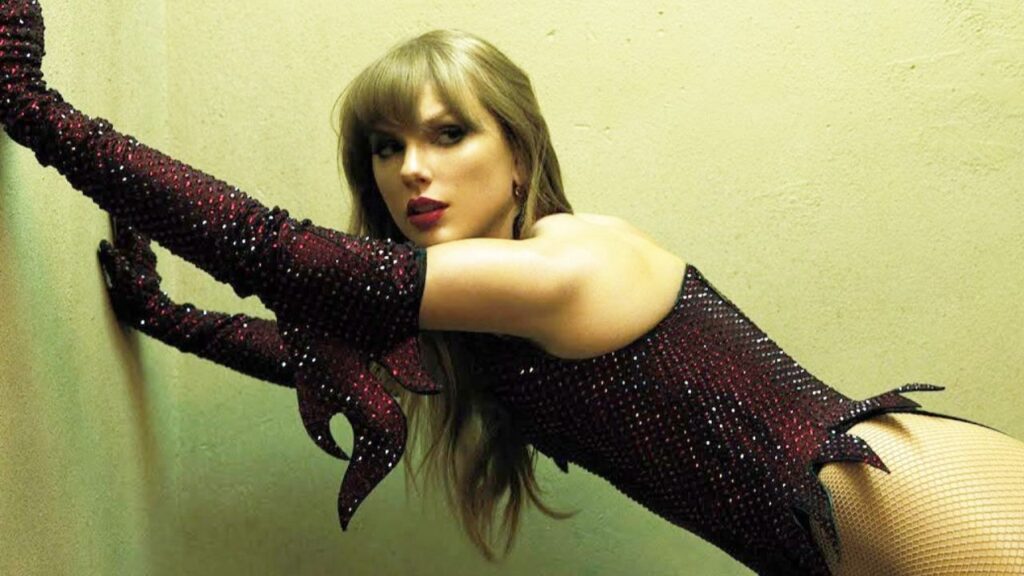
Part of the fascination comes from a shared archetype: the tortured female creator who turns emotions into art. Sylvia Plath built her reputation on blistering, confessional poetry about death, rebirth, and the violence of transformation. Taylor Swift, meanwhile, has cultivated the image of the heartbroken auteur, a woman whose private wounds become billion-stream anthems.
Related: 5 Unfair Criticisms Taylor Swift Faces Constantly
Swift knows it, too. She leans into literary motifs so heavily that she once donned an auburn wig to sign a fictional novel in the ‘All Too Well‘ short film. But the connection is more symbolic than structural. Plath dealt in psychological excavation; Swift’s medium is pop maximalism. What links them is not genre but the cultural script that chases women who make too much, feel too much, and speak too loudly. And in that script, both are cast as mythic figures, whether they asked for it or not.
The Problem With Forcing Parallels
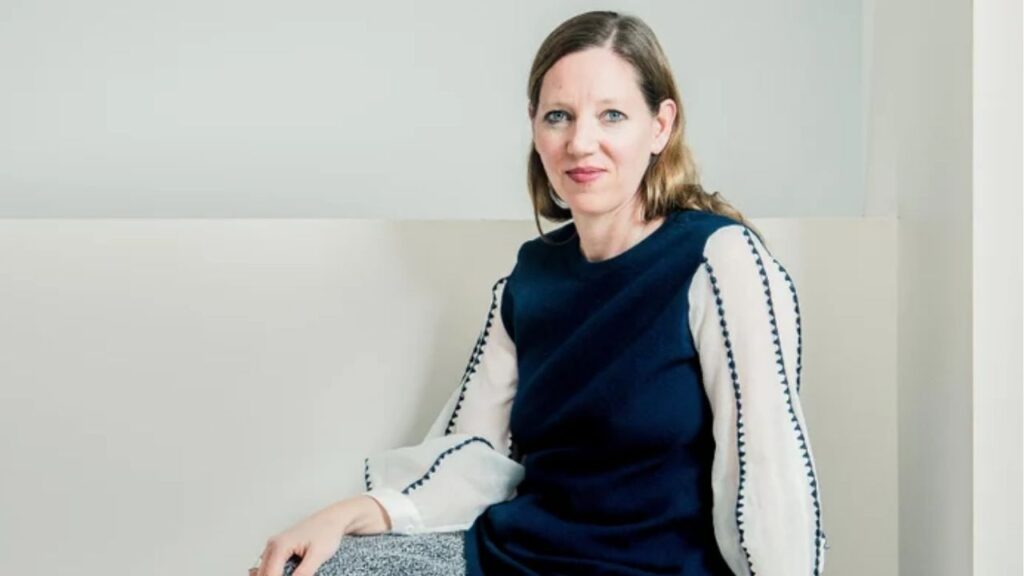
Maggie Nelson’s book argues that Swift and Plath are “twin hosts” for the female urge to want more, create more, and endure more. It’s compelling, but the comparison buckles under scrutiny. For Plath, the desire for recognition was entwined with a brutal internal world and a tragic end. Swift’s ambition, by contrast, is corporate, strategic, and meticulously branded.
Her universe isn’t the dim attic room of Ariel. It’s a billion-dollar empire with variant vinyls, TikTok rollouts, and Eras Tour merch that could probably power a small city. Plath fought her way into the slicks, the glossy magazines of her time, with earnest desperation. Swift doesn’t just appear in glossy spaces; she controls them. And critics have begun to interrogate that control.
In case you missed it: Top 10 Jane Austen Movies And Series Adaptations, Ranked
So while both are prolific, driven, and polarising, the worlds they come from and the stakes they face are wildly different. However, the comparison feels more organic in its imagery of rebirth. Plath’s “Lady Lazarus” talks about a woman who rises again and again, bloodied, furious, transformed. Swift, in her own way, brings in this mythology.
The opening of her “Look What You Made Me Do” video literally resurrects her from the grave, announcing the death of the “old Taylor” with theatrical relish. Her catalogue is full of references to metamorphosis, ashes, fire, and reinvention. So, both artists write themselves into new versions; Plath with existential stakes, Swift with glossy theatrics.
Why Nelson’s Argument Doesn’t Entirely Land
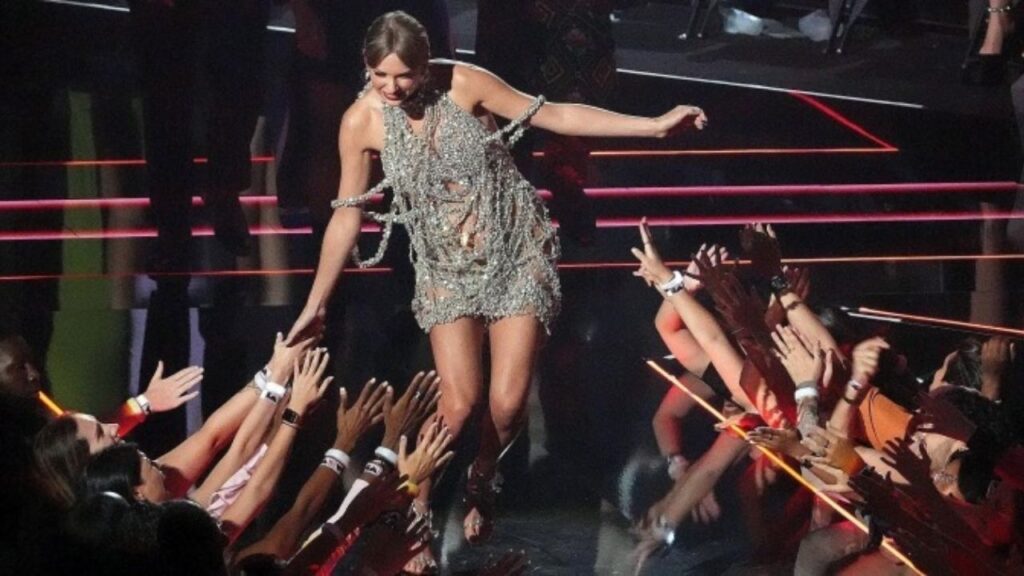
However, what complicates the Swift-Plath parallels is something neither woman could have imagined: the overwhelming machinery of modern fame. Swift today is a capitalistic force. Swift’s hyper-business-savvy strategy, her “variant culture” of endless vinyl editions, surprise drops, and chart manipulation, has sparked concerns from fans and insiders who suspect she releases new editions just to block competitors like Charli XCX. She is not being punished for striving; she is being critiqued for monopolising.
And when Nelson brushes aside criticism by pointing to right-wing or incel resentment of powerful women, she overlooks Swift’s own culturally conservative associations, such as her ties with figures like Brittany Mahomes and platforms like Barstool Sports. The question becomes less about female ambition and more about the non-gendered logic of market power.
Had The Slicks been released a year earlier, before Swift dropped The Life of a Showgirl, the reception might have been warmer. But Showgirl landed with one of the coldest responses of Swift’s career; light, thin, and too shallow for even her most protective fans to defend. By the time Nelson’s book arrived, the cultural mood had moved on from unconditional Swift worship. Where Nelson sees feminist silencing, most critics simply see weak material.
Related: The Forgotten Feminist Pioneer Who Inspired The Wizard Of Oz’s Witches
For all the mismatches, there’s one area where the comparison is genuinely intriguing: self-mythology. Plath once wrote that she would like to call herself “the girl who wanted to be God”. Swift has never said such a thing openly, but her empire, her narrative control, and her ubiquity all hint at a creator who is not just writing music but shaping a mythos.
Both women, one in the 1960s, one in the 2020s, understood the power of becoming a symbol bigger than the person behind it. Plath never lived to see what she became. Swift, on the other hand, sees it and builds it every day.
Is Taylor Swift Really The New Sylvia Plath?
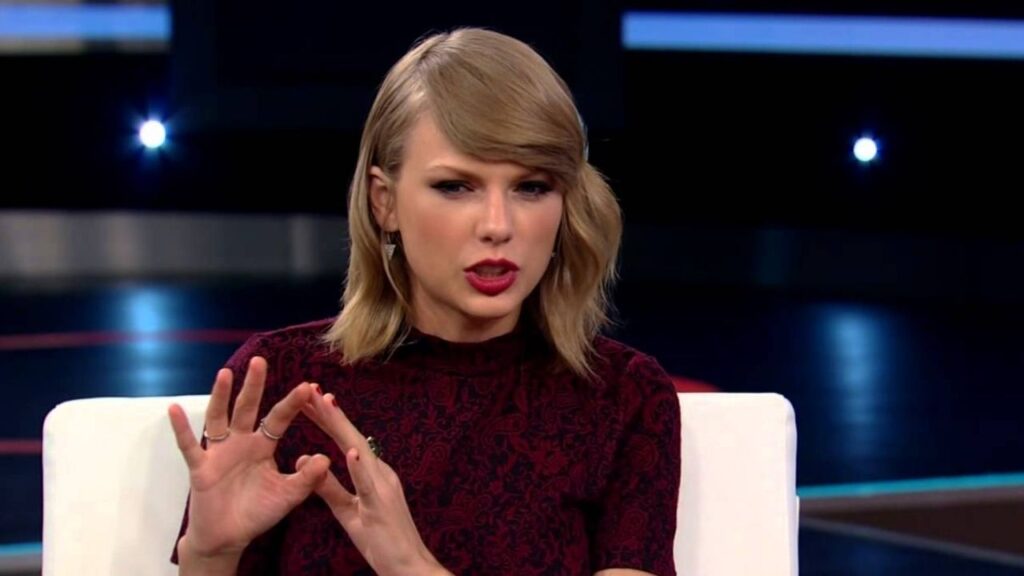
No, Taylor Swift is not Sylvia Plath. They do not write from the same impulse, live in the same world, or face the same stakes. But the comparison remains because both women represent something larger than themselves. Plath stands for female pain, artistic fire, and self-destruction, while Swift stands for reinvention, spectacle, and unmatched cultural influence.
Both became symbols. And comparing them, however messy it gets, helps people make sense of the complicated subjects like art, fame, feminism, mental health, capitalism, and storytelling that define today’s culture. Maybe Swift isn’t the new Plath. But she is the person onto whom a whole generation projects its biggest questions about women, creativity, and power.