


When Margot Robbie appeared on the red carpet for the premiere of ‘Wuthering Heights’ in Los Angeles, she probably expected to be admired. What she had not anticipated was to spark a cultural firestorm thousands of miles away.
Around her neck was a glittering beetle-leaf-shaped jewel, pinned with rubies, a necklace Cartier had launched as having been worn by Elizabeth Taylor. To most Indians on the internet, though, it was not a glamorous vintage accessory. For them, it was a painful reminder of a history that is constantly being put on without context.
The Elizabeth Taylor Necklace Has A Past Hollywood Didn’t Mention
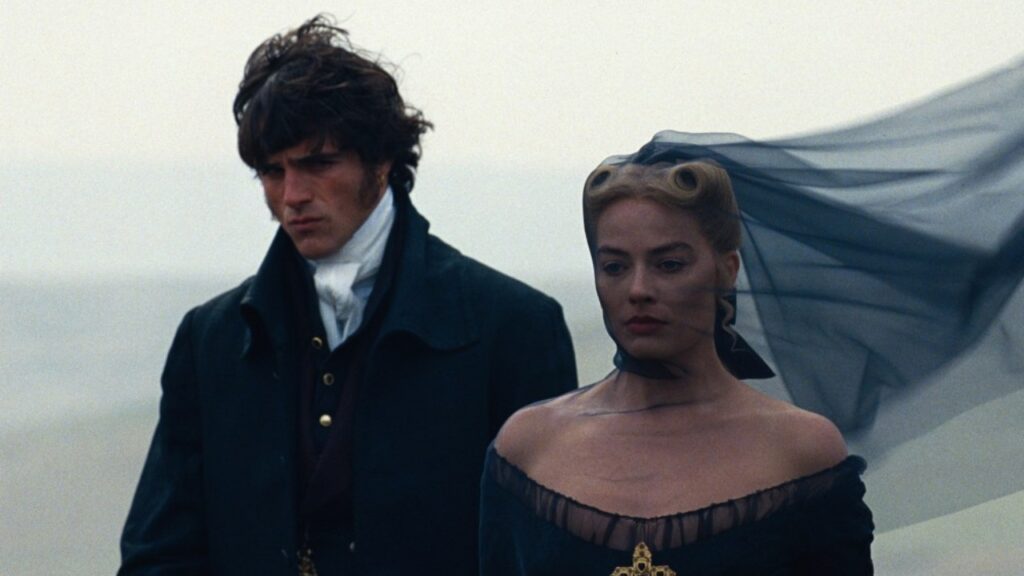
The outrage wasn’t about Robbie personally. It was about what was left unsaid. In his interview with the press, Robbie referred to Elizabeth Taylor and Cartier, but omitted the much older origins of the necklace. That omission struck a nerve. For long before Hollywood, auctions, and luxury maisons, this jewel in Mughal India. The piece’s history is closely connected with one of the most influential and tragic histories of the subcontinent.
Related: Margot Robbie Is Excited To Return As Harley Quinn In James Gunn’s New DCU
The necklace, according to reports, was first given to the empress Nur Jahan by Mughal emperor Jehangir, his wife, one of the most influential women of her era. The pendant is inscribed in beautiful Farsi and has the name of Nur Jahan. The jewel didn’t stop there. It passed to Shah Jahan, who later gave it to his beloved wife Mumtaz Mahal, the woman for whom the Taj Mahal was built.
That association made it known as the Taj Mahal necklace, and it wasn’t just an ornament. It was a symbol of power, love, and imperial history. The necklace left India centuries later and landed in the United States. It was sold to Elizabeth Taylor by actor Richard Burton at a price of 350,000 dollars on her 40th birthday. It was auctioned back to Cartier in recent years at an incredible price of 8.8 million dollars, and it is back in the international luxury limelight.
Why One Necklace Sparked A Bigger Conversation About History And Ownership
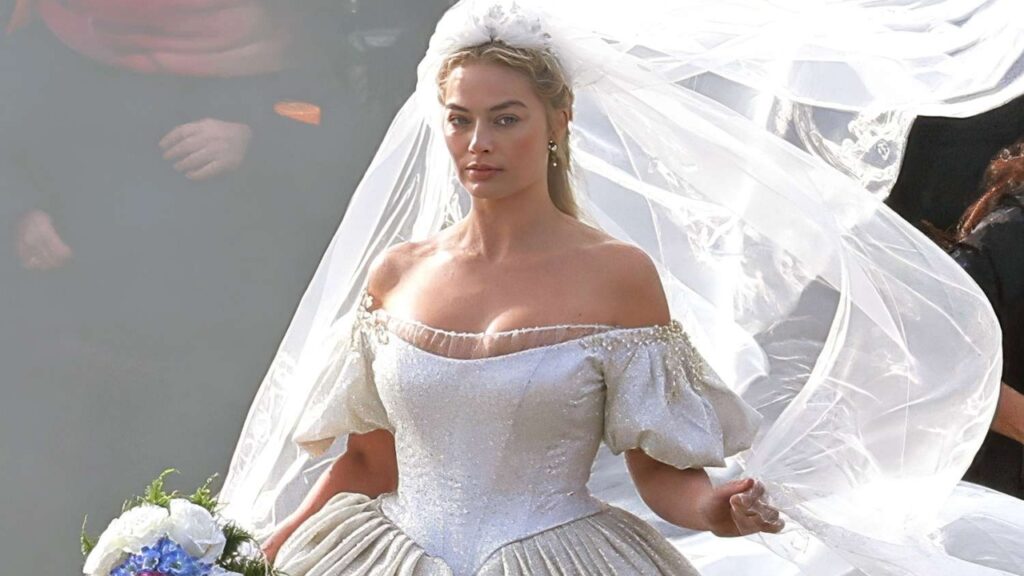
The anger online isn’t just about ownership, it’s about erasure. To most Indians, the very sight of a jewel so closely connected to their history being presented as a Hollywood heirloom is like watching their history being reduced, repackaged, and sold back to them without even a mention.
In case you missed it: Margot Robbie Reveals How ‘Wuthering Heights’ Could Be Current Generation’s ‘Titanic’
It is not an appeal to cancel Margot Robbie. It’s a demand for honesty. Objects like these don’t just sparkle; they carry memory, loss, and legacy. Wearing them without telling the full story can feel less like fashion and more like forgetting. And that, most think, is the true controversy.