


For decades, Superman has been more than just a character. He’s been a constant, the moral north star of the DC Universe, the hero everyone else measures themselves against. So, when DC hints that Clark Kent will be gone after the gigantic DC K.O. crossover, it is not merely another status quo shuffle. It’s a statement.
And the choice of who steps in next makes it even more fascinating. Instead of an apparent heir or a sure legacy choice, DC is looking at one of its most divisive characters: Superboy-Prime. After being a villain and a meta-commentary on the fandom itself, he is now being set up as the temporary, and perhaps transformative, Man of Steel. This is not about substituting Clark Kent permanently. It’s about exploring what Superman means when the symbol outlives the man.
DC Bets Superman’s Legacy On A Redemption Story No One Saw Coming
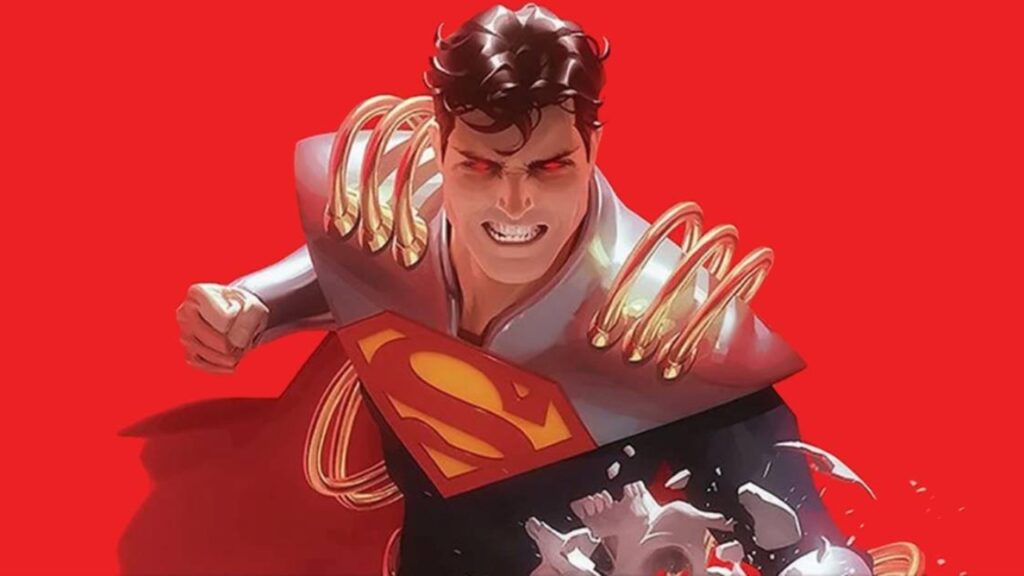
DC’s March 2026 solicitations confirm that the aftermath of DC K.O. leaves Superman unaccounted for. His disappearance is felt by the whole Metropolis, leaving the DC Universe with a horrifying question: what will happen when the one hero that everyone relies on is suddenly missing? The solution is in the shape of “Reign of the Superboys,” a plot that intentionally reiterates The Reign of the Supermen that succeeded The Death of Superman.
Related: ‘Lanterns’ Might Be Quietly Building Toward DC’s Most Terrifying Saga
However, rather than several adult versions, DC passes the torch to various generations and versions of the Superman legacy in four ongoing series. Action Comics #1096 is about a young Clark Kent who is still trying to find his way and is overwhelmed by loneliness and privacy. In Supergirl #11, Kara Zor-El struggles with the legacy of Krypton and the effects of secrets that have been hidden.
Superman Unlimited #11 places Jon Kent in a time-traveling fight that endangers his existence. And the most dramatic of all, Superman #36 put Superboy-Prime in place of Clark. It is here that the story is more than a gimmick. By dividing the legacy of Superman among several characters, DC isn’t just filling a vacancy; it’s interrogating what makes Superman Superman. Is it experience? Morality? Power? Or belief?
Superboy-Prime’s elevation is especially provocative because he represents the opposite of effortless heroism. Where Clark is composed, Prime is explosive. Where Clark instills trust, Prime will have to win it. It is that tension that makes this story important. DC is challenging the readers to see a person who used to be full of resentment, entitlement, and rage attempt to live up to the most idealistic icon in comics.
Superboy-Prime’s Redemption Is DC’s Boldest Gamble
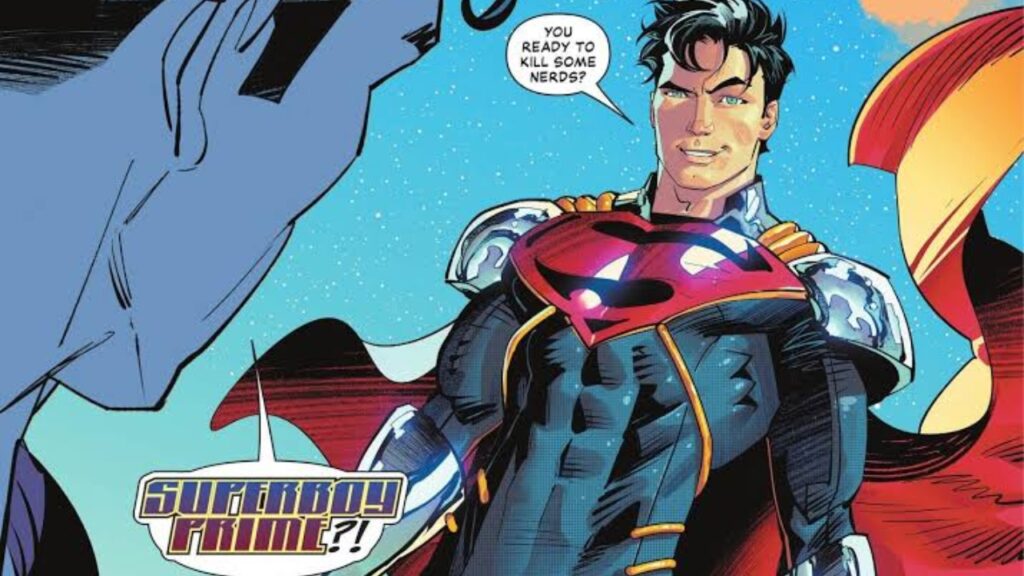
The history of Superboy-Prime is a tangled, emotional, and deliberately awkward one. He was introduced in Crisis on Infinite Earths and was originally a pure-hearted Superman. That innocence eventually turned into bitterness as he realized that he was fictional and that continuity was being rewritten all around him. He eventually evolved into a living metaphor for toxic fandom, angry about change, raging when stories did not conform to his desires.
In case you missed it: How DC Is Quietly Preparing For ‘The Flash’s Comeback
He was portrayed as a villain over the years, whose violence was based on entitlement and not ideology. This is what makes his present path so interesting. Newer appearances, especially in Dark Knights: Death Metal and Superman #28 in the Legion of Darkseid arc, started to redefine Prime. Rather than a punchline or a moral lesson, he has been handled as a person who can develop. More importantly, even Clark Kent himself has believed in him. It’s a plot device that is both intentional and highly symbolic.
That faith is now being tested with Superman gone. Superman #36 does not show Superboy-Prime as an impeccable savior. It introduces him as a person who has finally received an opportunity to demonstrate himself in non-universe-destroying situations. Prime is not reacting; he is responsible, for the first time. This plot is not questioning whether Superboy-Prime deserves the cape. It is questioning whether redemption can withstand pressure, scrutiny, and expectation. Any error that Prime makes will be exaggerated. Each win will be well deserved. That friction creates drama in a way a more “perfect” replacement never could.