


The Joker has been an embodiment of chaos for decades. Laughing, dancing through crime scenes, orchestrating massacres with theatrical glee, he has always owned the madness. The recent unveiling, however, is an ominous change of philosophy.
In 2026, the Joker is no longer dictating the story behind the scenes or taking up the screen with flashy bloodshed. Rather, he is decaying in a room, barely alive, and somehow, it is even more frightening than ever. DC’s newly unveiled Joker design for Batman #7 introduces The Man in Room Ten, a version of the Clown Prince of Crime that feels less like a supervillain and more like a living consequence. This is not a Joker reborn. This is a Joker left behind.
Batman’s Greatest Enemy Has Finally Been Broken
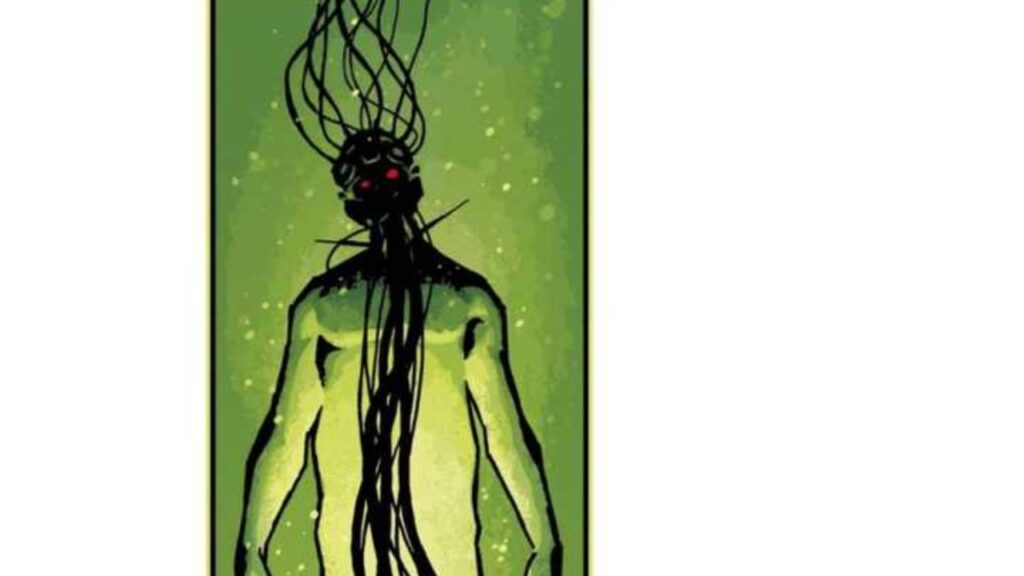
The worst part of the Man in Room Ten is not his appearance, which is admittedly horrible. Hanging in a vat of opaque fluid, with tubes to breathe, his previously iconic smile concealed behind medical equipment, this Joker looks like time has finally caught up with him. Not much of his iconic green hair is left. His body is skinny, with bloodshot and sunken eyes. He does not appear like a criminal mastermind but a forgotten experiment.
Related: ‘Lanterns’ Might Be Quietly Building Toward DC’s Most Terrifying Saga
And that is why the design works. It is for the first time in a long time that Joker is not positioned as an equal to Batman in terms of chaos. He is positioned as the product of Arkham. A man who is not shattered by the fists of Batman, but by years of institutional cruelty, isolation, and mental corruption. Arkham Asylum has never been depicted as a gothic nightmare. Now we suddenly see its long-term consequences being so explicitly applied to one character.
The solicit for Batman #7 leans into this discomfort. Batman is called to Arkham Towers by an unknown prisoner called the Man in Room Ten. The twist, of course, is the revelation: some call him Batman’s archnemesis, others his best friend, everyone calls him the Joker. This Joker is not there to fight. He’s there to warn. Batman has been in constant contrast to Joker’s chaos. But what happens when anarchy has already burned itself out?
Why DC’s New Joker Design Is Horrifying Without Being Loud
Conventionally, what makes the Joker scary is his freedom. He laughs when others scream, and refuses to be contained, even when he’s locked up. This redesign questions that assumption. The Man in Room Ten is contained. Completely. And yet, the fear remains. That is the brilliance of the idea. DC redefines his threat as psychological and not physical by making Joker a prisoner who cannot move, cannot act, and cannot escape. He does not have to kill anybody himself.
In case you missed it: How DC Is Quietly Preparing For ‘The Flash’s Comeback
He just has to be informed of what is to come. This also re-focuses his old mastermind role. Too frequently in recent years, Joker has been driven for shock value. The focus has been on more crimes, more violence, and more extreme imagery. This version draws him back into something more insidious and quiet. He is not attempting to win by show. He is attempting to win by knowing Batman better than anybody ever could.
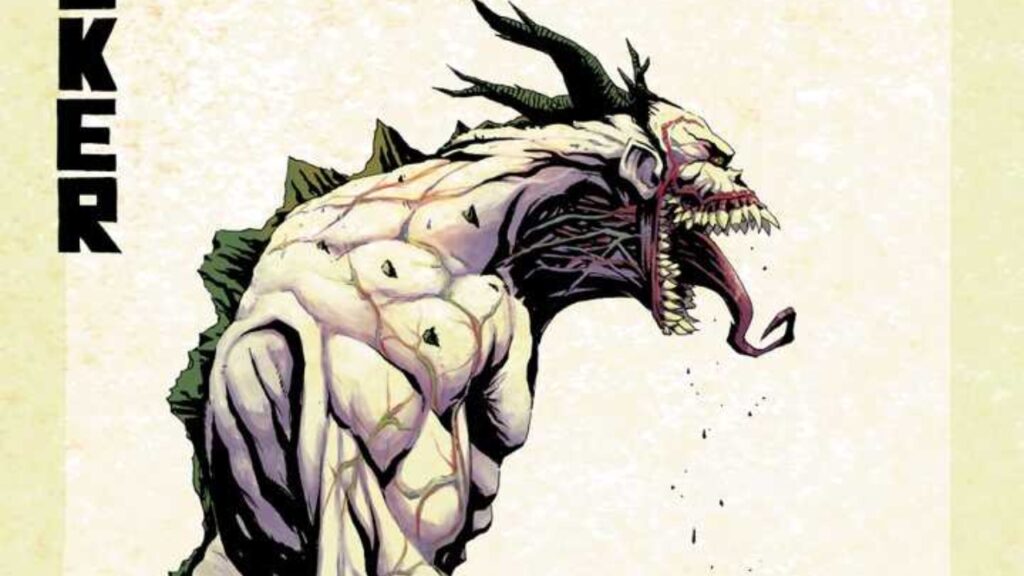
That makes his physical decay significant. The Joker did not leave Arkham. He didn’t overthrow it. He lived through it and now exists as a reminder of what endless conflict costs. Additionally, this redesign comes at a weird time. Absolute Batman has already introduced a radically different version of the Joker, making him a monster, with claws, jagged teeth, and physical dominance. The Man in Room Ten, by contrast, is restrained, almost understated. But moderation can be its virtue.
Where Absolute Joker is excessive, this Joker is vulnerable. He is not frightening because he is strong. He is frightening since he is still pertinent even after losing everything. And maybe that is the most terrifying thought of all, even after Arkham takes your body, your identity, and your freedom, the Joker’s mind remains sharp enough to haunt Batman one last time.