

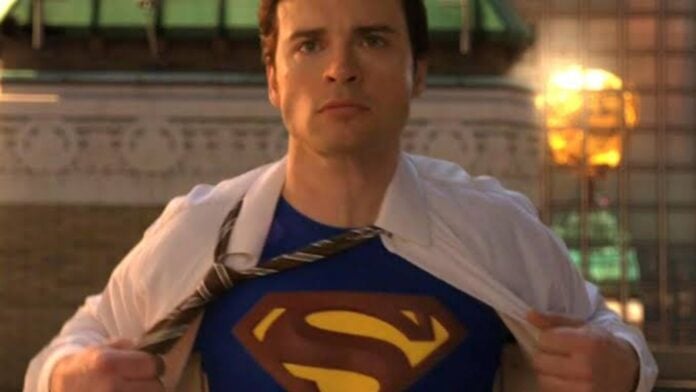
‘Smallville‘ has been living in a strange limbo of superhero fandom over the years. It’s praised, mocked, defended, and dismissed, sometimes all in the same conversation. The show can be dated in comparison with modern superhero television, which has a serial narrative, visual effects, and costumes that are comic-faithful.
The special effects are disproportionate, the freak of the week formula can be tiresome, and Clark Kent spends an almost comical amount of time not being Superman. However, here is the point: this is not bad due to such characteristics. It is a much better watch when you no longer expect it to be the type of superhero show that didn’t exist yet.
‘Smallville’ Worked Because It Followed Buffy’s Blueprint, Not Superman’s
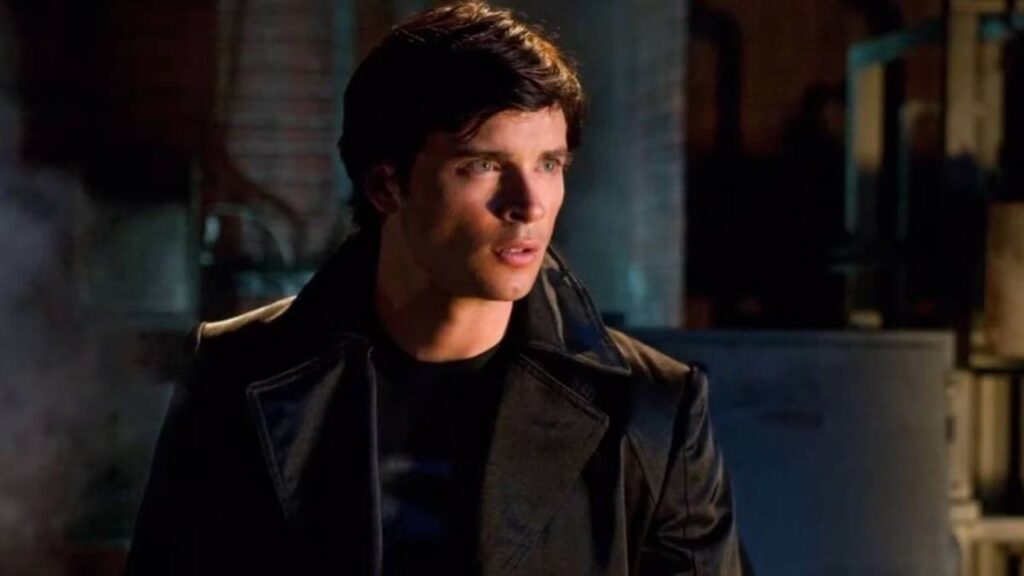
The error most viewers commit, particularly those who only found the series years after it was canceled, is to evaluate ‘Smallville’ by the rules that it was supposed to adhere to. Once you come to terms with what the show was actually attempting to be, as opposed to what the subsequent superhero television conditioned us to believe it was, ‘Smallville’ transforms from “a flawed Superman prequel” into something far more impressive and enduring.
Related: DC’s Lobo Revival Is More Than Nostalgia, It’s A Blueprint For The DCU
The show, since the beginning, was clearly not a conventional superhero show. And it was by no means attempting to narrate the ultimate Superman narrative. It was a genre television series that was based on the DNA of late-90s and early-2000s episodic fantasy dramas, most notably ‘Buffy: The Vampire Slayer’. Similar to Buffy, ‘Smallville’ relied on a narrative backbone of a monster of the week. There were vampires, demons, and supernatural dangers loosely attached to the teenage metaphor.
Whereas ‘Smallville’ was full of meteor-infested villains, weird abilities, and sci-fi weirdness. The formula was varied, but the role was the same. Every episode was not supposed to develop an epic superhero story. It was supposed to be about identity, responsibility, alienation, and adolescence. Clark Kent was not punching world-ending villains because the show was not about saving the world yet. It was learning how to live in it.
When you look at ‘Smallville‘ through that prism, a lot of its most criticized aspects become immediately understandable. The gradual development of Superman? That’s intentional. The excessive emphasis on relationships, secrets, and high school drama? That’s the point. Even the long and tragic downfall of Lex Luthor is more effective when viewed as a character study than as a speed run of a supervillain origin.
Why An Animated ‘Smallville’ Revival Makes More Sense Than Ever
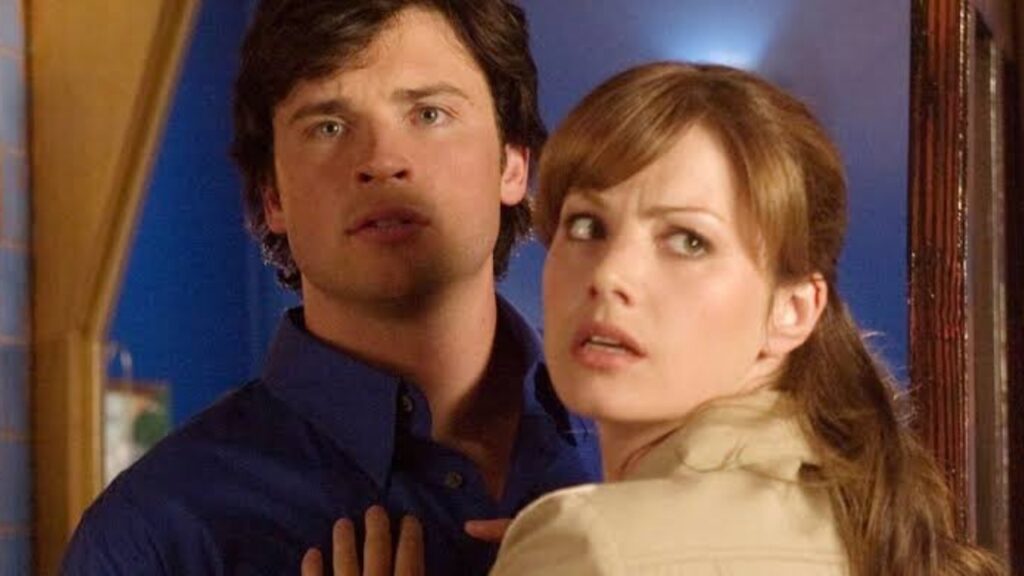
Paradoxically, the contemporary superhero television environment that turned ‘Smallville’ into an outdated series also provides the ideal chance to bring it back, but not in live-action. An animated follow-up to ‘Smallville’ addresses almost all of the constraints of the original show. Animation eliminates financial limitations that previously limited flight, big action, and alien worlds. It also enables the characters to live in their iconic forms without having to worry about aging actors or costly effects.
Related: One ‘Supergirl’ Reveal Finally Explains DC’s Peacemaker Retcon
More to the point, animation would enable ‘Smallville’ to reconcile its initial identity with the contemporary storytelling sensibilities. The series might keep its character-driven focus and adopt more season-long storylines and comic-faithful spectacle. Clark could finally be Superman full-time without undoing the slow-burn journey that defined the original series. It also has an emotional aspect that cannot be overlooked. ‘Smallville’ was terminated before the superhero genre had fully grown on television.
So, its return would be more than just a nostalgic rebirth. It would be an opportunity to finish the story in a way that honors the origin of the show and the current state of the genre. In many ways, that feels fitting. ‘Smallville’ was never about reality. It was always about potential. About becoming, rather than being. Letting it evolve into animation might be the most faithful continuation of its spirit.