

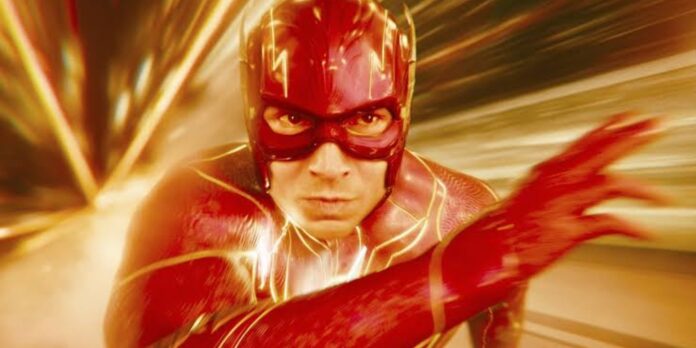
In DC Comics, history tends to be written in capital letters. Crisis, final, and infinite. ‘The Flash’ legacy, specifically, is frequently presented in the context of cosmic disaster. It’s Barry Allen sacrificing himself to protect the multiverse, Wally West losing it all in the course of reality-altering events, timelines breaking and re-forming at the speed of light. Looking at a highlights reel of the Flash mythos, you would be forgiven for believing that the universe-ending disasters are the only things that count.
However, there are occasions when the most significant revolutions do not come with crumbling realities or Monitor speeches. Sometimes, they arrive quietly and knock at the door that changes everything. This is precisely what occurred in The Flash 73. It appears to be a mere holiday issue on the surface. As a matter of fact, it is one of the most transformative moments in Flash history, not due to what was destroyed, but due to what was finally born.
The Flash #73 Redefined What It Means To Be The Speedster
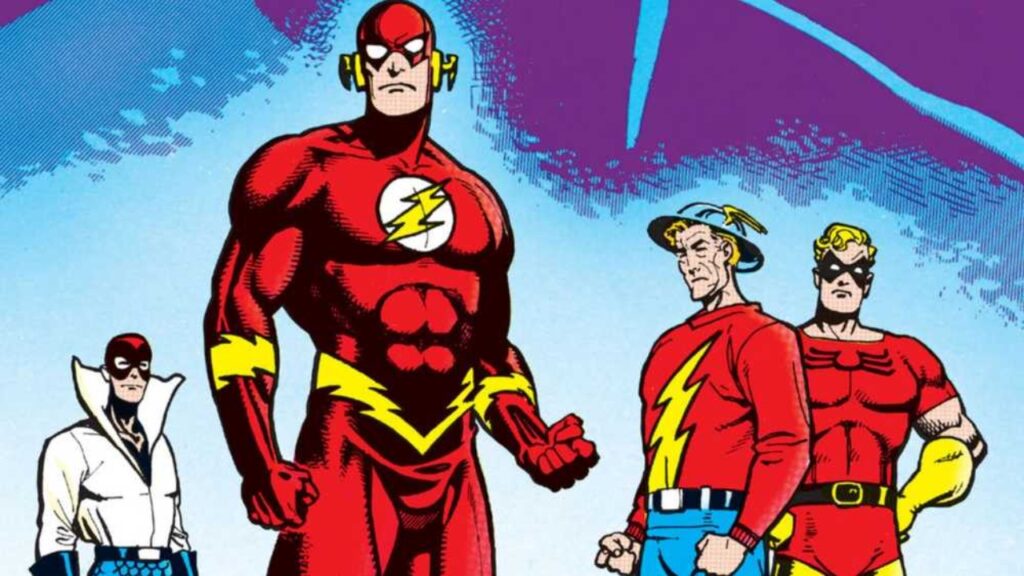
The problem does not begin with alarms or villains, but with something nearly disarming, peace. Wally West, still finding his footing as the Flash, is spending Christmas with Jay Garrick, the original Flash, and their respective partners Linda Park and Joan Garrick. It’s warm, it’s domestic, and it’s human. And that is exactly why it works. Jay and Wally are speedsters, and they are restless as expected. They fidget, pace, and vibrate their way around the house until Linda and Joan, fed up, kick them out to “go do something useful.”
Related: DC’s New Joker Isn’t Escaping Arkham This Time And That’s The Scariest Part
It is a small scene, yet it also sets the tone: this is a tale of responsibility, not of fate. It’s about service, not spectacle. When they are out in Keystone City, the two Flashes do not fight gods or mad scientists. They help people, shovel snow, deliver presents, and work in soup kitchens. They do the kinds of good deeds that rarely make headlines but define what heroism actually looks like.
The emotional heart of the matter is when Jay assists in the delivery of a baby when the roads are too unsafe to get to a hospital. Meanwhile, Wally steps into a robbery involving the same family and rescues not only lives, but destinies. The symbolism is very subtle yet strong: as a literal child is born, something is being born along with it. The night ends as it started when the Flashes go home, with warmth, laughter, and family. And then the door opens. Barry Allen is standing there.
How One Quiet Night Changed The Flash Forever
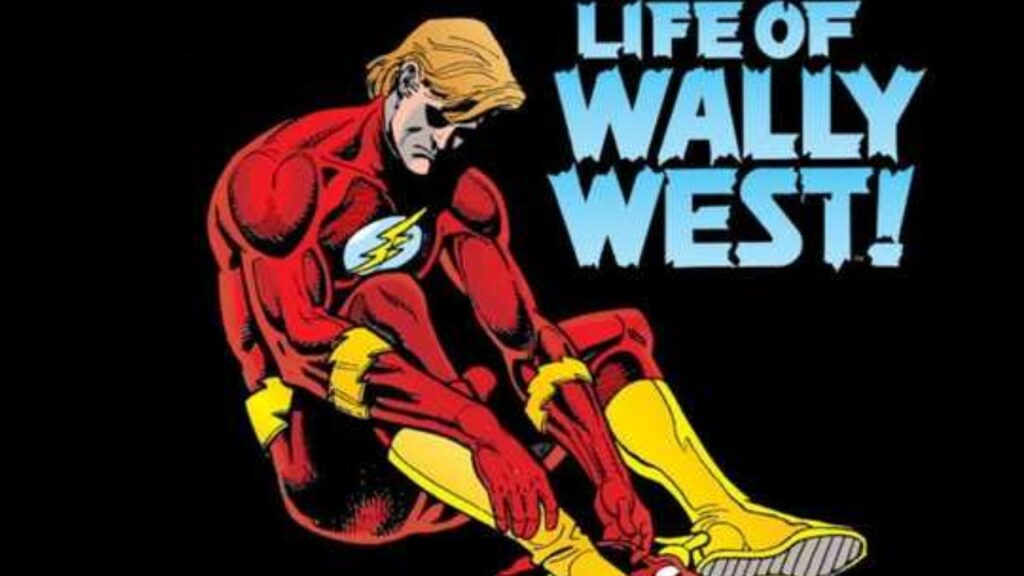
Barry Allen’s appearance immediately retells the whole story. To Wally West, Barry is not merely a mentor; he is a measuring rod, a ghost that he has been pursuing since he took over the mantle. The death of Barry in Crisis on Infinite Earths gave Wally a costume, a name, and a feeling that he would never be enough. What follows in The Return of Barry Allen saga is one of the most psychologically rich Flash stories ever told.
In case you missed it: How DC Is Quietly Preparing For ‘The Flash’s Comeback
It turns out that Barry is not really Barry. He is Eobard Thawne, the Reverse-Flash, who uses his powers to destroy his legacy internally. However, the genius of the story is that Thawne does not physically attack Wally; he attacks his confidence. He tells Wally he’s a failure. That he will never live up to the name. That the Flash perished with Barry Allen. And Wally believes him. For a while, Wally quits. Not because he is beaten, but because his biggest enemy is not Thawne, but the voice in his head that tells him he is not good enough.
This is where the true turning point occurs. When the truth is revealed, Jay Garrick doesn’t face the threat alone. Johnny Quick and Max Mercury come in, and this is the first time that they are united as a group of speedsters. Not a team assembled for a crossover, but a legacy bound by shared understanding, history, and trust. This is where the modern Flash Family was born. More importantly, this saga brings in the idea that would forever change the speedsters: the Speed Force.
Waid redefines super-speed through Max Mercury as something more than just physics. Speed becomes spiritual. It is not about the speed of your running, but about the knowledge. To Wally, that realization is all. In his fight with Thawne, the personification of Barry’s shadow, Wally is finally able to come to terms with the fact that being the Flash does not mean that he is replacing Barry Allen. It is a way of being something different. Something authentic. Something of his own. From that moment forward, Wally’s trajectory changes permanently.