

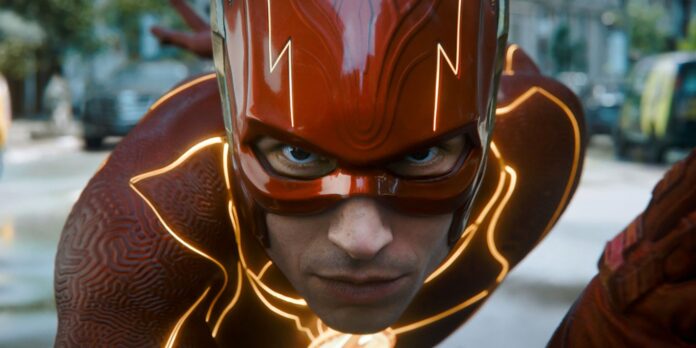
‘The Flash’ has always been one of DC Comics’ most deceptively complex heroes. He is a red lightning on the surface. However, under that velocity, there is a legacy character whose identity has been changing over generations. It has been misused in live-action versions, reduced to a single version of the Scarlet Speedster instead of the rich mythology that made the character so unique in the first place.
That is why a recent trivial remark made by James Gunn is much more significant than it may seem at first. It’s like he knows that The Flash is not supposed to be one definitive character, but a living, breathing legacy. And such an attitude could eventually enable the DCU to do justice to one of its most significant heroes.
James Gunn’s Answer About ‘The Flash’ Should Excite Longtime DC Fans
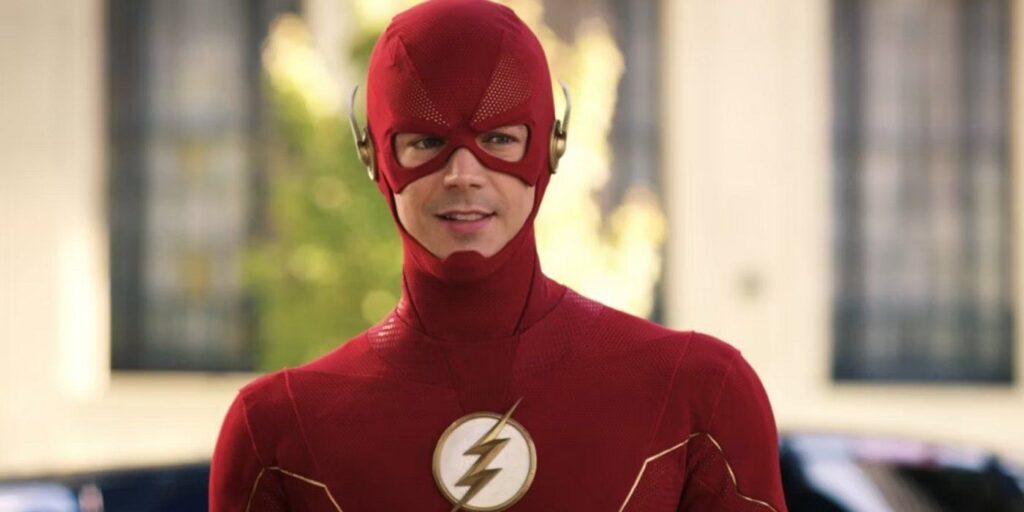
During the premiere of the first trailer of ‘Supergirl’, Gunn was interviewed about his preferred version of ‘The Flash’. It was a playful question framed as “blondes or redheads,” referencing Barry Allen and Wally West. Instead of choosing sides, Gunn gave an answer that should reassure longtime DC fans: he loves both. It is a simple answer, but in light of the way Gunn handled the DCU, it speaks volumes. Instead of making the focus smaller, Gunn is pointing to something bigger.
Related: DC’s Lobo Revival Is More Than Nostalgia, It’s A Blueprint For The DCU
The question of who is the real Flash has been a common topic of debate over the decades. Silver-age scientist Barry Allen, the original member of the Justice League? Or Wally West, the old sidekick who grew into the mantle and overtook his master? The fact, as the comics have made us see again and again, is that the question in itself is out of character. Barry Allen is a symbol of order, intellect, and moral clarity. He is a forensic scientist whose rational thinking tends to stabilize the Justice League.
His responsibility and self-sacrifice contributed to the meaning of being a modern superhero, and his impact on the DC Universe is hard to deny. Wally West, however, represents development, feeling, and possibility. The story of a Kid Flash becoming the fastest creature in the universe is one of the best long-term character development stories in DC. Wally’s Flash is not only about speed, but also about heart, family, and beyond.
The fact that James Gunn does not have to choose between them indicates that he is aware of this duality. He is not approaching The Flash as a one-off performance that needs to be fixed. Rather, he is recognizing that the two versions are important and that each has something to offer to the table. This is particularly necessary considering the checkered history of The Flash in live-action. Now, Gunn’s answer suggests a necessary change of direction.
Embracing Multiple Flashes Could Be DCU’s Smartest Move
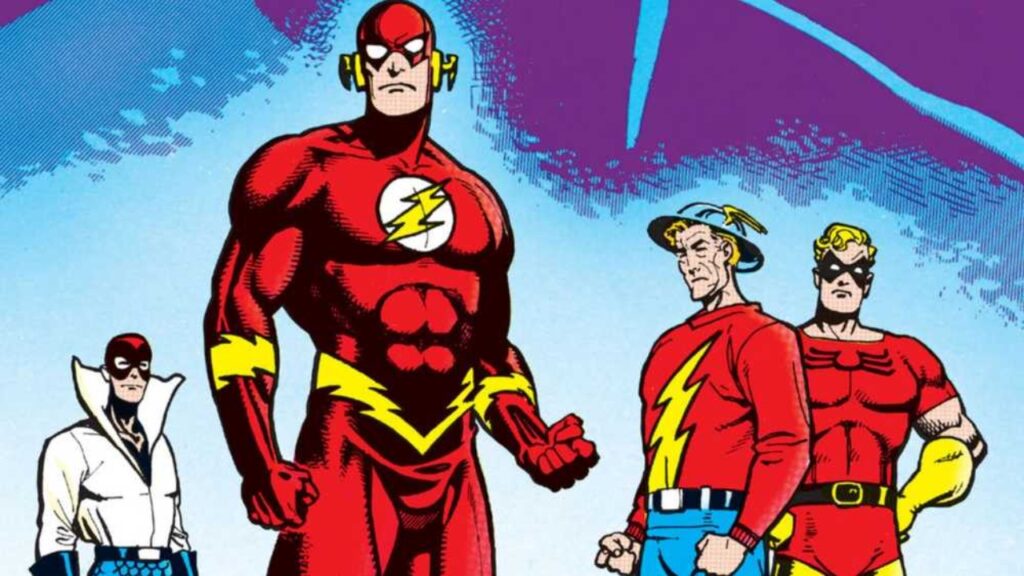
One of DC Comics’ greatest strengths has always been its embrace of legacy. DC does not forget its history, as many other superhero universes do. Mantles are passed on, extended, and redefined through generations. That is more true than ever with The Flash. By making a full commitment to having both Barry Allen and Wally West, the DCU immediately acquires a storytelling dimension. Barry can be the intellectual and moral anchor. Whereas Wally can offer emotional intensity and the raw and almost mythic speed.
Related: One ‘Supergirl’ Reveal Finally Explains DC’s Peacemaker Retcon
Their co-existence brings about contrast, tension, and growth, which are needed in long-term cinematic storytelling. More to the point, it paves the way to something that live-action DC has hardly ventured into: the Flash Family. The Flash is never alone in the comics. Jay Garrick, the first Golden Age speedster, is a source of wisdom. Max Mercury is a symbol of mysticism and spirituality of speed. Impulse adds youthful chaos, while Jesse Quick expands the legacy beyond traditional boundaries.
Together, they transform speed from a power into a culture. Such an intertwined mythology is exactly what Gunn wants in his overall DCU philosophy. His previous work has demonstrated a strong affection for ensemble casts, found family, and world-building. So, introducing the Flash Family won’t just be fan service, but a natural progression of Gunn’s narration. And from a practical standpoint, multiple Flashes solve a problem superhero franchises often face: stagnation.