
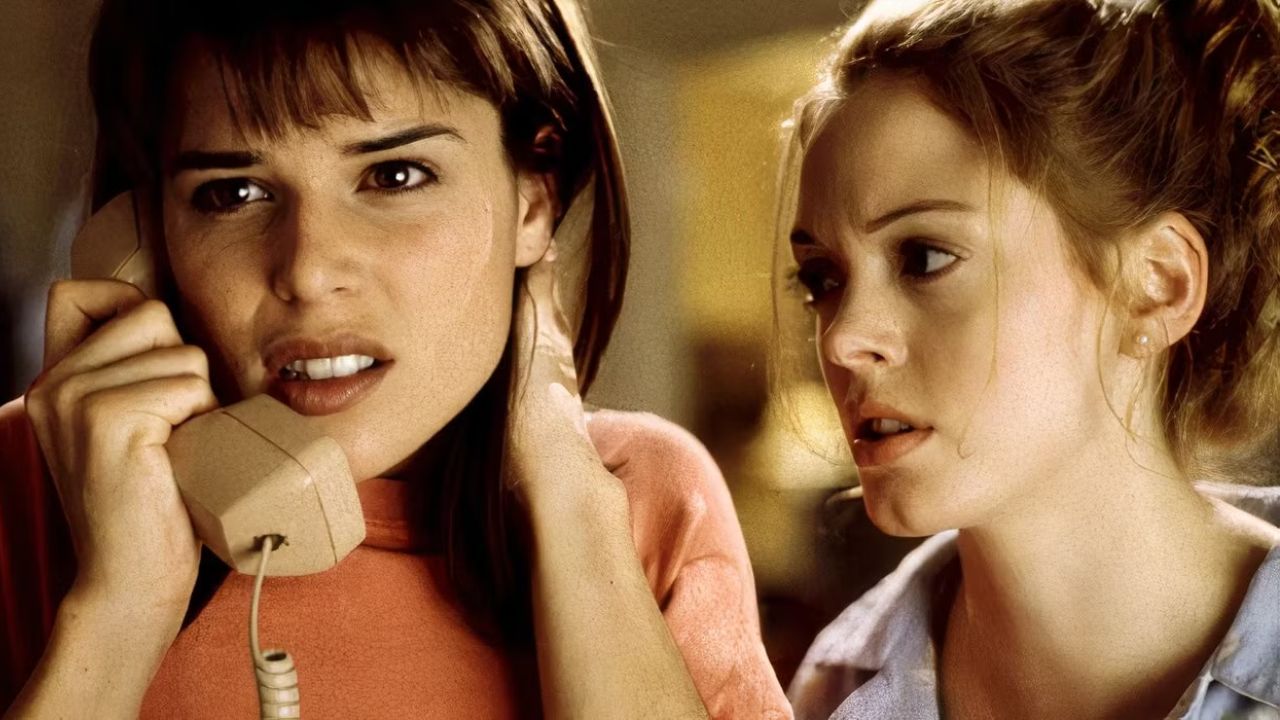
Every decade has a definitive horror movie, and for the 1990s, it was ‘Scream.’ Instead of being a complete slasher-gore fiasco, it had elements that felt totally offbeat. The masterpiece cemented Wes Craven as a horror auteur and redefined the genre for the decades to come.
But for Quentin Tarantino, the direction did not fit the bill. The ‘Kill Bill‘ director believed Craven held the movie back, as his observations were directed more toward the film’s potential. While taking a subtle dig, Tarantino also shed light on his approach and potential direction toward the genre.
Quentin Tarantino On Wes Craven’s “Restrained Direction”
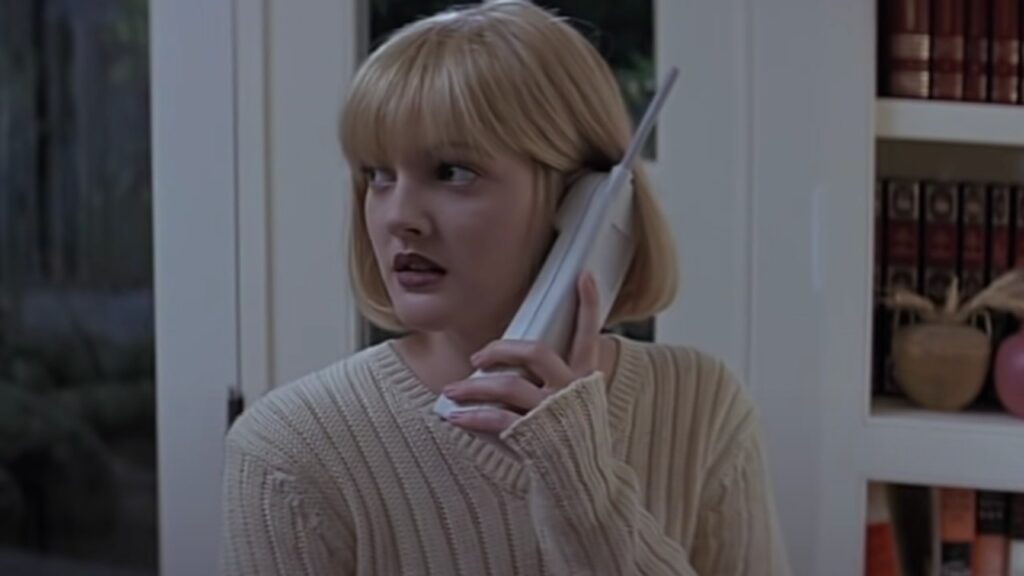
Known for his bold and brazen filmmaking style, Quentin Tarantino stirred quite a controversy with his hot take on Wes Craven. As if his critique of Denis Villeneuve and Pedro Almodovar wasn’t enough, he decided to add Craven to the list. In a 2015 interview with ‘Vulture‘ promoting ‘The Hateful Eight,’ he spoke about Craven’s 1996 directorial horror venture.
Related: “Never Again in Your Life”: Quentin Tarantino Lost It After Brad Pitt Pulled a Cocky Move on ‘Once Upon a Time… in Hollywood’ Set
“I actually didn’t care for Wes Craven’s direction of it. I thought he was the iron chain attached to its ankle that kept it earthbound and stopped it from going to the moon,” Tarantino said. In his opinion, Craven held the project back from achieving its full potential.
He felt that the director was trying to fit the story into the slasher mould. He felt that Craven’s finesse in the splatter gore meant the director played it safe. However, that was not the case, as the movie eventually tweaked the horror formula.
How ‘Scream’ Redefined The Formula Of Horror
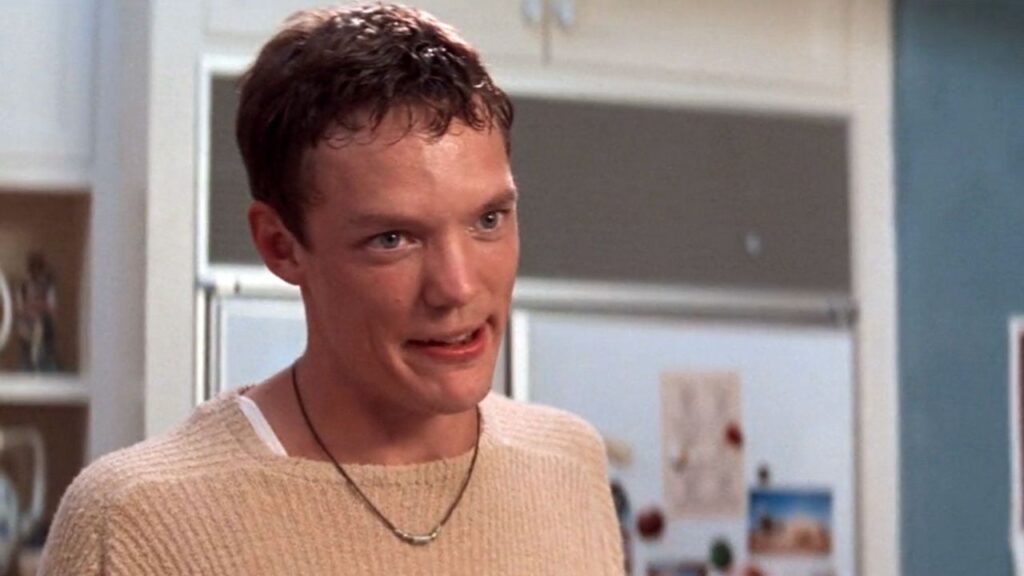
Over the years, horror stories have been pushing the boundaries and scope of storytelling. This holds for ‘Scream,’ which is almost formulaic in this sense. While it sets ground rules, the movie doesn’t succumb to them by any means. It deals with morally and practically flawed characters. They do not fear a ghost, a poltergeist, or a haunted doll in hiding, but a psychotic killer on a killing spree.
In case you missed it: Quentin Tarantino Originally Hated Samuel L. Jackson’s ‘Pulp Fiction’ Look
It isn’t a myth or legend that drives the plot and narrative, but a human. Centered on the killer who loves to talk, the storyline delivered a string of killings, with the first victim being Drew Barrymore’s character. Only Sidney Prescott survives in the end by using her wit and intellect.
This is a fascinating detail that mirrors Nancy’s actions in ‘A Nightmare on Elm Street.’ She uses her agency to entrap Freddy Krueger and defeat him. This brings us to the movie’s horror elements. Here, they lie within the human mind and its obsessiveness.
It is Billy and Stu’s penchant for the genre that develops into an unhealthy obsession. It prompts them to take lives, only to meet a similar fate in the end. Both characters are calculated killers whose actions take center stage in the movie. It would be completely different if Tarantino were to direct this movie. How?
A Horror Movie Inspired by ‘Kill Bill’
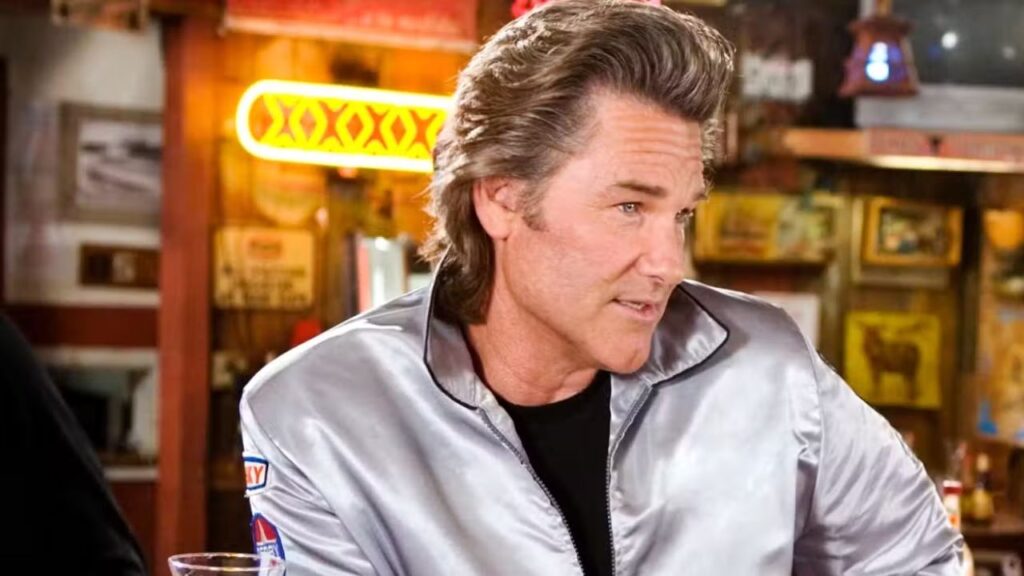
Tarantino’s version would have the blueprint of stylized violence. And he would heighten the gore, exaggerating to another level. His usual confident, larger-than-life, and flamboyant characters would likely be uncompromising in the face of adversity.
While Craven’s characters go missing in the woods or struggle to protect themselves, here it would be the opposite. The ‘Pulp Fiction’ director would carve his characters as headstrong individuals who move confidently. This was evident in his 2007 movie ‘Death Proof,’ in which Kurt Russell’s stuntman gets a satisfactory, vengeful beating from women.
The character turns out to be a lily-livered, weak villain, and he is designed to be such. Yet, when it comes to Ghostface, Craven did everything right to turn the character into a mascot of macabre and mayhem.
Ghostface As The Mascot Of Macabre And Mayhem
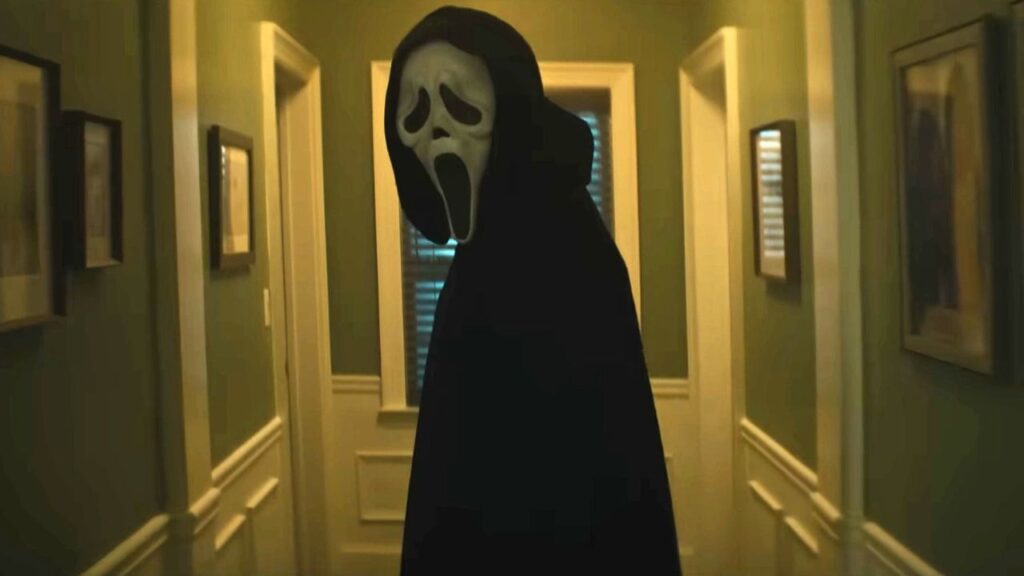
Craven’s movie is not only a commentary on horror enthusiasts but also a counterculture in itself. The film propelled spoof culture back in the day, with the most notable example being ‘Scary Movie,’ which turned the horror elements into comedy.
At the same time, ‘Scream’ also inspired future horror movies such as ‘I Know What You Did Last Summer’ and ‘Urban Legend.’ These films built their plots and frameworks on the very blueprint of Ghostface. They followed the tropes of a hidden killer, urban legends, and horror movie rules. Craven didn’t confine Ghostface as a mere villain.
While his cynicism and body language stood out, his ability to be fallible and human made him and the movie more iconic. Fans even celebrated the character, comparing him to the likes of Michael Myers from ‘Halloween’ (1978). His iconic masks flooded the markets and even permeated Halloween festivals. Without a doubt, Ghostface became a symbol of mayhem and utter chaos by the 2000s.
Why Playing Safe Worked In Craven’s Favor
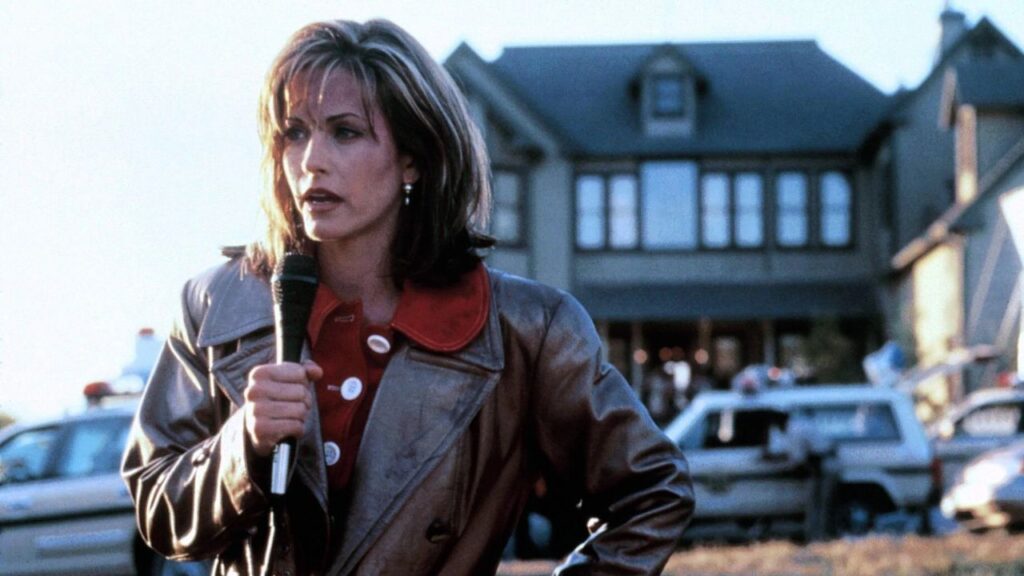
A large part of Tarantino’s criticism of Craven was directed at his direction. He thought the director held the movie back from reaching its peak. His playing safe and grounded and traditional methods clashed with Tarantino’s. But it’s the very thing that made the movie memorable.
Craven broke the firm rules of horror, where the characters aren’t silent bystanders, but they navigate courage in their own way. They bypass fear and make it out alive using their wit and their agency, contrary to archetypal horror movies. While characters are guided by an external force in traditional horror, Craven’s movie saw them breaking the mold.
Nancy and Sidney face two fallible villains by overcoming fear through their power and newfound courage. Craven’s film, therefore, is rooted in pragmatism. It blends a realistic tone with agency to create genuine and relatable characters. This aspect is precisely why most fans do not align with Tarantino’s direction.
You might like to read: ‘Spider-Man: Brand New Day’ Might Be Establishing Peter Parker’s Biggest Betrayal Ever