

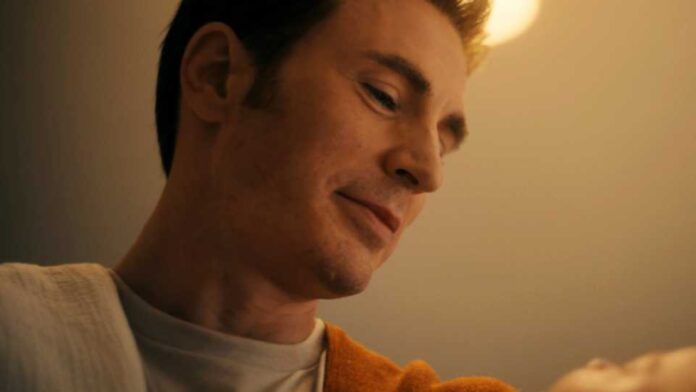
When the first ‘Avengers: Doomsday‘ trailer revealed Chris Evans back in the Marvel Cinematic Universe, it didn’t just spark excitement; it reignited one of the MCU’s most emotionally charged debates. Steve Rogers was supposed to be done.
His demise in ‘Avengers: Endgame’ was final, reflective, and very personal. And yet, he is now alive, younger, living in the past, with a baby in his arms, and Peggy Carter his wife. It is not a brief appearance or a wistful nod. It is a conscious re-enactment of a tale that most fans thought had been shut down permanently. Now, it’s no longer a question of how Steve Rogers is back but why Marvel decided to bring him back.
Steve Rogers Was Never Truly Gone, The MCU Just Left Him Alone
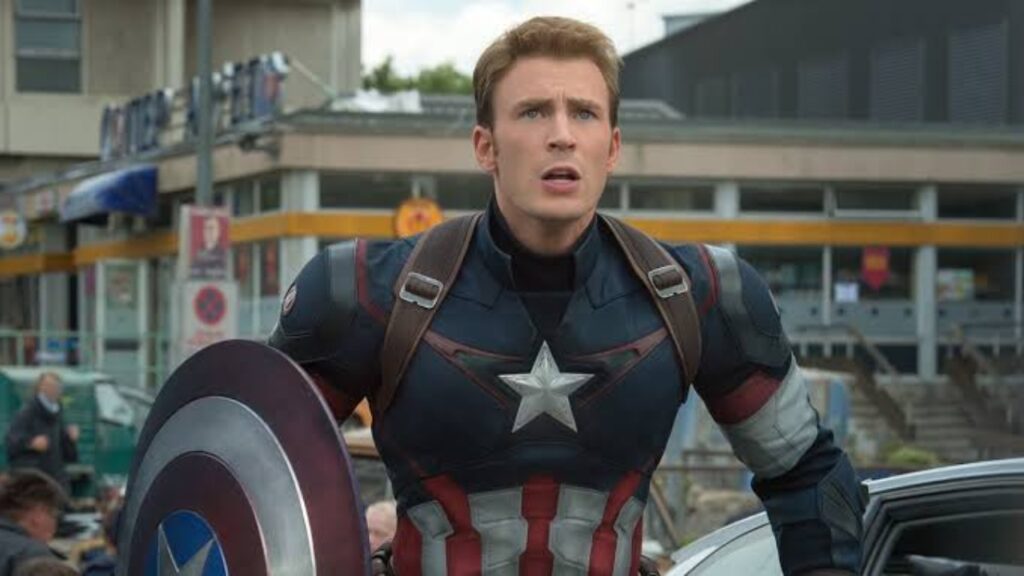
Steve Rogers’s ending in ‘Avengers: Endgame’ was not typical. He did not die in a blaze of glory. He did not fade away into cosmic energy. Rather, he quietly, humanly chose to quit fighting and eventually lead the life he had been deprived of. Upon giving back the Infinity Stones, Steve remained in the past and lived with Peggy Carter. By the time he returned, he was an old man. He had handed over the shield to Sam Wilson, symbolically sealing the book on Captain America.
Related: The Lost Marvel Series That Could Have Redefined The MCU’s Spy Corner
However, Steve was still alive, just offscreen. That difference is major. Marvel never confirmed Steve’s death despite years of speculation. He did not feature in ‘The Falcon and the Winter Soldier’, and was also not mentioned in ‘Captain America: Brave New World’. He had just retired, living somewhere in the fringes of the timeline. In a world where time travel, variants, and multiversal chaos have become fundamental elements, Steve’s return was always possible, it just hadn’t been necessary.
Until now. ‘Doomsday’s teaser gives a strong indication that this is the same Steve Rogers who remained behind in ‘Endgame’. The visual elements are intentional: the recognizable Captain America suit seen in ‘Endgame’ being packed away neatly, the home environment, and the emotional flow that cannot be missed. This doesn’t feel like a random variant plucked from another universe. It is as though Marvel is deliberately re-examining a decision that Steve has already made.
That in itself poses intriguing narrative questions. If Steve remained in the past, did his presence subtly reshape history? Did his decision create a branching timeline without him realizing it? Or has the Multiverse Saga at last come to a stage where even retired heroes are no longer able to be left unscathed by the effects of previous decisions? Whatever the reason, ‘Avengers: Doomsday’ appears to be ready to face something that the MCU has mostly avoided since ‘Endgame’: the long-term cost of time travel.
Why Steve’s Return Is Risky
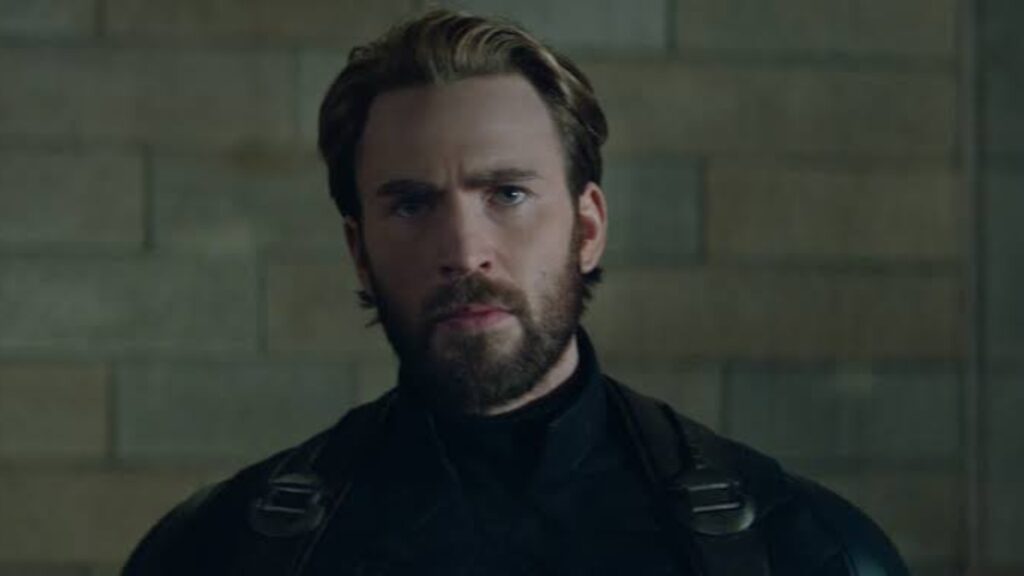
Of course, Steve Rogers’ return has brought back old wounds in the fandom. For years, fans have argued whether ‘Endgame’ provided Steve with a beautiful farewell or silently sabotaged his values. Others believed that his decision was a tribute to all that he had lost. Some claimed that it was a betrayal of his loyalty to Bucky or rewrote Peggy Carter’s established life. Time blunted those arguments until his comeback in ‘Doomsday’ made them roar back.
In case you missed it: ‘Avengers: Doomsday’ Might Be Turning Thor Into MCU’s Ultimate Sacrifice
Now critics fear that revisiting Steve’s story would reduce the emotional impact of ‘Endgame’. If retirement isn’t permanent, does that cheapen the goodbye? If Steve returns to the narrative spotlight, does that undercut Sam Wilson’s journey as Captain America? These are legitimate concerns, but context is important. The MCU today is not the MCU of 2019. After ‘Endgame’, Marvel was in an experimental period. There were those projects that took off and those that failed.
Phase 5, specifically, had trouble finding a single emotional thread. In that regard, the performances of Chris Evans and Robert Downey Jr. (this time as Doctor Doom) are not so much nostalgia grabs but rather narrative anchors. Steve Rogers is a symbol of clarity. Moral certainty. And emotional grounding. In a franchise that struggles with disjointed timelines and cosmic abstractions, bringing him back would be a way of refocusing the narrative.