


For a long time, one of the Marvel Cinematic Universe’s greatest strengths wasn’t just spectacle or scale; it was finality. Characters changed, stories were closed, and consequences were important. That narrative sincerity made the MCU unique among other long-running franchises that viewed death and endings as temporary inconveniences.
In the recent past, however, Marvel appears to be growing uneasy about keeping its most potent endings shut. The doors that used to be closed with emotional weight are creaking open again. And even though the returns are driven by nostalgia and excitement, it also brings a disturbing question: at what point does revisiting greatness start to diminish it?
Why Marvel’s Reliance On Nostalgia Is A Dangerous Game
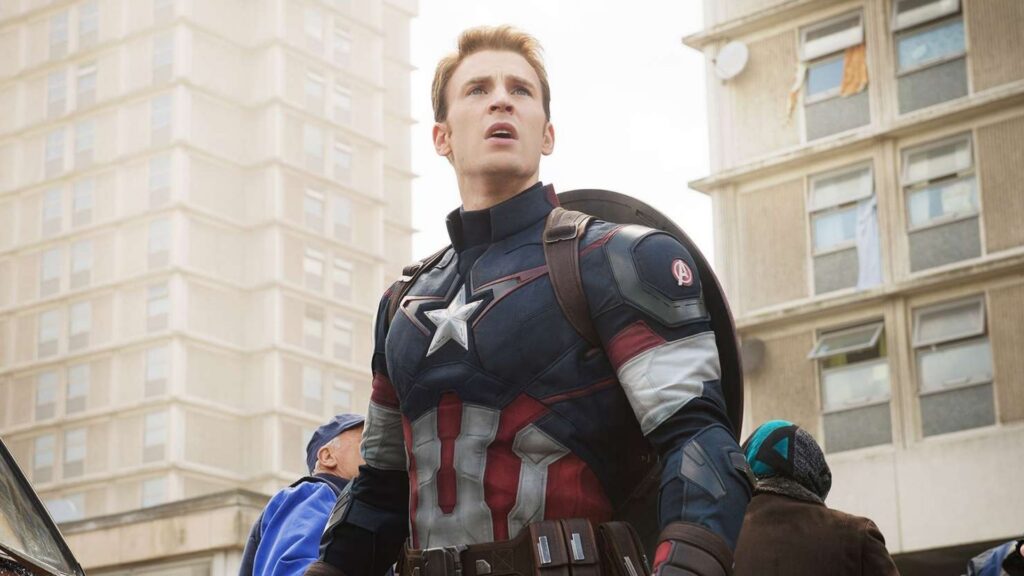
Some endings land so well that they become defining moments not just for a franchise, but for pop culture itself. Marvel has done so very few times, and its present tendency to reopen those endings seems particularly dangerous. Tony Stark’s death in ‘Avengers: Endgame‘ was not only surprising but earned. In a span of eleven years, viewers saw Tony transform from a self-centered arms dealer to a person who sacrificed his life to save others.
Related: The Most Important ‘Avengers: Doomsday’ Reveal Isn’t A Hero, It’s A Legacy
His last snap was not a twist; it was the logical conclusion of what he had become. That’s why it worked. That’s why it hurt. And that is why it was complete. Whereas Steve Rogers’ ending was different, yet as good as it could be. Instead of dying a hero’s death, he chose a hero’s reward: a quiet life with Peggy Carter. Steve had finally taken possession of something after a hundred years of war, displacement, and sacrifice. The handing of the shield to Sam Wilson completed the circle. It was a reminder that Captain America was not just about power and sacrifices.
‘Logan’ was a master of finality even beyond the MCU itself. Wolverine did not die with a blaze of glory, but exhausted, battered, and like a human. It respected the character and the audience by acknowledging that stories (even superhero stories) must have an end. These scenes were relatable since Marvel believed in them to be self-sufficient. They didn’t tease reversals. They did not abandon narrative escape hatches. Instead, they enabled mourning, reconciliation, and legacy to co-exist.
That faith is now being put to the test. Jackman’s return in ‘Deadpool & Wolverine’ proved that reopening a “perfect” ending can work, but only under very specific circumstances. The new Wolverine variant did not replace Logan; it coexisted with him. Iron Man’s shadow is even bigger. The fact that Robert Downey Jr. plays Doctor Doom in Avengers: Doomsday does not necessarily revive Tony Stark, but the viewers are not that naive. The emotional connection is inevitable. And now, as Steve Rogers officially returns to the MCU limelight, that unease reaches its peak.
Steve Rogers’ Return Isn’t The Problem, Meaningless Nostalgia Is
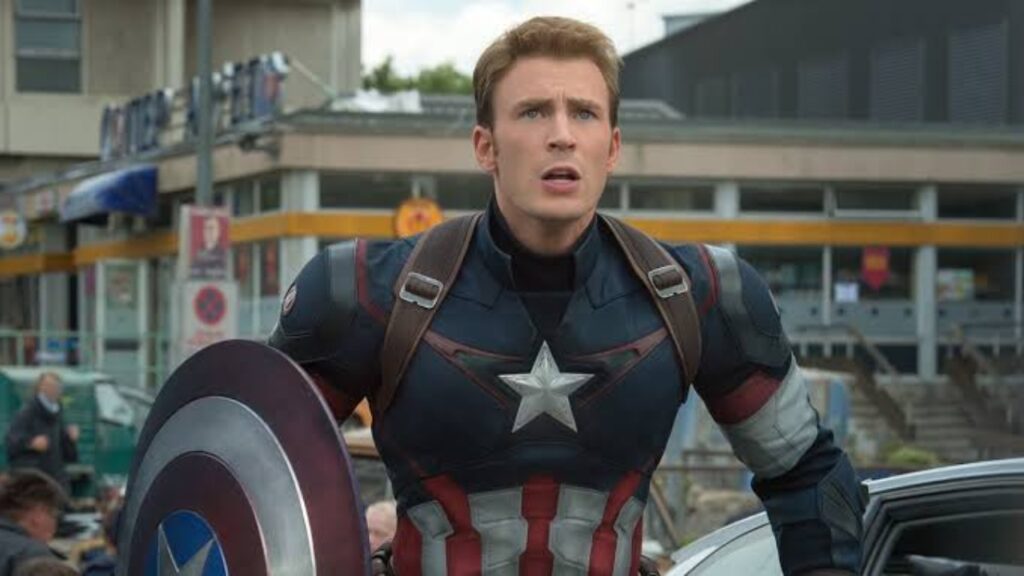
Of all Marvel’s reopened endings, Steve Rogers’ return is the most delicate. Not because it’s impossible to justify, but because it threatens something intangible: the integrity of his choice. Steve didn’t die. He walked away. That distinction matters. His demise was not about defeat but completion. The reversal of that must be done with the utmost caution, since it will redefine his happiness as a temporary or conditional one.
In case you missed it: Why Steve Rogers’ Return In ‘Avengers: Doomsday’ Might Be A Turning Point For Marvel
The new ‘Avengers: Doomsday’ teaser gives a clue to a very personal reason why he is returning: family. Steve has a child now, and this fact alone has a huge emotional impact. It implies that the man who used to place the world ahead of himself may have to face a new reality that there are times when you have to take a step backward to save what you love. That idea can work. However, only if Marvel resists the urge to turn Steve Rogers into a nostalgia lever rather than a character with agency.
The Russo Brothers are the saving grace here. Not many filmmakers know Steve Rogers as well as they do. Since The Winter Soldier, they have always positioned him as not an idealized figure. Provided that Doomsday approaches his return as a serious moral dilemma and not a multiversal gimmick, it may even enhance his legacy instead of watering it down. The key is restraint. Steve does not have to take back the shield. His presence should mean something beyond applause.