

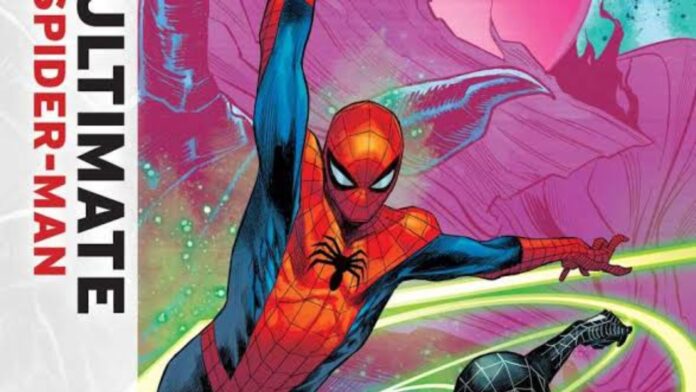
For months, readers have had the same uneasy feeling while reading ‘Ultimate Spider-Man’: Peter Parker is there, but somehow he doesn’t feel like the story is about him. His world is shifting rapidly; his friends are becoming friends, friendships are evolving, enemies are escalating, and moral lines are blurring. However, Peter himself has been oddly stuck, almost frozen in time.
For a character who is characterized by growth, guilt, and hard-earned wisdom, that stasis was threatening. Today, according to Jonathan Hickman’s words, it is obvious that this was not a creative mistake. It was a calculated risk.
‘Ultimate Spider-Man’ Was Always Building To This Moment For Peter Parker
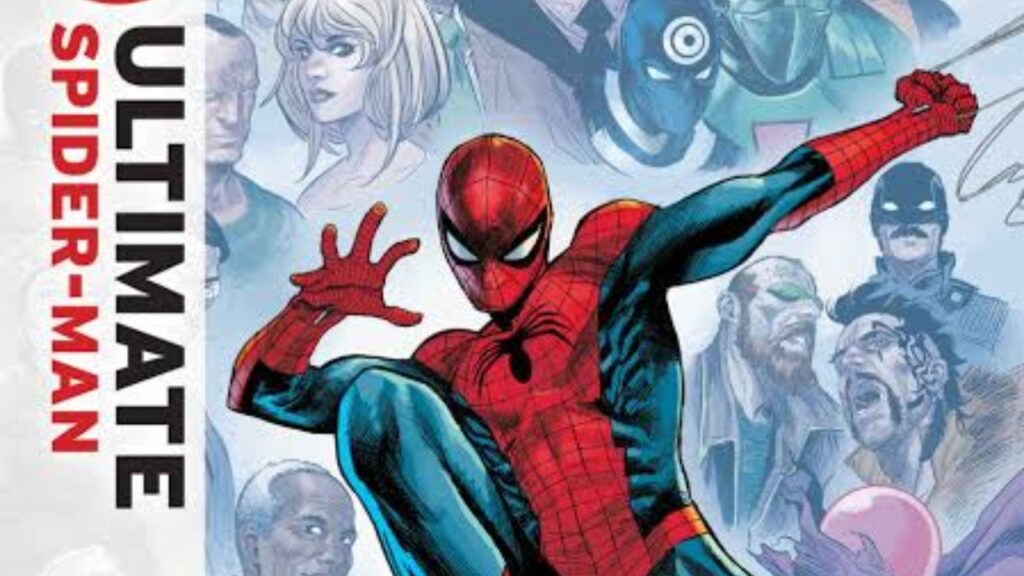
Jonathan Hickman has openly acknowledged the criticism in interviews before the conclusion of the series. And more to the point, he has confirmed that Peter’s perceived lack of development was intentional. ‘Ultimate Spider-Man’ was not holding back its hero; it was laying a trap. And having only one more issue to go, Marvel is finally ready to address one of the most nagging narrative problems of Spider-Man: the tendency to make Peter Parker more of a symbol than a human being.
Related: ‘Avengers: Doomsday’ Reintroduces Steve Rogers In A Whole New Way
Spider-Man narratives nearly always turn into ensemble narratives. Peter Parker does not spend much time alone. He is stuck between villains, love interests, mentors, friends, and rivals. And Hickman leans fully into that tradition. Uncle Ben and even Harry Osborn have been seen to evolve. Whereas Peter has been so steady. So, it unsurprisingly frustrated readers. Spider-Man’s popularity has always been based on his flexibility. He stumbles, learns, and recalibrates.
Watching everyone else grow while Peter stood still felt like the story was orbiting him instead of flowing through him. Hickman doesn’t deny this. In fact, he embraces it. “You know, why is this Spider-Man book seemingly about all these characters changing around him while he’s being the universal constant of Spider-Man? We’ll find out,” he told CBR. He freely acknowledges that he is drawn to ensemble narratives.
However, he also alludes to the fact that Ultimate Spider-Man is structurally making a point, which is not yet revealed. Peter isn’t underdeveloped; he’s deliberately positioned as the “universal constant,” the moral and emotional pole around which all other things revolve. That’s a risky move. It is disengaging to make Spider-Man still.
However, it also reflects an old problem of Spider-Man narration: Peter is frequently perceived as an unchanging ideal instead of a human being. He is what others want him to be. Hickman pushes the readers to address this tendency by overstating it. Why does Spider-Man never change when the world needs him to change? Why does Peter absorb change without visibly transforming? And what does that cost him?
‘Ultimate Spider-Man’s Risky Structure Is About To Be Tested
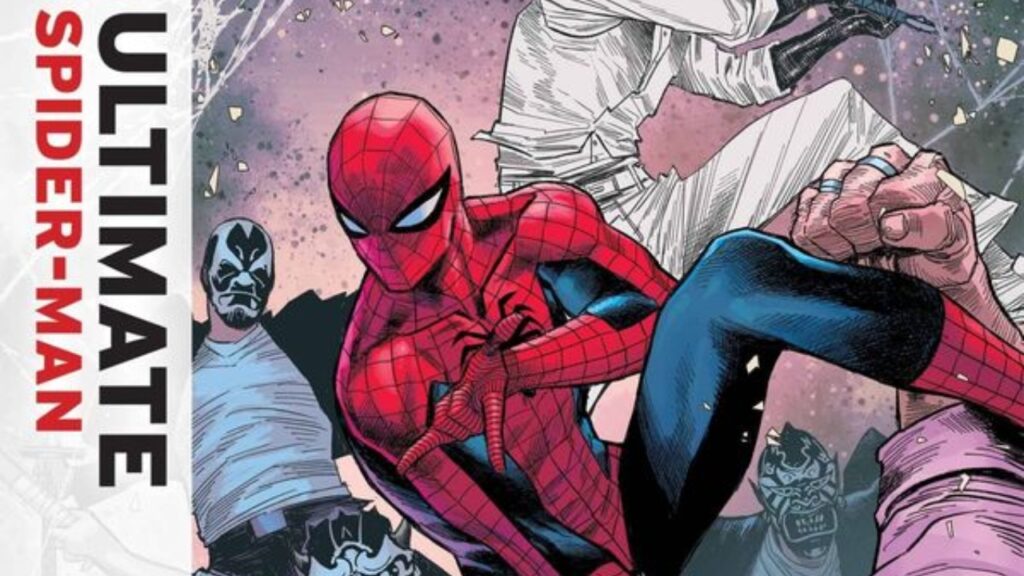
‘Ultimate Spider-Man’ has a massive task ahead of it with just one problem left. And it’s not only tying up plot lines, but reinterpreting Peter’s role in the entire run. Hickman has joked that the conclusion is a response to the structure of the book. It’s going to be. Both meta and literal. Peter’s stillness isn’t just thematic, it’s narrative fuel. When done properly, this last chapter would be able to retroactively change the whole series.
In case you missed it: The Most Important ‘Avengers: Doomsday’ Reveal Isn’t A Hero, It’s A Legacy
Suddenly, the fact that Peter was not growing visibly would not be absent, but tension. A man who is holding himself together while everything around him changes isn’t static; he’s under pressure. And pressure, eventually, has consequences. This is the place where Marvel can perhaps correct one of the most perilous weaknesses of Spider-Man: the propensity to freeze him in time. Throughout the decades of comics, Peter Parker tends to restart emotionally. Lessons are acquired and lost.
Expansion is suggested, then inverted. The character is made infinitely relatable, but infinitely stalled. Hickman Ultimate run questions that cycle by posing the question of what happens when Peter does not want to change until he has to. If Hickman succeeds, Ultimate Spider-Man won’t just end on a strong note. It will recontextualize its entire approach, turning months of reader frustration into delayed payoff.