

For nearly two decades, the Marvel Cinematic Universe has operated with an almost uncanny confidence. Since ‘Iron Man’ started a pop-culture revolution in 2008, Marvel Studios felt invincible. They succeeded even in cases where risks were involved.
However, as the calendar inches closer to 2026, that certainty has begun to crack, and tellingly, the unease is coming from the very top. The architect of the MCU, Kevin Feige, is publicly worried about the next big release of Marvel: ‘Wonder Man’. That alone speaks volumes.
Marvel Is No Longer Leading The Trend, And ‘Wonder Man’ Must Prove It Can
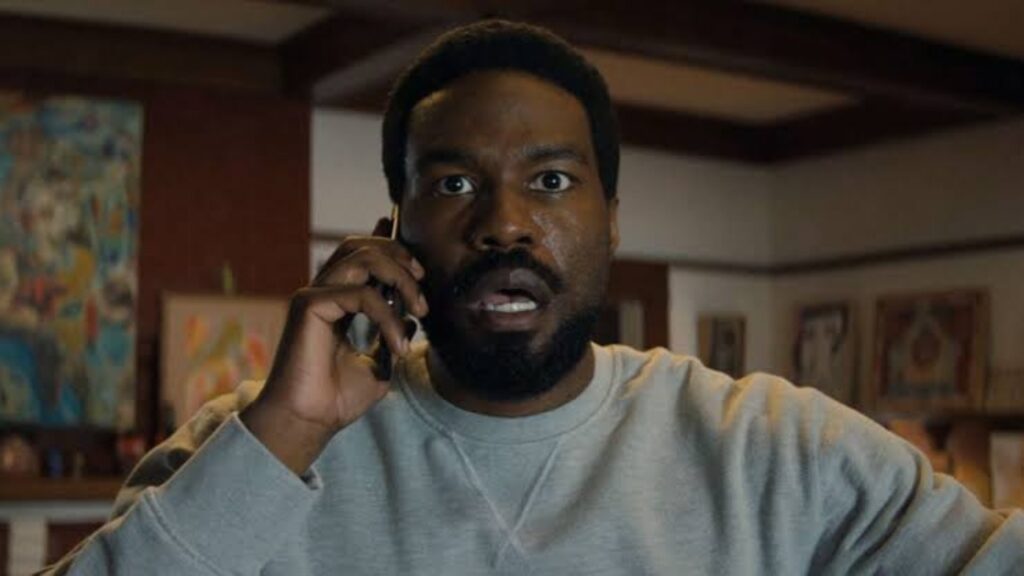
The MCU Boss Kevin Feige does not have a reputation for being publicly skeptical. However, his recent remarks indicate that the producer is painfully conscious of the fact that Marvel does not have the luxury of unlimited goodwill anymore. ‘Wonder Man’ is not merely another Disney+ series in a franchise era of scrutiny, fatigue, and intense competition. It is an experiment to see whether Marvel can still be a leader, not a follower.
Related: ‘Avengers: Doomsday’s X-Men Teaser Revealed MCU’s Darkest Villains Yet
In its essence, ‘Wonder Man’ was created to be different. Not a multiverse epic. Not a world-ending threat. Rather, Marvel wanted a superhero comedy that satirizes Hollywood itself, a meta joke that blurs the distinction between acting and being. On paper, it was fresh, clever, and perfectly suited to a studio that used to boast of trendsetting, not trend following. ‘Wonder Man’ was initially intended to be a tone-setter by Kevin Feige.
As Variety reported, Feige hoped that the series would come out before Hollywood was flooded with self-aware, industry-skewering television. Regrettably, time is of the essence, and Marvel lost track of the time. When ‘Wonder Man’ was finally fit to see the light of day, viewers had already been exposed to projects like HBO Max’s The Franchise and Apple TV+’s The Studio, both of which are sharp, satirical looks at Hollywood and franchise filmmaking.
All of a sudden, the audacious concept is going to appear as a latecomer to a party that it was supposed to be hosting. Feige himself admitted the frustration, and he simply said, “I don’t like it when things sit on shelves. It stinks.” That remark is not as throwaway as it sounds. It shows a crack in Marvel’s armor. Delays are inevitable in Hollywood. However, to a studio that has made its business on meticulous planning, it is a bitter pill to put a project on the shelf until it becomes derivative.
Why 2026 Might Be Marvel’s Most Important Year Yet

Feige’s concern doesn’t exist in a vacuum. The MCU is entering 2026 on uncertain footing. The last few years have been characterized by unequal critical reviews, decreasing box office sales, and an increasing audience cynicism. Previously, Marvel releases used to be cultural events. Now, many of them have to deal with the pressure of demonstrating their relevance before even opening weekend. This is what makes ‘Wonder Man’ such a high-stakes proposition.
In case you missed it: Why MCU Treating Death Seriously Might Be Marvel’s Most Important Advantage
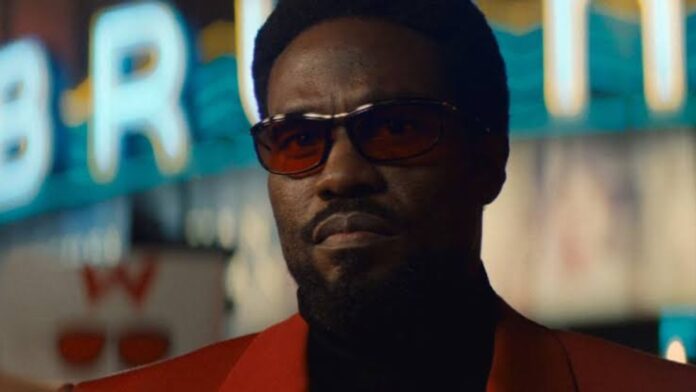
The show revolves around Simon Williams, a failed actor who is hired to play the in-universe superhero Wonder Man in a fictional reboot. The MCU version of ‘Wonder Man’ is, in a brilliant twist, already a cultural icon in the universe, meaning Williams must embody a superhero for the screen, while potentially becoming one in reality. It is a story of acting, identity, and the stress of legacy, all through Marvel’s prism. However, there is danger in that assumption. Meta storytelling may be incisive and perceptive, or may seem decadent and out of touch.
Marvel must walk a very thin line in a time when audiences are already tired of franchise self-reference. Excess irony and the show will be in danger of undermining its own emotional investment. Too little, it seems like a concept that has come five years too late. What further increases the pressure is the fact that Wonder Man is part of the bigger MCU roadmap. This series is not merely an experiment in itself. It’s a bridge to the next phase of Marvel, where the X-Men will be in the limelight.
That shift requires energy, goodwill, and confidence among audiences that have become increasingly choosy in their time and passion. Feige knows this. His apparent nervousness implies that he realizes that Marvel does not have limitless opportunities to rectify himself. In 2026, every release matters. A flop is not merely a disappointment, but it strengthens the story that the golden age of the MCU is squarely behind it.