

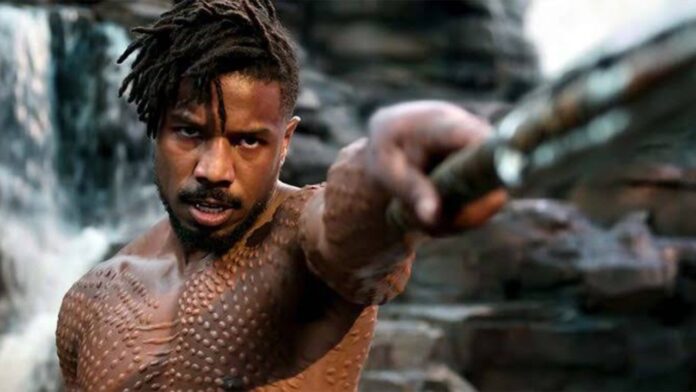
When audiences think of ‘Black Panther‘, they often remember its cultural impact, its breathtaking world-building, and Chadwick Boseman’s regal, soulful performance as T’Challa. However, no less memorable was the performance of Michael B. Jordan as Erik Killmonger.
Killmonger was a villain so emotionally raw and ideologically charged that he still stands apart from nearly every antagonist the Marvel Cinematic Universe has ever produced. However, what most fans did not know then was how much that role touched Jordan himself. Decades after the movie was released, the actor has shared the personal cost of living with the anger, grief, and trauma of Killmonger.
The Unexpected Aftermath Of Playing Killmonger In ‘Black Panther’
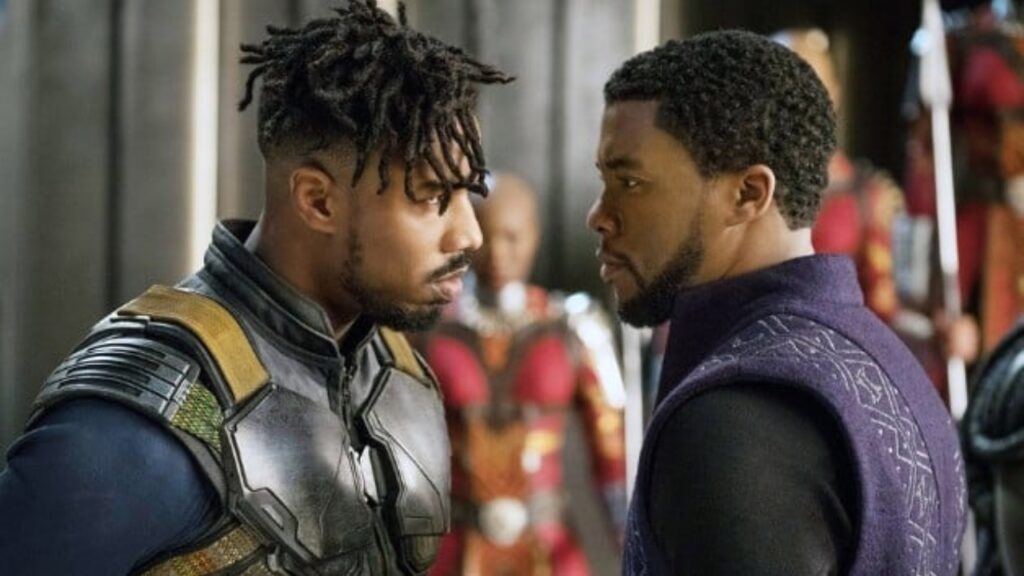
While talking with CBS Sunday Morning, Michael B. Jordan opened up about how that experience eventually led him to therapy, self-reflection, and development. Instead of making the revelation seem like a struggle, Jordan’s story is more of a testimony to emotional honesty and a lesson that even the most potent performances can leave permanent scars on the individuals who make them come to life. Killmonger was not a classic Marvel villain.
Related: Ryan Coogler Confirms ‘Black Panther 3’ Is In Active Development
He was not motivated by world conquest or abstract evil, but by pain, generational pain, or personal loss. For Jordan, entering that state of mind implied entering into feelings that did not just fade away after the filming was over. Jordan confessed that the character had lingered with him. “It kind of stuck with me for a bit. And, you know, went to therapy and talked about it. Found a way to kind of just decompress, I think at that point still learning that I needed to decompress from a character,” he stated.
At the time, he was still learning something many actors only realize through experience: intense roles often require intentional emotional decompression. Therapy became the place where he could unload those feelings. It wasn’t about regret or fear; it was about understanding why the character stayed with him and learning how to let go. That revelation says a lot about Killmonger.
The character was not merely acted, he lived. Jordan has already indicated that he had always wanted to play a villain, and ‘Black Panther’ gave him the right chance to exercise his talents. What he had not anticipated was the emotional involvement of the role. It’s a reminder that great villains often demand more than technical skill. For Jordan, that authenticity cost him a personal price, yet also brought some unexpected benefits.
Killmonger Left A Mark On Michael B. Jordan And It Led To Personal Growth
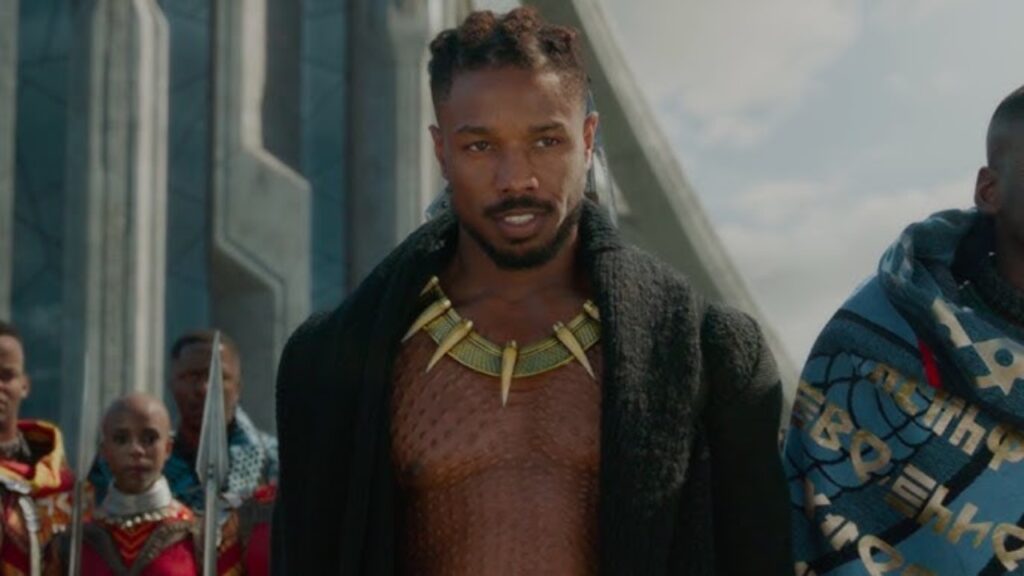
What began as a way to process a demanding role turned into something much bigger for Jordan. Therapy not only assists him in dissociating himself from Killmonger, but it also ignites a greater process of self-discovery. He has openly talked about how the experience has made him a better communicator and a more rounded individual. More crucially, he has also clarified that he has no shame in seeking assistance, particularly as a man in a profession where weakness is frequently equated with vulnerability.
In case you missed it: How Black Panther’s Next Movie Could Become Marvel’s Mega-Event
“And then I think that spiraled into a bigger conversation and self-discovery of, like, ‘Okay, you know, I think that’s necessary for people, you know?’ Especially men. I think it’s good for them to go and talk. That’s something I’m not ashamed of at all, and very proud of. And definitely helped me try to be a good communicator and a well-rounded person, inside and out.” Jordan has since emerged as a vocal supporter of mental health awareness, insisting that therapy is not a stigma or a final option. Instead, he frames it as a tool. A tool that helped him understand himself more deeply and grow beyond the emotional residue of a powerful performance.