

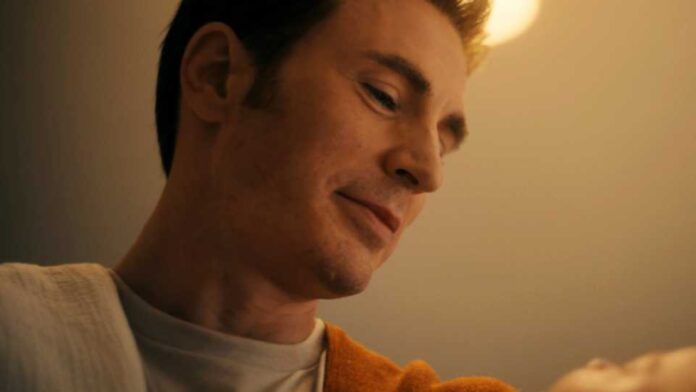
For many fans, ‘Avengers: Endgame’ felt like a definitive goodbye to Steve Rogers. The scene of an old Steve passing the shield to Sam Wilson was sweet, close, and emotionally full-fledged. It felt like a rare instance when the MCU seemed to allow one of its founding heroes to retire gracefully. Therefore, when ‘Avengers: Doomsday’ footage showed Chris Evans as Steve Rogers in action once again, the response was mixed, both in excitement and confusion.
Did Marvel reverse one of its most significant endings? Not quite. As a matter of fact, the MCU has been meticulously preserving the character over the years. Physically absent, maybe, but emotionally, thematically, and narratively inevitable. His reappearance does not happen without a reason. It feels like the natural payoff to a long, deliberate thread Marvel never actually cut.
Steve Rogers’ Absence Was Always Temporary
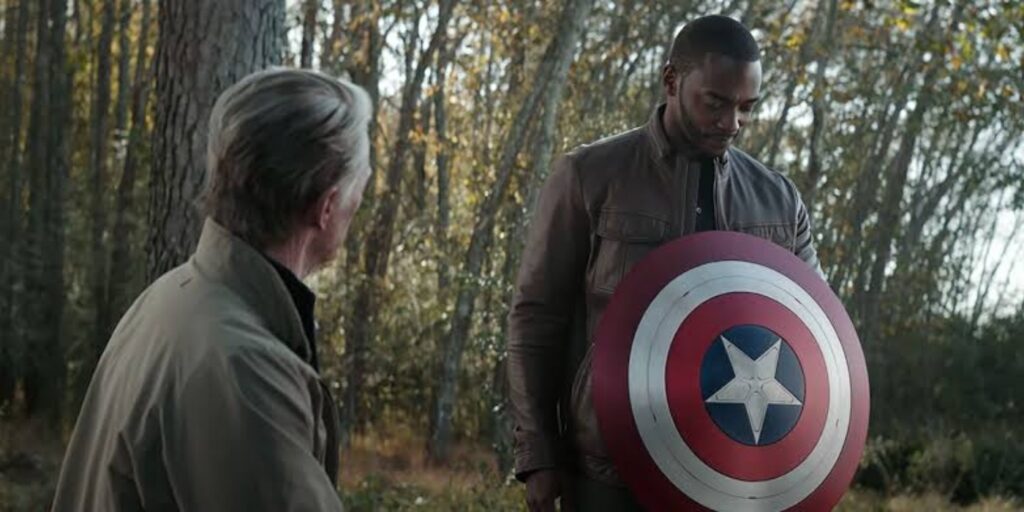
Steve Rogers’ ending in ‘Avengers: Endgame‘ was unusual for a superhero film. He didn’t die in a blaze of sacrifice or vanish into myth. Rather, he opted to have something less noisy: a life. Having sent the Infinity Stones back to their respective timelines, Steve remained in the past to live the years he had missed with Peggy Carter. He chose love and normalcy. The moment was full of closure when he returned as an old man on a bench. Steve was not only retiring, but he was leaving behind an ideal.
Related: ‘Avengers: Doomsday’ Proves Marvel Finally Understands The X-Men
By handing the shield to Sam Wilson, he wasn’t declaring himself obsolete; he was trusting the future. The trust, however, did not imply disappearance. The decision to have Steve Rogers not just disappear into the story was a deliberate move in ‘Endgame’. He would not be a dusty legend that is talked about and forgotten. Rather, he would be there as an invisible axis around which the MCU would still rotate.
Fans initially expected that presence to become literal again. There were rumors of cameos in ‘The Falcon and the Winter Soldier’, flashbacks, or hidden secrets in ‘Captain America: Brave New World’. None came to pass. On the one hand, it appeared that Marvel had respected Steve’s end by leaving him to himself. However, under the surface, the MCU never ceased to mention him.
MCU Never Let Steve Rogers Fade Away
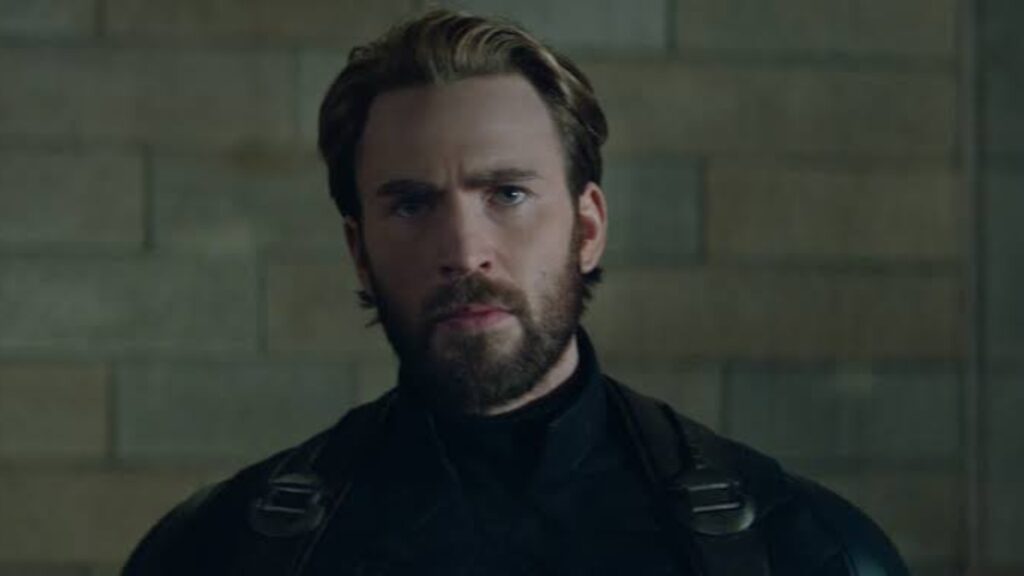
Steve Rogers has been one of the most mentioned characters of the MCU since 2019, even though he has not been onscreen. His shadow is present in a manner that is sometimes emotional yet always purposeful. ‘The Falcon and the Winter Soldier’ centered nearly completely on Steve’s absence. It was not only a fight for Sam Wilson to become Captain America, but also to live up to Steve. All the battles, all the questions, all the steps that Sam made were in line with Steve’s legacy.
In case you missed it: Why ‘Avengers: Doomsday’s Doctor Doom Feels Rushed Despite The Hype
The show was not posing the question, Where is Steve Rogers? It was asking what Steve Rogers still means. Projects that did not have any direct narrative relationship with Captain America continued to keep Steve alive in the cultural fabric of the MCU. ‘Hawkeye’ presented Rogers: The Musical, a consciously ridiculous Broadway show that proved Steve Rogers is a living myth within this universe. Children sing about him. Tourists follow his story. He is not a thing of the past.
These scenes are important as they show Marvel’s way of thinking. Steve Rogers was not written; he was coded into the DNA of the MCU. Even when the camera was not on him, his values, his choices, and his impact continued to shape events. From that perspective, it does not seem like a betrayal to bring him back in ‘Avengers: Doomsday’. It feels like a culmination. Notably, his return. Does not cancel Sam Wilson’s journey.
Sam is Captain America. That torch has been handed down and received. The fact that Steve is returning does not reverse that; it recontextualizes it. It gives Marvel the opportunity to investigate the conflict between tradition and transformation, between the ideals of the past and the realities of the present. Steve Rogers is not coming back because Marvel had no idea. He’s returning because Marvel never stopped building toward this moment.