

For years now, one question has quietly hovered over every new MCU announcement, teaser, and casting reveal: Why does ‘Avengers: Doomsday‘ feel so different from every Avengers movie that came before it? The solution does not lie in the multiversal lore or in the hidden post-credit scenes, but it is right there on the release calendar.
‘Avengers: Doomsday’ has accomplished something that no other Avengers movie has ever accomplished by disrupting the longest release pattern of Marvel Studios. And in doing so, it has unintentionally addressed many of the questions and even disappointments that fans have raised since the Multiverse Saga began.
Marvel Broke Its Own Avengers Formula With ‘Avengers: Doomsday’
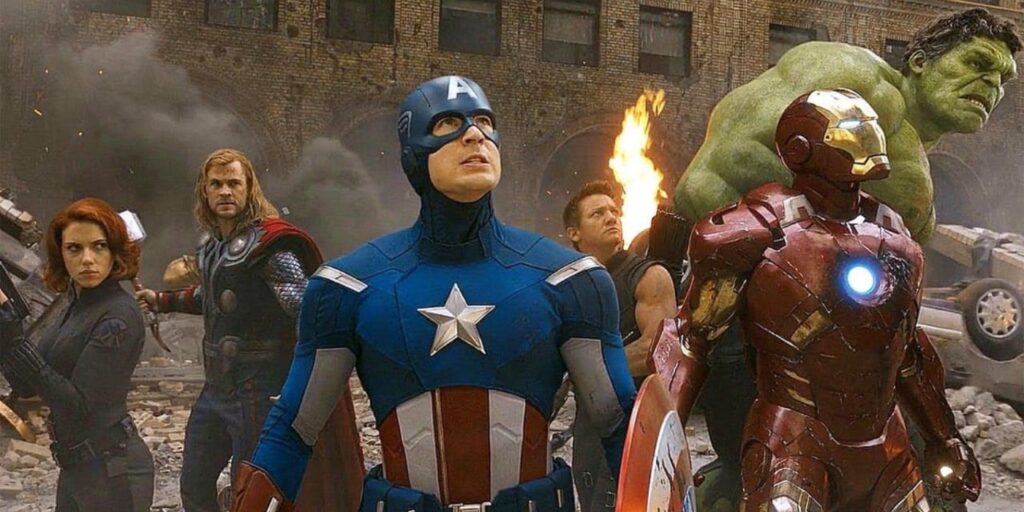
Since their very inception, the Avengers movies have had a consistent rhythm. ‘The Avengers’ came in 2012, ‘Age of Ultron’ came three years later, and then ‘Infinity War’ followed the trend. The monumental jump between ‘Infinity War‘ and ‘Endgame’ only required one year to be made. It was a fast-paced conclusion that solidified Marvel’s dominance in blockbuster storytelling. ‘Avengers: Doomsday’ ruins that rhythm.
Related: ‘Avengers: Doomsday’ Proves Marvel Finally Understands The X-Men
This is by far the longest hiatus between Avengers installments in MCU history, with a gap of seven years between ‘Endgame’ and ‘Doomsday’. It not only overshadows the past gaps, but it also changes the way the audience emotionally digests the franchise. Seven years is sufficient time to see a generation of characters leave, new heroes come, and the expectations of the audience change. That delay is more than it appears. The Avengers movies have always served as a narrative glue.
It united individual stories and sub-franchises into a single event. The storytelling of the MCU was bound to become more disjointed without such an anchor over such a long duration. Projects were not being constructed towards an Avengers film anymore; they were living around the non-existence of one. This is why certain fans believe that ‘Avengers: Doomsday’ is not as well set up as ‘Infinity War’ was. This seven-year gap is an exception even in the MCU itself. When a franchise is constructed on momentum, continuity, and anticipation, breaking that flow has a cost, both narratively and emotionally.
The Long Wait Explains Marvel’s Most Debated ‘Doomsday’ Decisions
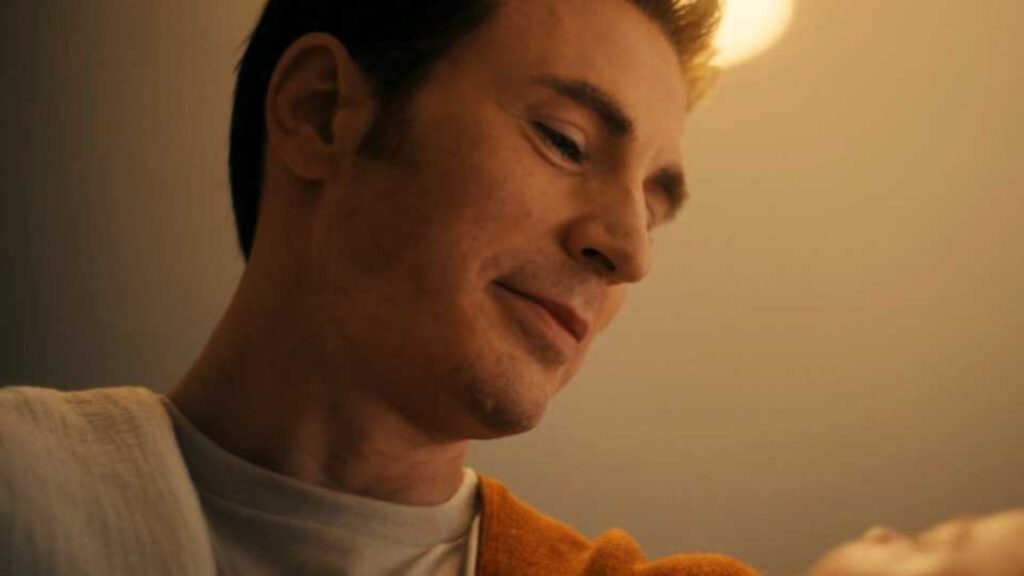
Once you factor in that unprecedented delay, several of Marvel’s most controversial choices surrounding ‘Avengers: Doomsday’ suddenly feel far more logical. The decision to bring back Downey Jr. and Chris Evans into the fold is not merely a matter of nostalgia. It’s about stability. Marvel is resting on the shoulders of characters and actors who immediately restore emotional continuity with the audience. They are reminders of why people fell in love with the MCU in the first place.
In case you missed it: Why ‘Avengers: Doomsday’s Doctor Doom Feels Rushed Despite The Hype
In a franchise that thrives on shared memory, familiar faces act as emotional shortcuts. They assist in bridging the gap between the eras that would otherwise seem to be disconnected. It is particularly crucial as the MCU has grown into Disney+ shows, multiversal timelines, and radically different tones. The long pause also contributes to the fact that ‘Avengers: Doomsday’ is more of a re-centering movie than an escalation.
The film must do several tasks simultaneously, unlike ‘Infinity War’, which had years of steady build-up. It needs to remind the audience of the significance of the Avengers, explain the stakes of the Multiverse Saga, and assure them that Marvel has a sense of direction. ‘Avengers: Doomsday’ did not simply inherit a longer wait; it was preconditioned by the circumstances that no other film of the Avengers series had ever encountered.