
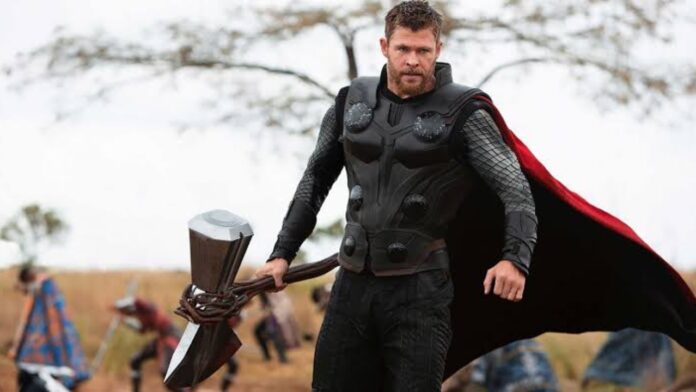
The Marvel Cinematic Universe has never been shy about spectacle. When the Avengers come together, viewers anticipate the clash of gods, the destruction of cities, and the universe ripping holes in reality. However, ‘Avengers: Doomsday’ seems to be approaching the matter more softly and more emotionally calculated.
The film subtly sidelines one of the MCU’s most powerful new characters before the battle even begins. Instead of presenting all the possible powerhouses against Doctor Doom, Marvel appears to be making a deliberate storytelling decision: not all heroes are to be on the battlefield. And, surprisingly, the secret of that choice is not with Doom himself, but with Thor, and a very personal prayer.
How ‘Avengers: Doomsday’ Rewrites Thor’s Role
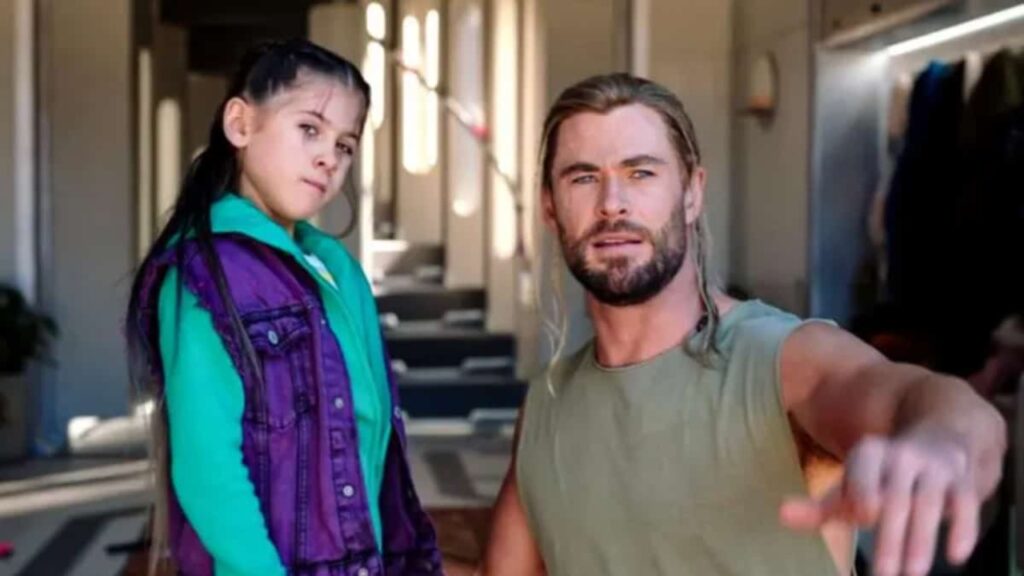
The teaser trailers for ‘Avengers: Doomsday‘ have been revealed in ways that go beyond plot setup. One depicted the reappearance of Steve Rogers in a new stage of life. The other provided us with a very intimate look at Thor, not in the midst of a fight, but in silent contemplation, praying to Odin for help. It is not only the emotion in the voice of Thor, but the purpose of what he says. One thing is very clear in his prayer: Thor is not fighting to win only. He’s fighting to return home for his daughter, Love.
Related: Why ‘Avengers: Doomsday’ Feels Different From Every Avengers Movie Before It
It is not a cry of glory or conquest. It’s about balance. He requests power to overcome one more foe, not endless battles, and clearly says that his mission is to return to Love, not as a soldier, but as a loving father. That wording matters. It reinvigorates the role of Thor in ‘Avengers: Doomsday‘ as a person who knows the price of never-ending war. More to the point, it heavily suggests that Love, a child brought back to life and given the power of Eternity itself, will not be joining the battle against Doctor Doom.
This is a significant contrast to ‘Thor: Love and Thunder‘, which concluded with Thor and Love going into battle side by side. At the time, Thor appeared to be happy to include Love in combat. Now, having a threat as existential as Doom, Thor draws a line. By doing this, the MCU is essentially depriving the conflict of one of its most powerful characters. And it’s because she is incapable of fighting, but because she shouldn’t.
Why Keeping Love Out Makes ‘Avengers: Doomsday’ More Dangerous
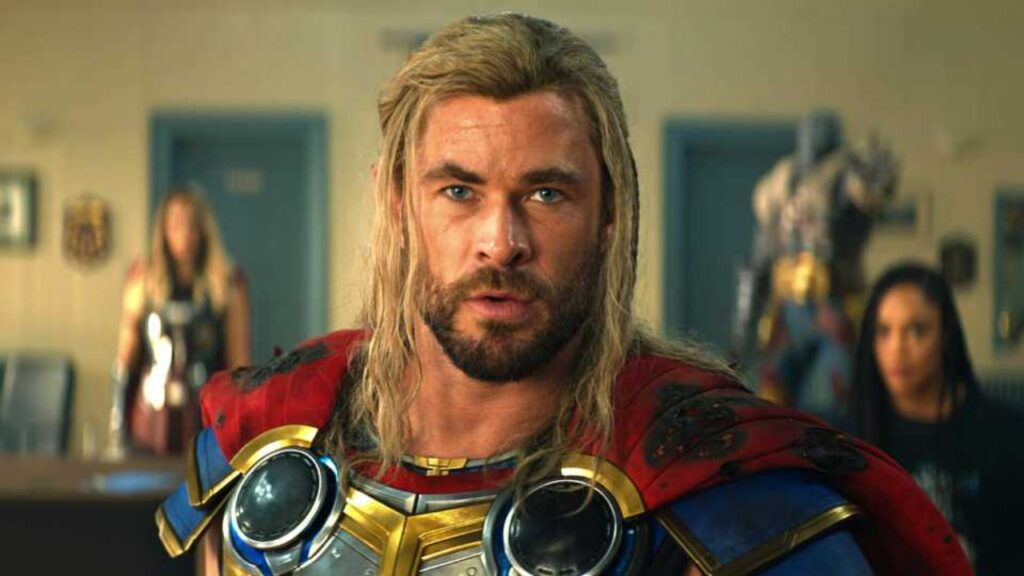
In the pure power-scaling sense, the absence of Love may be frustrating. She’s god-tier. She directs cosmic energy without difficulty. In a movie centered on Doctor Doom, a villain expected to rival Thanos in both intellect and power, every advantage should matter. However, Marvel has long known that unchecked power can shatter stakes. When all the gods, cosmic beings, and reality-changing heroes appear simultaneously, the tension disappears. ‘Avengers: Doomsday’ seems to be taking that lesson.
In case you missed it: ‘Avengers: Doomsday’s X-Men Teaser Revealed MCU’s Darkest Villains Yet
More to the point, the fact that Love is not involved in the war is consistent with Thor’s personal development. Thor has always identified himself with fighting. At this point, having lost almost everything, family, home, identity, he has something delicate and invaluable to defend. His moderation is not cowardice; it is development. However, this decision is also the seed of future conflict. Love isn’t powerless or naive. She knows what she can do. Thor himself has trained her.
In her own view, it might seem like a betrayal of duty to remain out of a fight that might destroy the universe. As a child with superhuman powers, it might be too much to be told to step aside as others are in pain. Ironically, taking Love out of the battlefield can make ‘Avengers: Doomsday’ more dramatic. Doctor Doom is even more dangerous without all the cosmic wildcards at his disposal. Victories feel earned. Losses feel real. And if Love does step into the spotlight later, it will be because she wasn’t rushed there by spectacle, but shaped there by consequence.