

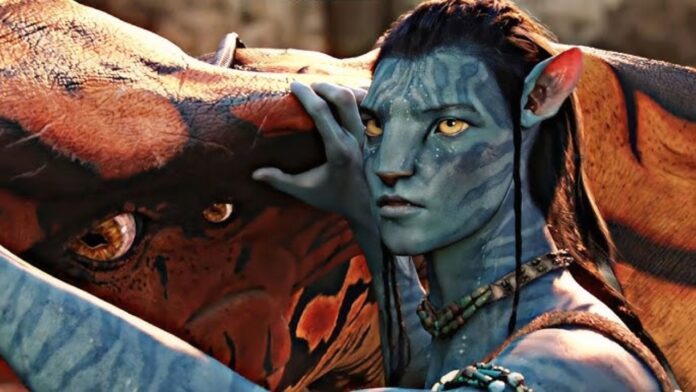
Over the years, fans of Avatar have been silently grappling with a nagging question: why did Jake Sully, who at one point in his life was able to unite the Na’vi by transforming into Toruk Makta, leave that ability behind in ‘The Way of Water’ when Pandora needed him the most?
As ‘Avatar: Fire and Ash’ brings Toruk back to the narrative, James Cameron’s saga finally forces that mystery into the spotlight. Unsurprisingly, the answer is much more emotional than it might seem.
Jake Sully’s Most Powerful Weapon Was Also His Greatest Regret
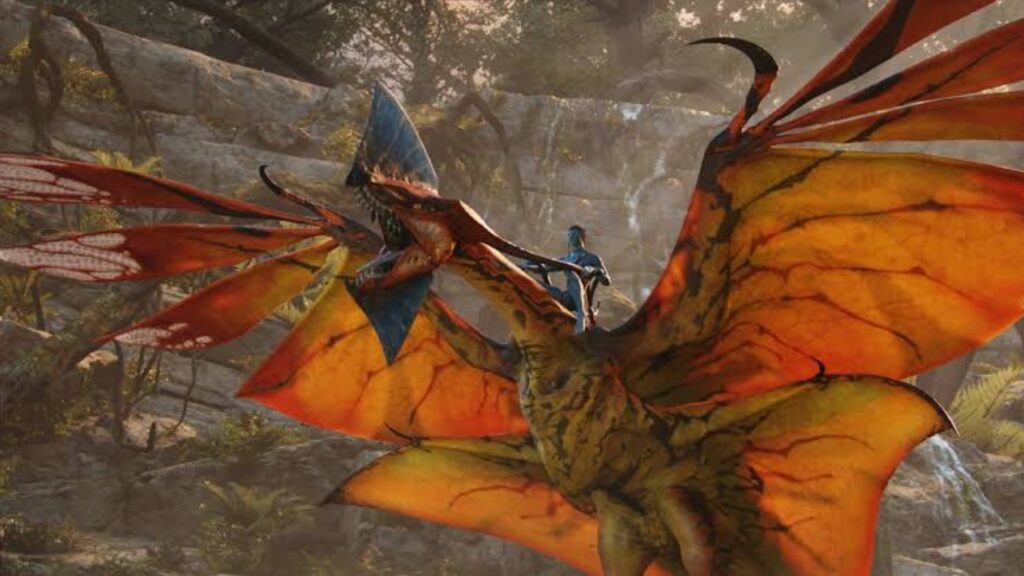
On the face of it, the choice made by Jake is puzzling. Toruk Makto is not merely a name, but the final emblem of unity and defiance of the Na’vi. To relinquish it is like renouncing fate. However, as ‘Fire and Ash’ and the expanded canon release, Jake was not afraid of losing control. He was afraid of living with the price of winning.
In ‘Fire and Ash’, Jake gives a purposefully ambiguous explanation as to why he does not want to reclaim Toruk Makto. “When you ride the beast, you become the beast,” he says, suggesting bloodlust and destruction.
Related: How ‘Avatar: Fire And Ash’ Turned Kiri Into Its Most Important Character
That line, in itself, is poetic but unsatisfying, particularly when Jake later chooses to fly Toruk again anyway. The absent emotional reasoning is beyond the films. The canon comic ‘Avatar: The Gap Year – Tipping Point’ fills in what the movies only gesture toward.
In it, Jake recalls the Battle of the Hallelujah Mountains and discovers something terrible: the Toruk Makto myth not only gives people hope, but it also inspires sacrifice.
Young Na’vi warriors went to battle with him because they believed in songs, myths, and destiny. Many of them died. Jake did not consider himself a monster. He considered himself a beacon of faith that he could never secure. That guilt redefines everything.
Jake does not give up on Toruk because it is unsafe for him. He gives up because it is unsafe for others. Becoming Toruk Makto transforms him into a symbol larger than life, one that draws people into wars from which they may not emerge.
‘Fire And Ash’ Turns Jake’s Return Into A Tragic Necessity
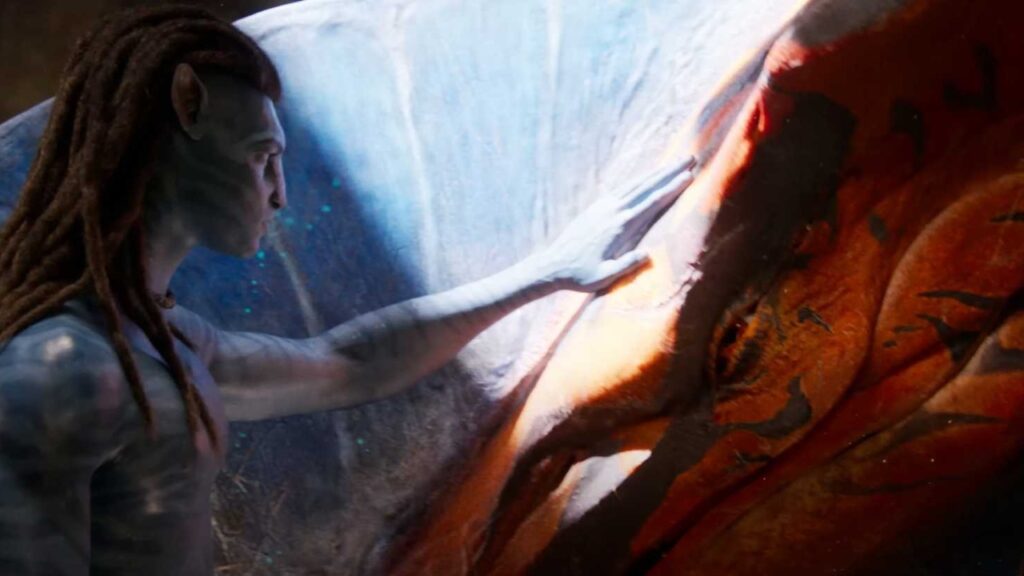
That’s what makes Jake’s return to Toruk in Fire and Ash hit harder than it initially seems. This isn’t a triumphant reclaiming of lost glory. It is a grudging acceptance that, at times, the worst is the only choice.
The narration by Lo’ak, “Toruk loved my father”, is another emotional touch. The relationship between Jake and Toruk is not corrupt and sinister; it is strong and reciprocal. That makes their separation even more tragic. Jake did not walk away because the relationship was not right.
In case you missed it: James Cameron Reveals How ‘Avatar’ Nearly Had A Very Different Jake Sully
He left because it was too effective. By the time Jake can transform back into Toruk Makto, it’s not because he’s rediscovered his confidence. The reason is that the war is reaching a point where restraint is no longer life-saving. The distinction is that this time, Jake knows what he is unleashing.
‘Fire and Ash’, in that regard, does not conflict with the previous decisions of Jake. It completes it. Power was never the issue with Toruk Makto; it was responsibility. Suddenly, Jake’s most controversial decision isn’t a plot hole at all. It’s the quietest, most human moment in the entire Avatar saga.
You might also like to read: Best Movie Trilogies That Never Let Audiences Down