

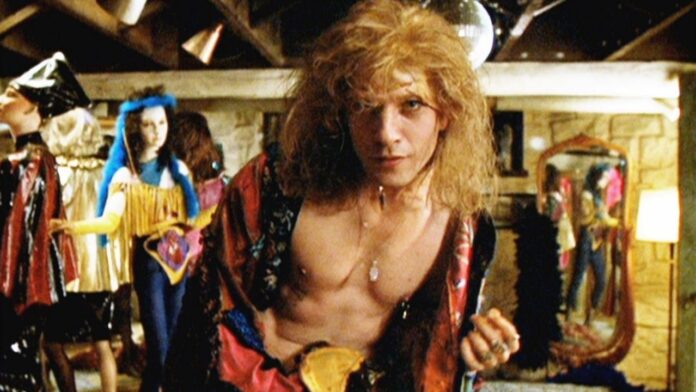
More than three decades after terrifying audiences, the legacy of the Oscar-winning thriller, ‘The Silence of the Lambs,’ is being re-examined, this time by the man behind its most disturbing character.
As the film celebrates its 35th anniversary, Buffalo Bill actor Ted Levine has openly admitted the movie’s portrayal of gender identity crossed a line, reigniting long-running criticism that the story reinforced harmful stereotypes.
Ted Levine Calls Out ‘The Silence of the Lambs’
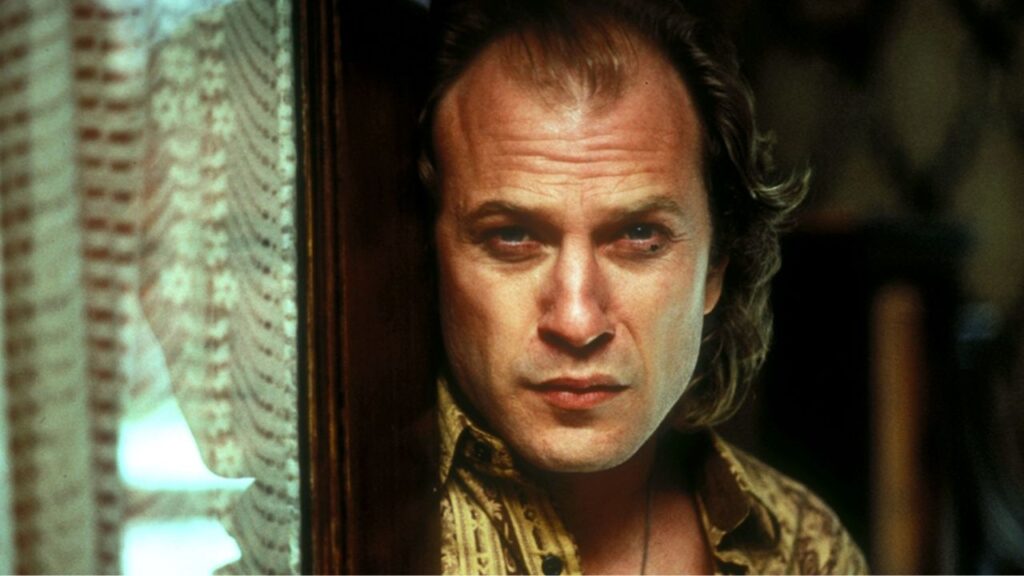
During a new anniversary interview, Levine reflected on the controversy that has followed the movie for years. He said the cultural understanding around gender identity has evolved, and looking back, parts of the script now feel uncomfortable to him.
He admitted some dialogue and ideas in the film simply don’t hold up today. After gaining more awareness about transgender experiences over time, he concluded the story unfairly vilified something it should not have. Levine did not soften his words, stating plainly that the handling of the topic was “f—ing wrong.”
Related: Guy Pearce Thinks He Was “No Good” In The Film That Changed Psychological Thrillers Forever
The thriller follows FBI trainee Clarice Starling working with imprisoned psychiatrist Hannibal Lecter to capture serial killer Jame “Buffalo Bill” Gumb, a murderer who skins women to create a “woman suit.” The script never explicitly calls the character transgender, and Lecter even insists he is “not really transsexual,” yet the plot includes his failed attempt at gender-affirming surgery, which many viewers interpreted as linking queerness to violence.
Levine explained that at the time of filming, he never considered those implications. Only after working with trans people and learning more about gender identity did he realize how the portrayal could harm real communities.
Levine Explains His Original Approach To Buffalo Bill
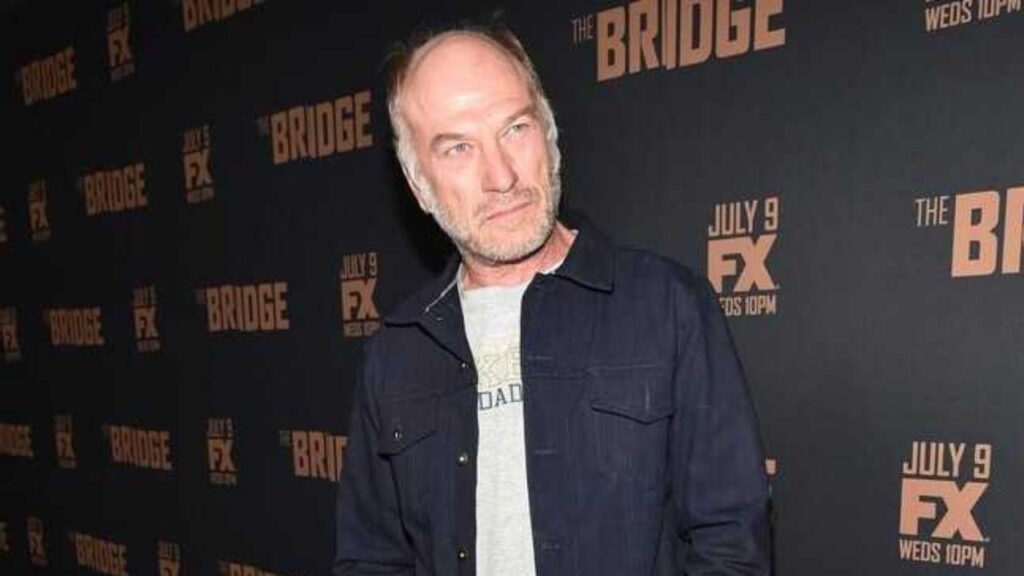
The actor clarified he never performed the role as a gay or transgender character. He approached Buffalo Bill as a psychologically damaged heterosexual man. The character originated in Thomas Harris’ 1988 novel and drew inspiration from real killers such as Ed Gein, Ted Bundy, and Gary Michael Heidnik. That background contributed to how the team interpreted him during production.
In case you missed it: How A Japanese Ronin Inspired Clint Eastwood’s Man With No Name In ‘A Fistful Of Dollars’
Producer Edward Saxon admitted the filmmakers also failed to foresee the backlash. They believed they were faithfully adapting the book and saw Buffalo Bill purely as a disturbed individual. Saxon said they “missed it” when it came to understanding how stereotypes could hurt people.
He added that the portrayal never came from malice but acknowledged the lack of sensitivity. From their perspective, the character adopted traits from society due to sickness, yet audiences understandably connected it to harmful assumptions about queer and trans communities.
The controversy never disappeared and resurfaced decades later in the sequel series ‘Clarice‘, which introduced a transgender character played by activist Jen Richards to directly confront the impact of Buffalo Bill’s notoriety. Even with the criticism, the film’s achievements remain historic. It became the first horror movie, and still the only one, to win Best Picture while sweeping the Academy Awards’ Big Five categories.
You might also like to read: How ‘A Streetcar Named Desire’ Turned Marlon Brando Into A Method Acting Icon