

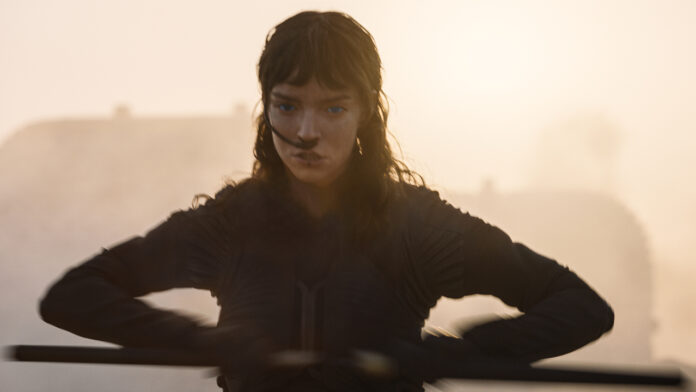
When the first teaser for Denis Villeneuve‘s ‘Dune: Part Three‘ was released earlier this month, there was one detail that caught everyone’s attention: the fact that the story jumps 17 years.
Unlike the 12-year gap between Frank Herbert‘s Dune and Dune Messiah in the books, the film adds five extra years. That change shifts the story of House Atreides and puts its most dangerous daughter front and center.
How The Extended Time Jump Transforms Alia Atreides

At the end of ‘Dune: Part Two,’ Alia Atreides has not been born yet. She appears only as a vision with Anya-Taylor Joy as an adult, whispering prophecies to her brother Paul while still in their mother’s womb. She was always set to grow up fast after being born just after the Battle of Arrakeen.
Related: Did ‘Dune: Part Three’ Just Rewrite the Books? New Trailer Raises Questions
In the novels, a 12-year time jump turns her into a terrifying teenager, an ‘Abomination’ with the memories of countless ancestors and the skill to kill or manipulate. With 17 years, Alia enters Part Three as a 17-year-old woman fully in control of her dangerous powers.
Why Dennis Villeneuve Chose a Longer Time Jump for Alia Atreides
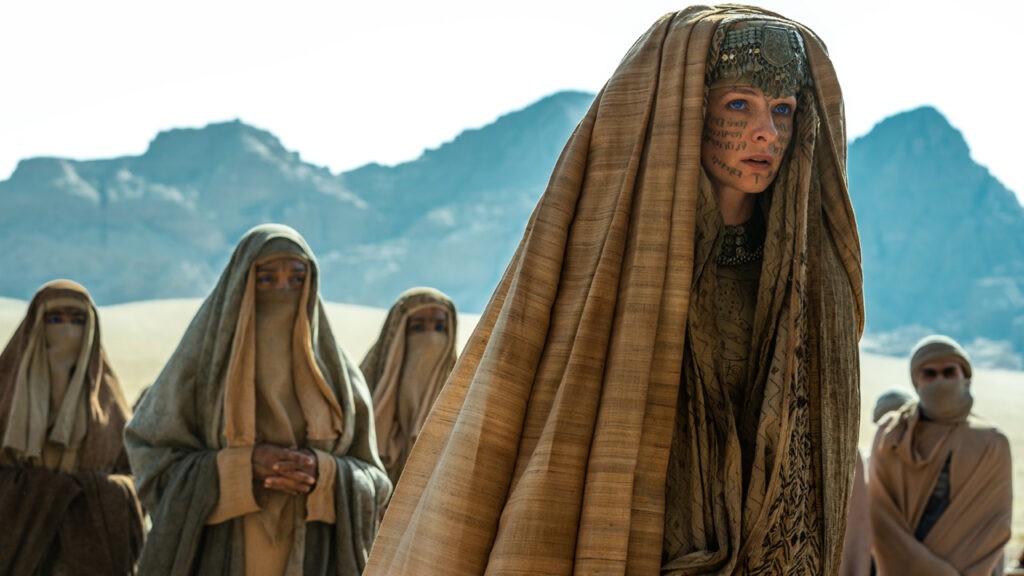
The extra time is deliberate. Villeneuve has called Alia “the anchor of the film,” and the longer jump gives Taylor-Joy room to fully inhabit a role that was limited by a child’s body. She is no longer a strange child reciting ancient wisdom in a high voice.
In case you missed it: ‘Dune: Part Three’: The Real Reason Behind Paul Atreides’ Scarred Look
Instead, viewers see a commanding young woman who moves like a Bene Gesserit and speaks with the weight of the generations. She is not Paul’s little sister anymore; she is his equal, his conscience, and maybe even his downfall.
This growth affects everything around her. In Messiah, her relationship with the ghola Duncan Idaho felt awkward because of her age. The 17-year jump eases that while keeping the tragedy. An ancient soul trapped in a young woman’s body falls for a man rebuilt from the dead.
More importantly, it gives her space to become Regent of the Imperium, high priestess of Paul’s jihad, and the living symbol of the power that is destroying her family. House Atreides rose from the sand but may fall because one of its own has grown too powerful to control.
How the Time Jump Reshapes ‘Dune: Part Three’

Fans are already noticing the effects. The trailer offers brief, powerful glimpses of Taylor-Joy, eyes glowing with fire and a voice that carries the weight of countless lifetimes. Villeneuve seems to be weaving moments from Children of Dune into this one film.
Alia’s descent into madness, her political moves against the Bene Gesserit, and her desperate attempts at love can now unfold with the full intensity only an adult performer can bring.
Paul, played by Timothee Chalamet, may still wear the emperor’s crown, but the real story on Arrakis belongs to the girl who was never meant to grow up so fast. The 17-year jump does more than age the cast. It frees Alia Atreides from the shadows of her brother’s legend and turns her into the force the saga has been building toward.
You might also like to read: How ‘Dune: Part Three’ Turns Jason Momoa’s Duncan Idaho Into Paul Atreides’ Greatest Enemy