
Filmmaking is rarely easy. A director, carrying countless creative ideas and decisions in their mind, not only guides the project, but often treats it like a personal battle against physics, budgets, or even the world itself.
While actors often use method acting to take their craft to another level, directors push themselves far beyond their comfort zones to turn a plot into masterful storytelling, even while facing constant pressure from studios or friction with stars. Here are 10 such examples of filmmakers who went to extreme lengths to bring their movies to life.
10. Abel Gance – Napoleon (1927)
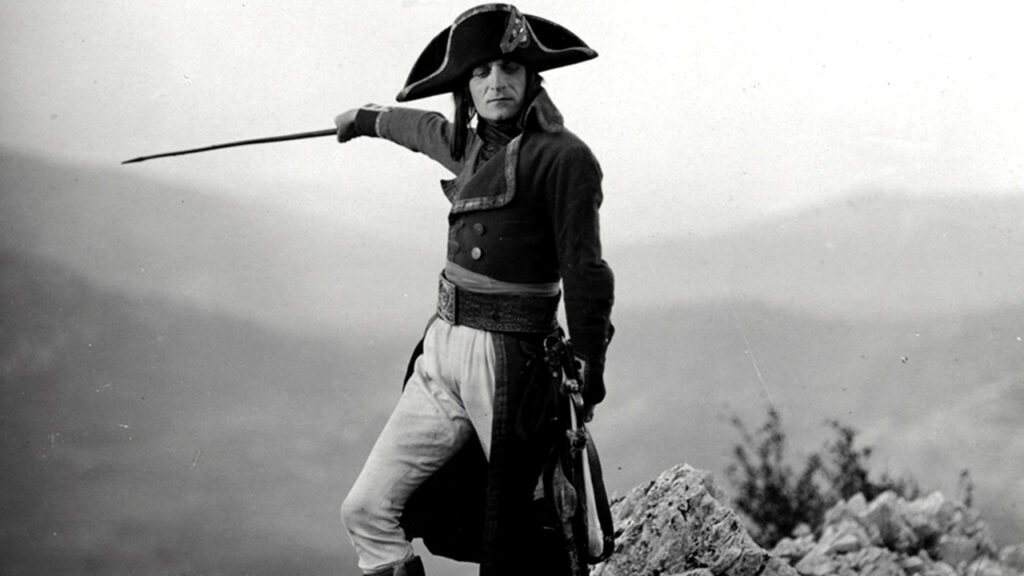
Silent-era pioneer Abel Gance introduced “Polyvision,” an ambitious triple-screen format created by syncing three cameras and three projectors for a panoramic climax. He arranged multiple cameras during filming and projected a 270-degree image to create a wide, immersive scene, long before modern formats like IMAX.
‘Napoleon‘ was very large in scale and needed a lot of effort and technical skill, which proved difficult to repeat. Even so, Gance’s idea changed how films could be made and seen.
Related: 10 Historical Epics You’ll Never Forget
9. Jacques Tati – PlayTime (1967)
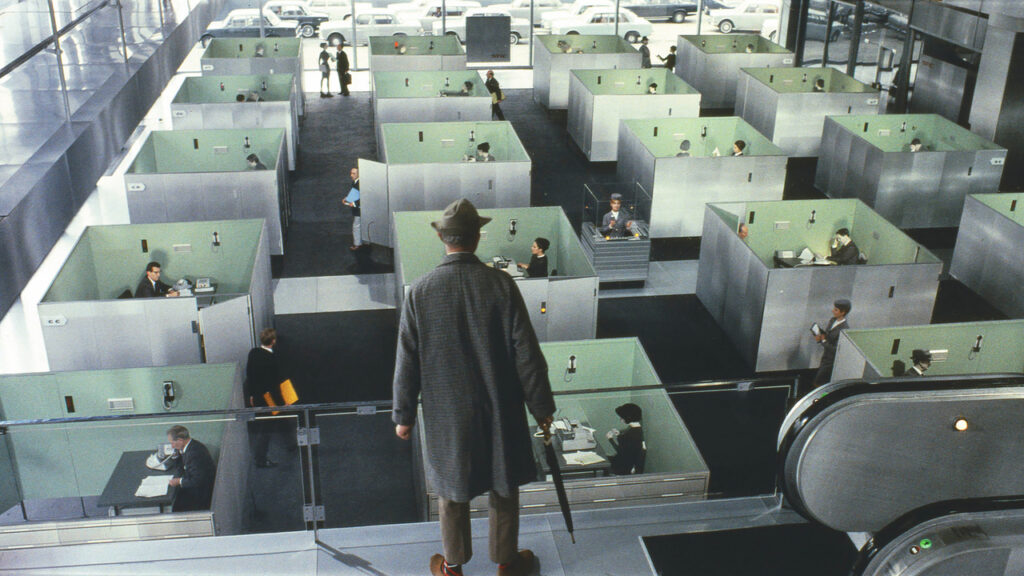
What do you do as a filmmaker when real-life locations do not satisfy you or fit your vision? You create your own. And that’s what Jacques Tati did. The French director spent three months and a huge amount of money constructing ‘Tativille,’ a fully modern city set just outside Paris with tall buildings, offices, shops, and even an airport. However, the set was so large that it was later taken down by government orders.
The shoot went for months inside the world Tati created, using songs with utmost precision and long shots showing the problems of modern life. The expense almost ruined him, but ‘PlayTime‘ is now seen as a landmark satire.
8. Stanley Kubrick – 2001: A Space Odyssey (1968) and Barry Lyndon (1975)
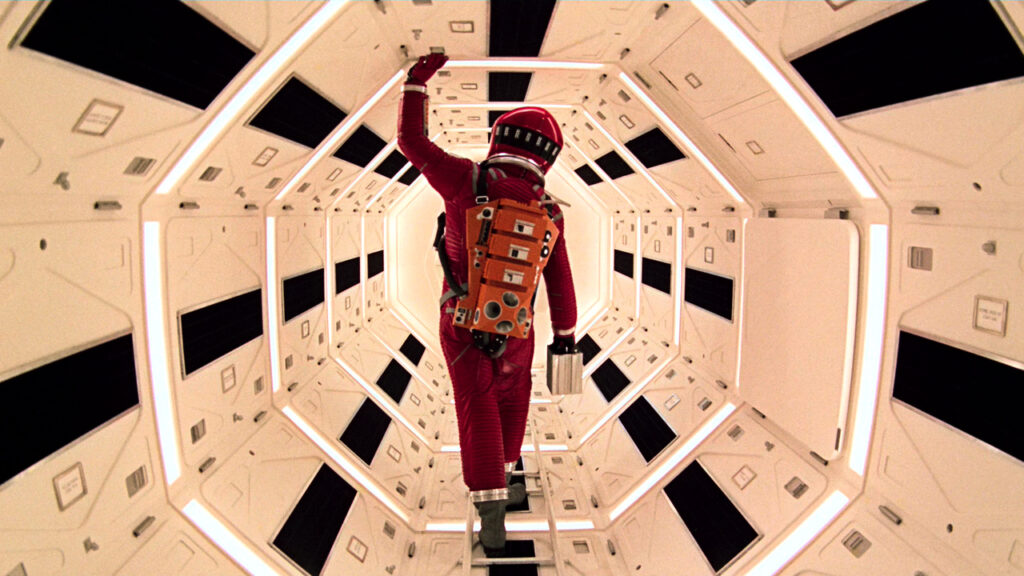
Stanley Kubrick’s obsession with perfectionism knew no bounds. He often went to extreme lengths to get things right, due to which a few actors were dissatisfied working with him. For ‘2001: A Space Odyssey,’ he built a huge rotating set to create the feeling of zero gravity, with performers moving carefully as the structure spun around them.
For ‘Barry Lyndon,’ Kubrick used special lenses originally developed for NASA so that he could film scenes lit only by candles and without any added light. His focus on detail, along with many repeated takes, helped turn his films into some of the most prominent and influential works that still shape cinema today.
7. Alfred Hitchcock – The Birds (1963)
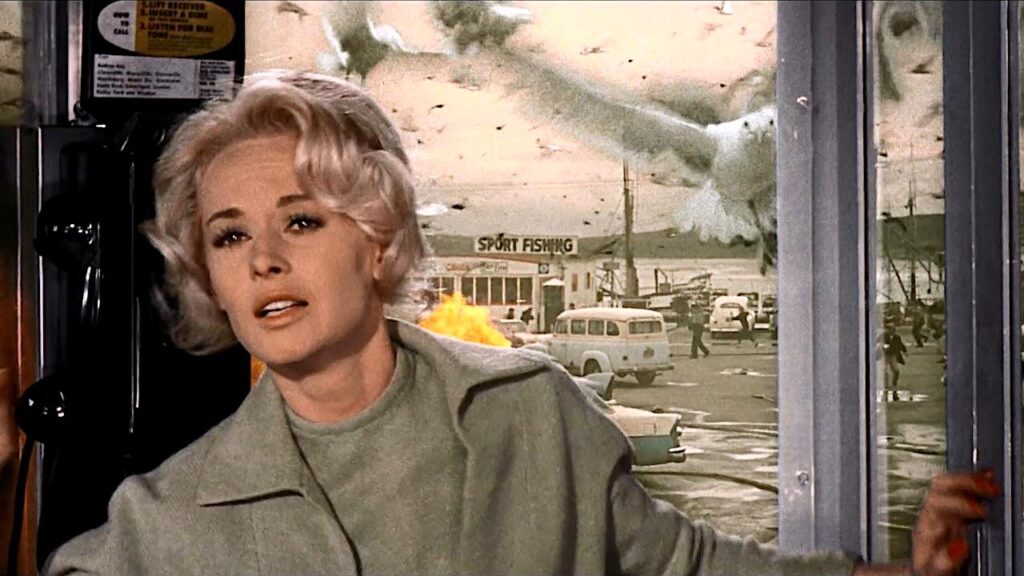
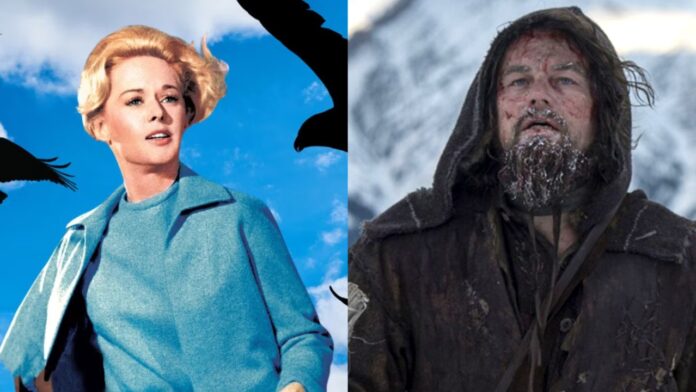
Hailed as one of the most renowned foundational natural horror and survival thrillers of all time, ‘The Birds‘ is also infamous for all the wrong reasons behind the scenes. While filming the movie, Hitchcock refused to use mechanical birds for the climactic attack scene. So what did he do? He sought the help of handlers who threw real seagulls, crows, and sparrows at Tippi Hedren for five days straight. Some birds were even tied to her with thin strings or sent straight at her face.
Now, you know the fear on screen was real. Apparently, Hedren was left injured, exhausted, and, as one would expect, deeply shaken. Hitchcock, who was already known for being difficult to work with, pushed realism over safety, which helped create one of the most disturbing moments in ‘The Birds‘ and added to his reputation as a director who expected total commitment from his actors.
Related: 15 Must-Watch Pyschological Thriller Movies By Alfred Hitchcock, Ranked
6. Terry Gilliam – The Man Who Killed Don Quixote (2018)
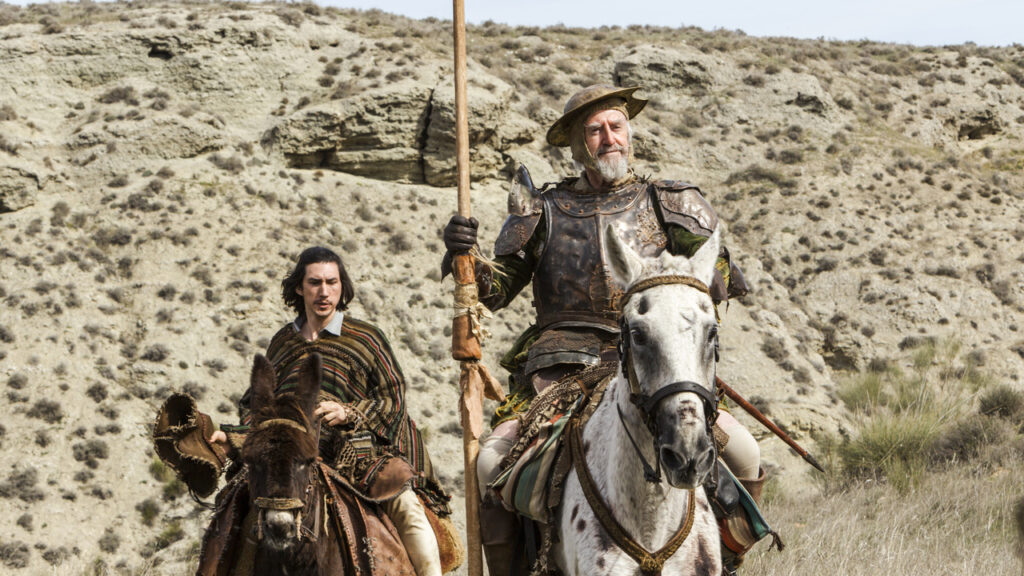
Terry Gilliam spent three decades making this project, while facing one problem after another. When filming finally began, he built large windmills in a short time and then moved across Spain, Portugal, and the Canary Islands, as permits kept changing. One windmill was even constructed over a protected 6th-century village, with an architect present to ensure nothing was damaged.
Even though storms, fires, and economic troubles had ruined earlier attempts, Gilliam refused to give up. With his persistence, he turned a long, troubled production into a finished film, as seen in ‘The Man Who Killed Don Quixote.’
5. Alejandro G. Iñárritu – The Revenant (2015)
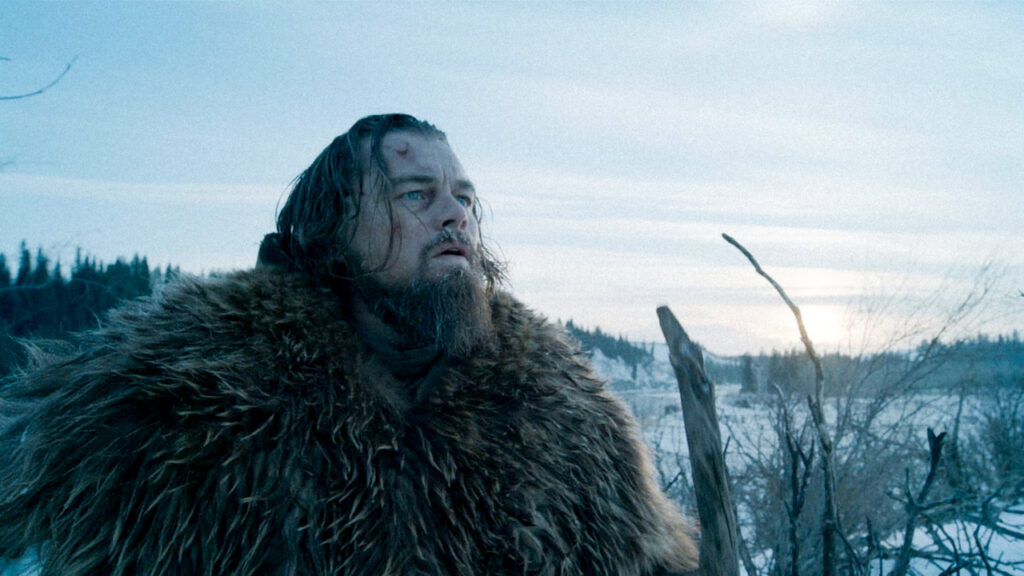
Alejandro G. Iñárritu insisted on filming ‘The Revenant‘ in order and using only natural light, choosing remote locations in freezing conditions. The production began in Canada, before moving to Argentina when the snow melted too early. The cast and crew faced extreme cold, snowstorms, and long delays that pushed the budget far beyond its original limit.
Leonardo DiCaprio himself went through intense experiences, including eating raw bison liver and dealing with the risk of hypothermia. Many scenes were shot in long takes, which meant constant rehearsals as daylight quickly faded. Even though crew members left and production faced ongoing challenges, Iñárritu stayed committed to realism. The result? A harsh and powerful survival story titled ‘The Revenant‘, which earned major awards and acclaim.
4. Michael Cimino – Heaven’s Gate (1980)
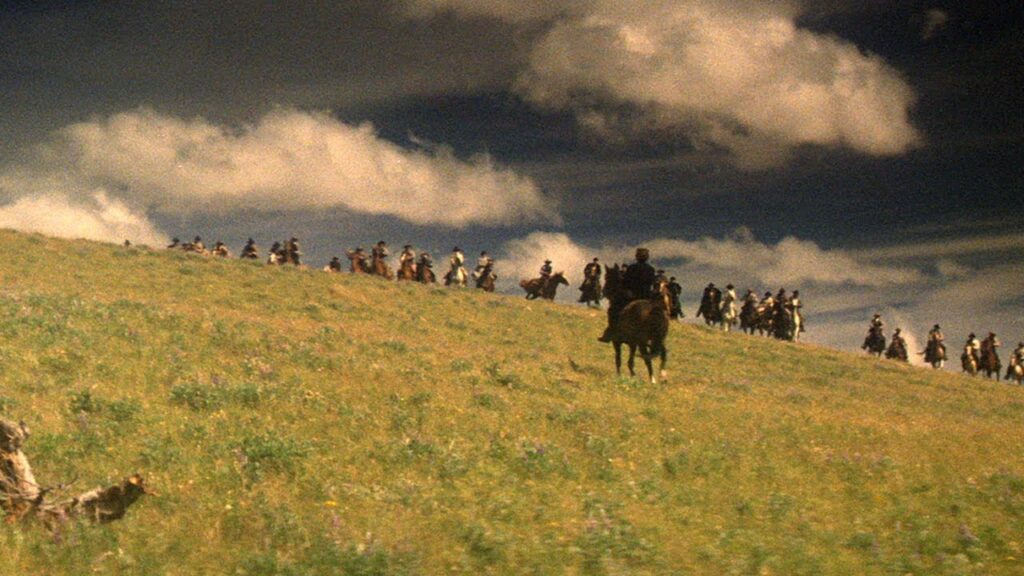
After the success of ‘The Deer Hunter,’ Michael Cimino took on a small Western titled ‘Heaven’s Gate,’ and turned it into a huge and costly project that ended up ruining United Artists. The budget climbed up to $44 million, which would be around $200 million today. He pushed every detail to the extreme. Some scenes were shot up to 50 times. In total, he filmed more than 220 hours of footage.
The production was often delayed just to wait for the right cloud in the sky. At one point, an entire street set was torn down and rebuilt six feet wider because he felt it did not look right. For another scene, a tree was cut down, moved, and put back together just for a single shot. He even had an irrigation system installed under a battlefield set, so the grass would stay bright green against the blood. The film not only bankrupted the studio but brought Cimino’s career to a halt. Even so, the scale of what he tried to do is still talked about today.
In case you missed it: 10 Classic Films That Secretly Outsmarted Hays Code Censorship
3. James Cameron – Titanic (1997)
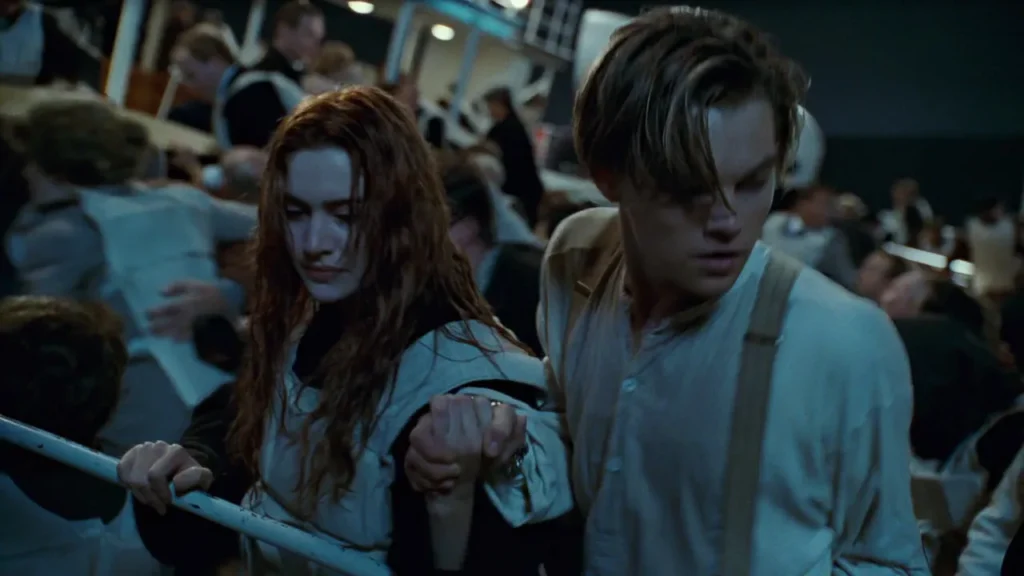
James Cameron went down to the real Titanic wreck 33 times in submersibles to study it up close and gather footage. On one trip, he was stuck underwater for 16 hours. He built a massive 775-foot replica of the ship inside a studio tank in Mexico. Many scenes were shot with real rushing water, so the actors felt the panic and freezing cold for real. To make underwater shots move smoothly, he even helped design a special camera system with small propellers attached to a dolly.
‘Titanic‘ cost about $200 million, which made it the most expensive movie ever at the time. It relied on new digital effects along with real stunts. All that effort paid off, with the film winning 11 Oscars and breaking box office records.
2. Francis Ford Coppola – Apocalypse Now (1979)
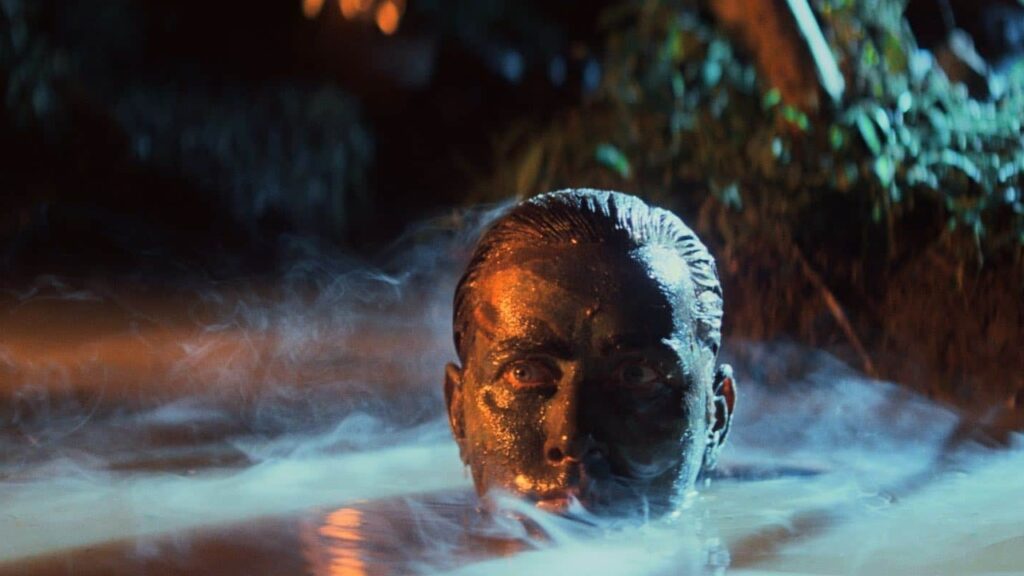
Francis Ford Coppola put up his Napa Valley winery as security to make this Vietnam War film, and then faced a bevy of issues while shooting in the Philippines. Huge storms destroyed the sets twice, which caused long delays. Martin Sheen had a heart attack during filming. Marlon Brando arrived out of shape and was not ready for his role. Even Coppola himself was under intense stress. He fired people on impulse and struggled to keep the production together. There were even claims that real human bodies were used in some scenes to make them feel more real.
The shoot lasted 238 days, and editing took another two years. It almost ruined him financially and pushed everyone involved to their limits. In the end, the film became a landmark in war cinema and is still seen as one of the greatest ever made.
1. Werner Herzog – Fitzcarraldo (1982)
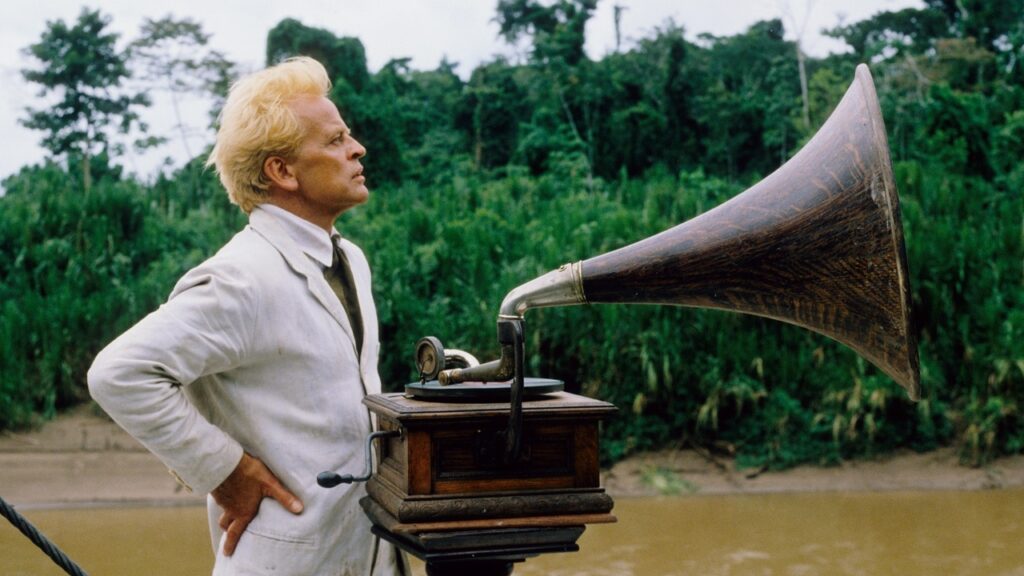
German director Werner Herzog refused to fake the film’s most famous image. He wanted a real 320-ton steamship dragged over a muddy hill in the Peruvian Amazon, so he made it happen without miniatures or effects. The crew pulled the ship by hand using ropes and pulleys.
The shoot lasted three years and was filled with danger. One crew member was bitten by a poisonous snake and cut off his own foot to survive. Two plane crashes left people injured, and one person paralyzed. At one point, a local tribe attacked the camp with arrows, and emergency surgery had to be done on a kitchen table. Even then, Herzog refused to back down. His determination turned the film into one of the boldest achievements in cinema. He later won Best Director at Cannes.
You might also like to read: 25 Classic Movies That Should Be On Every Cinephile’s Watchlist