

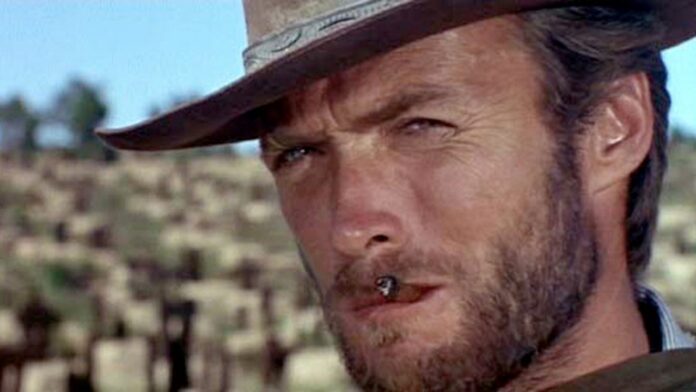
Clint Eastwood’s Man With No Name didn’t just redefine the Western; he quietly carried the spirit of a samurai across continents. The prototype of Eastwood’s iconic drifter was already in place in a much different world long before ponchos, cigars, and dusty Mexican towns became a part of the film legend, wielding a sword in place of a revolver.
In 1964, when Sergio Leone presented viewers with ‘A Fistful of Dollars’, the character was radical. Eastwood’s gunslinger was not a noble or idealistic character like the old Western heroes. He was morally flexible, emotionally distant, and always working an angle. That advantage did not happen overnight.
The Hidden Origin Of Clint Eastwood’s Most Iconic Character
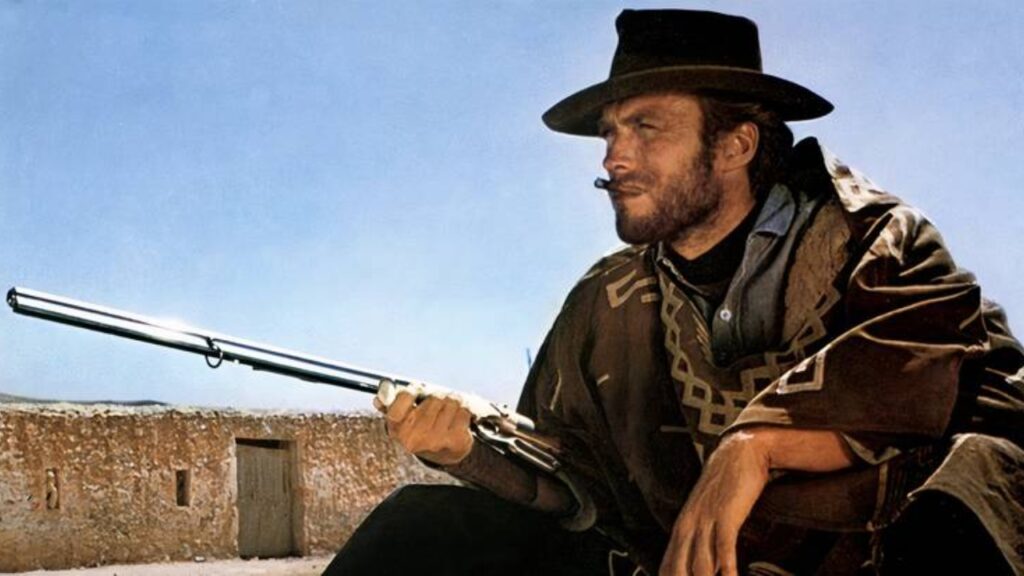
Leone was inspired by the 1961 film ‘Yojimbo‘ by Akira Kurosawa, in which Toshiro Mifune plays the wandering ronin Kuwabatake Sanjuro. The similarities are hard to overlook. The two characters wander into lawless towns divided by warring factions. Both use enemies against one another. And both go away wealthier, leaving behind them a trail of beaten men who never had a chance.
Related: Why Did Angelina Jolie Blame Clint Eastwood For Her Pregnancy With Brad Pitt?
Sanjuro, played by Mifune, is a scruffy, sarcastic, and deadly man who communicates effectively through his posture and timing, rather than speaking much. Leone lifted not just the plot of ‘Yojimbo’, but the attitude of its central character, reshaping it for a Western audience.
Replace swords with guns, Japan with the Old West, and all of a sudden, Sanjuro is The Man With No Name. What came out was something new and threatening to the 1960s Westerns: an anti-hero who did not claim to be good.
One Samurai Performance Rewrote Clint Eastwood’s Screen Persona
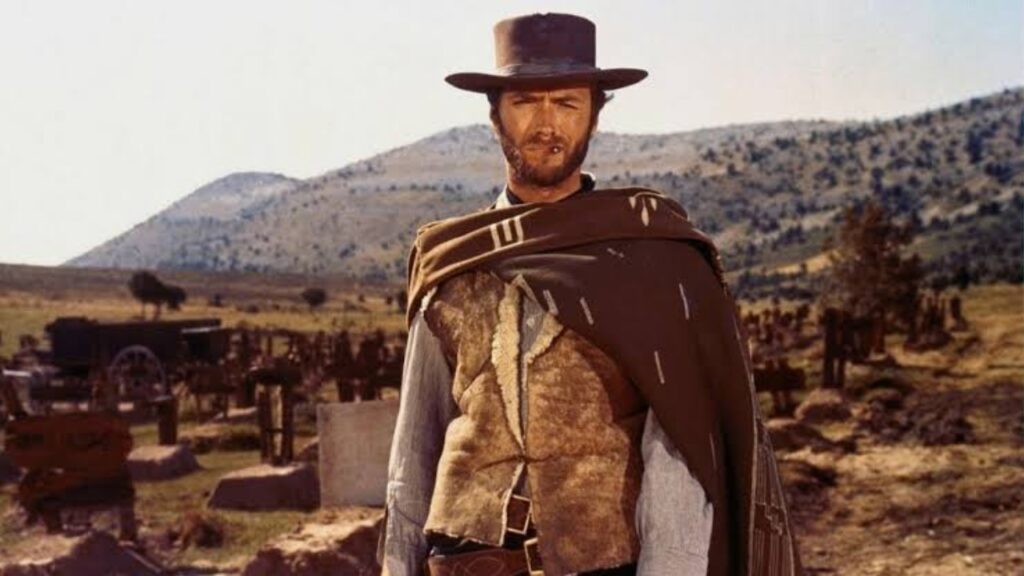
The most interesting part of the connection is that the character translated so naturally. Eastwood’s performance is a reflection of Mifune in minor details: the squint, the easy confidence, the feeling that violence is not rushed. Yet it’s still natural. Neither character brags nor explains. They simply act.
Eastwood would later become a world superstar, but Mifune had already established a comparable legacy in Japanese cinema, starring as invincible warriors in the most influential films of Kurosawa.
In case you missed it: Why Did Clint Eastwood Dump His ‘Muse’ Sondra Locke?
Both actors turned into the representatives of a certain type of masculinity: silent, threatening, and impossible to disregard. The Man With No Name might have been dressed in a poncho, but his heart was made in a samurai movie. I
t is a reminder that cinema does not develop in straight lines; it wanders, steals, and changes. Sometimes, the most American movie myths are born thousands of miles away, sharpened by a sword before ever meeting a six-shooter.
You might like to read: Clint Eastwood’s 1964 Classic ‘A Fistful of Dollars’ Is Getting A Remake