

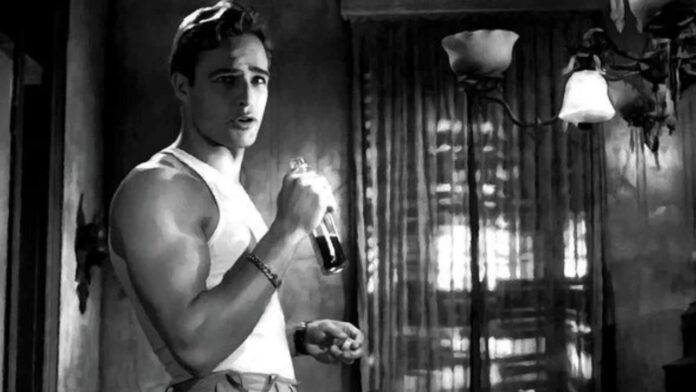
Method acting gets talked about today like it’s a ticking time bomb; something actors use to justify extreme behavior, messy sets, and uncomfortable headlines. But that reputation hardly explains where it truly began on screen, and how Marlon Brando changed Hollywood.
The modern idea of “Method acting” didn’t arrive as a trend. It almost came as a shock. And the performance that made audiences feel that shock first was Stanley Kowalski, the famed Brando, in ‘A Streetcar Named Desire‘.
The Woman Behind Marlon Brando’s Method Approach
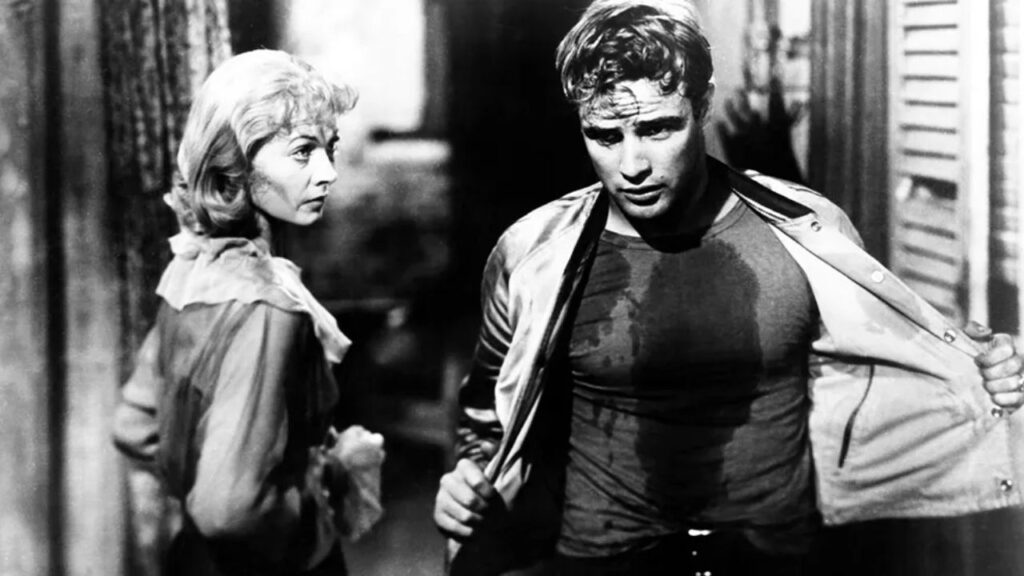
When Marlon Brando came for ‘A Streetcar Named Desire‘, he didn’t really have a specific style audiences were used to seeing in Hollywood. Instead, he brought something raw and physical, like the camera had accidentally captured a real man mid-argument, mid-sweat, mid-mood swing. That’s exactly why his Stanley Kowalski became the performance that introduced method acting to mainstream film. It’s as if viewers were just watching a behavior that felt lived-in and real.
Related: Actors Who Were Completely Absorbed By The Characters They Played
Brando trained under Stella Adler, and her influence guided the way he built Stanley. Adler disagreed strongly with Strasberg and even called substitution “sick and schizophrenic.” She believed actors should not dig into personal pain to create emotion. So, she pushed them to find the truth inside the script and the character’s situation.
Adler taught actors to study the character’s circumstances closely: needs, fears, goals, and the small tasks that happen in every scene. That deep understanding helped emotion rise naturally through empathy. Adler also encouraged improvisation, but she wanted the actor’s choices to command attention and hold the audience’s interest. Brando brought that exact energy into Stanley, and it made him feel real every second he was on screen.
Brando’s Stanley Became The Blueprint For Method Acting
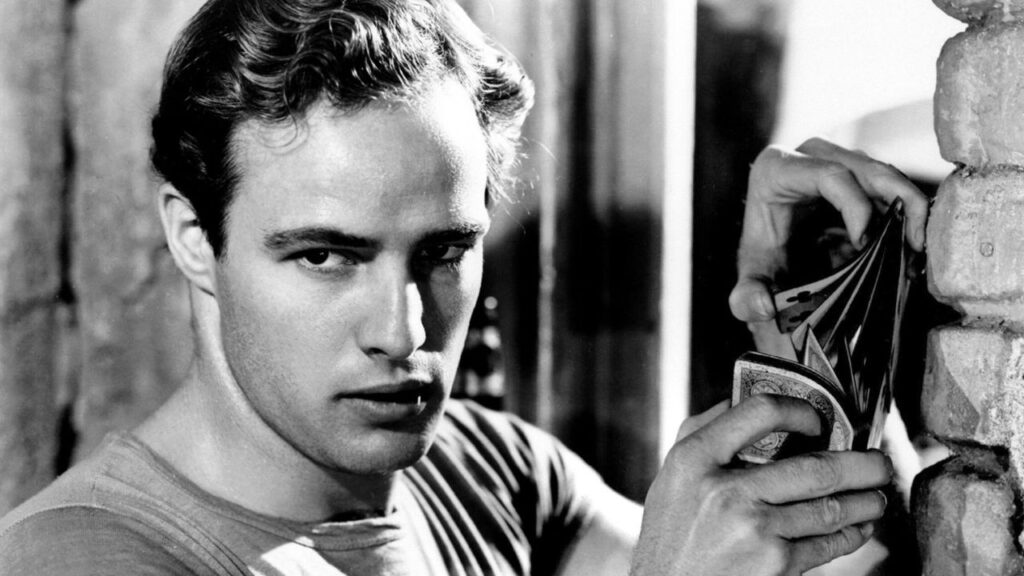
Classic Hollywood acting often looked top-notch even during breakdown scenes. Characters could fall apart, but the actor still seemed composed beneath it all. Brando broke that pattern. He let Stanley look sweaty, greasy, and ugly, and he never tried to soften him for the audience. That made Stanley feel believable, even when he behaved badly.
Brando made him seem like a man reacting in real time, not a character waiting for the script to cue the next violent moment. That is why Stanley stayed tense and alive, even in scenes that did not involve shouting. These small physical actions made Brando’s Method work even harder.
In case you missed it: ‘The Godfather’ Trilogy’s Final Scene Exposes A Major Difference Between Vito And Michael Corleone
Stanley constantly kept his hands busy, like straightening his clothes, opening a beer carefully, chewing a toothpick, and moving through the room as if he owned it. Those tiny details gave Stanley real-life rhythm, because real people rarely stand still and deliver lines like a speech. Brando used those choices to make Stanley feel like a living person.
Brando’s Stanley still feels very much in sync today, and his influence shows up in later actors like Robert De Niro, Dustin Hoffman, and Daniel Day-Lewis. Even though some actors tried to spread a darker reputation, Brando’s Method acting in ‘A Streetcar Named Desire‘ was never about ego or chaos.
You might also like to read: Actors Who Underwent Most Drastic Transformations For Movie Roles