
James Cameron has never been interested in spectacle for spectacle’s sake. In the ‘Avatar’ universe, action is never merely a question of size or devastation, but rather a question of character, culture, and the constantly growing complexity of Pandora itself.
That philosophy culminates in ‘Avatar: Fire And Ash’, the final battle, which is not only intended to impress the eye, but also to make audiences question what they believe they already know about this world.
‘Avatar: Fire And Ash’ Proves Pandora’s Greatest Strength Is How It Keeps Changing
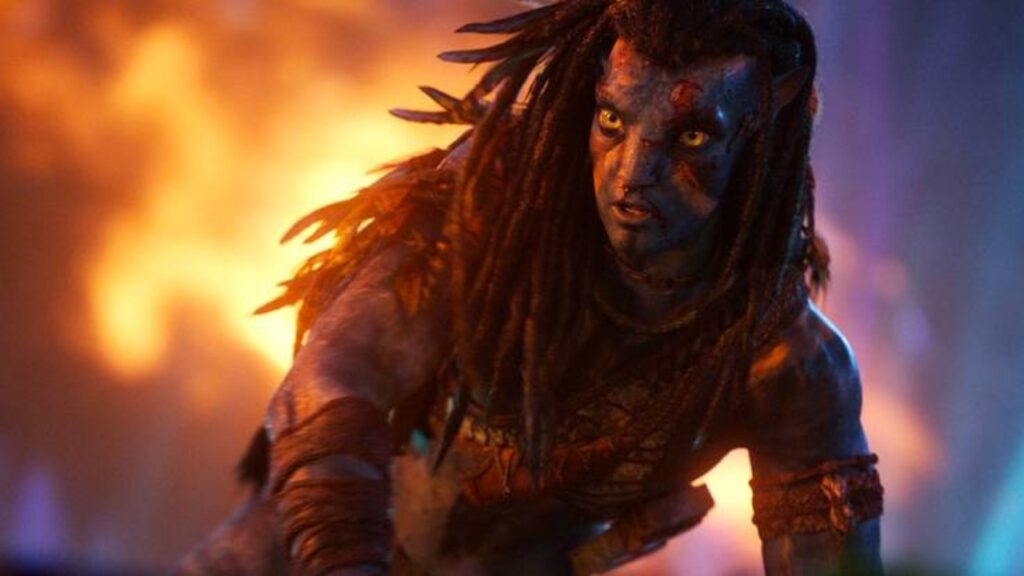
In ‘Fire and Ash’, the last conflict is so powerful not only because it’s huge, but also because it is so carefully designed. Cameron begins by putting the viewers in a familiar place, almost challenging them to think they know where the story is going. Then, at the very opportune time, he breaks that comfort and throws the story into a completely new visual and thematic space. The outcome is a conclusion that is both deserved and breathtaking. It’s the kind of ending that makes us remember why Cameron is unrivaled in terms of uniting war and film fantasy.
Related: James Cameron Is Playing The Long Game With ‘Avatar 4’. Here’s Why
The initial stage of the final battle of ‘Fire and Ash’ is purposefully familiar. Visually, it is like a calculated reenactment of the previous climaxes of the franchise. RDA vessels take control of the skies, and the waters beneath are roaring with life, immediately reminiscent of the aerial attacks shown in ‘Avatar’ (2009) and the water battles of ‘The Way of Water’ (2023). It is a combination of air and water, metal and skin, human technology and Na’vi defiance.
Cameron leans into this familiarity with confidence. The choreography reflects the previous battles, the music reminds us about the past wins and defeats, and even the way some shots are framed seems like a visual handshake with the old-time fans. It feels good, almost nostalgic, as it’s the type of battle that Avatar has always provided. It may seem like Cameron is playing it safe at first. The visuals are beautiful, yes, but familiar.
Pandora is as beautiful as ever, the RDA is as intimidating as ever, and the Na’vi are again ready to overcome impossible odds. Had the film stopped at this point, the criticism of repetition would have hit even harder. But Cameron is too conscious of that. This first half isn’t the destination—it’s the setup. He prepares the audience by basing them on what they are familiar with, which prepares them for the next thing. The battle is big, yet contained. Epic, but comprehensible. And then Pandora itself comes in.
The Eclipse Transforms The Battle And Redefines Pandora
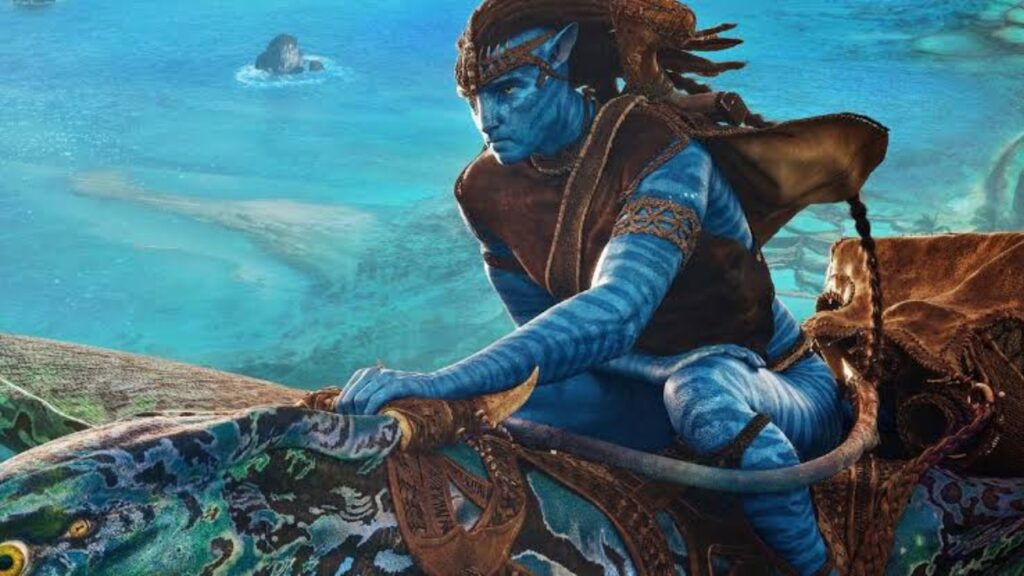
Everything changes when the eclipse begins. This is the point at which ‘Fire and Ash’ ceases to look like anything we have ever seen. The battlefield is covered with darkness, and the rules change immediately. Cameron employs the eclipse not only as a narrative point of departure, but as a visual one. It’s an announcement that the war has now entered a more serious, more explosive stage. The magnetic flux that follows is jaw-dropping in its execution.
In case you missed it: How ‘Avatar: Fire And Ash’ Turned Kiri Into Its Most Important Character
RDA vessels are forcefully drawn into each other, twisting and crashing together as they are pulled into a towering column of fire that turns into the center of the battle. It is anarchy that is drawn with accuracy, a series that is frightening yet hypnotic. It is not merely destruction, but Pandora making its claims in a manner that is primal and completely uncontrollable. Then the Ash People came, and the war escalated even further.
Led by Quaritch and Varang, they represent a chilling evolution of warfare on Pandora. They are the embodiment of the perilous mixture of two worlds, flying Ikrans and carrying human RDA weapons. It is visually a masterpiece. The scene is also very symbolic, proof that the lines between invader and native are becoming increasingly blurred. Kiri’s role at this stage makes the spectacle almost spiritual. Her relationship with Eywa eventually hits a new level when she communicates with the Great Mother of Pandora herself.
Cameron does not rush this moment. The disclosure is sacred, supernatural, and deeply deserved. When Kiri appeals to the power of Eywa, the answer is deafening, new, and familiar wildlife surge into the battle, turning the tide in a way that feels mythic rather than mechanical. Through all this, Cameron does not forget the human price. The fact that Ronal dies after giving birth is heartbreaking, a fact that reminds us that despite the existence of gods and monsters, life and loss are inseparable.
The fact that Quaritch and Jake put their hatred aside to save Spider gives the conflict major emotional depth. Spider’s jump into the abyss is frightening, a scene that is not forgotten easily, even after the fire is extinguished. The fact that Varang retreats, being overwhelmed by Kiri’s powers, is not so much a defeat as it is a fear of the unknown. At the end of the battle, Pandora is bigger than ever before. Not only in size, but in potential. Cameron starts with the known and then goes beyond it, showing us the layers of the world that indicate that we have barely scratched the surface.