

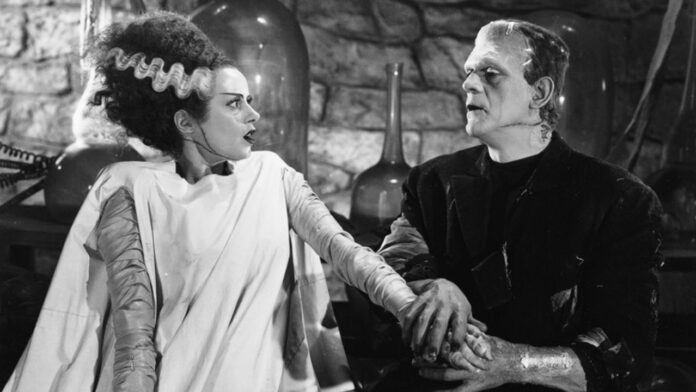
The Bride only shows up at the end of ‘The Bride of Frankenstein‘, but she still ends up being the character people remember most. Sure, she gets less than five minutes on screen, yet the feminism echoes. How? Because she does one thing that the whole story wasn’t built to allow: she rejects the role she was created for.
The Bride screams, refuses the Monster, and blows up the idea that she exists just to make him feel less alone. That’s part of the reason why she’s so etched in our memories. And now, this story is also getting renewed attention, as a new adaptation starring Christian Bale and Jessie Buckley is coming.
The Bride Was Never Meant To Have A Choice In ‘The Bride Of Frankenstein’
The original Frankenstein movie made the Monster a Universal horror legend. But the sequel is where the franchise really found its best version. Director James Whale added more style, special effects, and dark humor, while still preserving the emotional pain that made the Monster such a tragic character. The film also followed Mary Shelley’s version of the Monster more closely, since he’s more literate here and can speak. That makes his loneliness so relevant.
That loneliness is exactly why The Bride exists. Dr. Frankenstein and Dr. Pretorius create her as a “second chance” at building life from death. They piece her together like the Monster, but she’s presented as elegant and imposing, as the experiment has finally been perfected. Still, the point of her creation isn’t her life or her freedom. These men build her for one purpose: to be a companion to a man she has never met.
Related: The Real ‘Frankenstein’ Mary Shelley Actually Wanted Us To See
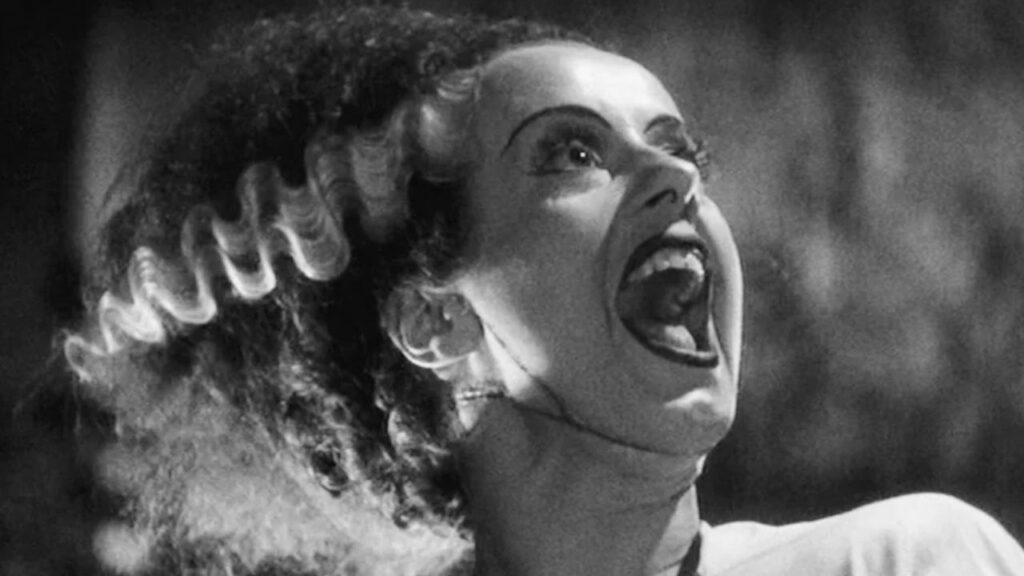
When she wakes up, confused and terrified, the Monster is introduced to her like he’s her destiny. She screams in terror and rejects him instantly. That’s her entire scene, and it’s the reason she became iconic. She doesn’t accept the role she was designed for, and she refuses to become someone’s assigned partner just because men decided it was her job.
Frankenstein’s Bride Refused To Be A “Happy Ending” And Became A Lesson In Feminism
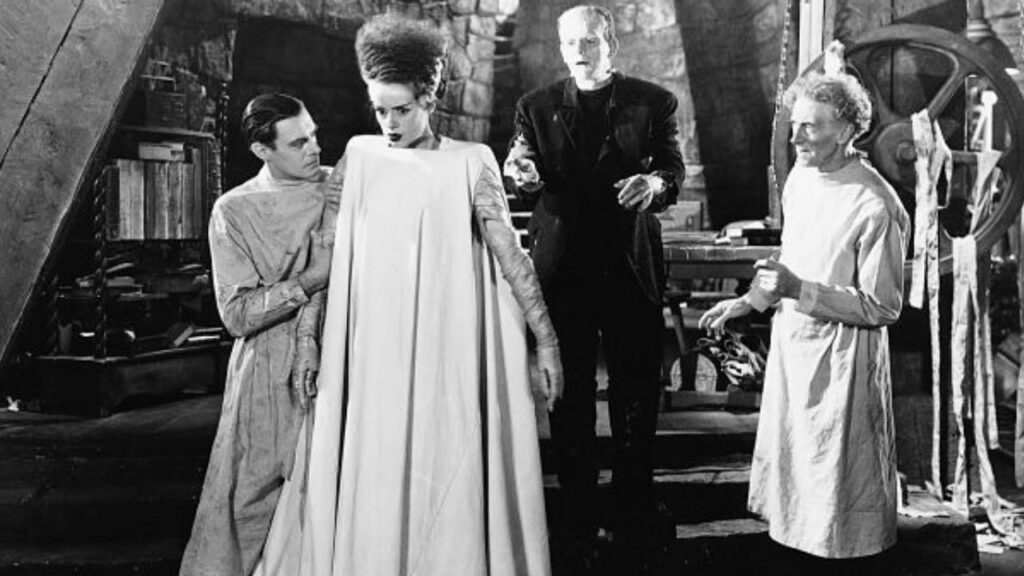
People often see the scene as heartbreaking for the Monster, and it is. He wanted companionship more than anything, and her rejection crushes him because it feels like proof he’ll never belong anywhere. But her reaction is bigger than his pain. Her scream becomes a feminist moment because she refuses to “go along” with the life planned for her.
The Bride never asked to be created. She never asked to be handed to the Monster like a solution. Two men made her body, decided her purpose, and expected her to fall in line the second she opened her eyes. Her refusal says something simple: being created for a role doesn’t mean she has to accept it. That’s why her impact goes way beyond her screen time.
In case you missed it: 25 Must-Watch Gothic Horror Movies Of All Time
The Bride’s rejection becomes her statement, especially for the time this film came out, when women were still expected to accept roles chosen for them without pushing back. The tragedy comes right after.
The Monster realizes that none of this should have happened, and he decides death is the only way out. He kills the Bride and himself, ending the story in devastation. It’s a brutal ending, but it also seals her legacy. She never becomes the happy ending that the men in the story tried to force into existence.
‘The Bride’ Adaptation Proves The Legacy Lives On
The same idea was repeated again and again: women refusing to stay in the role someone else picked for them. Bride of Chucky is a strong example. And, talking of modern horror, Pearl shows how the need for recognition and freedom can turn violent when it becomes obsessive. Now, that same story is coming back.
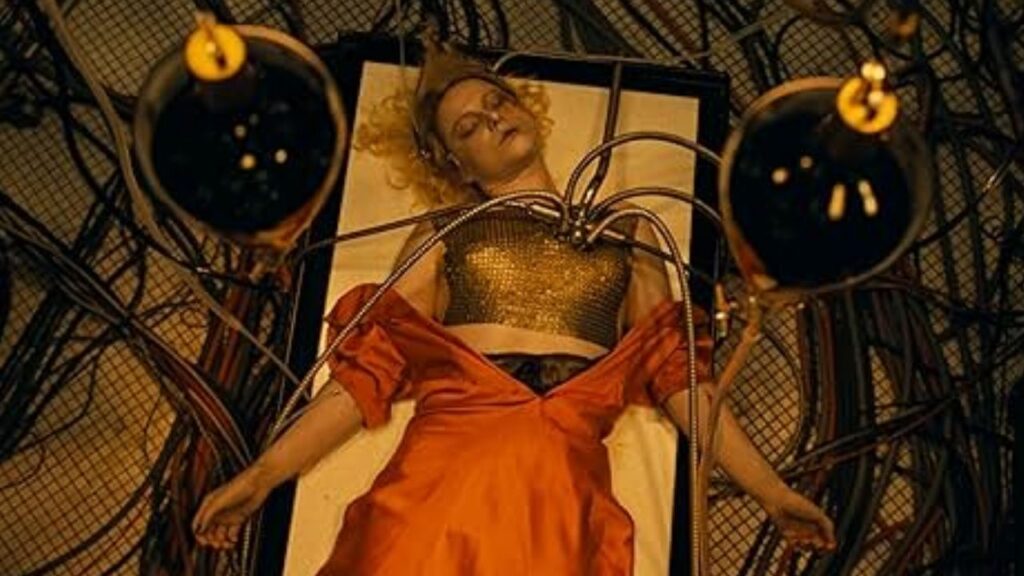
Warner Bros. has released the first trailer for Maggie Gyllenhaal’s horror take, ‘The Bride‘. It stars Jessie Buckley and Christian Bale. As Gyllenhaal wrote, directed, and produced the film, she’s clearly drawn inspiration from James Whale’s 1935 Bride of Frankenstein. It’s basically a sequel to the Universal Pictures classic Frankenstein.
In this new version, Buckley plays the Bride, and Bale plays the creature who asks Dr. Euphronious to create a companion for him. The official synopsis says a lonely Frankenstein travels to 1930s Chicago to get Dr. Euphronious’s help. And, together, they revive a murdered young woman, leading to the Bride being born.
Related: Christian Bale’s Intense ‘The Bride!’ Routine Had The Whole Crew Screaming Too
The Bride eventually becomes “beyond what either of them intended,” and sets off a combustible romance, police attention, and even a wild and radical social movement. The trailer shows us the Bride falling down a set of stairs, and then two figures digging her up from a grave. She asks, “Was I just the same before the accident?” and a male voice answers, “There wasn’t any accident. Everything we did, we did it on purpose.”
The rest of the trailer shows chaos once Frankenstein is paired with his Bride, including them sprinting through an open field, tearing down a chandelier, dancing as if nothing else mattered, and fighting off an angry mob. One scene even shows Frankenstein beating someone to death in an alley, promising the Bride they’ll be together “‘til death do us part.”
Even though the Bride’s screen time in the original film was tiny, the idea behind her was quite impactful. She became a feminist icon because she refused to exist as someone’s solution. And every new version of her story keeps circling back to that same uncomfortable truth.
You might also like to read: ‘Frankenstein’: Is Guillermo del Toro’s Vision Faithful To Mary Shelley’s Classic Novel?