


Not many novels are as passion-inducing as ‘Wuthering Heights’, and the recent film version has shown that even after almost 180 years, the stormy romance can still raise a heated debate. It is not about the moors this time, but about casting.
As the film plays in theaters, one thing is clear: Jacob Elordi‘s Heathcliff remains as provocative as ever. And regardless of whether viewers accept or dismiss this new vision, the discussion demonstrates that the story still has the power to unsettle and to matter.
Jacob Elordi Addresses Fan Backlash Over ‘Wuthering Heights’ Role
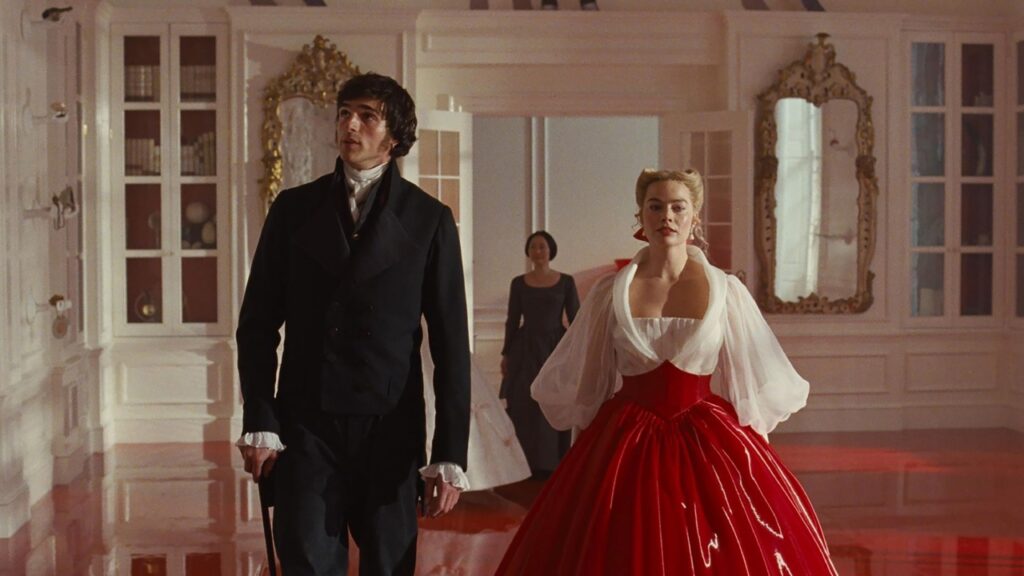
Jacob Elordi has taken over the role of Heathcliff in director Emerald Fennell’s reinterpretation of the Gothic classic. However, his casting immediately became a subject of discussion on the internet, with critics claiming that Heathcliff, who was in the novel described as a dark-skinned gypsy and repeatedly “othered” by those around him, should have been portrayed by an actor of color.
Related: Margot Robbie And Jacob Elordi’s Lusty Reboot Smothers Gothic Classic
Elordi responded to the backlash calmly and decisively in an interview with ABC. Instead of getting into literary wrangles, he stressed the faith in Fennell’s vision. “This is Emerald’s interpretation of the text, and Emerald is an artist that I respect and admire, and I think her work is really important.”
For Elordi, it was a straightforward mission to serve the truth of the screenplay he was assigned to adapt. His reaction is restrained, even measured, in a conversation that has been anything but that.
The Complicated Identity Of Heathcliff
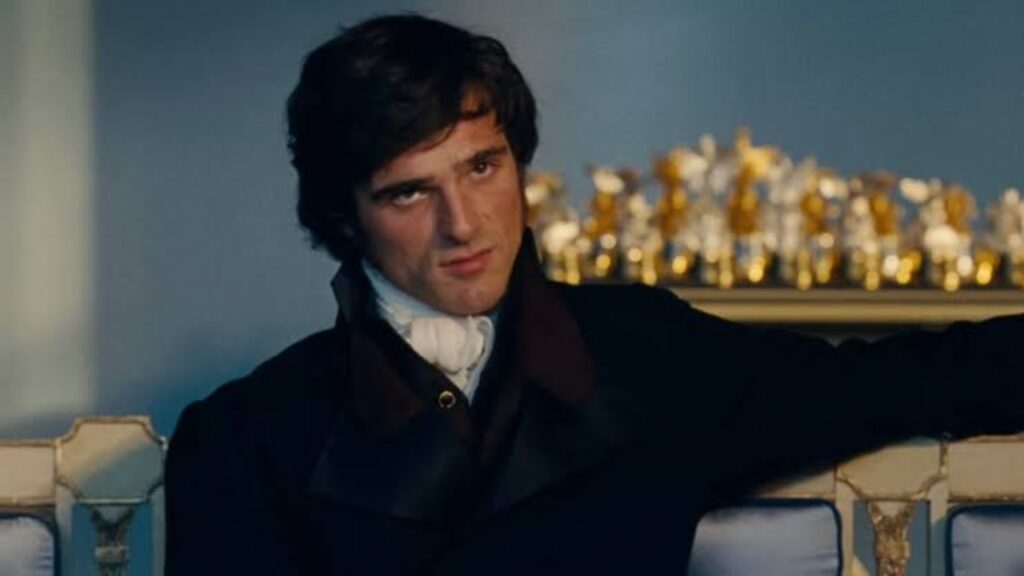
Heathcliff has been a mystery even in literature. He is discovered as a child in the streets of Liverpool speaking an unknown language. And he is treated as an outsider from the time he enters the Earnshaw household. The characters make insults that highlight his perceived racial and cultural differences, such as referencing colonial histories.
In case you missed it: Every ‘Wuthering Heights’ Character Is Tied to the Same Curse. Here’s How
However, Brontue does not clearly define his ethnicity. That vagueness has been a subject of controversy. Some believe that the ambiguity is intentional, and Heathcliff can be used to represent more general ideas of displacement, colonialism, and social exclusion. Some think that casting a white actor is a way of diluting the marginalization of the character in a story that is so deeply prejudiced and cruel in terms of class.
Fennell’s has also been criticized for cutting the second half of the novel and excluding major characters, placing more emphasis on the main romance. To certain fans, such a creative decision adds to the complexity that has been lost. Still, adaptations are, by nature, interpretations. Each generation reinvents classics in its own likeness.
You might like to read: Margot Robbie Says ‘Wuthering Heights’ Pushed Her Into a “Codependent” Bond With Elordi