

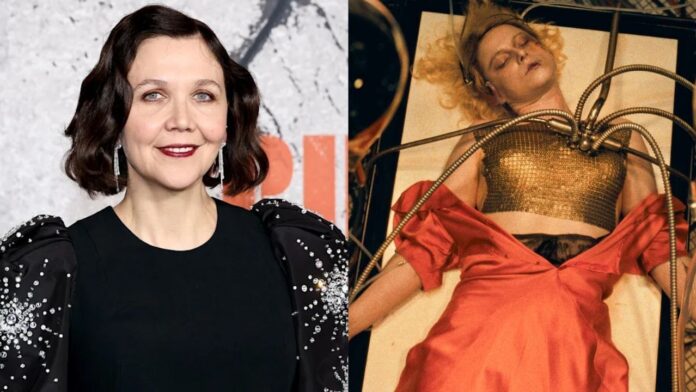
Early test screenings of ‘The Bride‘ have stirred debate over the film’s intense and disturbing themes, especially its graphic depictions of sexual violence.
But writer-director Maggie Gyllenhaal is not backing down from the conversation. Instead, she is openly defending her creative choices and explaining why she believes the brutality in the film is essential to the story she wanted to tell.
Maggie Gyllenhaal Responds To ‘The Bride!’ Criticism
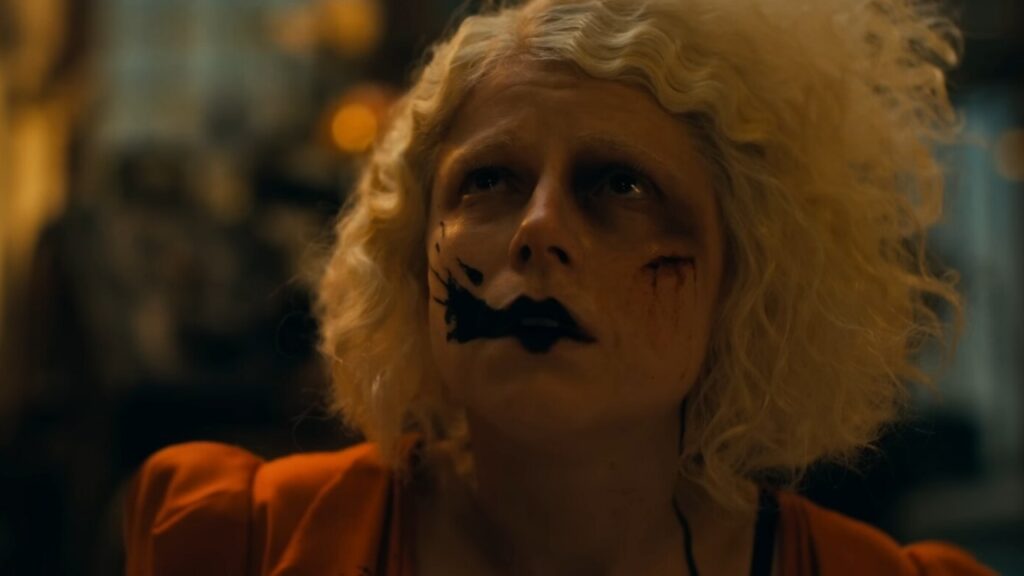
Gyllenhaal’s ‘The Bride‘ presents a dark reimagining of the classic Frankenstein story. We see the Bride, played by Jessie Buckley, whose journey places her in several traumatic situations involving sexual violence.
Throughout the film, the character encounters multiple threats. For instance, inside a shady nightclub, men grope the Bride while she struggles to navigate the chaotic environment. Soon after, danger follows her outside that same club, where another attack takes place. The situation grows even more disturbing later in the story when a sadistic police officer, portrayed by Louis Cancelmi, attempts to rape her on the side of a road.
Related: Christian Bale’s Intense ‘The Bride!’ Routine Had The Whole Crew Screaming Too
Because of scenes like these, early test screenings reportedly raised concerns about how brutally the film portrays sexual violence. Even so, Gyllenhaal says she never intended to soften those moments. While speaking on The New York Times’ “The Interview” podcast, she acknowledged that the scenes can be deeply uncomfortable to watch. At the same time, she explained that avoiding the topic entirely would ignore a reality that exists in society.
“I had a couple of women say, ‘I don’t want to see a woman being violated.’ And I think, I also don’t want to see that,” Gyllenhaal reflected. “And yet that is a major reality in the culture that we’re living in.” Because of that belief, the filmmaker felt it was important to confront the subject directly rather than remove it from the narrative.
In fact, discussions about the film’s violent moments continued even after filming wrapped, especially as she began to hear viewers’ reactions. At one point, Gyllenhaal spoke with a close friend while reflecting on the public response, and the film’s violence quickly came up.
“One of the things that they brought up was the violence: Is it too violent?” she recalled. The discussion then turned toward another question: “I wonder if you had been a man making this movie, if you would have had the same response.”
Why Gyllenhaal Believes The Brutality Is Necessary
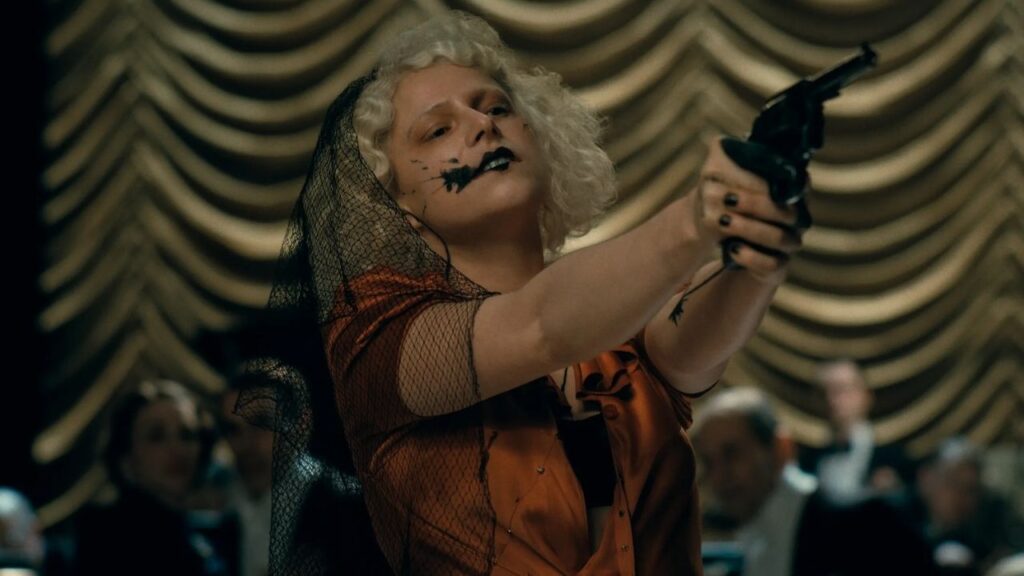
Gyllenhaal explained that she wanted the scenes to reflect what real sexual violence feels like. She believes the intensity of those scenes reflects the reality of the crimes rather than exaggerating them. In her view, showing brutality honestly acknowledges the seriousness of what survivors endure.
In case you missed it: Christian Bale’s Intense ‘The Bride!’ Routine Had The Whole Crew Screaming Too
She argued that portraying assault as something “horrible, brutal, massive, and really difficult to watch” recognizes the true impact of such experiences instead of softening them for the audience. At the same time, she pointed out that the film’s perspective may feel different precisely because a woman directed it.
That idea, in turn, became part of the larger discussion surrounding the movie. Gyllenhaal suggested the reaction to the film might have been different if a male filmmaker had told the same story.
Gyllenhaal also used the story to explore how audiences respond differently to violence depending on who commits it. She pointed out that viewers seemed comfortable watching Frank violently attack the men who threatened the Bride outside the nightclub. In that moment, Frank smashes the attackers who may have been about to rape her.
Audiences often see this type of scene as heroic because they have watched similar moments many times before. However, the reaction changes when the Bride herself becomes violent. Gyllenhaal thinks people seem more uncomfortable when a woman responds with violence in the same way. And the director wanted audiences to question that reaction because she believes society often judges male and female violence differently.
You might also like to read: How Frankenstein’s Bride Became A Feminist Icon In Less Than 5 Minutes Of Screen Time