


Ryan Gosling may be heading into deep space in ‘Project Hail Mary‘, but the roots of his performance go all the way back to classic Hollywood.
Instead of following the usual blueprint of polished astronauts and heroic space figures, Gosling approached the role in a way that feels deliberately different.
A Charlie Chaplin Classic Inspired Ryan Gosling’s ‘Project Hail Mary’ Approach
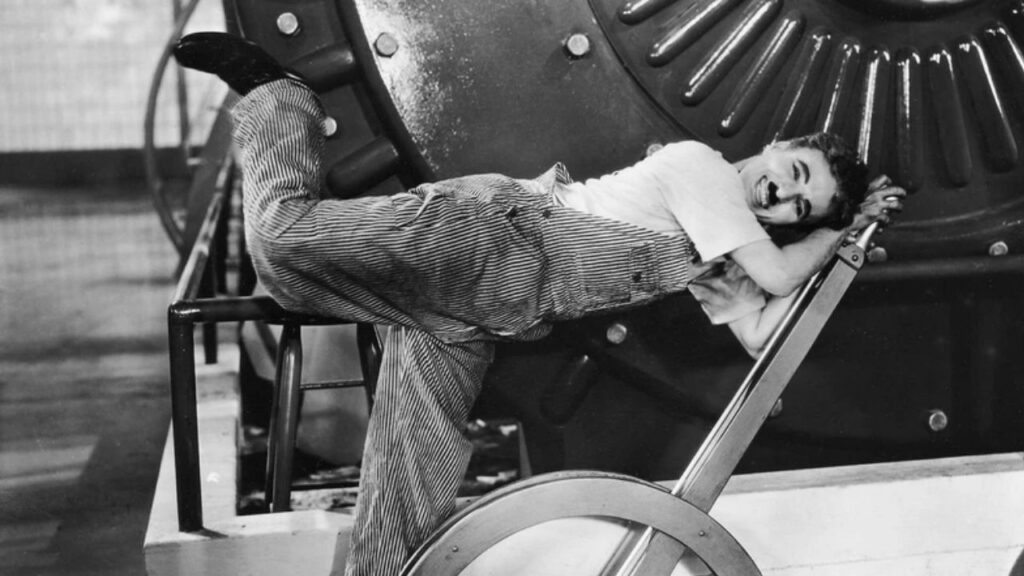
The difference in approach comes directly from Ryan Gosling’s decision to study Charlie Chaplin’s ‘Modern Times‘ while preparing for the role. Instead of relying on typical sci-fi references, he turned to Chaplin’s physical performance to build Dr. Ryland Grace as someone who constantly struggles to stay in control.
Related: Top 25 Silent Films Every Cinema Lover Should Watch
The film itself follows Grace, a scientist pulled back into action when a mysterious energy begins dimming the sun, forcing him into a high-stakes space mission to investigate a distant star. Despite his scientific knowledge, he lacks astronaut training, making him an unlikely choice for such a critical task; and that’s exactly what Gosling focused on.
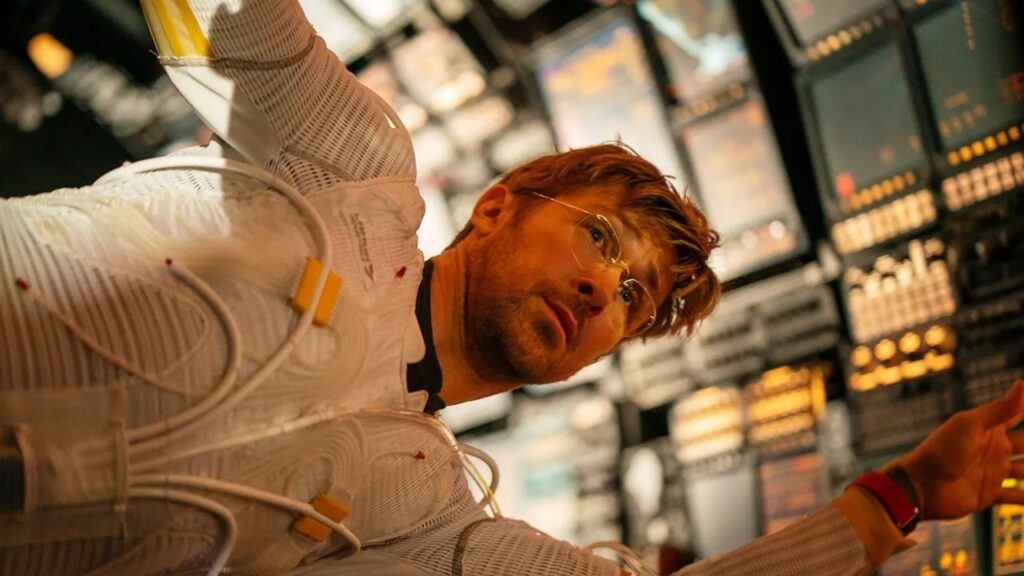
Gosling used that very mismatch to guide his performance. He portrayed Grace as someone who reacted in real time, often unsure, physically off-balance, and trying to catch up on situations he never expected to face.
Why Chaplin Became Gosling’s Key Reference
Charlie Chaplin’s ‘Modern Times‘ shows the Tramp caught inside a giant industrial system, especially in the iconic scene where he gets dragged through massive gears. His body reacts instinctively, often without control, as he tries to deal with overwhelming surroundings.
Gosling is directly connected to that idea. He said, “I prepared in a different way… I watched a lot of Chaplin movies, specifically ‘Modern Times’”. That preparation helped him bring a similar physical awkwardness into space, where Grace doesn’t move smoothly but constantly adjusts.
In case you missed it: 25 Best Sci-Fi TV Shows, Ranked
He also made it clear that the film avoids the usual polished depiction of space. The team wanted to avoid what he called “space ballet”. They added that despite his character’s name, there is nothing graceful about how he moves.
Astronaut consultants reinforced that choice. They told the team that space travel involves bumps, sudden movements, and physical difficulty. It made Gosling’s interpretation feel closer to reality than traditional portrayals.
Gosling’s performance takes a different direction. Dr. Grace bumps into walls, loses balance, and struggles to adapt to zero gravity. That physical behavior reflects his situation. He is a scientist placed on a mission he didn’t train for, facing challenges that constantly test him. His reactions mirror those of Chaplin’s Tramp, who also finds himself stuck within systems he cannot control.
Gosling’s decision to draw from ‘Modern Times‘ defines the entire performance. Instead of a confident space hero, he presents someone who stumbles, reacts, and figures things out as he goes.
You might also like to read: When Did Ryan Gosling And Rachel McAdams Date? Why Did They Break Up?