

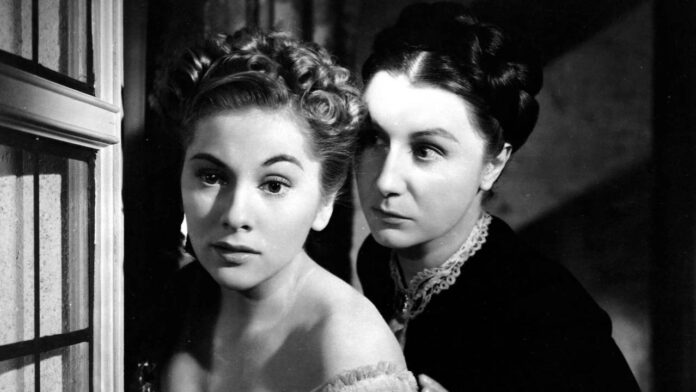
Alfred Hitchcock turned Daphne du Maurier’s gothic classic, ‘Rebecca,’ into a haunting psychological thriller on screen. The suspense envelops viewers from the beginning. Laurence Olivier brings a quiet intensity to Maxim de Winter, portraying the character with emotional restraint and underlying menace. Meanwhile, Joan Fontaine makes the second Mrs. de Winter a picture of fragile vulnerability. She wanders the vast halls of Manderley with visible anxiety and growing isolation. The camera lingers on her expressions, capturing every flicker of doubt and insecurity on her face.
The film’s powerful tension and atmosphere earned widespread acclaim. In fact, ‘Rebecca‘ went on to win Best Picture at the Academy Awards. Yet despite its success, the film omits one of the novel’s most shocking revelations. The original story ends on a far darker note, and the adaptation alters that truth completely. In essence, it changes the moral weight of the entire narrative.
The Dark ‘Rebecca’ Book Secret The Film Never Shows
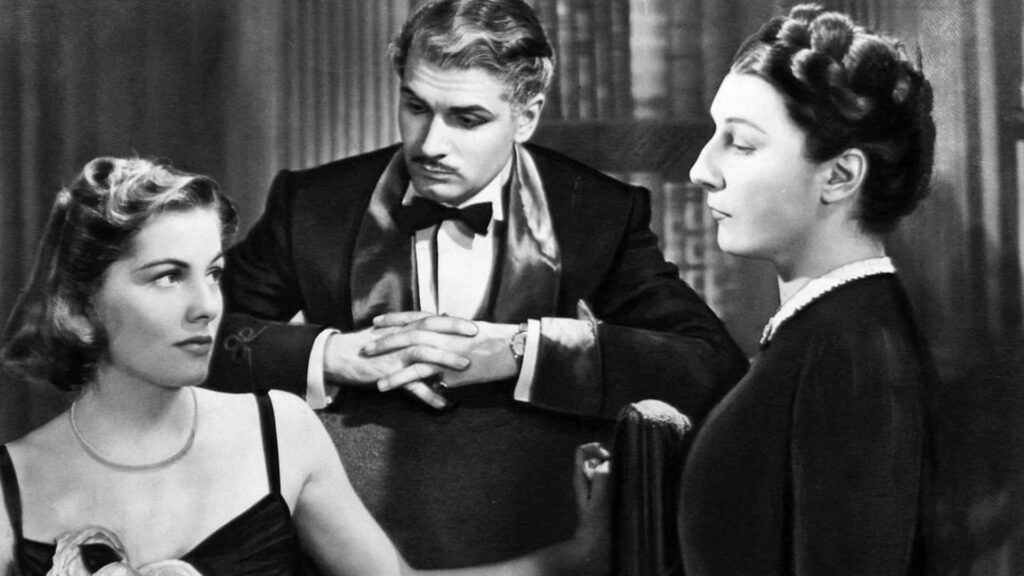
In Maurier’s literary gem, Maxim does not escape guilt. Instead, he confesses that he deliberately shot Robecca after discovering the depth of her manipulation and cruelty. When he reveals the truth to his new wife, her reaction is not horror but relief because the confession proves that Maxim never loved Rebecca.
Du Maurier describes the moment with clarity: “A confession which changed everything: made a tortured widower a tainted and even unhealthy man.”
Related: 15 Must-Watch Pyschological Thriller Movies By Alfred Hitchcock, Ranked
In the book, Rebecca’s death is not the result of an accident. It is the result of deliberate violence, the kind of twist that forces readers to confront the disturbing blend of love, jealousy, and crime.
Why Hollywood Forced Alfred Hitchcock To Change The Ending
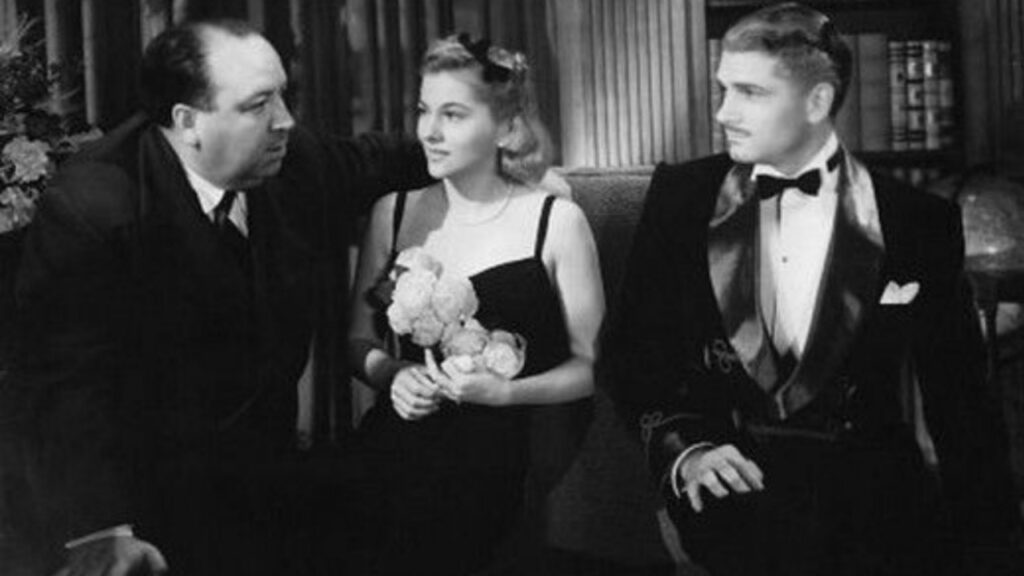
Behind the scenes, however, Hitchcock faced a powerful obstacle, and that was Hollywood censorship. At the time, studios had to follow the strict rules of the Motion Picture Production Code (also known as the Hays Code). Under this system, films could not portray crime as justified, and murderers were never allowed to escape punishment.
In Case You Missed It: The Classic Thriller That Put Alfred Hitchcock On FBI’s Watchlist
If the film had shown Maxim intentionally killing Rebecca, the story would have required him to face legal consequences, likely imprisonment, and execution. That outcome would have dramatically changed the ending.
Hitchcock chose a different version. On screen, Rebecca’s sinister behavior pushed Maxim to his breaking point, leading him to give in to her manipulations and accidentally kill her. Maxim still confesses to the turn of events, looks pained over that awful night, but the change removes all of his antipathy. Book fans balked, but censorship rules won.
That single alteration may have saved the film from being banned, but it also softened the dark, unsettling edge that made the novel so unforgettable.
You Might Like To Read: Why Christopher Nolan And Quentin Tarantino Will Never Agree On Alfred Hitchcock