

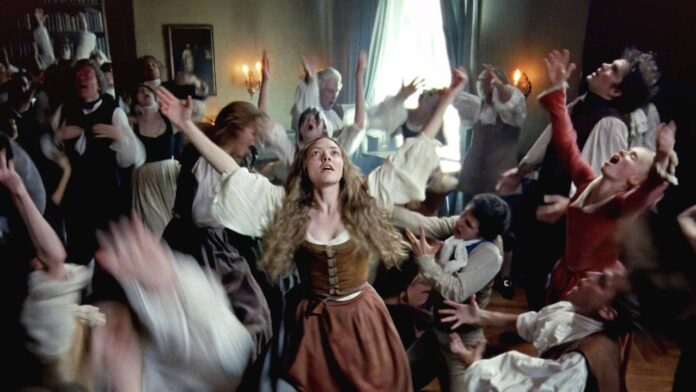
Hollywood has flirted with religious mystics before. It has dramatized prophets, saints, rebels, and revolutionaries. But ‘The Testament of Ann Lee‘ dares to step into stranger territory.
Even then, it only scratches the surface of a life so radical, so unsettling, that it still feels dangerous centuries later. This means that history provides the spine, but the rest is filled with imagination. So what is fact and what is drama?
‘The Testament Of Ann Lee’ Reveals The Trauma And Vision That Sparked A Radical Faith
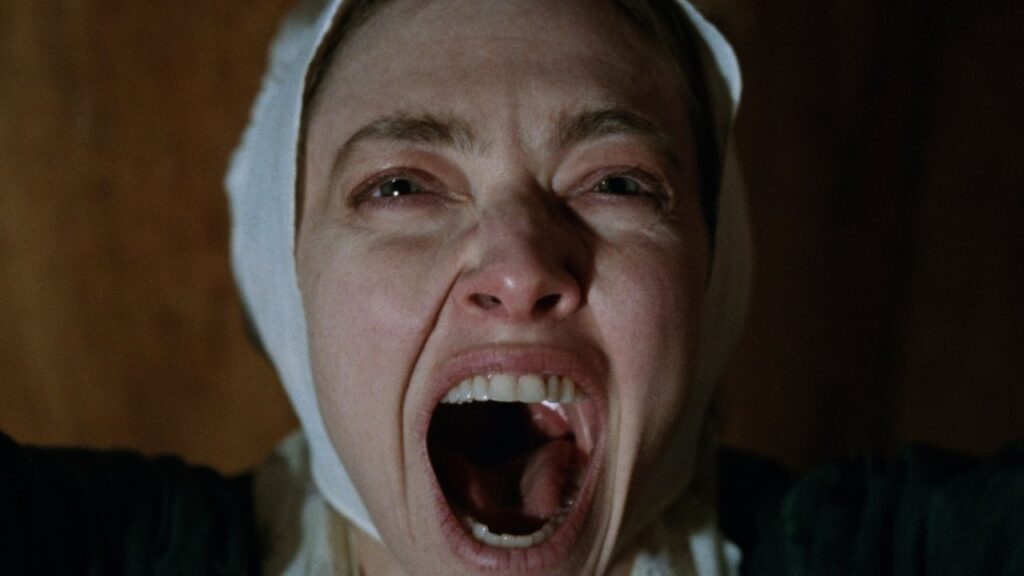
Ann Lee was born on February 29, 1736, in Manchester, England, into poverty, overcrowding, and religious rigidity. Eighteenth-century living conditions forced entire families to share a single room. As a result, she witnessed adult intimacy at an age when she could neither process nor escape it. Over time, that exposure hardened into a deep aversion to sexuality that would later become central to her religious doctrine.
Related: 25 Movies That Question Religion And Faith
At the same time, she struggled to connect to the Church of England, despite growing up near Manchester’s Christ Church. Religious instruction felt distant and unconvincing to her. Consequently, she questioned openly and endured punishment at home for challenging accepted norms.
Then, in 1758, she encountered James and Jane Wardley, leaders of a sect known as the Shaking Quakers. Their meetings were unlike traditional worship. Participants trembled, chanted, and danced as acts of spiritual cleansing. More provocatively, they taught that God’s second coming would appear in female form.
For a woman already alienated by institutional religion, that belief carried extraordinary implications. Gradually, followers began to see Ann herself as the embodiment of that prophecy and gave her the title of Mother.
The Female Messiah Who Defied Church And Crown
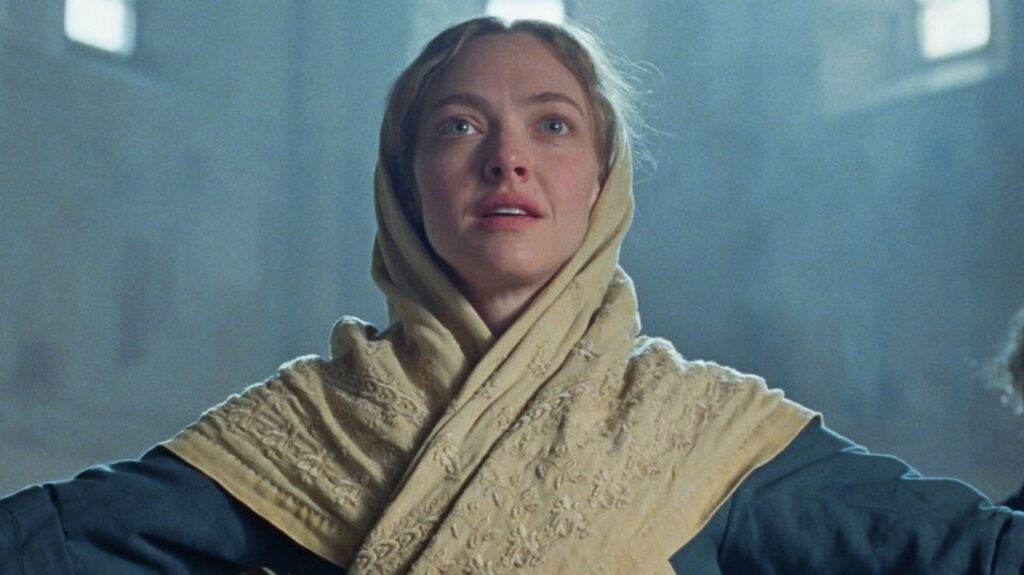
Ann Lee’s message went beyond celibacy. She rejected rigid gender hierarchies and insisted on spiritual equality between men and women. Leadership roles were shared. She also opposed racial inequality, a stance that intensified opposition against her. Authorities responded decisively. The Church of England branded her a heretic, and she was confined to an asylum. Accounts of her hearing vary widely.
Some sources claim she spoke in twelve languages, while others suggest seventy-two. Although historians debate the details, reports agree on one point: those present were deeply moved. Soon after, she was released. Her release did not temper her conviction. Instead, she declared England spiritually corrupted and prepared to begin anew in America. On May 19, 1774, Ann Lee and a small group of followers sailed across the Atlantic.
In case you missed it: 10 Great Period Dramas Powered By Unstoppable Women
After searching extensively, they established a settlement in Albany County, New York, later known as Niskayuna. There, they attempted something extraordinary: a sinless society with celibacy, communal property, disciplined labor, and moral perfection.
Then came another test. During the American Revolutionary War, Ann refused to endorse violence or allow participation in armed conflict. Pacifism in a revolutionary climate invited suspicion. In 1783, Shaker communities faced violent attacks. Even under threat, she did not abandon her principles.
For visual inspiration, Fastvold and her collaborator Brady Corbet turned to Baroque painters such as Caravaggio, using dramatic lighting and intense compositions to evoke spiritual struggle. Yet no cinematic technique can fully convey the daily rigor of Shaker discipline. Life inside the community demanded relentless labor and unwavering adherence to doctrine. Ann Lee died in 1784 at age forty-eight, still preaching, still working, still uncompromising.
The Legacy That Still Feels Too Extreme For The Screen
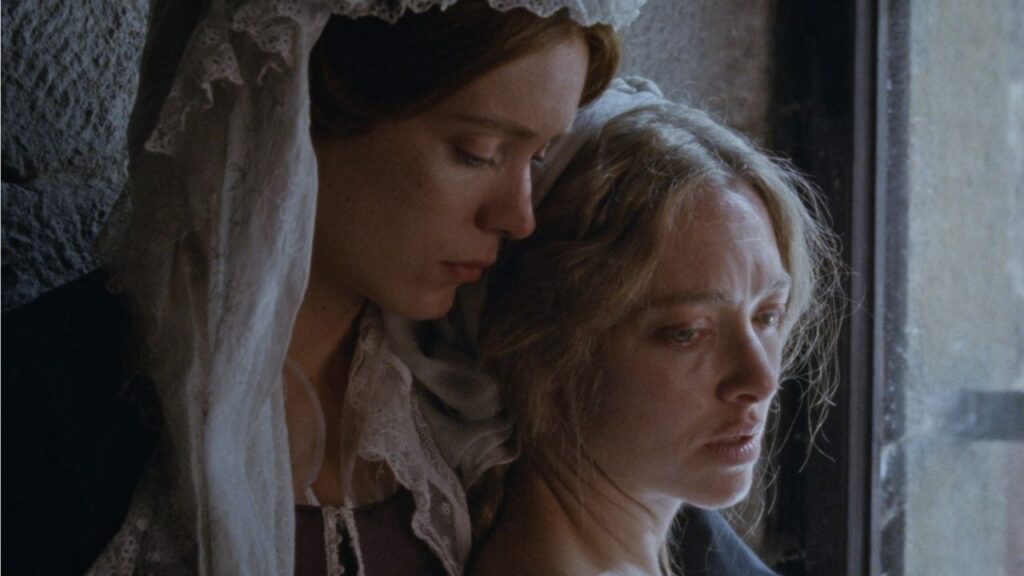
Ann Lee did not witness the height of her movement. By 1840, nearly 6,000 Shakers lived across the United States. Celibacy, however, carried an unavoidable consequence. Without steady conversion, numbers gradually declined. Today, only one active Shaker community remains: Sabbathday Lake Shaker Village. For years, just two members preserved the tradition. Recently, a third joined.
Ultimately, Ann Lee’s story resists easy packaging. She declared herself the female embodiment of divine return. She outlawed sex. She dismantled marriage. She challenged church authority and endured confinement and assault. Her theology demanded total transformation of body, society, and belief.
‘The Testament of Ann Lee‘ captures the emotional intensity of her mission. Even so, the historical record reveals a woman whose doctrines were more uncompromising and more destabilizing than most films can comfortably portray. That friction between cinematic interpretation and historical extremity is precisely why her true story still feels only partially told, and why Hollywood has barely touched its most radical edges.
You might also like to read: Top 10 Must-Watch Folk Horror Movies