


Tom Cruise is known for chasing cinematic firsts, and one ambitious idea once promised to take that reputation even further. Years ago, the actor quietly lined up a project that aimed to do something no Hollywood film had properly achieved before.
While the concept generated serious excitement at the time, it never moved beyond early planning. A recent report has now filled in the missing pieces behind why that long-teased project never became a reality.
How Tom Cruise’s Outer Space Film Gained Early Momentum

In 2020, reports revealed that Cruise was developing a space-based film with ‘Edge of Tomorrow‘ director Doug Liman. The plan was bold even by Cruise’s standards, as it involved filming portions of the movie in outer space rather than relying on studio effects or simulations. According to Deadline’s reporting at the time, Cruise was not just attaching his name to the idea but was actively planning to travel to space in a craft to shoot scenes.
Related: Dougray Scott Will Always Blame Tom Cruise For Losing ‘Wolverine’ To Hugh Jackman
The story gained further traction when NASA confirmed a day later that it was aware of the proposal and open to being involved. The production would have required cooperation from both NASA and Elon Musk’s SpaceX. Since NASA was operating under the first Trump administration at the time, any such collaboration would have needed federal approval.
The Political Reason Behind The Film Not Moving Forward
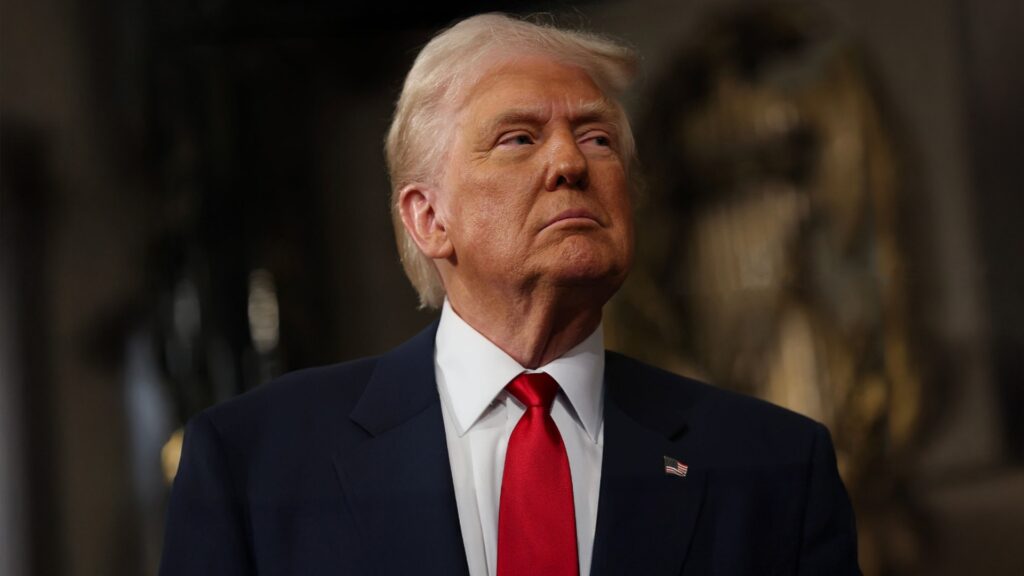
Despite the early enthusiasm, the project stalled and eventually faded away. A Page Six report has now explained what stopped the film from advancing. According to an insider, the production could not proceed without formal NASA coordination, which meant asking the federal government for permission. The source explained that Cruise allegedly did not want to ask then-President Donald Trump for a favor.
In case you missed it: How Charlie Sheen Lost His Dream Role To Tom Cruise In Oscar-Nominated Movie
Since NASA cooperation would have required approval at the highest level, the insider said Cruise chose not to pursue the project further for political reasons. Although Cruise stepped back, NASA leadership appeared fully willing to participate. At the time, Trump-appointed NASA administrator Jim Bridenstine publicly stated that the agency would help the crew film and even offered access to the International Space Station if needed.
Bridenstine had emphasized NASA’s enthusiasm in a social media post that has since been deleted. In that message, he said the agency was excited to work with Cruise on a film aboard the space station. He noted that popular media could inspire a new generation of engineers and scientists to support NASA’s ambitious plans. Throughout the Trump presidency, Cruise kept his political views largely private. He avoided the kind of outspoken commentary that many of his Hollywood peers embraced.