
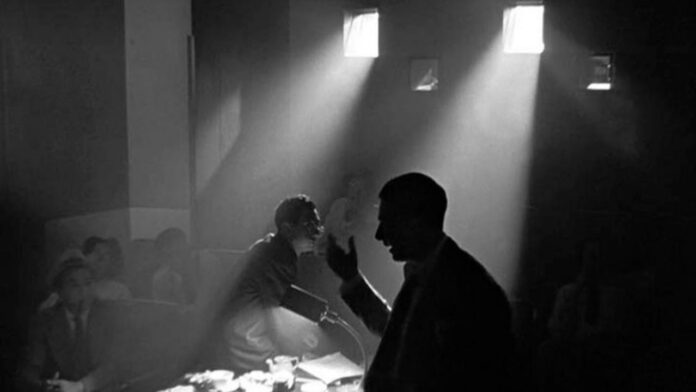
When ‘Citizen Kane‘ first played in theaters, nobody expected the movie to cause a stir before it even began. But the opening moments were so strange and so quiet that the audience had no idea what was happening.
Instead of settling in for the film, people inside the theater started shouting and panicking. The movie hadn’t even properly started, and the room was already full of confusion.
Orson Welles’ Vision Behind ‘Citizen Kane‘
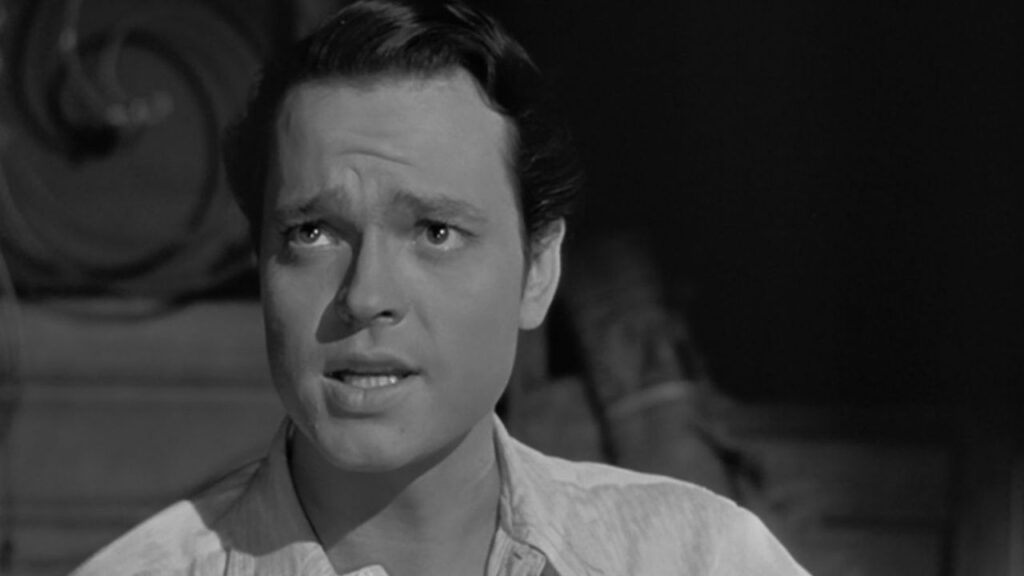
Before joining Hollywood, Orson Welles already had a talent for surprising people. His radio version of ‘War of the Worlds‘ was so realistic that parts of the northeast believed aliens had actually landed. Vanity Fair later called this moment the first “viral-media event,” showing just how strongly Welles could influence audiences.
Related: The Best Opening Scenes From Cult Classic Movies That Still Give Us Goosebumps
RKO Pictures signed him in 1939 and gave him rare creative freedom. At only 25, he wrote, directed, produced, and starred in ‘Citizen Kane‘, a fictional story loosely inspired by William Randolph Hearst. Since Welles had total control, he didn’t feel the need to follow the usual movie rules, even when it came to the very first seconds of the film. And that bold choice is exactly what led to the chaos in the theater.
The Silent ‘Citizen Kane’ Opening That Made Audiences Panic
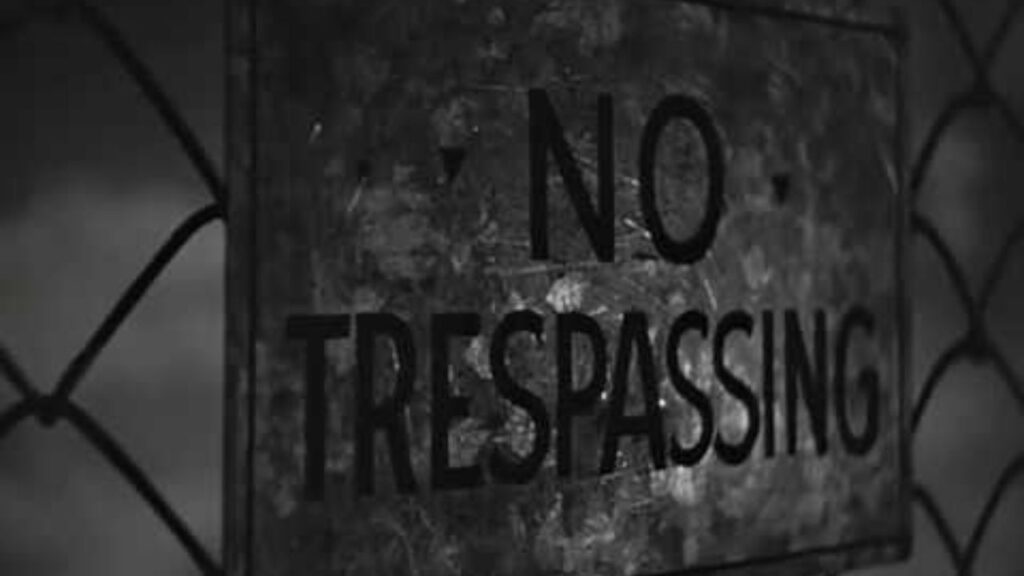
Composer Bernard Herrmann explained the situation years later during a 1973 talk in New York. He said the original print opened with a few seconds of black screen, then cut straight to a “No Trespassing” sign at Xanadu. There were no credits, no music, and absolutely no sound. Herrmann said people immediately panicked. Viewers shouted for “sound!” and called for the “lights!” because they were convinced the projector had broken.
In case you missed it: The Classic Thriller That Put Alfred Hitchcock On FBI’s Watchlist
He explained that audiences were simply not used to a movie starting in total silence, and the theater quickly grew loud and chaotic. RKO couldn’t change the premiere print, but they added the RKO logo and a title card with sound to all later copies so people wouldn’t think something was wrong. Even today, the opening still feels abrupt, especially since modern films show several studio logos. The trend became so common that ‘Family Guy‘ even made fun of it.
How The Initial Shock Made Film History
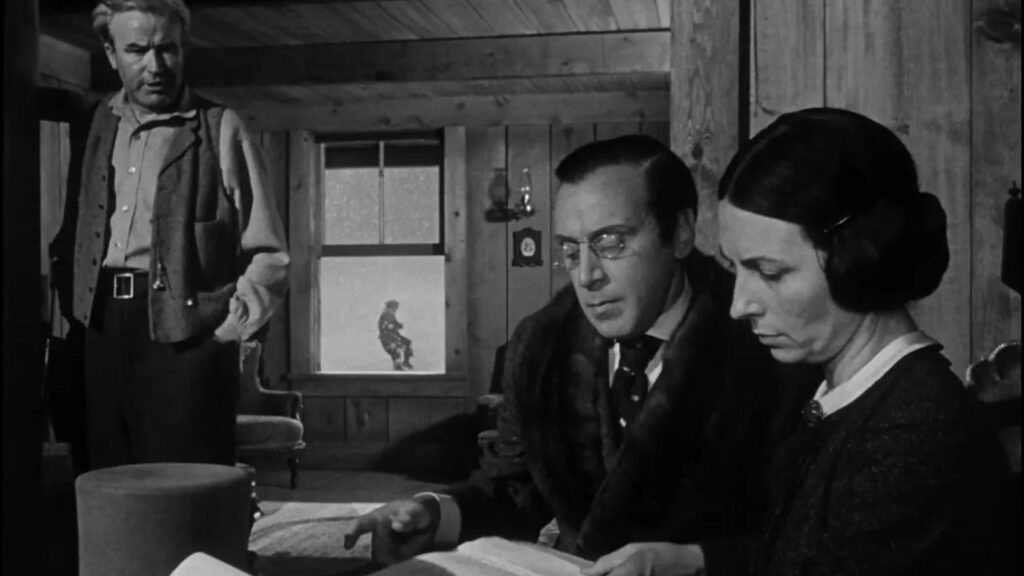
The wild reaction to the silent opening was a perfect preview of what Welles did throughout the film. Instead of telling a simple story, he used a non-linear structure and six unreliable narrators, something not seen since ‘Birth of a Nation‘. This style later influenced movies like ‘Pulp Fiction‘ and ‘Memento‘. Welles also changed the look of movies. Working with cinematographer Gregg Toland, he used deep focus so that every part of the shot remained in perfect focus.
A well-known example shows Kane’s mother signing guardianship papers while young Kane plays in the snow outside with his sled, Rosebud. Both moments highlight how his childhood slips away. To make these shots possible, the team even built sets differently. Welles wanted low-angle shots with ceilings, which was unusual at the time. The crew used muslin cloth to create ceilings and hid microphones behind them, giving the film a more realistic feel.
From the moment people yelled at the projectionist during the silent opening to the film’s final scenes, ‘Citizen Kane‘ proved that Welles wanted to challenge everything about filmmaking. That chaotic reaction in the theater wasn’t a mistake; it was the first sign that he was about to change Hollywood forever.
You might also like to read: 21 Best Black-And-White Movies Of The 21st Century, Ranked