
10 Actors Who Sued Their Own Movies
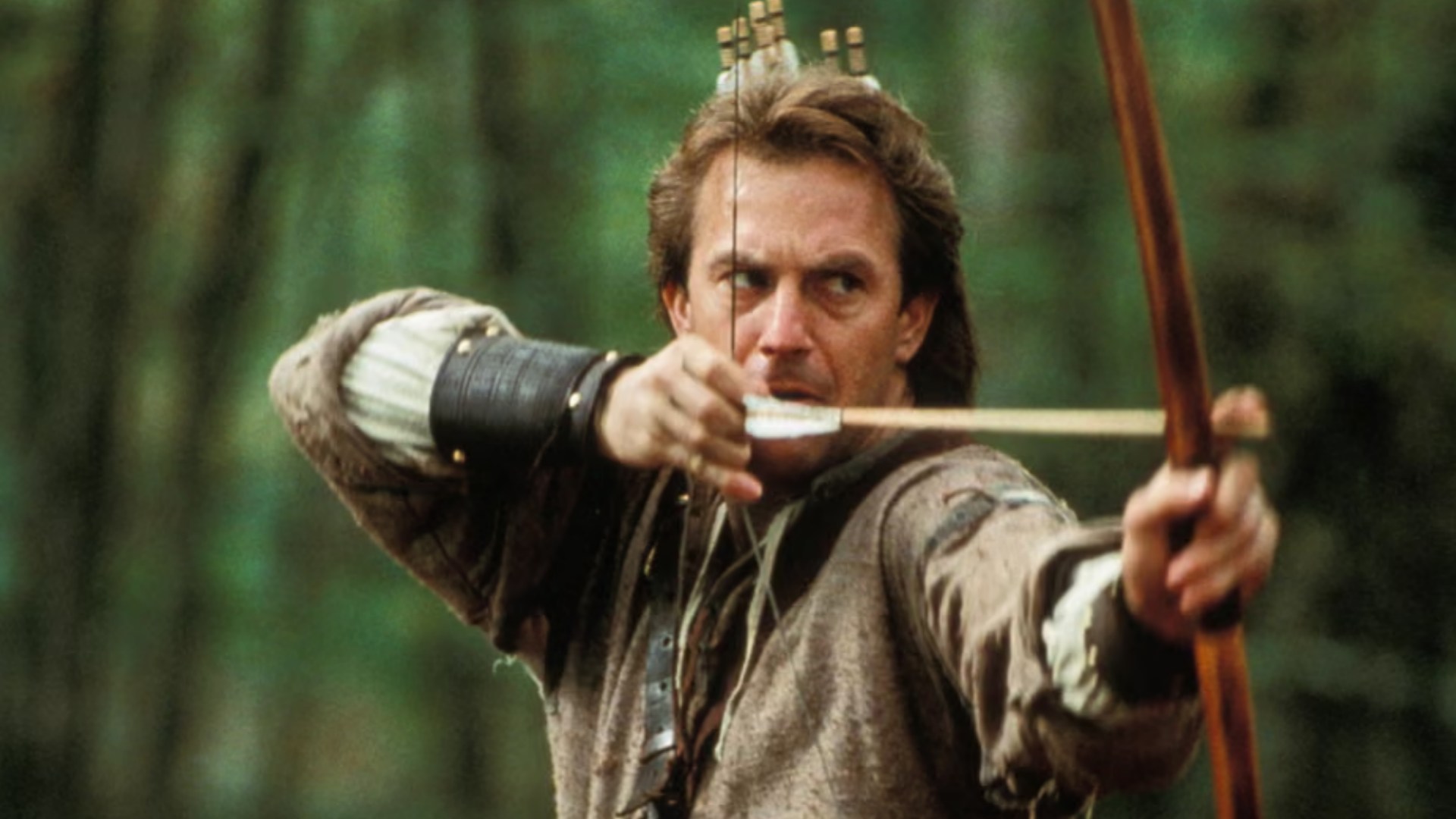
Kevin Costner – 'Robin Hood: Prince of Thieves' (1991)
Despite criticism, particularly of his English accent, Kevin Costner’s Robin Hood: Prince of Thieves was a major commercial success, grossing over $390 million globally. However, behind the scenes, Costner claimed he was denied agreed-upon profit participation. He eventually pursued legal action, arguing that the studio failed to honor contractual terms. The case underscored a recurring issue in Hollywood, where even top-billed stars can end up battling studios over backend earnings from blockbuster hits.
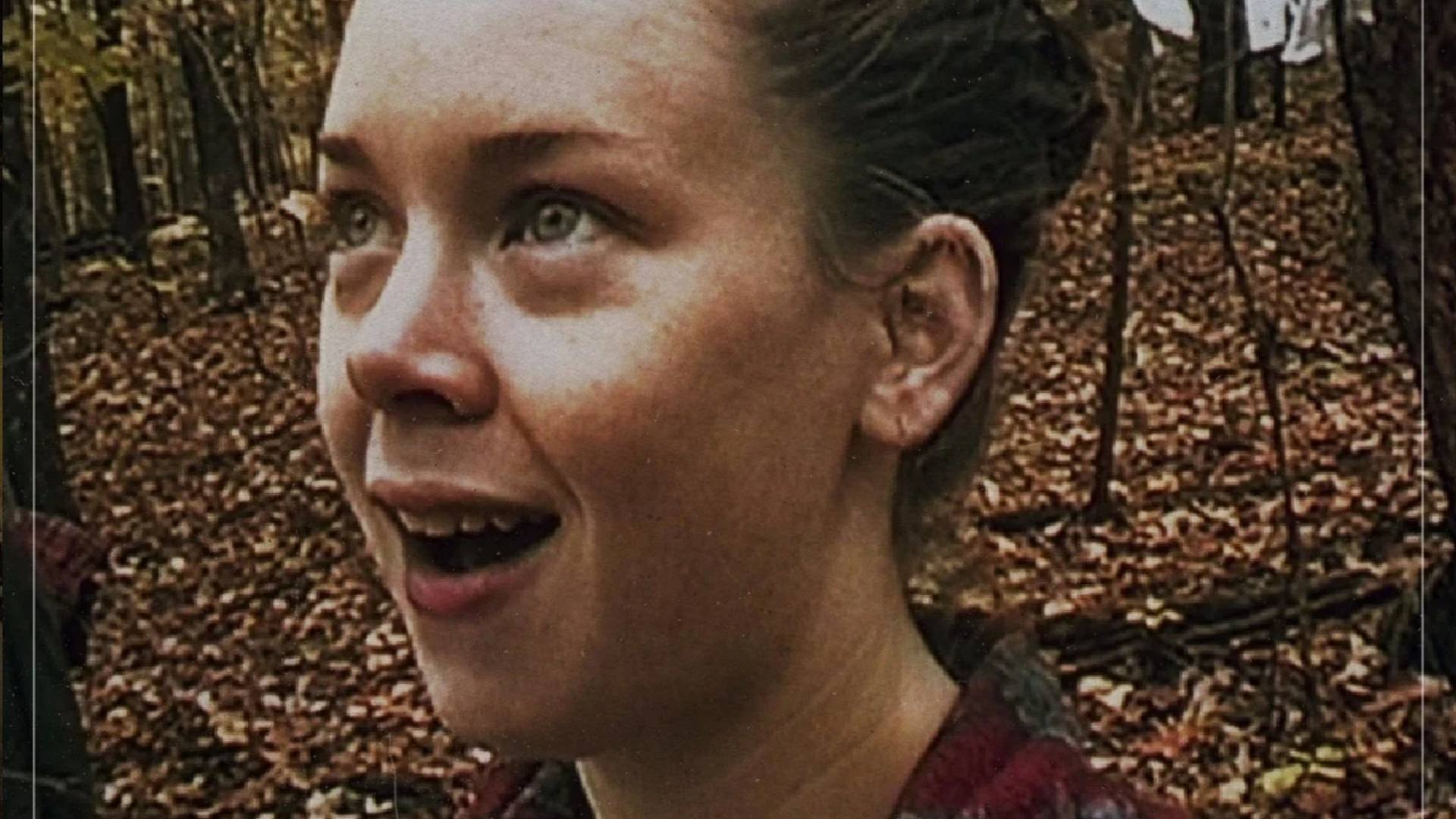
Heather Donahue, Joshua Leonard & Michael C. Williams – 'The Blair Witch Project' (1999)
What looked like a dream debut quickly turned sour. The Blair Witch Project was made on a tiny budget and went on to gross nearly $250 million worldwide, becoming a landmark in indie filmmaking and viral marketing. However, its three lead actors were paid minimal upfront salaries and received little share of the profits. Feeling misled about compensation and long-term earnings, they sued the producers. Well, breakout indie hits can often financially sideline their own stars.
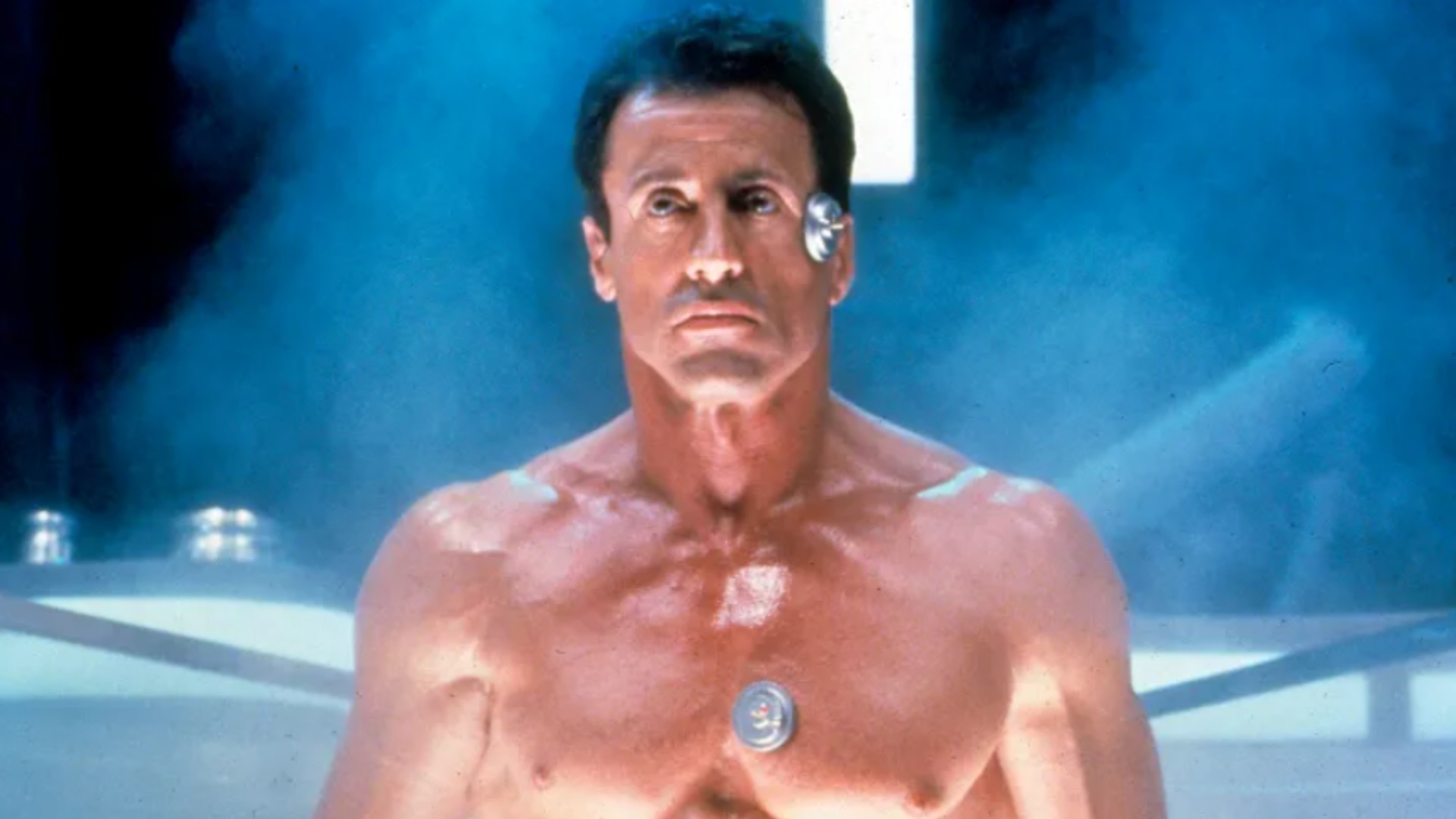
Sylvester Stallone – 'Demolition Man' (1993)
Initially met with mixed reactions, Demolition Man later found success through home video and a growing cult following. Years after its release, Sylvester Stallone filed a lawsuit claiming he hadn’t received his fair share of the film’s profits. He alleged discrepancies between reported earnings and what he was contractually owed. The dispute brought renewed attention to profit participation deals and how long-term revenue streams like syndication and rentals can become points of contention.
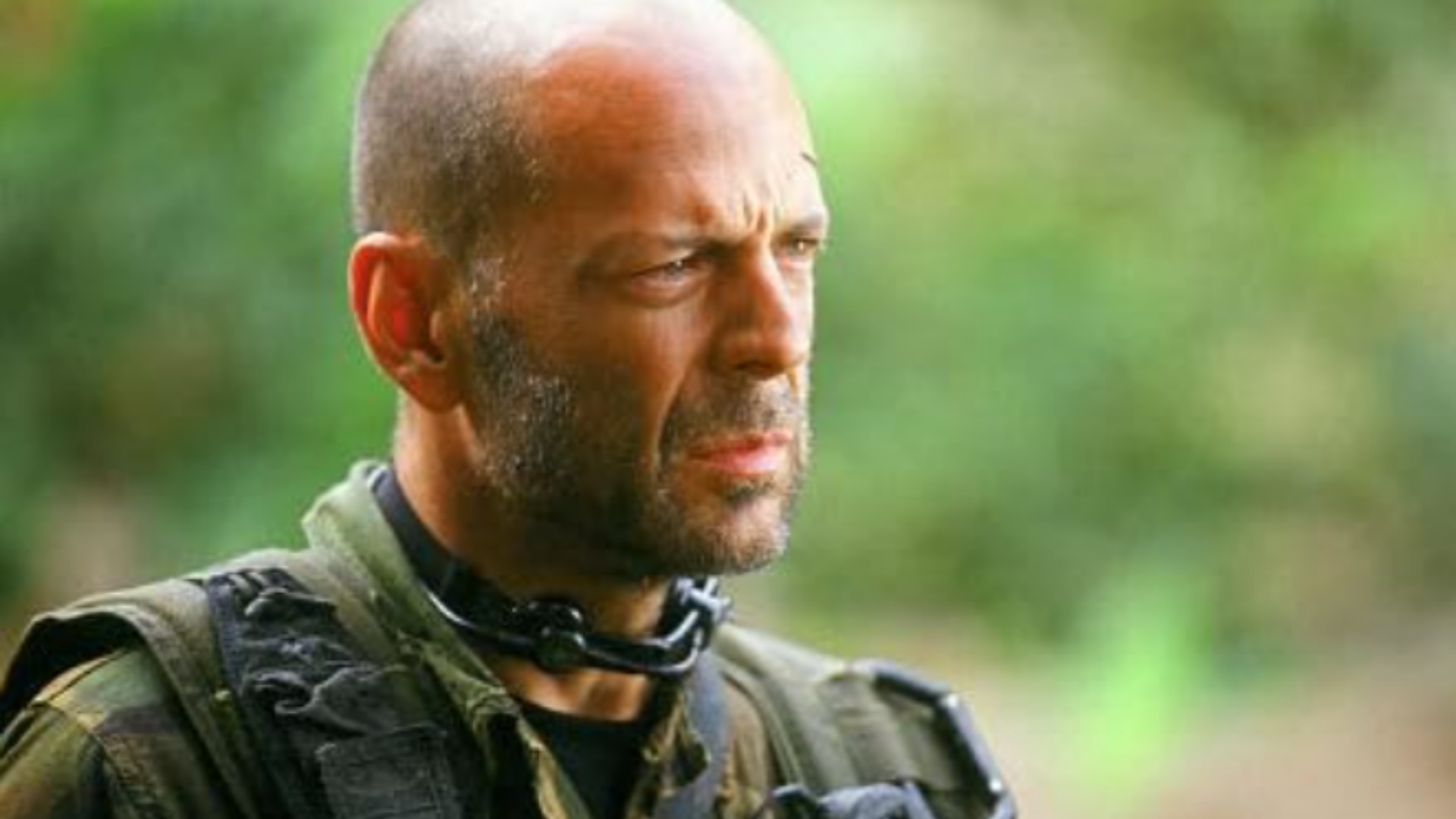
Bruce Willis – 'Tears of the Sun' (2003)
Filming Tears of the Sun pushed Bruce Willis to his physical limits, with intense jungle shoots, demanding action sequences, and military-style training designed to enhance realism. Reports later suggested he suffered multiple injuries during production. Willis allegedly took legal action over unsafe working conditions and the physical toll the shoot took on him. While the film aimed for authenticity, the situation highlighted how far productions sometimes go and the consequences actors may face behind the scenes.
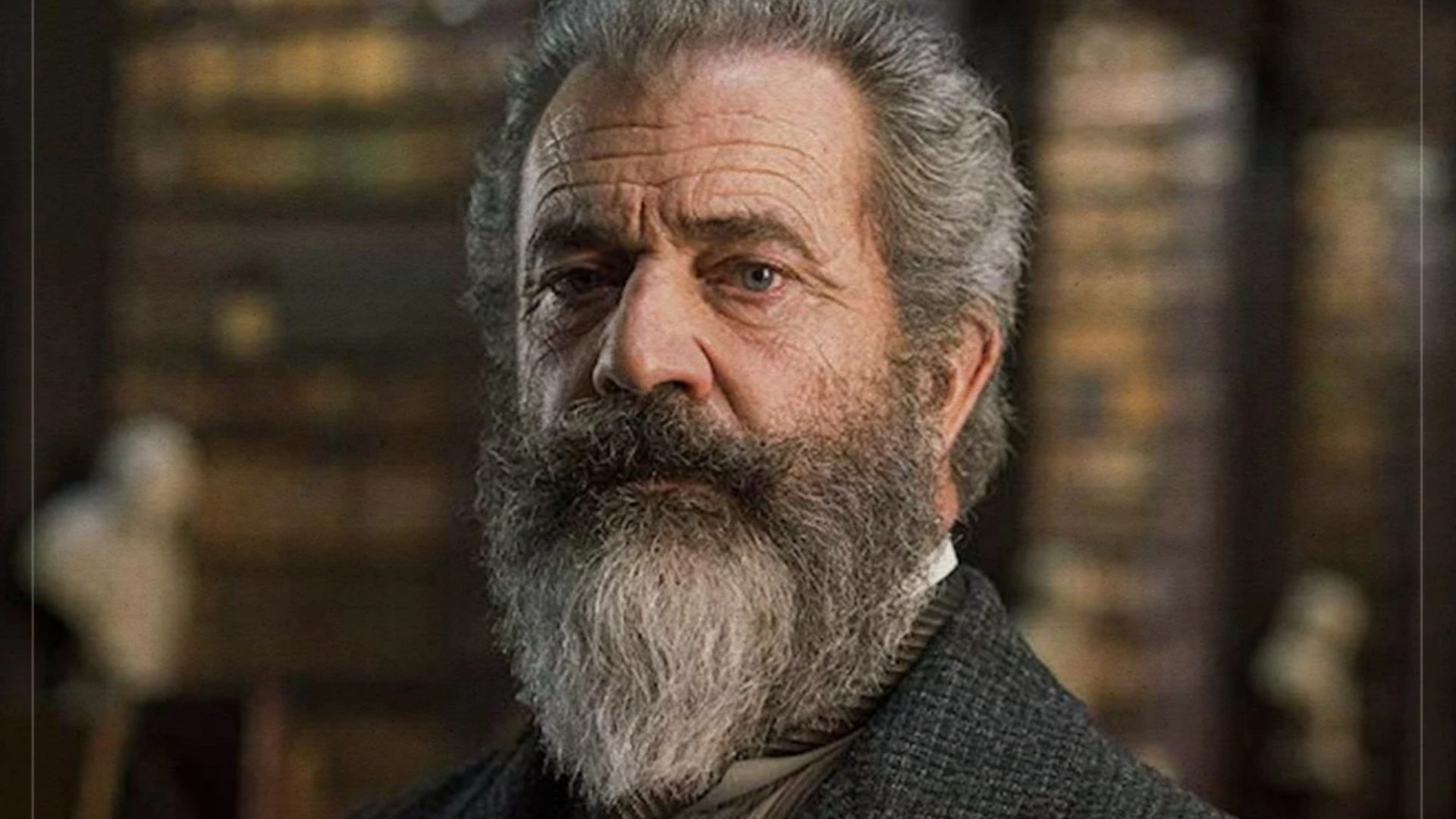
Mel Gibson – 'The Professor and the Madman' (2019)
Mel Gibson’s involvement in The Professor and the Madman became complicated by production delays and financial issues. He filed a lawsuit against the producers, alleging mismanagement and insufficient funding that disrupted the shoot and compromised the film’s quality. Gibson also objected to the film being released without his approval, particularly in certain markets.
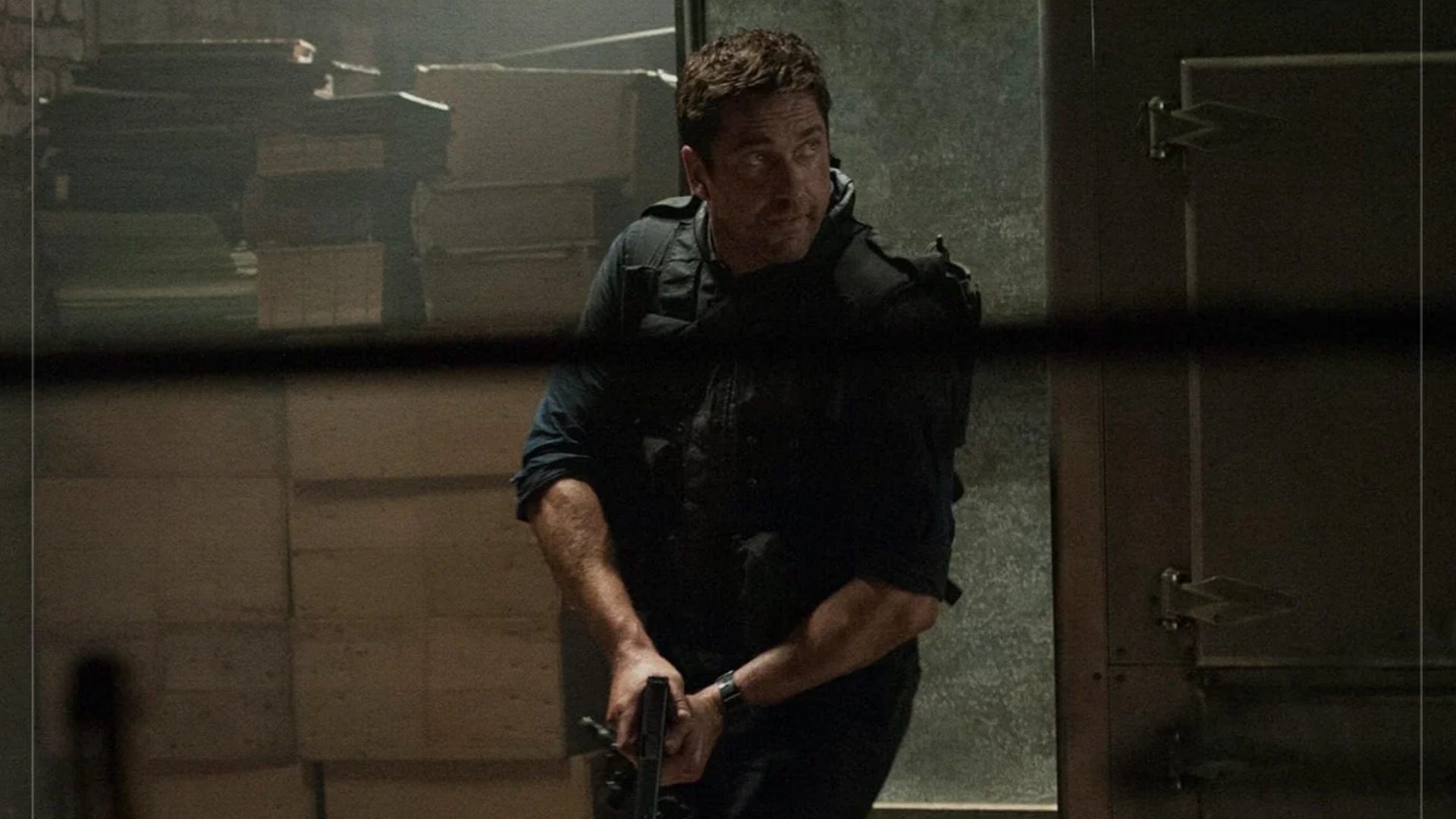
Gerard Butler – 'Olympus Has Fallen' (2013)
After Olympus Has Fallen became a box office success and launched a franchise, Gerard Butler claimed he hadn’t received millions in expected earnings. Several years later, he sued the producers, accusing them of using “Hollywood accounting” to minimize reported profits and avoid payouts. Butler’s lawsuit wasn’t an isolated case, it echoed similar complaints from other actors. The lesson? Complex financial structures in the film industry can obscure actual revenue and impact talent compensation.
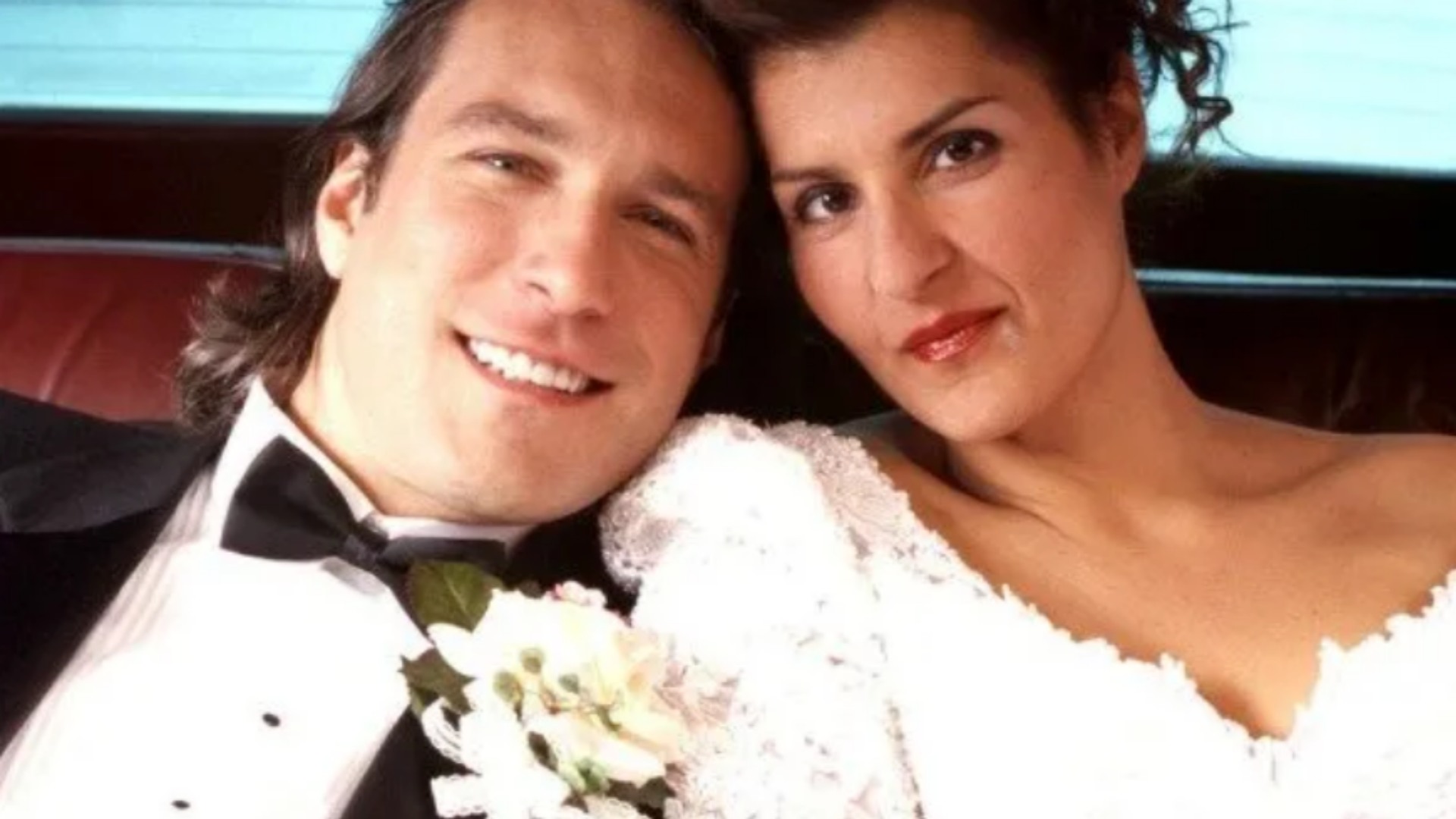
Tom Hanks – 'My Big Fat Greek Wedding' (2002)
Though he didn’t appear on screen, Tom Hanks played a crucial role as a producer on My Big Fat Greek Wedding alongside Rita Wilson. The film became a sleeper hit, earning over $350 million worldwide on a modest budget. However, disputes later arose over profit participation and revenue distribution. Hanks became involved in legal action tied to these financial disagreements. The woes of backend deals!
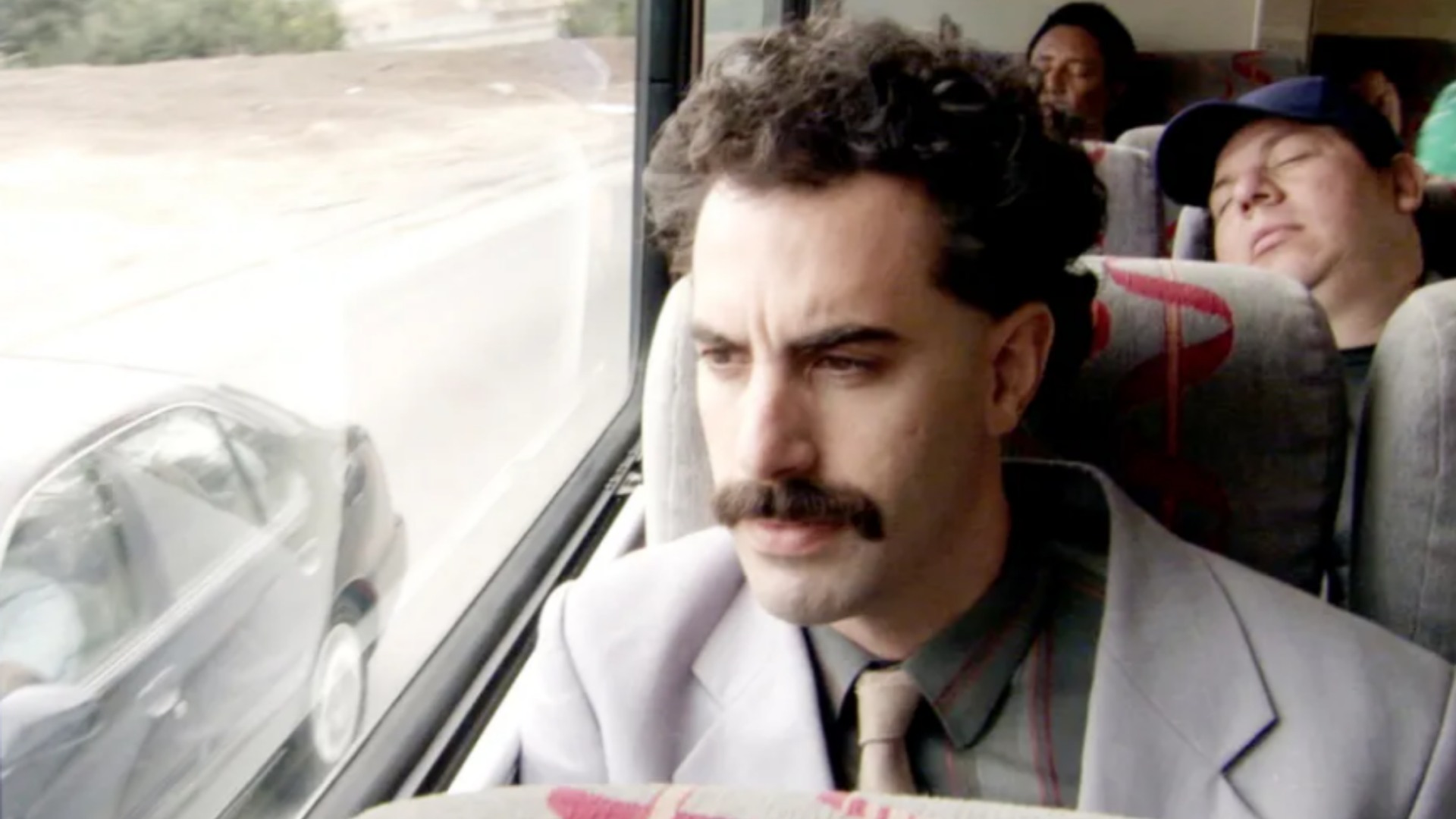
Sacha Baron Cohen – 'Borat' (2006)
While Borat was a massive commercial and cultural success, its unconventional style led to multiple lawsuits from participants featured in the film. Individuals—including fraternity members and other unsuspecting subjects—claimed they were misled about the nature of the project and portrayed unfairly. Although Sacha Baron Cohen himself wasn’t the one suing, he was central to defending these cases. Most lawsuits struggled due to signed consent forms, but they raised ethical questions about deception in filmmaking.
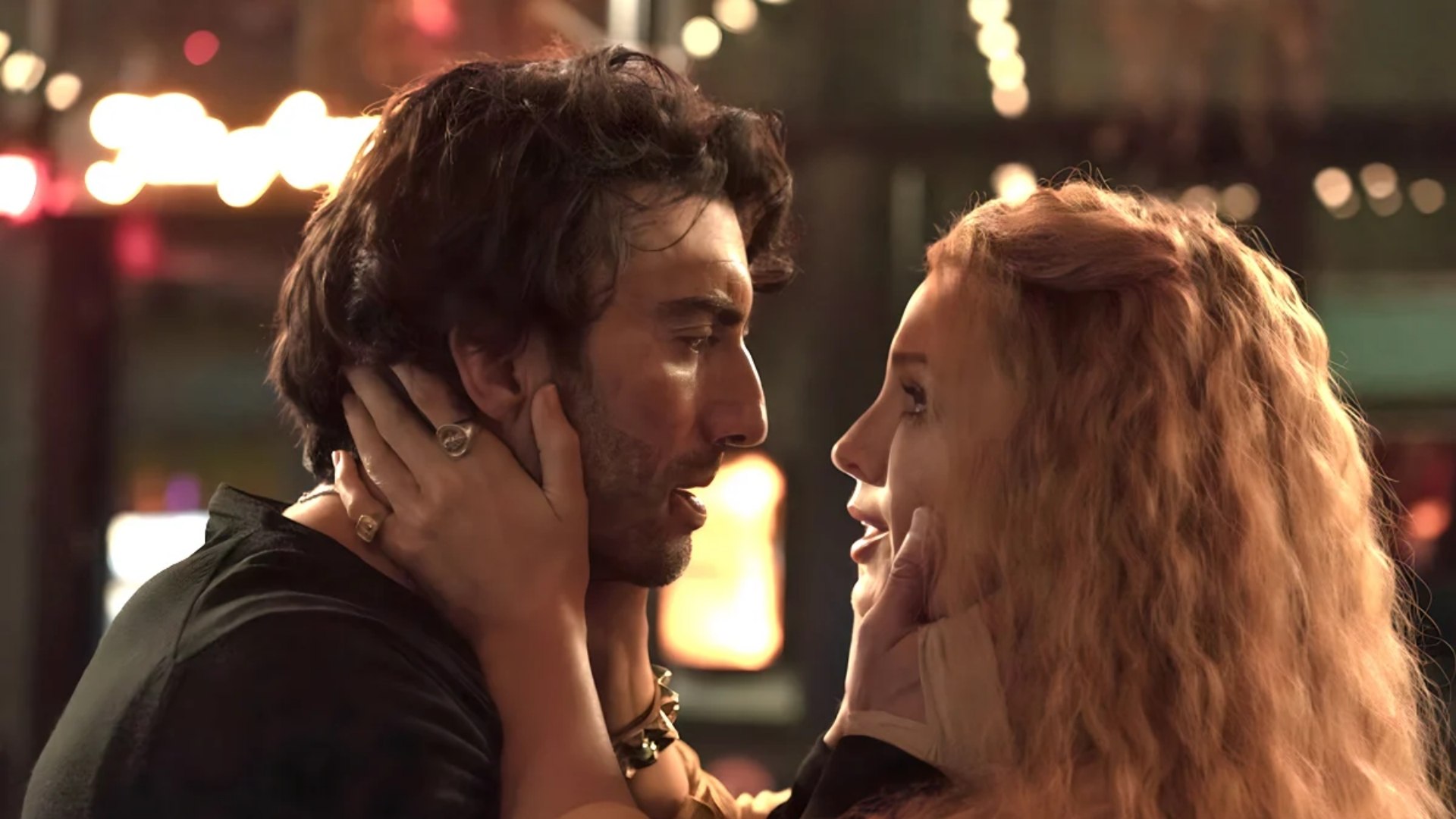
Blake Lively – 'It Ends With Us' (2024)
We all know that the controversy surrounding It Ends With Us extended way beyond the film. Blake Lively and director/co-star Justin Baldoni became embroiled in a legal dispute, with both sides accusing each other of misconduct and interference in the creative process. The conflict reportedly involved disagreements over the film’s direction, promotion, and public messaging. It drew significant attention because it clashed with the film’s serious themes, particularly its focus on domestic violence and sensitive subject matter.
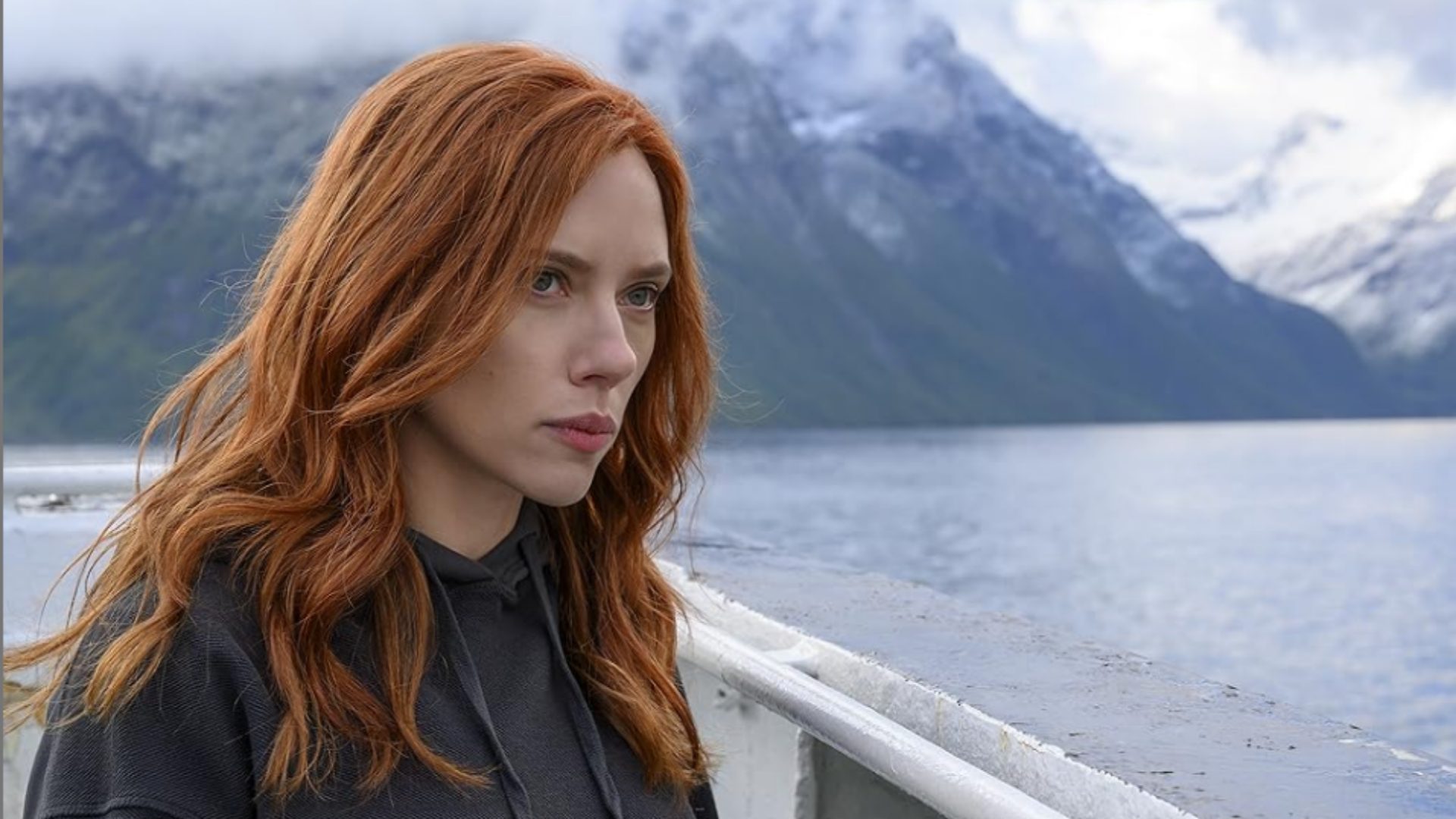
Scarlett Johansson – 'Black Widow' (2021)
Scarlett Johansson’s lawsuit against Disney over Black Widow became a defining moment in Hollywood’s shift toward streaming. She argued that the film’s simultaneous release in theaters and on Disney+ Premier Access reduced its box office potential, directly affecting her earnings, which were tied to theatrical performance. Disney initially pushed back, but the case sparked industry-wide debate about compensation models in the streaming era and was eventually settled privately.