
10 American Series Better Than Their British Versions
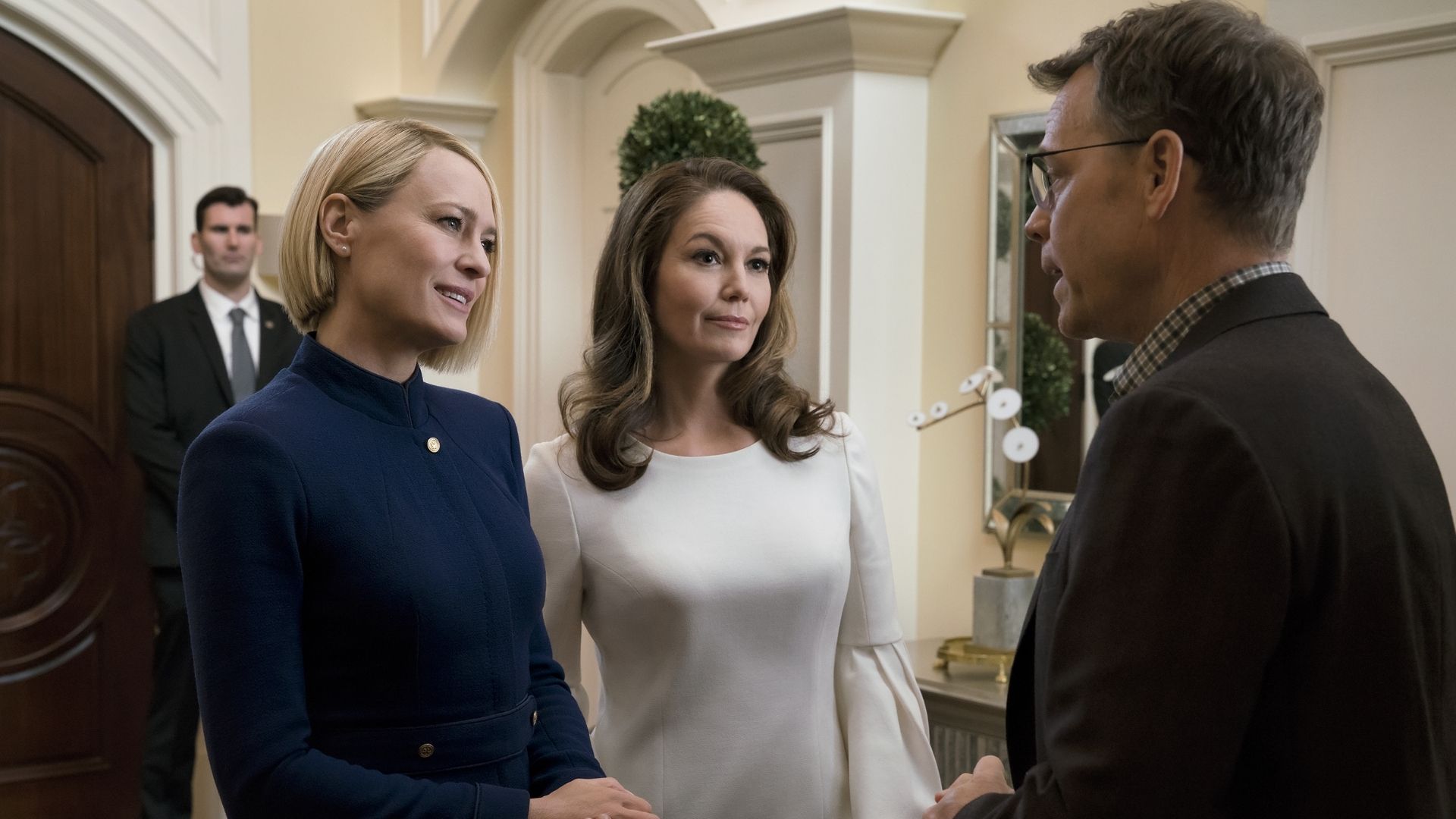
House of Cards
The British House of Cards was incisive, but the American adaptation expanded the story into full prestige drama. With a darker tone, cinematic presentation, and long-form storytelling, the U.S. version elevated political intrigue to new heights. Broader arcs and higher stakes transformed the narrative into something more immersive and ruthless.
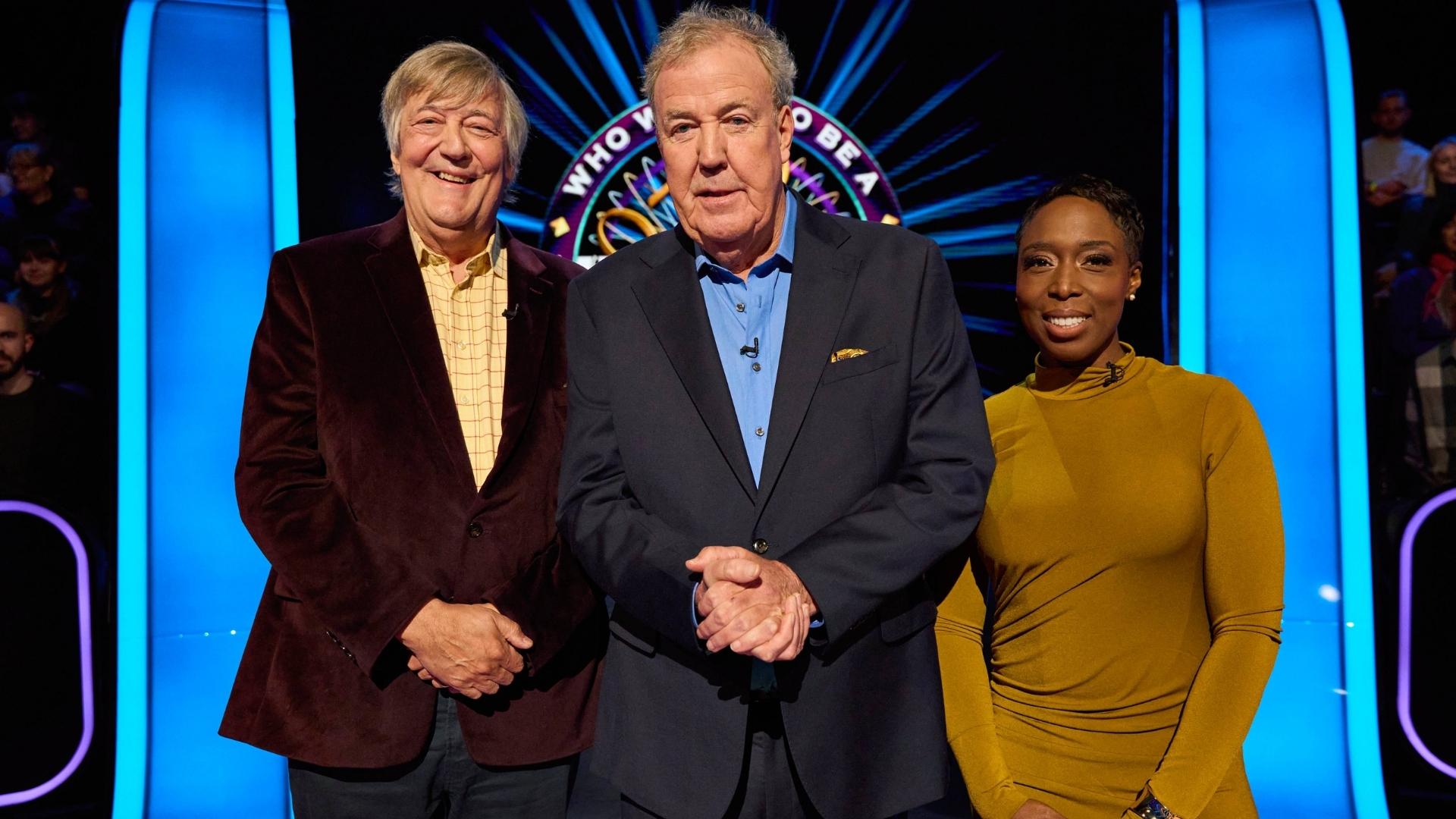
Who Wants to Be a Millionaire
The British version introduced the format, but the American edition turned it into must-watch television. Airing in prime time, every question felt intense and high-stakes. The pacing and presentation made viewers feel the pressure right along with the contestants. Its massive success changed how game shows were scheduled and produced.
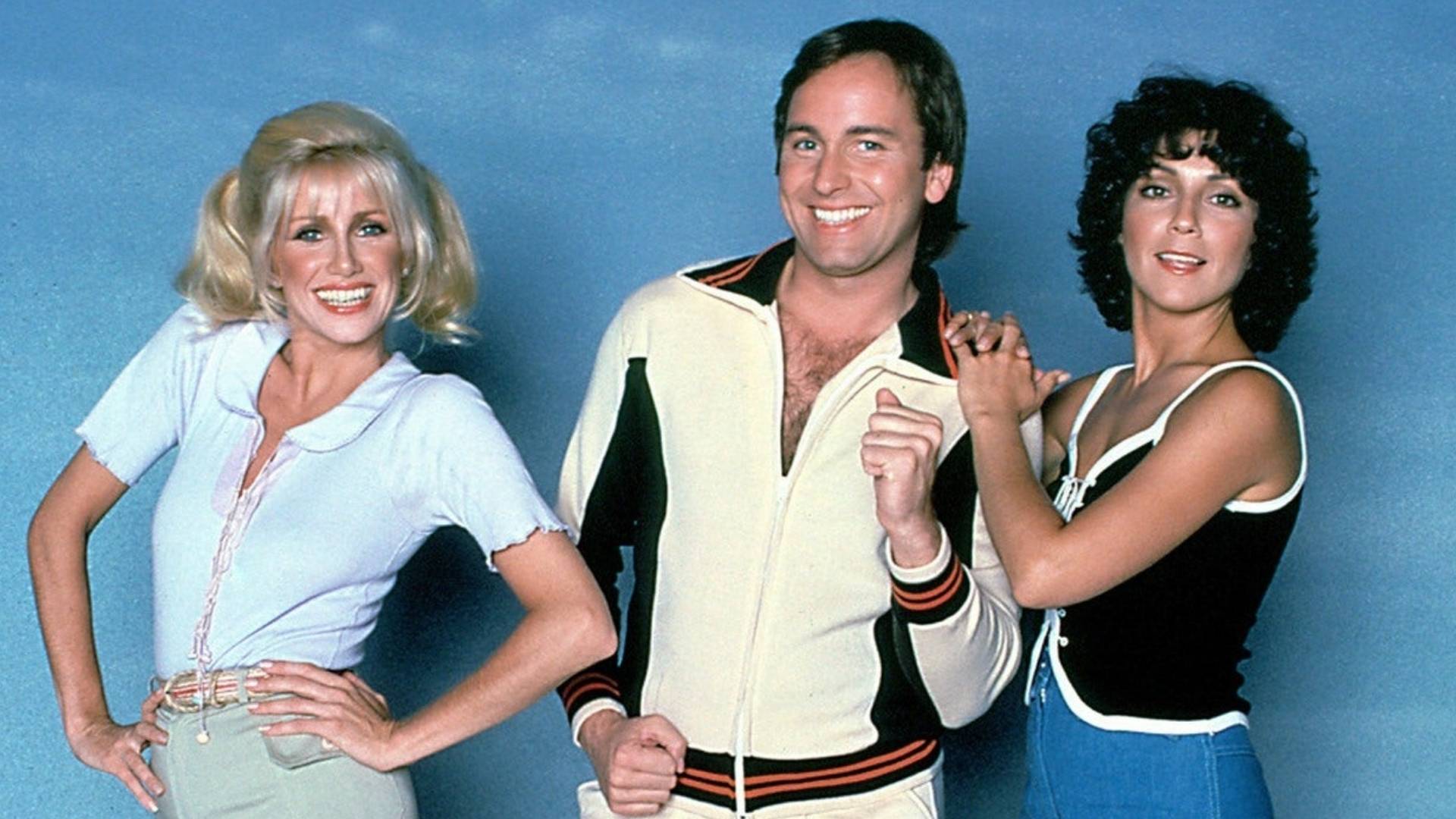
Three’s Company
While Man About the House introduced the setup, Three’s Company turned it into pure sitcom fun. The American version leaned fully into misunderstandings, physical comedy, and over-the-top situations. John Ritter’s performance as Jack Tripper made all the difference; his frantic reactions and slapstick timing carried the show.
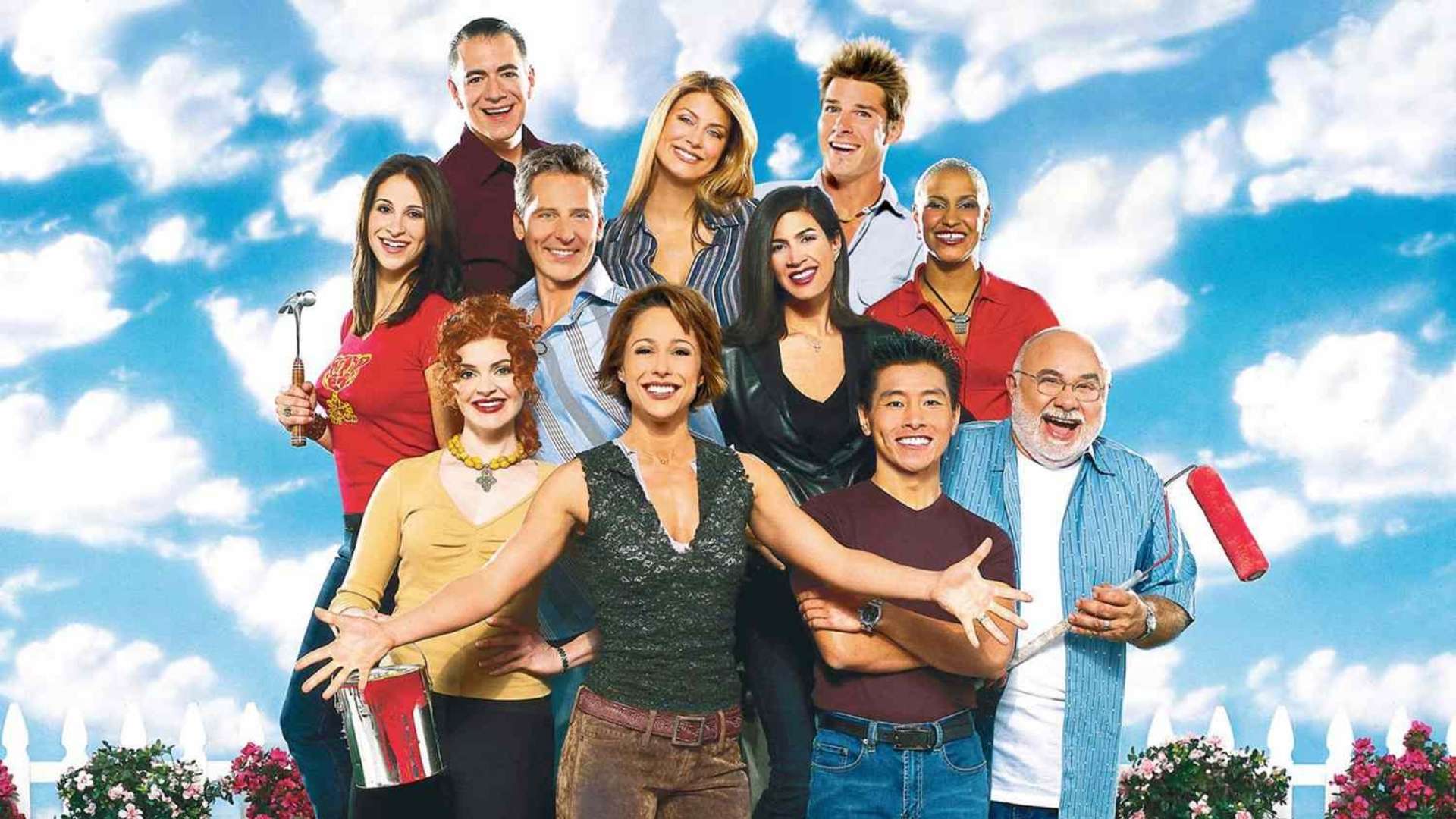
Trading Spaces
Based on Changing Rooms, Trading Spaces brought more drama and unpredictability to home makeovers. Designers took bolder risks, deadlines were tighter, and reactions were often emotional. That chaos made the American version far more exciting to watch. Instead of quiet transformations, viewers got surprises; both good and bad.
Queer As Folk
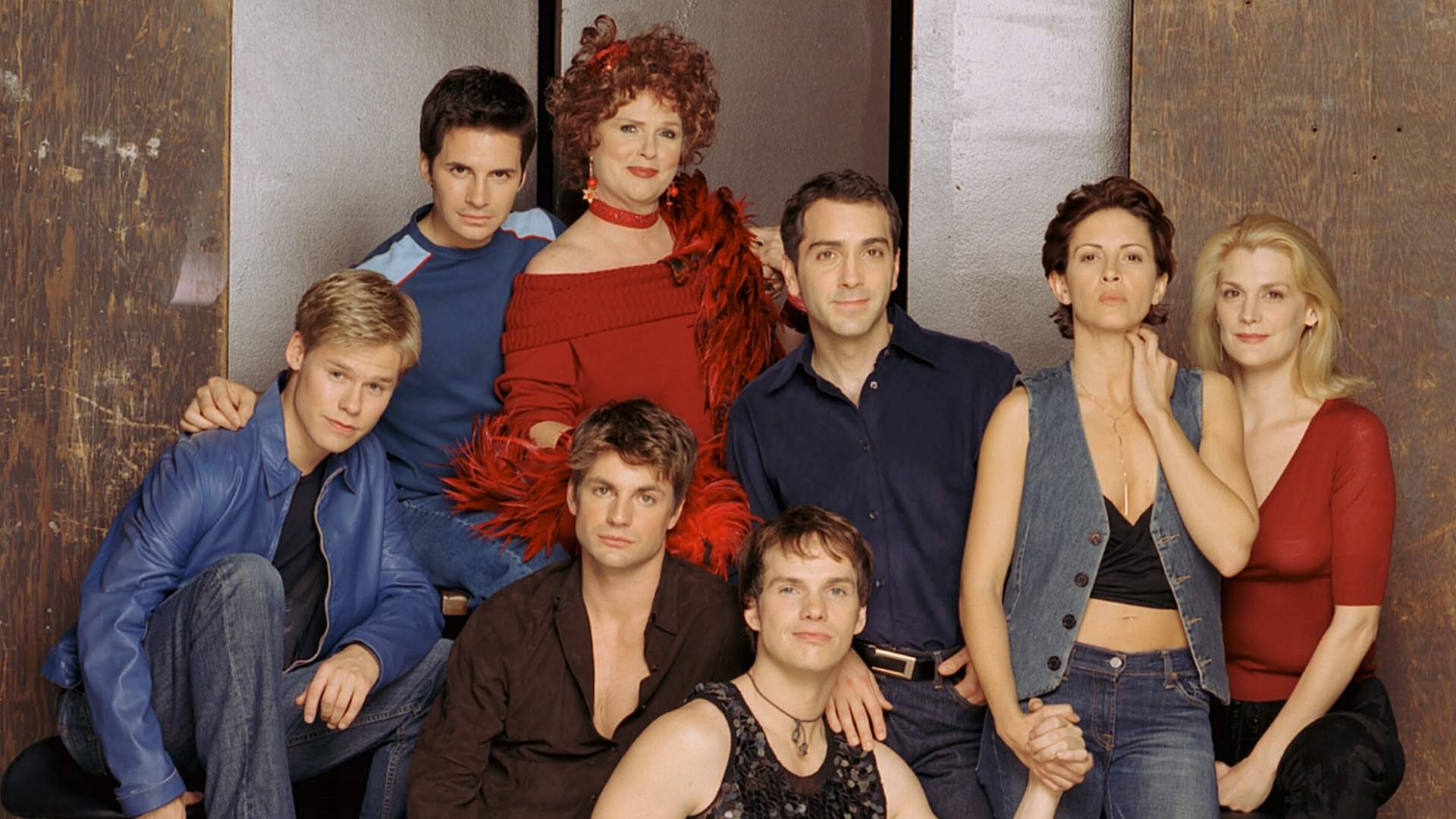
The American adaptation of Queer As Folk took the original idea and expanded it over multiple seasons. By spending more time with the characters, the U.S. version explored relationships, friendships, and personal growth in greater depth. This long-term storytelling made the show feel more immersive.

Undercover Boss
The British version of Undercover Boss kept things fairly low-key, but the American adaptation chose to play to the heart. Instead of sticking to realism, it highlighted emotional journeys, personal struggles, and powerful reveals. Seeing executives form genuine connections with employees and often step in to change their lives became the show’s biggest draw. T

The Great American Baking Show
While rooted in the gentle spirit of the British format, The Great American Baking Show introduced a more competitive, personality-driven rhythm. The U.S. version maintained the cozy aesthetic but leaned further into contestant backstories and pacing suited to American television. This balance helped it feel familiar yet distinct.

Skins
The American version of Skins remains divisive, but it wasn’t short on ambition. It tried to translate the raw, rebellious energy of the original for a different audience. While not everything worked, the show took risks that many remakes avoid. Compared to safer adaptations, Skins at least attempted something bold.
Dancing With the Stars
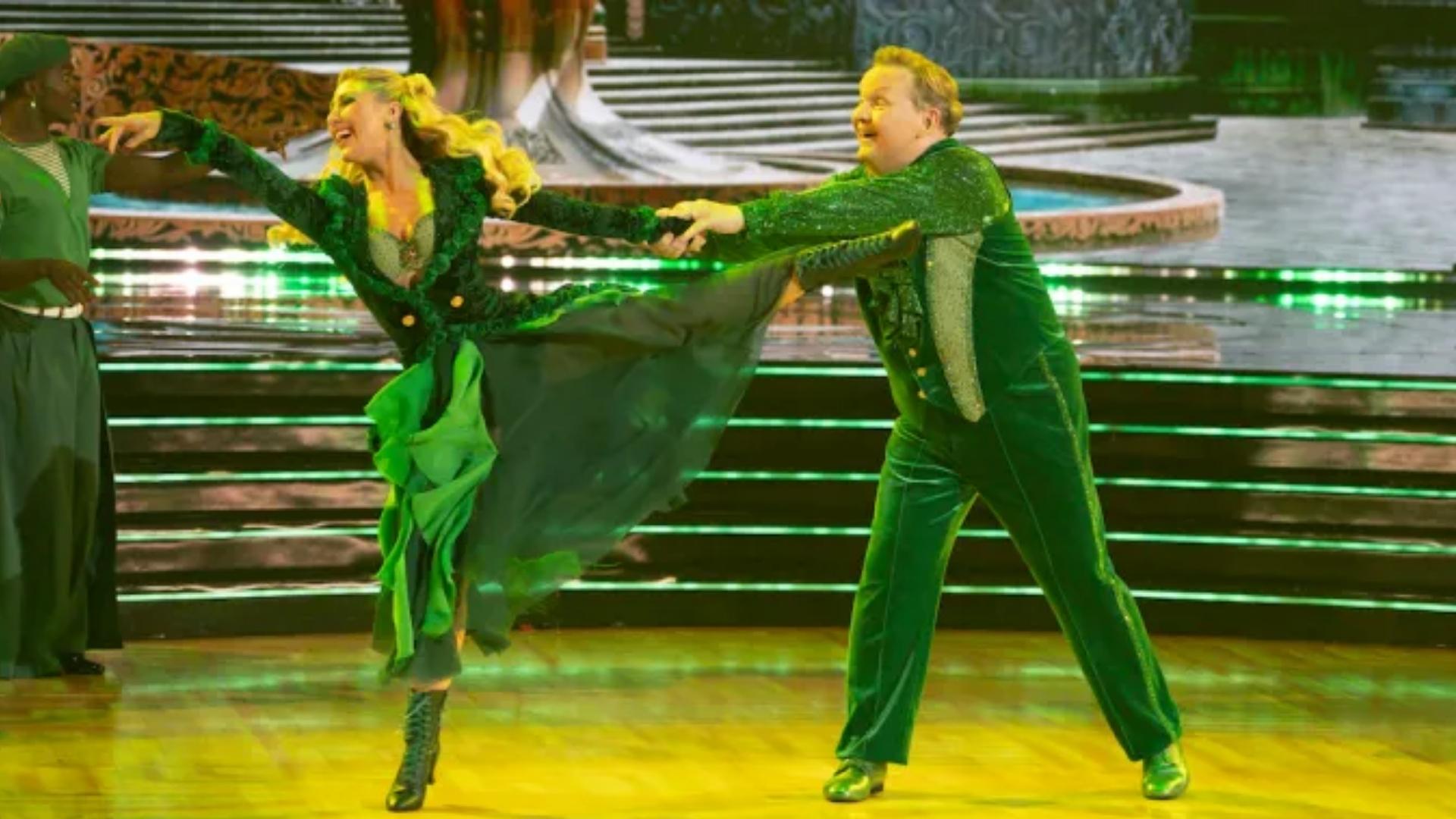
Strictly Come Dancing laid the groundwork, but Dancing With the Stars turned it into a full-scale television event. Celebrity casting, dramatic eliminations, and heavy promotion elevated the show into must-watch entertainment. The American version leaned into spectacle, making every performance feel consequential.
American Idol
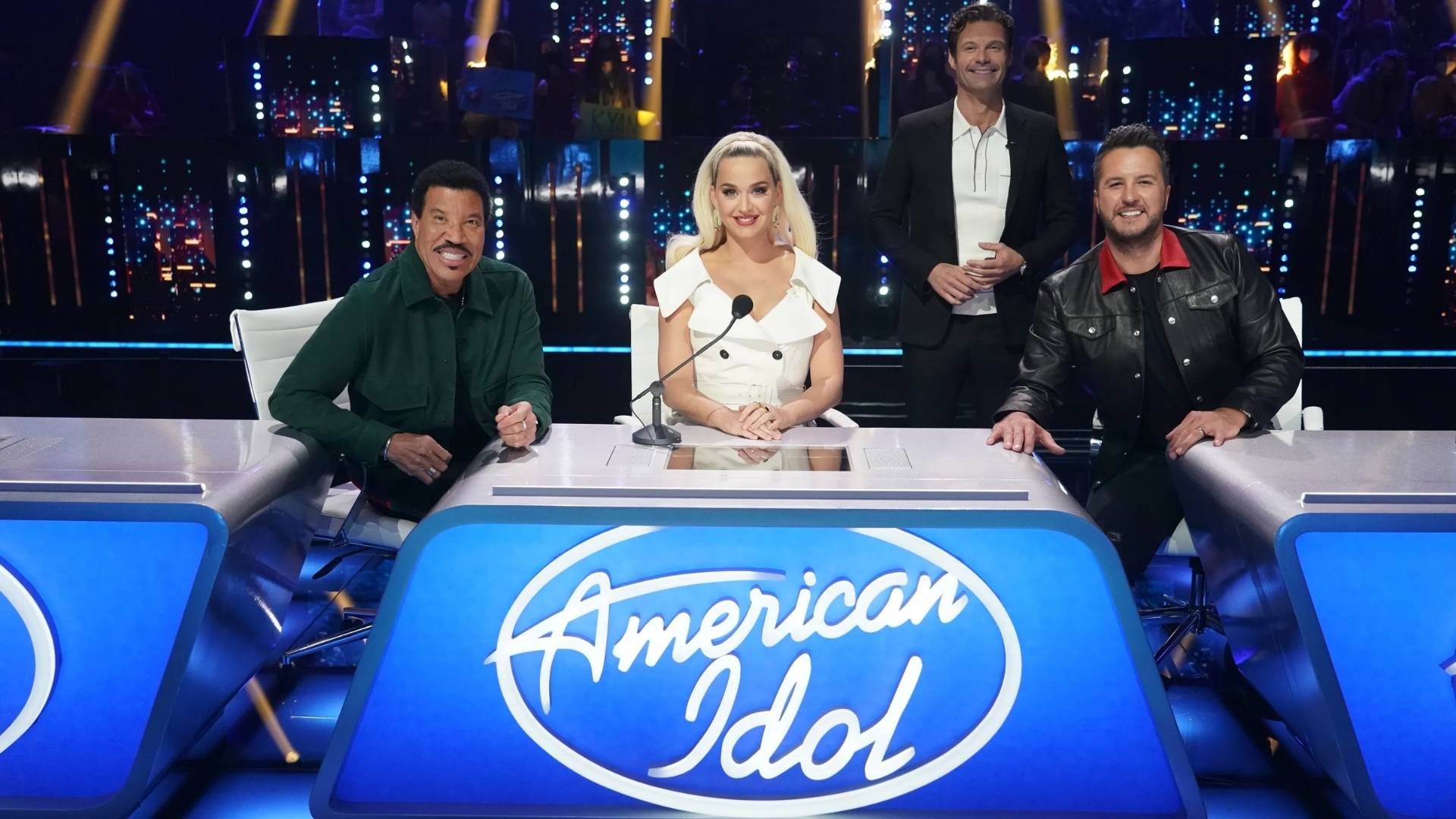
Based on Pop Idol, American Idol quickly became a pop culture powerhouse. The U.S. version leaned into big personalities, dramatic auditions, and emotional backstories. Judges became stars in their own right, and contestants’ journeys felt like television events. While the British version started the trend, American Idol took it to another level.