
10 Best Stephen King TV Shows Every Fan Needs To Watch
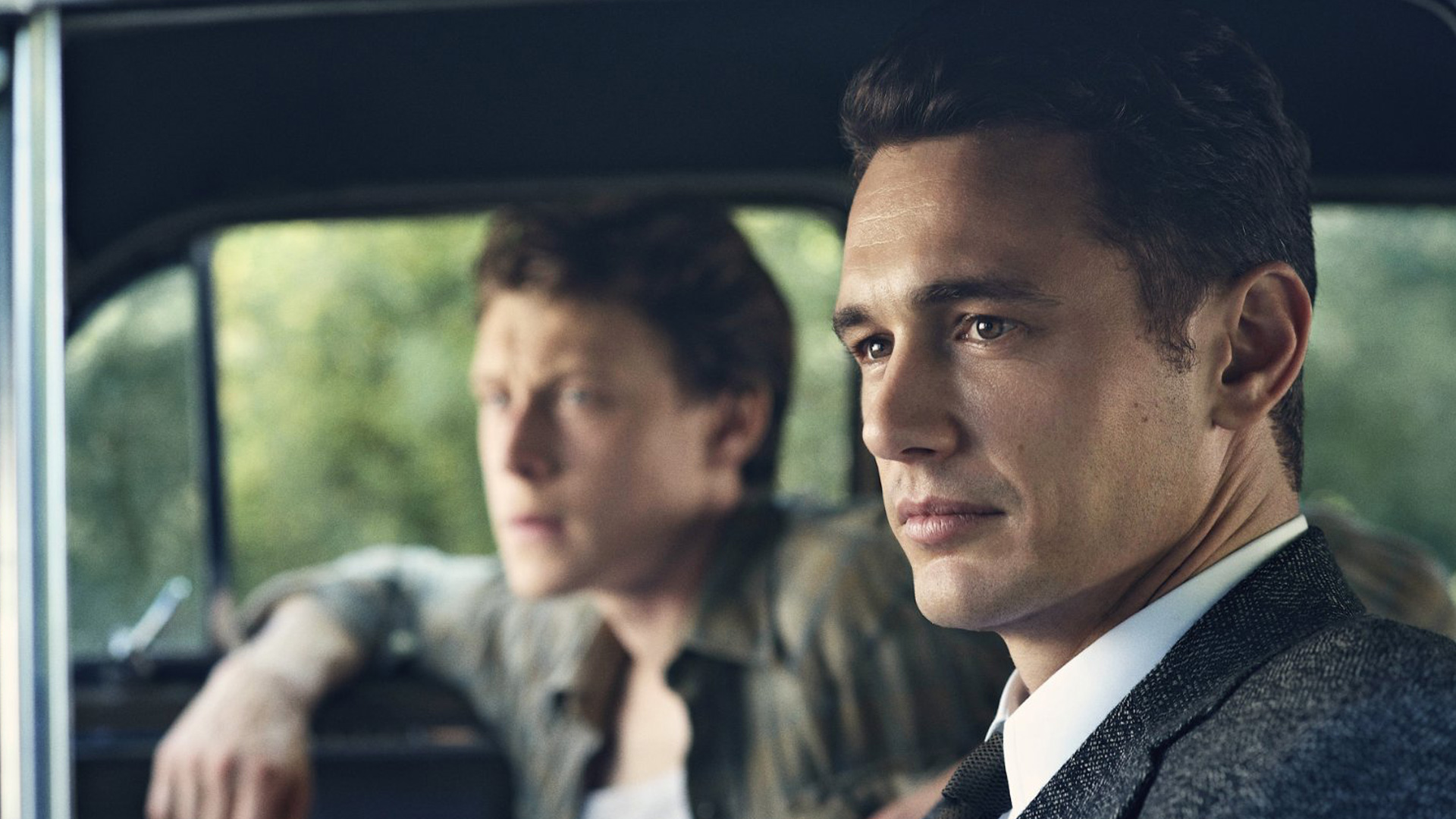
11.22.63 (2016)
This limited series stars James Franco as Jake Epping, an English teacher who travels back in time to prevent the assassination of John F. Kennedy. Unlike King’s horror works, this is a "magnificent science-fiction thriller" that focuses on the butterfly effect and the idea that "the past doesn't want to be changed." Its high production values and emotional core make it a standout modern adaptation.
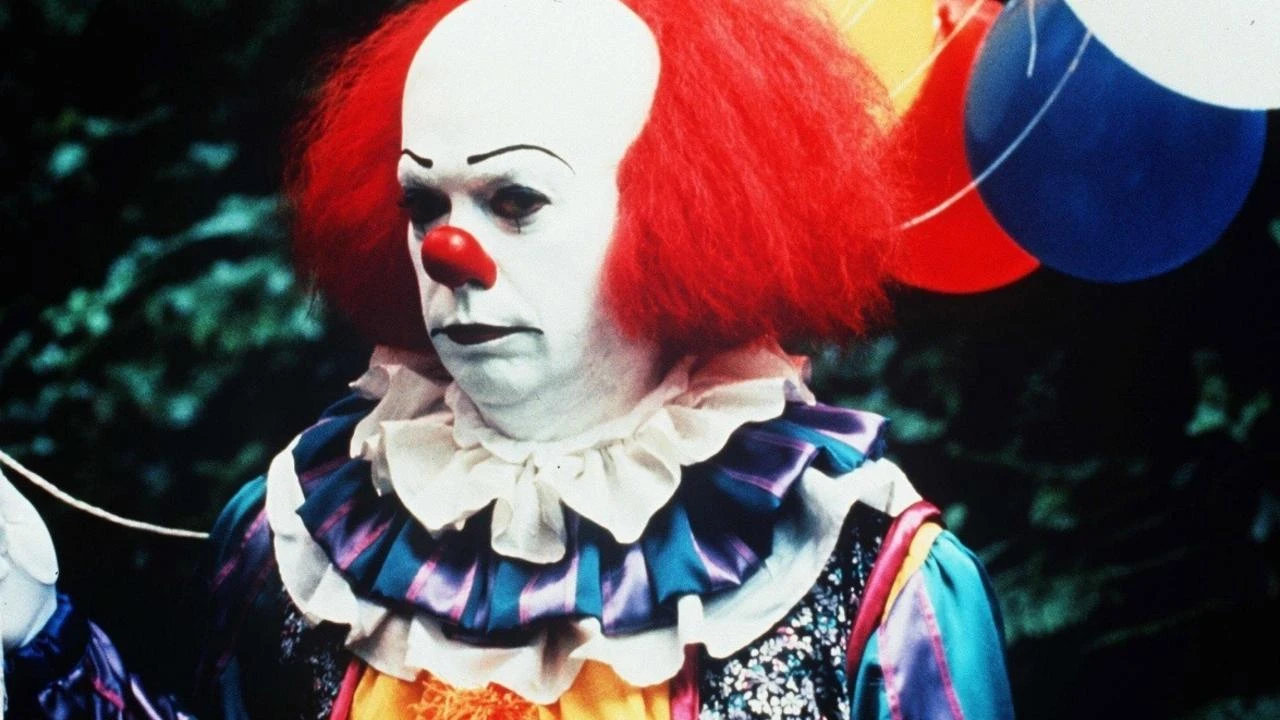
IT (1990)
Long before the blockbuster movies, this two-part miniseries brought Pennywise the Dancing Clown into living rooms across the world. While the budget and some of the effects haven't aged perfectly, Tim Curry’s performance remains the definitive, terrifying portrayal of the entity. The show's structure, jumping between the Losers' Club as children and adults, set the blueprint for how to adapt King’s massive 1,100-page novel.
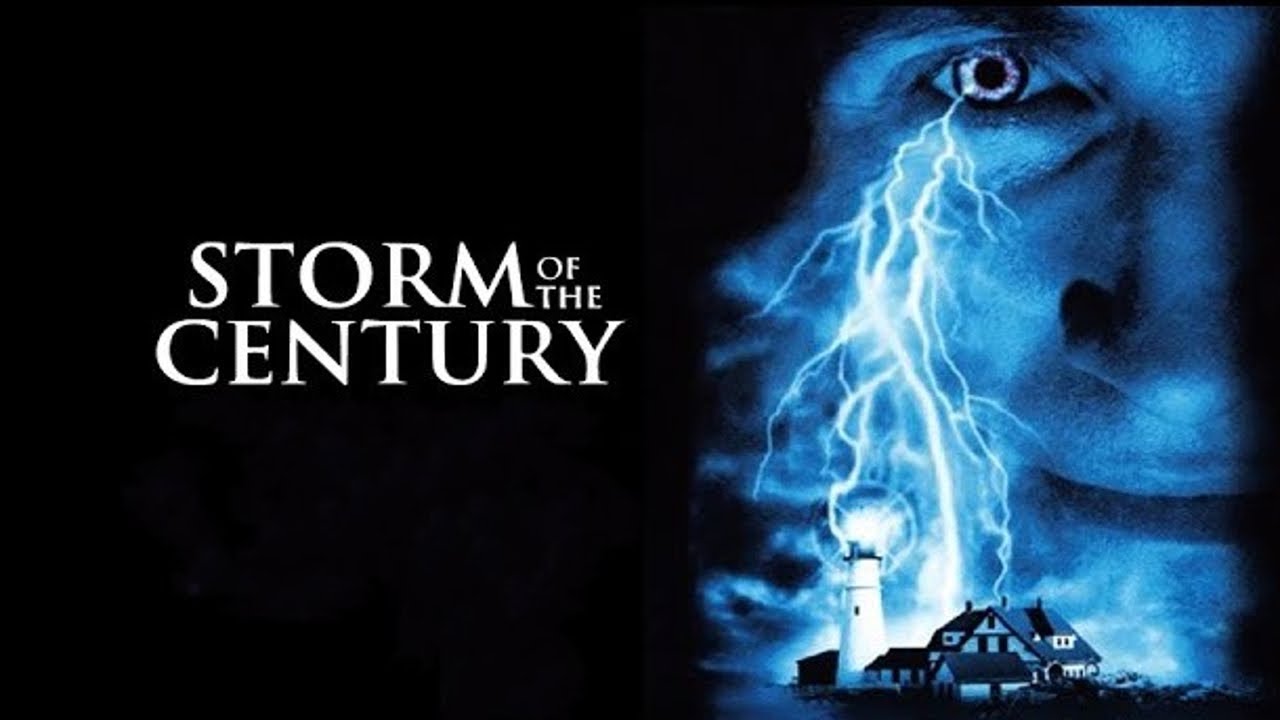
Storm of the Century (1999)
Uniquely, King wrote this script directly for television rather than adapting a book. During a record-breaking blizzard on a small Maine island, a mysterious stranger named Andre Linoge arrives with a chilling ultimatum: "Give me what I want, and I'll go away." It is a masterclass in psychological tension and small-town paranoia, leading to one of the bleakest and most debated endings in TV history.
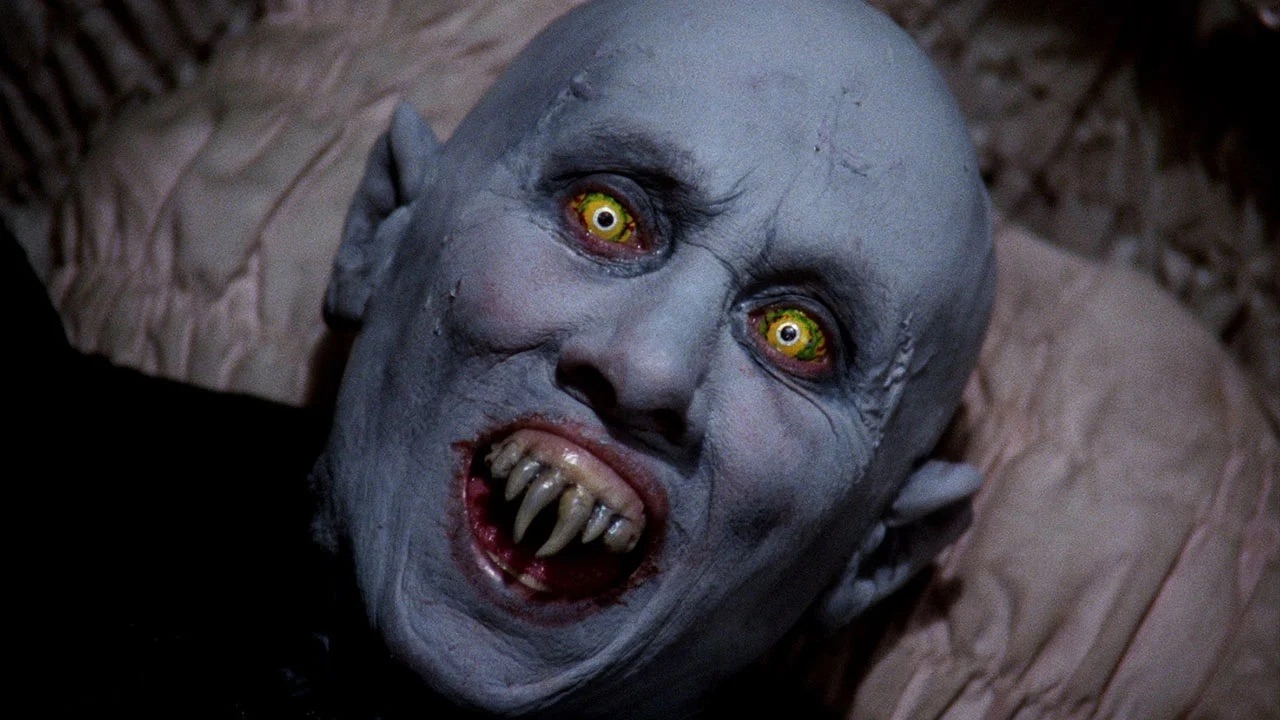
Salem’s Lot (1979)
Directed by horror legend Tobe Hooper (The Texas Chain Saw Massacre), this miniseries is a landmark in vampire television. It eschewed the romanticized vampires of the era for a blue-skinned, Nosferatu-inspired monster that prioritized pure dread over charm. The scene of a vampire child scratching at a window remains one of the most iconic and terrifying images in the King multiverse.
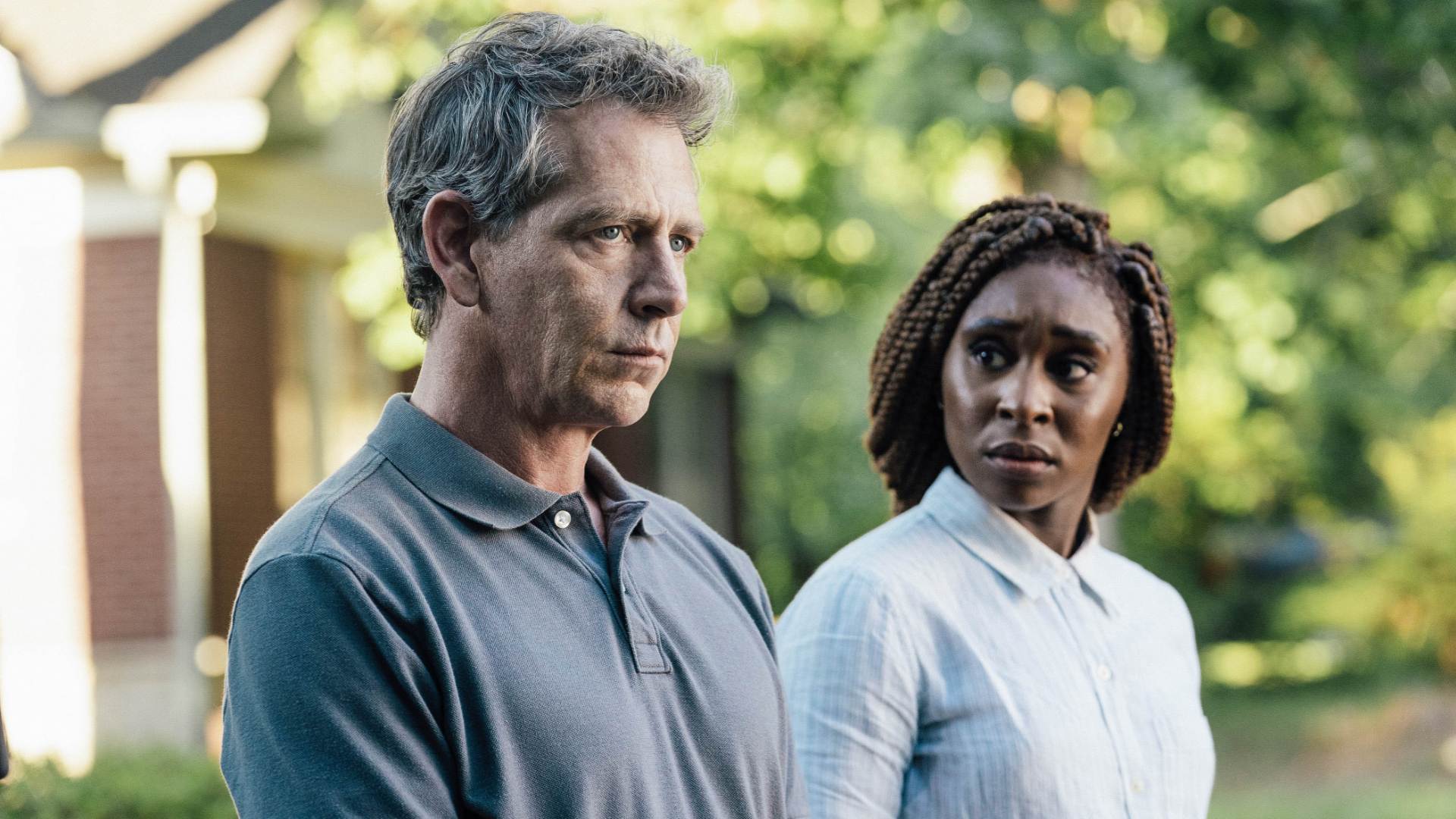
The Outsider (2020)
HBO’s take on this 2018 novel begins as a gritty, "true crime" police procedural before slowly curdling into a supernatural nightmare. Starring Ben Mendelsohn and Cynthia Erivo, the series is praised for its oppressive atmosphere and its exploration of how grief and belief intersect. It is a slow-burn masterpiece that proves King’s modern works are just as potent as his classics.
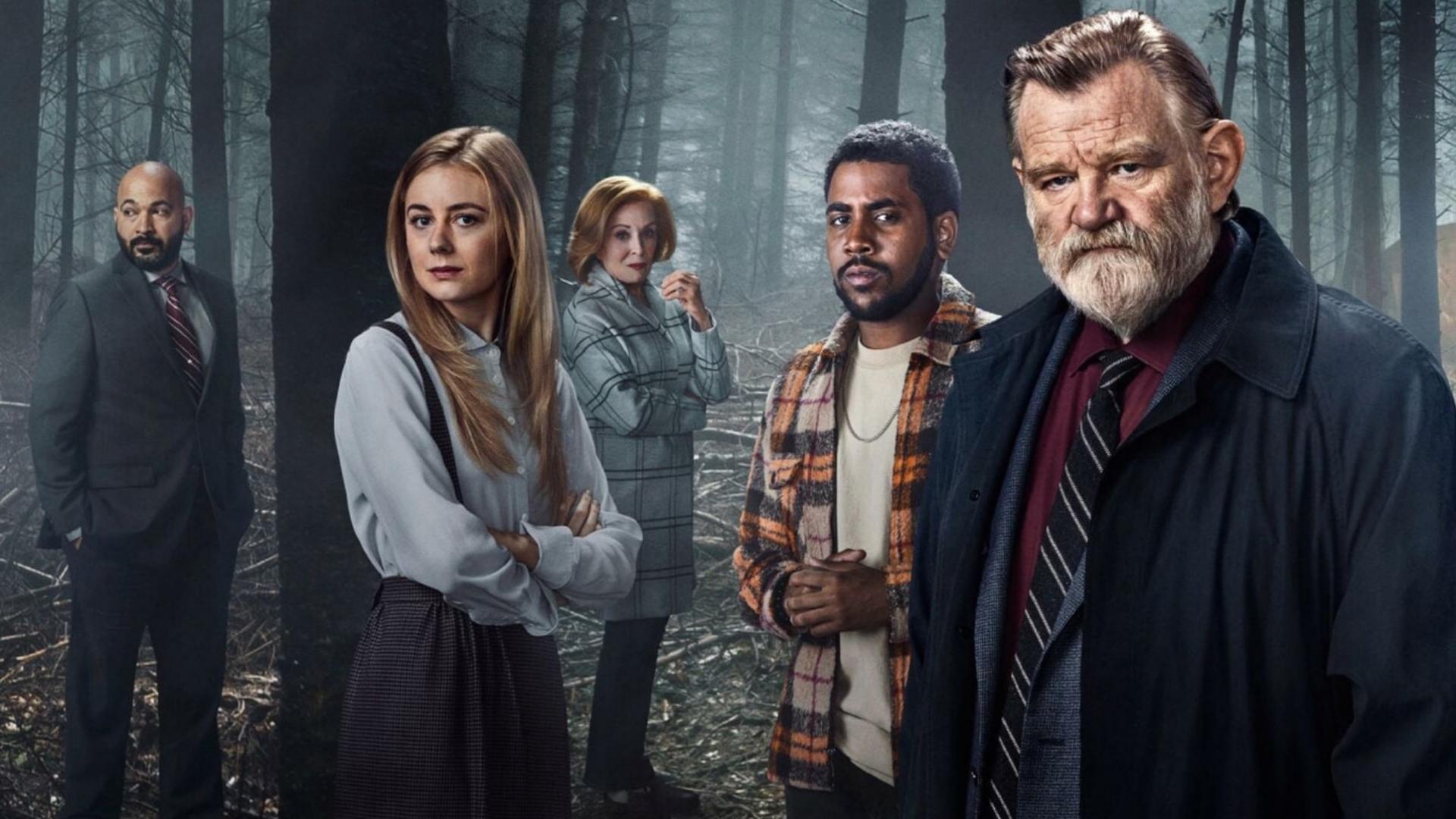
Mr. Mercedes (2017–2019)
Developed by TV legend David E. Kelley, this "hard-boiled" detective series follows a retired cop (Brendan Gleeson) being taunted by a sociopathic killer. Unlike many other entries, this show leans away from the supernatural, focusing instead on a grounded cat-and-mouse game. Gleeson’s monumental performance anchored the show for three seasons, making it a "satisfying adaptation" that does justice to the Bill Hodges trilogy.
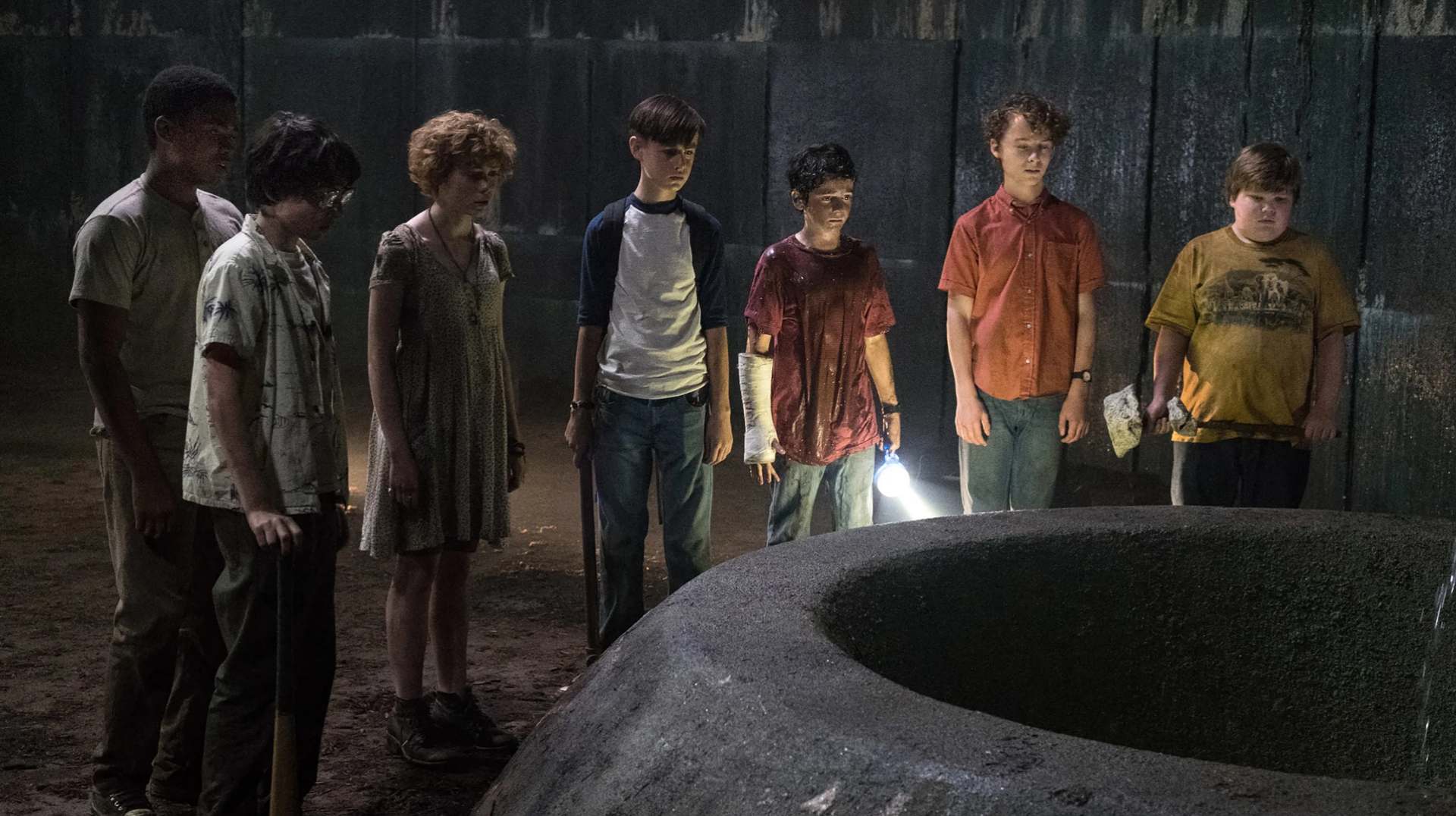
IT: Welcome to Derry (2025)
The most recent addition to the King TV canon, this HBO prequel series dives into the cursed history of Derry, Maine, in the 1960s. By treating the town itself as a character shaped by a cycle of violence, the show expands the IT mythos in ways fans have craved for decades. It combines military conspiracies with Pennywise’s early reign of terror, reinvigorating the brand for a new generation.
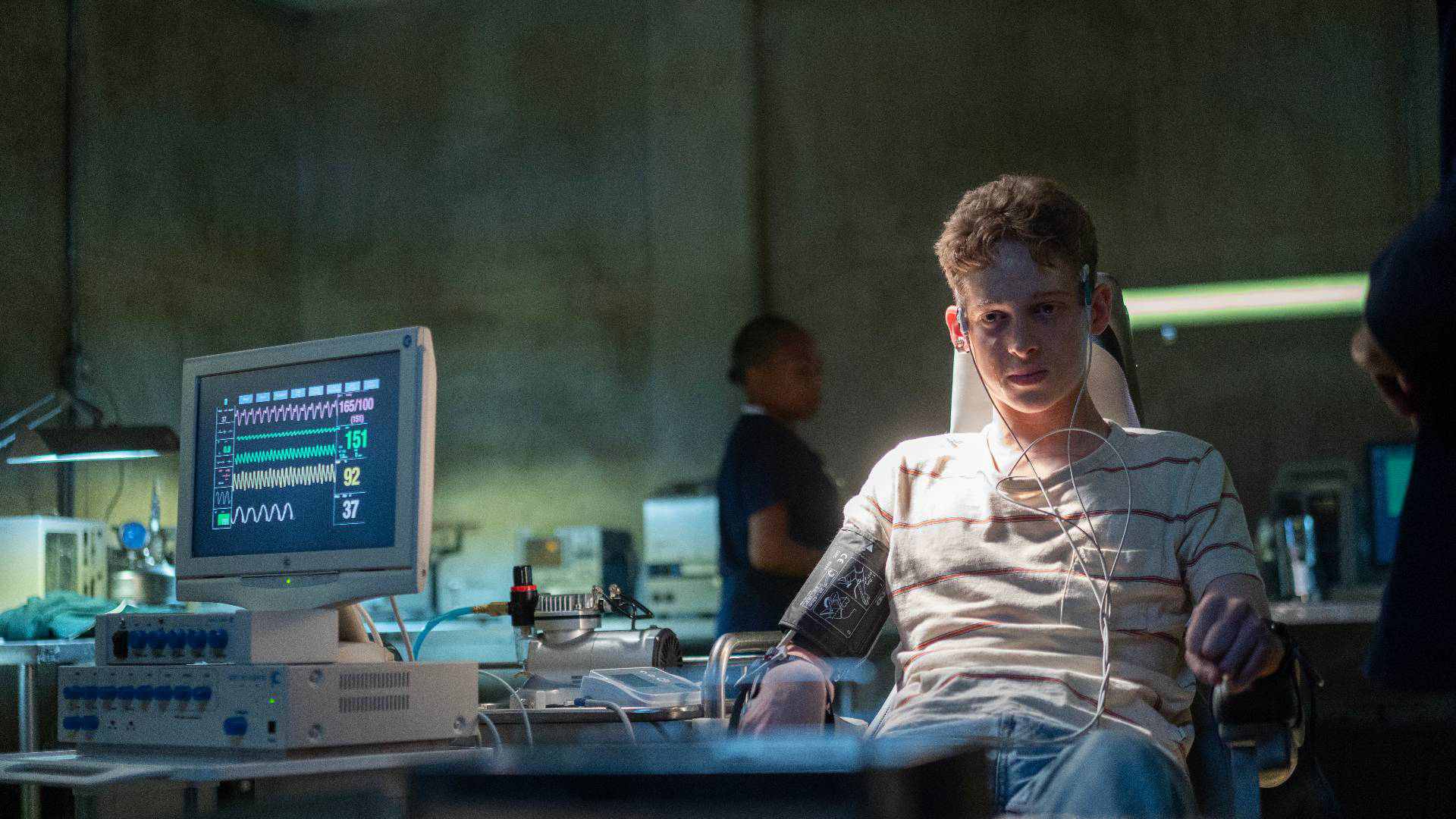
The Institute (2025)
This MGM+ series follows a gifted teenager kidnapped and taken to a clandestine government facility where telekinetic children are experimented on. Critics have called it a "suspense-driven story built on tension" and a worthy replacement for Stranger Things. Starring Ben Barnes as a local cop who uncovers the conspiracy, the show perfectly captures King's recurring theme of childhood innocence vs. institutional evil.
Castle Rock (2018–2019)
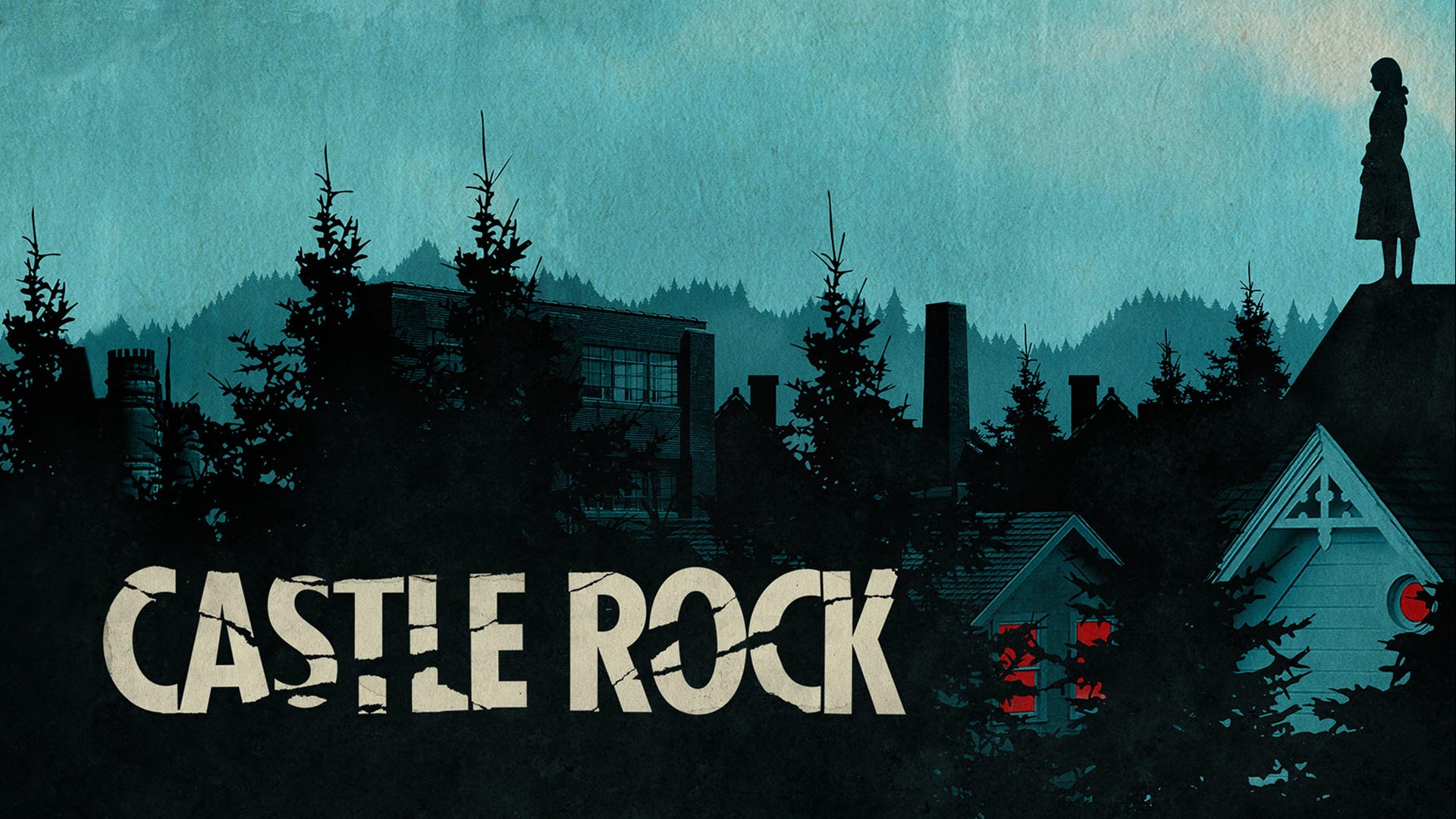
This isn't an adaptation of a single book, but a "psychological-horror series set in the Stephen King multiverse." It weaves together various themes, locations (like Shawshank Prison), and characters from his bibliography to tell original stories. Season 2, featuring Lizzy Caplan as a young Annie Wilkes (Misery), is widely considered a high point for King-inspired television.
The Stand (1994/2020)
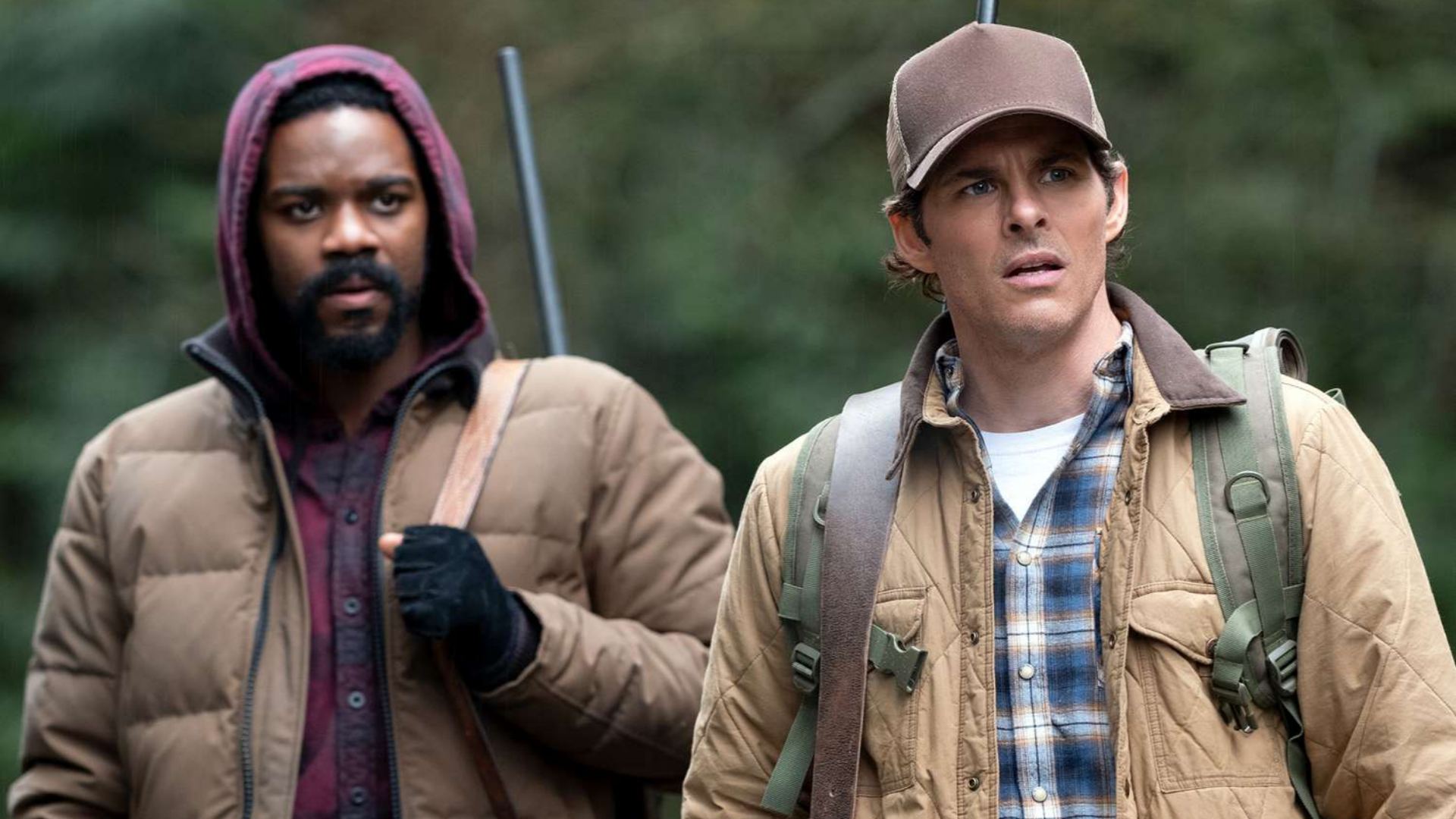
While the 2020 remake was more technically advanced, the 1994 four-part miniseries is often favored for its "heart" and more faithful pacing. Following the survivors of a global superflu as they gather for a final battle between good and evil, it captured the epic scope of King's most famous novel in a way that felt like a major cultural event.