
10 Best WWE Jobbers
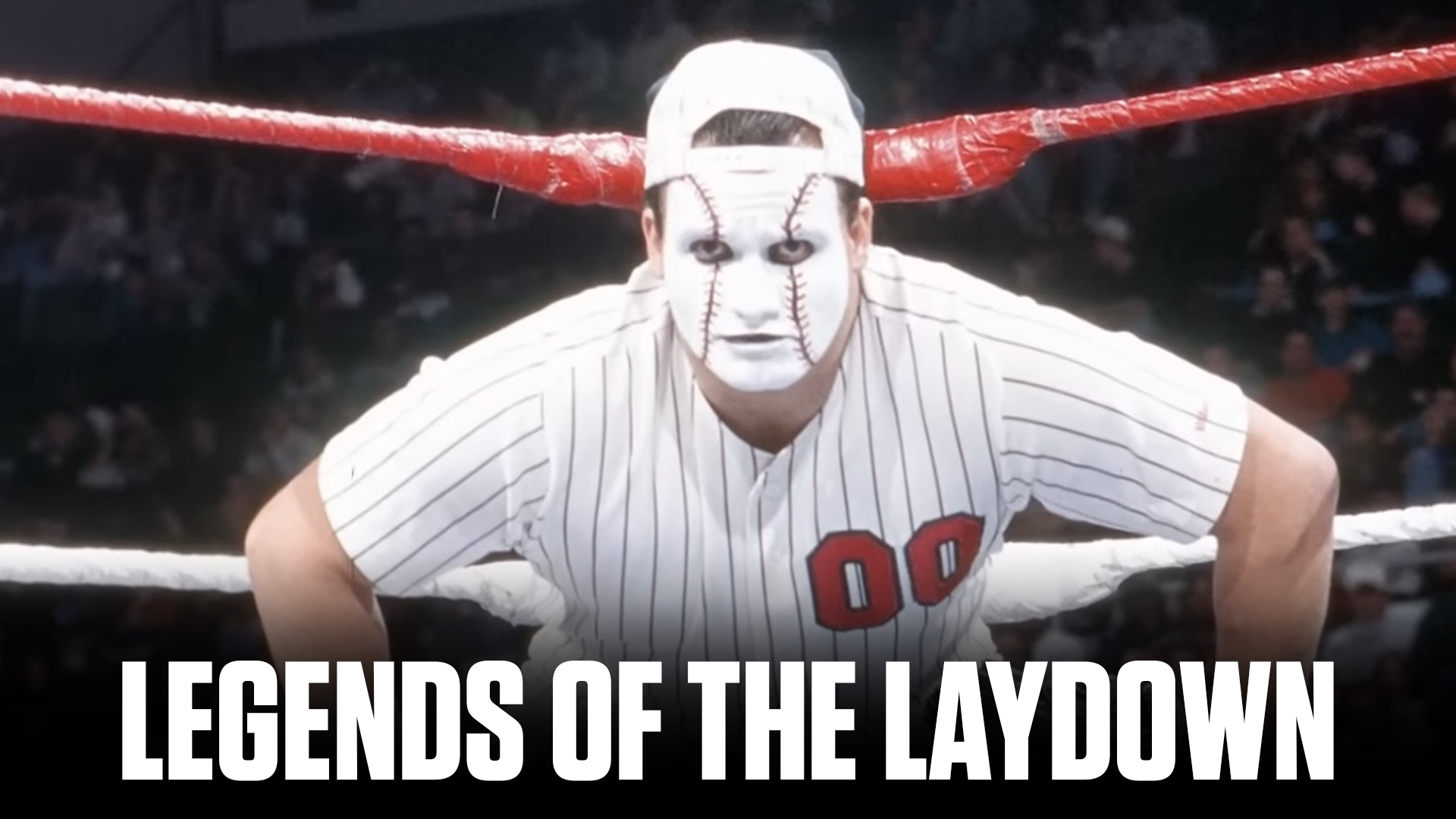
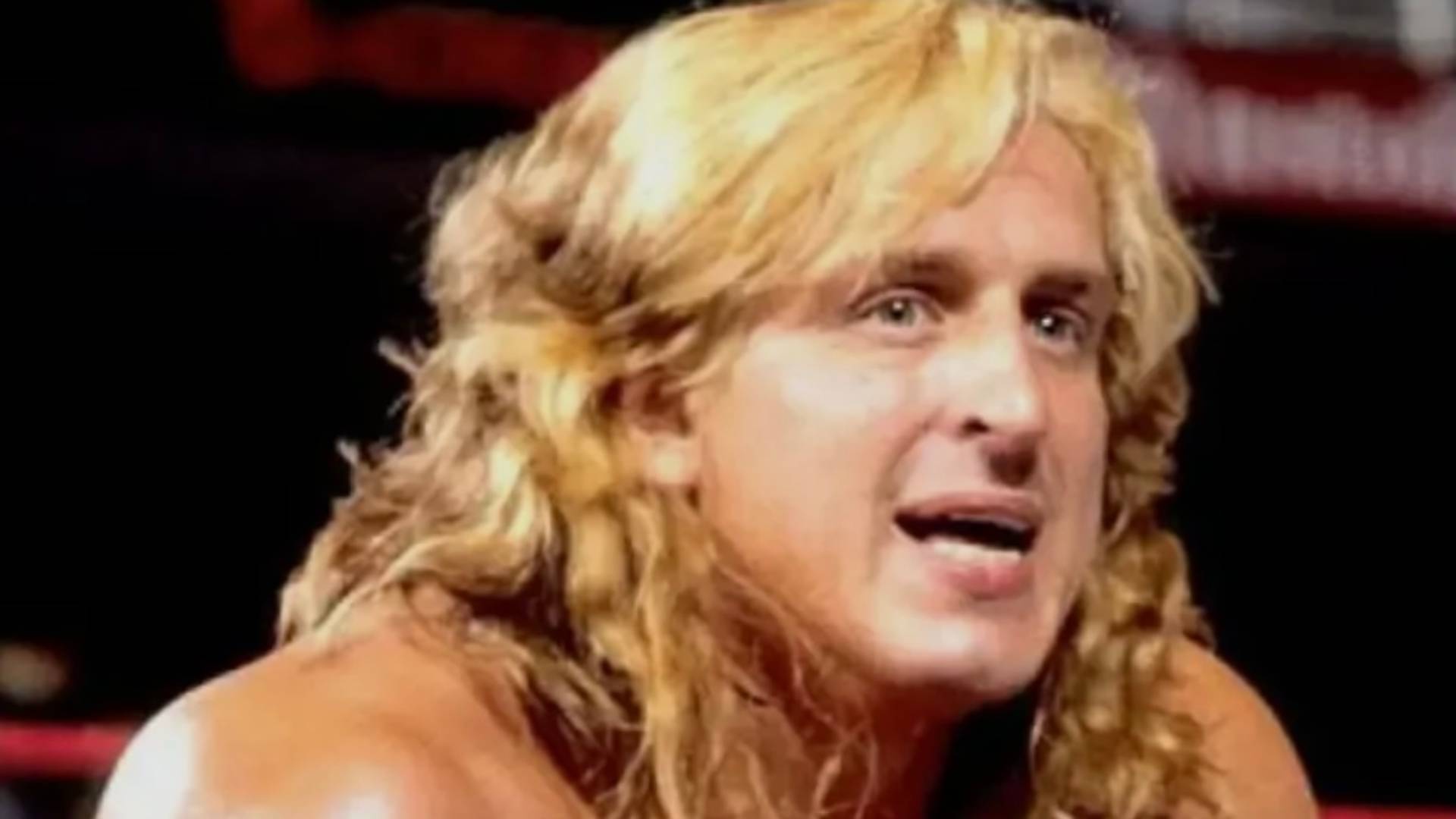
10. Barry O (Barry Orton)
Born into the Orton wrestling legacy, Barry O never pursued full-time stardom, choosing to focus on music and movies. Throughout the 80s and early 90s, he served as a polished, dependable enhancement talent despite lacking a standout physique. He routinely put over major names like Ricky Steamboat, Tito Santana, The Junkyard Dog, The Texas Tornado, and Bret Hart. While he enjoyed stronger runs elsewhere, WWE fans remember him as the reliable worker who consistently made rising stars look dominant.
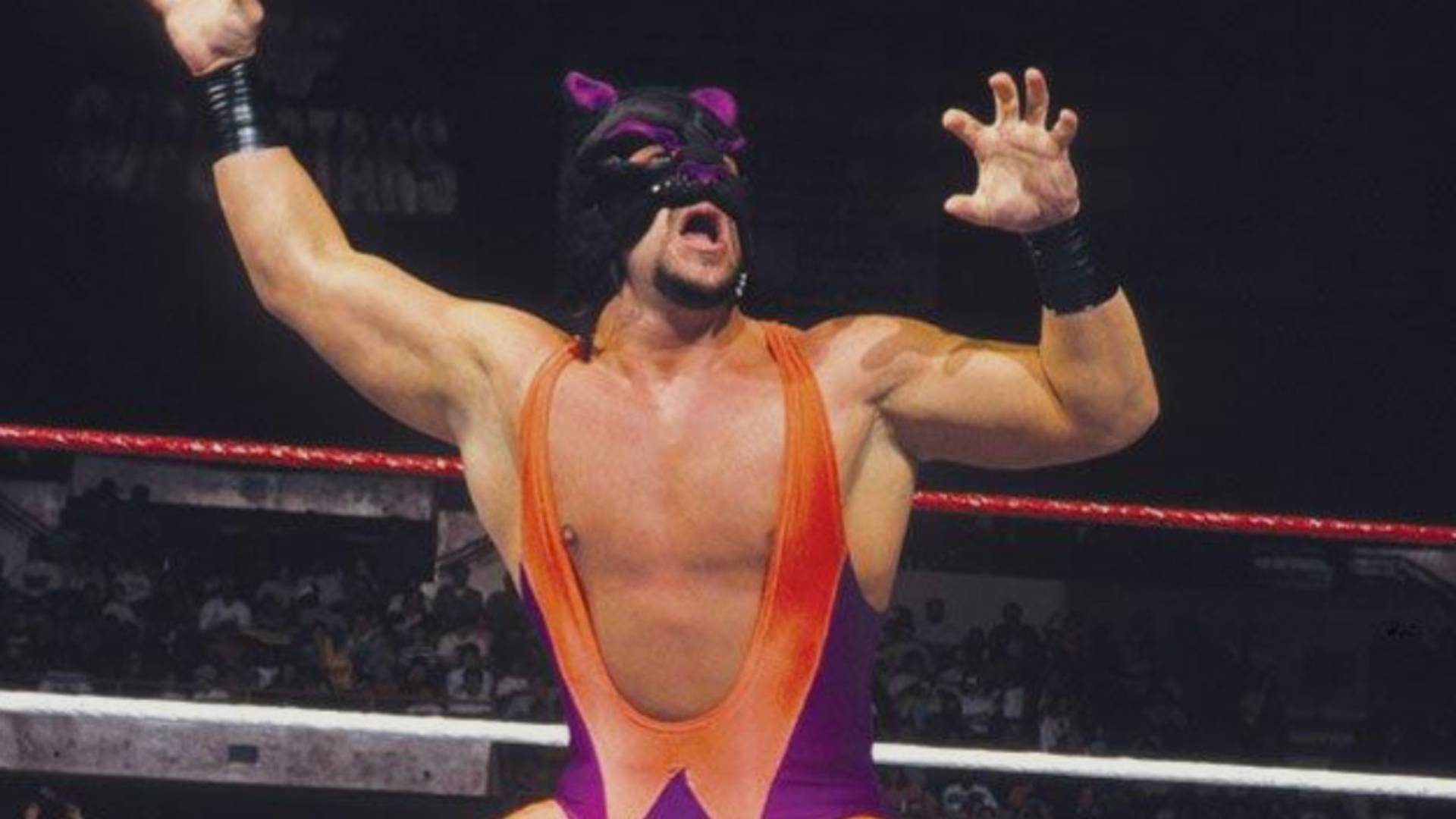
9. Brady Boon
A highly athletic performer with a gymnastics background, Brady Boon’s 5’7” frame worked against him in WWE’s size-driven 80s. He picked up occasional house-show wins over fellow undercard wrestlers, but his primary task on TV was elevating bigger names. Even in defeat, he delivered exciting flips and athletic bursts before being pinned. Randy Savage, Demolition, Butch Reed, The Honky Tonk Man, Ted DiBiase, and Greg Valentine all benefited from his efforts. Boon briefly returned as Battlecat, scoring a few wins before continuing enhancement work in WCW.
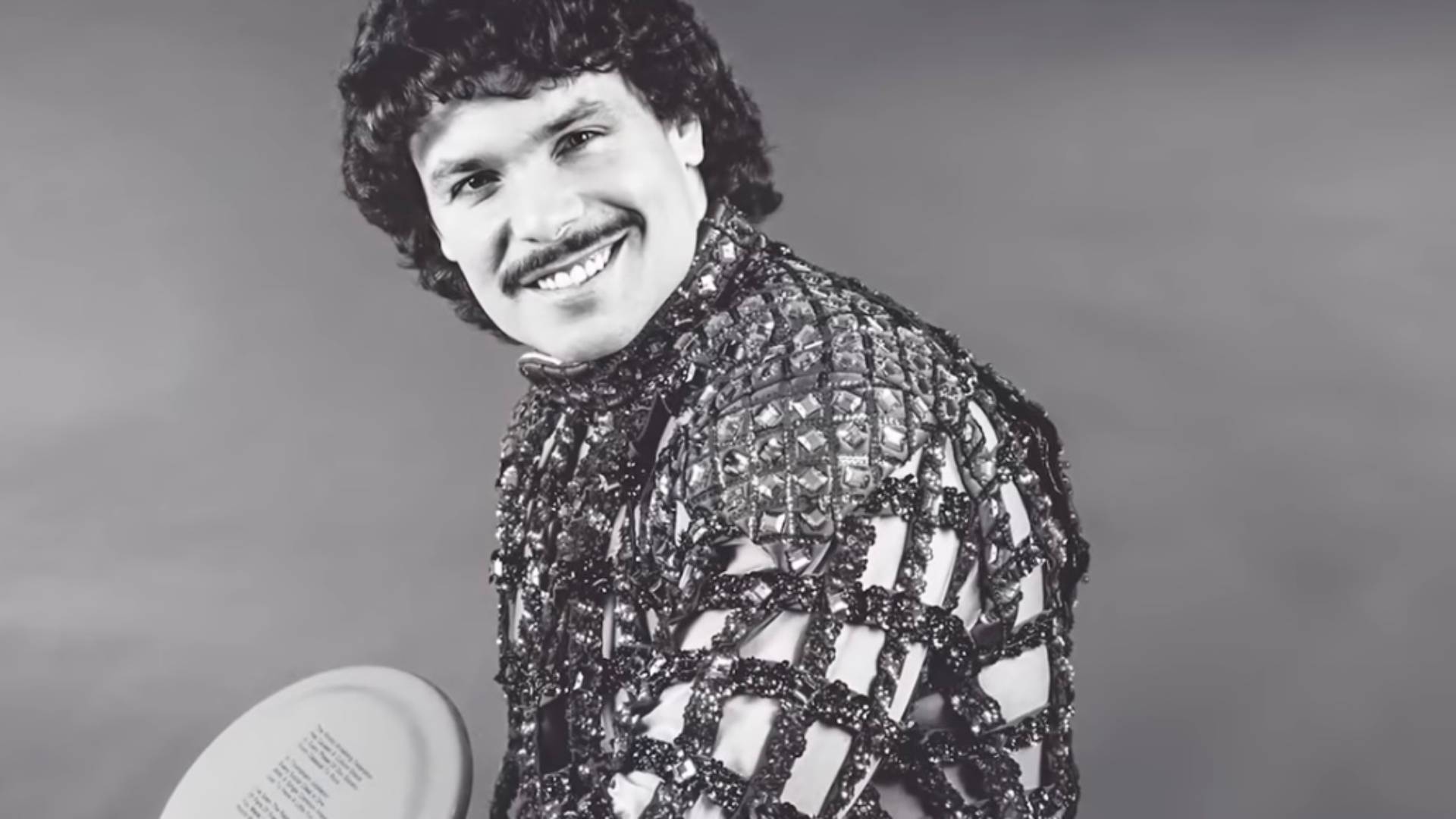
8. Lanny Poffo
Before becoming “The Genius,” Lanny Poffo spent years as “Leaping Lanny,” regularly taking quick losses on television. Unlike his brother Randy Savage, Lanny was positioned as an everyman who helped showcase higher-ranked talent. He excelled at selling for larger opponents and frequently lost to Kamala, Paul Orndorff, and Hercules. In longer matches against fellow prelim wrestlers, he displayed innovative, athletic offense well ahead of the mid-80s curve. He openly embraced his role, later earning a career-defining twist with his count-out win over Hulk Hogan.
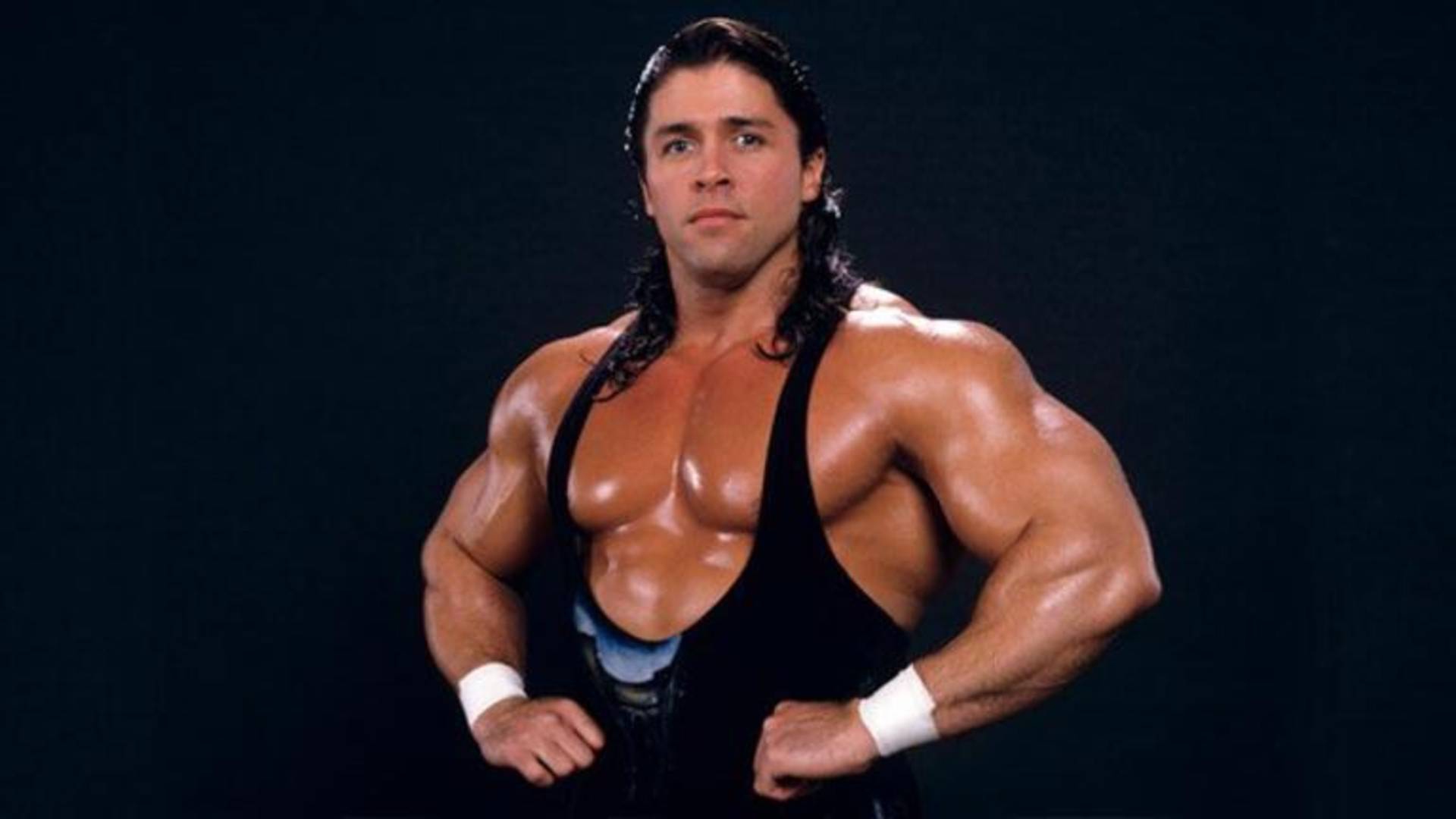
7. Jim Powers
With a chiseled physique, Jim Powers briefly seemed destined for more, especially during his 1987 run in The Young Stallions with Paul Roma. After that team dissolved, he returned to the enhancement ranks, beating opening-match peers at house shows while falling to main-roster stars on national TV. His size made victories over him feel meaningful, but his charisma and ring work never fully stood out. Powers eventually took his experience to WCW, continuing in a similar role.
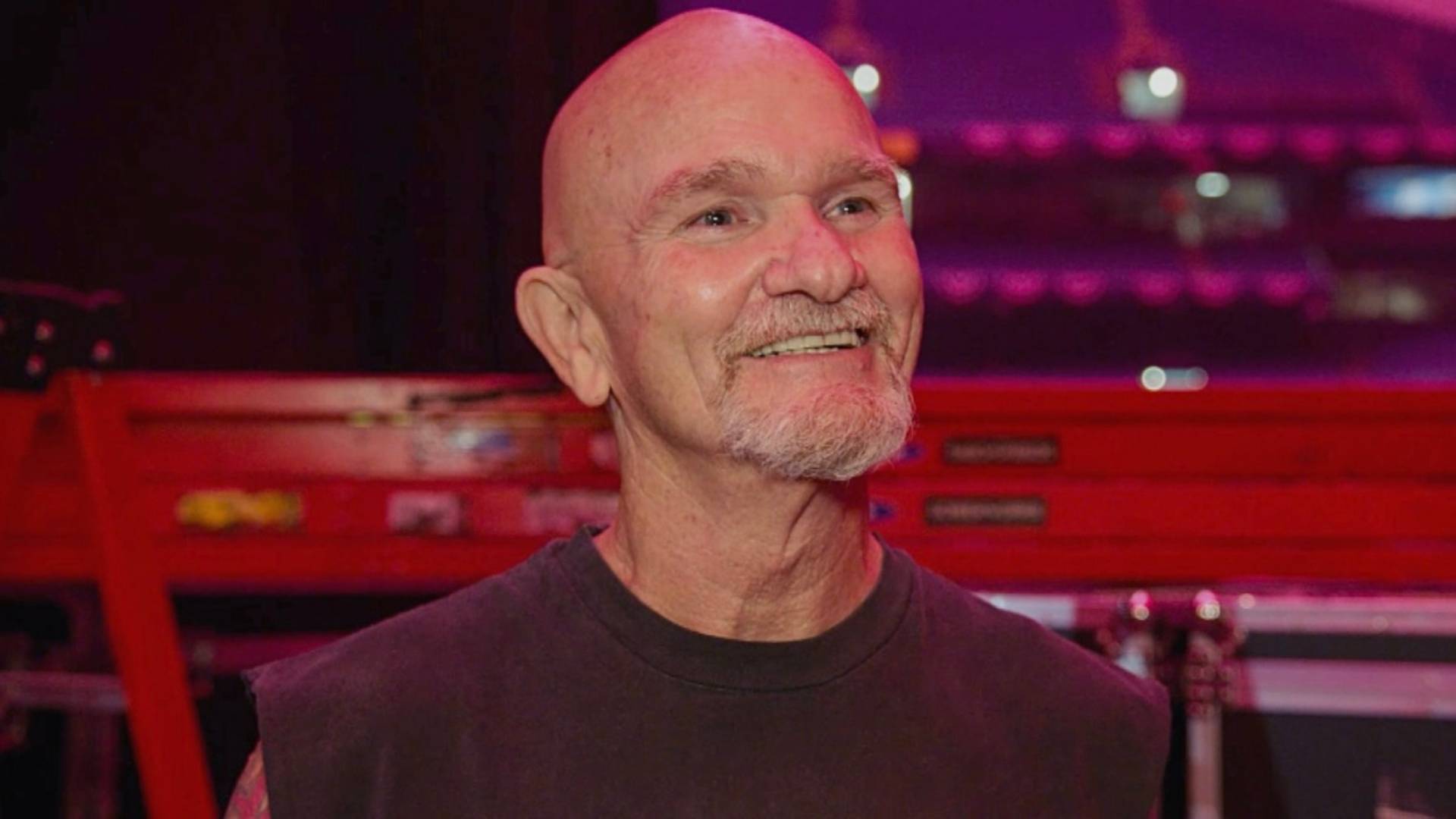
6. Dwayne Gill
Dwayne Gill entered WWE through his connection with Barry Hardy, and together they regularly put over top 90s tag teams such as The Legion of Doom, The Hart Foundation, The Bushwhackers, and The Rockers. Gill became known for taking heavy offense with ease, making him a reliable fixture throughout the early 90s. After a hiatus, he returned in 1998, stunning fans by upsetting Christian for the Light Heavyweight Title. His run as “Gillberg,” a parody of Goldberg, produced a few wins but ultimately reaffirmed his long-established losing role, ending with a 45-second title loss.
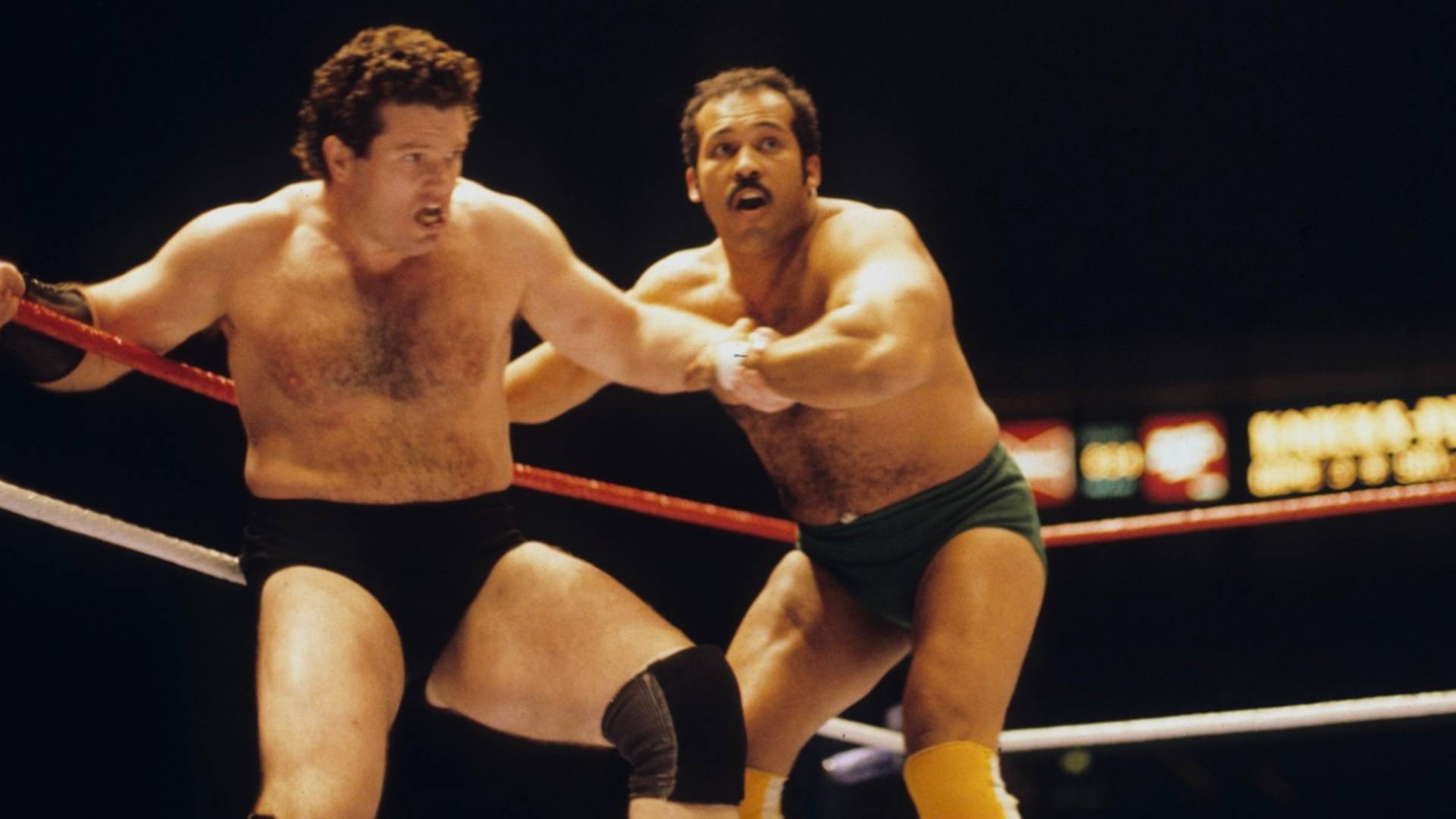
5. Johnny Rodz
Johnny Rodz debuted with the WWWF in 1965 and built a reputation as a believable heel and consummate professional. By the 80s, he was the dependable opponent tasked with making stars like Jimmy Snuka and Hulk Hogan look credible before bigger storylines. Though he lost more frequently later in his career, his in-ring guidance helped shape many future names. His second career as a trainer produced talents such as Taz, Devon Dudley, and Tommy Dreamer, earning him a WWE Hall of Fame induction in 1996.
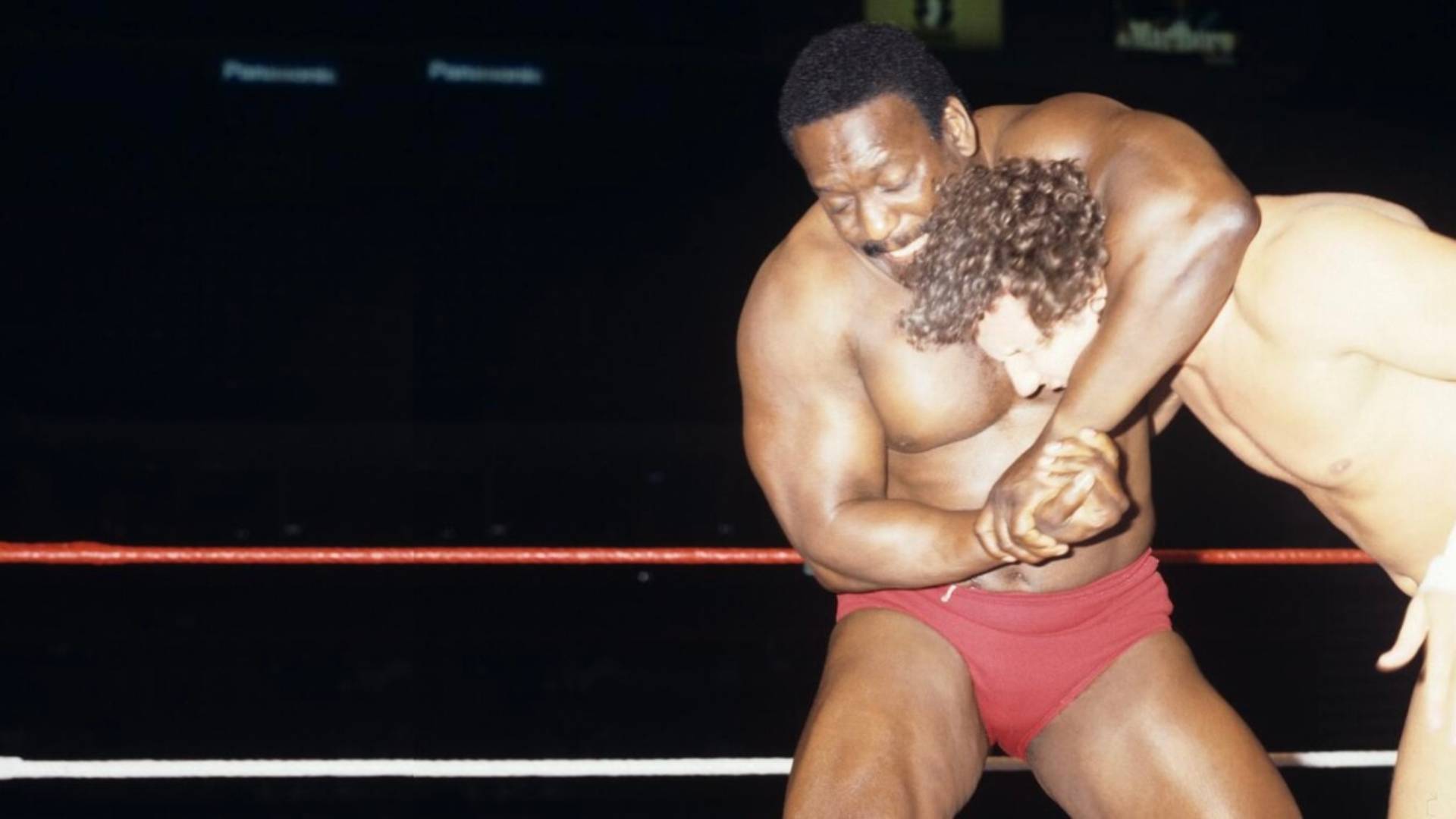
4. SD Jones (Special Delivery Jones)
Introduced to WWE through Johnny Rodz, SD Jones became one of the company’s most endearing enhancement talents. He was often the last opponent a major heel faced before moving on to championship-level rivals like Bruno Sammartino or Bob Backlund. His charisma made him surprisingly popular, resulting in his own action figure and a cameo at WrestleMania I, where King Kong Bundy defeated him in seconds. Jones logged nearly 2,000 WWE matches and entered the Hall of Fame’s Legacy Wing in 2019.
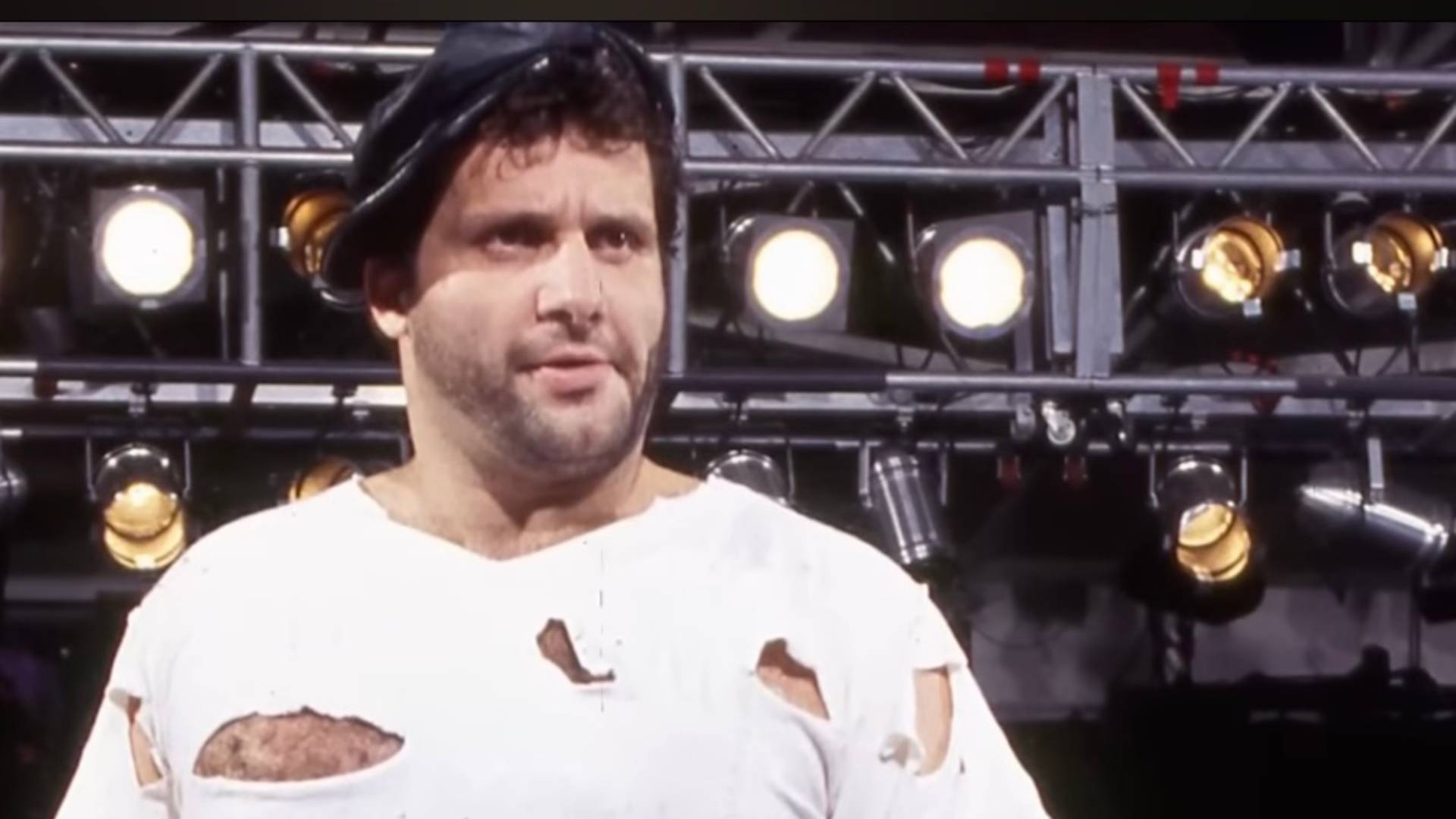
3. Steve Lombardi
A lifelong wrestling fan, Steve Lombardi quickly transitioned from trainee to full-time WWE jobber. His average look and developing skill set made the role fitting, and he embraced it fully for decades. Under personas such as Kimchee, Abe “Knuckleball” Schwarz, and most famously The Brooklyn Brawler, he consistently boosted babyfaces through energetic selling before taking the pin. Lombardi’s commitment and charisma led to an extraordinary 33-year run both in the ring and backstage.
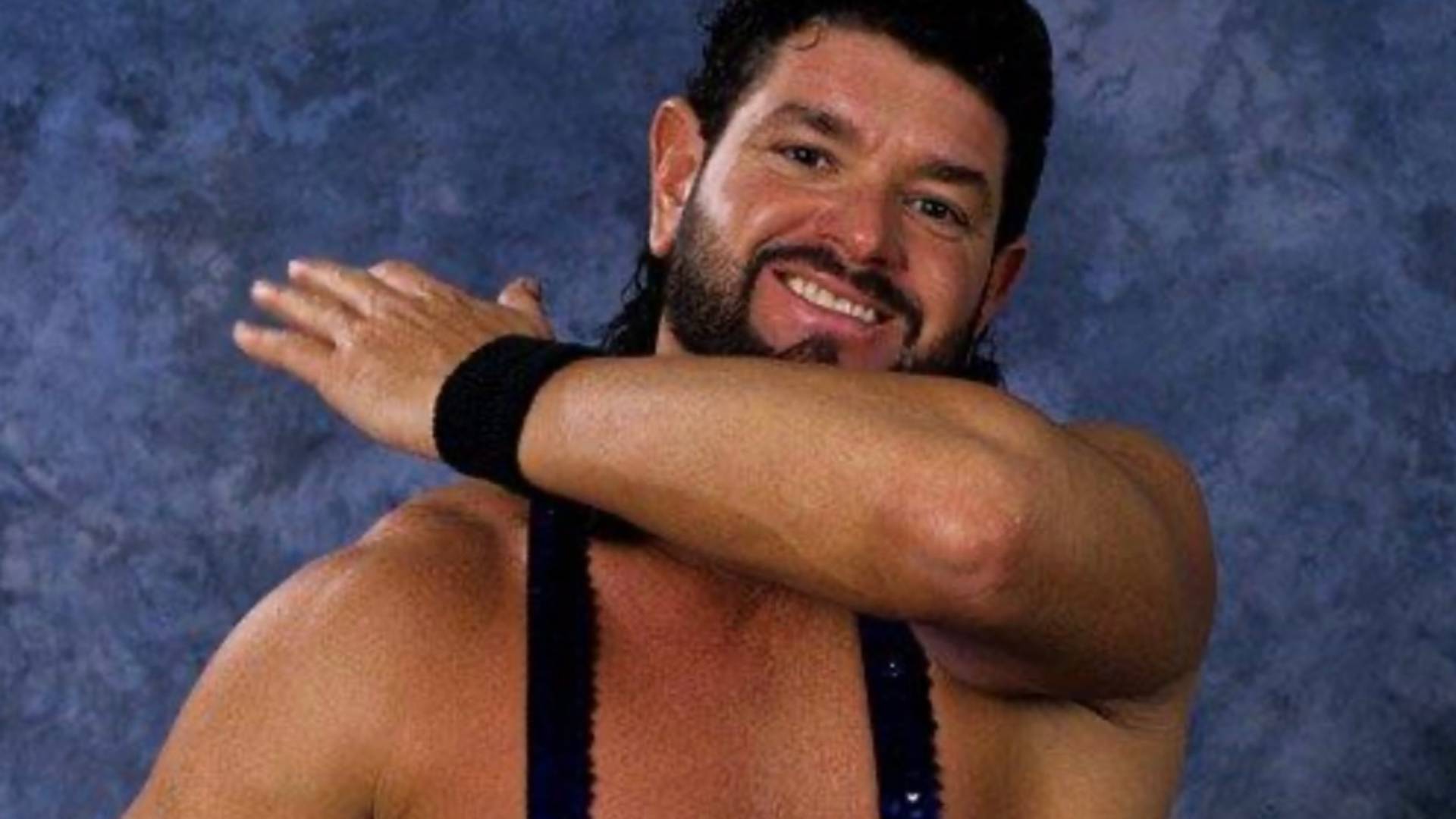
2. Barry Horowitz
Barry Horowitz became one of the most recognizable jobbers of the 80s and 90s, combining ring experience with a technically sound style. Known for patting himself on the back before losing, he made opponents look formidable with crisp execution and believable selling. His long losing streak became a storyline centerpiece in 1995 when he shocked Skip on Wrestling Challenge, then beat The Body Donnas at SummerSlam. Though the push was brief, Horowitz remains the quintessential team player of the era.
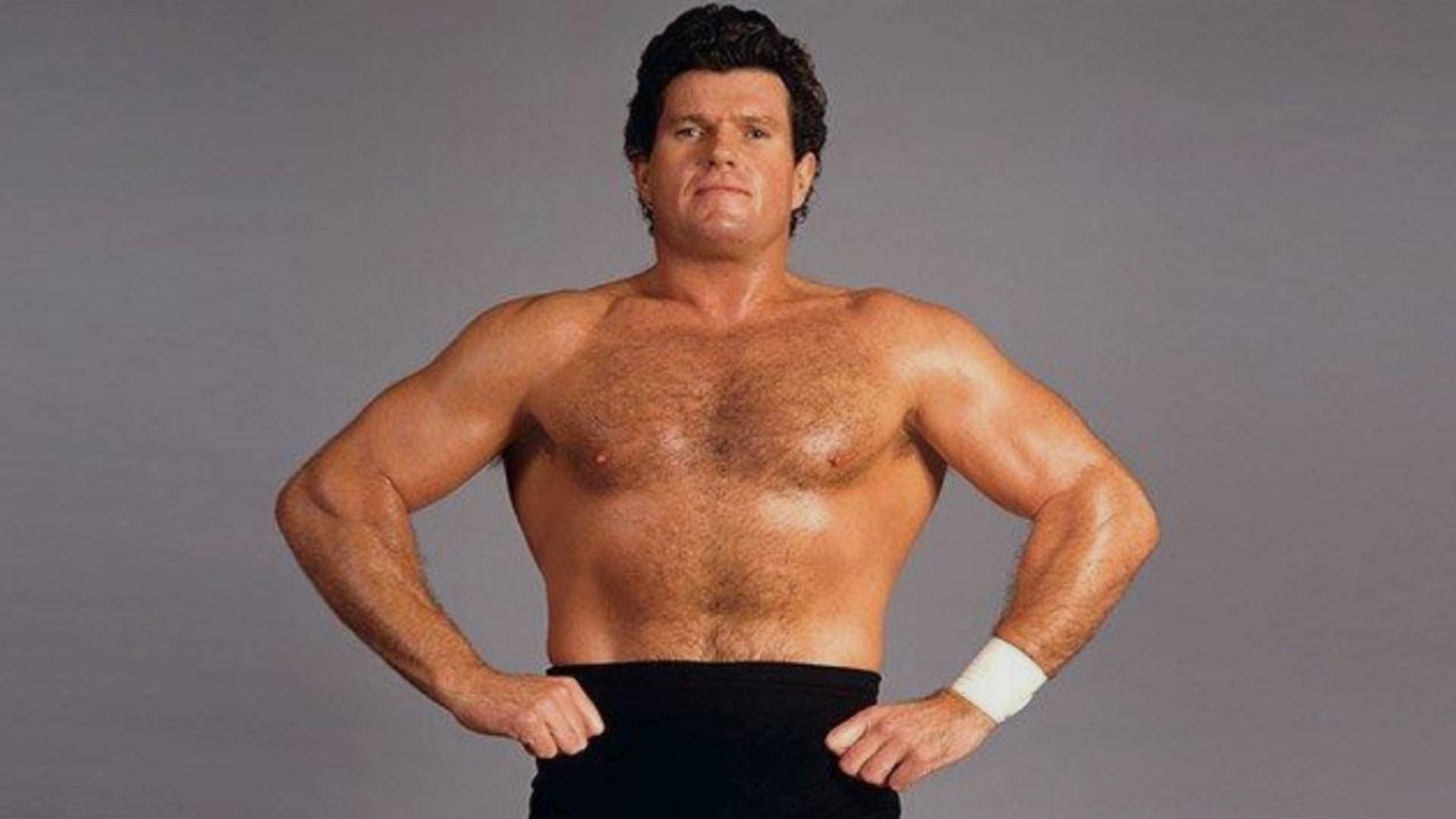
1. Mike Sharp (Iron Mike Sharp)
“Iron Mike” Sharp, known for his grunts, grease-slicked appearance, and intense ring presence, once challenged Bob Backlund but soon settled into the role of WWE’s gatekeeper. Calling himself “Canada’s Greatest Athlete,” he brought a rugged, old-school style that tested rising stars before he ultimately took the fall. His conditioning allowed him to go long when needed, and he became a fixture on WWE cards throughout the era. For many wrestlers climbing the ladder, Sharp was the crucial obstacle who made their ascent believable.