
10 Brilliant Ways Matt Reeves Reinvented Christopher Nolan’s Batman
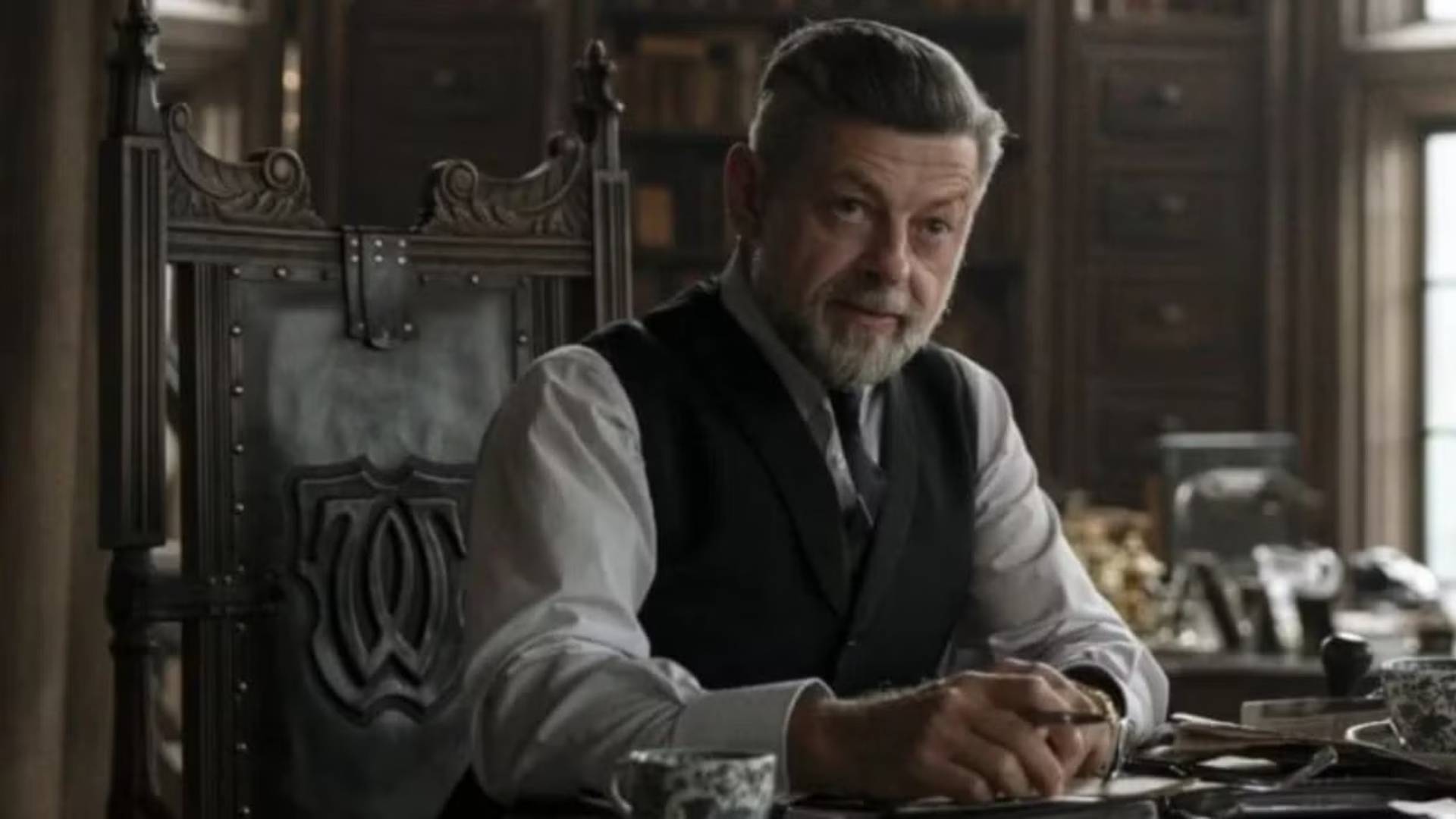
1. Reversing the Alfred Dynamic
Christopher Nolan’s Alfred (Michael Caine) was an immediate, active moral center and a brilliant tactical advisor—the strategist in the headset. Matt Reeves' Alfred (Andy Serkis) is emotionally strained, physically distant, and often hostile to Bruce's crusade. He is not a strategic partner but a reluctant, injured caregiver, emphasizing the emotional brokenness of the household rather than its functional efficiency.
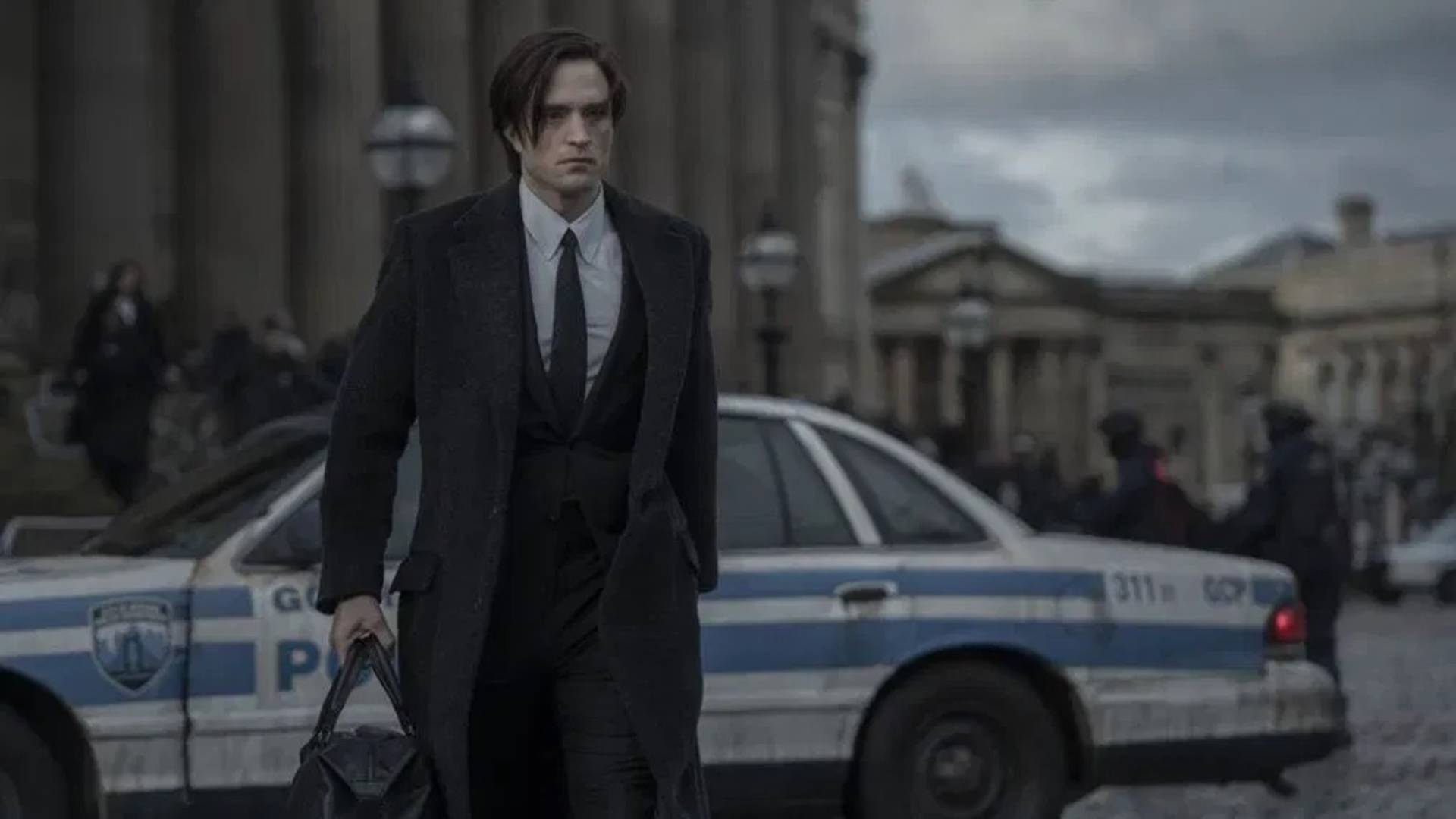
2. The Nature of Corruption (Inherited Sin)
Nolan’s corruption was external; the mob was the enemy, and the Wayne name was clean. Reeves’ corruption is systemic and inherited. The investigation forces Bruce to confront the possibility that his father, Thomas Wayne, was complicit in a corrupt system. This makes the villainy internal and places the original sin of Gotham directly on the Wayne family's legacy.
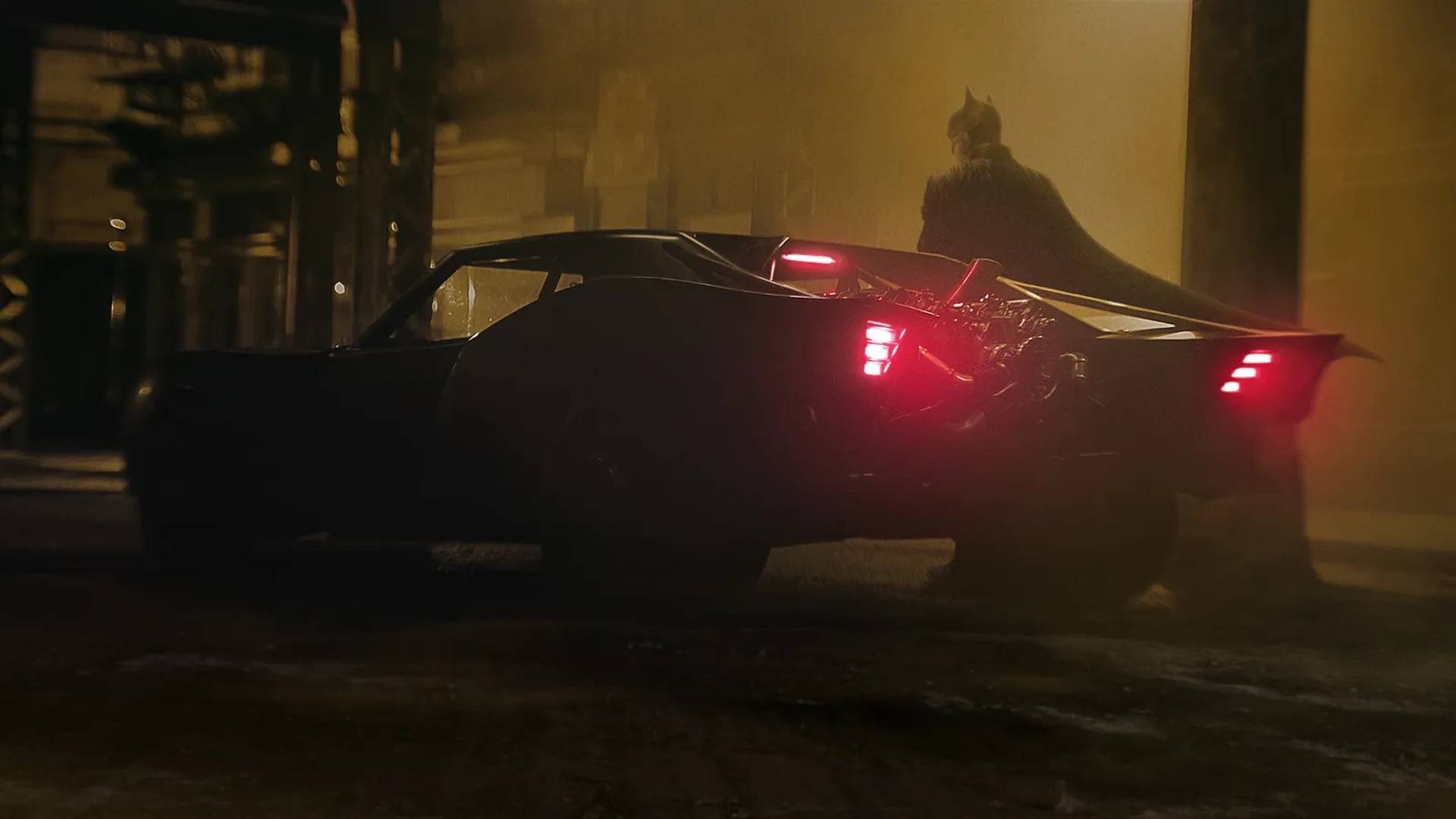
3. Abandoning the R&D/Lucius Fox Model
Nolan's technology was justified by Lucius Fox (Morgan Freeman) and the extensive Wayne Enterprises R&D division. Reeves entirely removes this comfort blanket. His gear is low-tech, DIY, and functional, suggesting a stripped-down operation without a massive military contract. This makes Batman feel smaller, more vulnerable, and less like a special forces soldier.
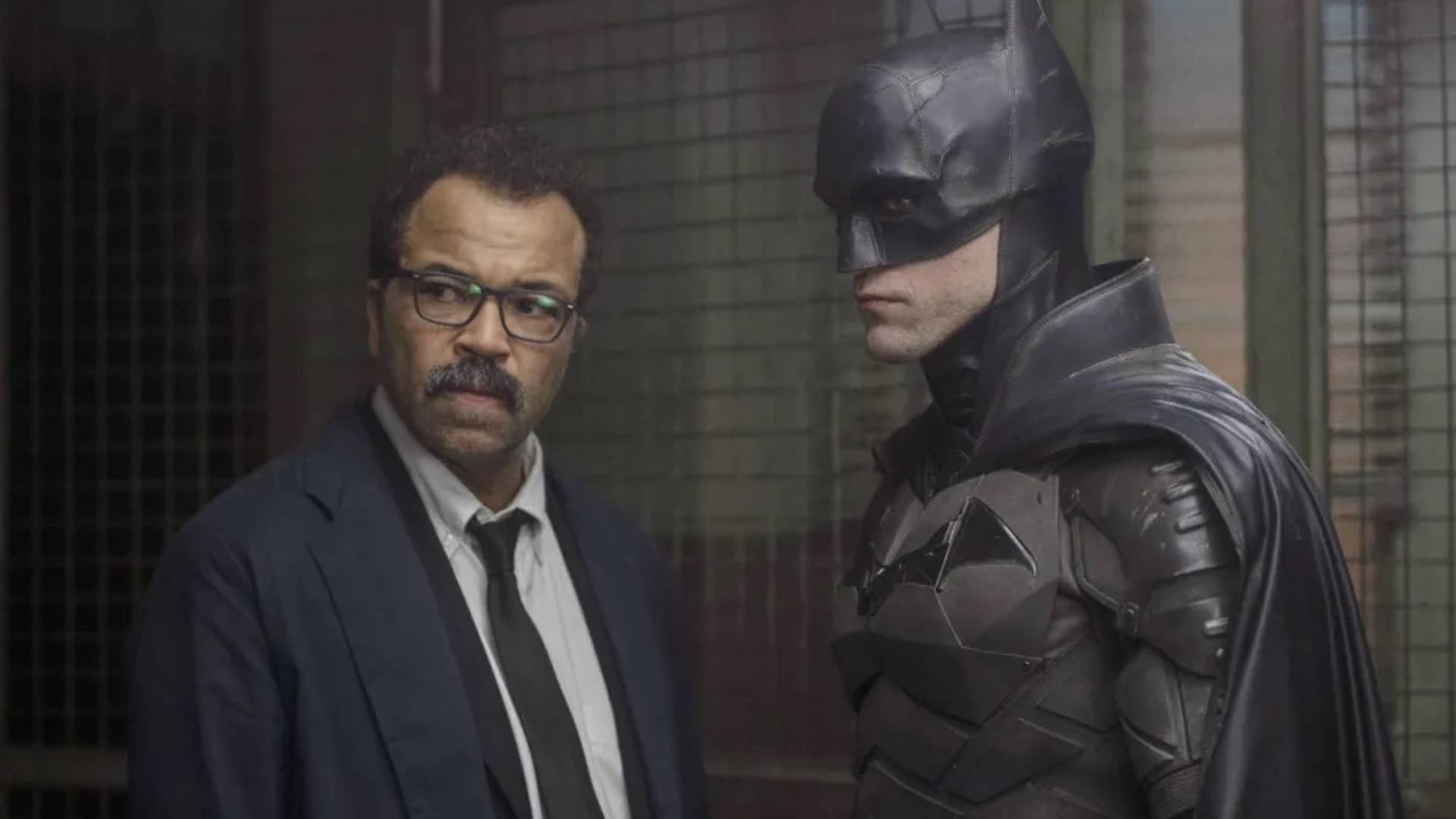
4. The Bat-Signal as a Symbol of Terror
Nolan's Bat-Signal represented a grudging, official partnership between Batman and Jim Gordon. Reeves instantly reverses this. The film’s opening shows the signal as a tool of terror—a flare igniting the dark sky that signals to criminals (and the audience) that the dark, unpredictable force of vengeance has arrived. It is a symbol of fear, not a civic tool.
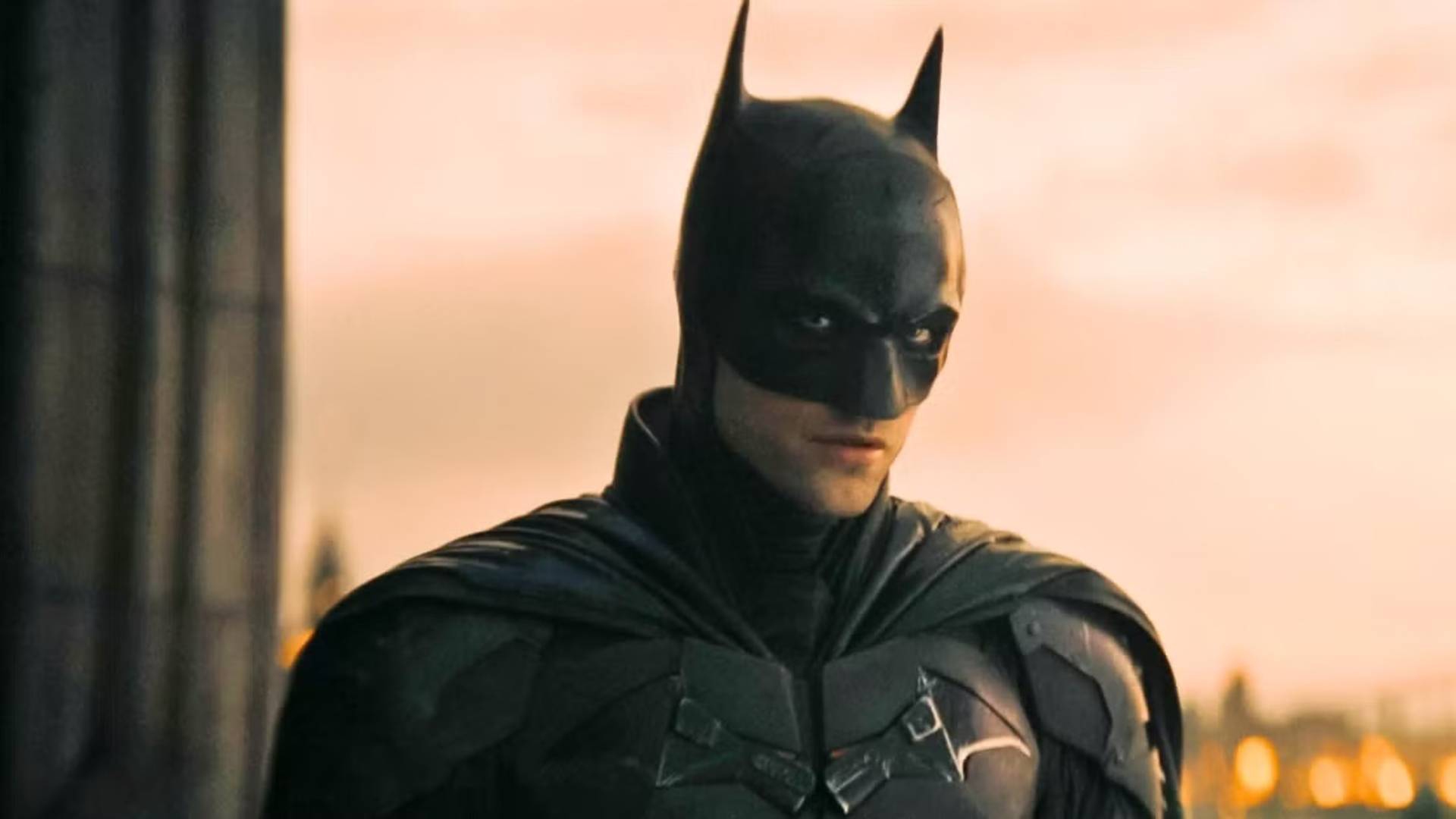
5. Operating in Daylight (Breaking the Nocturnal Rule)
Nolan's Batman was famously nocturnal, relying on the cover of darkness. Reeves' Batman is so dedicated to his crusade that he is seen operating, investigating, and even walking through the streets of Gotham in broad daylight (or at least, before dawn). This breaks the traditional cinematic rule, reinforcing his obsessive devotion and the idea that the "vengeance" persona is consuming his entire life.
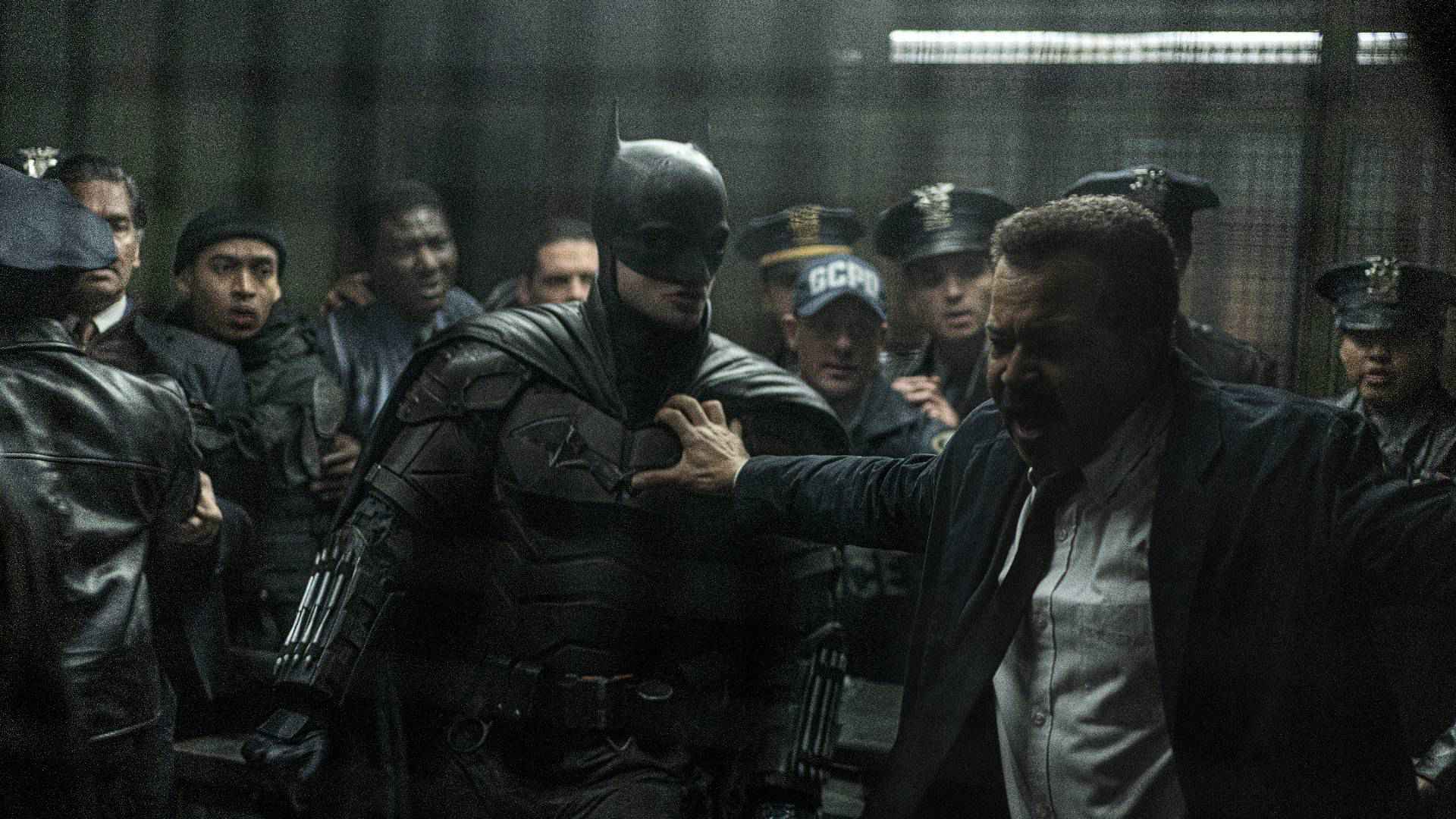
6. The Music: Gothic Melancholy Over Heroic Percussion
Nolan's trilogies were scored by Hans Zimmer, using driving, heroic, brassy percussion designed to evoke war and action. Reeves uses a score by Michael Giacchino that is operatic, melancholic, and dominated by strings and piano. The music creates a sense of gothic dread and psychological isolation, serving as a funeral march for Bruce's soul rather than a call to action.
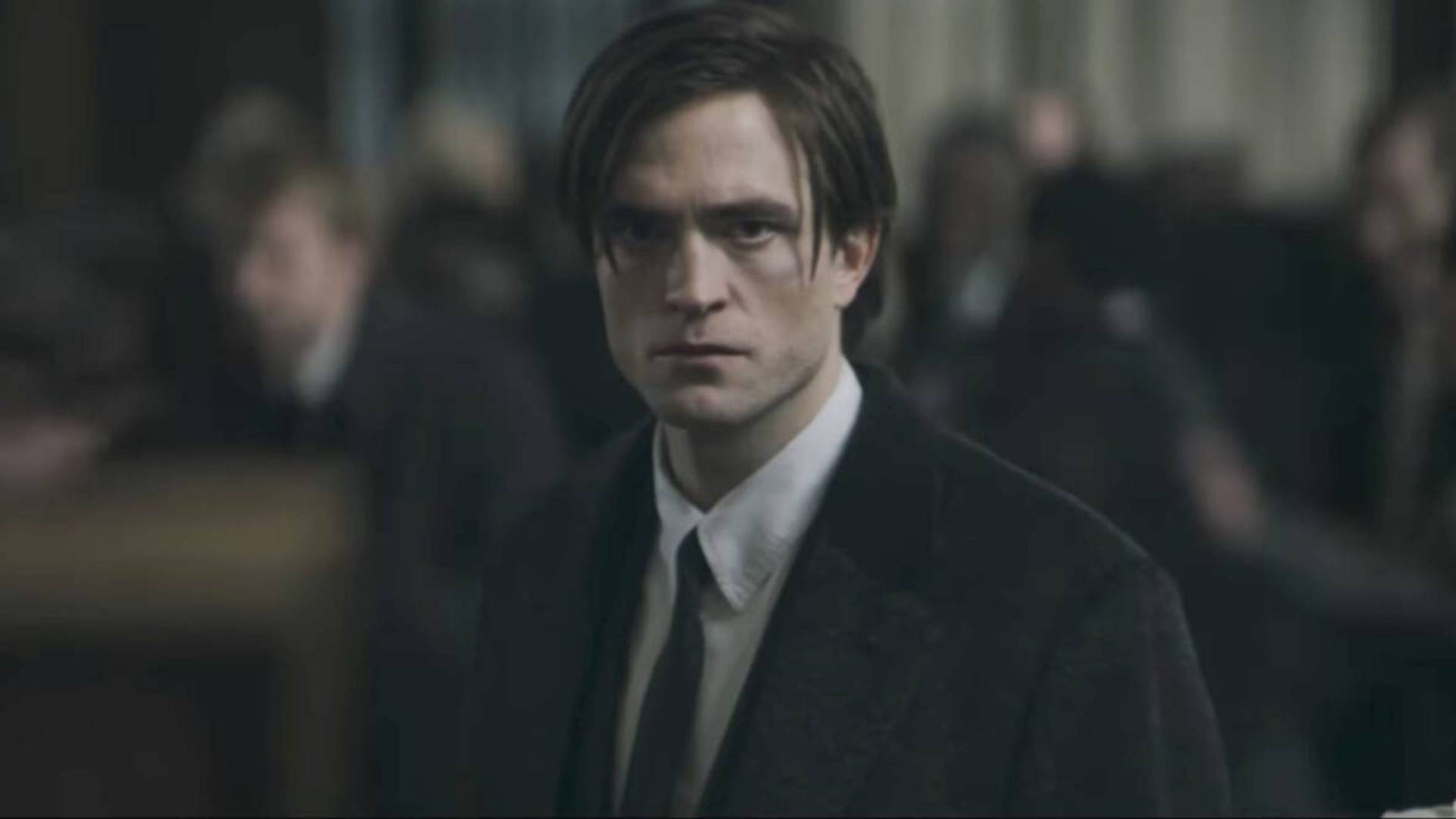
7. The Cost of Bruce Wayne’s Identity
Nolan's Bruce Wayne uses the mask (Batman) to protect the disguise (Playboy Bruce). Reeves flips the entire dual identity. For Pattinson's character, the Batman suit is the real persona, and the absent, detached Bruce Wayne is the difficult, neglected disguise he struggles to maintain. He has fully committed to the trauma of the mask. Reeves' portrayal is often echoed by the villains of the Batman series who know that Batman is the real identity and not Bruce Wayne.
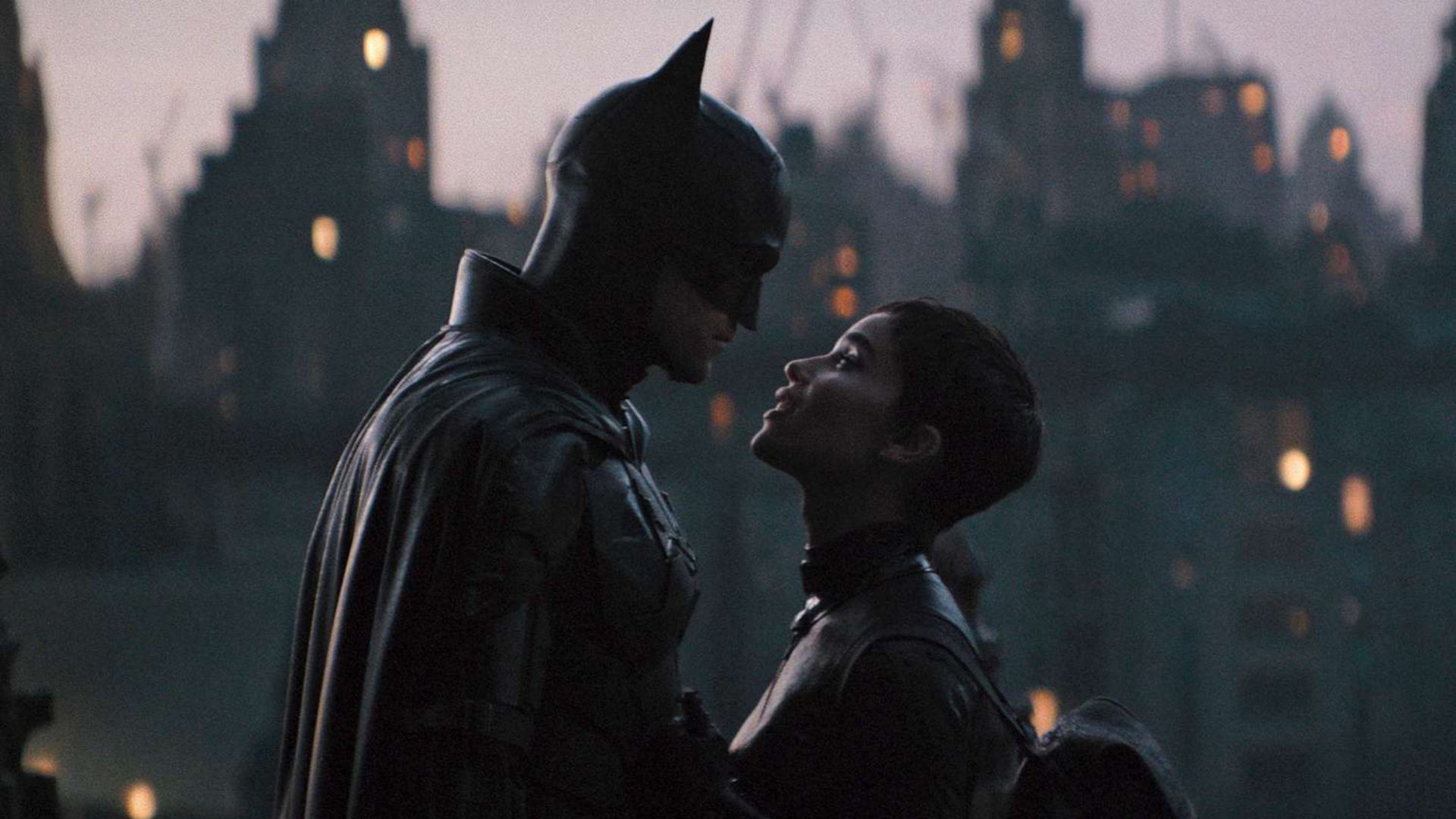
8. Catwoman's Motivation as Class Warfare
Nolan's Selina Kyle was a slick, stylish anti-capitalist thief looking for a MacGuffin (The Clean Slate). Reeves’ Selina Kyle is motivated by a dark, personal tragedy (the disappearance of her friend) and systemic class warfare. Her mission is rooted in anger and revenge against the corrupt, wealthy elite who exploit her and her community.
9. The Bat-Suit's Soundscape (Reverting Advanced Tech)
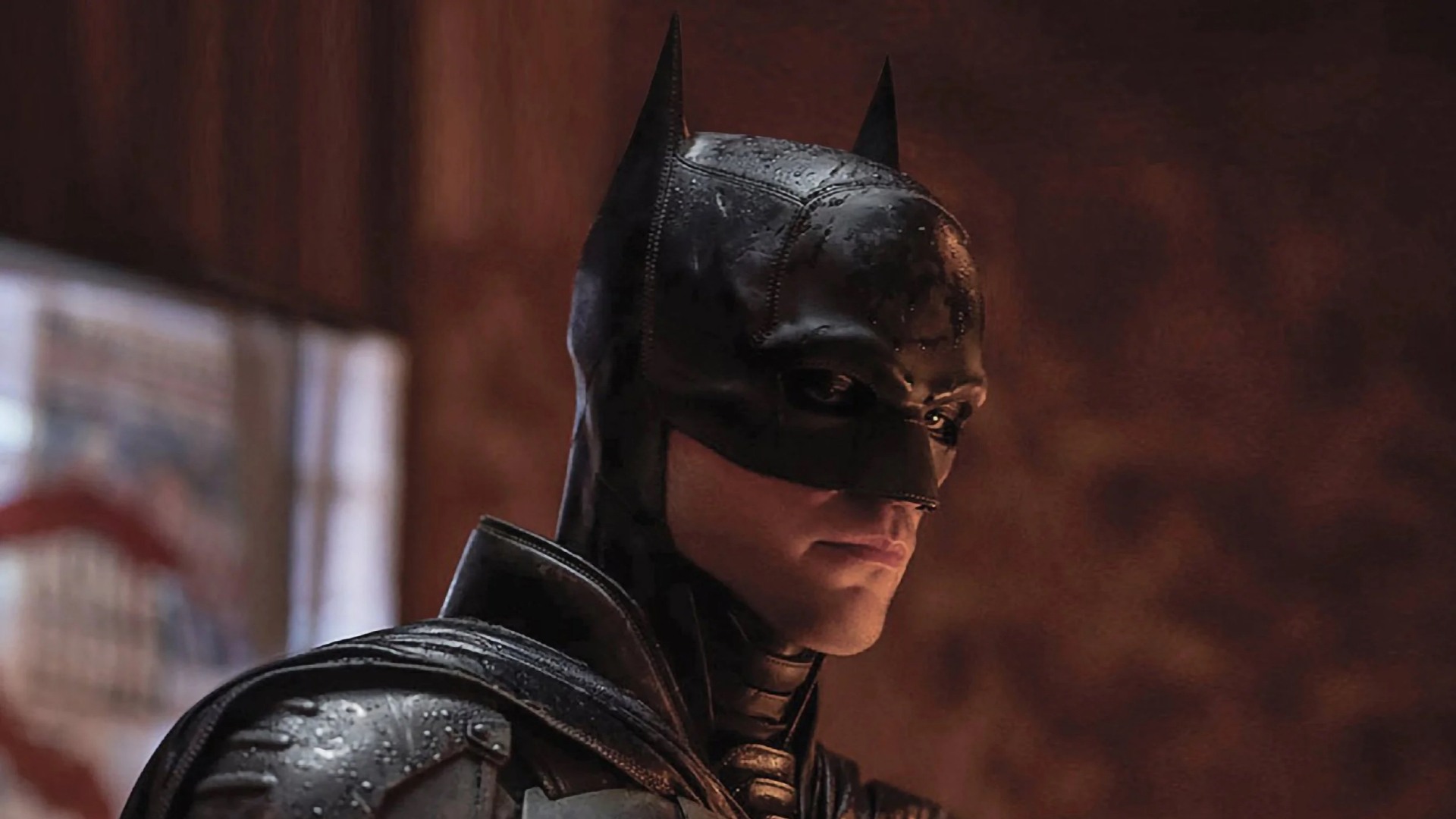
Nolan imagined the Batsuit as a very complex tech. It literally had the combination of multiple elements like SONAR, high-tech communication. Reeves’ suit intentionally reverts this. When he takes off the cowl, Batman removes a simple, practical hearing aid, suggesting his suit is deliberately low-tech and non-advanced, maintaining the sense of grounded vulnerability.
10. The Unsentimental End and the Joker Tease
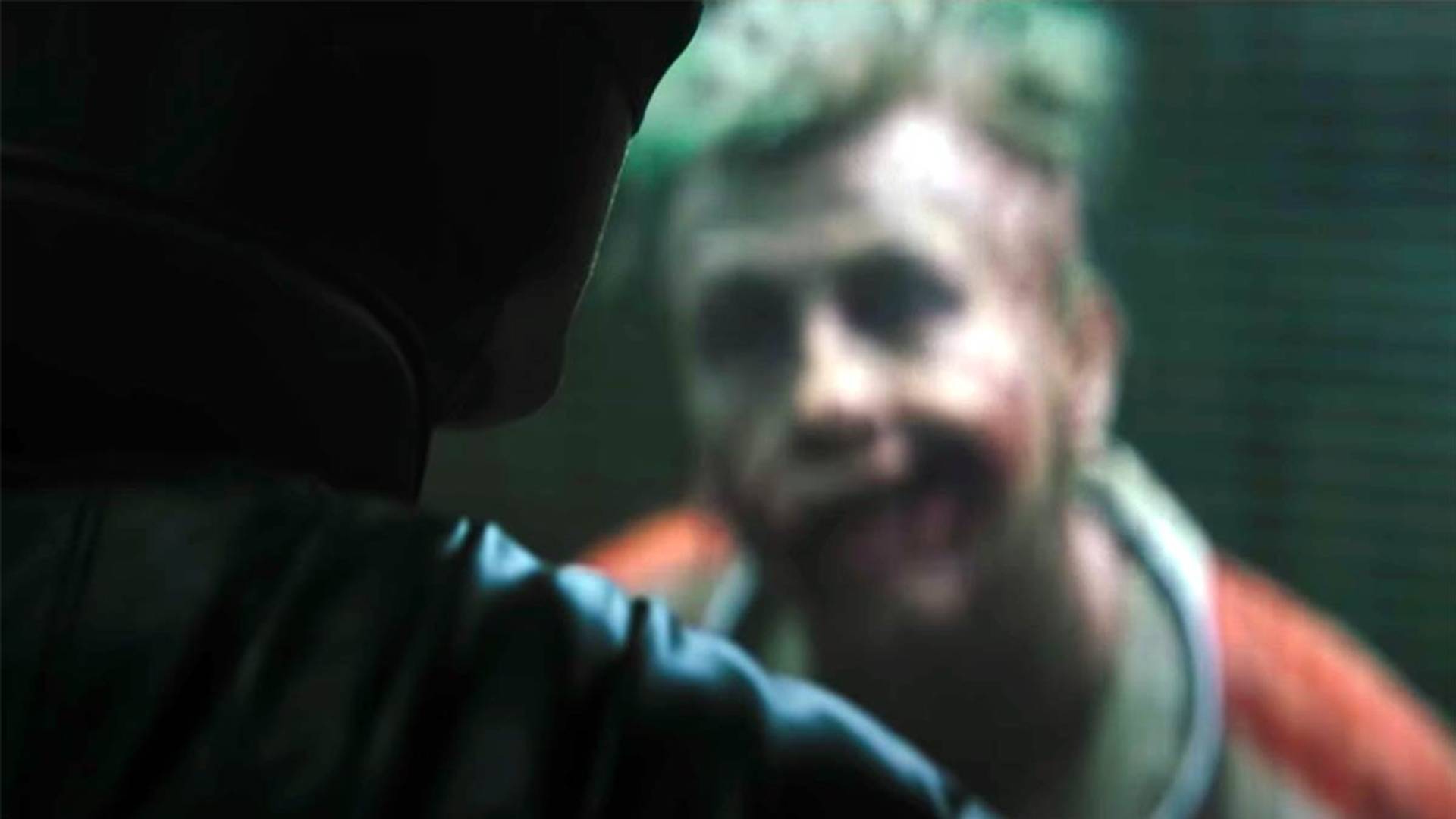
Nolan's grand trilogy ended on a positive note for his Batman and the Gotham city. But, when we talk about Reeves then it ends up becoming rather bleak and has no moral end to the story. His film ends with the promise of more cyclical chaos (the Joker cameo in the cell) and the immediate threat of continued corruption (the flood). It rejects the notion of a 'win' and suggests the problem is infinite, demanding Batman's presence indefinitely.