
10 Charles Dickens Adaptations That Prove His Stories Never Get Old
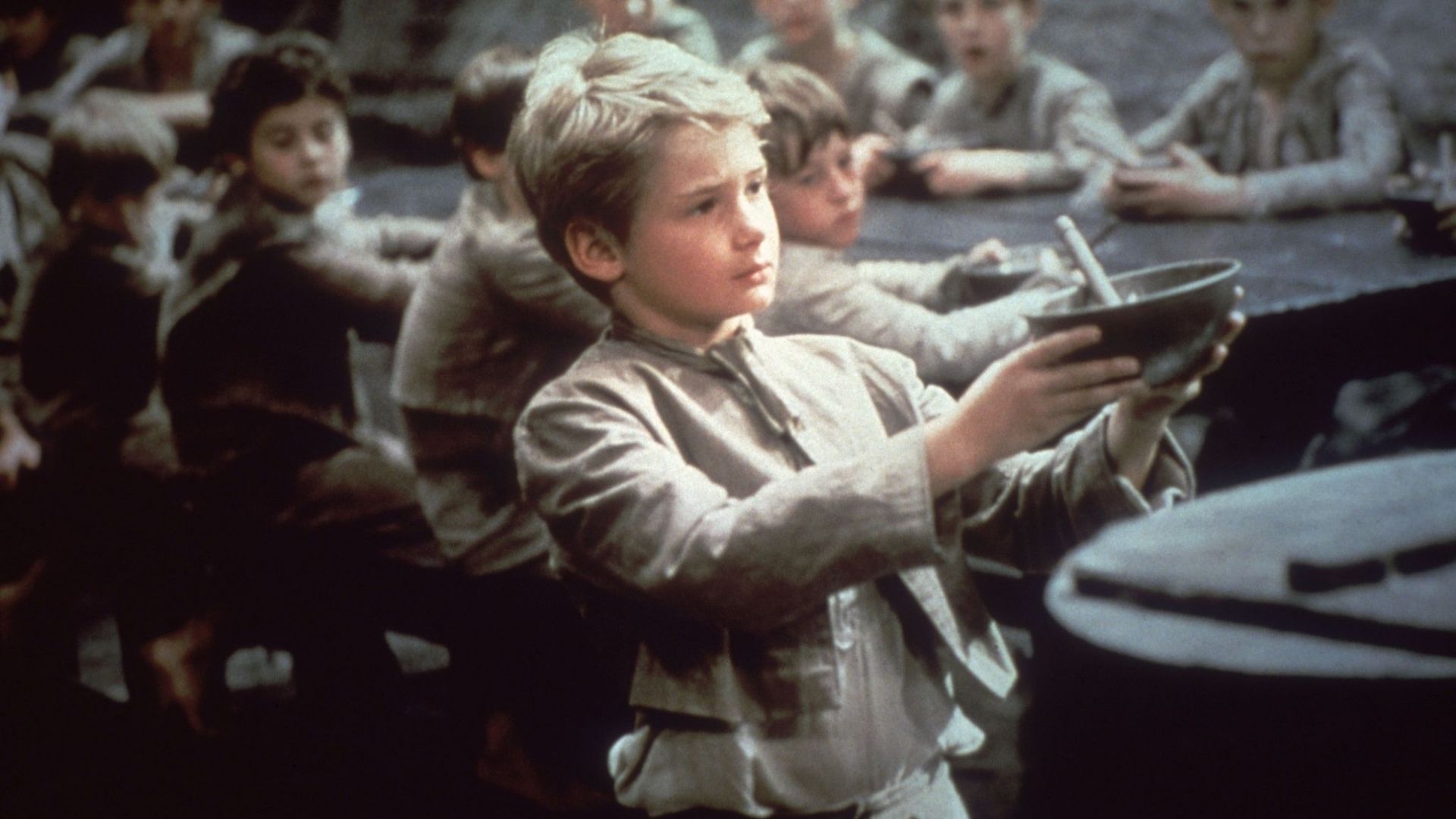
Oliver! (1968)
Oliver! is the Dickens adaptation that has won the Oscar for Best Picture, which already makes it a big deal. It turns Oliver Twist into a large musical filled with famous songs, but that doesn’t mean it becomes a light story. In fact, the bright musical moments can make the darker scenes feel even more intense by contrast. Either way, it’s a grand, well-made musical and a major classic for fans of old Hollywood-style productions.
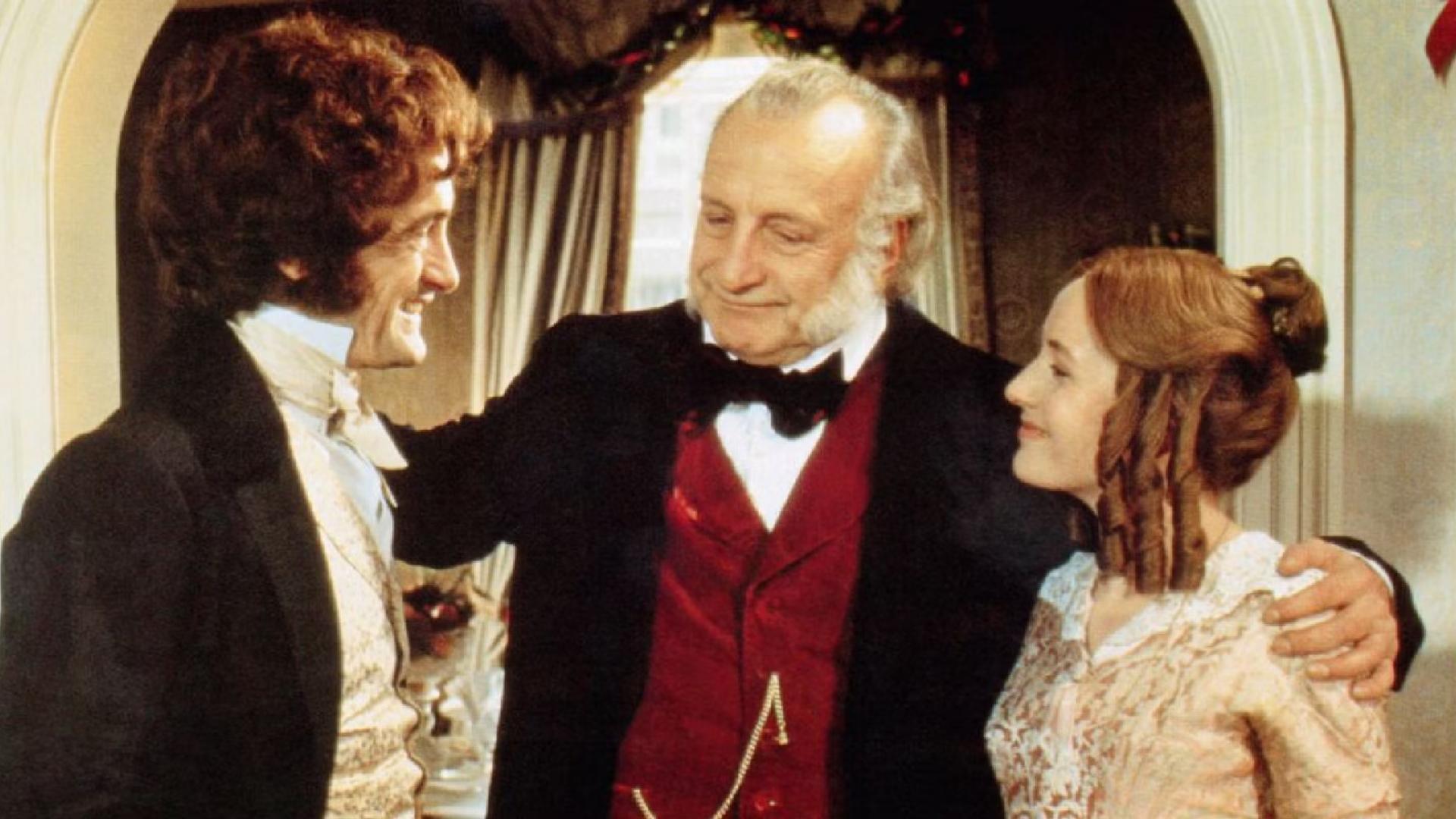
A Christmas Carol (1984)
This TV movie version of A Christmas Carol is loved mainly because George C. Scott plays Scrooge with real force and seriousness. The film avoids big gimmicks; no musicals, no over-the-top comedy; just a straight retelling of the classic story. Because it was made for television, the production doesn’t look expensive, but that actually helps it feel more intimate and focused on character.
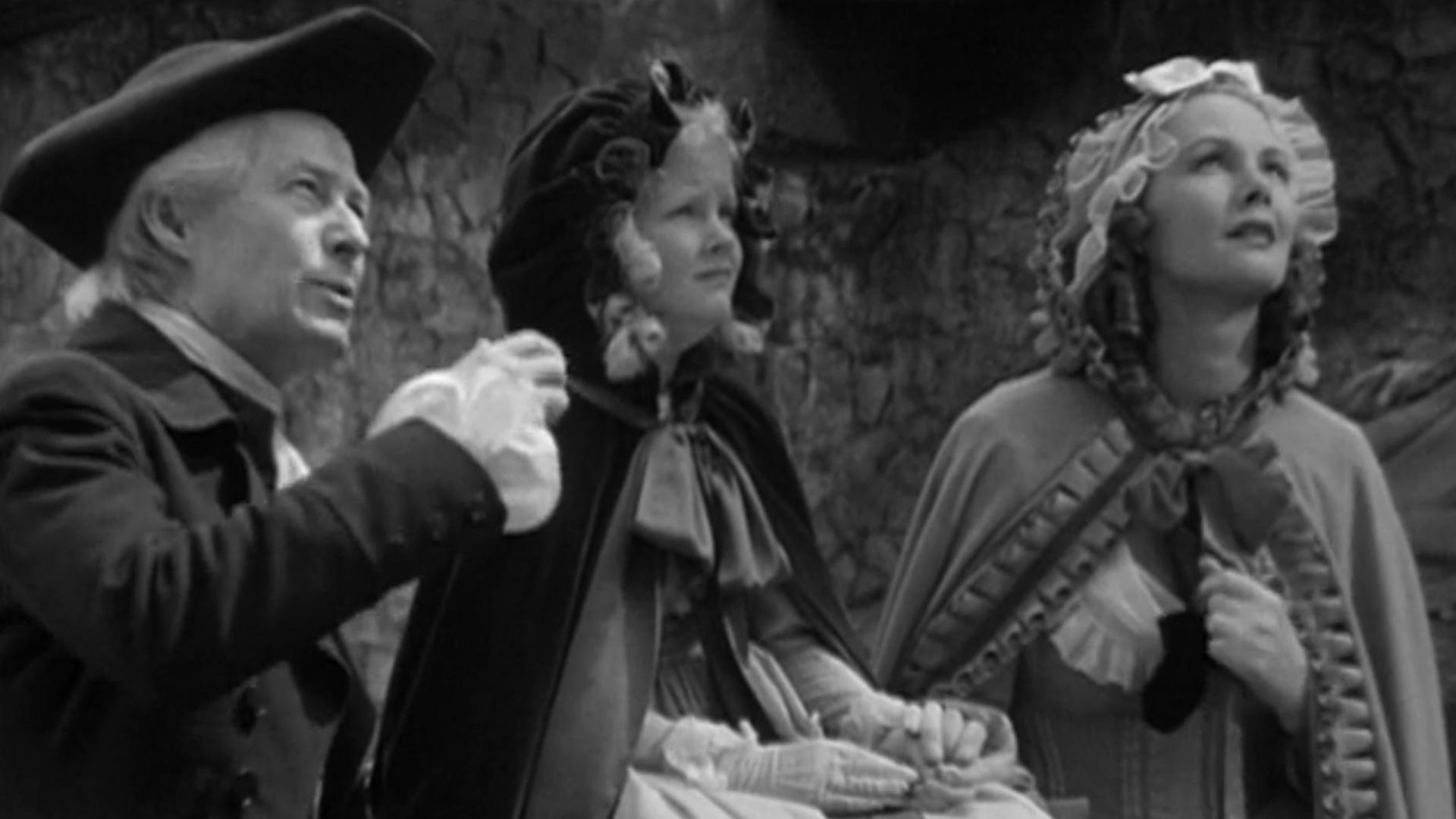
A Tale of Two Cities (1935)
Among the many attempts to adapt this novel, the 1935 version is often seen as the most successful. It focuses on the personal stories happening against the backdrop of the French Revolution. While it can’t fully capture the novel’s massive scope, it tells the central story clearly and powerfully. Themes of sacrifice and redemption take center stage, leading to one of Dickens’ most famous endings.
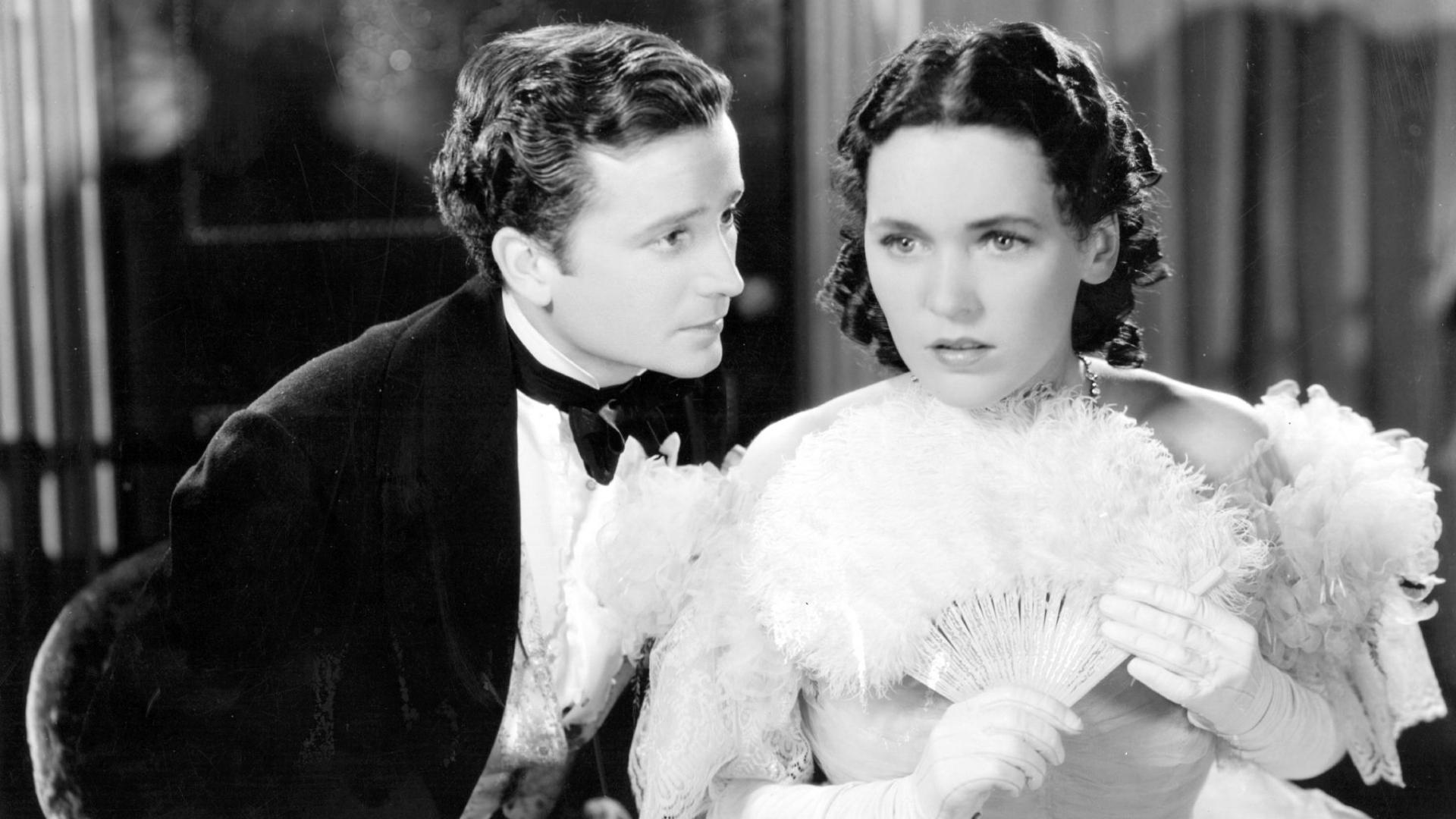
David Copperfield (1935)
Condensing a massive novel like David Copperfield into a feature film is no easy task. This 1935 adaptation focuses on the most important moments from David’s life, tracing his path from childhood struggles to adult understanding. While many events from the book are shortened or removed, the emotional journey remains intact.
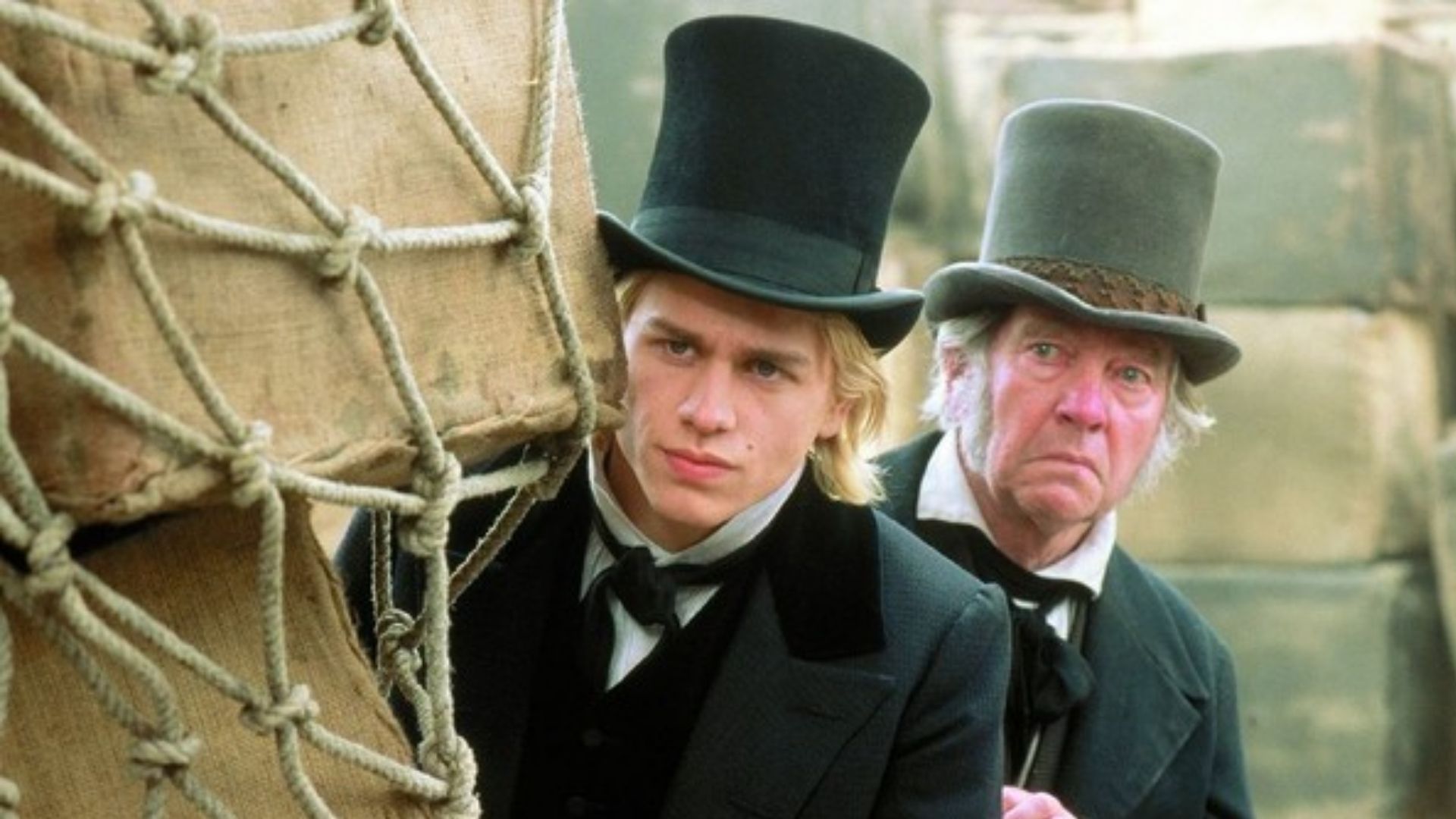
Nicholas Nickleby (2002)
Many viewers consider this 2002 film the strongest version of Nicholas Nickleby. It has a bigger scale than older adaptations and features well-known supporting actors. Charlie Hunnam plays Nicholas, and the film also includes one of Anne Hathaway’s early roles. The story stays focused on family struggles, money problems, and Nicholas being forced to grow up quickly.
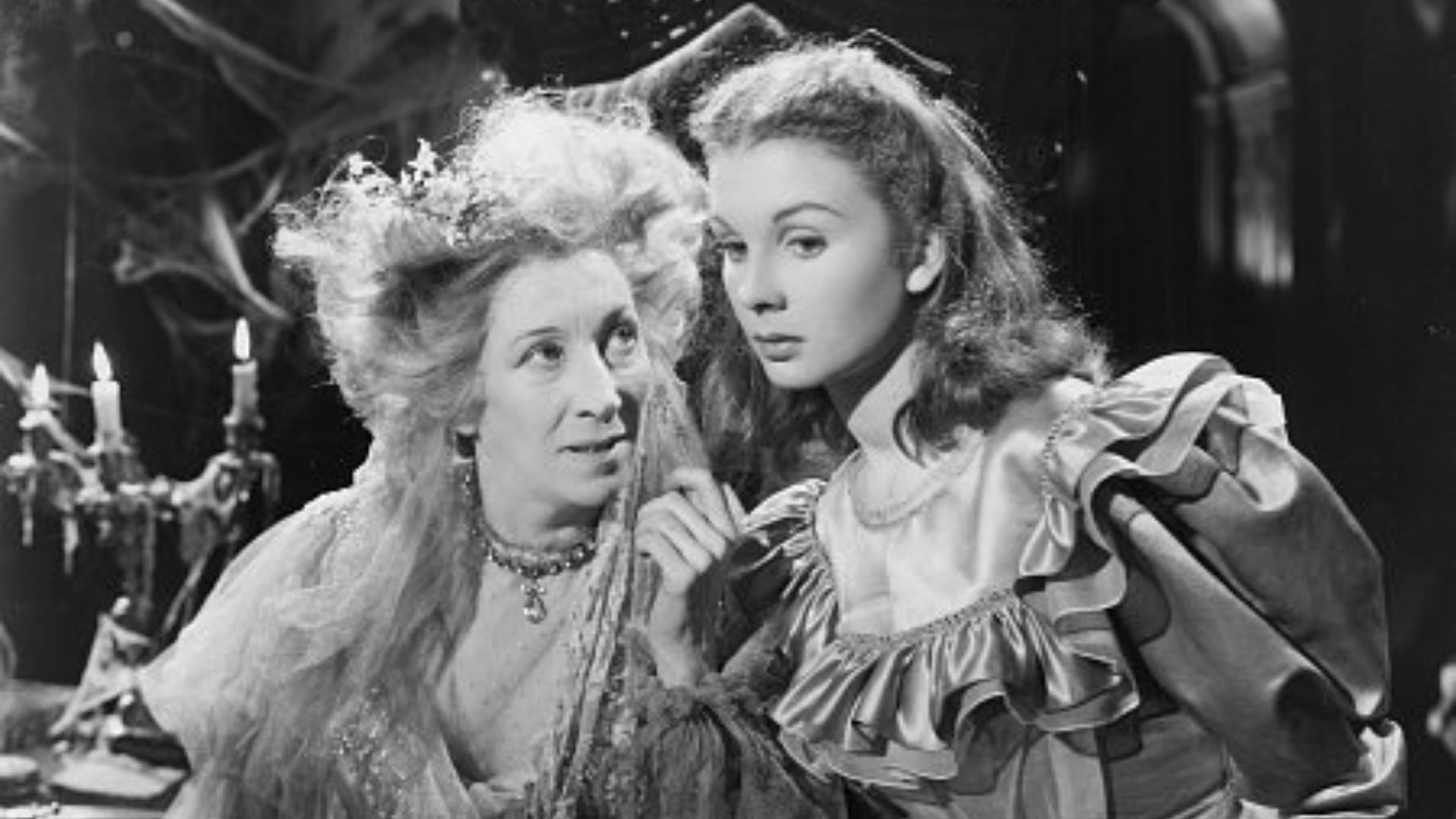
Great Expectations (1946)
This is often considered the greatest film adaptation of Dickens, and it’s easy to see why. David Lean brings strong visuals and emotional power to Pip’s story, following him from a difficult childhood into the confusing, life-changing journey of adulthood. The cast is excellent, with several major British actors helping the characters feel fully alive.
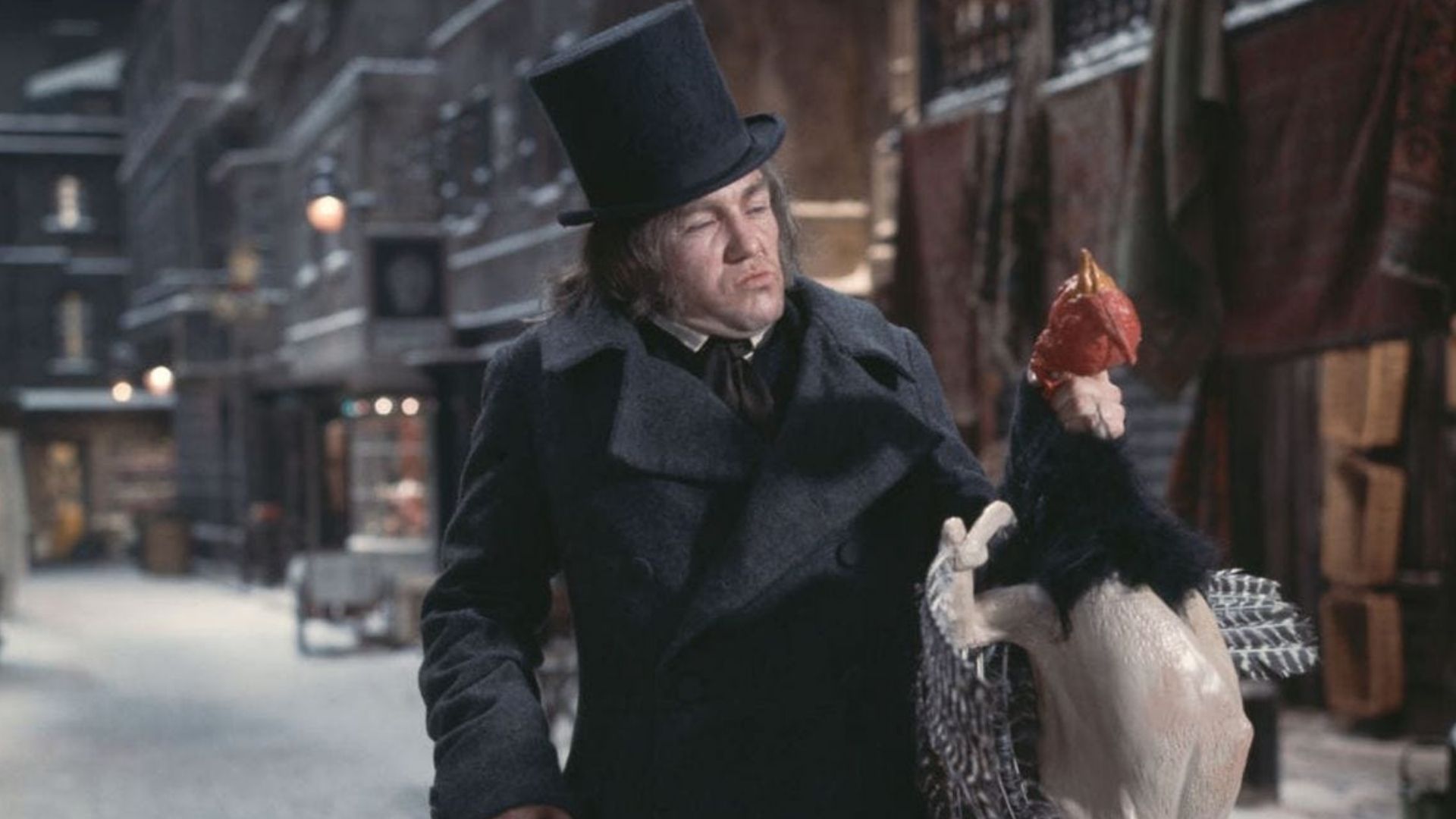
Scrooge (1970)
Turning A Christmas Carol into a musical gives this adaptation a very different feel. Bright sets, bold costumes, and energetic songs give the story a more theatrical tone. Albert Finney plays Scrooge with exaggerated grumpiness, and focuses on the character’s flaws before slowly softening. While it’s lighter than many versions, the message about kindness and change remains clear.
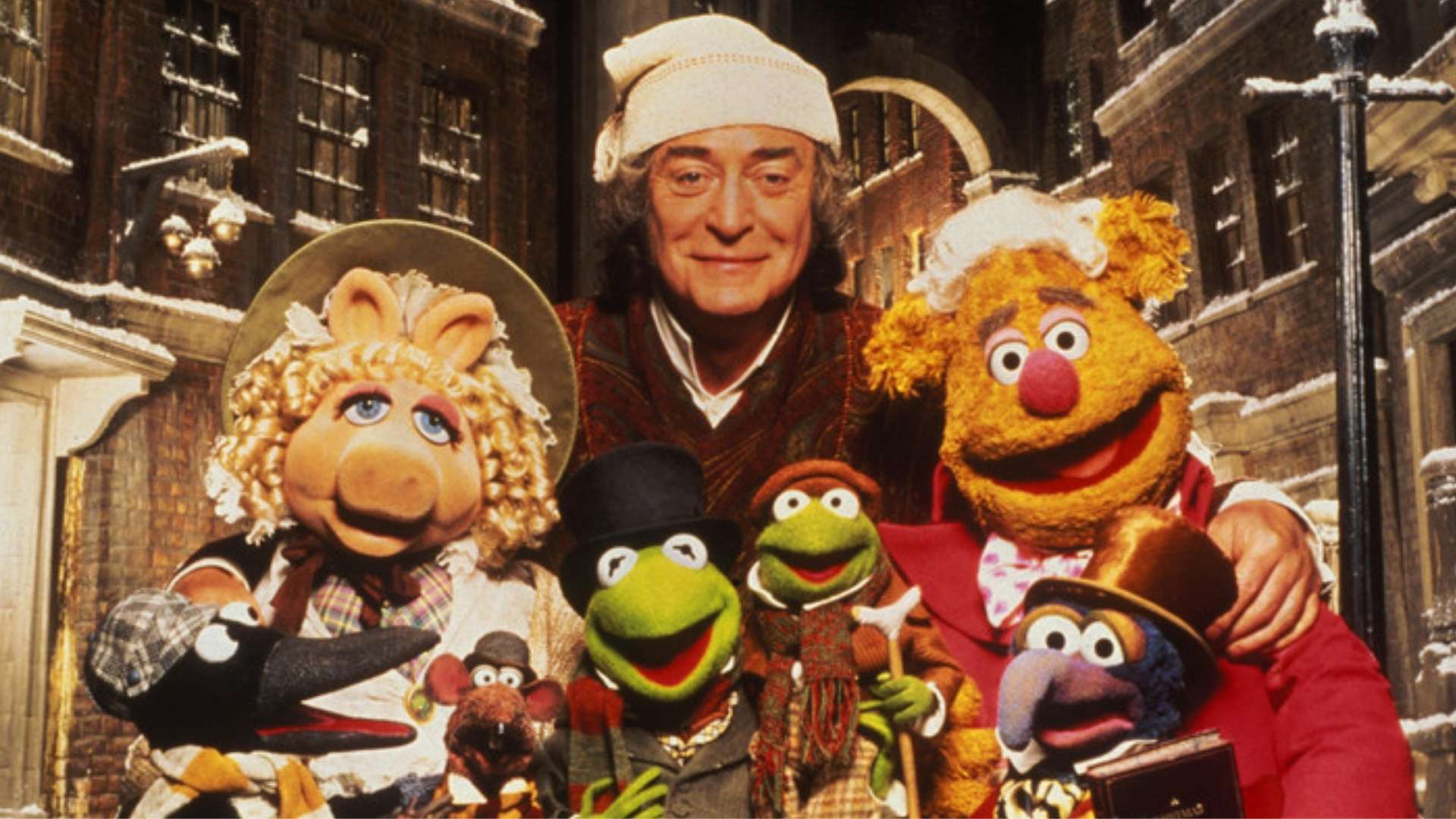
The Muppet Christmas Carol (1992)
This adaptation proves that adding Muppets doesn’t ruin Dickens, it actually makes the story work in a fun, fresh way. Most characters are played by Muppets, but Scrooge is played by Michael Caine, and he treats the role seriously, which makes everything feel surprisingly real. The movie includes lots of songs and comedy, but it still delivers the emotional punch of Scrooge’s transformation. It can even get genuinely sad in places, just like the original story.
The Old Curiosity Shop (1995)
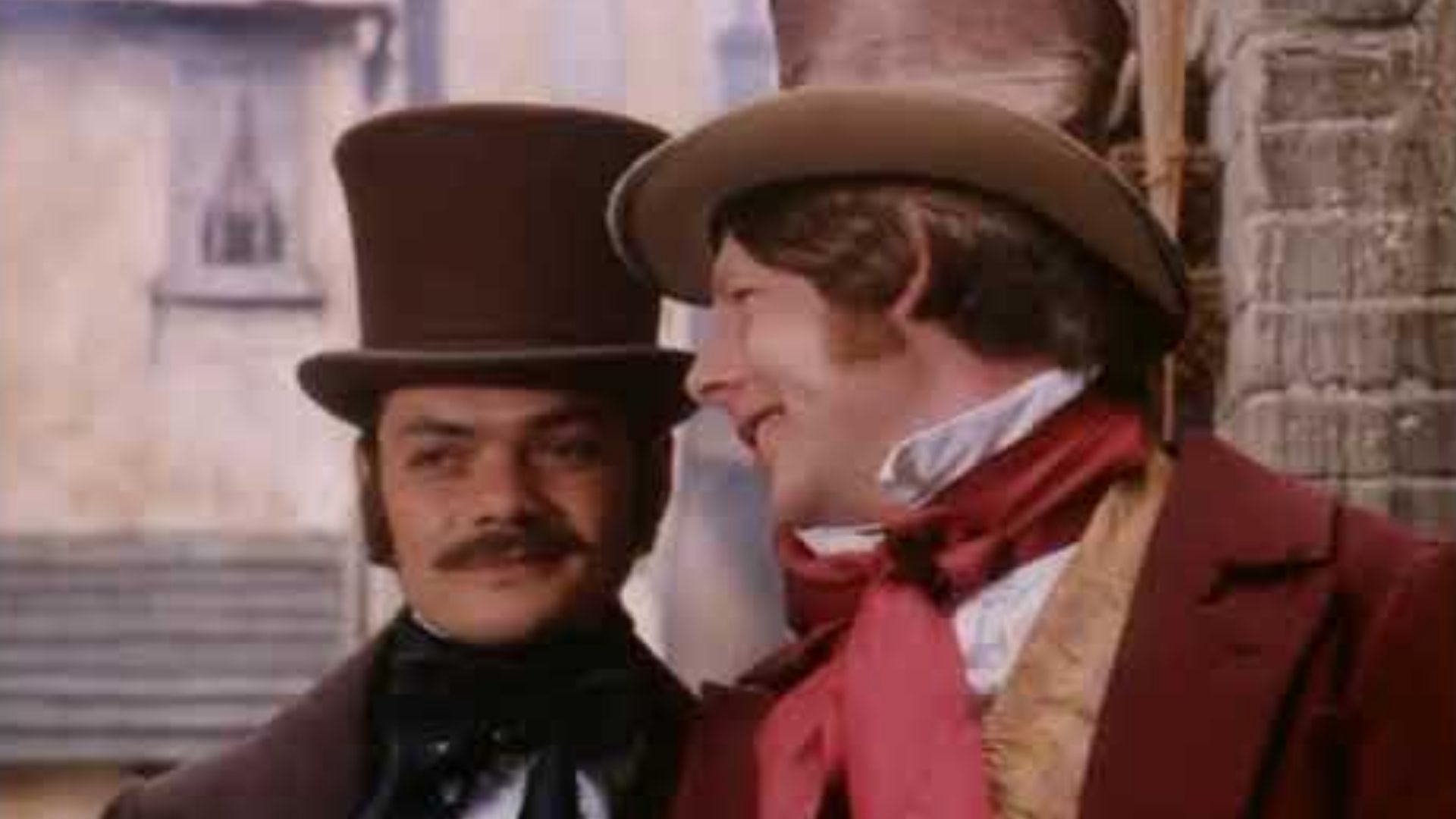
Dickens’ The Old Curiosity Shop doesn’t have many screen versions, so this 1995 TV film stands out. It follows a young girl and her grandfather whose lives change when money problems push them into difficult choices. Like many Dickens stories, it shows sympathy for people who struggle and highlights class differences. Like many Dickens stories, it shows compassion for people struggling on the margins of society.
The Personal History of David Copperfield (2019)
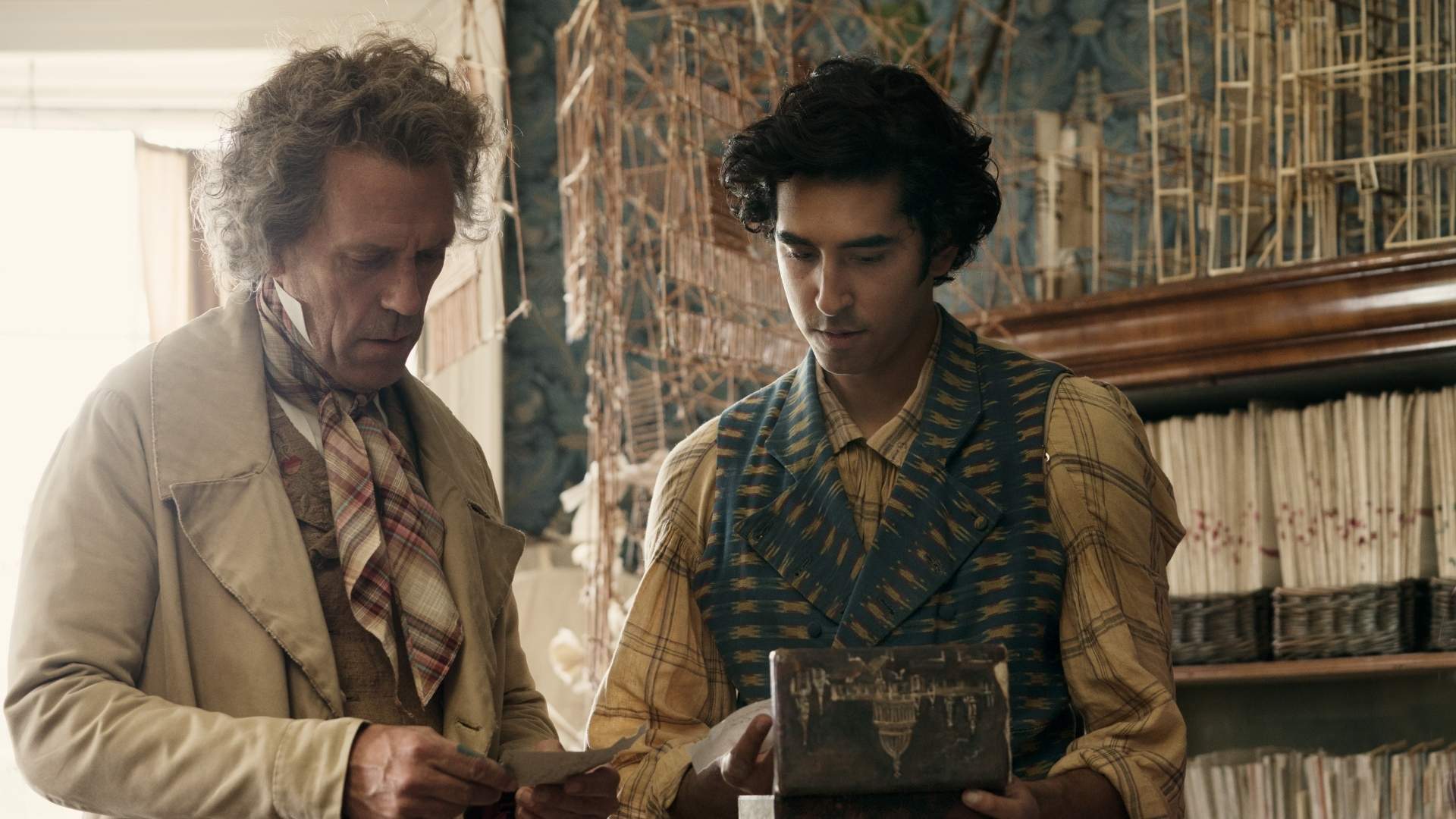
This is one of the most recent major Dickens films, and many people consider it one of the best David Copperfield adaptations. The movie keeps the story entertaining by mixing drama with light comedy, even though it still covers the harder parts of David’s life. Director Armando Iannucci is known for comedy, but here he uses humor as support, not the main focus.