
10 Classic Films That Secretly Outsmarted Hays Code Censorship
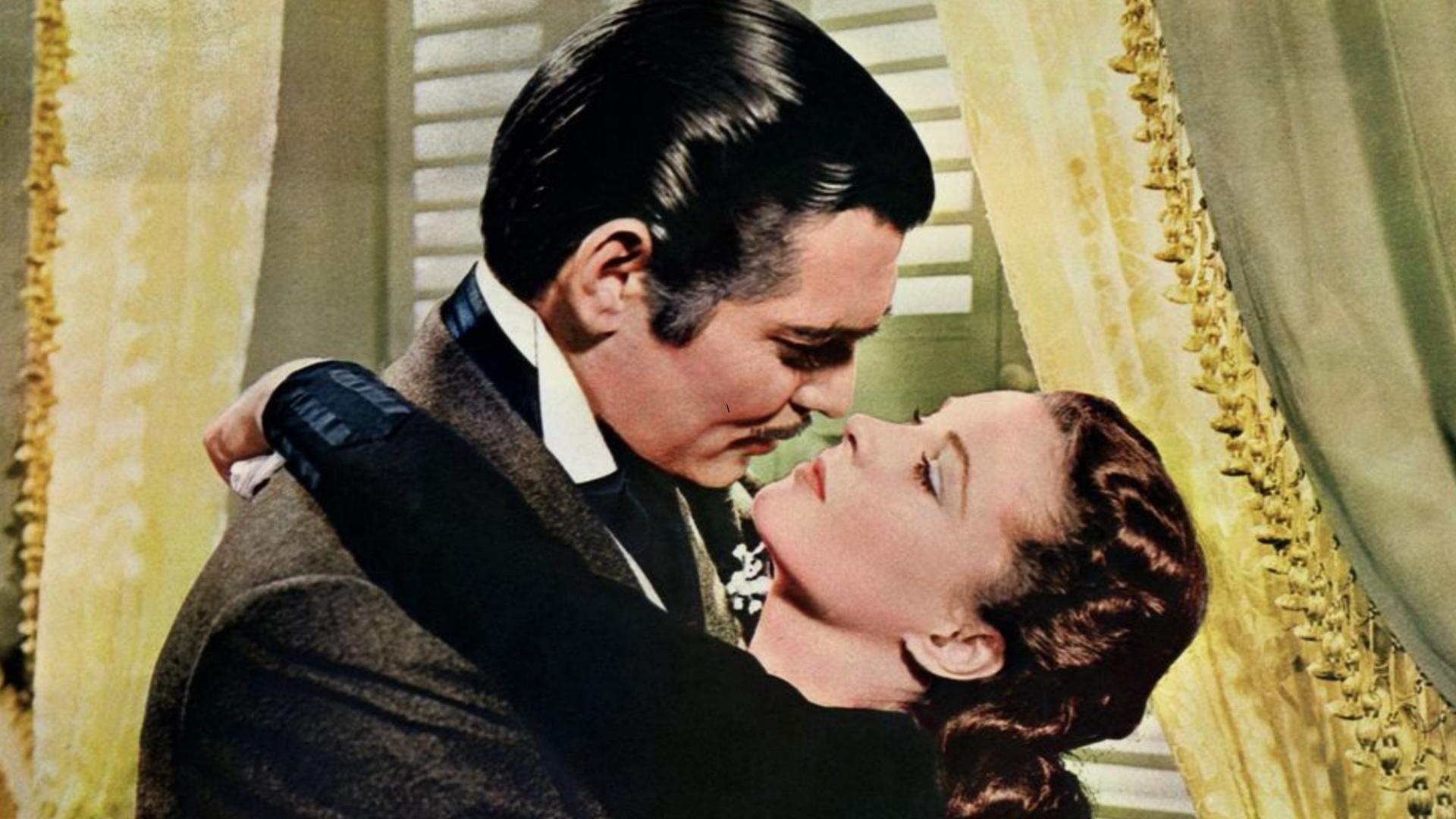
Gone with the Wind (1939, Victor Fleming)
The film famously included Clark Gable’s line “Frankly, my dear, I don’t give a damn,” which broke the rules on profanity. The producers argued that the line was necessary for the story and managed to get it approved after a lot of debate. It also showed hints of adultery and moral gray areas, with Scarlett’s scheming going mostly unpunished. This was balanced by the film’s large scale story and her later path toward change.
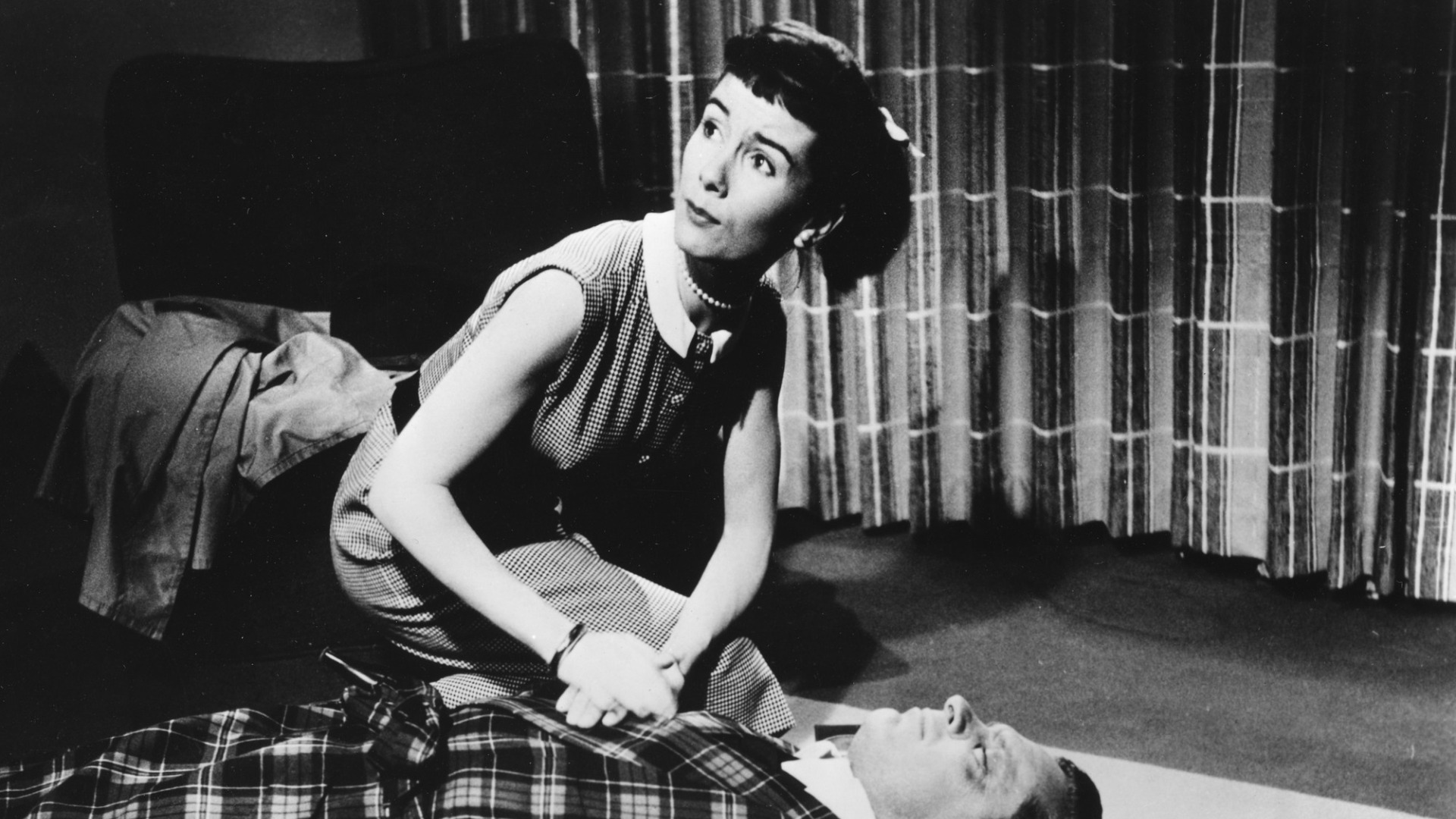
The Moon Is Blue (1953, Otto Preminger)
This romantic comedy openly used words like “mistress,” “seduce,” and “virgin” while treating illicit relationships in a light, playful way. Otto Preminger released it without the Production Code seal and leaned into the controversy, turning the ban into a publicity boost that helped weaken the Code’s grip.
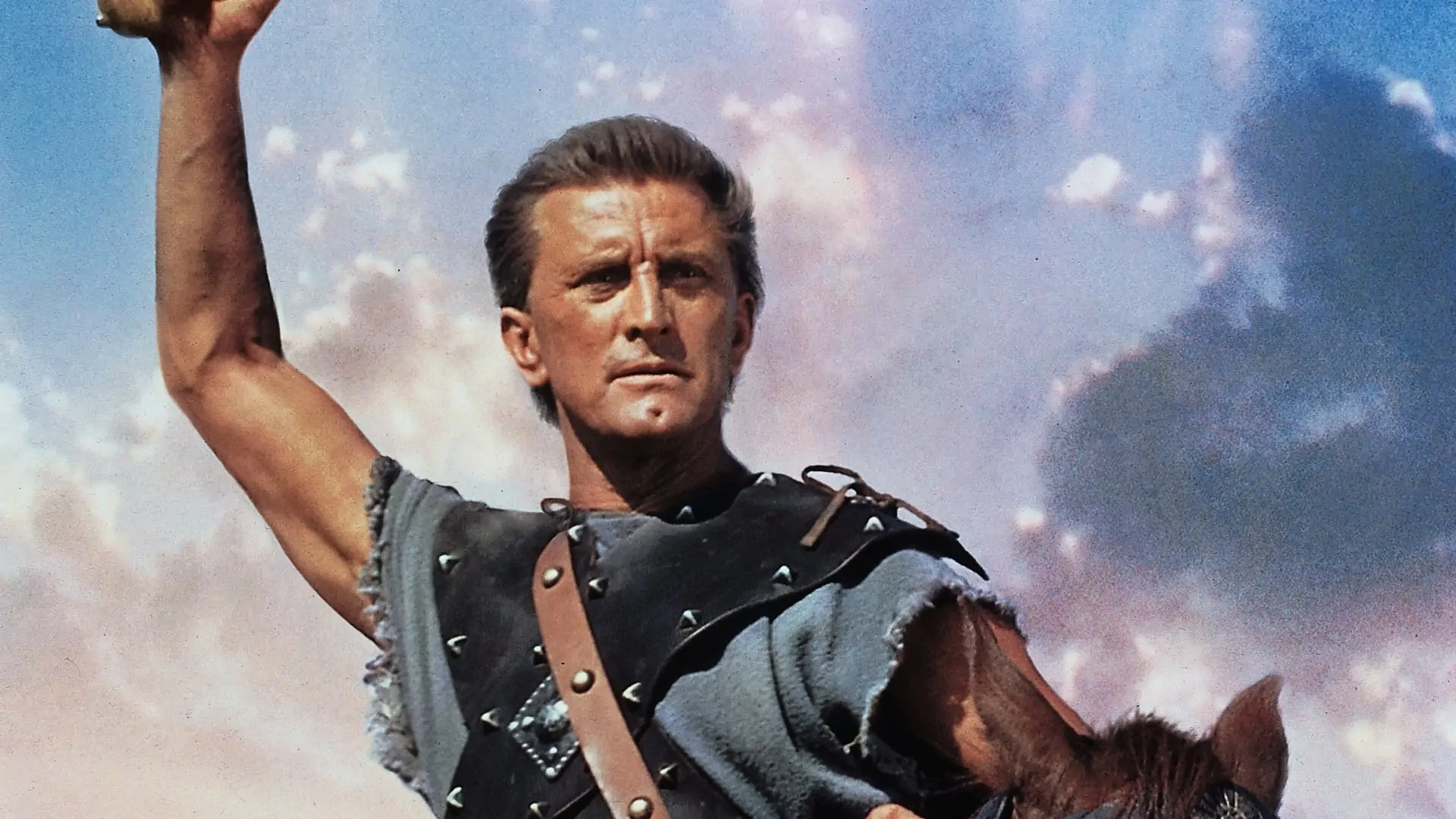
Spartacus (1960, Stanley Kubrick)
The film included hints of same sex tension that were later cut, along with the well known oysters and snails scene that suggests bisexuality. Stanley Kubrick and the producers worked around the Code by presenting it as a serious historical story with a moral angle, though some of the more suggestive parts were trimmed, as seen in Spartacus.
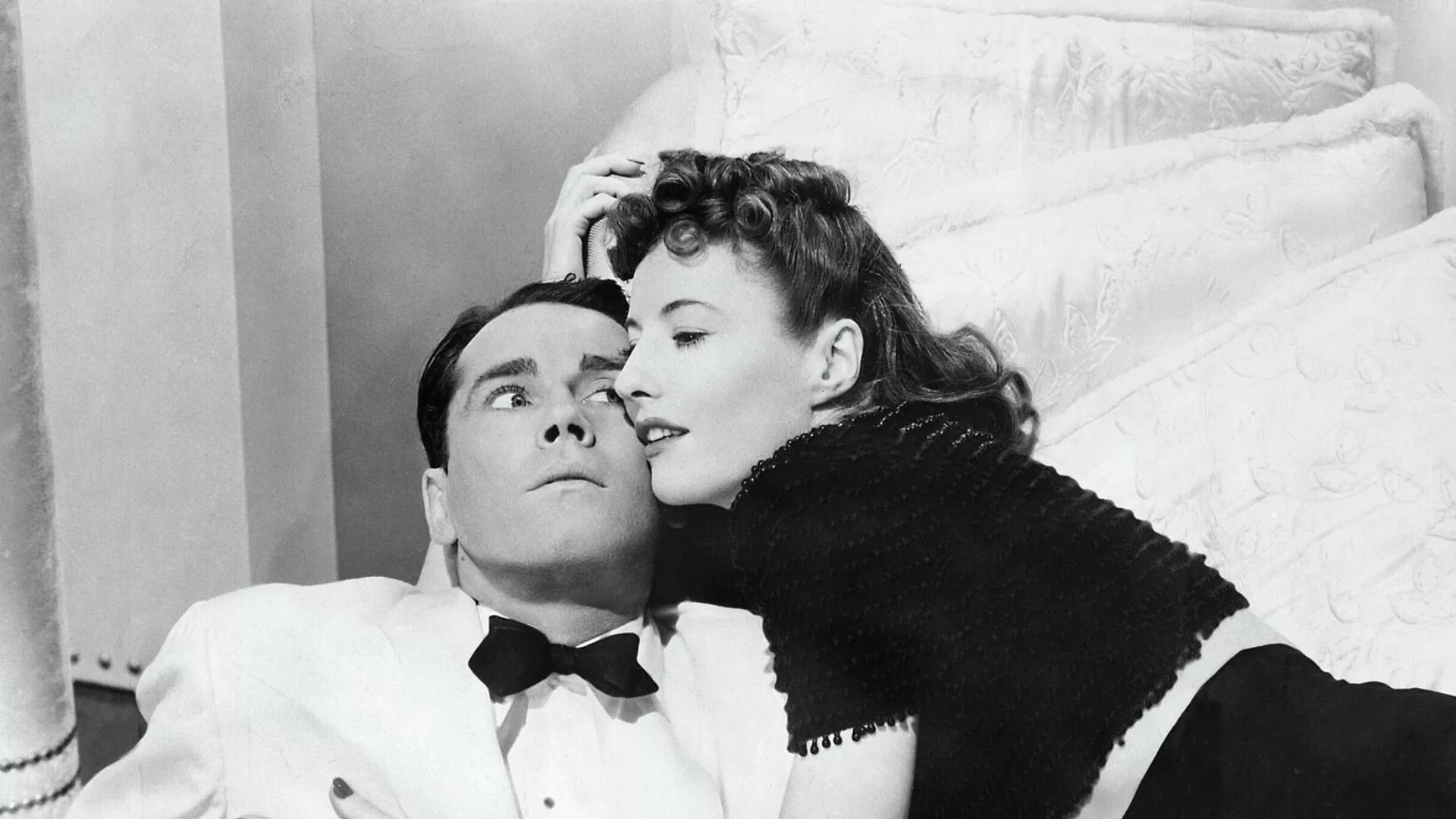
The Lady Eve (1941, Preston Sturges)
In The Lady Eve, Barbara Stanwyck delivers suggestive dialogue in a long unbroken scene with Henry Fonda, filled with playful lines that hint at rising desire and release. The film bends the spirit of the Code through clever wordplay and performance while still sticking to the basic rules about physical contact.
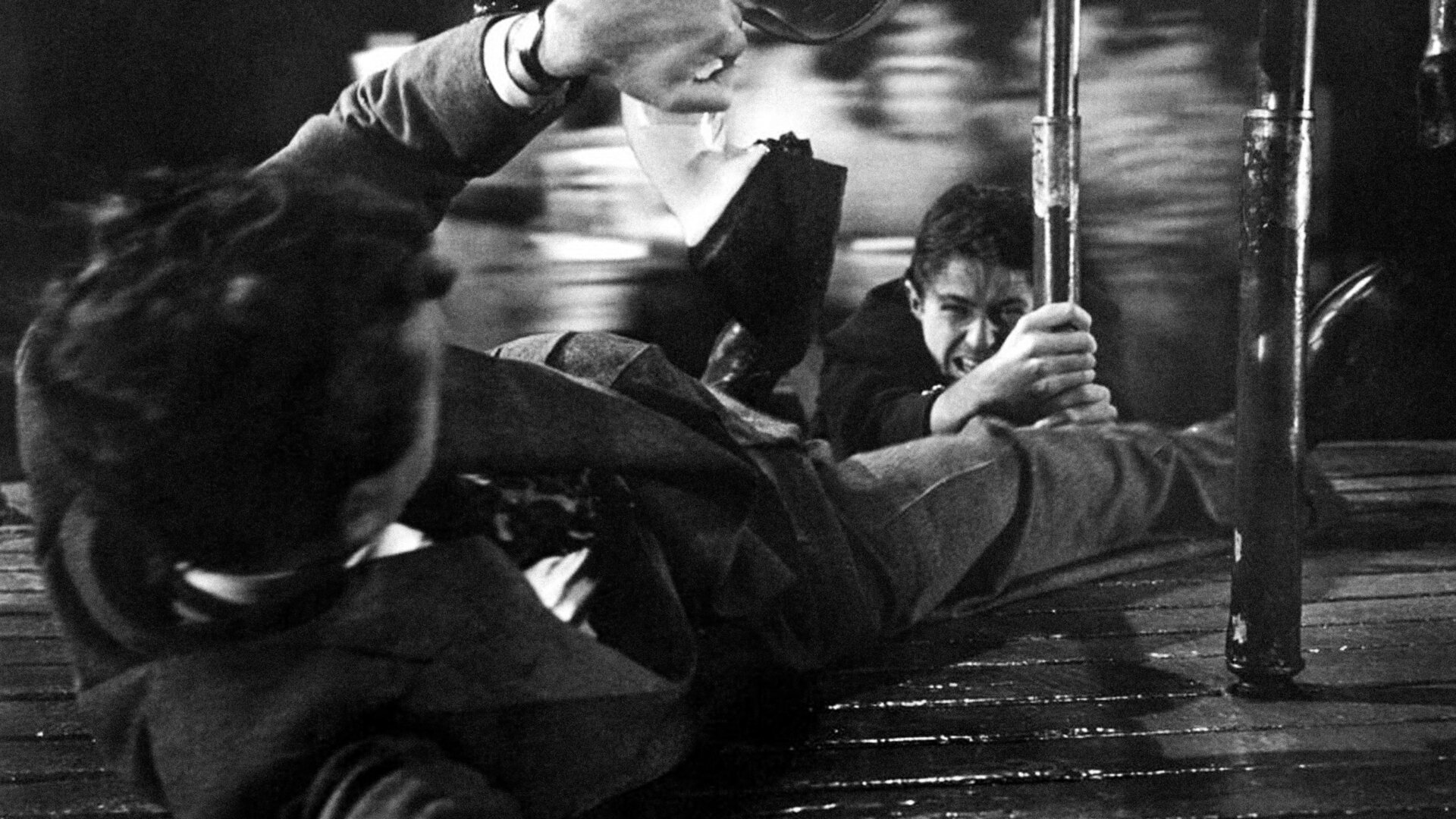
Strangers on a Train (1951, Alfred Hitchcock)
The film features subtle hints of same sex attraction in the villain’s fixation on the hero, staying just within the Code’s limits on what it called “sex perversion.” Alfred Hitchcock suggested this through dialogue, looks, and a sense of psychological tension rather than saying it outright, as seen in Strangers on a Train.
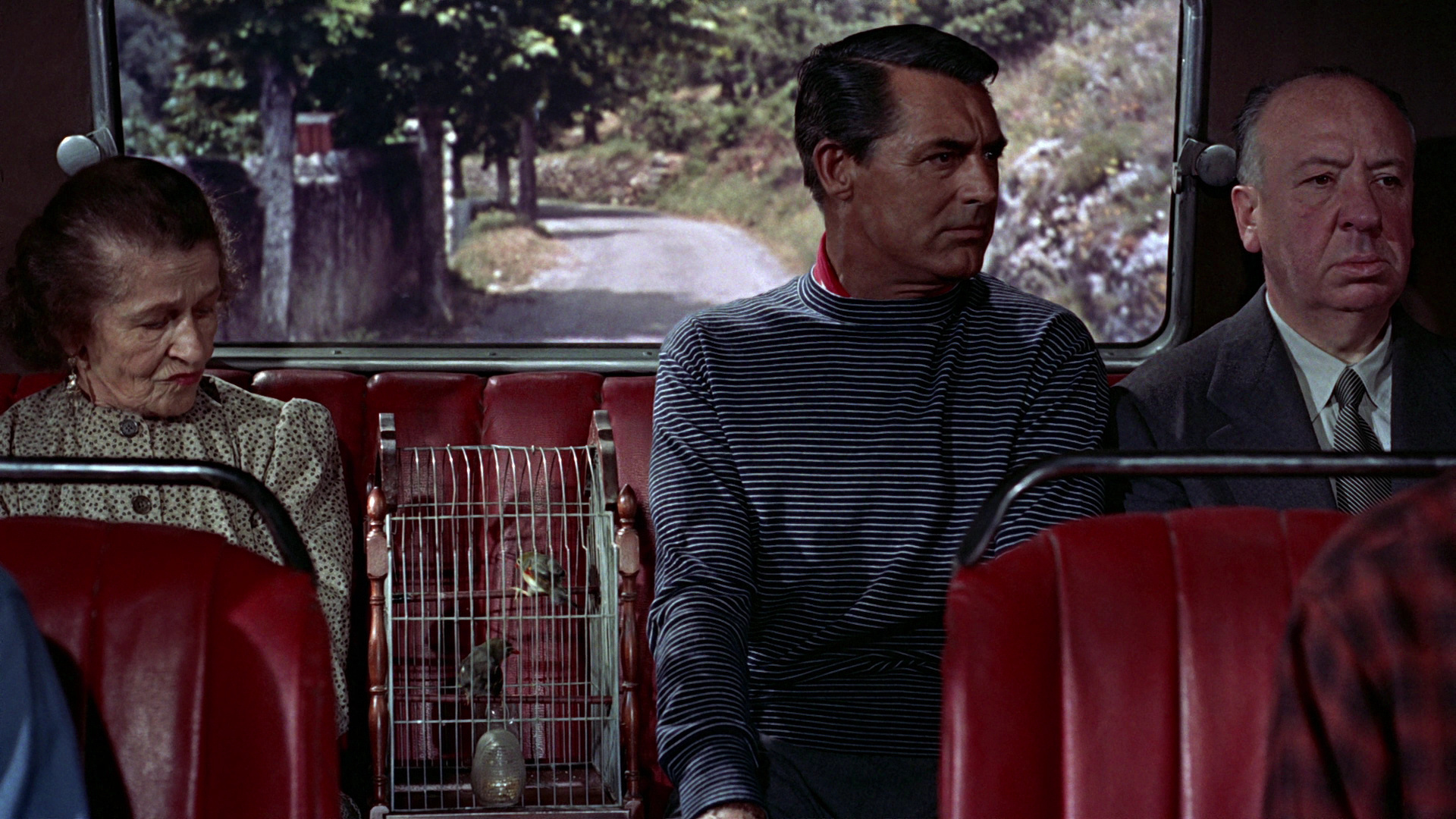
To Catch a Thief (1955, Alfred Hitchcock)
Grace Kelly playfully rubs her shoulder while flirting, with lines that carry double meanings, like talk of spending two weeks in Niagara Falls. Alfred Hitchcock used innuendo, cutaways like fireworks during a kiss, and subtle hints to suggest strong attraction without showing anything directly, as seen in Rear Window.
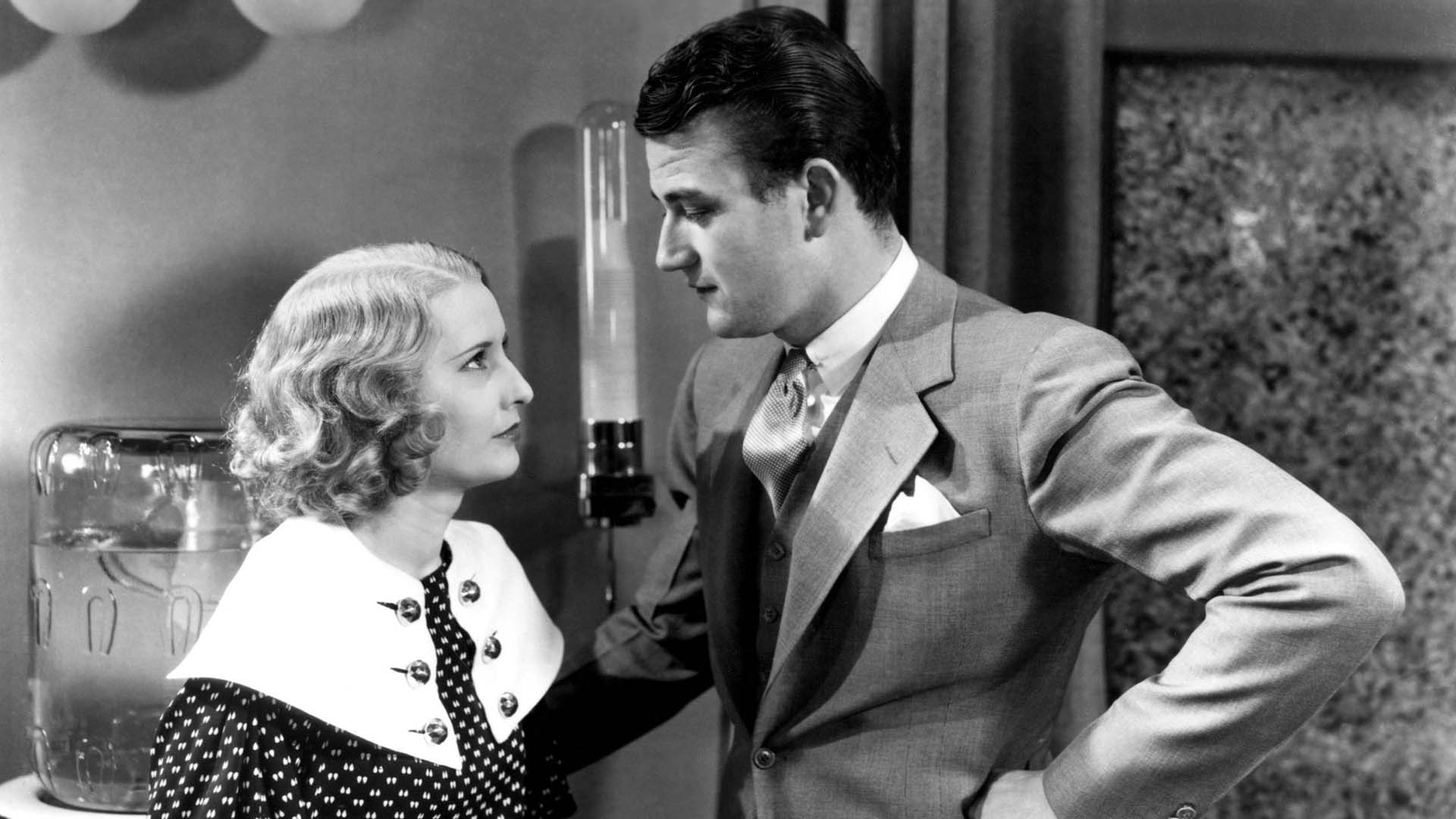
Baby Face (1933, Alfred E. Green)
Barbara Stanwyck’s character rises by using her charm and relationships in a pre Code film. After pressure from censors, Warner Bros. added an ending where she loses everything and settles for a modest life, which fit the rule that wrongdoing must be punished. This change allowed the bold rise of her character to stay in place.
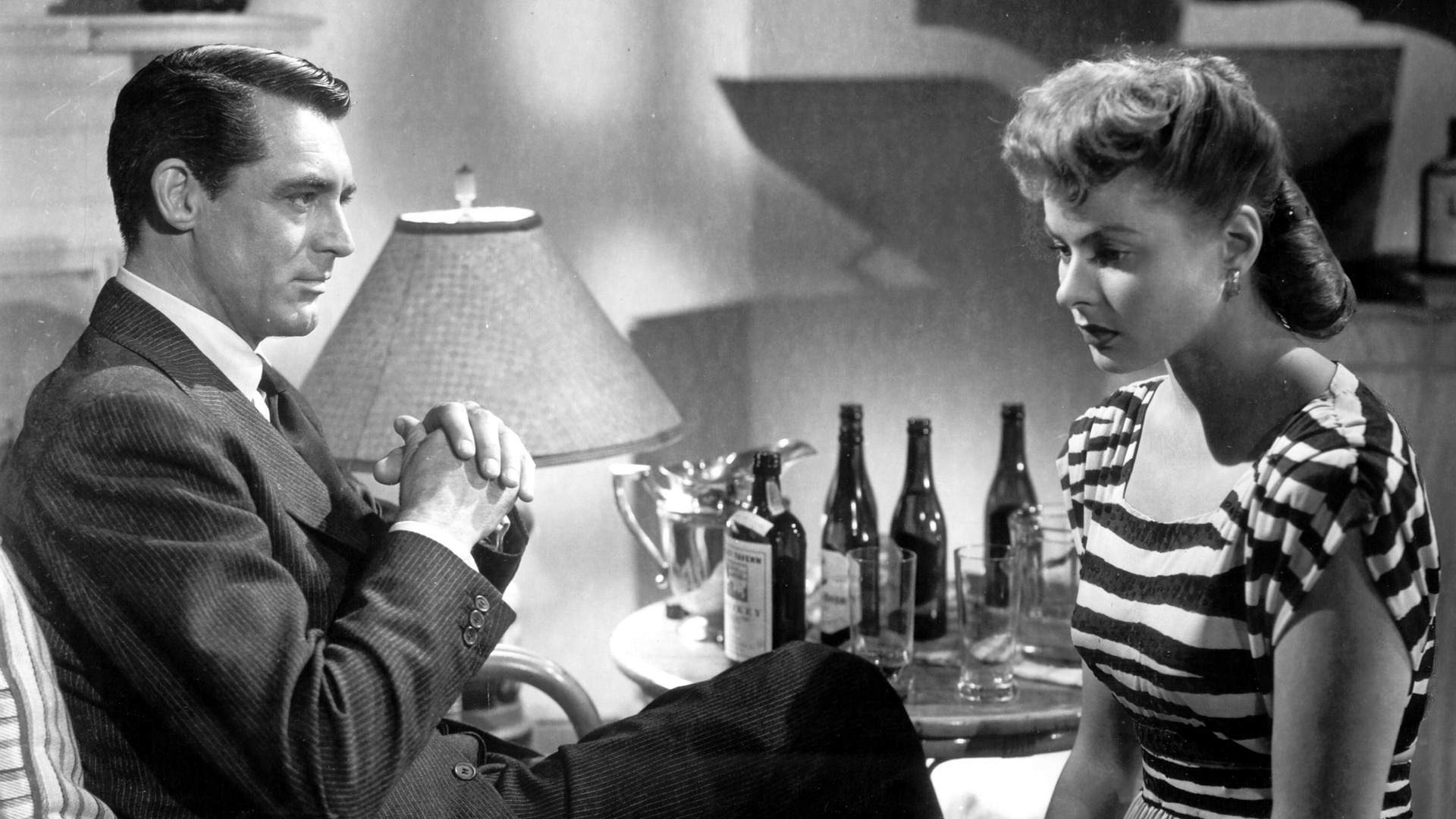
Notorious (1946, Alfred Hitchcock)
Alfred Hitchcock worked around the three second kiss rule by having Cary Grant and Ingrid Bergman break and resume a long embrace while talking about everyday things. This turned the moment into a two and a half minute sequence that stayed within the rules but still felt highly intimate and full of tension
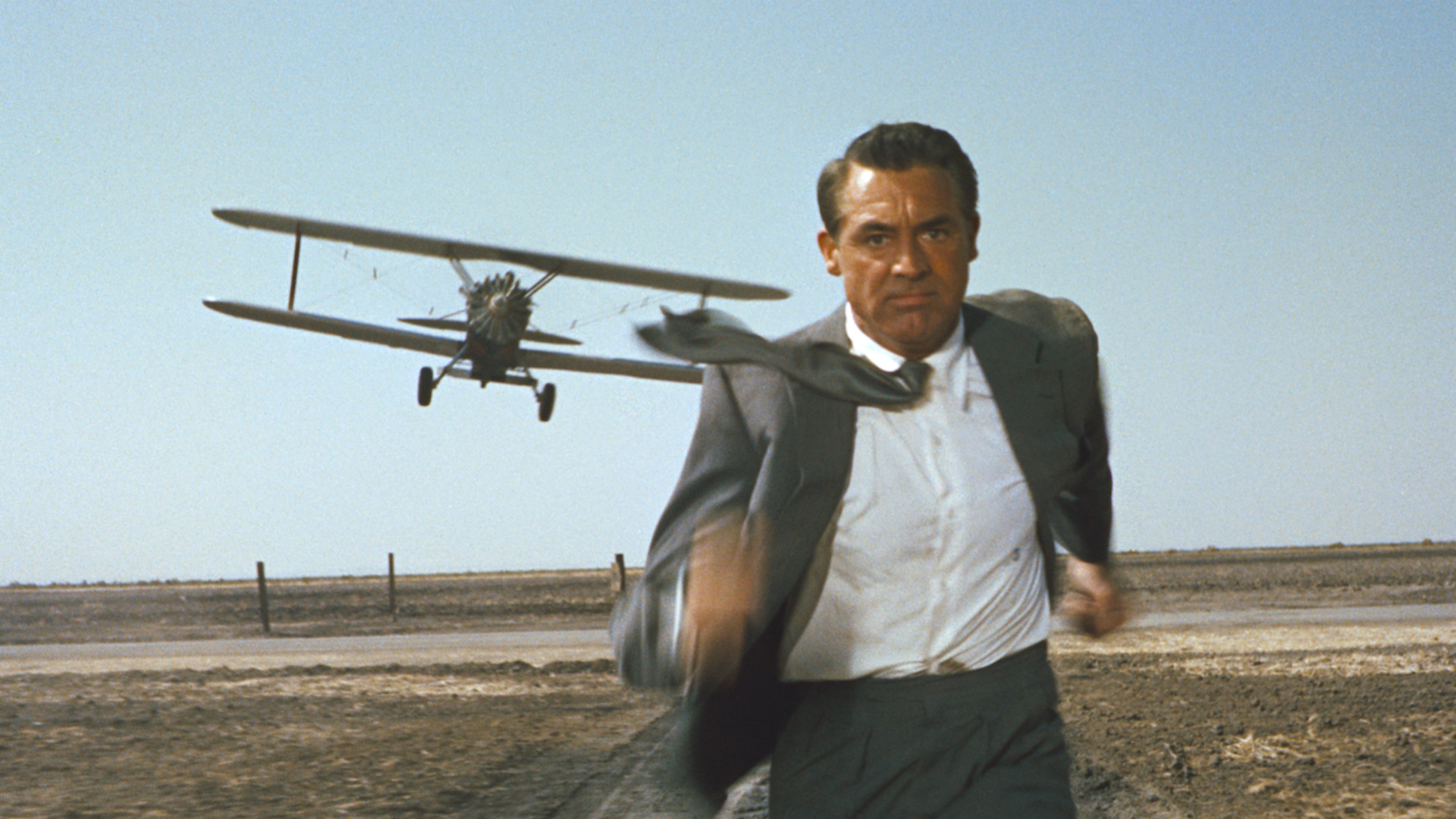
North by Northwest (1959, Alfred Hitchcock)
In North by Northwest, the final shot shows a train going into a tunnel right after the couple gets back together, clearly hinting at their physical relationship. Hitchcock relied on visual hints and fade-outs to suggest sex and desire without showing it directly, along with a few suggestive moments.

Psycho (1960, Alfred Hitchcock)
Alfred Hitchcock pushed limits with a story in Psycho that included an affair, suggested nudity in the shower murder through quick cuts and clever editing, and even showed a flushing toilet for the first time in a Hollywood film. He used misdirection with bold lines to draw attention away from more important details, keeping scenes that hinted at violence against a seemingly garbless woman in the shower and darker psychological ideas. The film still got approval, but it showed that the Code was starting to lose its hold.