
10 Classic Foreign Films Hollywood Completely Butchered
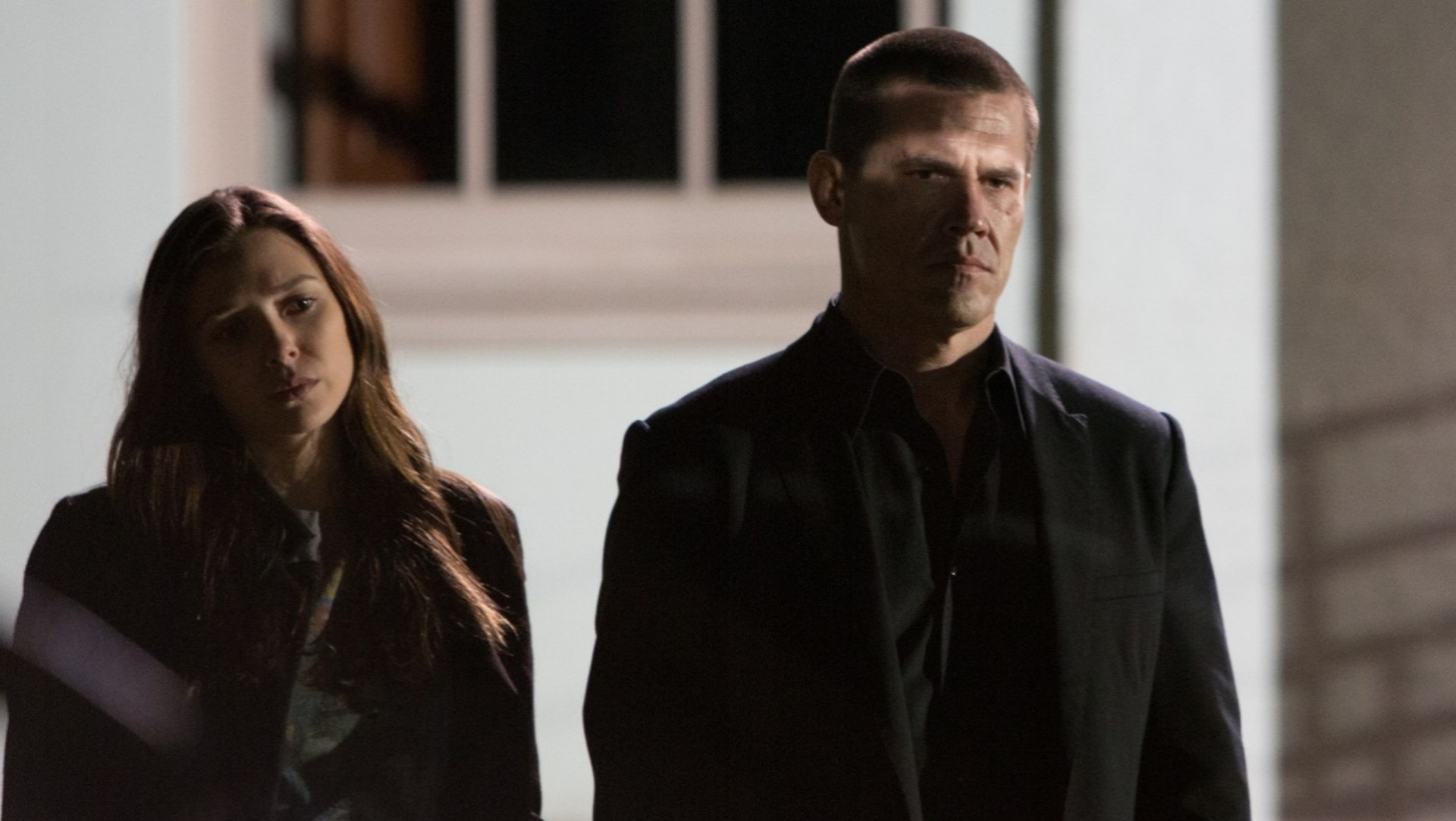
1. Oldboy (2013)
Park Chan-wook’s 2003 South Korean masterpiece is a visceral, operatic exploration of revenge and dark family secrets. Spike Lee’s remake, however, was a "pointless and plodding affair" that failed to capture the original's stylistic flair. Despite a committed performance by Josh Brolin, the film was heavily edited by the studio, leading Lee to remove his signature "A Spike Lee Joint" credit. It turned a profound tragedy into a standard, hollow action flick.
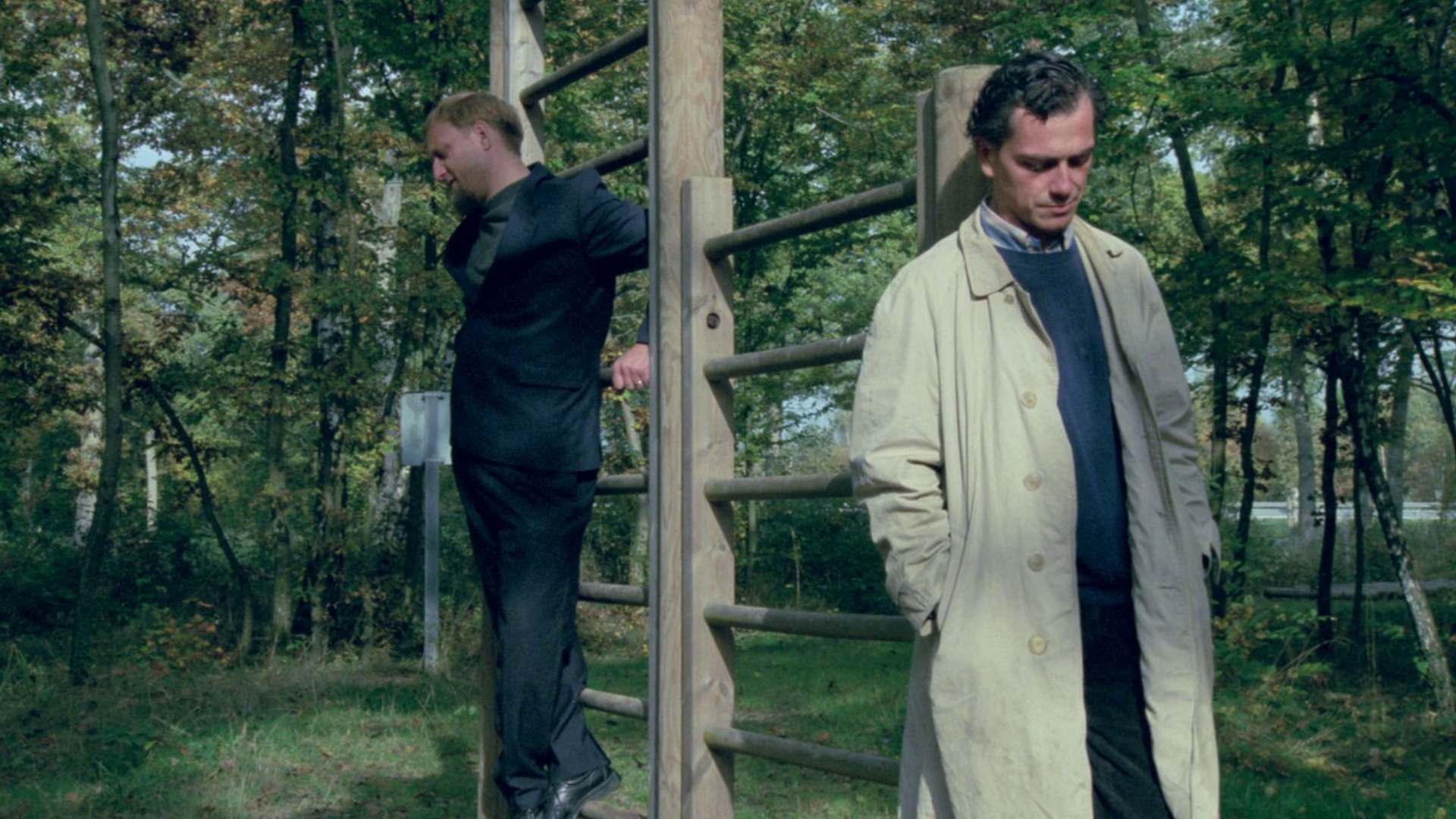
2. The Vanishing (1993)
The 1988 Dutch-French original (Spoorloos) is famous for having one of the most devastating and claustrophobic endings in cinema history. Bizarrely, the same director, George Sluizer, was hired to helm the American remake. Under studio pressure, he replaced the chilling, nihilistic finale with a "safe, predictable resolution" where the hero survives. This fundamental change insulted the audience's intelligence and destroyed the very soul of the story.

3. Ghost in the Shell (2017)
The 1995 anime classic is a philosophical landmark that explores the nature of identity and the soul in a digital age. The live-action remake was mired in "whitewashing" controversy from the start for casting Scarlett Johansson as Major Motoko Kusanagi. Beyond the casting, the film traded the source material's deep existential questions for a generic "superhero origin" plot and lifeless characters, resulting in a visually impressive but intellectually empty mess.
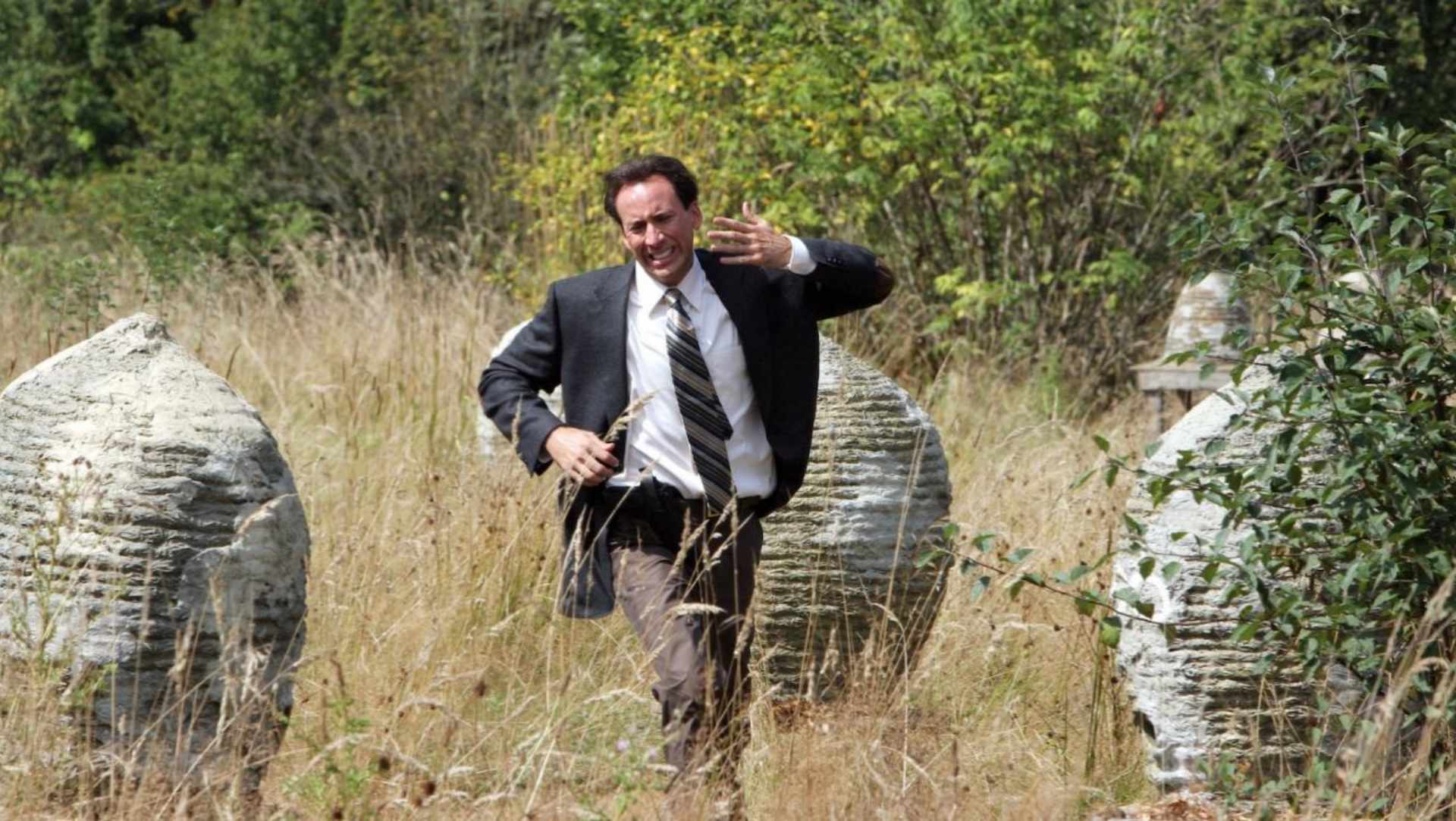
4. The Wicker Man (2006)
The 1973 British cult classic is a masterclass in folk horror and dread. The 2006 remake, starring Nicolas Cage, is a different kind of legend: it is widely considered one of the most unintentionally hilarious movies ever made. By moving the setting to a private island of neo-pagan women and "amping up the crazy," the film lost all sense of menace. Cage in a bear suit punching people turned a chilling sacrifice into a meme-worthy farce.

5. One Missed Call (2008)
Based on the 2003 Japanese horror hit by Takashi Miike, this remake represents the absolute nadir of the "J-Horror" boom. While the original was a creepy commentary on technology, the US version was a "clichéd, vanilla" retread that relied on cheap jump scares and a nonsensical script. It currently holds a rare 0% on Rotten Tomatoes and is cited as a primary reason the American interest in Japanese horror remakes eventually died out.
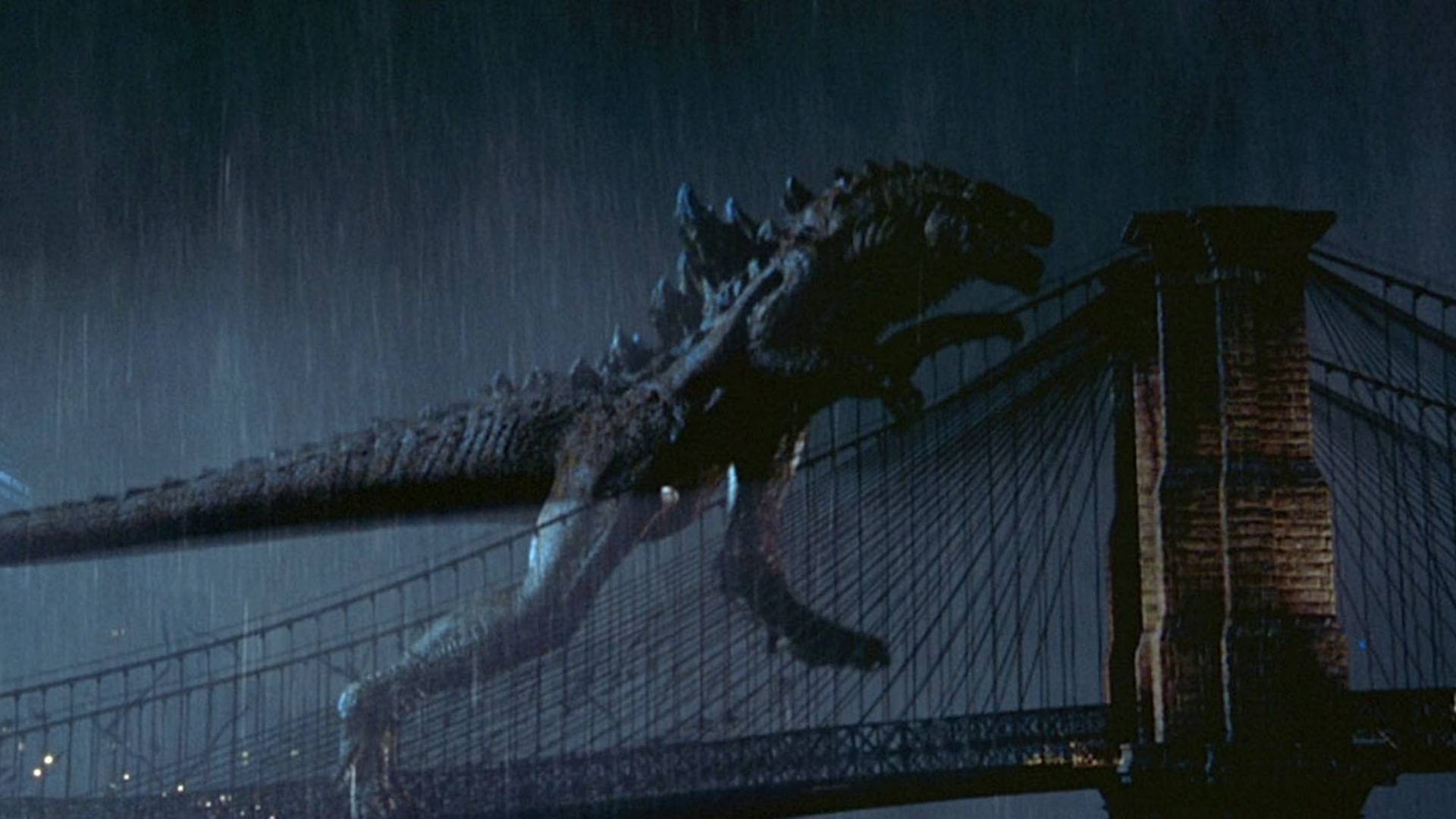
6. Godzilla (1998)
The original 1954 Gojira was a somber allegory for nuclear trauma. Roland Emmerich’s 1998 remake stripped away the metaphor entirely, turning the "King of the Monsters" into a giant, fast-moving lizard that was easily hurt by conventional missiles. Fans were so insulted by the redesign that Toho (the original creators) later officially renamed this version of the creature "Zilla," claiming the Americans had "taken the 'God' out of Godzilla."
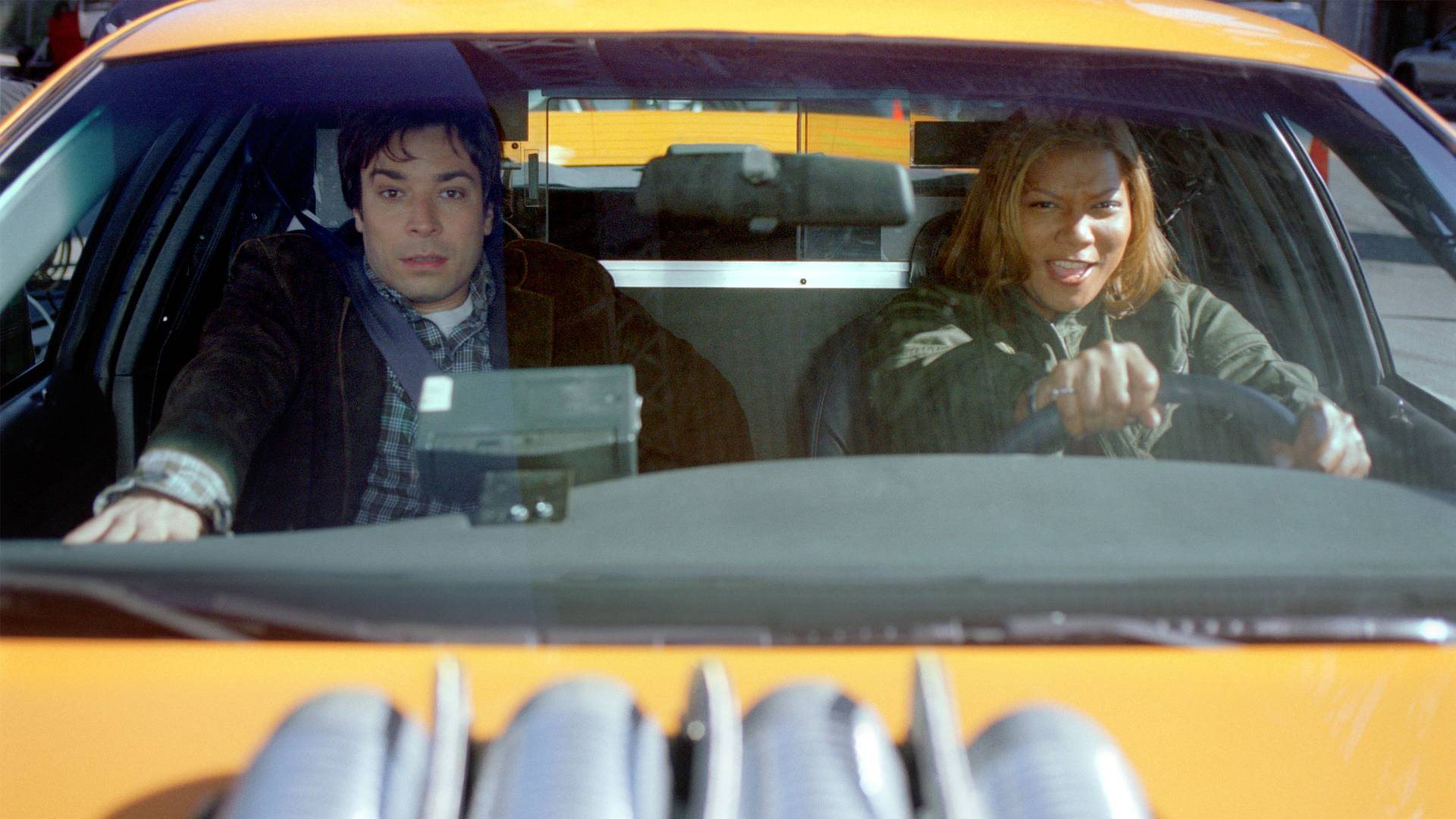
7. Taxi (2004)
The French original, written by Luc Besson, is a high-octane action-comedy beloved for its incredible stunt driving and European charm. The American remake, starring Queen Latifah and Jimmy Fallon, replaced the gritty racing sequences with "impossible stunts and clichéd jokes." The chemistry that made the original a massive franchise in France didn't translate, resulting in a film that felt like a loud, generic sitcom on wheels.

8. Martyrs (2015)
The 2008 French original is a cornerstone of the "New French Extremity" movement—a grueling, philosophical horror movie about the limits of human suffering. The American remake committed the ultimate sin of "watering down" the violence and defanging the premise. By changing the revelations at the end to be more "digestible" for a domestic audience, the filmmakers removed the very thing that made the original a cult classic.
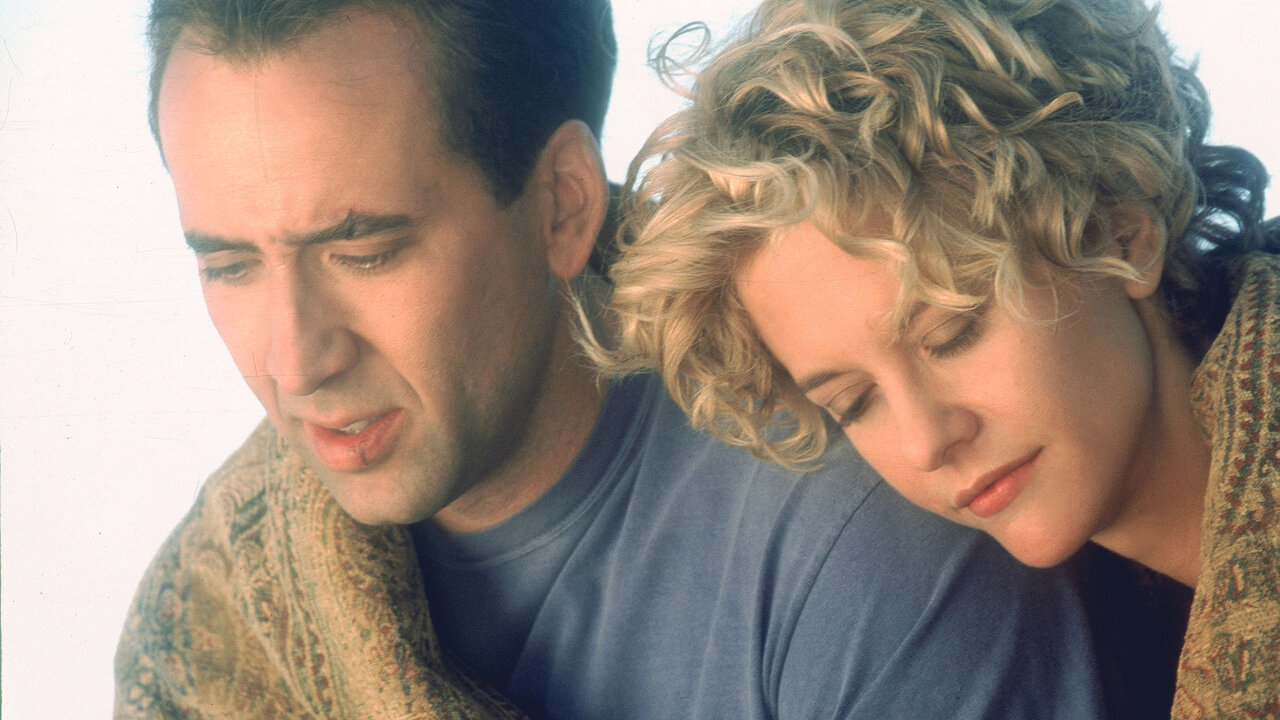
9. City of Angels (1998)
Wim Wenders’ 1987 masterpiece Wings of Desire is a gorgeous, monochrome meditation on what it means to be human. Hollywood took this poetic art film and doused it in "maudlin melodrama and rom-com tropes." Starring Nicolas Cage and Meg Ryan, City of Angels turned a philosophical inquiry into a sappy, tear-jerking romance. It stripped away all the original's subtlety, literally spelling out its themes for the audience.
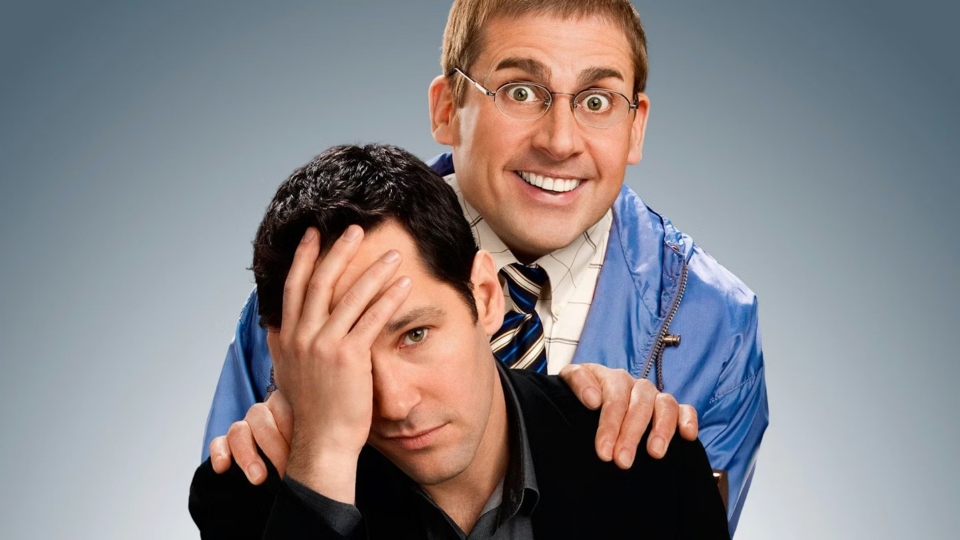
10. Dinner for Schmucks (2010)
The 1998 French comedy Le Dîner de Cons is a sharp, acidic farce that won numerous awards for its wit. The American version, despite the star power of Steve Carell and Paul Rudd, opted for "cheap slapstick and awkwardness." It softened the mean-spirited edge of the original, turning a clever play on social dynamics into a "soggy" comedy that relied on goofy dioramas rather than the brilliant dialogue that made the original a hit.