
10 Classic Movie Villains Who Redefined Evil on Screen
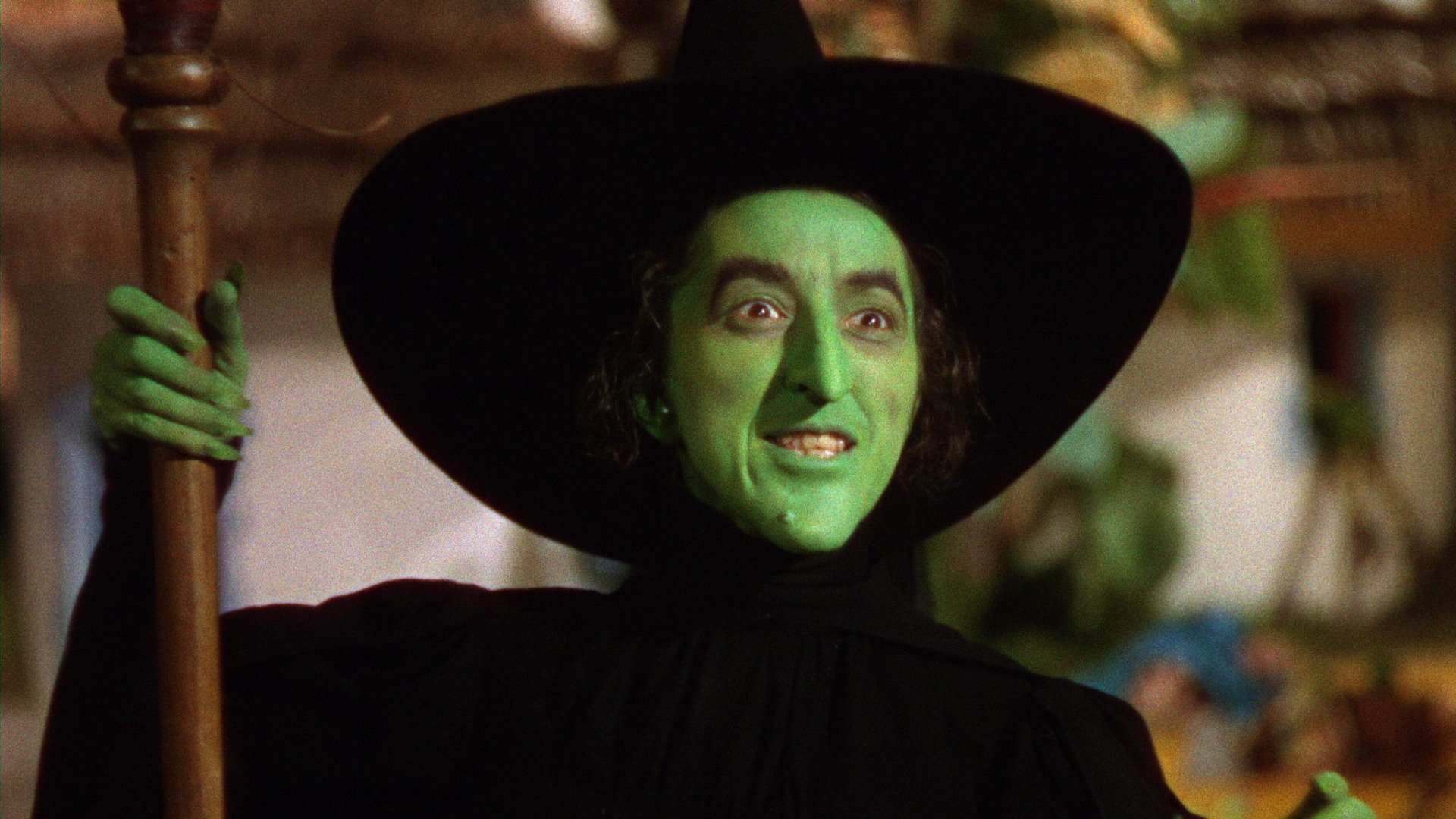
The Wicked Witch of the West (The Wizard of Oz, 1939)
The Wicked Witch of the West, with green skin, a cackle, and flying monkeys, shows pure fairy-tale evil. Margaret Hamilton’s dramatic menace and lines like “I’ll get you, my pretty!” made her a childhood fear. As AFI’s top female villain, her look and voice shaped the classic witch and influenced pop culture for decades.
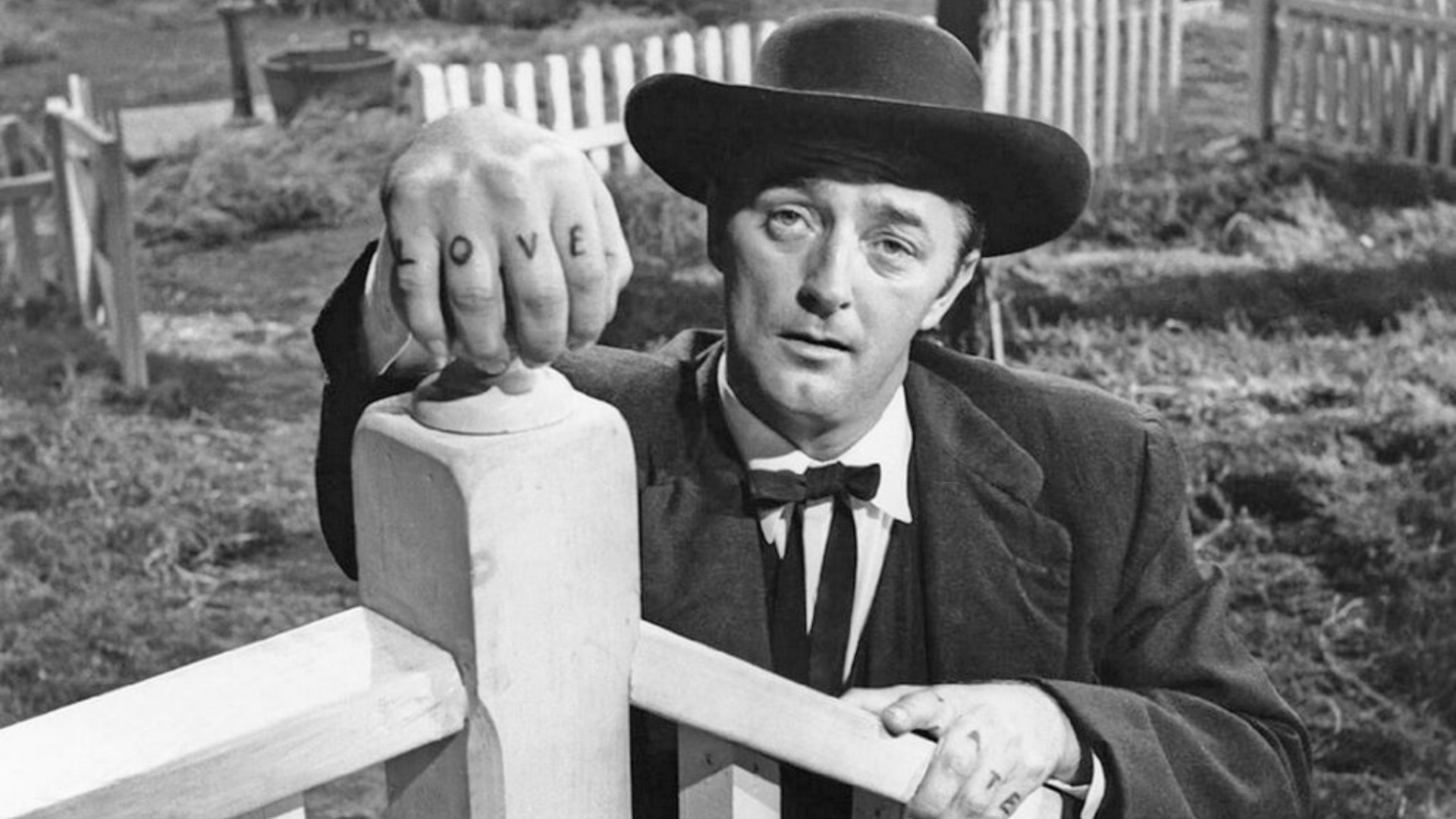
Harry Powell (The Night of the Hunter, 1955)
Harry Powell, the false preacher with “LOVE” and “HATE” tattooed on his knuckles, hunts children for stolen money. Robert Mitchum’s charismatic, hymn-singing sociopath mixes religious menace with calm predation. In Charles Laughton’s only directorial work, expressionistic visuals heighten his gothic terror, making him one of cinema’s most chilling religious hypocrites.
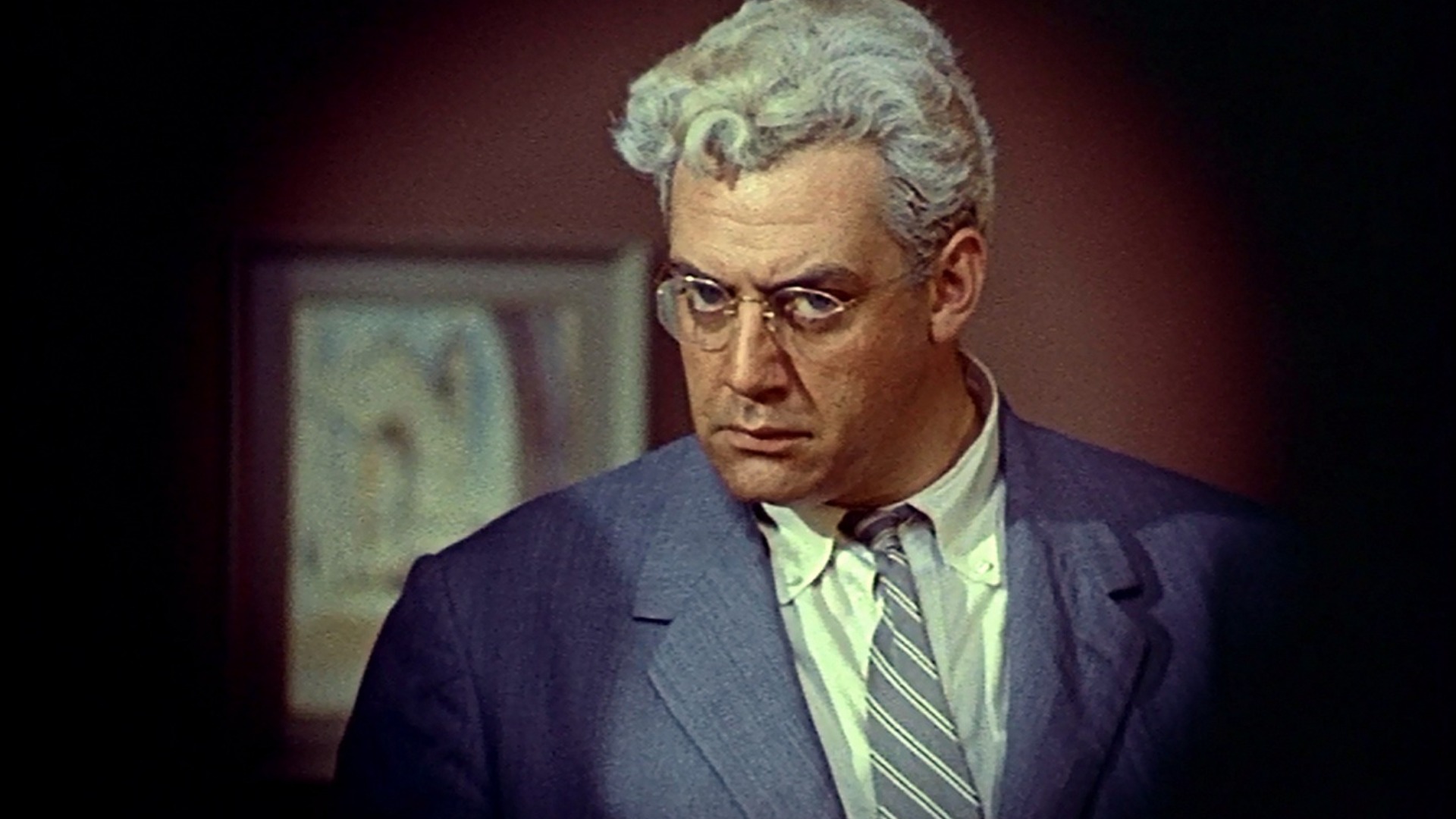
Lars Thorwald (Rear Window, 1954)
Lars Thorwald is the quiet salesman who murders his wife and dismembers her body. Raymond Burr’s silent, imposing presence creates intense suspense through Hitchcock’s voyeuristic lens. He shows how evil can hide in ordinary neighbors, making viewers question morality and the ethics of watching.
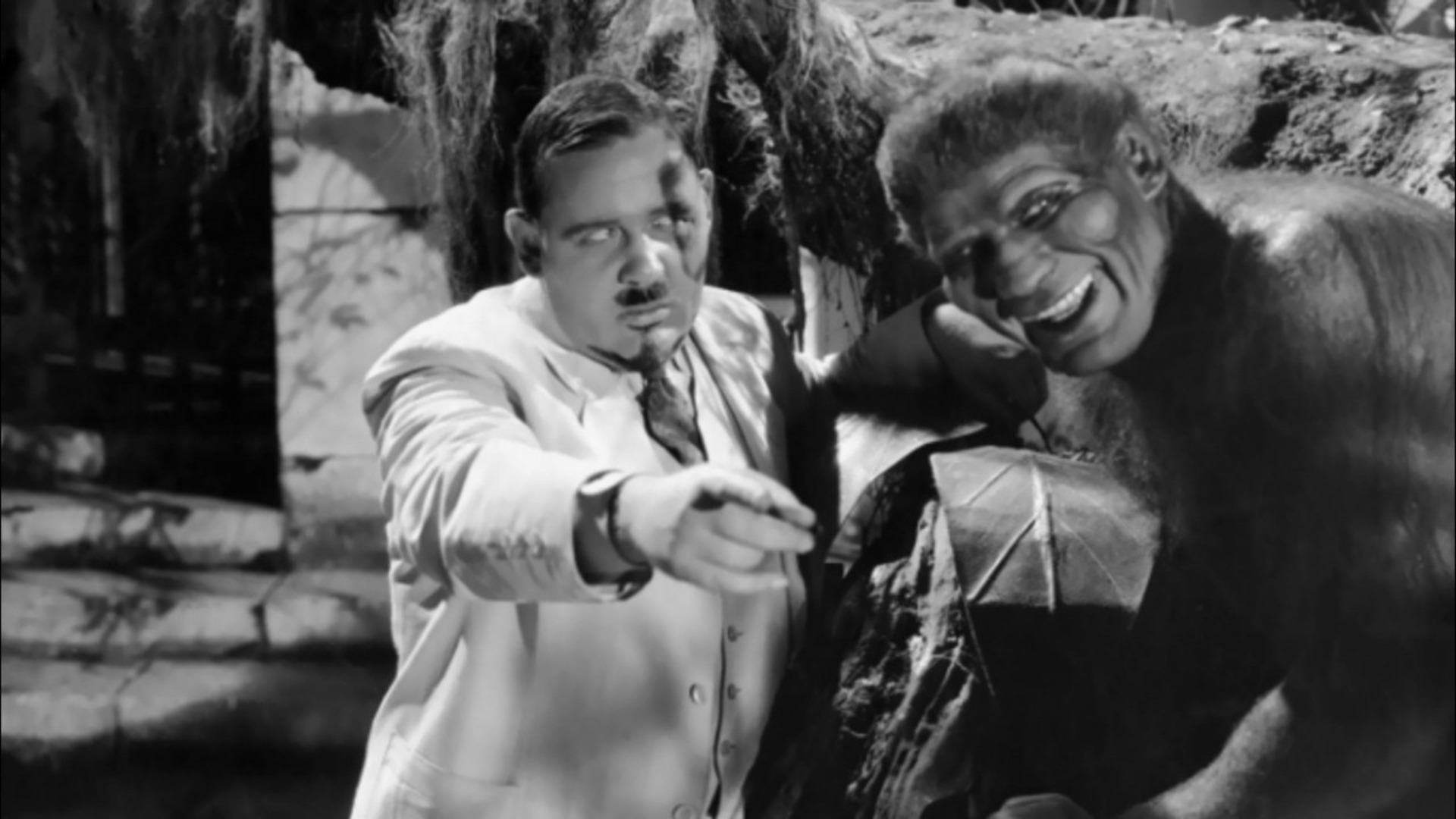
Dr. Moreau (Island of Lost Souls, 1932)
Dr. Moreau is the mad scientist performing gruesome experiments to turn people into beast-men on his island. Charles Laughton’s god-like cruelty and strict control made him a classic pre-Code horror villain. The film’s shocking experiments and the “Are we not men?” chants shaped mad-scientist characters for generations.
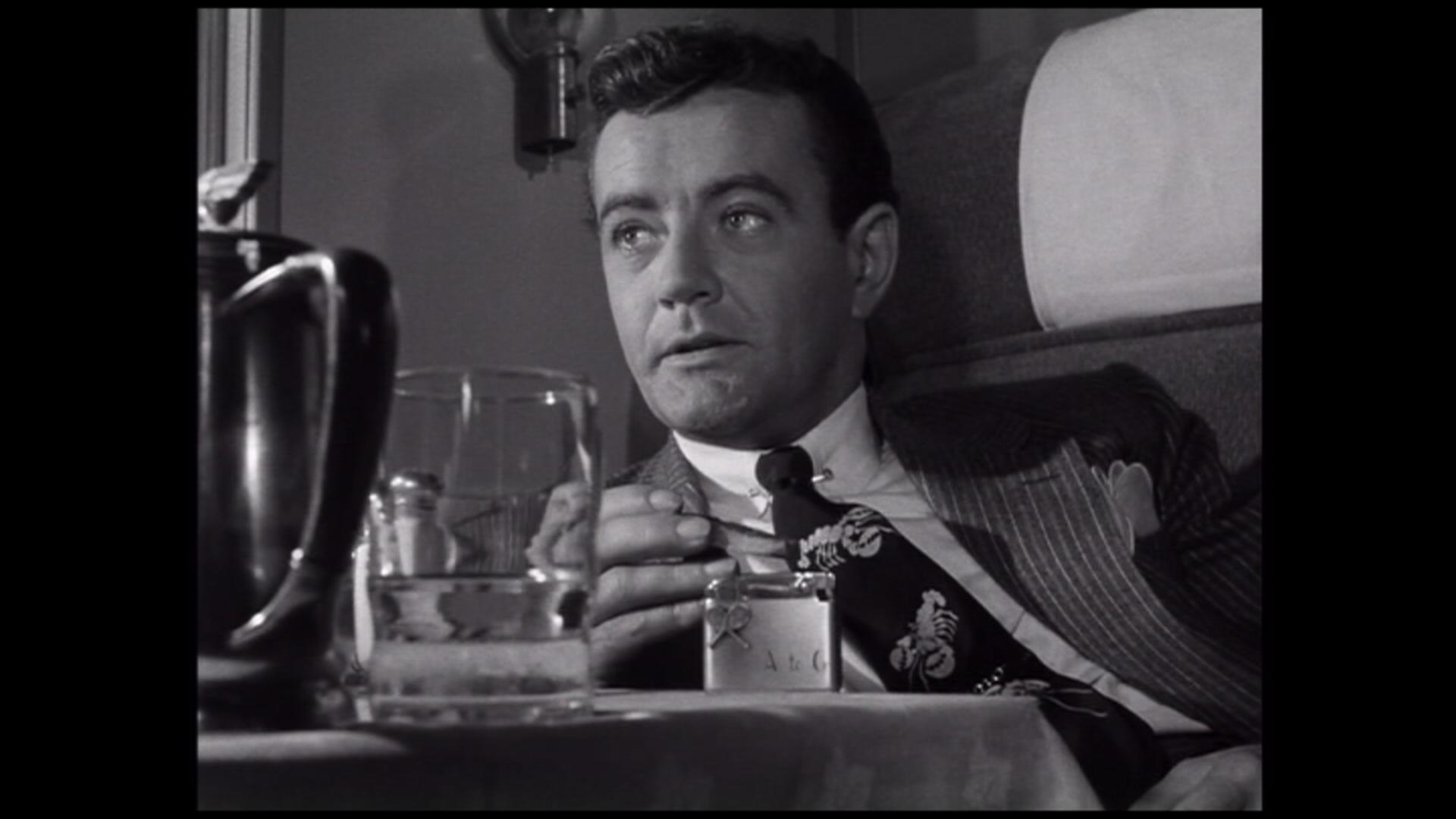
Bruno Antony (Strangers on a Train, 1951)
Bruno Antony is a smooth, psychopathic socialite who suggests a “criss-cross” murder swap. Robert Walker’s charm hides his cold, amoral nature. Hitchcock’s thriller shows his obsession with tennis and the dramatic carousel ending to explore fate, class, and hidden desires, making him one of cinema’s most memorable “charming psycho” villains.
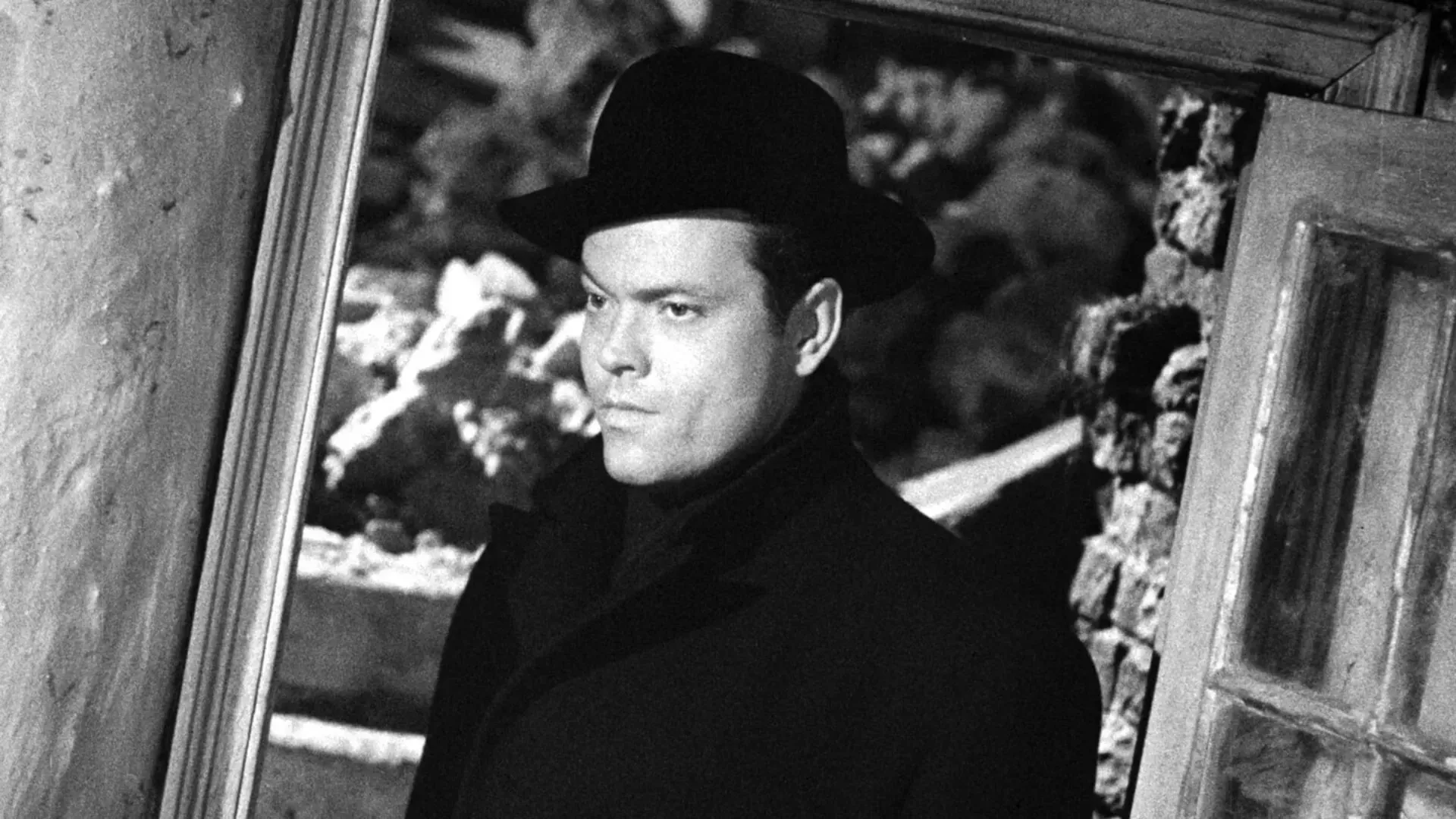
Harry Lime (The Third Man, 1949)
Harry Lime is the charming black-market dealer in post-war Vienna whose “cuckoo clock” speech justifies amorality. Orson Welles’ shadowy entrance and magnetic presence turn the penicillin profiteer into an icon of cynical evil. Carol Reed’s noir masterpiece shows how his betrayal of friendship and children’s lives critiques postwar opportunism brilliantly.
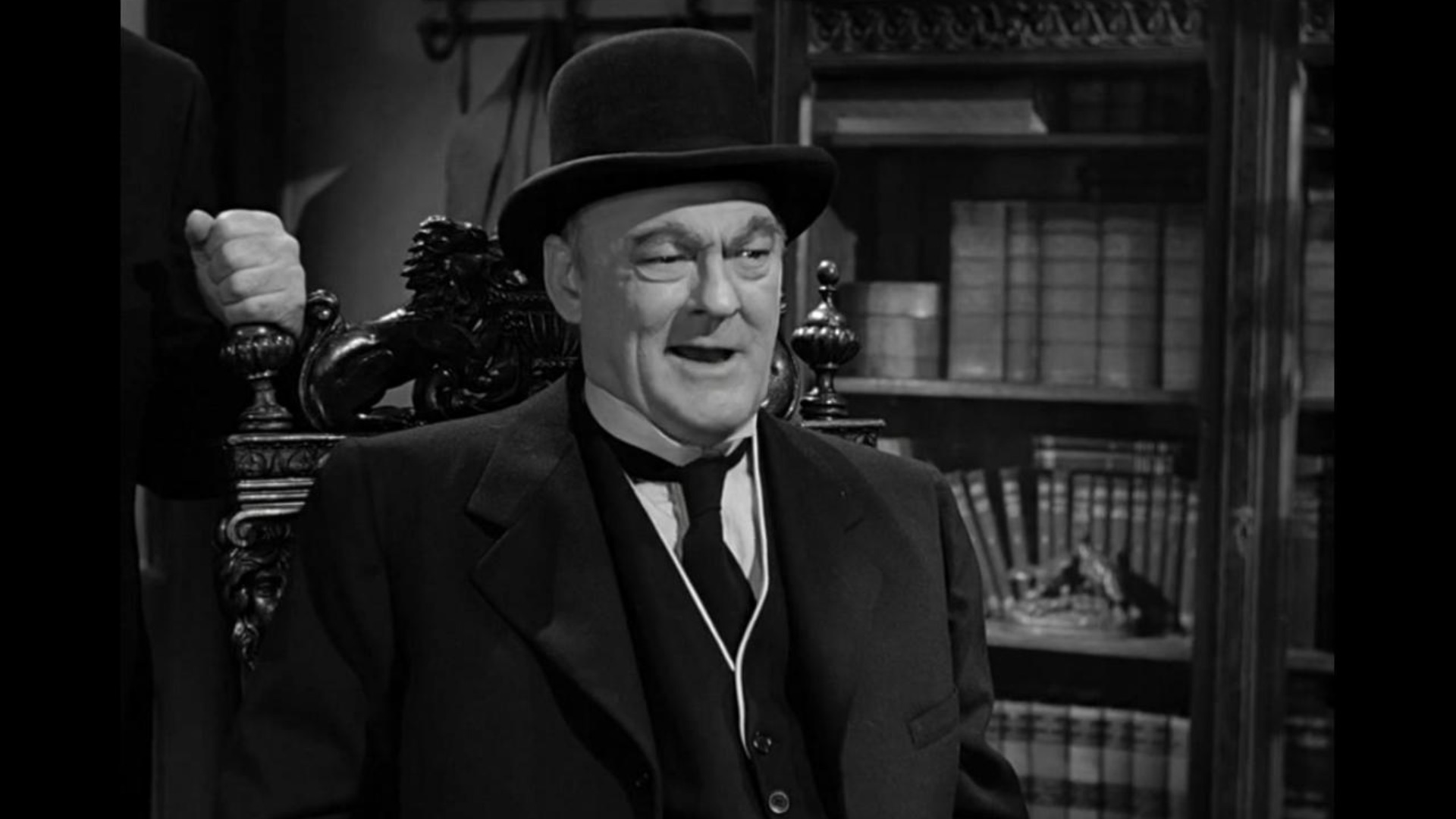
Mr. Potter (It’s a Wonderful Life, 1946)
Mr. Potter is the wheelchair-bound, heartless banker who ruins lives and steals the Bailey family’s money. Lionel Barrymore’s sneering greed embodies unchecked capitalism and small-town corruption. As George Bailey’s ultimate foil, he shows how quiet villainy, without guns or monsters, can destroy dreams, making him a lasting symbol of everyday evil.
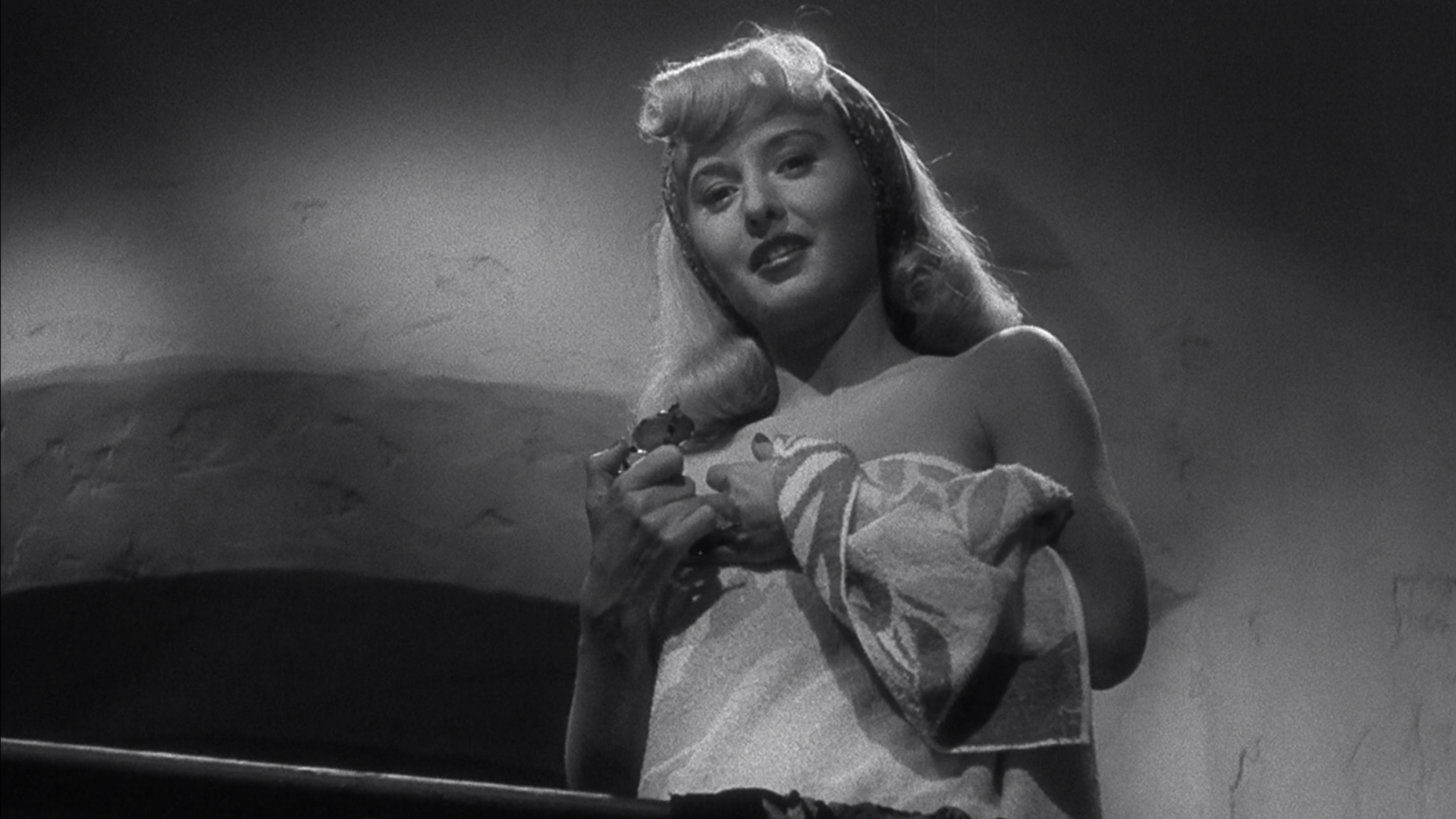
Phyllis Dietrichson (Double Indemnity, 1944)
Phyllis Dietrichson is the ultimate femme fatale. She is icy, seductive, and ruthless. Barbara Stanwyck’s anklet-wearing insurance schemer lures Walter Neff into murder for money. Her cold calculation and lack of conscience defined film noir’s dangerous women, showing that quiet ambition can be deadlier than any monster. AFI ranked her as the number eight villain, pure venom in pearls.
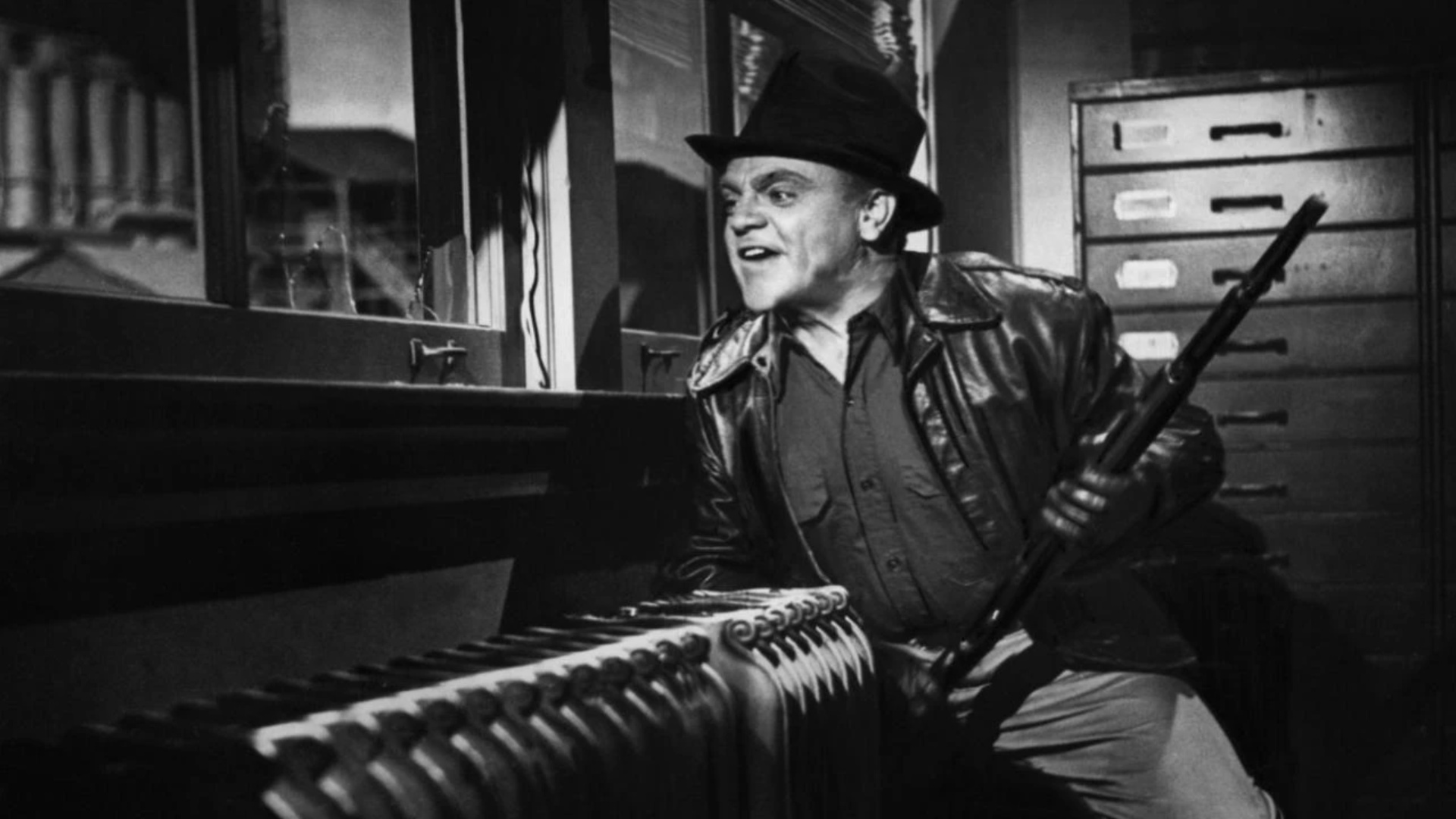
Cody Jarrett (White Heat, 1949)
Cody Jarrett is the psychotic gangster who screams “Made it, Ma! Top of the world!” during his explosive demise. James Cagney’s unhinged energy and obsession with his mother created a volatile, larger-than-life criminal. His mix of charm, violence, and vulnerability shaped countless tough-guy villains and made him a classic Warner Bros. anti-hero gone mad.
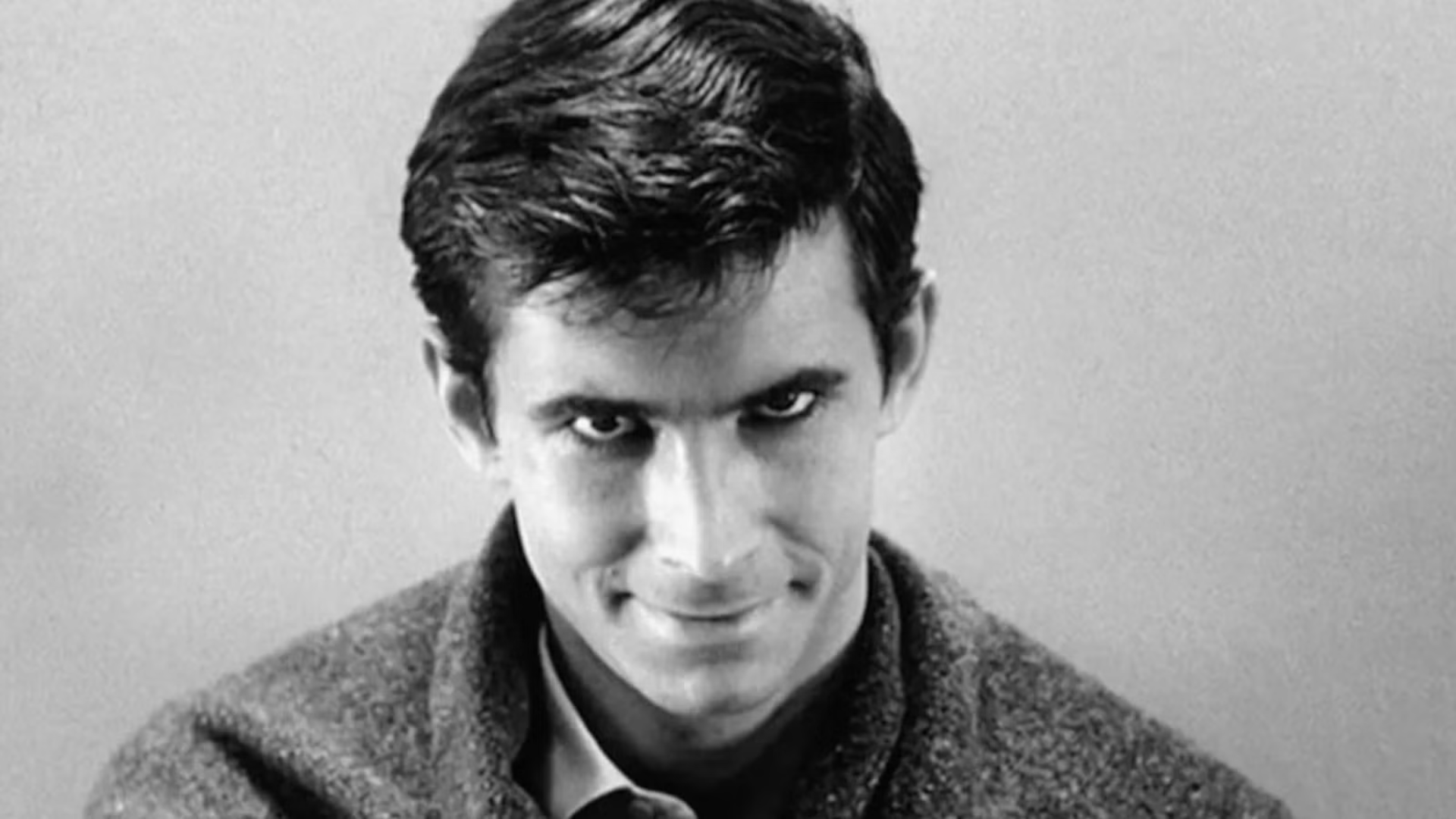
Norman Bates (Psycho, 1960)
Norman Bates is a master of surprise as a villain. He appears to be a shy motel owner but hides a deadly split personality controlled by his "mother." Perkins’ nervous charm and the famous shower scene set the standard for psychological horror. His split nature showed hidden desires and deep fears, frightening viewers while making his evil feel human. Ranked the number two villain by AFI, he changed the way villains are seen.