
10 Dark Realities Of Jim Carrey’s ‘The Cable Guy’
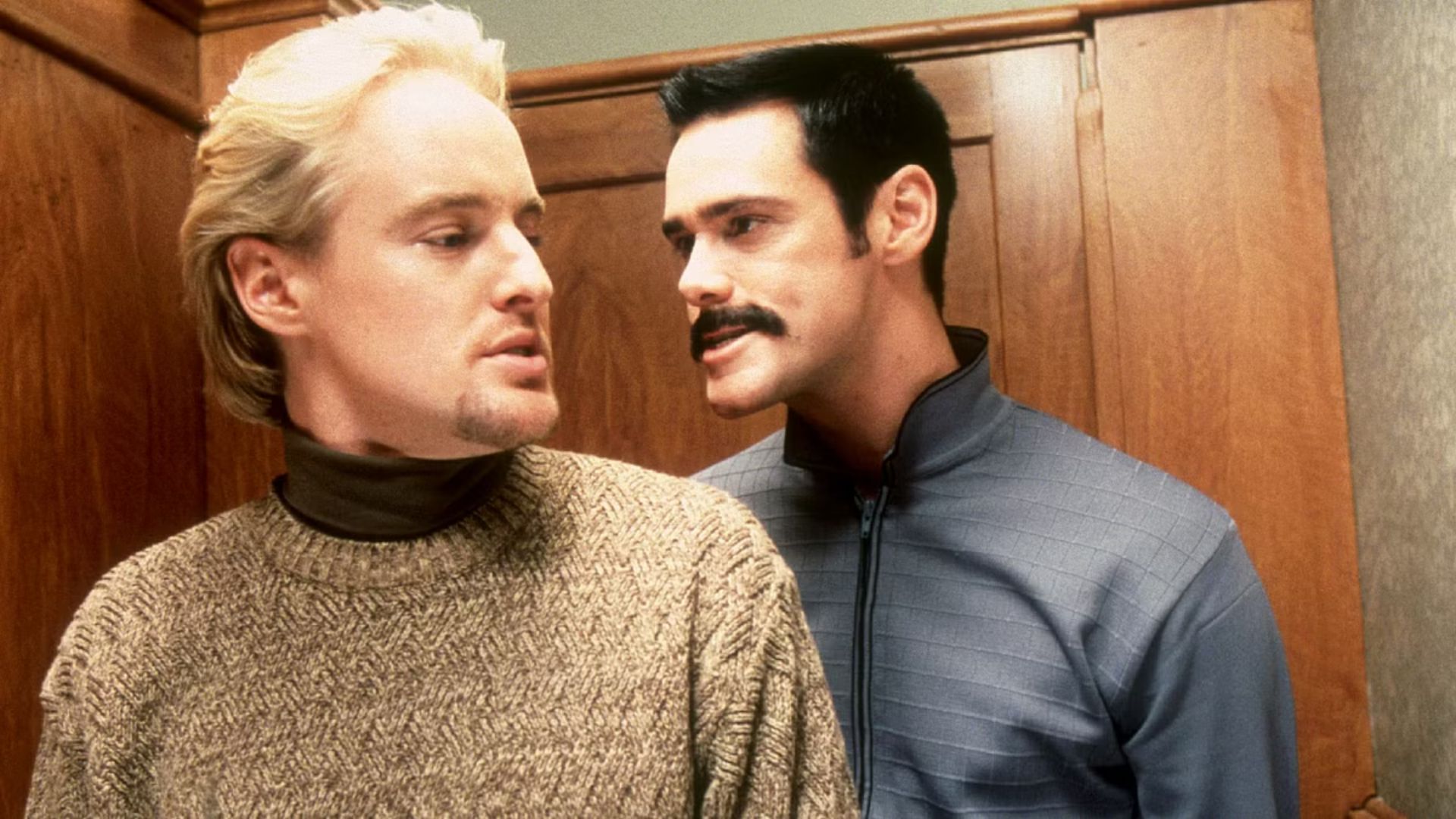
10. The Trailers Misleadingly Marketed A Slapstick Comedy
The promotional campaign deliberately clipped Jim Carrey’s wilder physical antics entirely out of context to make the film look wacky. In a bubble, these moments made Chip look like a harmless extension of the Mask or Ace Ventura, completely hiding the story's heavy undertones. This bait-and-switch left 90s audiences feeling blindsided when they sat down in theaters expecting standard slapstick, only to be met with an intense character study.
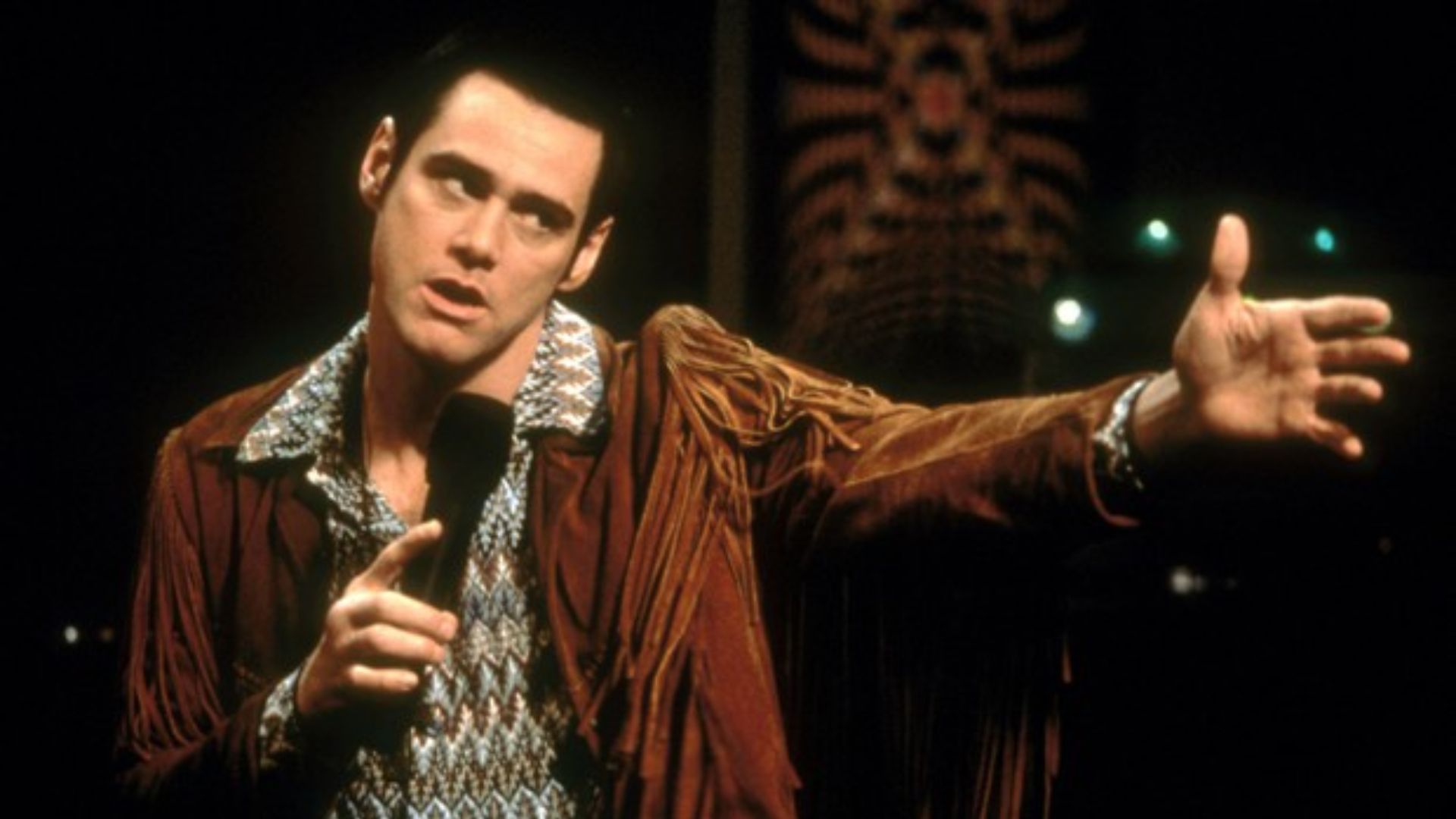
9. The Karaoke Scene Is Deeply Depressing On A Rewatch
While Chip's wild, echoing performance of Jefferson Airplane's 'Somebody to Love' is initially played for big laughs, a closer look reveals it as a desperate cry for actual human connection. He is literally hijacking a crowded party and screaming into a microphone because he doesn't know how to interact with people without performing or dominating the room. These people are not his friends, and this performance feels like a cry for help and signals deep-rooted loneliness.
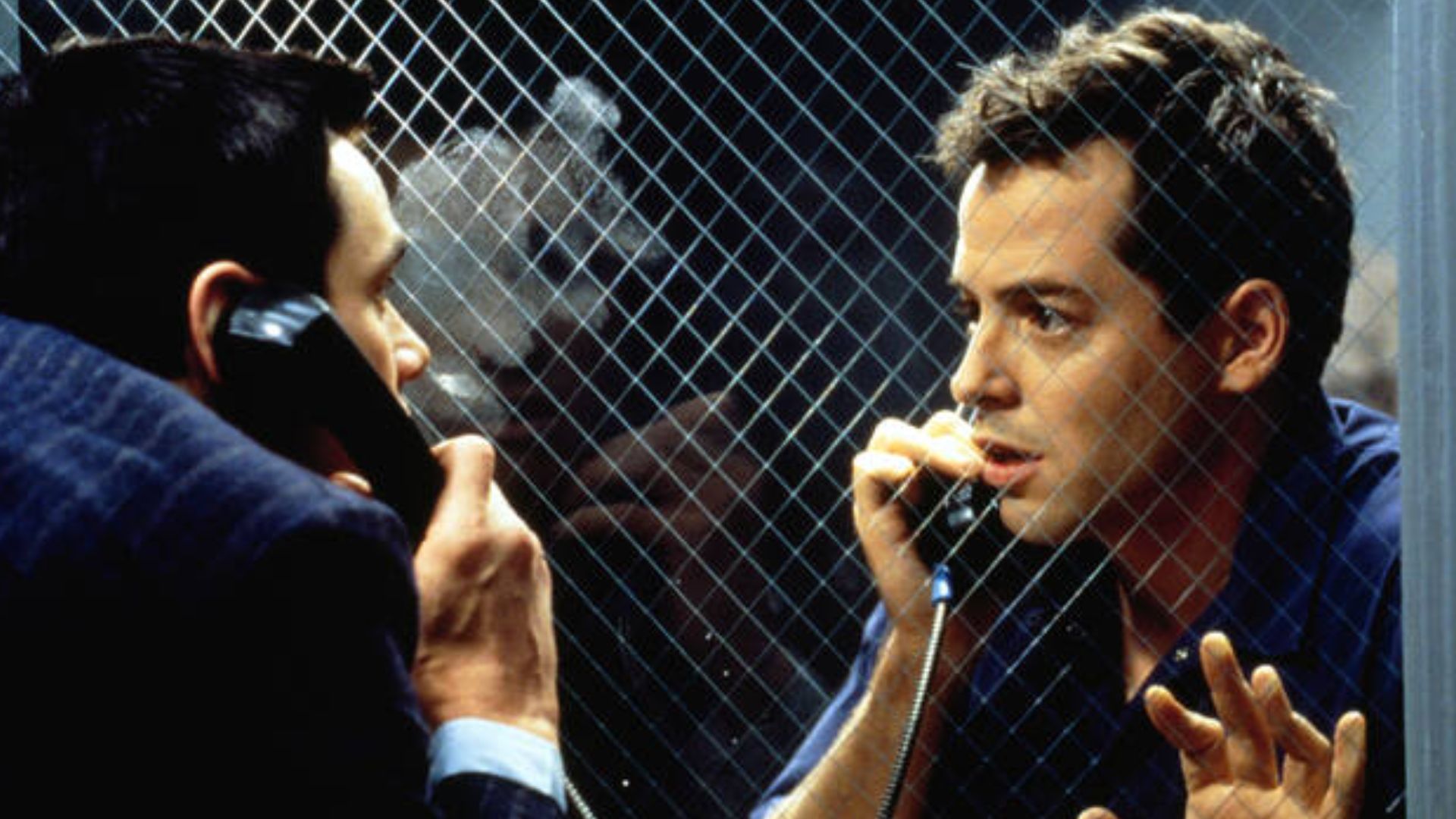
8. Steven Had Multiple Opportunities To Stop The Escalation
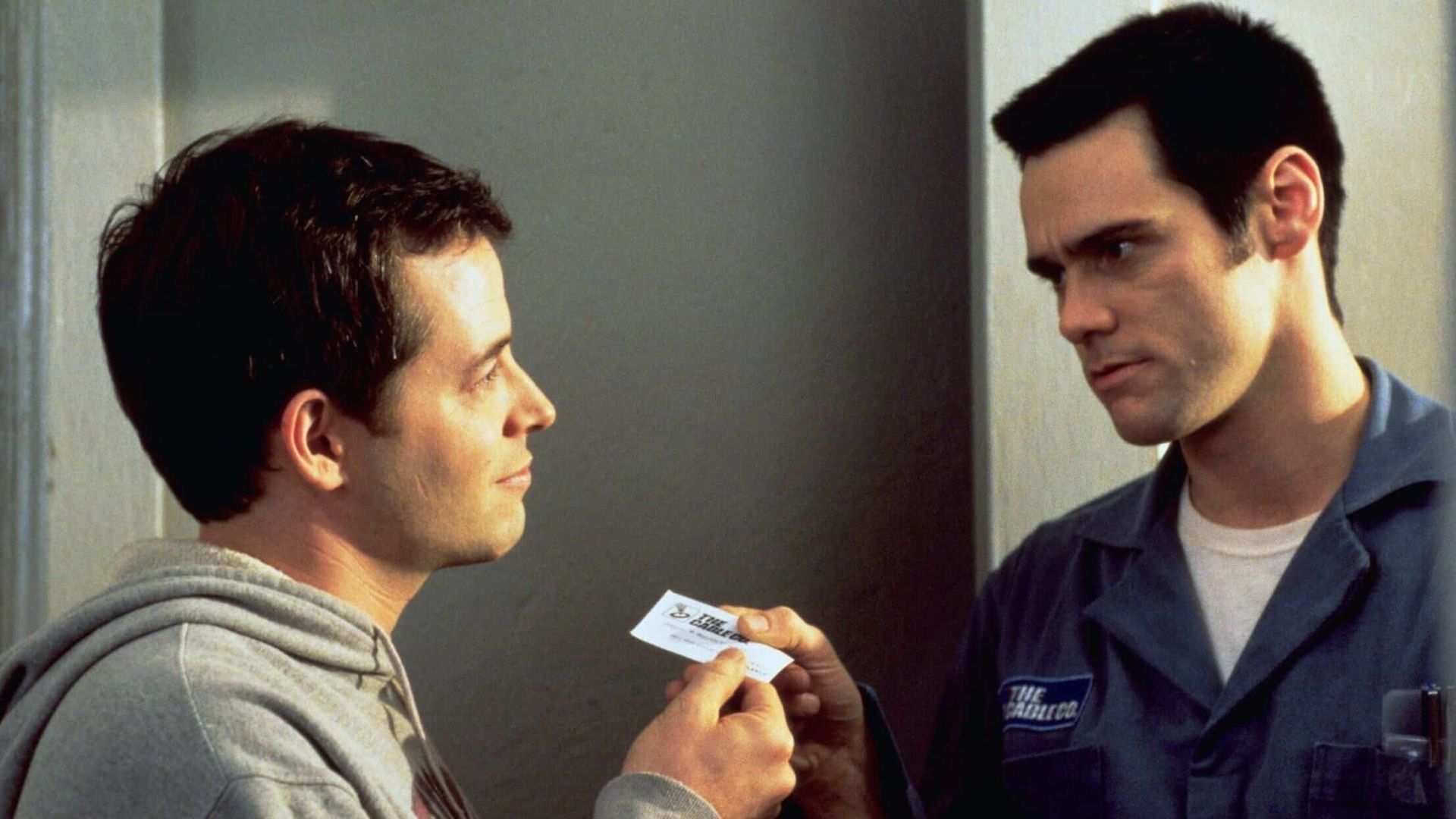
A frustrating reality of the narrative is that Matthew Broderick's character, Steven, consistently chooses convenience and polite conflict-avoidance over setting healthy boundaries. Steven initially accepts illegal cable upgrades, takes gifts, and tolerates wildly inappropriate behavior simply because he doesn't want to deal with an uncomfortable confrontation. By treating Chip like a service worker he can just buy off or quietly ignore, Steven feeds into an obsessive fixation that completely wrecks his own life.
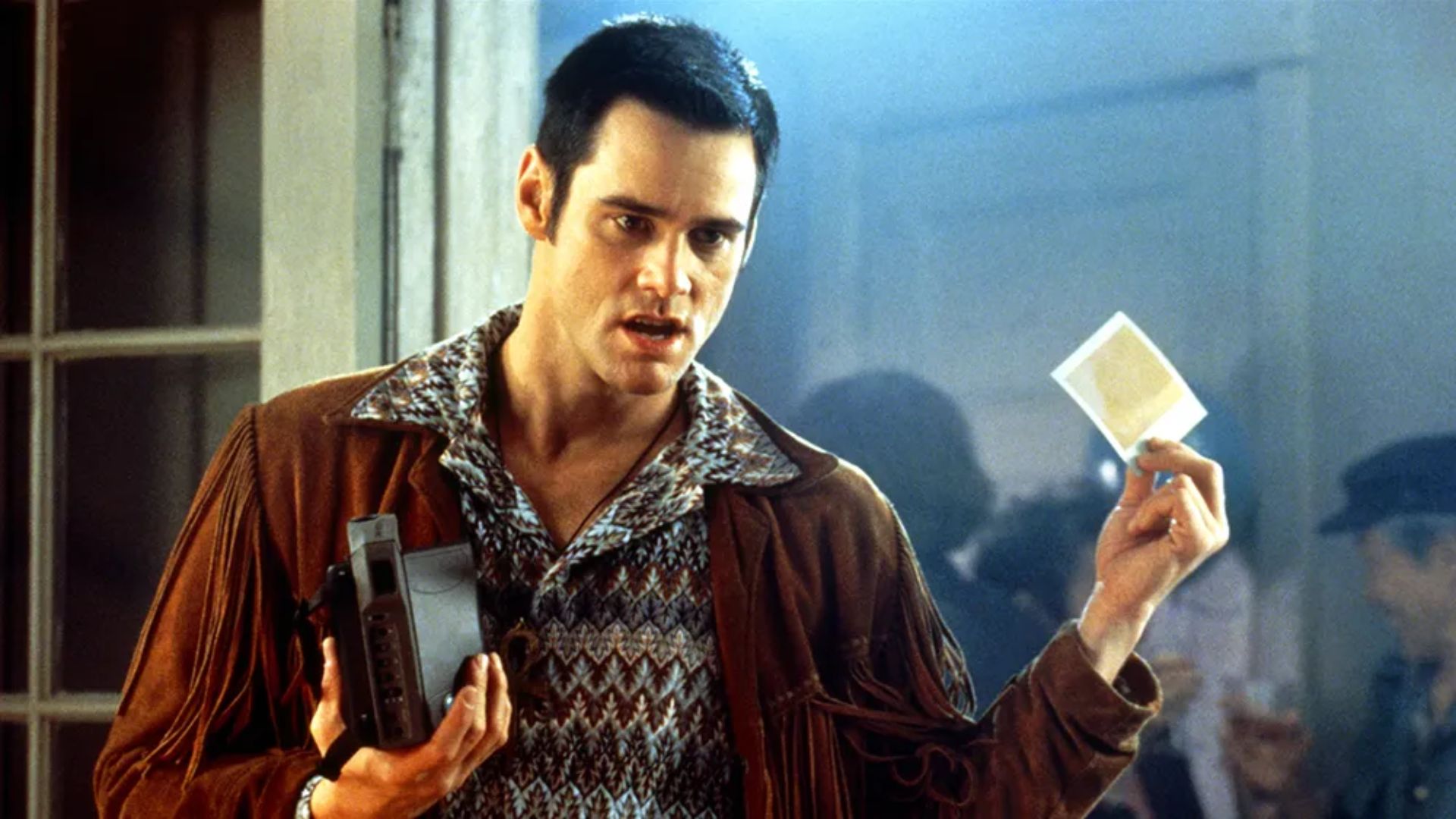
7. The Movie Was Terrifyingly Accurate About Future Technology
Chip’s manic monologue predicting a future where every American home integrates television, phone, computer, and digital shopping into a single network seemed like sci-fi rambling in 1996. Decades later, his rant reads like a prophecy that includes smart TVs, modern streaming services, online gaming, and modern e-commerce giants. The dark reality is that the crazy guy on top of the satellite dish understood where society was heading long before the tech industry actually built it.
6. The Actual Cable Job Infrastructure Is Fully Obsolete
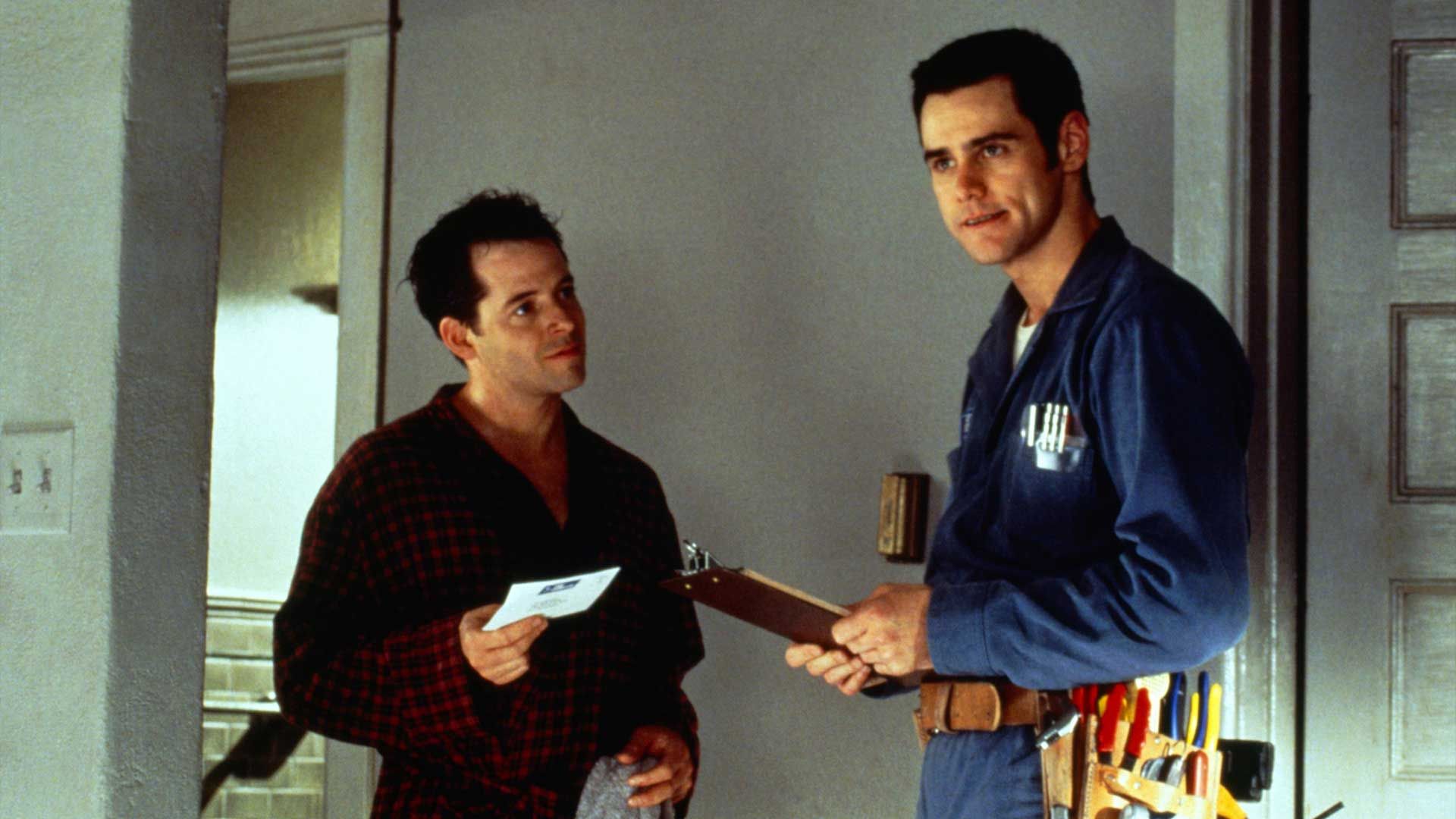
Watching Chip scale massive satellite dishes and physical wires highlights a forgotten era of manual home entertainment setups that doesn't exist anymore. Today’s landscape of wireless streaming, fiber-optic internet, and digital accounts has completely phased out the need for a local technician to physically come inside a home to give someone free premium channels. The modern equivalent would likely involve installing and managing an internet connection.
5. The Bathroom Attack Scene Is A Brutal Assault
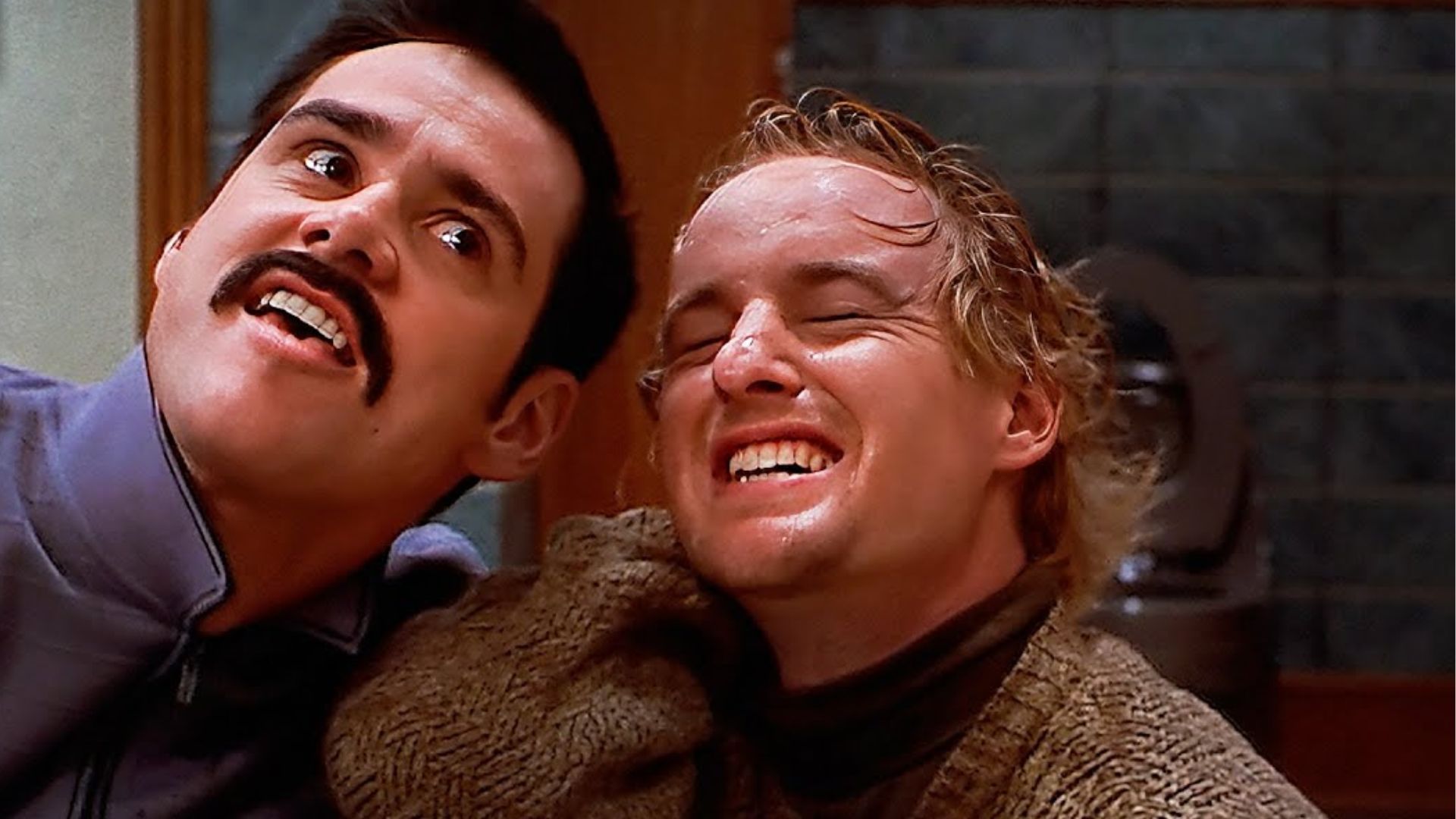
The director framed the sequence where Chip corners Steven's romantic rival in a public restroom with a few comedic audio cues. But the actual choreography is pure violence. Carrey uses his massive physical frame to dismantle a man systematically, throwing him into walls and shattering porcelain with terrifying intensity. Stripping away the lighthearted music reveals a ruthless act of terror designed to eliminate anyone standing in the way of Chip's friendship.
4. The Final Helicopter Scene Is A Jarring Nightmare
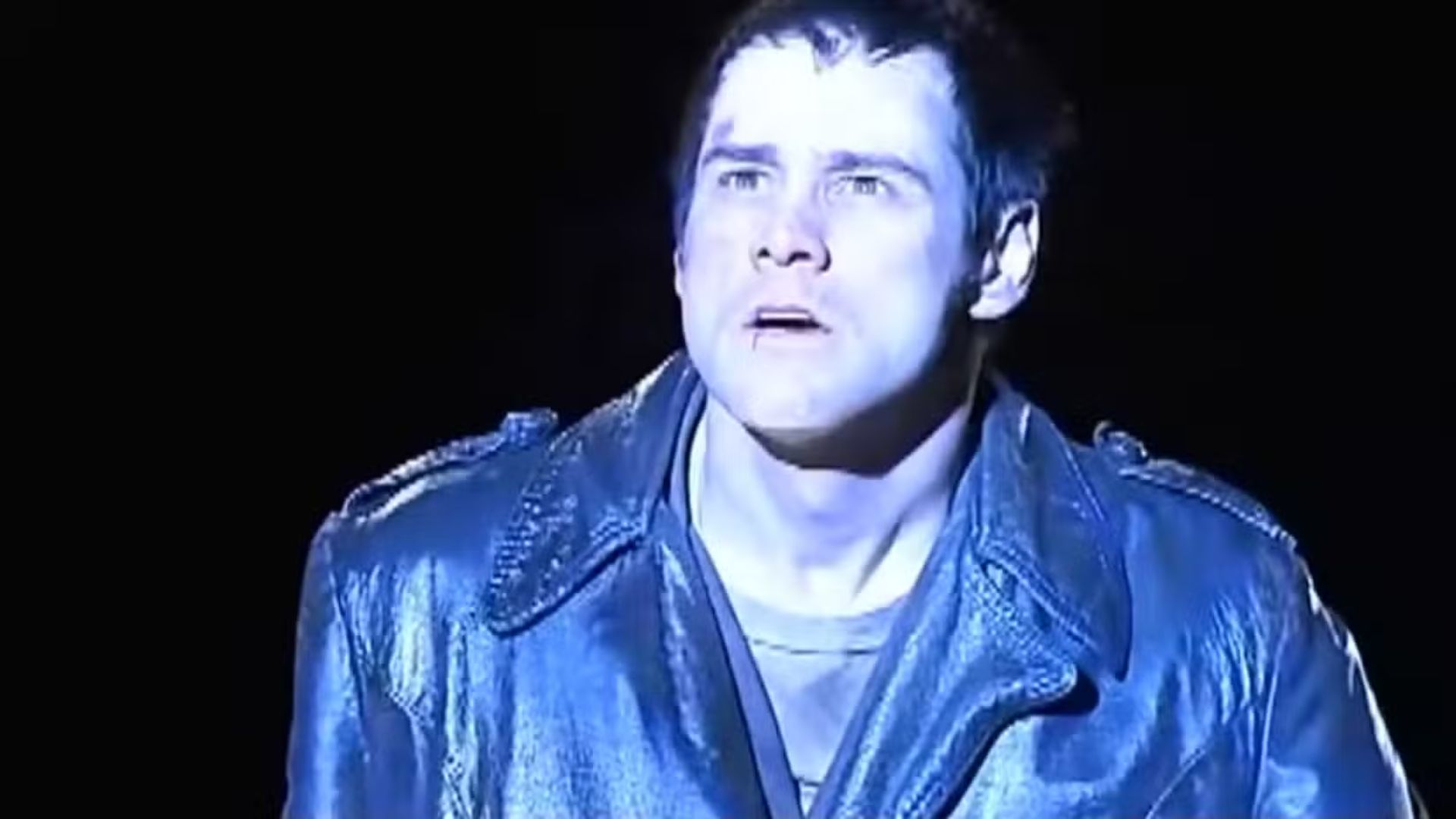
The movie’s climax on top of the satellite dish takes a sudden leap from uncomfortable domestic stalking straight into an intense thriller. With flashing police lights, a torrential downpour, a hostage situation, and a literal sui---- attempt, the film drops its comedic mask entirely to embrace pure psychological drama. Ending a studio comedy with a main character jumping into a satellite dish to destroy television for an entire town leaves the audience feeling deeply disoriented.
3. Chip Is An Incredibly Tragic Character For A Studio Comedy
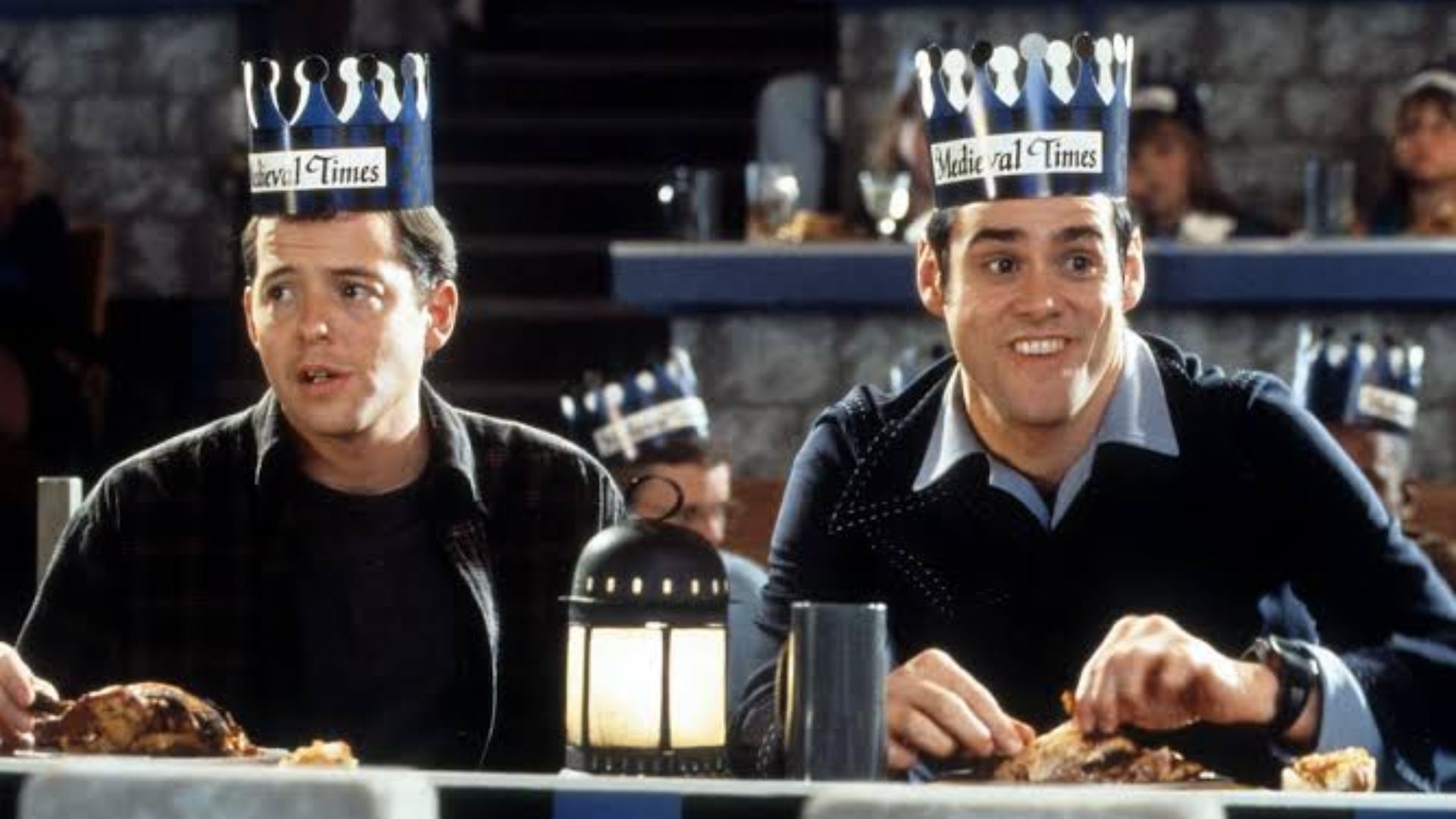
Beneath the funny voices and bizarre lisp is a damaged individual who was literally raised and abandoned by a television set. Chip is a product of severe childhood neglect, using old sitcom dialogue and movie tropes as a substitute for actual social skills because he has no idea how real human relationships function. His toxic behavior stems from a broken desire to be loved, making his ultimate defeat feel sad rather than a win.
2. The Film Is Actually A Pure Psychological Thriller
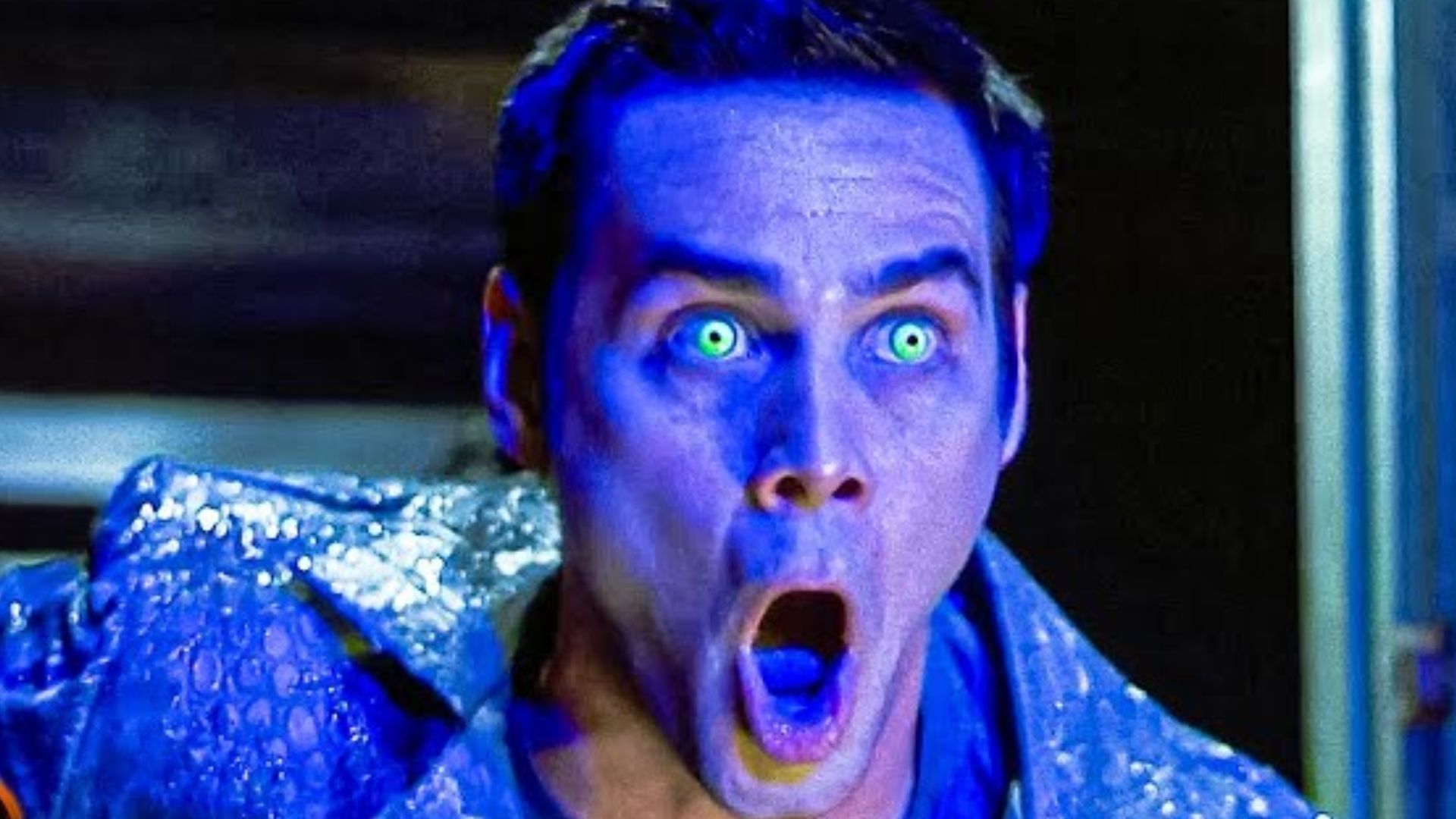
If the same script were filmed today with minor changes to the musical score and lighting, it would easily be classified as a disturbing stalker thriller. The story relies on classic horror tropes, following an unhinged predator who infiltrates a man’s family, turns his girlfriend against him, and frames him to get him arrested. The humor is merely a colorful coating over a stressful story about a normal guy being terrorized by a human wrecking ball.
1. The Movie Delivers A Chilling And Relatable Message
The ultimate dark reality of 'The Cable Guy' is its biting commentary on how mass media completely rots the human brain and isolates us from genuine connection. The last shot of a crowd instantly losing their TV signal, staring blankly for two seconds, and then casually turning to a different distraction encapsulates our short-attention-span digital culture perfectly. It proves that our obsession with screens hasn't just made us lonely, but it has also made us interchangeable and desensitized to the world around us.