
10 Fantasy TV Shows That Tried and Failed to Match ‘Game of Thrones’
See
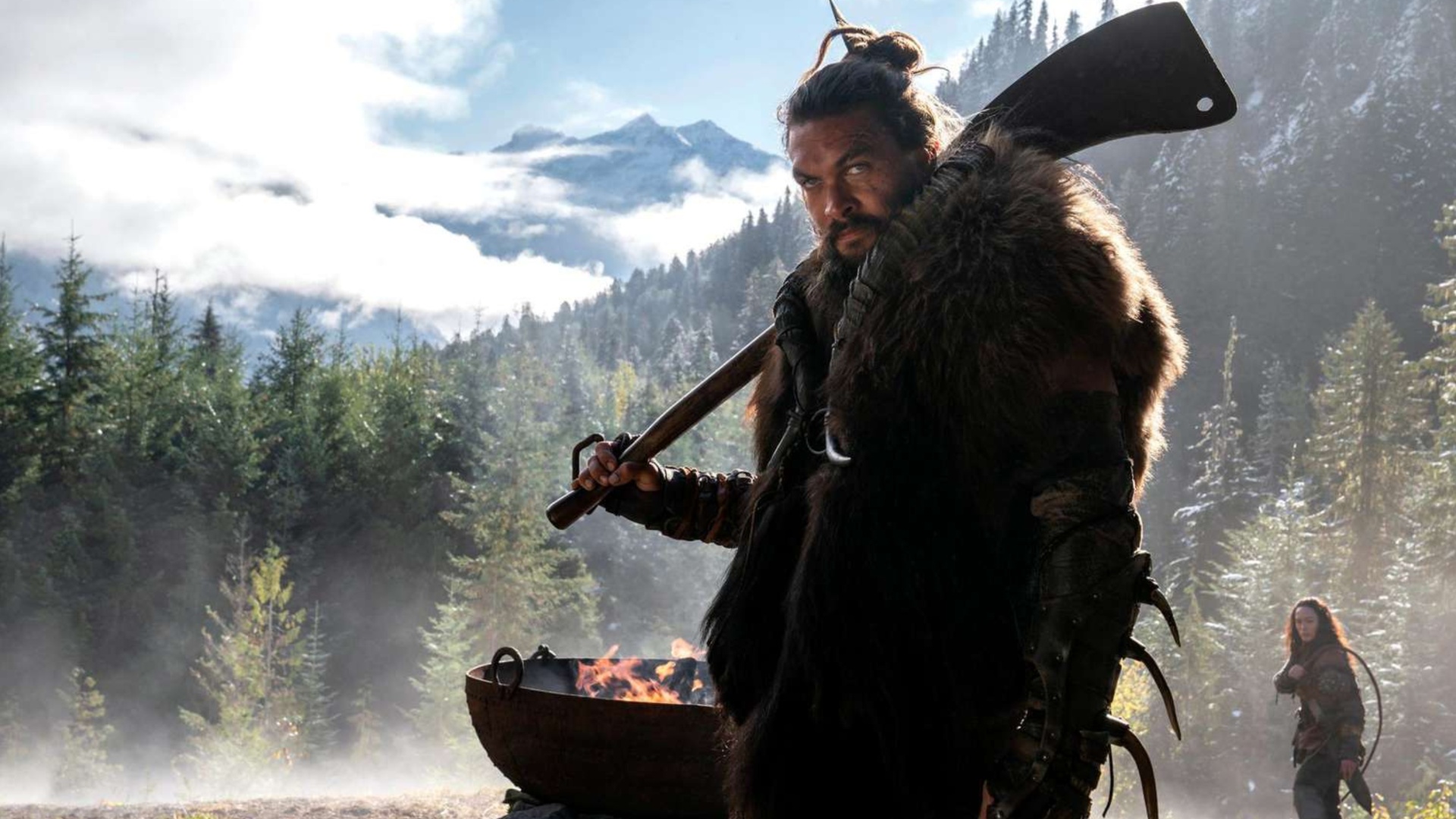
See tried to capture the Game of Thrones vibe through grim brutality, high-stakes survival, and a world ruled by harsh laws and fear-based power structures. It also pushed intense action and a serious tone, hoping to feel like a grand epic instead of a simple dystopian drama. The problem is that See doesn’t have the layered political web that made GoT so binge-worthy.
Shadow and Bone
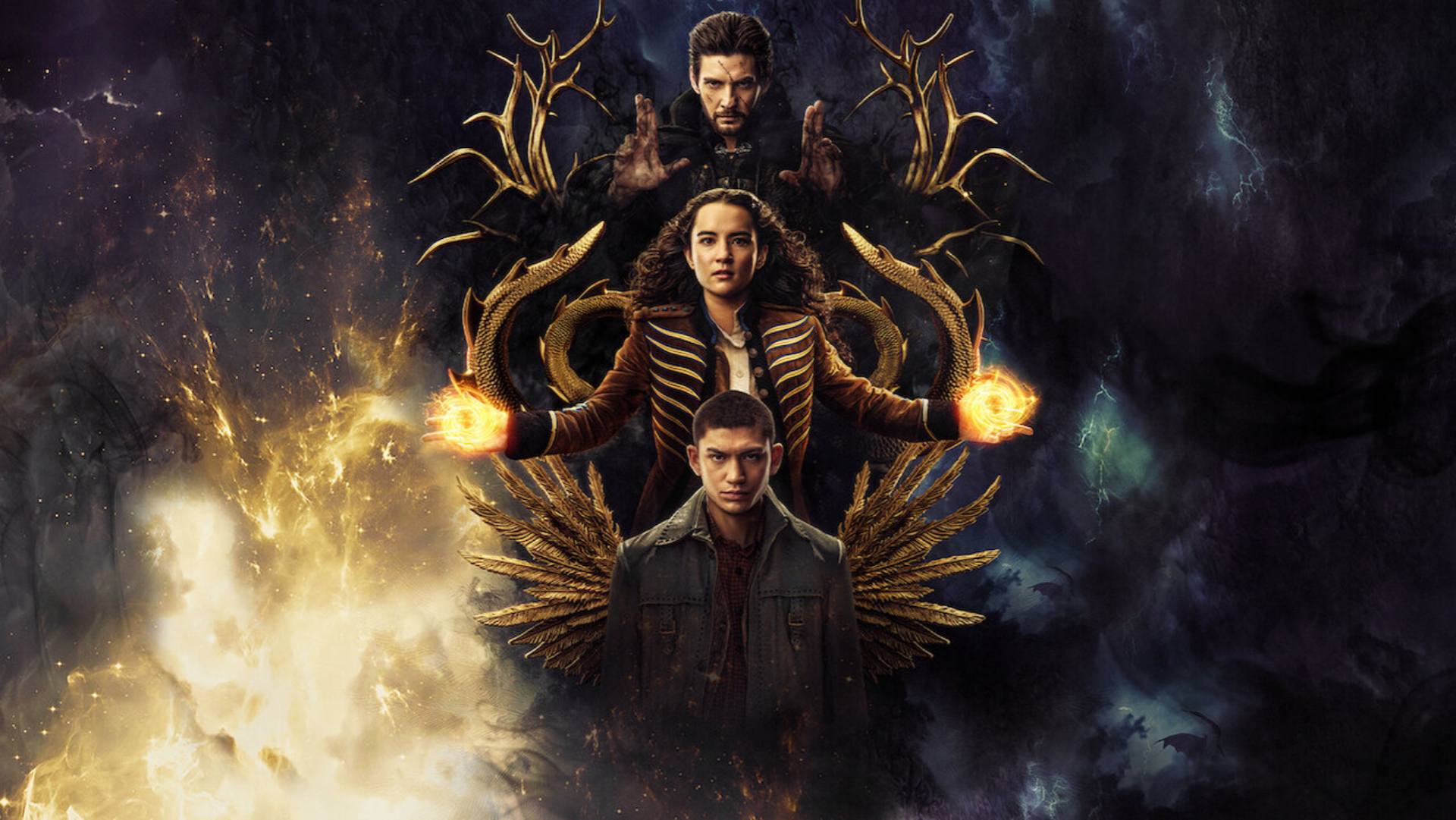
Netflix’s Shadow and Bone was built like a Game of Thrones-style fantasy: war-driven stakes, shifting alliances, special powers, and a world where politics and violence shape survival. It even tried to juggle multiple storylines to create that “bigger than one hero” experience. But unlike GoT, the show struggled to balance. Combining timelines and characters created uneven pacing, and the plot didn’t always feel tightly controlled.
Cursed
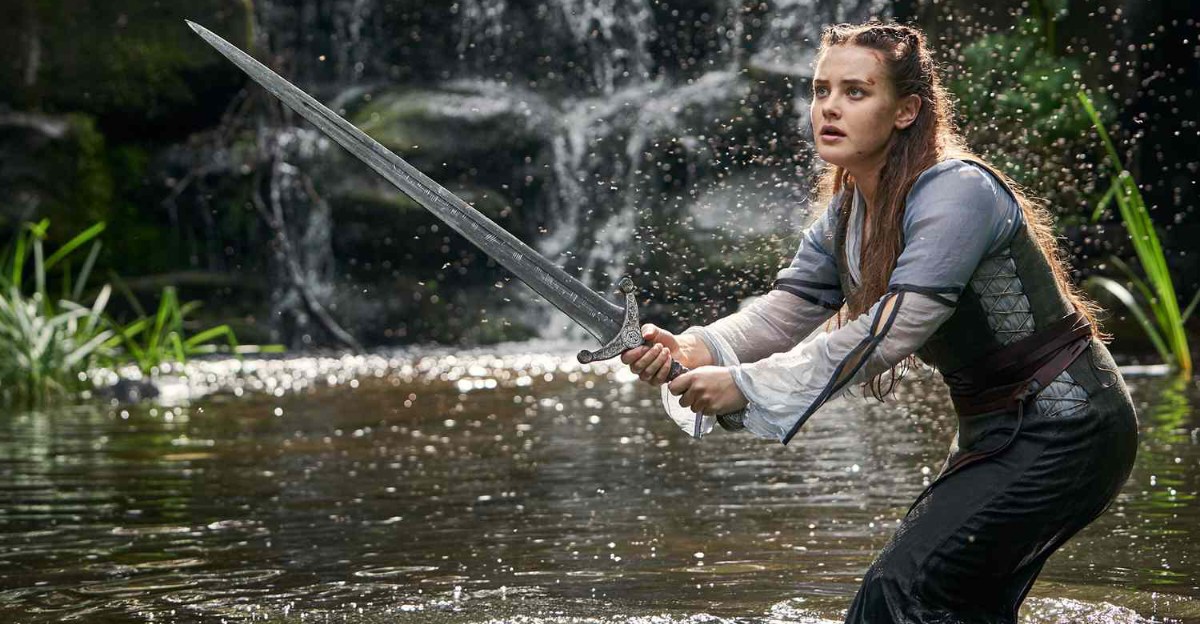
Netflix’s 'Cursed' tried to ride the Game of Thrones wave by turning Arthurian legend into a grim fantasy war story; full of bloodshed, religious oppression, rebellion, and magical destiny. It aimed for that same “dark world, cruel rulers, violent stakes” formula that made GoT feel mature and intense. But the show couldn’t match GoT’s sharp character writing or political complexity.
House of the Dragon
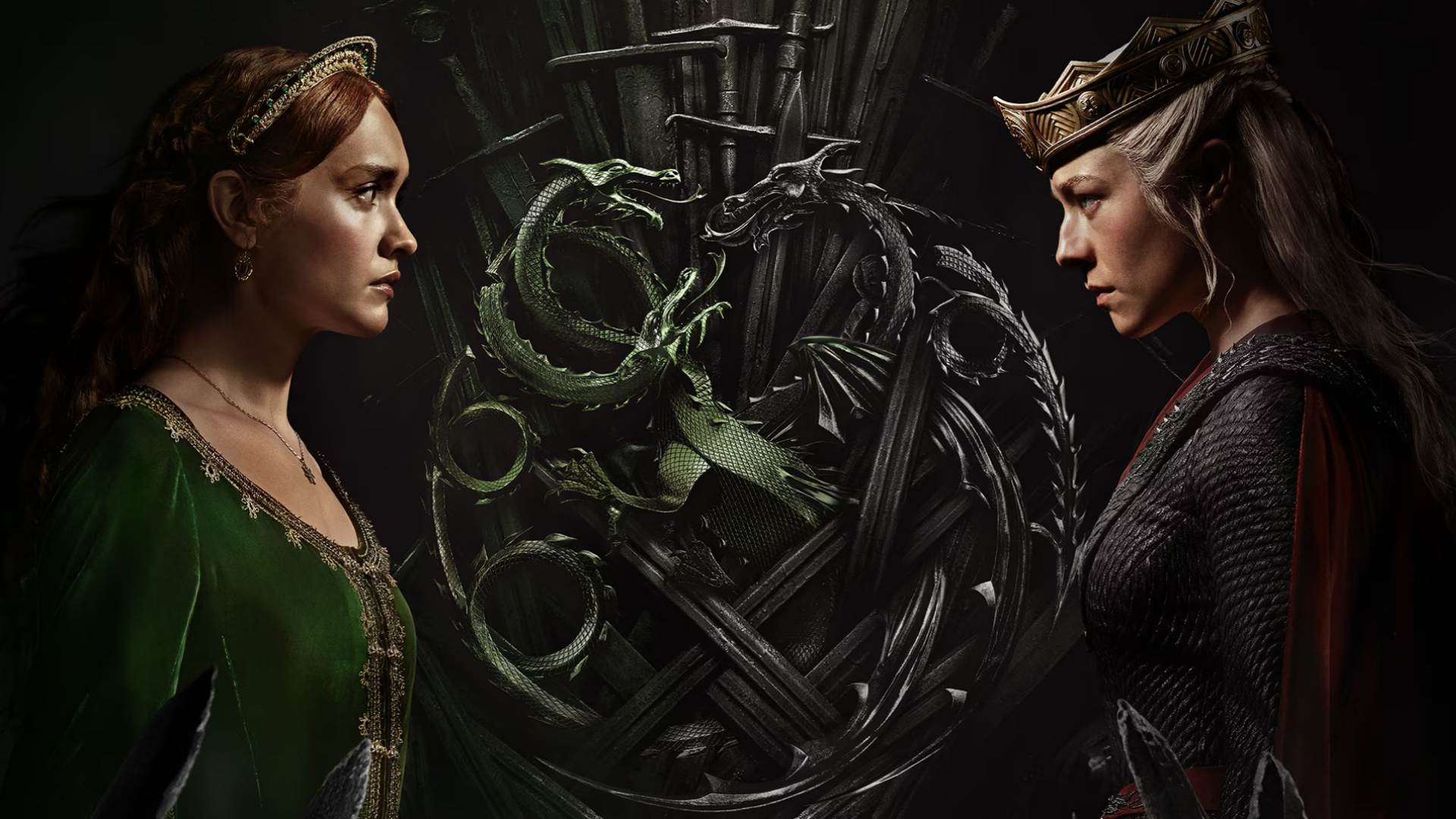
House of the Dragon tried to recreate Game of Thrones’ greatest strength: ruthless power politics inside a ruling family, where every relationship can turn into a weapon. It delivers betrayals, shifting loyalties, shocking decisions, and war slowly boiling over; basically the GoT formula refined. But it still “fails” to match GoT in one key way: cultural impact. It’s excellent, but it doesn’t feel like the once-in-a-generation event that had everyone watching, reacting, and arguing weekly.
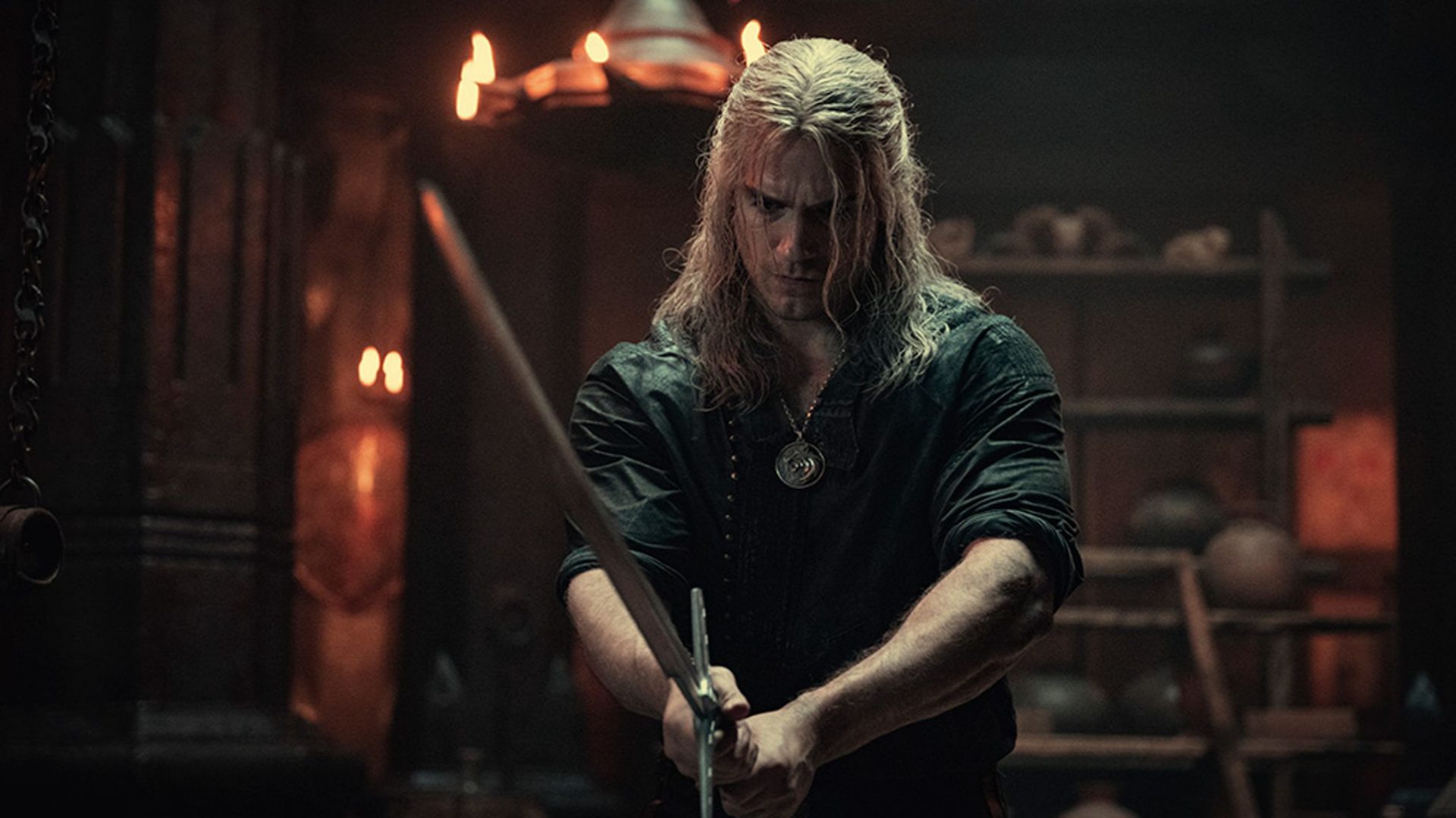
The Witcher
The Witcher looked like Netflix’s most obvious Game of Thrones challenger: adult fantasy, morally grey characters, brutal violence, monsters, and war-driven politics. It even leaned into the same gritty tone and “nobody is safe” energy that helped GoT dominate. But the show couldn’t consistently match GoT’s tight storytelling and political depth. Its shifting structure and uneven pacing made it harder to stay emotionally locked in.
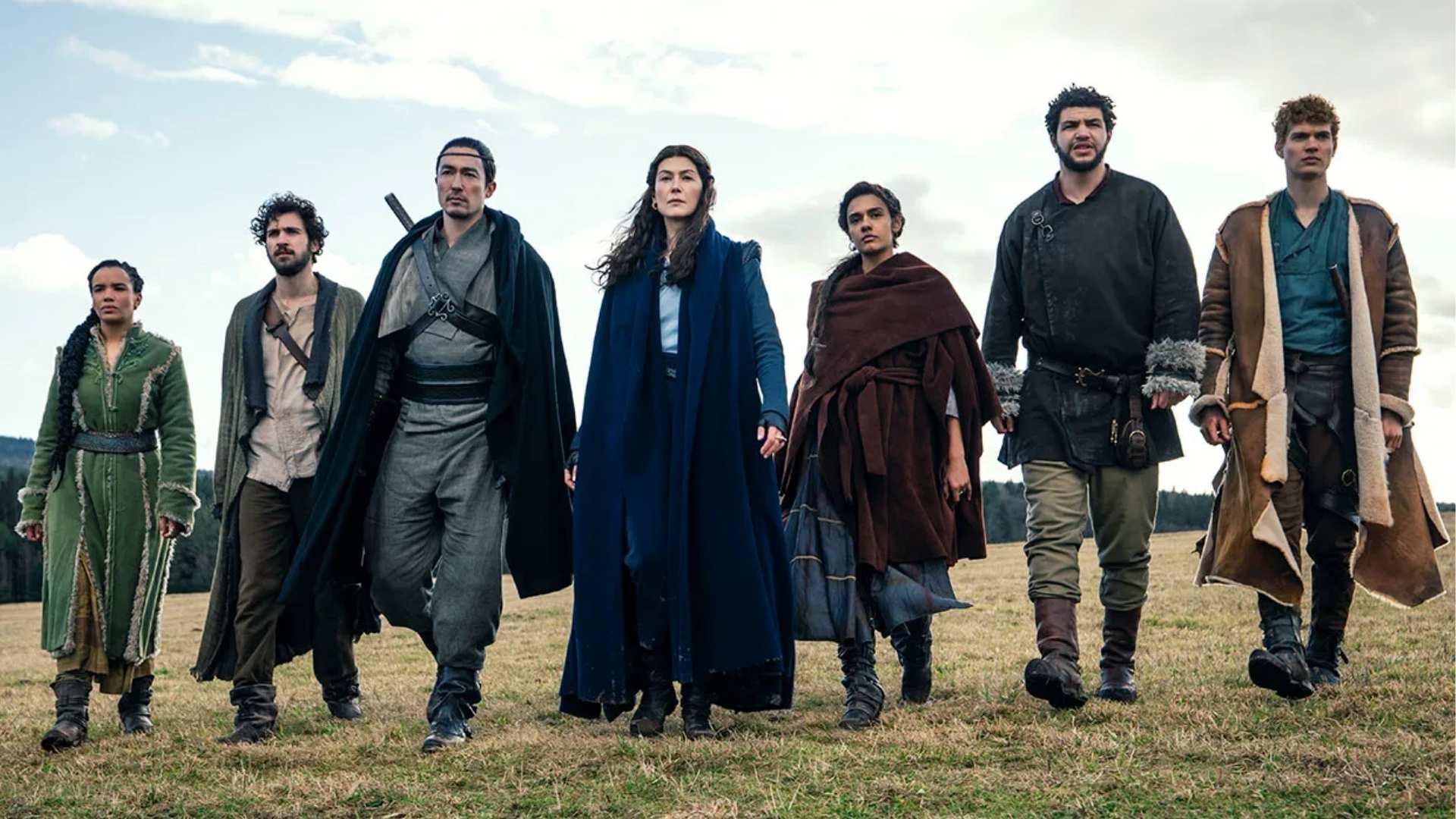
The Wheel of Time
Amazon positioned The Wheel of Time as its big fantasy flagship, clearly chasing Game of Thrones with magic, wars, prophecies, secret groups, and a massive world full of danger. It aimed for the same “many characters, many threats” scale and hoped the book fanbase would fuel long-term dominance. But while it had moments of spectacle, it struggled to deliver the same political tension and unforgettable character rivalries that defined GoT.
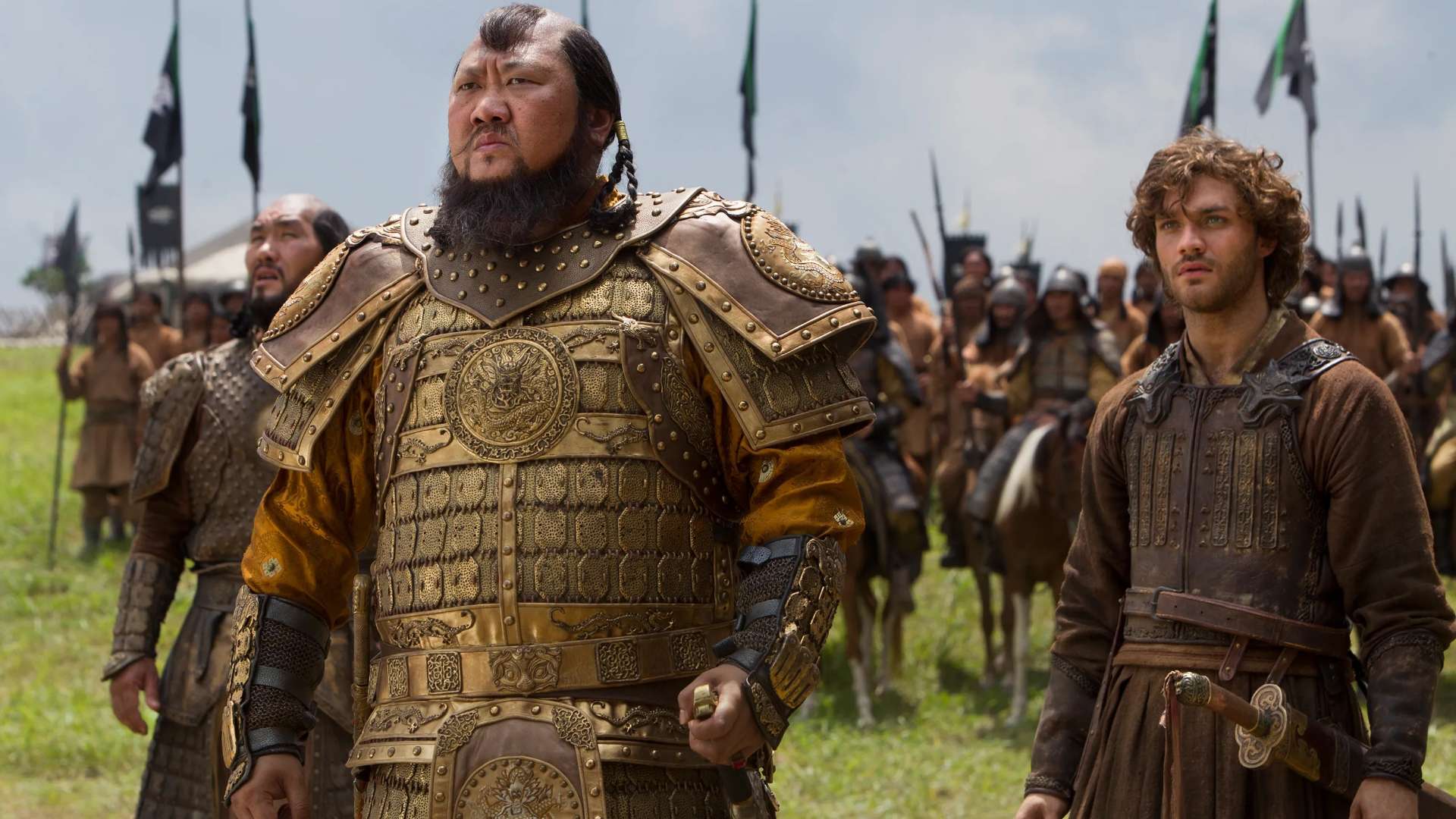
Marco Polo
Netflix built Marco Polo like a direct Game of Thrones competitor; violent battles, royal court politics, betrayal, and expensive production meant to scream “prestige epic.” It even had the same mix of power plays and brutal consequences, just in Kublai Khan’s empire instead of Westeros. But the show never hooked audiences emotionally the way GoT did, partly because its lead character felt less compelling than the political forces around him.
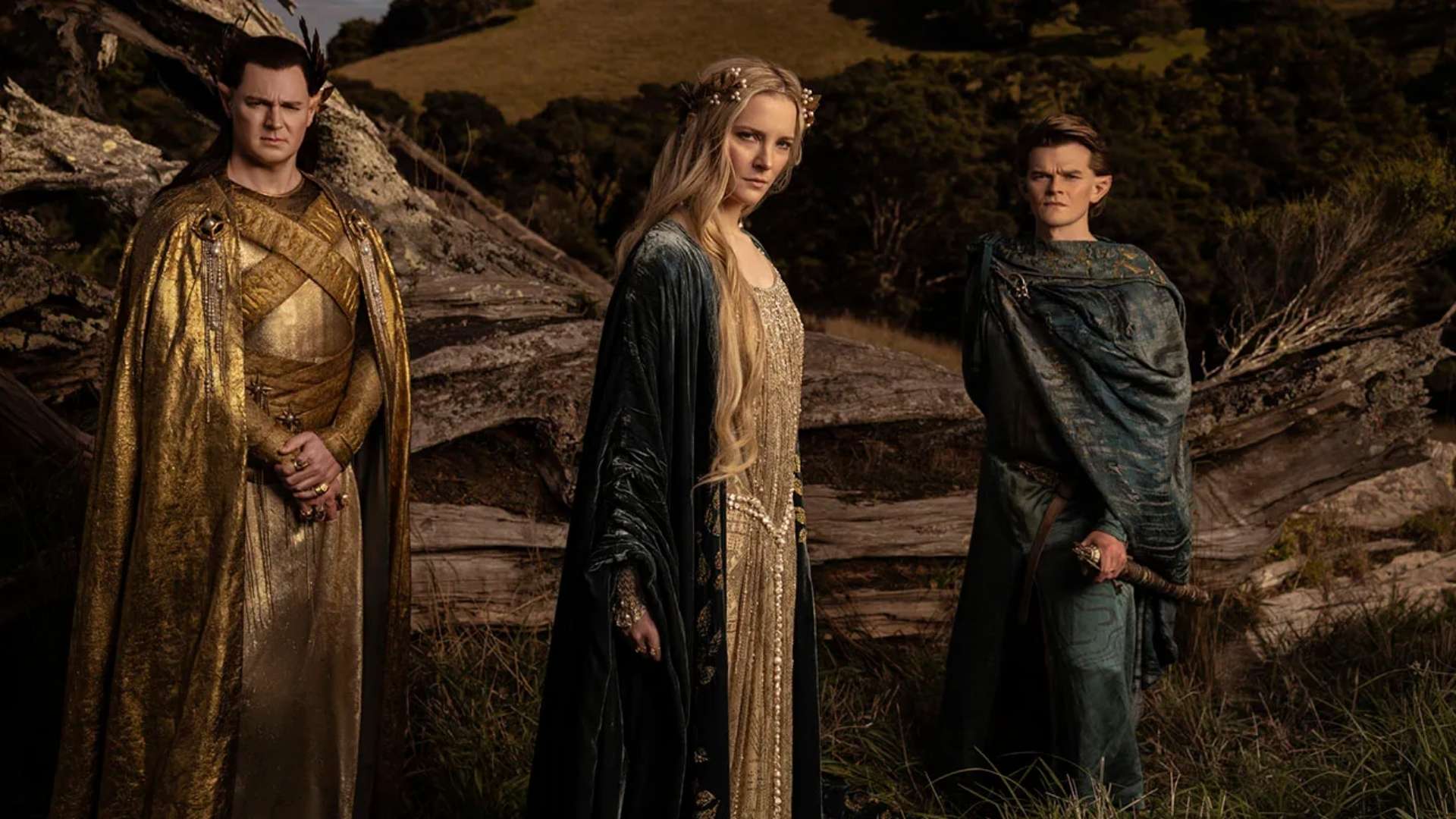
The Lord of the Rings: The Rings of Power
Amazon clearly wanted The Rings of Power to be its Game of Thrones replacement: massive budget, sprawling lore, multiple kingdoms, and “big destiny” storytelling designed for weekly hype. It hinted into political tension, war build-up, and serious prestige-TV vibes rather than pure adventure. But the show struggled to create the same sharp character conflict and unpredictable tension that made GoT addictive.
Britannia
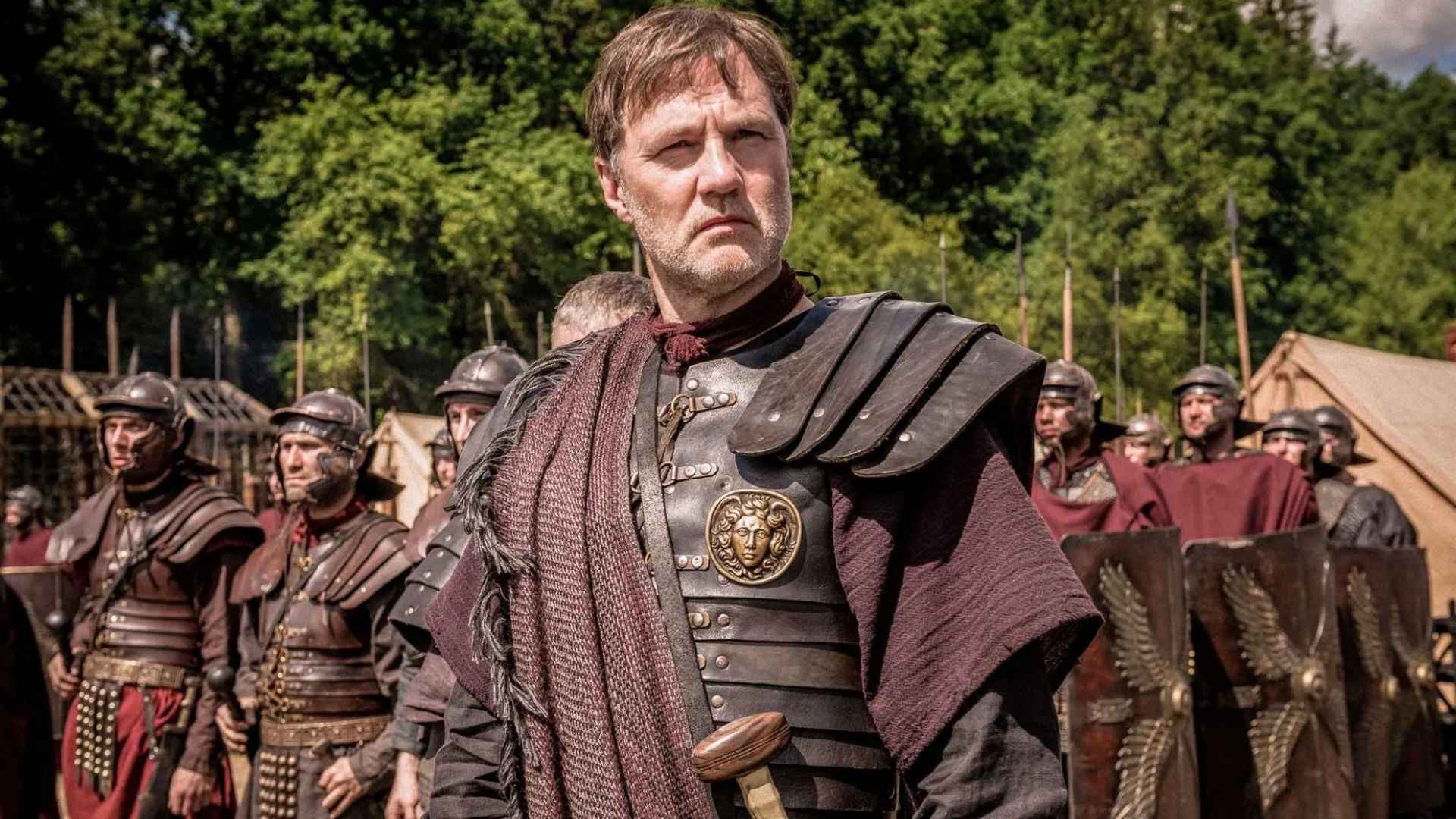
Britannia tried to copy Game of Thrones by using brutal violence, grim realism, tribal power struggles, and a historical setting that could support war-driven politics. It also added mystical elements through druids, hoping to blend gritty conflict with eerie fantasy. But instead of feeling sharply plotted like GoT, the series leaned into surreal, psychedelic weirdness that made it harder for mainstream audiences to follow. The tone was too strange and inconsistent to become a mass obsession.
Emerald City
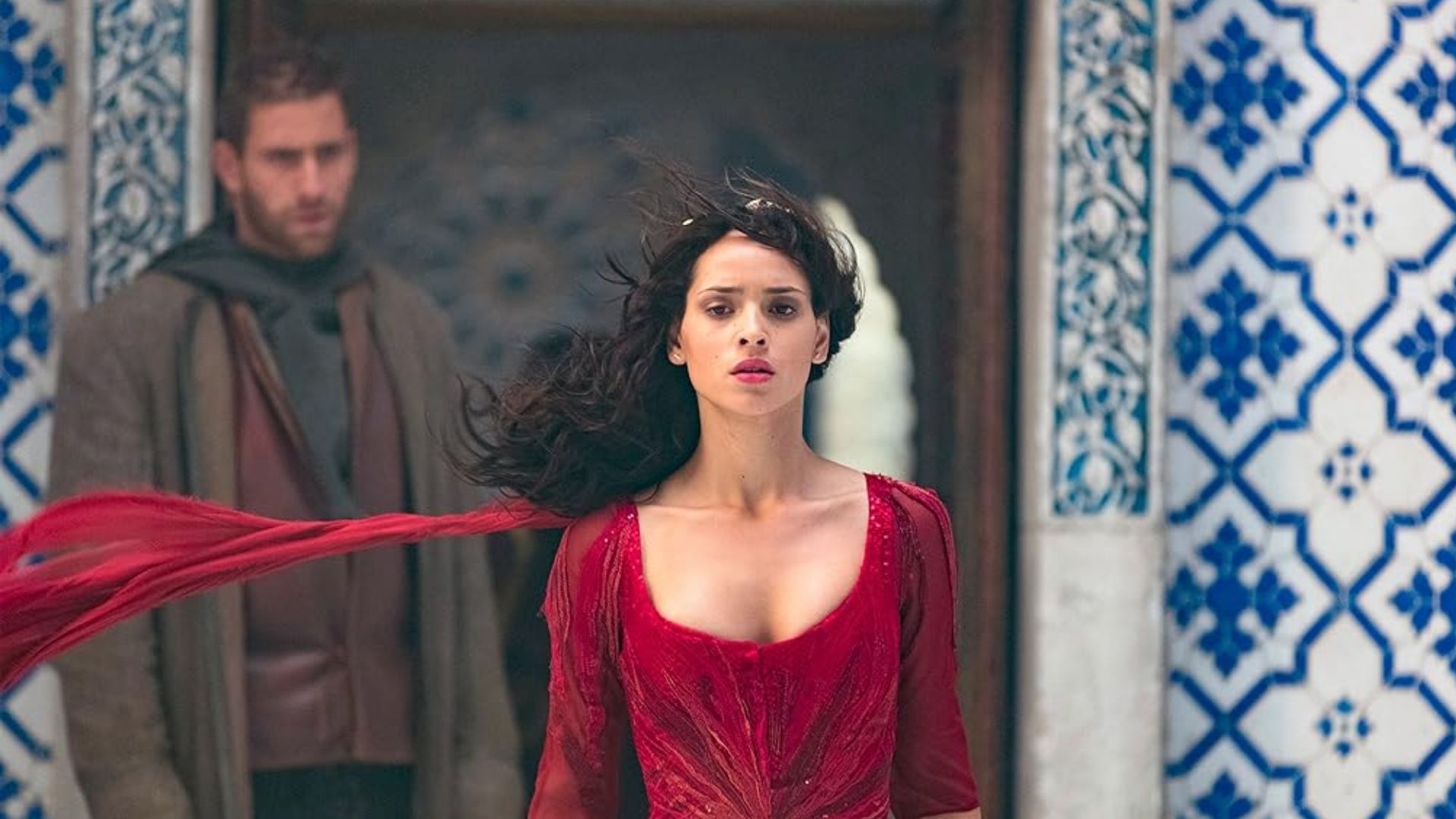
NBC’s Emerald City was basically “Game of Thrones but in Oz”, a darker reboot filled with magic, politics, violence, and serious adult storytelling instead of fairytale charm. It tried to prove that even a classic fantasy world could be turned into gritty prestige TV with shocking twists. But the series never found a stable identity. The writing felt messy, the characters didn’t connect, and the tone jumped between dark drama and confusing fantasy.