
10 Historical Films That Went to Insane Lengths for Total Accuracy
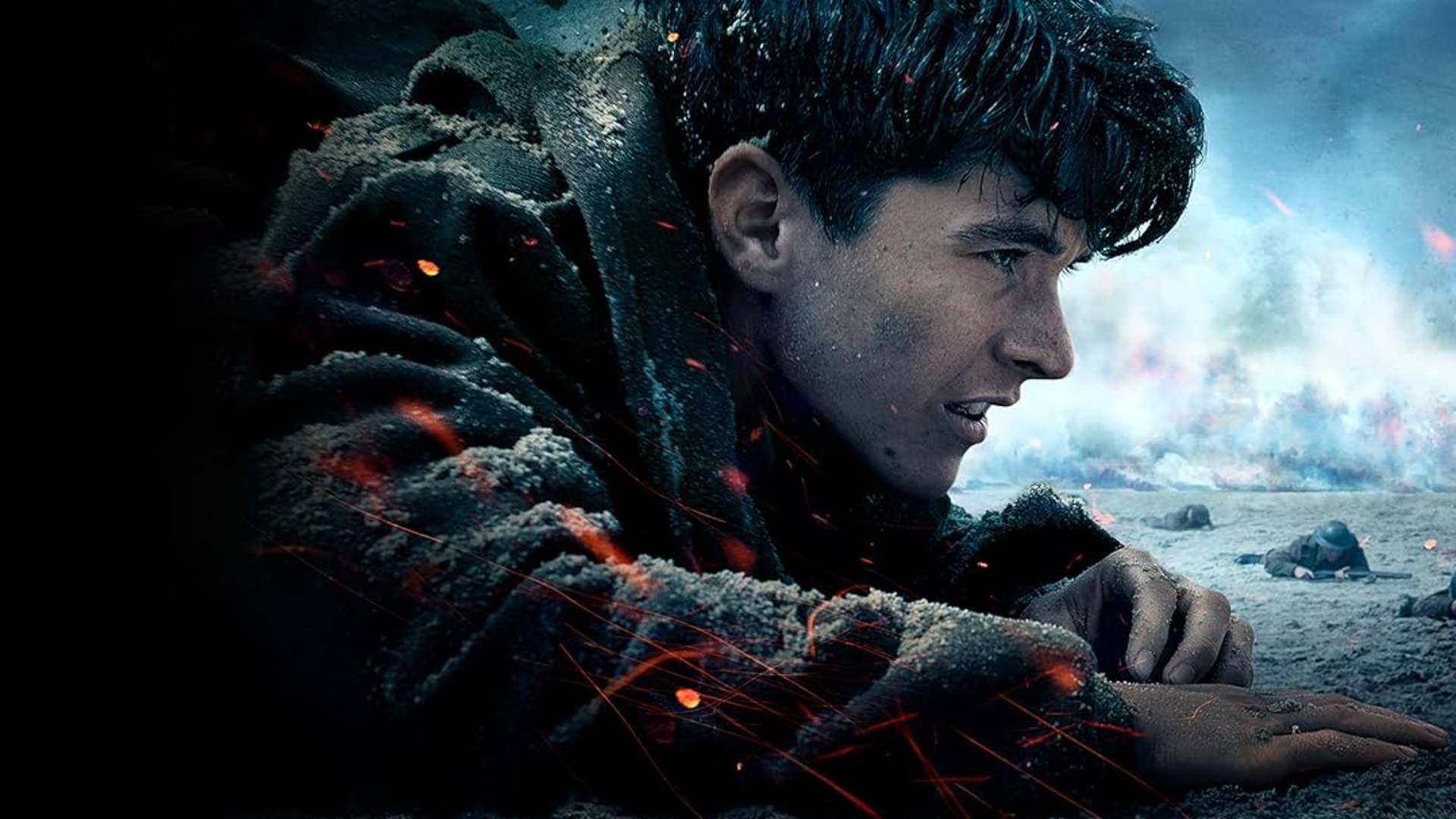
Dunkirk
Christopher Nolan filmed on the real Dunkirk beach and coordinated sequences around historical tidal schedules seen during the evacuation. According to military museums and cinematography interviews, restored WWII aircraft and naval vessels were used instead of digital replacements. Pilots flew genuine warbirds while cameras were mounted inside cockpits to replicate real visibility.
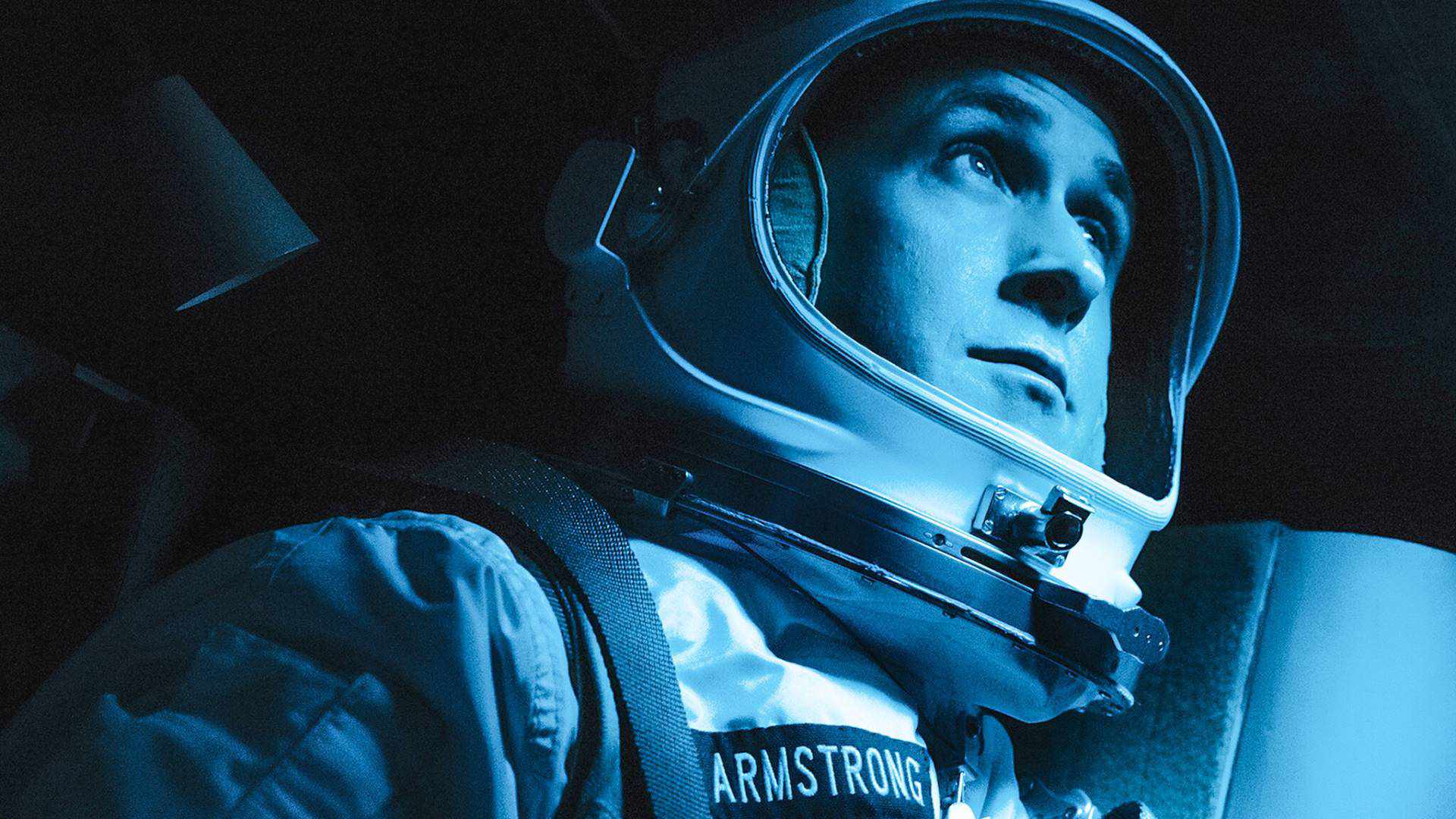
First Man
To portray the Apollo missions authentically, the filmmakers built spacecraft interiors using NASA blueprints so tight cameras could barely fit, just like real astronauts experienced. Instead of CGI landscapes, miniatures and practical projections recreated lunar surfaces. Ryan Gosling studied actual cockpit audio recordings to mimic Neil Armstrong’s calm communication style. The mission control room was rebuilt to exact measurements with functioning consoles. Astronaut suits were made with layered materials matching weight and rigidity. Even camera lenses were modified to imitate 1960s film stock grain.
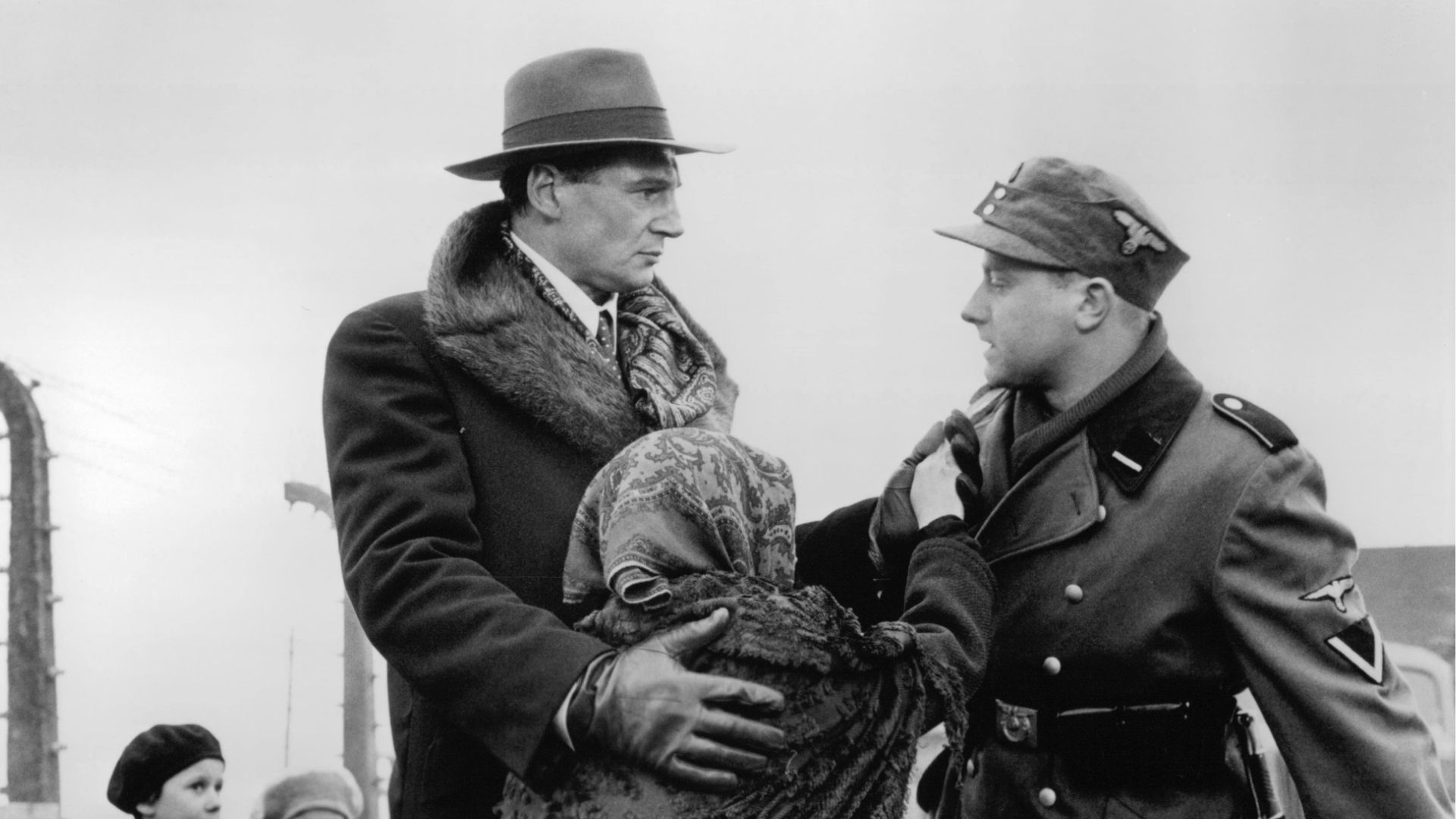
Schindler’s List
Steven Spielberg approached the Holocaust drama almost like a historical document. He filmed in Poland near the real Kraków ghetto and consulted survivors whose memories guided set design and performances. According to historical research and museum records, the production deliberately used black-and-white cinematography to resemble wartime news footage. Many extras were descendants of survivors, wearing period-accurate clothing reconstructed from archives.
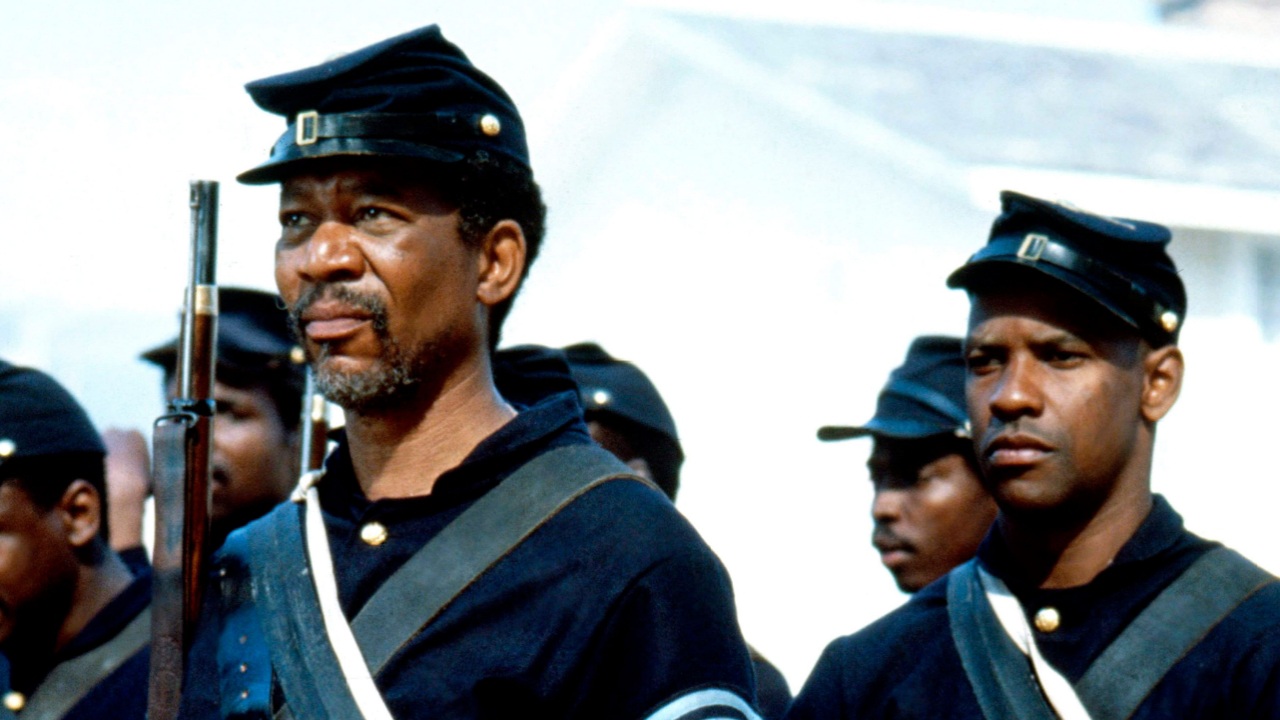
Glory
To portray the 54th Massachusetts Regiment accurately, the cast underwent military drilling modeled on real Civil War training methods documented by historians and battlefield organizations. Soldiers marched in formation, handled authentic black-powder rifles, and wore heavy wool uniforms constructed using period tailoring. The climactic Fort Wagner assault was staged based on military records describing terrain and tactics.
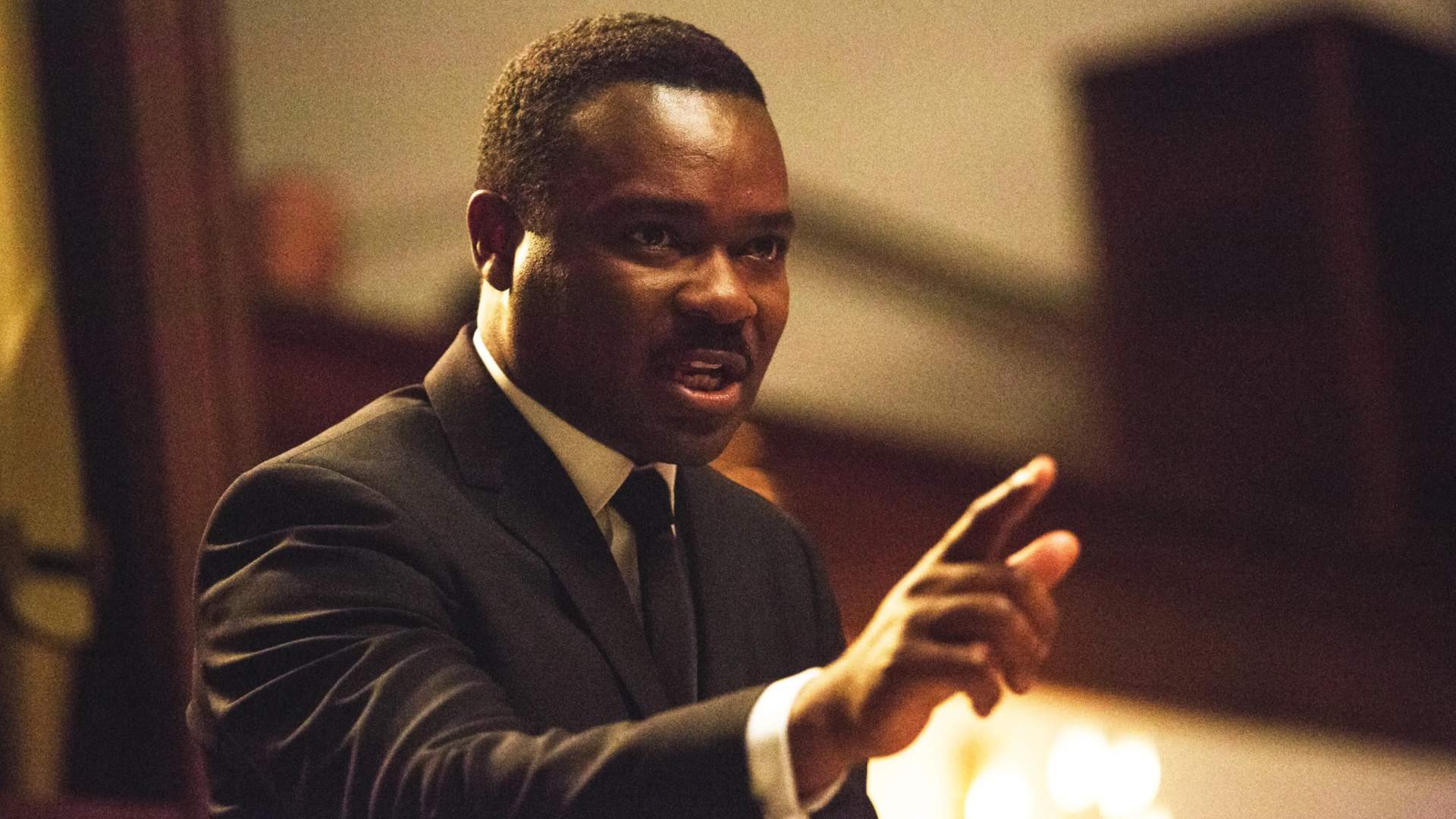
Selma
The film reconstructs the 1965 voting-rights marches using documented protest routes, police formations, and eyewitness testimony. Historians and civil-rights archives confirm the bridge confrontation closely mirrors how officers and demonstrators actually moved during Bloody Sunday. Costumes and signage matched photographic records from the marches, while speeches reflected documented rhetoric patterns rather than famous recordings alone.
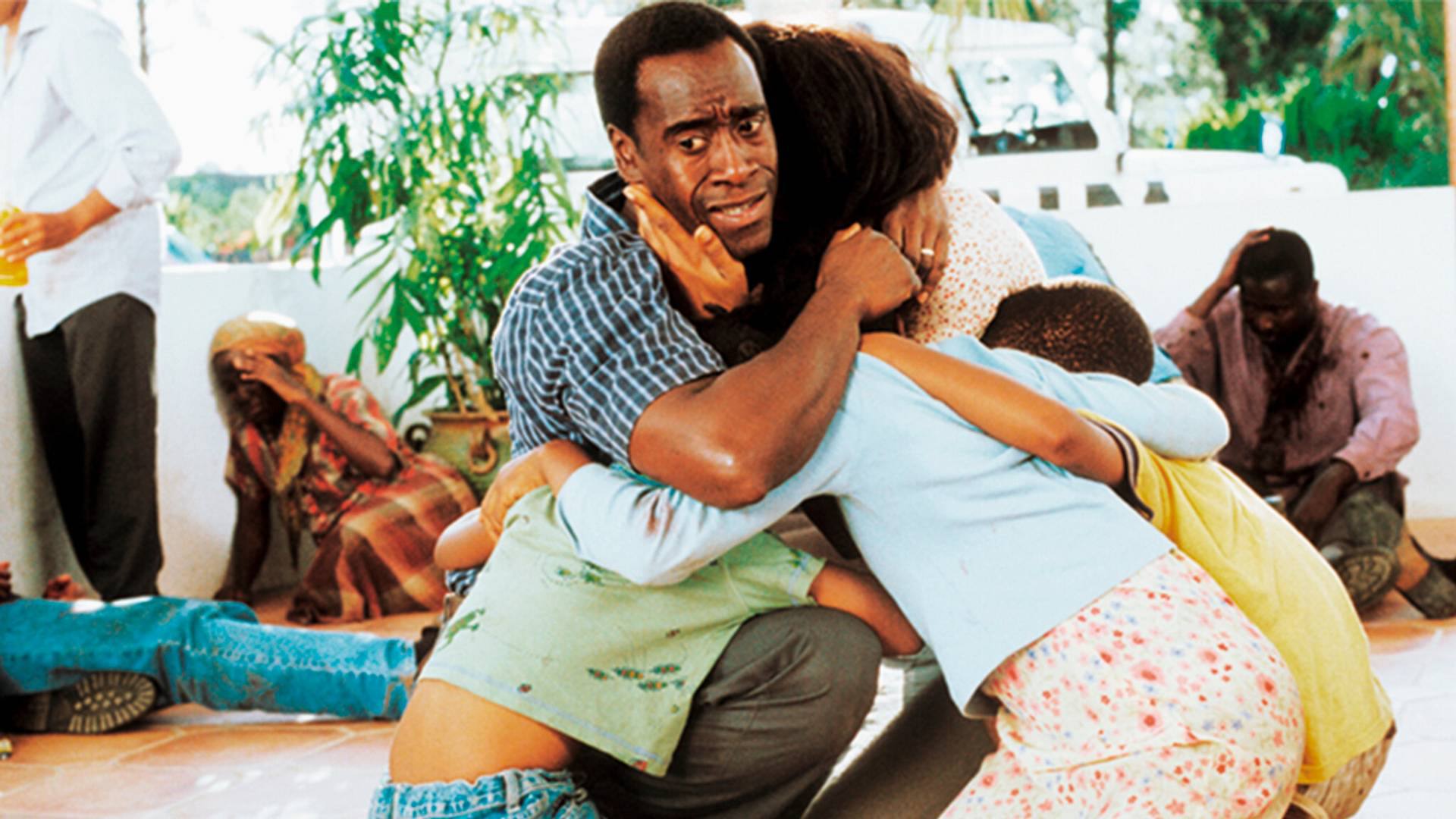
Hotel Rwanda
The production relied heavily on survivor testimony and United Nations genocide documentation to recreate the hotel refuge environment. Interviews with witnesses influenced dialogue, behavior, and the portrayal of radio propaganda broadcasts. Journalistic and historical accounts guided the depiction of overcrowding, fear, and uncertainty rather than graphic spectacle. The film focuses on psychological tension because many survivors described terror as ambient and constant rather than cinematic.
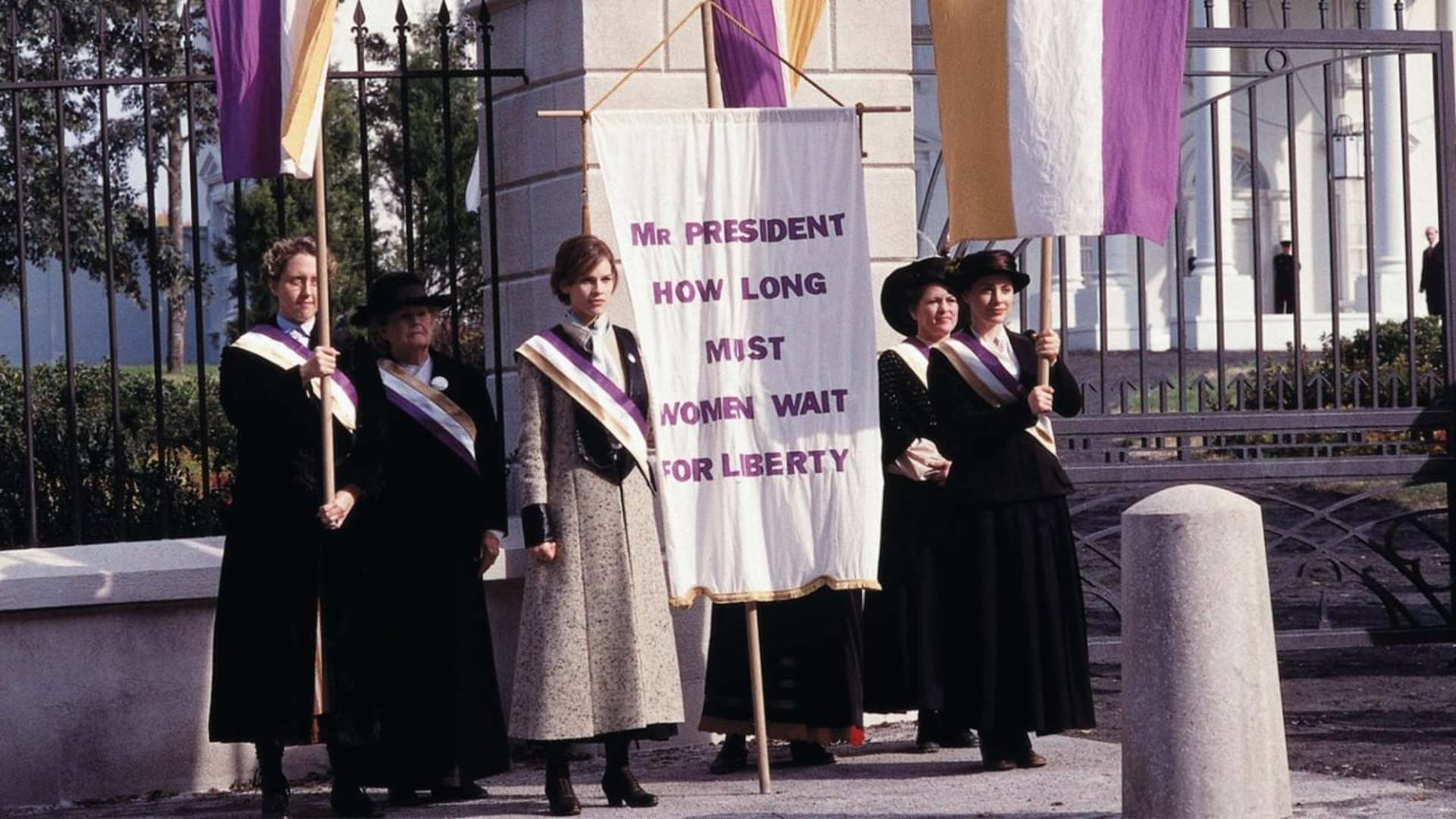
Iron Jawed Angels
The suffrage drama drew from Library of Congress archives documenting protests, arrests, and hunger strikes. The White House pickets were staged to match historical photographs, including banners and formations used by activists. Prison sequences recreated documented force-feeding procedures recorded in early 20th-century reports. Speeches reflected language from suffrage writings rather than modern phrasing.
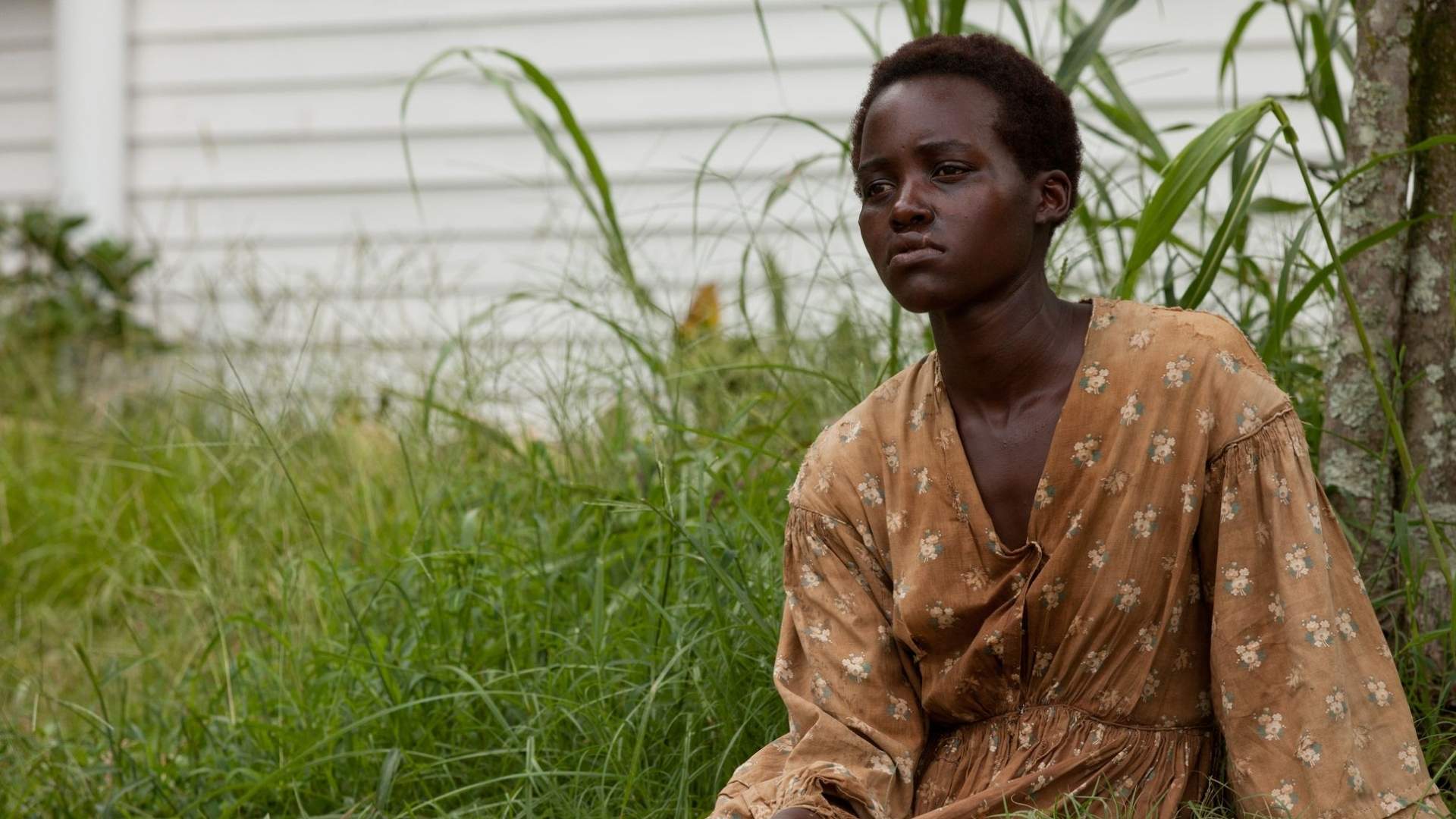
12 Years a Slave
Historians and archival sources guided the film’s commitment to Solomon Northup’s memoir. Filming took place in Louisiana landscapes similar to those described in his account, and daily labor routines followed plantation records. Dialogue and behavior reflected period narratives collected by historians studying slavery testimonies.
Lincoln
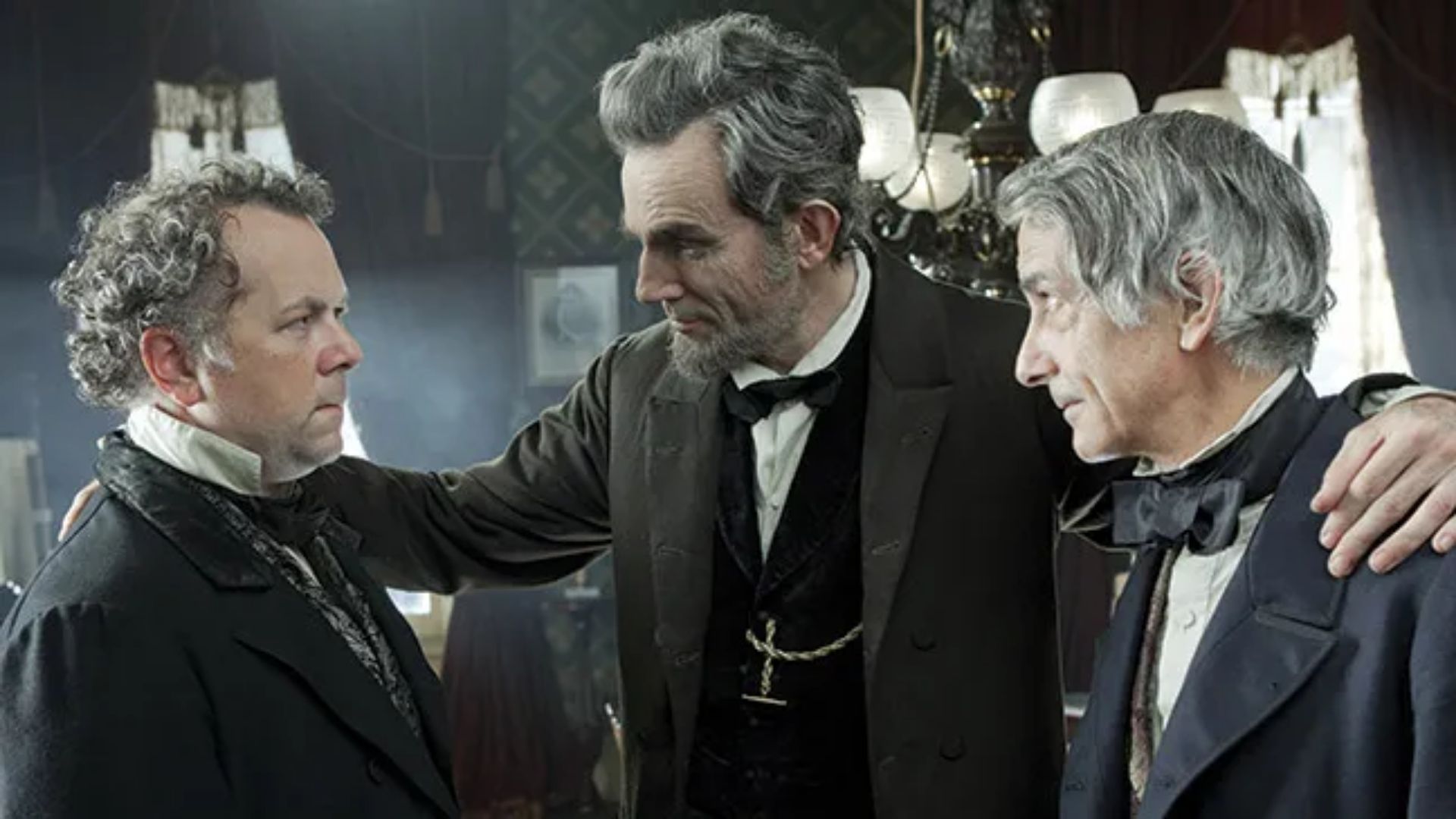
The political drama relied heavily on congressional records and historical scholarship about the passage of the Thirteenth Amendment. Cabinet conversations and legislative debates closely follow documented accounts. Daniel Day-Lewis based his voice and mannerisms on contemporary descriptions rather than popular myth. Interiors were lit with candles and natural sources to replicate 1860s conditions noted by historians.
Apollo 13
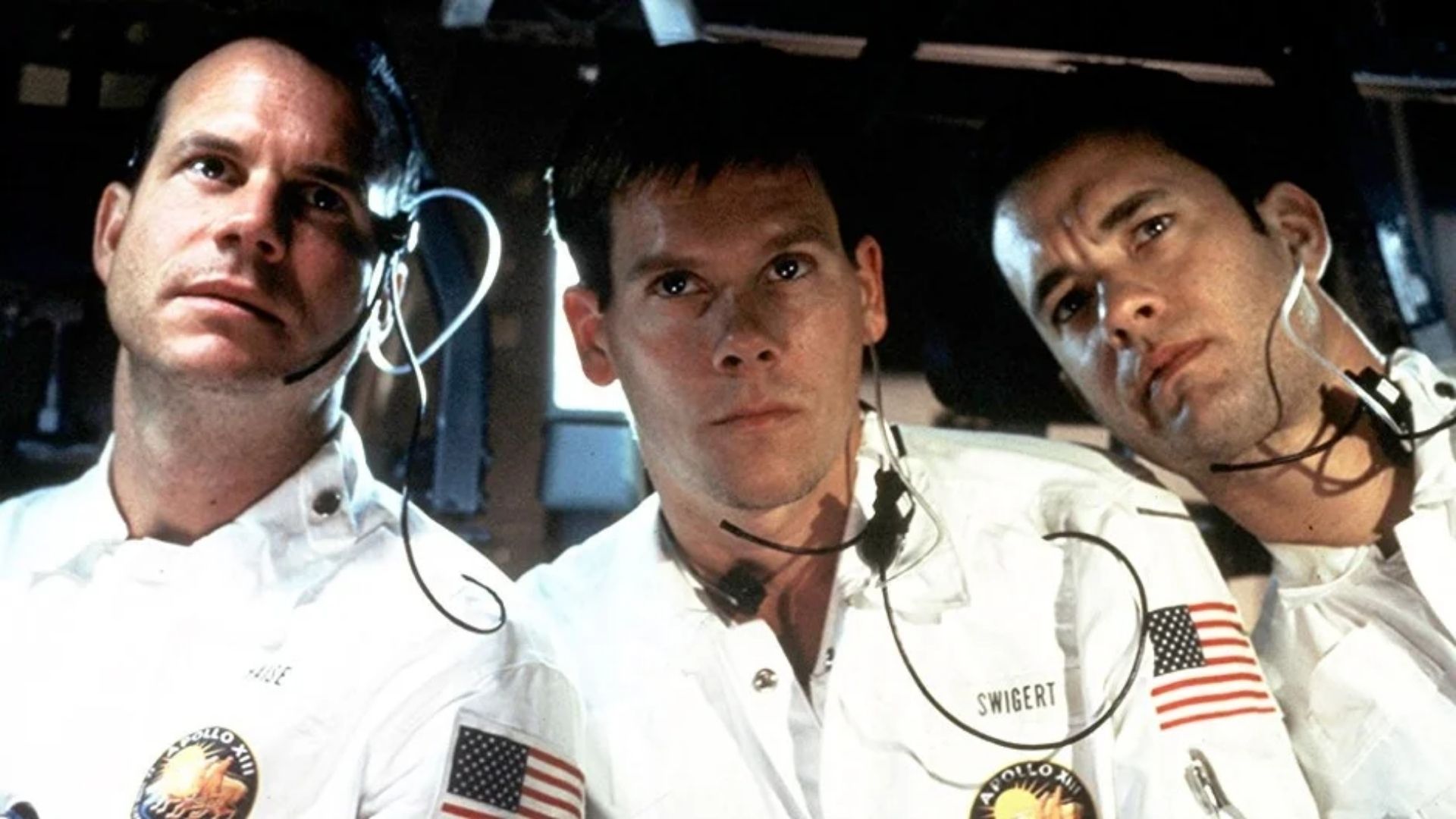
NASA transcripts dictated much of the dialogue, and mission control procedures mirror official flight documentation. Actors trained using real operational checklists while spacecraft interiors matched engineering layouts. To portray weightlessness, scenes were filmed aboard reduced-gravity aircraft rather than simulated on wires. Aerospace historians note the film captures the cooperative problem-solving that defined the mission, portraying engineers and astronauts working through checklists exactly as recorded.