
10 Iconic 1940s Movies That Redefined Hollywood’s Golden Era
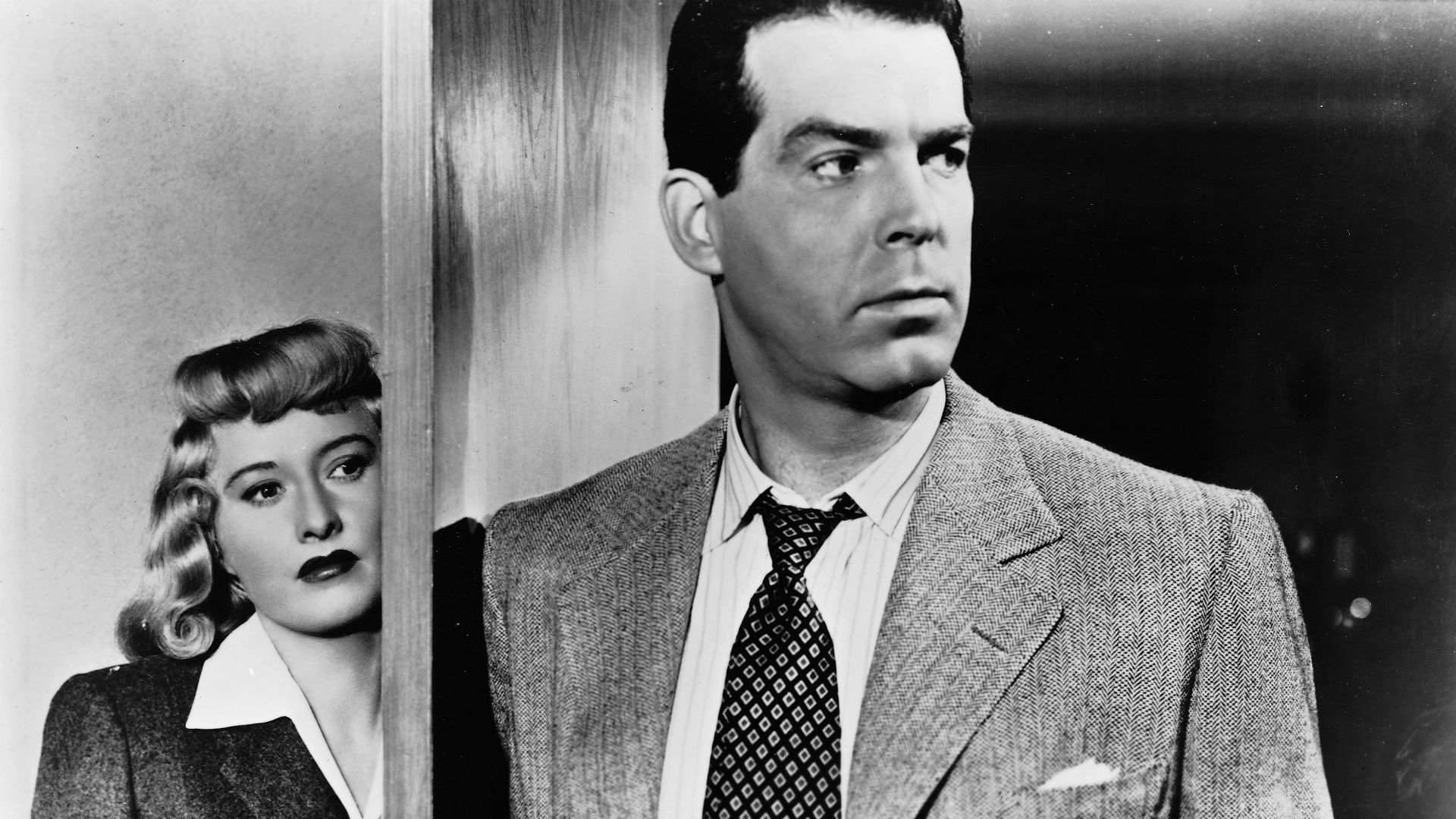
Double Indemnity (1944)
The film noir classic Double Indemnity, directed by Billy Wilder, stars Barbara Stanwyck and Fred MacMurray. In the story, a clever and dangerous woman convinces an insurance salesman to commit murder for money. The film is known for its dark mood, voiceover storytelling, and tense pacing. It shows themes of greed and corruption in a very honest and cynical way, helping to define the style of film noir.
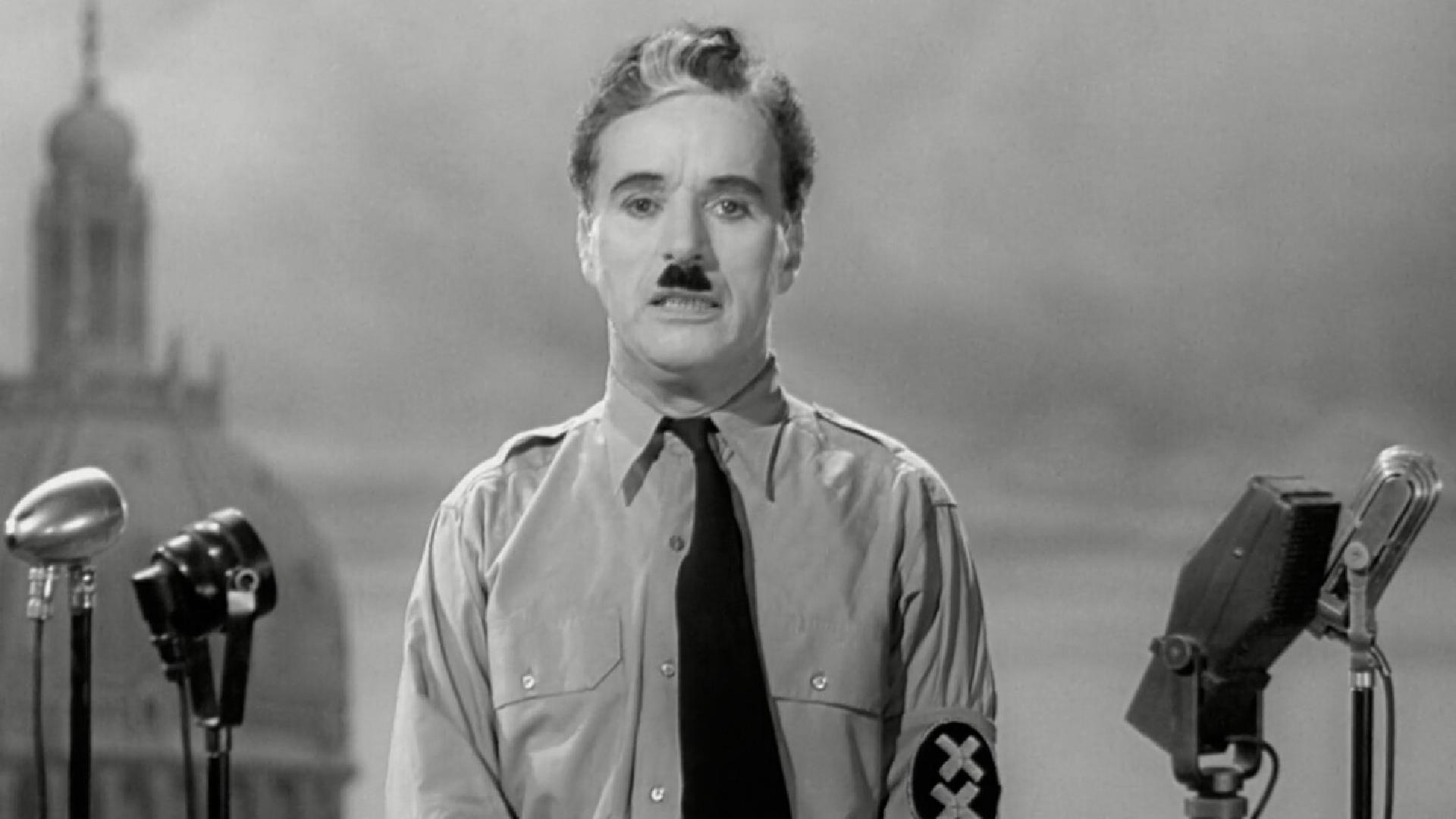
The Great Dictator (1940)
The bold satire The Great Dictator, created by and starring Charlie Chaplin, makes fun of fascism and Adolf Hitler. Chaplin plays two roles, a kind Jewish barber and a cruel dictator. The film mixes comedy with serious moments, especially in its powerful final speech about humanity and peace. Its strong political message and emotional impact make it one of Chaplin’s most important works.
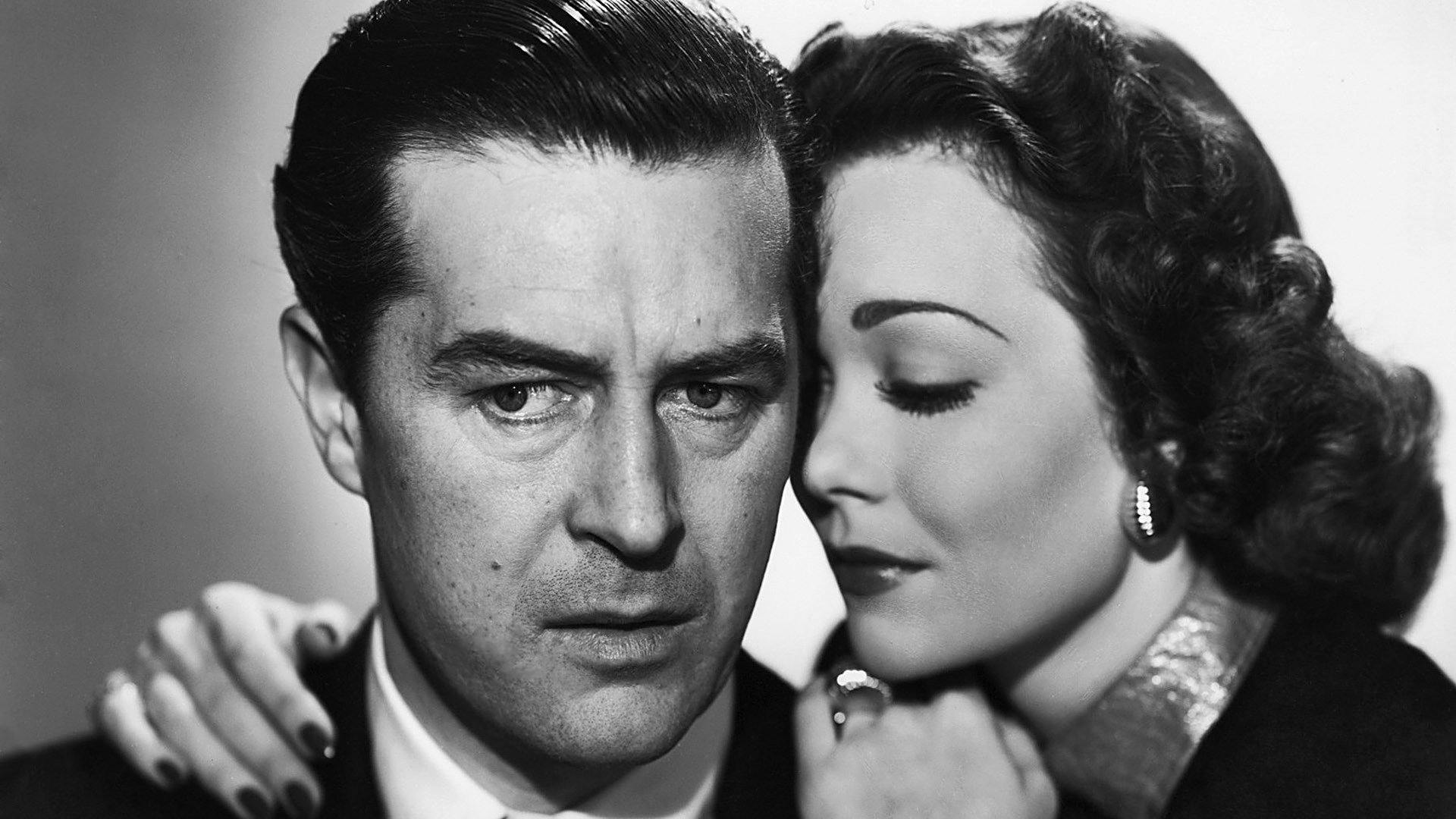
The Lost Weekend (1945)
The powerful drama The Lost Weekend, directed by Billy Wilder, stars Ray Milland as a writer struggling with alcoholism. The film shows his painful downward spiral over a few days, with very realistic and honest detail. It uses creative scenes, like hallucinations, to show his state of mind. Its serious look at addiction helped change how people saw the issue, and it won several Academy Awards.
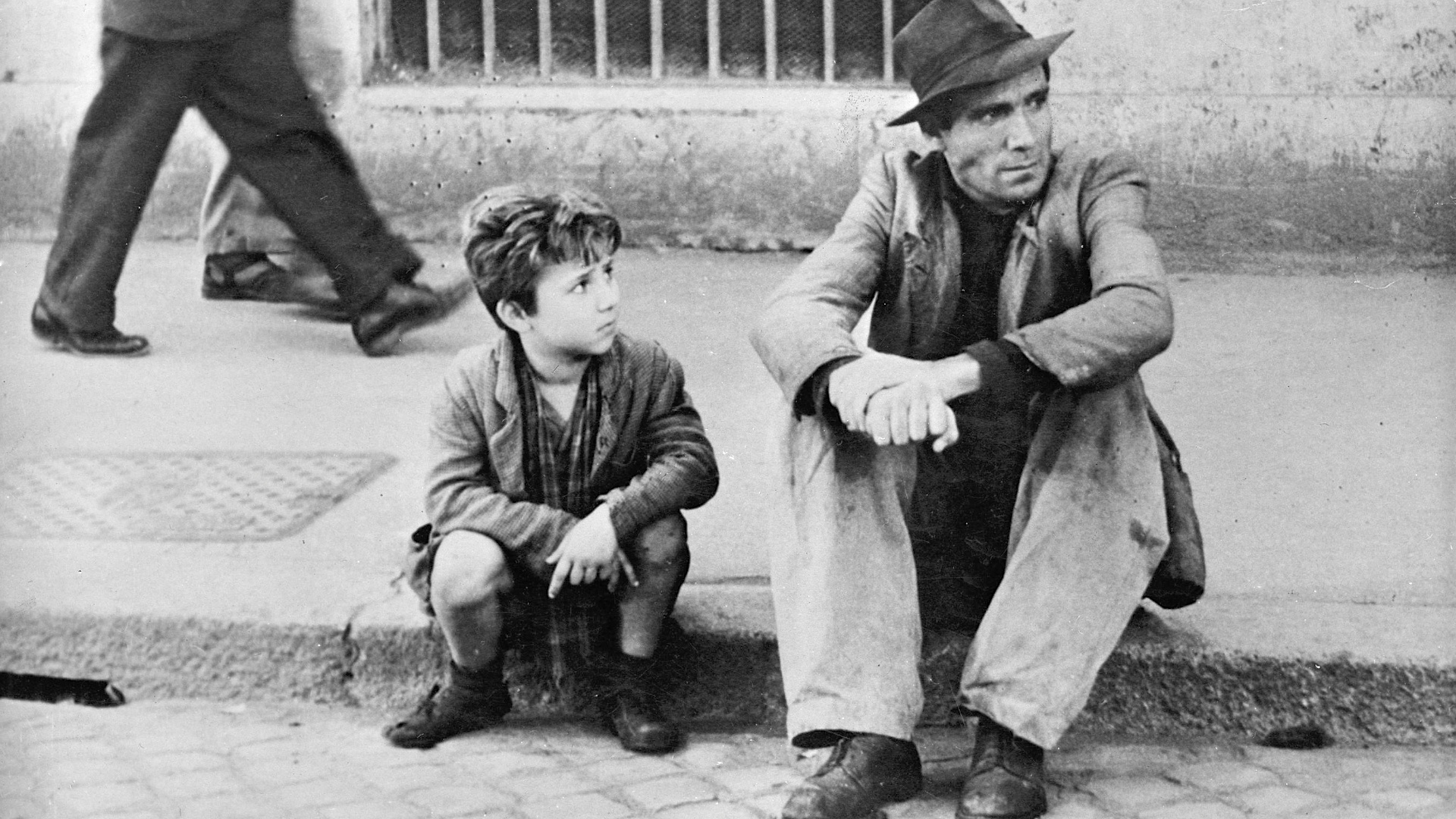
Bicycle Thieves (1948)
Vittorio De Sica’s neorealist masterpiece Bicycle Thieves follows a poor man searching for his stolen bicycle in post-war Italy. Filmed on real streets with non-professional actors, the movie feels very real and emotional. It shows everyday struggles, poverty, and quiet sadness in a simple but powerful way, influencing filmmakers around the world.
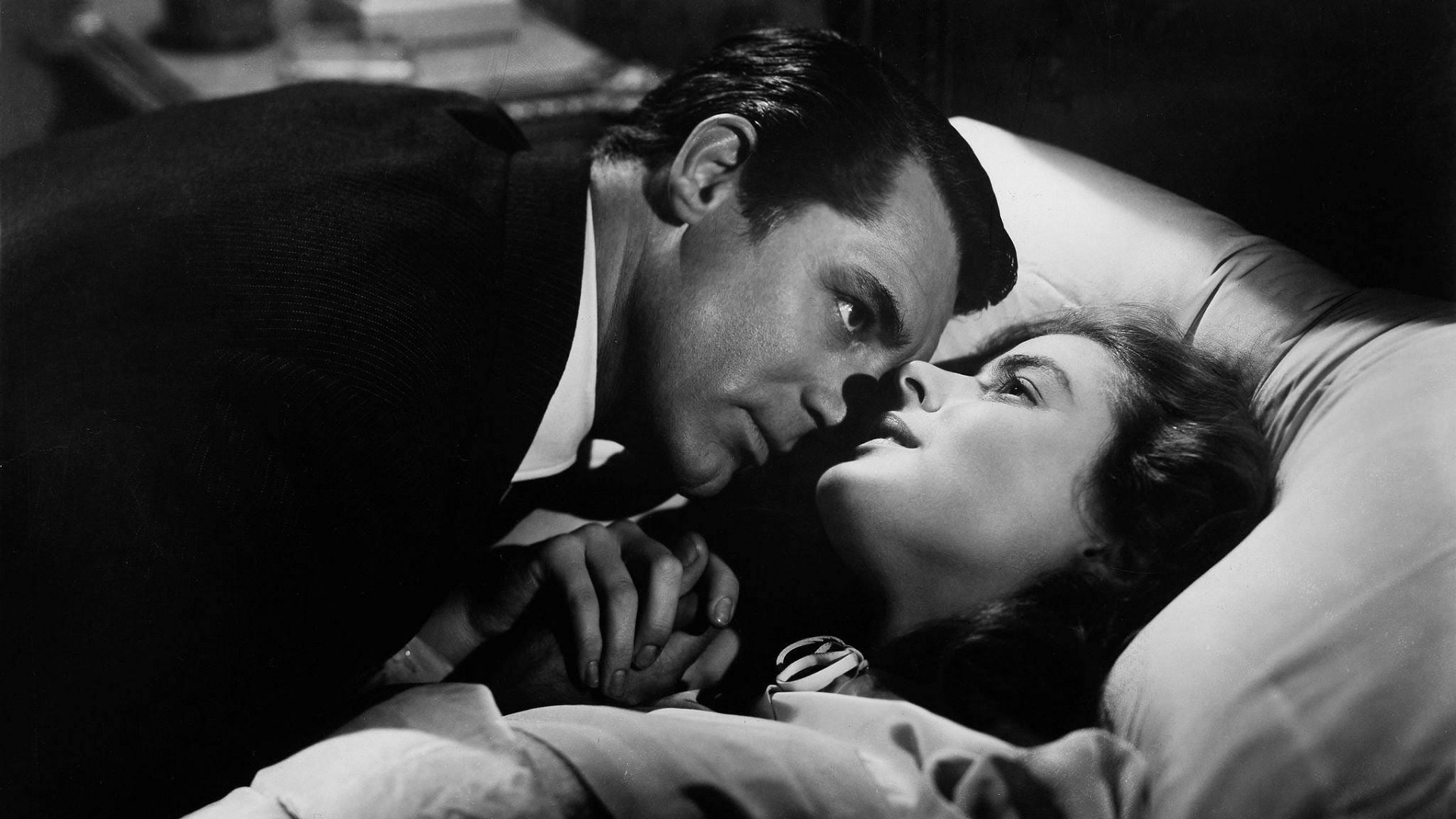
Notorious (1946)
The suspenseful spy film Notorious, directed by Alfred Hitchcock, stars Ingrid Bergman and Cary Grant. It tells the story of a woman who spies on Nazis out of love and duty, leading to a complicated romance. The film is known for its tense story, psychological depth, and famous long kissing scene. It shows Hitchcock’s skill in creating suspense and exploring difficult moral choices.
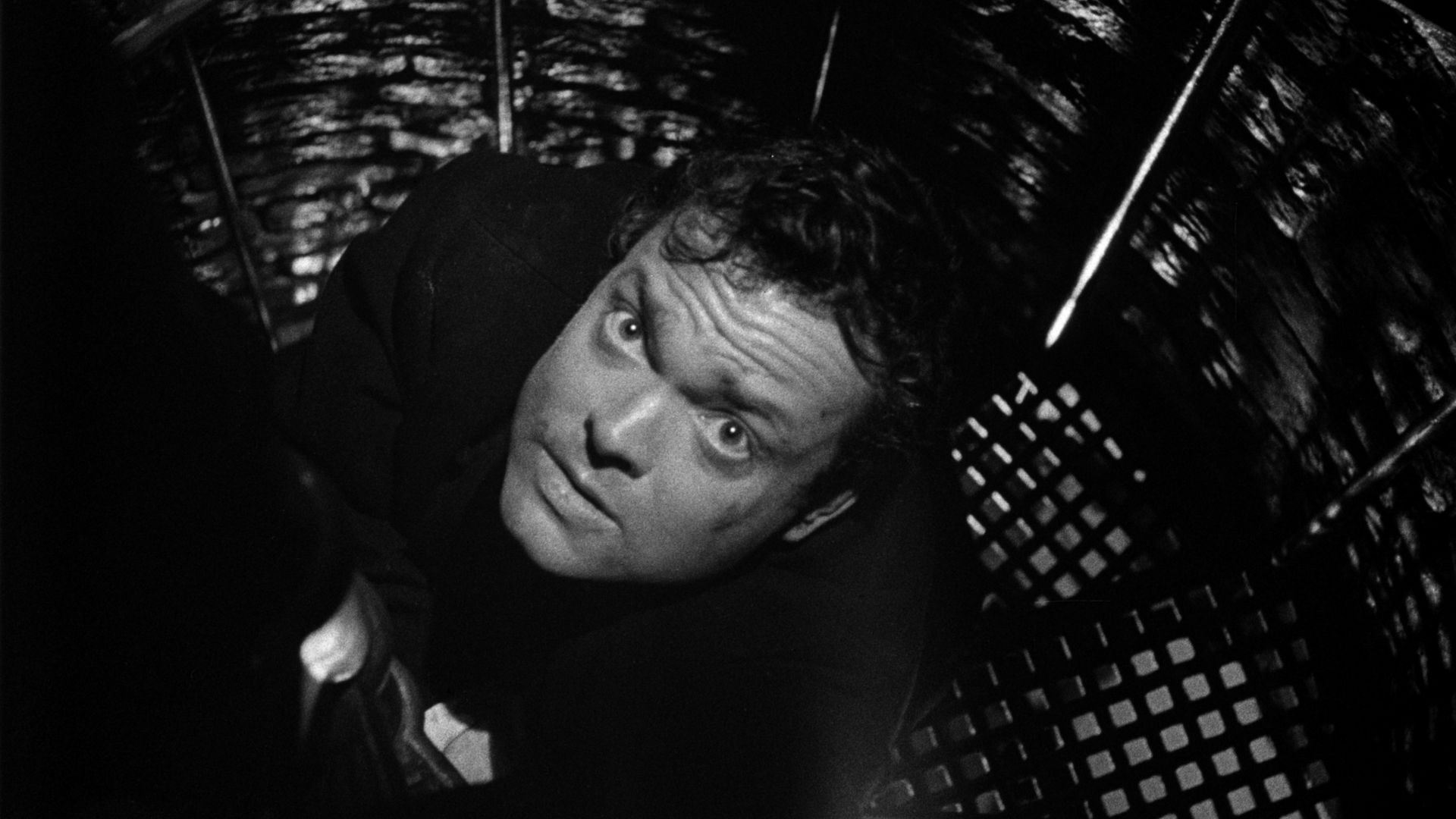
The Third Man (1949)
Carol Reed’s post-war thriller The Third Man features a memorable performance by Orson Welles. Set in a damaged and divided Vienna after World War II, the film shows a dark world of crime and moral confusion. It is famous for its eerie music, striking shadow-filled visuals, and the chilling “cuckoo clock” speech. The story of friendship, betrayal, and mystery makes it one of the greatest noir and international films ever made.
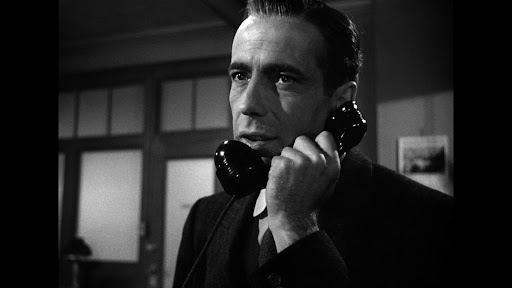
The Maltese Falcon (1941)
The classic film noir The Maltese Falcon, directed by John Huston, made Humphrey Bogart famous as a tough, no-nonsense detective. The movie helped define the noir style with its dark story, tricky characters, and a mysterious woman who cannot be trusted. Its clever dialogue, complex plot, and unclear sense of right and wrong influenced many crime and thriller films that came after it.
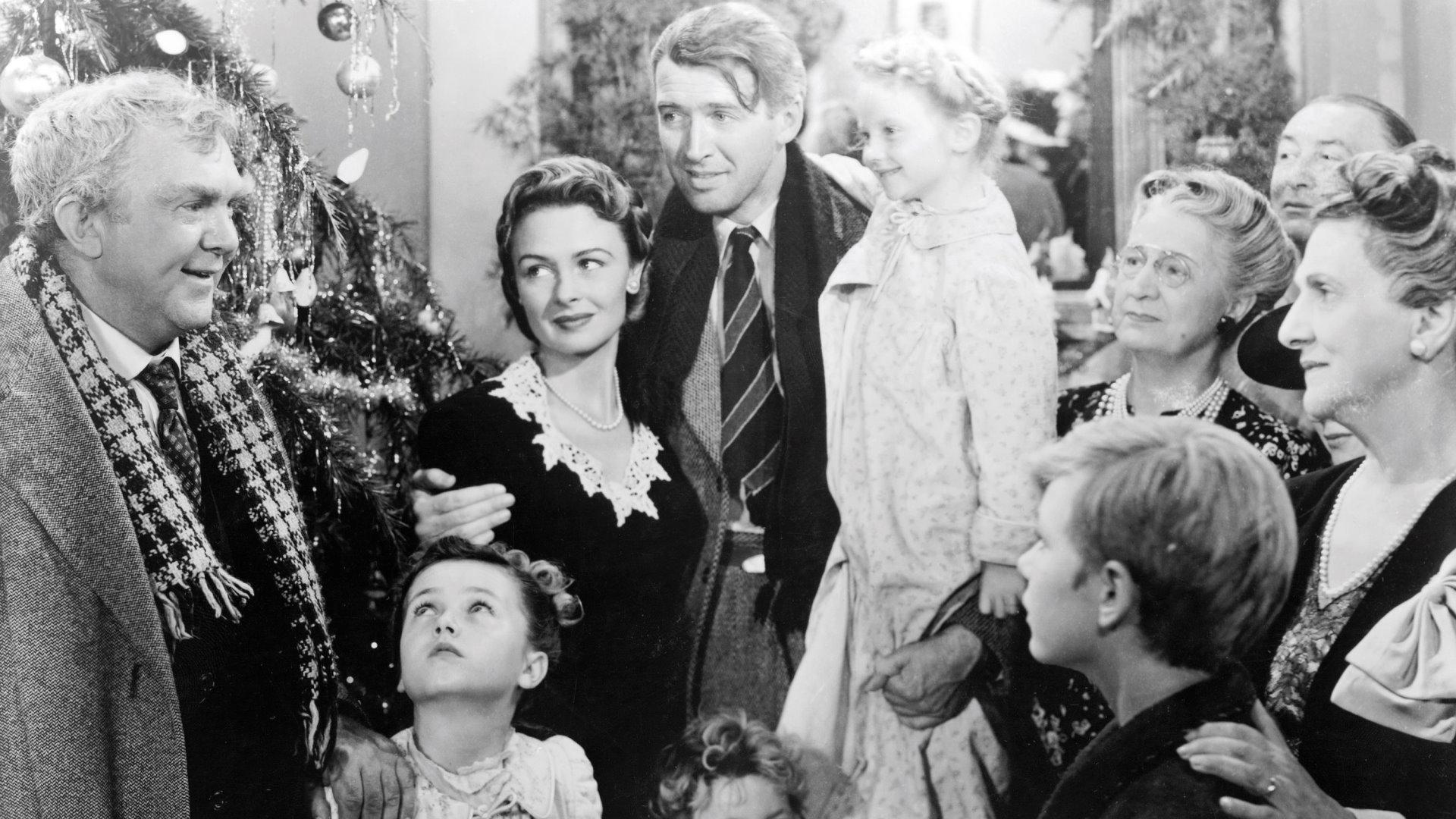
It's a Wonderful Life (1946)
The touching film It's a Wonderful Life, directed by Frank Capra, stars James Stewart as a man who learns how important his life is with the help of an angel. At first, the movie was not very popular, but over time it became a favorite during the holiday season. Its message about hope, kindness, community, and second chances still connects with people today, making it a timeless and meaningful classic.
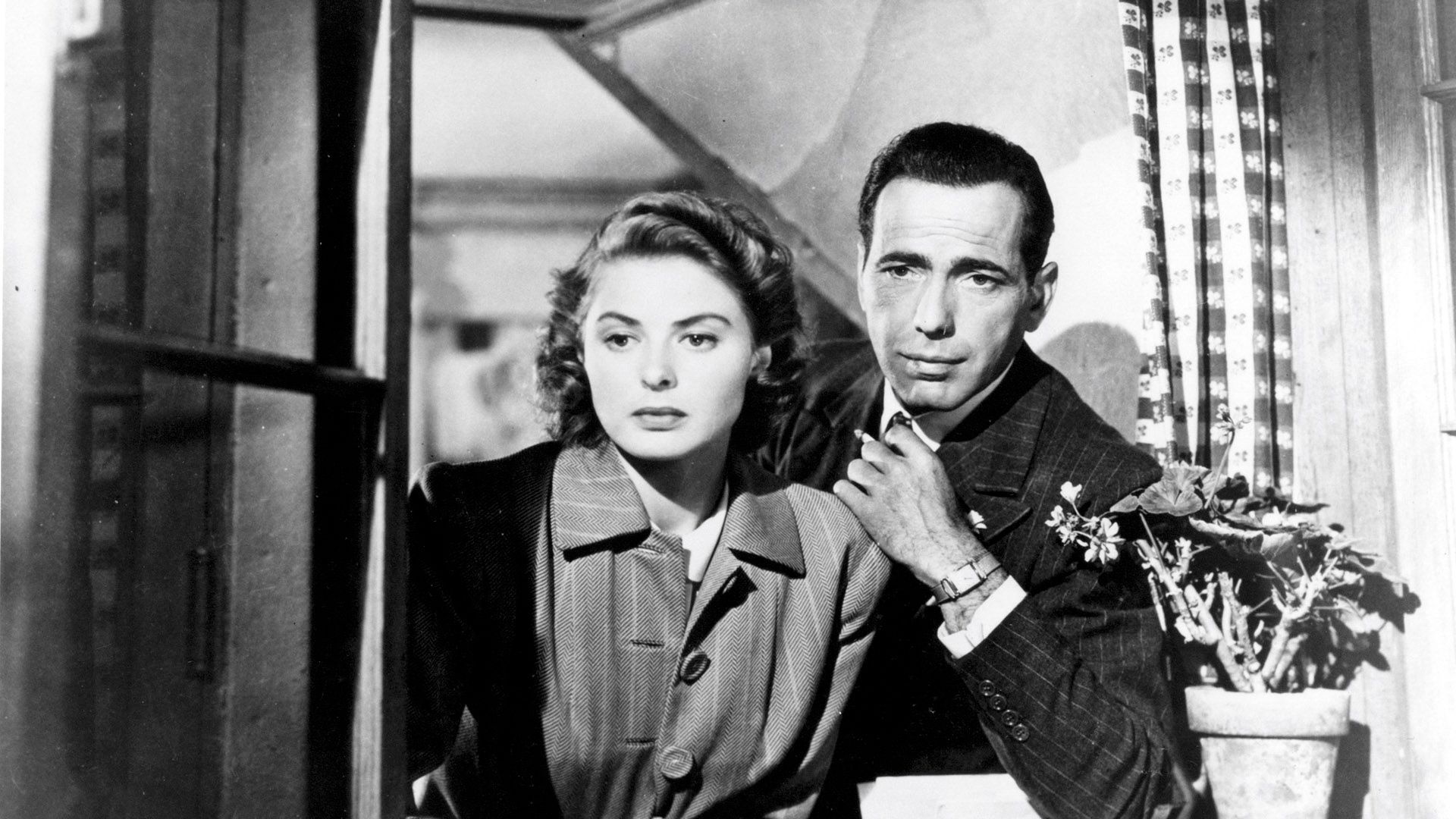
Casablanca (1942)
The classic war-time love story Casablanca stars Humphrey Bogart and Ingrid Bergman. It mixes romance, sacrifice, and tough choices during World War II. The film is famous for lines like “Here’s looking at you, kid” and “We’ll always have Paris.” Its story about choosing between love and duty has made it one of Hollywood’s most loved and often-quoted movies.
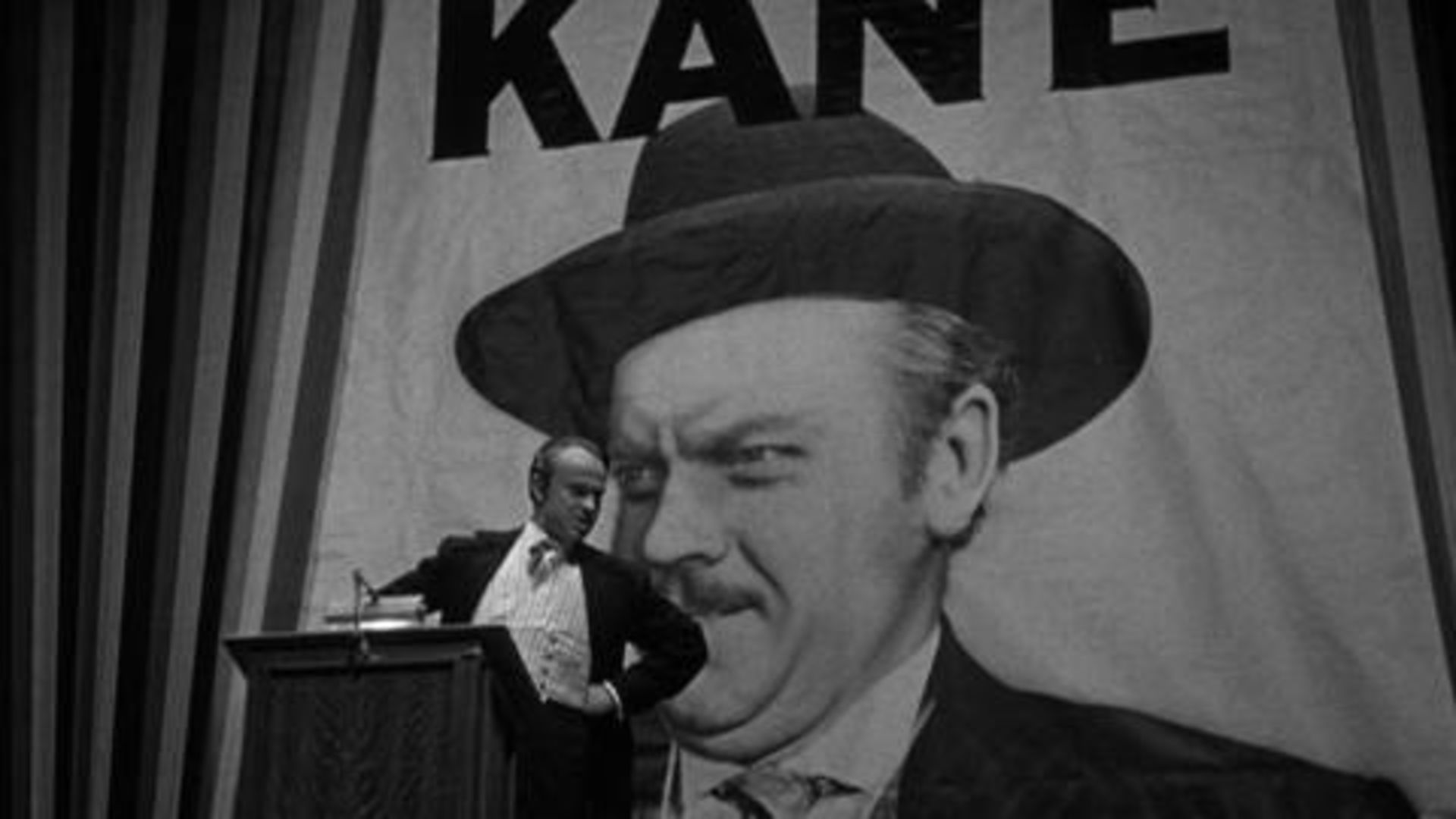
Citizen Kane (1941)
Often called the greatest film ever made, Orson Welles’ first movie changed how stories are told in films. It used new ideas like showing many things in focus at once, telling the story out of order, and using flashbacks. The movie looks at themes like power, loss, and the mystery of “Rosebud,” and it set new standards for creativity and filmmaking techniques.