
10 Jodie Foster Movies That Prove She’s in a League of Her Own
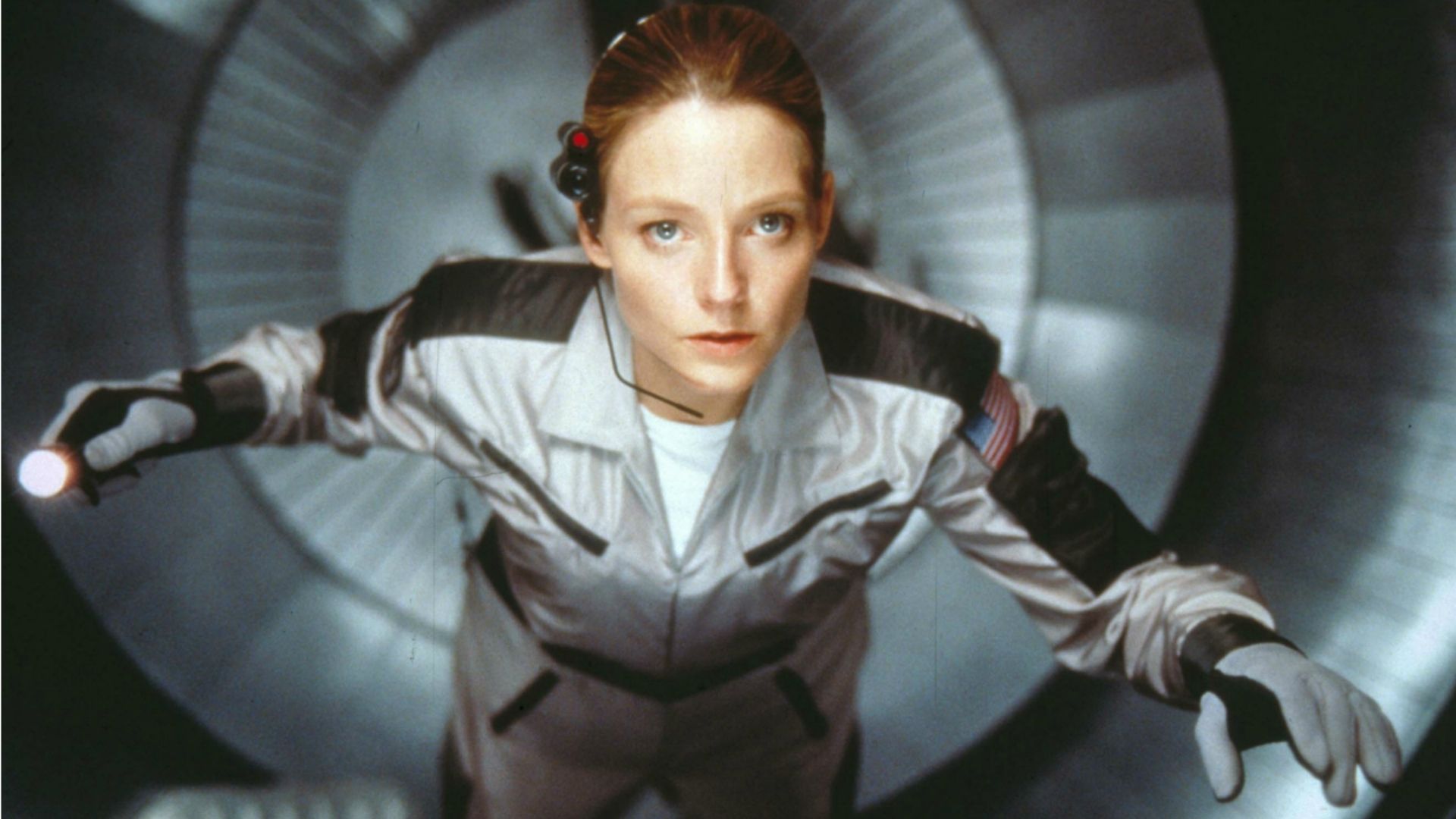
Contact (1997)
In Contact, Jodie Foster plays Dr. Ellie Arroway, a scientist who has spent her whole life searching for proof that we’re not alone in the universe. When she finally finds a message from space, the discovery changes everything and not everyone wants her to be the one leading it.
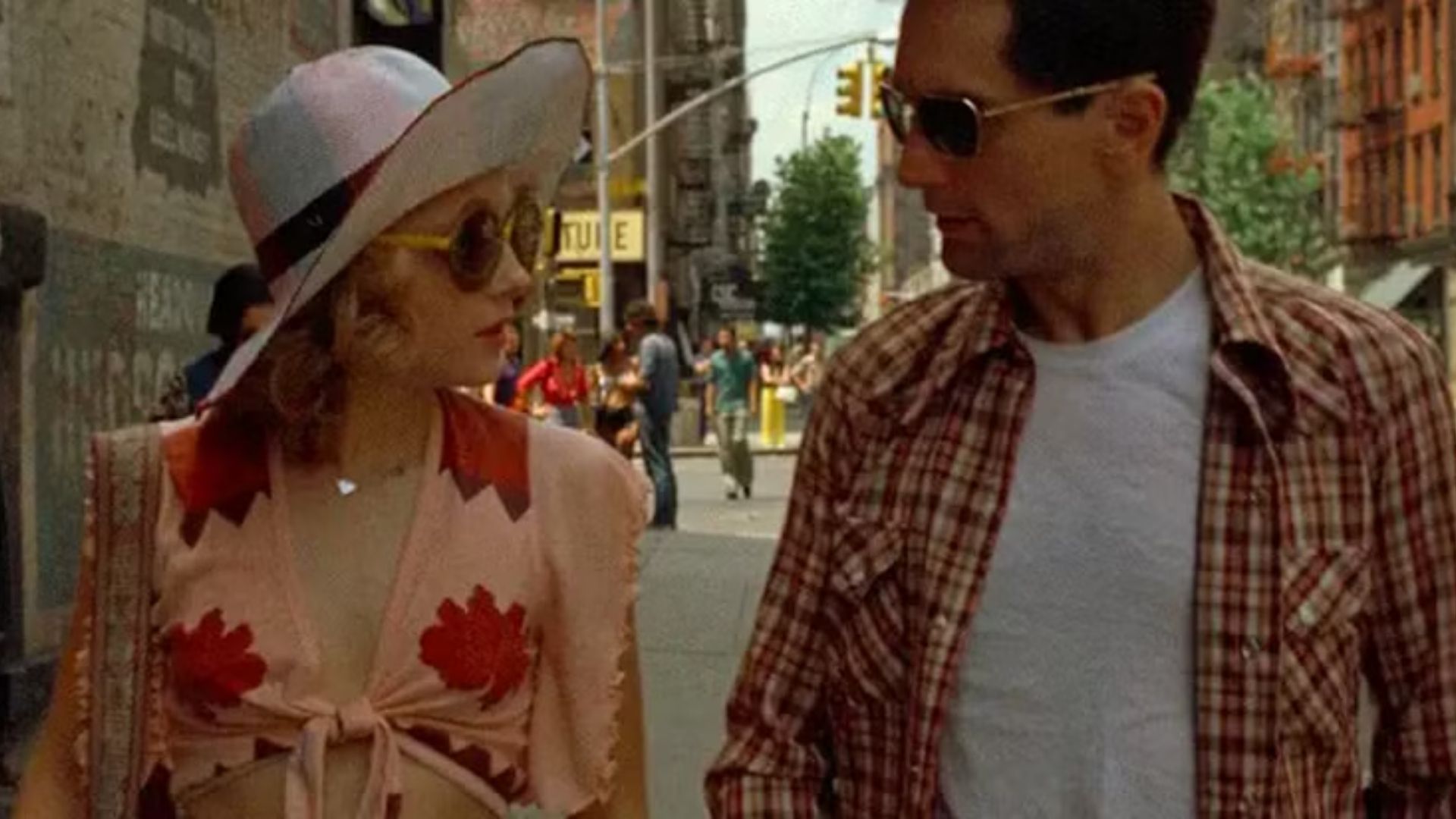
Taxi Driver
Even though Taxi Driver was released in 1976, filming began in 1975 when Jodie Foster was only 12 years old. Her role as Iris, a child prostitute living on the streets of New York, remains one of the most shocking casting choices in modern cinema, but Foster handles it with unbelievable control. She brings a tired, hardened sadness to Iris, yet still lets flashes of childhood slip through.
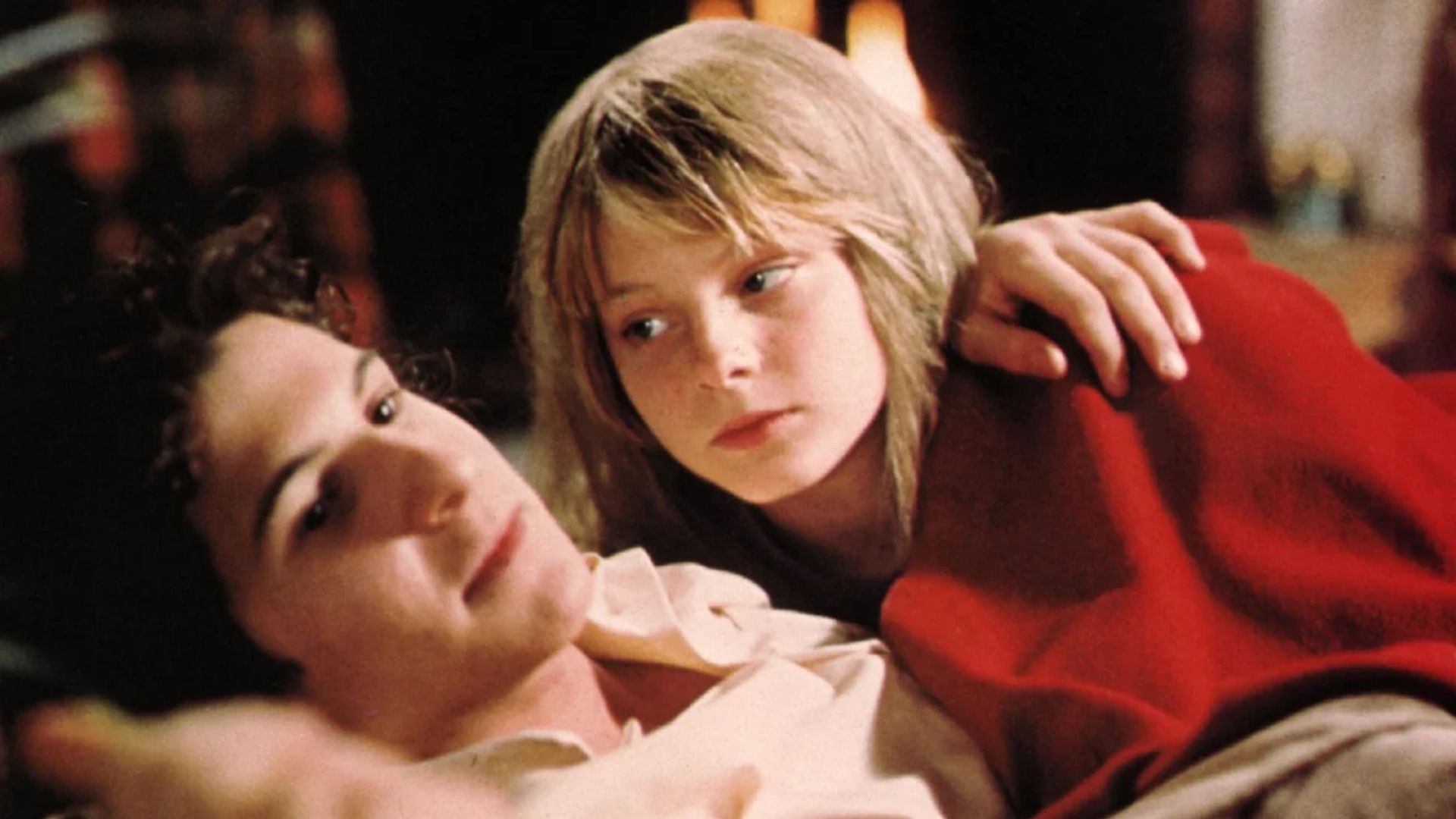
The Little Girl Who Lives Down the Lane (1976)
This eerie thriller shows just how powerful Jodie Foster was, even as a teenager. She plays Rynn Jacobs, a quiet girl living alone in a small town, claiming her father is around even though nobody sees him. People start getting suspicious, and the movie slowly turns into a tense mystery. Foster plays Rynn as calm and smart, but also clearly hiding fear under the surface. She makes you wonder what’s true and what isn’t.
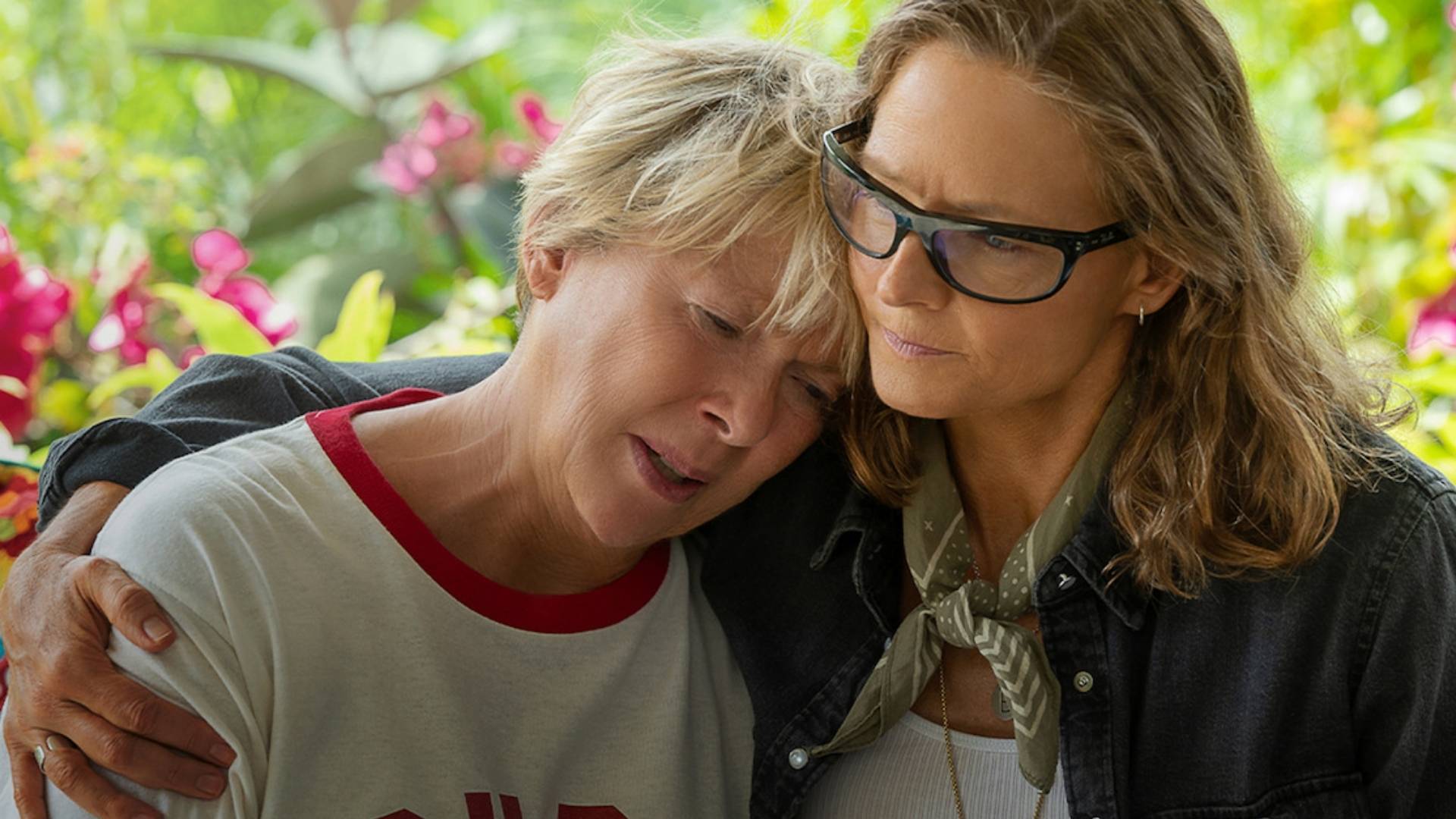
Nell (1994)
In Nyad, Jodie Foster plays Bonnie Stoll, the tough, loyal best friend and coach of swimmer Diana Nyad. Diana decides to chase a huge dream later in life; swimming from Cuba to Florida, and Bonnie becomes the person who keeps her steady through every setback. Foster makes Bonnie feel real: supportive, funny, exhausted, and sometimes brutally honest.
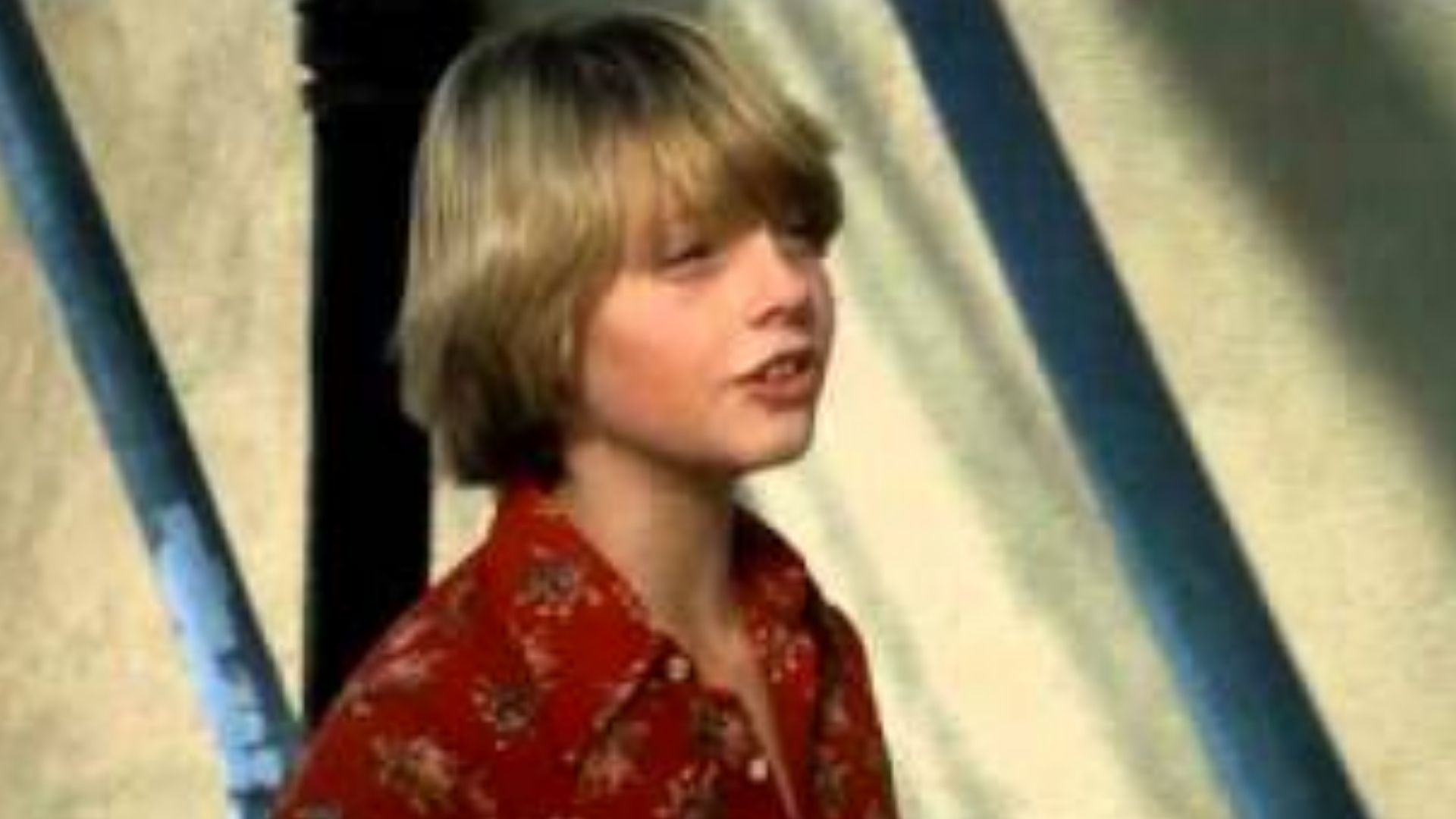
Alice Doesn’t Live Here Anymore (1974)
Alice Doesn’t Live Here Anymore follows a widowed mother (Ellen Burstyn) trying to rebuild her life, and Foster appears as Audrey, a loud and fearless kid who doesn’t hold back. Even though Foster is young and only in a few scenes, she’s memorable because she feels so natural. She’s funny and full of attitude, and she doesn’t act like a typical “cute child character.”
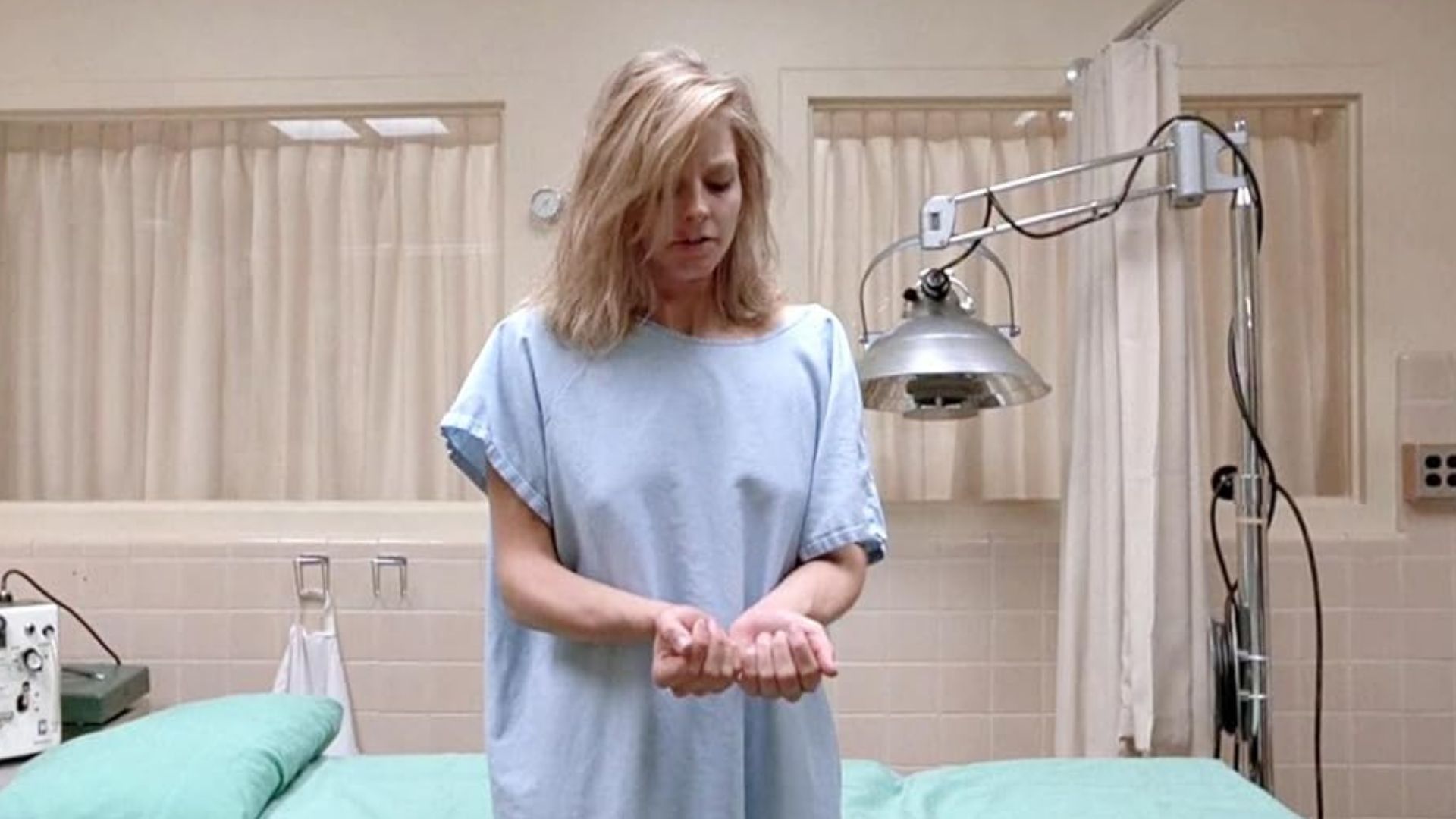
The Accused (1988)
The Accused is one of Jodie Foster’s most powerful and important films. She plays Sarah Tobias, a woman who is assaulted in a bar and then forced to fight for justice in a system that keeps blaming her instead. The movie is hard to watch, but it’s meant to be. Foster doesn’t play Sarah as perfect or “easy to like.” She plays her as angry, messy, and hurt, like a real person trying to survive.
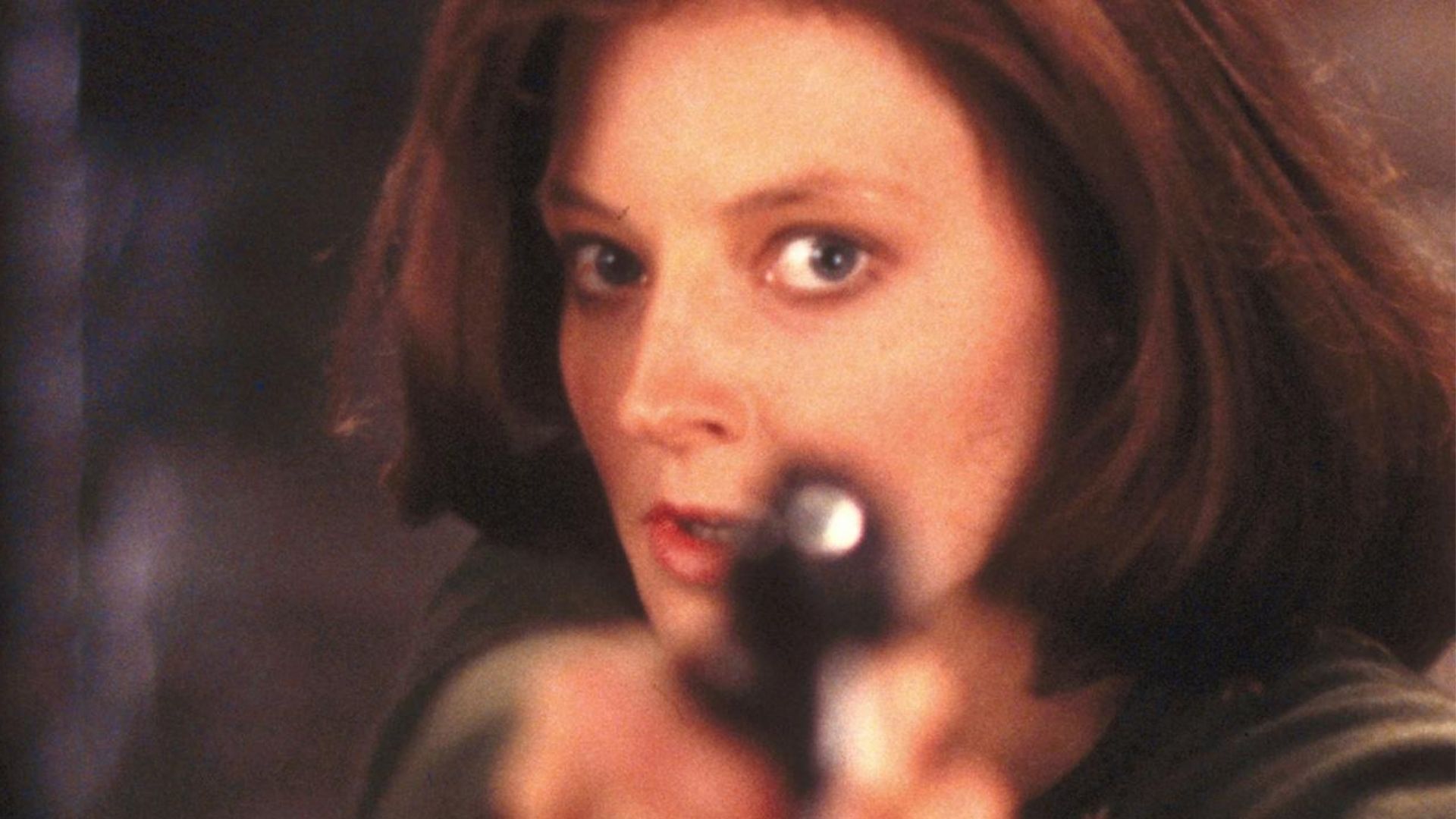
1. The Silence of the Lambs (1991)
This is the movie that made Jodie Foster legendary. She plays Clarice Starling, a young FBI trainee pulled into a terrifying case involving a serial killer. To catch him, she has to speak with Hannibal Lecter, another killer who is calm, brilliant, and terrifying in a totally different way. Foster plays Clarice as smart, focused, and brave; but never unreal.
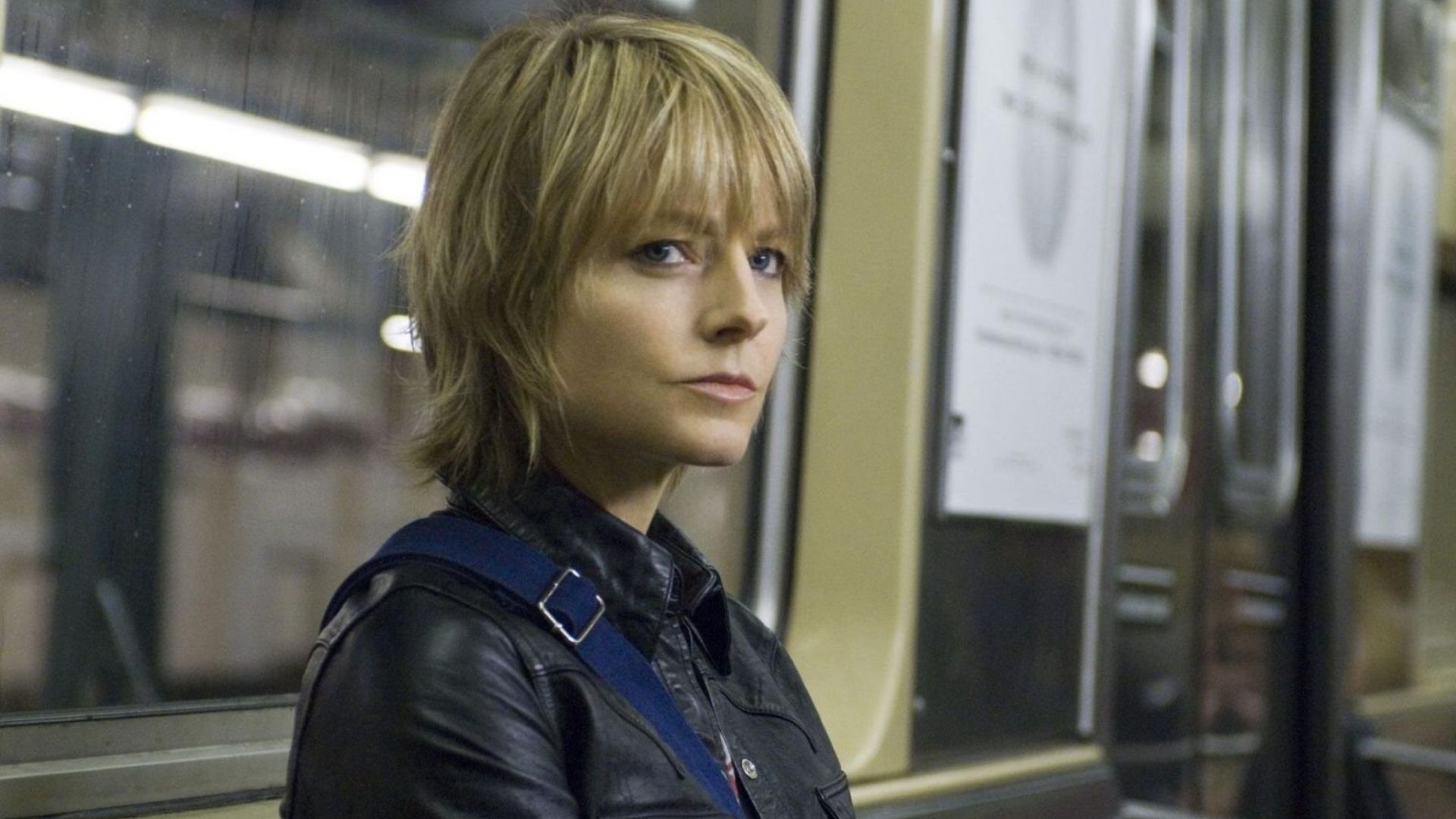
The Brave One (2007)
Jodie Foster brings raw pain and moral complexity to The Brave One, a revenge thriller that refuses to feel heroic. She plays Erica Bain, a radio host whose life collapses after a violent attack leaves her traumatized and alone. As she begins taking justice into her own hands, Foster portrays her transformation as something frightening rather than empowering like a person losing herself piece by piece.
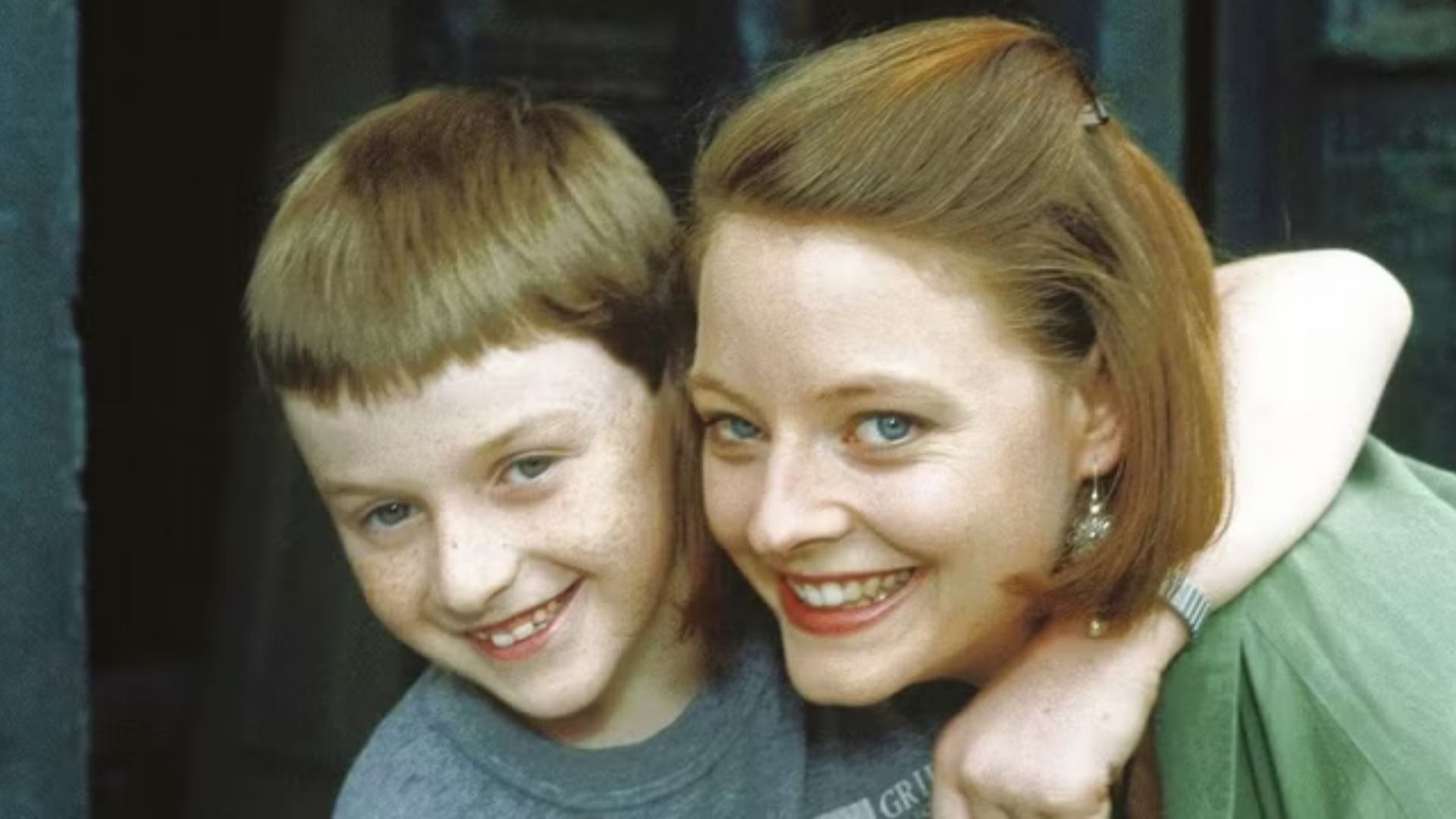
Little Man Tate (1991)
Jodie Foster’s directorial debut is a quiet, heartfelt story about intelligence, isolation, and motherhood. She plays Dede Tate, a working-class single mom raising her young son Fred, a child prodigy who can solve complex problems but struggles to connect with people his age. Foster directs with restraint, avoiding the usual “genius kid” clichés, and focuses instead on what it feels like to be different and lonely.
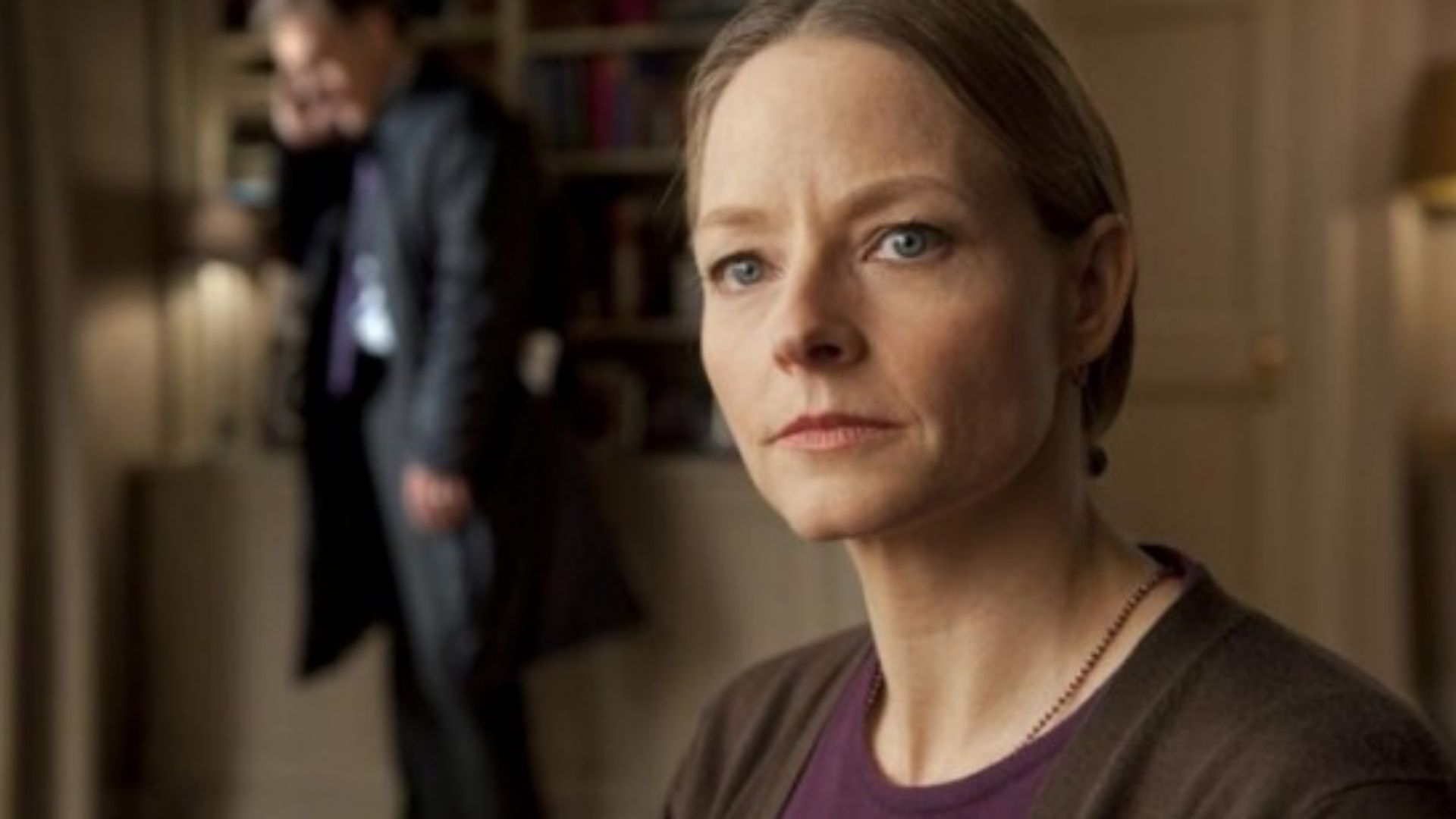
Carnage (2011)
In Carnage, Jodie Foster trades suspense for social warfare, delivering a performance that’s funny, tense, and painfully real. She plays Penelope, a seemingly polite and idealistic mother meeting another couple to discuss a fight between their sons. What begins as a civilized conversation slowly turns into emotional chaos, with every insecurity and resentment spilling out. Foster is brilliant at showing Penelope’s breakdown in stages; righteous at first, then defensive, then completely unhinged.